Best Things to Do in Guangzhou: The Definitive Guide
Guangzhou rewards visitors with one of China's richest mixes of history, food culture, river life, and modern architecture. This guide covers the top things to do in Guangzhou across every district, with practical assessments, practical logistics, and seasonal advice.
Plan and book this trip
Tools from our partner Travelpayouts help you compare flights and hotels. If you book through them, we may earn a commission at no extra cost to you.
Flights
Hotels map
TL;DR
- The best things to do in Guangzhou span five distinct districts — plan by area to avoid wasting time on the metro.
- Canton Tower, Pearl River night cruises, and Chen Clan Ancestral Hall are the three non-negotiable highlights for first-timers.
- October to December is the best window for sightseeing — dry, clear skies, comfortable temperatures. June to August brings oppressive heat and typhoon risk.
- Families should dedicate at least a full day to Chimelong Safari Park or Chimelong Paradise in Panyu — they are genuinely world-class, not just regional novelties.
- See the getting around Guangzhou guide before you arrive — the metro is excellent but the city is large.
Understanding Guangzhou Before You Explore
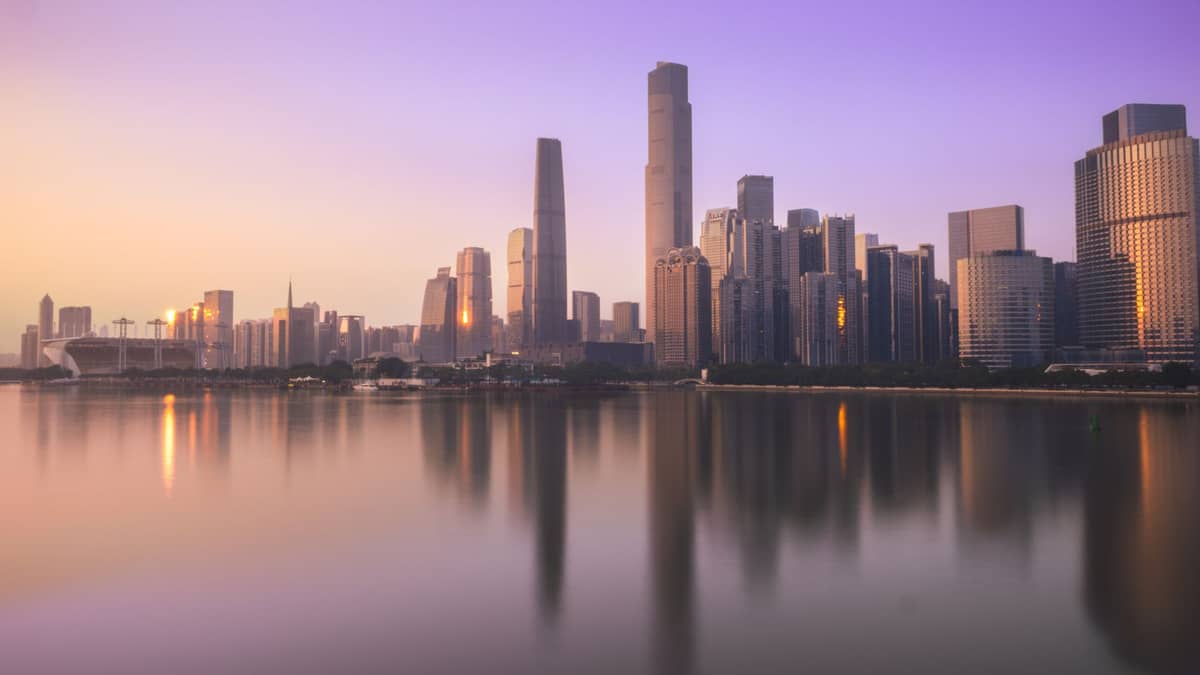
Guangzhou is Guangdong Province's capital and one of China's largest cities, with close to 18.8 million permanent residents spread across 7,434 km².. It sits at the lower reaches of the Pearl River delta, roughly 130 km north of Hong Kong. Historically known to the outside world as Canton — the older English name for the city, not a separate place — Guangzhou has been a major trading hub for over two millennia. That history is still readable in the streets today, layered beneath a skyline of modern towers.
The city's attractions are not concentrated in one walkable center. Highlights are spread across Yuexiu, Liwan, Tianhe, Haizhu, and Panyu. Grouping your days by district is the single most practical decision you can make when planning. The Guangzhou Metro covers most major attractions and fares are very affordable, but distances between districts can be significant.
ℹ️ Good to know
Cantonese is the dominant spoken language in daily life, even though Mandarin is China's official language. Basic Mandarin phrases will be understood, but learning a few Cantonese greetings goes a long way in markets, temples, and older neighborhoods like Liwan and Yuexiu.
Iconic Landmarks and Skyline Experiences
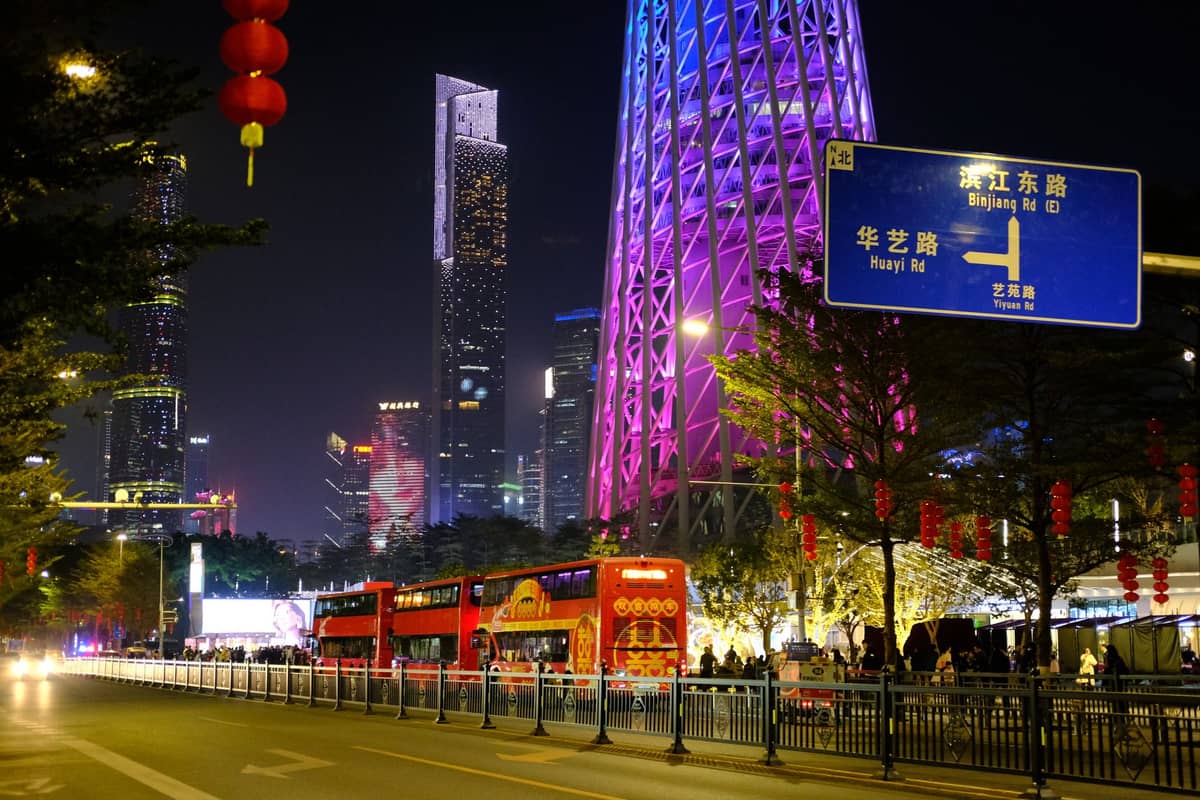
Canton Tower is the defining image of modern Guangzhou. Standing 600 meters tall in the Haizhu district, it dominates the city's southern skyline and is best reached via Metro Line 3 to Canton Tower Station. Opening hours run 9:30 AM to 10:30 PM, and the tower offers multiple observation decks at different heights. The Bubble Tram — a rotating gondola that circles the tower's upper section — is available online, so reserving it in advance is strongly recommended. The view at night, looking north across the Zhujiang New Town skyline and the Pearl River, is one of the best urban panoramas in southern China.
Across the river, the Guangzhou Opera House designed by Zaha Hadid is worth seeing even if you are not attending a performance. The building's pebble-like form is genuinely striking up close, and the surrounding plaza connects to the Guangdong Museum — one of the best provincial museums in China, with an extensive collection covering the history, natural environment, and folk arts of Guangdong. Both are free or low-cost and easy to combine in a half-day visit to Zhujiang New Town.
✨ Pro tip
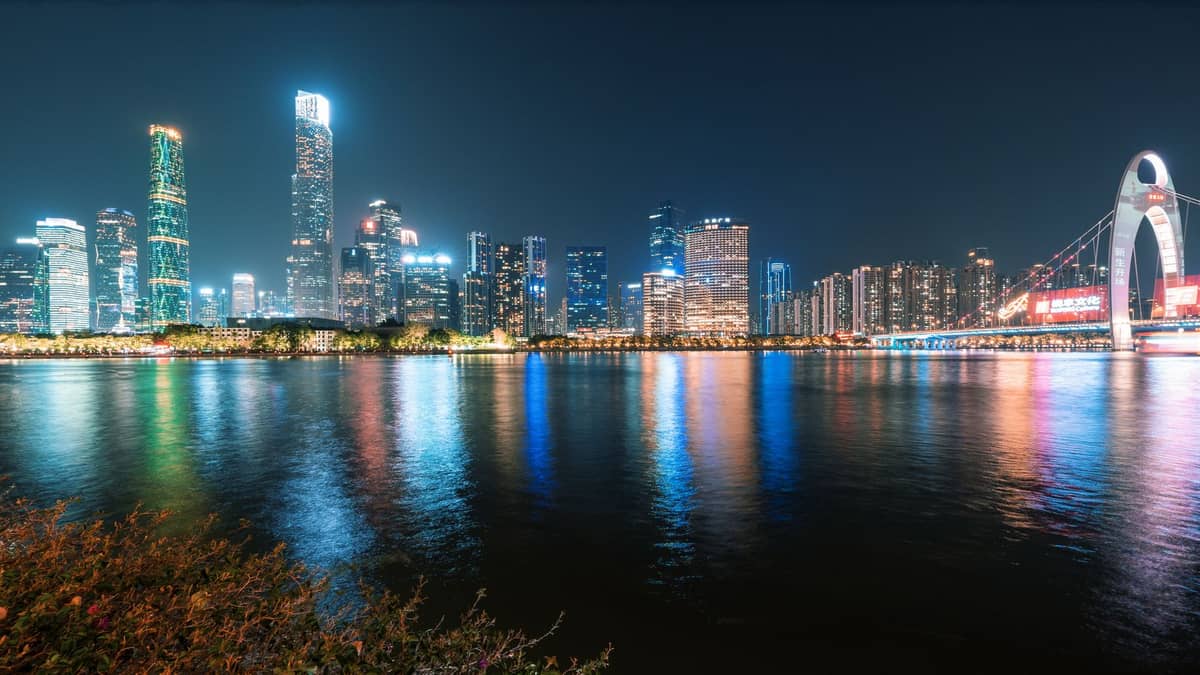
For the best Canton Tower photos, position yourself on the north bank of the Pearl River near Liede Bridge around dusk. The tower's LED light display activates after dark and the reflection on the water adds considerably to the shot. This spot is free and far less crowded than the tower's own observation deck.
History, Culture, and Old Guangzhou
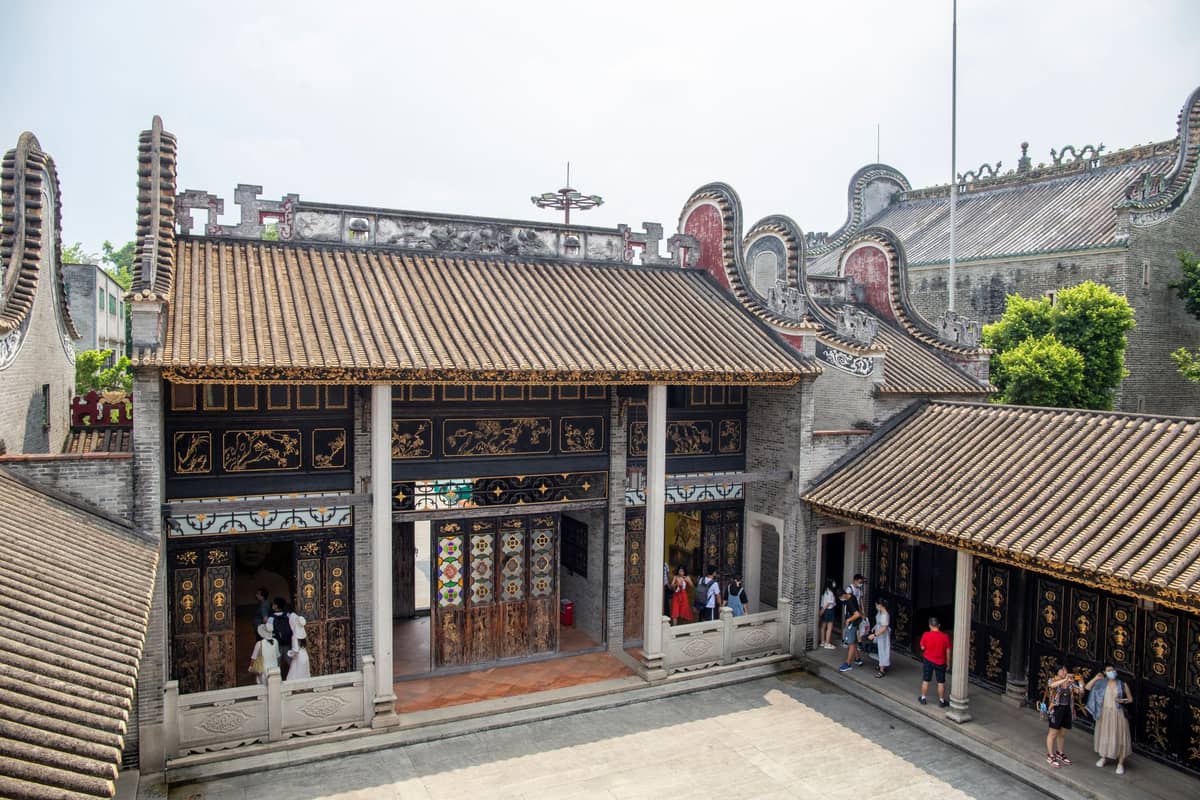
Chen Clan Ancestral Hall, built between 1888 and 1894, is the finest example of Lingnan folk architecture in the city. Nineteen interlocking buildings are decorated with ceramic friezes, wood carvings, stone sculptures, and cast ironwork — every surface tells a story. It functions today as the Guangdong Folk Arts Museum and takes around two hours to explore properly. Entry fees are modest. Located in Liwan District, it pairs well with a walk through Shangxiajiu Pedestrian Street and the surrounding Xiguan neighborhood, Guangzhou's old commercial heart.
Shamian IslandShamian Island offers a completely different atmosphere. This small sandbank in the Pearl River was the site of European colonial concessions from the mid-19th century onward, and the architecture — French and British-era buildings in various states of preservation — creates an unusual streetscape unlike anything else in Guangzhou. It is quiet, tree-lined, and good for a slow afternoon walk. Avoid it on weekend mornings when it fills with wedding photographers and tour groups.
Yuexiu Park is Guangzhou's largest inner-city park and anchors the historic Yuexiu District. The Five Rams statue here is the city's most recognizable symbol, referencing the founding legend of Guangzhou. The park also contains Zhenhai Tower, a Ming dynasty watchtower that is part of the Guangzhou Museum complex — a logical stop for anyone wanting historical context before exploring the city's older districts. Early morning visits are popular with locals doing tai chi and calligraphy practice, which gives a genuine sense of everyday Guangzhou life.
- Chen Clan Ancestral Hall The pinnacle of Lingnan decorative architecture. Budget two hours minimum. Located in Liwan, near Shangxiajiu.
- Shamian Island Colonial-era architecture in a quiet riverside setting. Best on weekday afternoons. Free to walk around.
- Yuexiu Park and Zhenhai Tower Central park combining greenery, the Five Rams statue, and the Guangzhou Museum in one visit.
- Nanyue King Mausoleum Museum An in-situ archaeological museum built around the tomb of a Han dynasty king, located in Yuexiu. Underrated and genuinely fascinating.
- Temple of the Six Banyan Trees Active Buddhist temple in Yuexiu with a distinctive pagoda visible from surrounding streets. One of Guangzhou's oldest religious sites.
The Pearl River and Neighborhood Street Life
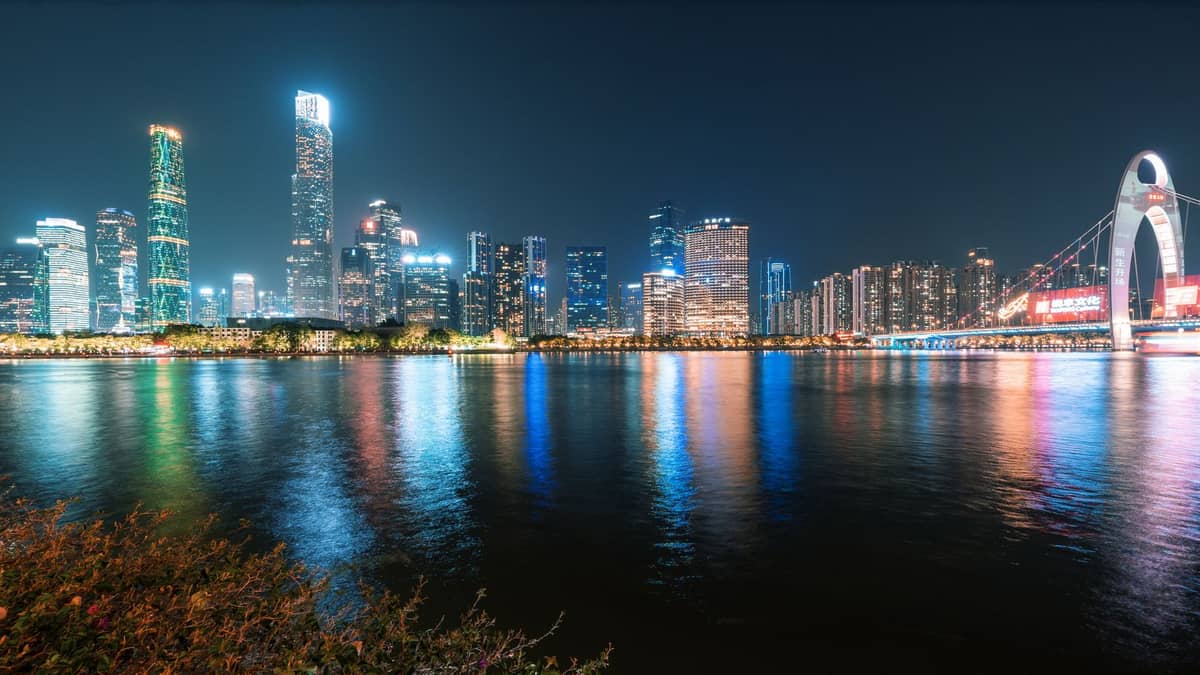
A Pearl River night cruise is a standard Guangzhou activity, and unlike many tourist standards, it actually delivers. The city's illuminated skyline — Canton Tower to the south, the older colonial buildings along the northern bank, and bridges lit up in colour — makes for a strong evening experience. Common boarding points include Tianzi Wharf and Dashatou Wharf, with cruises typically running 60 to 90 minutes. Prices vary by operator and boat type, so check current listings at the wharf or through a booking platform before committing. For more detail on river-based activities, see the Guangzhou Pearl River guide.
For street-level exploration, Yongqingfang in Liwan District is the most interesting of Guangzhou's renovated heritage blocks. The Qilou-style shophouse architecture has been carefully preserved, and the ground floors now host a mix of local cafes, craft shops, and Cantonese snack vendors. It is livelier than Shamian Island but less overwhelming than Beijing Road. Go on a weekday evening for the best experience — weekend crowds make the narrow lanes difficult to navigate.
Beijing Road Pedestrian StreetBeijing Road is Guangzhou's main commercial shopping strip in Yuexiu and is always busy. It has a mid-range retail focus, but the section near the road's southern end has an archaeological display of ancient road layers built into a glass floor above excavated Tang, Song, and Ming dynasty paving — a genuine surprise in the middle of a shopping street.
⚠️ What to skip
Guangzhou's food streets and markets are genuinely excellent, but Yide Road and parts of the old Xiguan area can get extremely crowded on public holidays and Golden Week. If you are visiting in late September or early October, plan museum and park visits for the mornings and leave shopping streets for late evenings when crowds thin.
Family Attractions and Day Trips
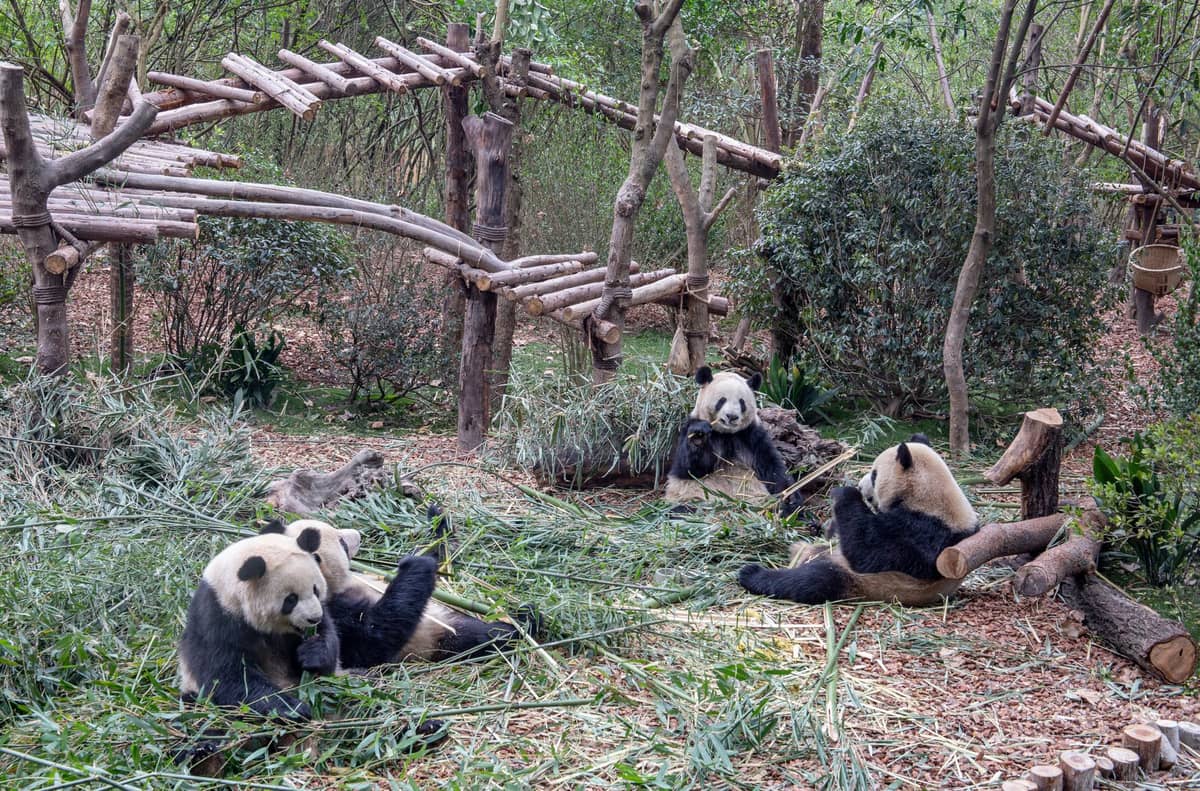
Guangzhou's Chimelong complex in Panyu District is one of the strongest reasons to extend a trip beyond two or three days, especially with children. Chimelong Safari Park is Asia's largest wildlife park by some measures, with giant pandas, white tigers, and a drive-through safari section. Chimelong Paradise is an adjacent theme park with large roller coasters and rides, while Chimelong Water Park runs from spring to early autumn. Tickets for the Safari Park start around CNY 300 on typical weekdays at reduced rates, though full-price adult tickets are higher — verify current pricing when booking. See the full Guangzhou Chimelong guide for logistics and ticketing advice.
Baiyun MountainBaiyun Mountain is the most accessible hiking destination within the city limits, located in Baiyun District north of the center. Multiple trail systems wind through forested ridges with views over the urban sprawl below. It is busy on weekends with local families and fitness crowds, but weekday mornings are peaceful. For a full trail breakdown, the Baiyun Mountain hiking guide covers routes, difficulty levels, and transport.
For day trips beyond the city, the Kaiping Diaolou watchtowers — a UNESCO World Heritage Site about two hours southwest of Guangzhou — are one of the most distinctive sights in Guangdong Province. The towers are a strange and compelling blend of Chinese and Western architectural styles, built by Overseas Chinese returnees in the early 20th century. The day trips from Guangzhou guide covers Kaiping and other worthwhile excursions in detail.
- Chimelong Safari Park: best for families, strong animal collection, book tickets online to skip queues
- Baiyun Mountain: best urban hiking option, multiple difficulty levels, free or low entry cost
- Haizhu Wetland Park: accessible urban nature reserve in Haizhu District, good for a short break from city streets
- South China National Botanical Garden: large botanical garden in Tianhe/Huangpu area, particularly good in spring when blooms peak
- Shawan Ancient Town in Panyu: well-preserved Lingnan market town less visited than city-center heritage sites
Food, Markets, and the Cantonese Table
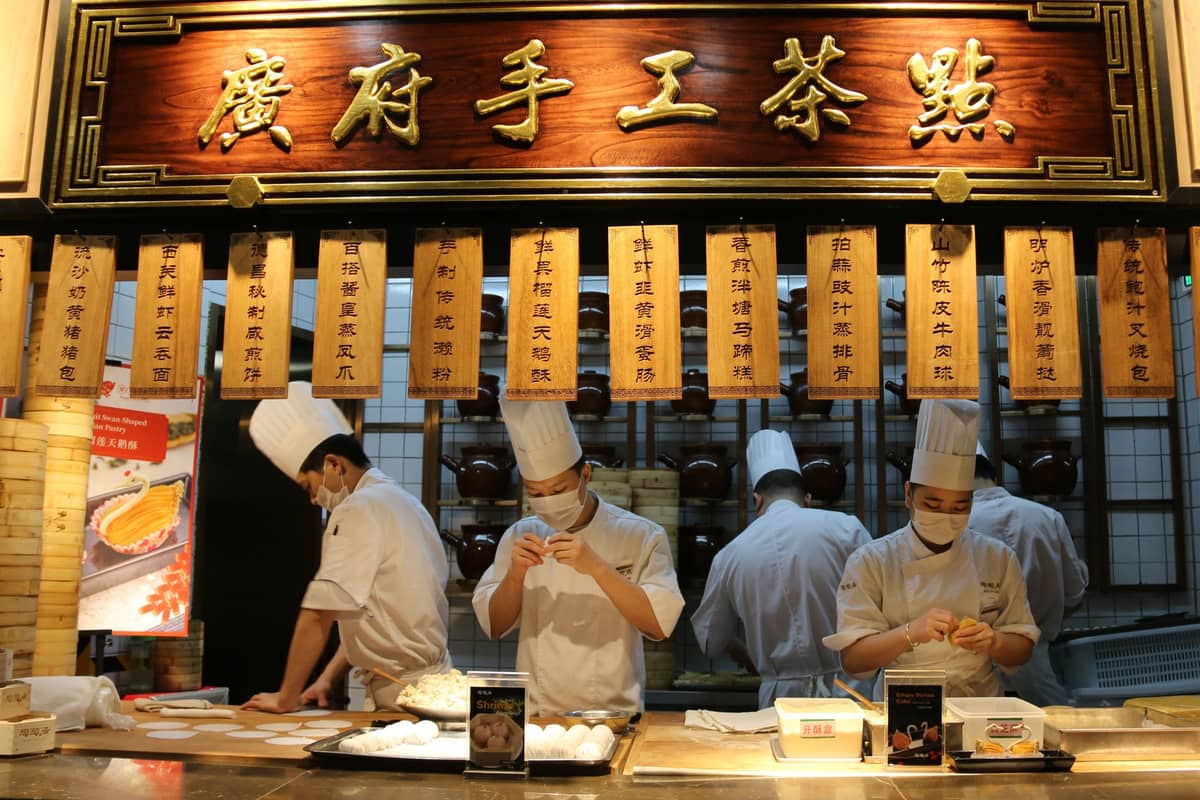
No guide to things to do in Guangzhou is complete without covering food. The city is widely considered the home of Cantonese cuisine and dim sum culture, and eating here is itself an activity. Morning dim sum at a traditional teahouse — called yum cha locally — is a social ritual as much as a meal, with carts of har gow, siu mai, cheung fun, and char siu bao making the rounds from early morning. The Guangzhou dim sum guide covers the best teahouses and what to order.
For market experiences, Huangsha Seafood Market in Liwan is one of the largest wholesale seafood markets in southern China. The lower floors sell live and fresh seafood by weight; many visitors buy produce at the market and take it to nearby restaurants for cooking. It is chaotic, loud, and genuinely interesting — but not for everyone. The adjacent Yide Road dried seafood street is an easier introduction to Guangzhou's ingredient culture, lined with shops selling dried scallops, abalone, mushrooms, and preserved goods.
💡 Local tip
Guangzhou's best food experiences are often in ordinary-looking neighborhood restaurants, not in tourist-facing venues. If a dim sum hall is full of local families on a Sunday morning, that is the clearest signal of quality you will get. The full guide to what to eat in Guangzhou covers specific dishes and neighborhoods to prioritize.
When to Visit and How to Plan Your Time
October to December is the sweet spot for visiting Guangzhou. Temperatures drop to comfortable levels after the humid summer, skies are clearer, and rainfall is minimal. March to May is the second-best window, though humidity builds through April. June to August is genuinely uncomfortable for extended sightseeing: temperatures stay high, rain is frequent, and typhoon systems can disrupt plans with little warning. Winter (December to February) is mild by Chinese standards but can bring grey, cool days — still perfectly functional for museums and indoor attractions. For a full seasonal breakdown, the best time to visit Guangzhou guide covers weather patterns and crowd cycles.
Three days gives you enough time for Canton Tower, the Pearl River, Chen Clan Ancestral Hall, Shamian Island, Yuexiu Park, and one food-focused evening in Liwan or Yongqingfang. Five days opens up Chimelong, Baiyun Mountain, and a day trip. If you are a first-time visitor, the 3-day Guangzhou itinerary provides a well-sequenced plan. Budget travelers will also find the Guangzhou on a budget guide useful — a surprising number of the city's best attractions are free or very cheap.
FAQ
What are the best things to do in Guangzhou for first-time visitors?
Start with Canton Tower for the skyline view, then do Chen Clan Ancestral Hall for cultural depth, Shamian Island for a slower afternoon, and a Pearl River night cruise in the evening. Add Yuexiu Park and the Guangdong Museum if you have a second day. These cover the city's core historical, architectural, and modern highlights without overloading a short trip.
How many days do you need in Guangzhou to see the highlights?
Three days is a workable minimum for the main attractions. Five days allows you to add Chimelong, Baiyun Mountain hiking, a day trip to Kaiping or Shawan, and more time for food exploration. If you are combining Guangzhou with Hong Kong or other Pearl River Delta cities, two focused days is possible but tight.
Is Guangzhou worth visiting for tourists, or is it mainly a business city?
Guangzhou is a serious tourism destination, not just a trade fair city. It has UNESCO-listed heritage nearby, outstanding food culture, strong museums, well-maintained historical districts, and major family attractions. The Canton Fair association leads some visitors to underestimate it, but the city has plenty to offer people with no interest in wholesale trade.
What is the best time of year to visit Guangzhou?
October to December offers the best combination of dry weather, lower humidity, and comfortable temperatures for outdoor sightseeing. March to early May is also good. Avoid June through August if possible — the heat and rainfall make extended outdoor activities unpleasant, and typhoon season can disrupt plans.
Are the Chimelong parks in Guangzhou worth the cost?
Yes, particularly Chimelong Safari Park. It is one of the most impressive wildlife parks in Asia with a strong giant panda breeding program and genuine scale. The theme park and water park are more standard in quality. Ticket prices are significant — verify current rates before booking — but the experience justifies the cost for families or animal enthusiasts. Midweek visits mean shorter queues and a noticeably better experience.