Best Dim Sum in Guangzhou: Where to Go & What to Order
Guangzhou is the undisputed home of dim sum, where yum cha is less a meal and more a daily ritual. This guide covers the best restaurants across the city, the dishes worth ordering, the timing tricks locals rely on, and the common mistakes first-timers make.
Plan and book this trip
Tools from our partner Travelpayouts help you compare flights and hotels. If you book through them, we may earn a commission at no extra cost to you.
Flights
Hotels map
TL;DR
- Guangzhou is the origin city of dim sum culture — eating here sets the standard for everything else you've tried elsewhere.
- The strongest concentration of classic dim sum restaurants is in Liwan District, particularly around Dishifu Road and Wenchang South Road.
- Most restaurants serve dim sum primarily in the morning; arrive before 10:00 to beat the rush and get the full menu.
- Budget around ¥110–200 per person depending on the venue; you don't need to splurge at a hotel to eat exceptionally well.
- Check our Guangzhou food guide for the broader Cantonese dining picture beyond dim sum.
Why Guangzhou Is the Definitive Dim Sum City
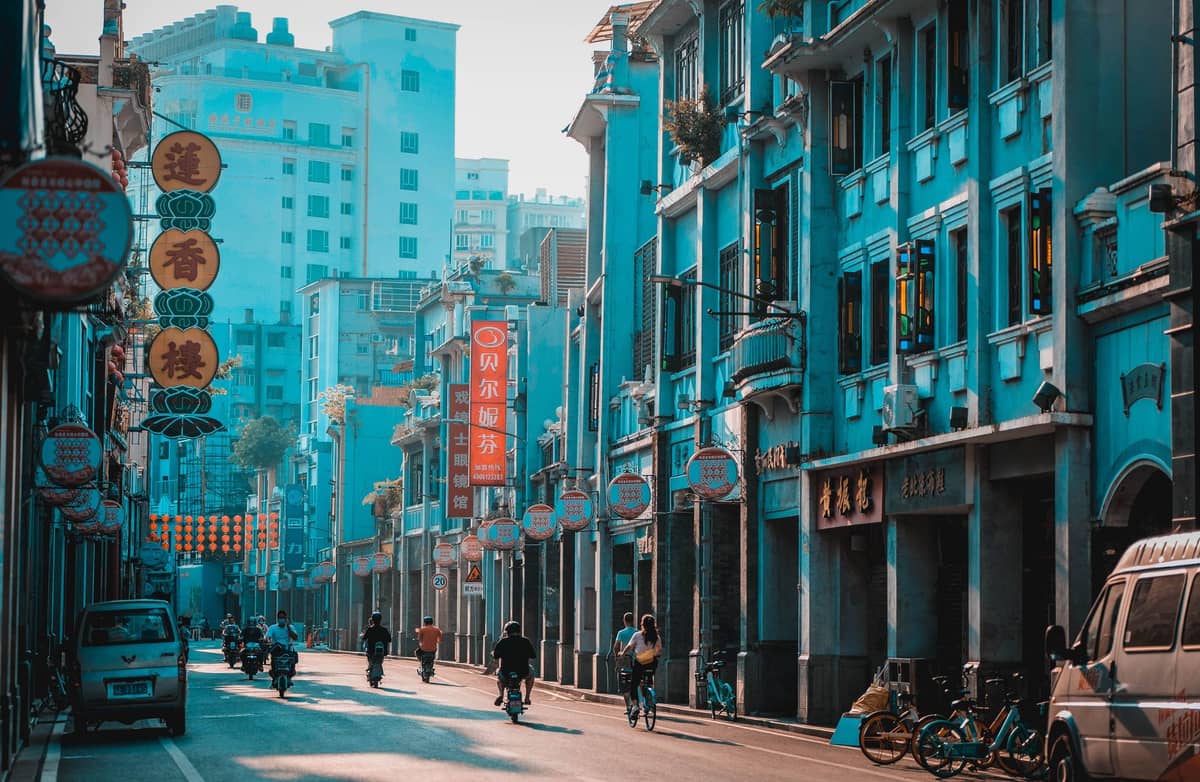
Dim sum as the world knows it originated in the teahouses of Guangdong Province, and Guangzhou — the provincial capital — remains the highest-stakes place to eat it. The practice of yum cha (飲茶, 'drinking tea') involves ordering small plates of steamed, fried, and baked items alongside Chinese tea, typically during the morning hours. In Guangzhou, this isn't a weekend treat or a special occasion ritual; it's how a significant portion of the city starts its day, every day.
The city's dim sum tradition spans centuries, and the technical standards at even ordinary neighborhood restaurants are high. Har gow (shrimp dumplings) are judged by the thinness and translucency of the skin; siu mai (pork and shrimp dumplings) by the ratio and freshness of filling. These aren't abstract benchmarks — locals genuinely notice the difference and have strong opinions about where to go. That culture of discernment is what makes eating dim sum in Guangzhou feel different from anywhere else.
ℹ️ Good to know
Canton is the older English name for Guangzhou — not a separate city. 'Cantonese cuisine' refers to the food traditions of Guangdong Province, with Guangzhou at its center. The term 'dim sum' itself comes from Cantonese (點心), meaning 'touch the heart'.
The Best Dim Sum Restaurants in Guangzhou
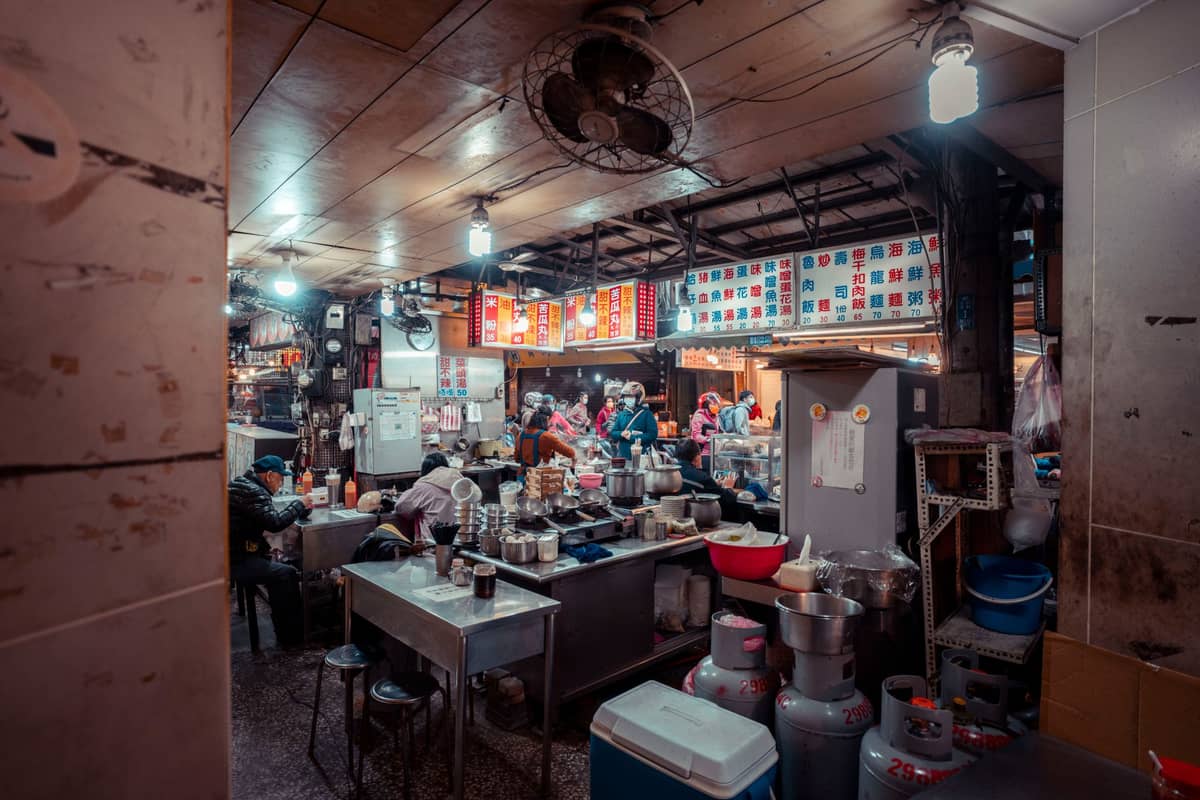
The best dim sum isn't necessarily at the fanciest address. In Guangzhou, the most respected venues are often decades-old neighborhood institutions in Liwan and Yuexiu that have been refining the same recipes for generations. Here are the restaurants that consistently come up in any serious conversation about where to eat.
- Tao Ju (陶陶居) — Dishifu Road Headquarters Located at 20 Dishifu Road, Liwan, this is one of Guangzhou's most storied dim sum houses, operating since 1880. Hours are 8:00–16:30 and 17:00–21:30. Arrive early on weekends; queues form before 9:00. The har gow and wife cakes (lao po bing) are benchmarks.
- Guangzhou Restaurant (广州酒家) — Wenchang South Road At 2 Wenchang South Road, Liwan, this is arguably the most famous name in Cantonese dining. Budget 200+ RMB per person. Service is formal by local standards and the menu is extensive. The mooncakes sold here during Mid-Autumn Festival are an institution in themselves.
- Panxi Restaurant (泮溪酒家) Located at 151 Longjin West Road, Liwan, Panxi sits beside a traditional garden and serves some of the city's most visually elaborate dim sum. Budget roughly ¥110–180 per person. Weekday mornings between 8:00 and 10:00 are significantly quieter than weekends.
- Dian Dou De (点都德) — Huacheng Store At No. 16 Huacheng Avenue, Tianhe, open 8:00–21:00 daily, phone (020) 3726 6163. This chain is notably unusual for serving dim sum all day, which most Guangzhou restaurants don't do. Multiple branches across the city make it convenient. Less atmospheric than the old Liwan institutions, but the quality is consistent and it's a good option if you're staying in Tianhe.
- Hongtu Hall — White Swan Hotel Located at 1 Shamian South Street, Liwan, open 8:00–14:30 daily. Michelin-listed and set in one of Guangzhou's most historically resonant hotels on Shamian Island. This is the hotel dim sum option that actually justifies the premium. The setting, quality, and service are all elevated.
⚠️ What to skip
Several restaurants around Beijing Road and tourist-heavy zones serve dim sum marketed at visitors at inflated prices with noticeably lower quality. The real dim sum culture in Guangzhou lives in Liwan District, not in areas optimized for foot traffic from shoppers.
What to Order: The Core Dishes
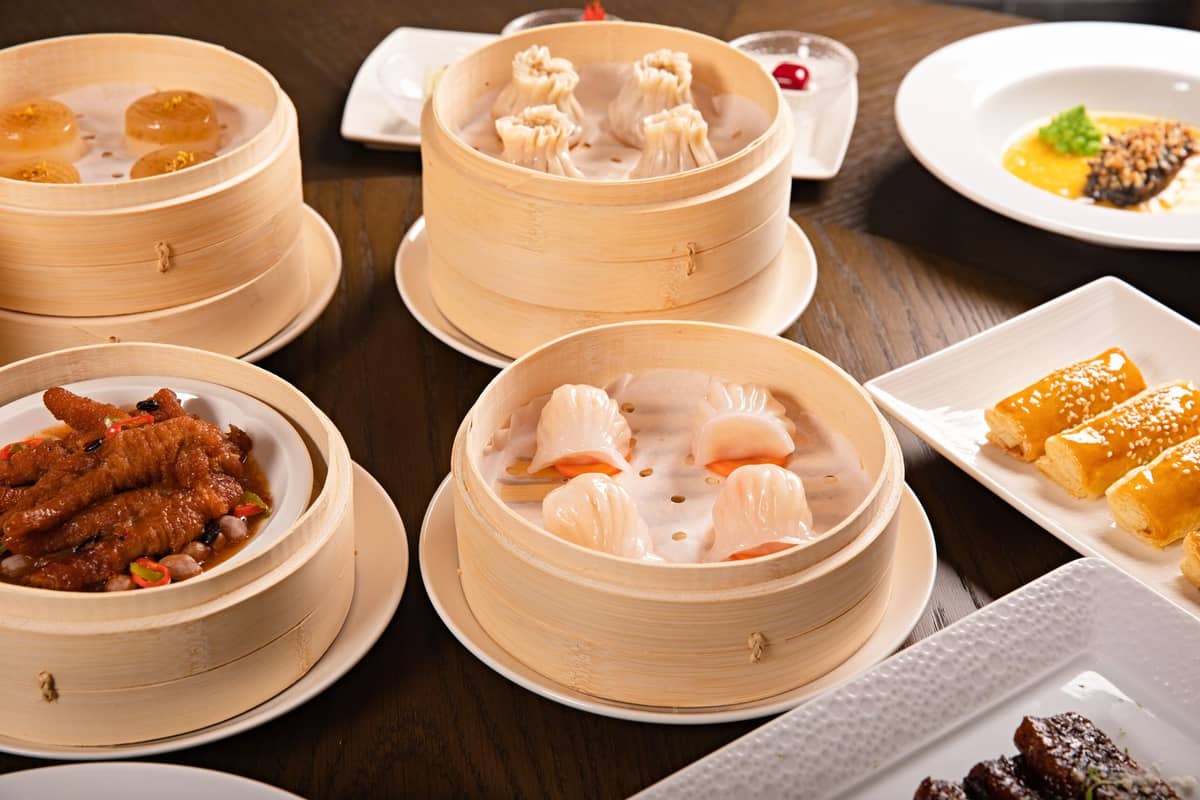
A first-time yum cha session in Guangzhou can feel overwhelming when the trolleys roll by and the menu is entirely in Chinese. Focus on a core set of dishes first, then branch out. The following items are what Guangzhou dim sum is actually known for — not the novelty creations added to appeal to tourists.
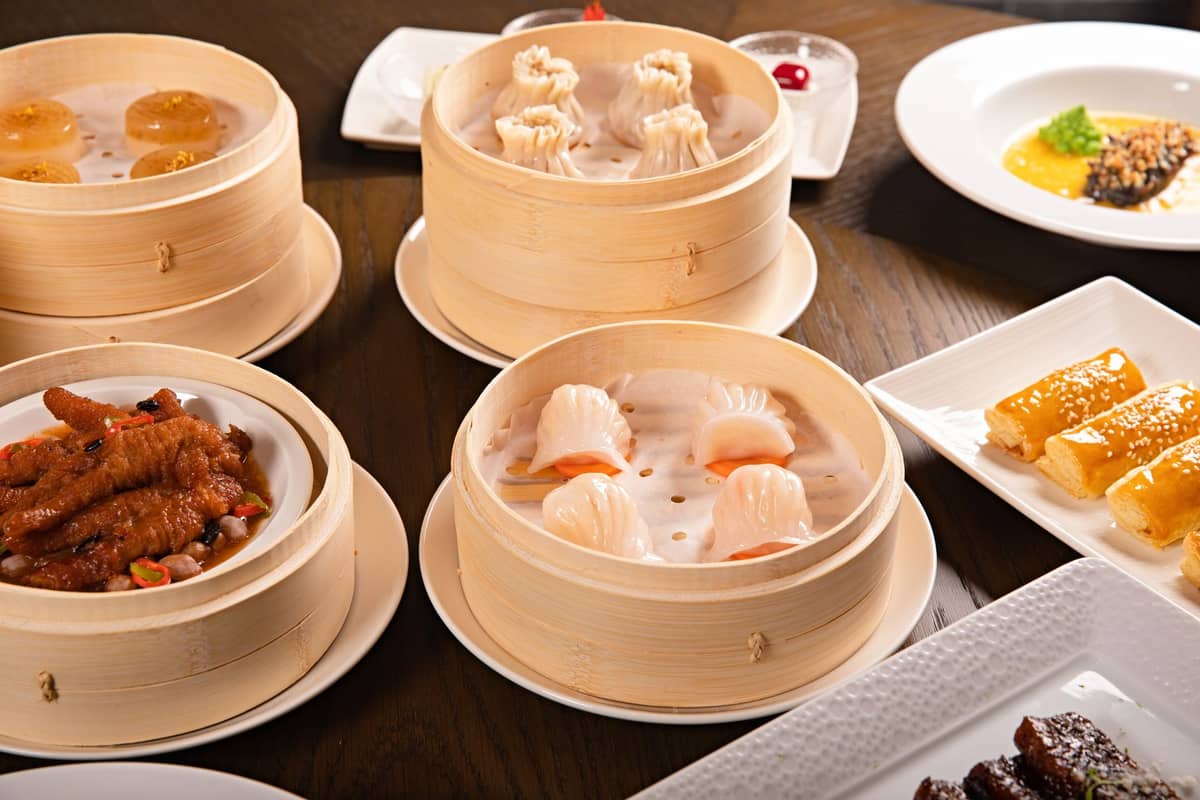
- Har gow (蝦餃) — steamed shrimp dumplings with translucent pleated wrappers. The gold standard of dim sum technique. A kitchen's har gow tells you almost everything about its skill level.
- Siu mai (燒賣) — open-topped pork and shrimp dumplings, topped with fish roe or carrot. The other essential benchmark dish.
- Cheung fun (腸粉) — rice noodle rolls filled with shrimp, beef, or char siu (barbecue pork), served with soy sauce and sesame. Silky texture when done well.
- Char siu bao (叉燒包) — steamed BBQ pork buns, either fluffy steamed or baked. The baked version (烤叉燒包) has a glazed golden top.
- Lo mai gai (糯米雞) — sticky glutinous rice with chicken, mushroom, and lap cheong (Chinese sausage), wrapped in lotus leaf and steamed.
- Egg tarts (蛋撻) — flaky pastry shells with silky egg custard filling. Get the Cantonese version here, not the Portuguese-style.
- Turnip cake (蘿蔔糕) — pan-fried radish and rice flour cake. Often more interesting than it sounds; look for the crispy exterior version.
- Cheong fun with fried dough (炸兩) — rice noodle roll wrapped around a youtiao (fried dough stick). A Guangzhou-specific specialty worth seeking out.
Tea selection matters more than most visitors realize. Pu-erh (普洱) is the classic choice for dim sum — it cuts through the richness of pork dishes. Chrysanthemum tea (菊花茶) is lighter and floral. Telling your server 'pu-erh, please' in any recognizable form will be understood. Your tea will be refilled throughout the meal; keep the lid of the teapot tilted to signal you need more hot water.
When to Go: Timing Your Yum Cha Visit
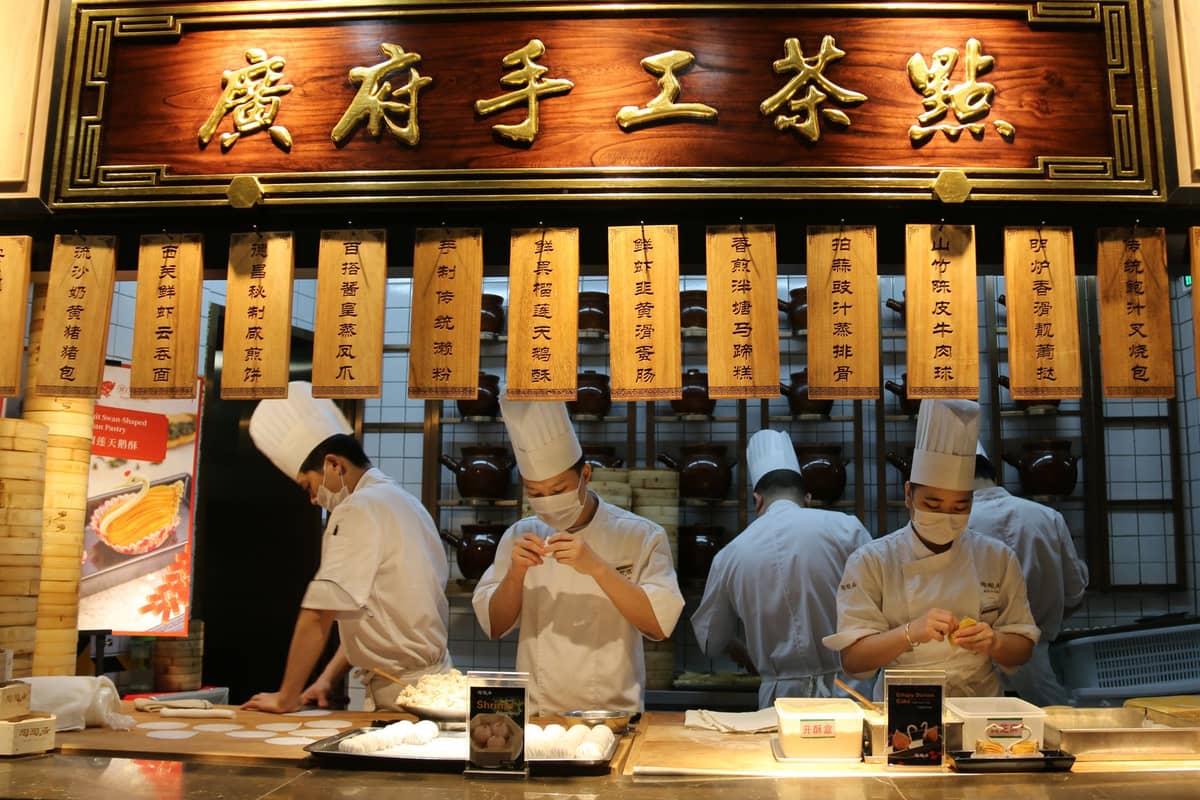
Timing is one of the most practically important factors for a good dim sum experience in Guangzhou. The morning session (早茶, zao cha) runs roughly from 7:00 or 8:00 until early afternoon, and this is when the full menu is available. Many older establishments stop serving dim sum by 14:00 or 15:00, shifting to lunch and dinner service with a completely different menu. If you show up at noon expecting the full dim sum spread, you may find it already winding down.
The sweet spot for first-timers is around 9:00 on a weekday. The rush has started but you won't face the worst queues. Weekend mornings at popular venues like Tao Tao Ju or Panxi can mean waiting 30 to 60 minutes for a table. Some restaurants operate a ticket or queue number system from as early as 7:30, so arriving late means a long wait even before the doors open to you. Dian Dou De's all-day dim sum service is genuinely useful if your schedule is constrained, but it's worth understanding that this approach is atypical in Guangzhou.
💡 Local tip
At traditional dim sum restaurants, the custom of rinsing your teacup and utensils with the first pour of hot tea before eating is common. Don't drink that first pour — it's for rinsing. Tapping two fingers lightly on the table (index and middle finger, slightly bent) is the Cantonese way of thanking someone for pouring your tea, a gesture rooted in a historical story about a Qing emperor traveling incognito.
Dim Sum by District: Where You're Staying Matters
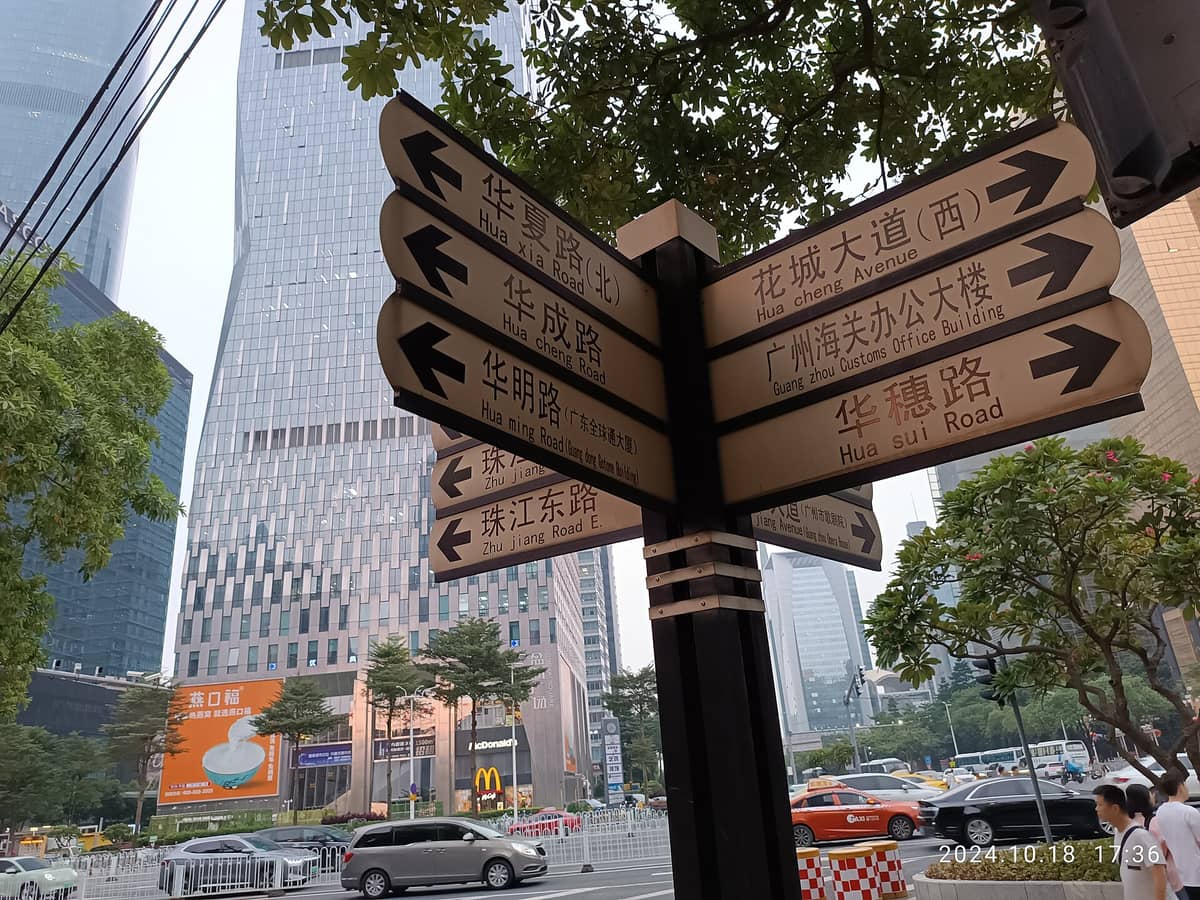
If you're based in Tianhe or the modern business district around Zhujiang New Town, Dian Dou De on Huacheng Avenue is the most practical option without making a dedicated trip across the city. Quality is solid and the location is convenient relative to Tianhe's hotel cluster.
If you're based in or near Shamian Island or Liwan, you're in the center of Guangzhou's dim sum heritage. Tao Tao Ju, Panxi, and Guangzhou Restaurant are all within a short distance and represent the historic core of the tradition. This is also close to Shangxiajiu Pedestrian Street and the older commercial streets of the city, making it easy to combine a morning yum cha with a walk through historic Guangzhou.
For travelers planning a broader food-focused itinerary, the 3-day Guangzhou itinerary includes a structured morning dim sum session as part of the first day's plan, which is a useful reference for pacing.
Practical Tips for First-Timers
Most traditional dim sum restaurants in Guangzhou do not have English menus, and staff at older neighborhood venues may speak limited Mandarin and primarily communicate in Cantonese. Having a translation app on your phone with photo-recognition capability (Google Translate works well for this in menu contexts) makes ordering significantly easier. Alternatively, pointing at dishes on neighboring tables is entirely acceptable and often results in a friendly interaction.
Payment is typically handled at the end of the meal. Major restaurants accept WeChat Pay and Alipay, which are the dominant mobile payment systems in Guangzhou. Cash (Chinese yuan, CNY) is accepted everywhere. International credit cards are accepted at hotel restaurants like Hongtu Hall but may not be taken at smaller neighborhood spots. Budget around ¥120–180 per person for a full meal at a mid-range traditional restaurant, rising to ¥200–250+ at Guangzhou Restaurant or White Swan Hotel.
✨ Pro tip
WeChat Pay and Alipay now allow international visitors to link foreign credit and debit cards and use mobile payments in mainland China — a practical shift from a few years ago when this was essentially impossible. Set this up before your trip if you want to pay the way locals do and avoid cash-only situations at smaller restaurants.
For discovering additional restaurants beyond this list, both Tripadvisor and Trip.com carry updated reviews in English. The Michelin Guide officially lists Hongtu Hall. If you want to plan your broader visit around food, the what to eat in Guangzhou guide covers Cantonese roast meats, congee, and wonton noodles alongside dim sum, which rounds out the full picture of the city's food identity.
FAQ
What is the best time to eat dim sum in Guangzhou?
Weekday mornings between 8:00 and 10:00 offer the best combination of full menu availability and manageable crowds. On weekends, popular restaurants like Tao Tao Ju can have 30–60 minute waits. Most traditional venues stop serving their dim sum menu by early afternoon, so earlier is always better.
How much does dim sum cost in Guangzhou?
At classic neighborhood restaurants like Panxi or Tao Tao Ju, budget roughly ¥120–180 per person for a full meal with tea. Guangzhou Restaurant runs around ¥180–250+ per person. Hotel venues like Hongtu Hall at the White Swan are at the higher end. Chain options like Dian Dou De tend to be more affordable and are a reasonable mid-range choice.
Do I need to book a table in advance for dim sum in Guangzhou?
For weekday visits to most restaurants, walk-ins are generally fine if you arrive before 9:30. Weekend mornings at top venues like Tao Tao Ju and Guangzhou Restaurant are significantly busier and reservations or early arrival are strongly advised. Hongtu Hall at the White Swan Hotel accepts reservations and it's worth booking ahead for weekend visits.
What are the must-order dishes at a Guangzhou dim sum restaurant?
Start with har gow (steamed shrimp dumplings), siu mai (pork and shrimp dumplings), and cheung fun (rice noodle rolls). These three dishes define the technical standard of any kitchen. Then add lo mai gai (lotus leaf sticky rice), char siu bao (BBQ pork buns), and egg tarts to round out the meal. If you see cheong fun with fried dough (炸兩) on the menu, order it — it's a Guangzhou specialty less common elsewhere.
Is dim sum in Guangzhou different from dim sum in Hong Kong or overseas?
Yes, noticeably so. Guangzhou's dim sum tends to be slightly more rustic and focused on traditional preparations, with less emphasis on fusion or novelty items. The teahouse atmosphere at older Liwan District restaurants is distinctly different from the more polished, restaurant-style service common in Hong Kong or overseas Cantonese restaurants. Locals often consider Guangzhou the more authentic benchmark, though Hong Kong has developed its own respected variations.