Guangzhou on a Budget: How to Visit Without Overspending
Guangzhou is one of China's most rewarding cities for budget travelers. From 2 CNY metro rides to free museums and 10 CNY street food, this guide breaks down exactly where your money goes and how to stretch it further across every category of spend.
Plan and book this trip
Tools from our partner Travelpayouts help you compare flights and hotels. If you book through them, we may earn a commission at no extra cost to you.
Flights
Hotels map
TL;DR
- Daily budget: shoestring travelers typically spend 200–350 CNY per day on food, transport, and entry fees, excluding accommodation.
- The Guangzhou Metro is the backbone of budget travel here: single rides start at 2 CNY and cover nearly every major sight in the city.
- Several top attractions including Guangdong Museum and Shamian Island are free, but museums often require advance reservations through official WeChat accounts.
- Street food and local noodle shops are the real budget move: rice noodle rolls cost 5–8 CNY, wonton noodles 12–18 CNY. Check out the Guangzhou food guide for what to order.
- Set up WeChat Pay or Alipay before you arrive. Mobile payments are accepted almost everywhere in Guangzhou, and some smaller stalls no longer take cash.
What Does Guangzhou Actually Cost? A Realistic Daily Breakdown
Guangzhou travel has a reputation as expensive because it hosts major trade fairs and draws a lot of corporate visitors. That reputation is misleading. The city has a deeply embedded street-food culture, a world-class metro system, and a generous stock of free public attractions. Budget travel here is not about sacrificing experience — it is about knowing which category of spending to optimize.
A realistic shoestring budget for a single traveler runs around 200–350 CNY per day, covering three meals, metro transport, water, and any entry fees. If you add a mid-range hostel or budget hotel, total daily spend rises accordingly.
- Metro (single ride) 2–8 CNY depending on distance; most central journeys cost 4–6 CNY
- Rice noodle rolls (肠粉) 5–8 CNY at a street stall or morning market
- Wonton noodle soup 12–18 CNY at a local noodle shop
- Claypot rice (煲仔饭) 20–30 CNY at a neighborhood restaurant
- Bottled water (600ml) 1–3 CNY at a convenience store
- Museum entry (paid) 0–50 CNY; many major museums are free with reservation
- Canton Tower observation deck Around 150 CNY for the standard deck; budget travelers skip this or visit at dusk from the free riverfront instead
⚠️ What to skip
Avoid taxis as your primary transport option. Metered taxis in Guangzhou are not expensive by international standards, but they cost 5–10x more per journey than the metro and are slower during peak hours due to traffic. Use DiDi for occasional late-night rides, but plan your days around the metro.
Getting Around Cheaply: The Metro Is Your Best Friend
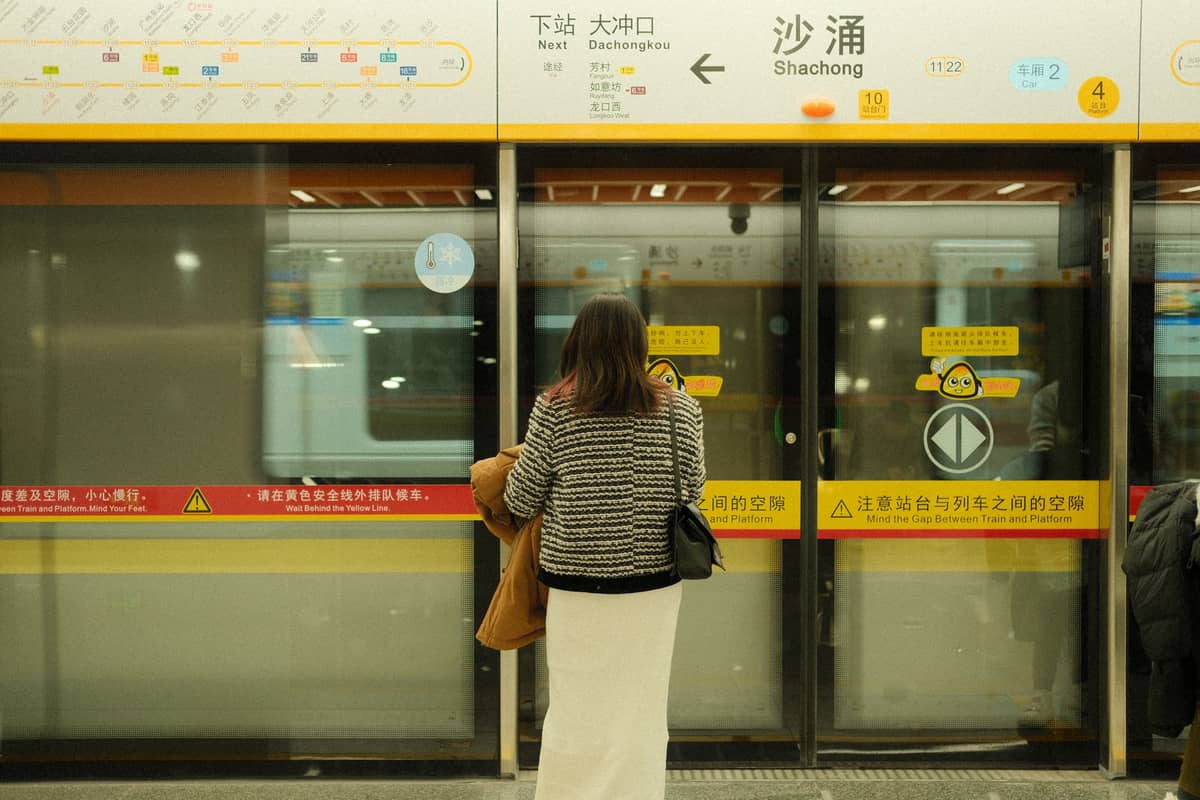
The Guangzhou Metro is one of the most extensive urban rail networks in China, and it connects nearly every area a first-time visitor wants to reach: Yuexiu, Tianhe, Liwan, and the Pearl River waterfront. Single-ride fares start at 2 CNY, and most journeys within central Guangzhou fall between 4 and 6 CNY. For anything beyond a two- or three-day visit, the Yang Cheng Tong (羊城通) transit card is worth getting: it typically requires a refundable deposit of around 20 CNY, works on metro, buses, and some ferries, and can be reloaded and reused on future trips to Guangdong province.
Buses supplement the metro well and often cost 2 CNY flat with a transit card, but they are slower and harder to navigate without reading Chinese. Stick to the metro for efficiency. For a full breakdown of transport options and routes, see the getting around Guangzhou guide.
💡 Local tip
Guangzhou Baiyun International Airport (CAN) is connected to the city centre by metro. The Airport North and Airport South stations are on Line 3, which runs into the heart of the city. A metro ride into central Guangzhou is far cheaper than a taxi, which can run 100–150 CNY or more depending on traffic and destination.
Free and Low-Cost Attractions Worth Your Time
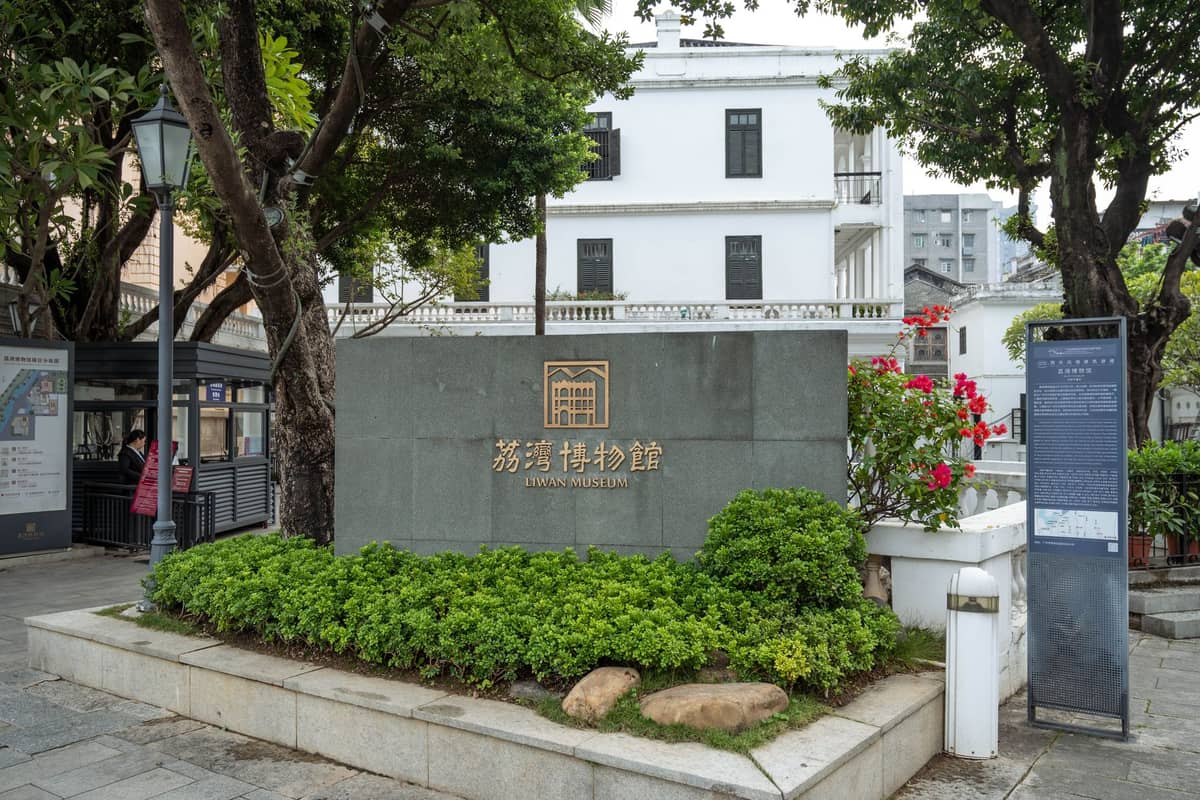
Guangzhou i on free attractions. Several of the city's most historically and architecturally significant sites charge nothing at all, and others require only a small fee. The key is knowing which paid options are genuinely worth it and which can be replaced by a free alternative.
- Shamian Island A tree-lined former colonial concession with European-era architecture and riverside paths. Free to walk around, best in the morning before crowds arrive.
- Guangdong Museum One of China's better provincial museums, with strong collections on Cantonese culture and natural history. Entry is free but requires advance timed reservation via the official website or WeChat.
- Yuexiu Park The city's largest central park, home to the Five Rams Statue and Zhenhai Tower. Entry costs around 5 CNY — negligible for what is easily a half-day visit.
- Chen Clan Ancestral Hall A staggeringly ornate Qing dynasty complex with stone carvings, woodwork, and ceramic friezes. Entry runs around 10 CNY and is one of the best-value paid attractions in the city.
- Shangxiajiu Pedestrian Street Liwan's main commercial street with traditional shophouse facades and affordable street food. Free to walk; bring cash for snacks.
- Huaisheng Mosque and Sacred Heart Cathedral Two of Guangzhou's most significant religious buildings are free to visit during open hours. Check locally for current visiting restrictions.
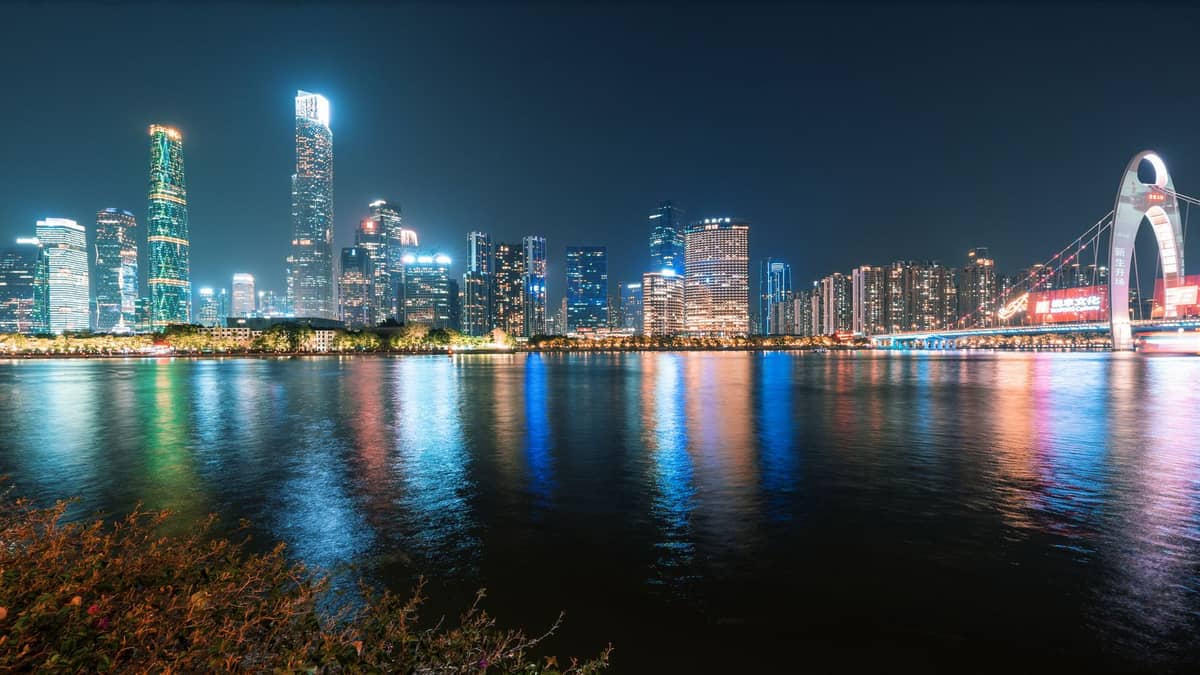
The Canton Tower observation deck costs around 150 CNY, which is hard to justify on a tight budget when the free Pearl River waterfront and the view from Yuexiu Park offer strong alternatives. If skyline views are a priority, consider visiting the Pearl River at dusk instead — the tower is lit up beautifully and the riverside walk is free. See the best views in Guangzhou for ranked alternatives at every price point.
ℹ️ Good to know
Free museum entry in China often requires advance booking. Guangdong Museum, the Nanyue King Mausoleum Museum, and several others release timed slots through their official WeChat accounts or websites. Slots for weekends fill up days in advance, especially during Chinese public holidays. Book as soon as you know your dates.
Eating on a Budget: Cantonese Food Without the Markup
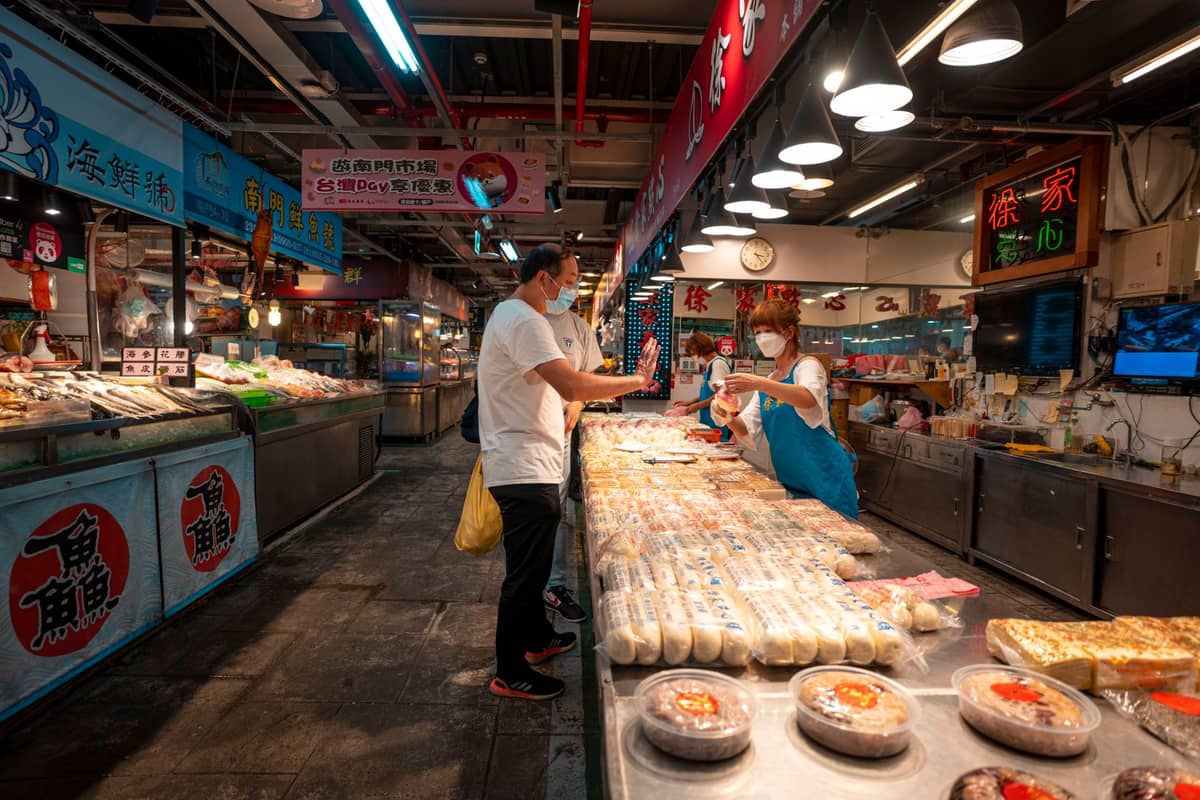
Guangzhou is widely considered the food capital of China, and the best part for budget travelers is that the most authentic dishes are also the cheapest. The city's street-food and working-class restaurant culture means you can eat extraordinarily well for 30–60 CNY per day if you follow the locals rather than the tourist menus. The dim sum guide covers the teahouse options in detail, but for pure budget value, the morning rice noodle shops and lunchtime noodle stalls are where you want to be.
Rice noodle rolls (肠粉, cheung fun) are the classic budget breakfast: two or three rolls with soy sauce and sesame oil typically cost about 5–8 CNY from a street cart or neighborhood shop. Wonton noodle soup (云吞面) runs about 12–18 CNY and is filling enough for a full meal. Claypot rice (煲仔饭) at a local restaurant will cost about 20–30 CNY and is one of the most satisfying cheap dinners in the city. For groups, ordering several small dishes at a local Cantonese restaurant (not the tourist-facing ones near major sights) works out well for budget dining.
Avoid the restaurants on the main tourist strips near Beijing Road and inside major shopping malls unless you have checked prices first. A bowl of noodles that costs 15 CNY two streets back can be double that in a tourist-adjacent spot. Shangxiajiu Pedestrian Street in Liwan and the morning markets in Yuexiu District are reliable areas to eat local without paying tourist premiums.
Practical Budget Tips: Payments, Timing, and Common Traps
Mobile payments are widely used in Guangzhou. WeChat Pay and Alipay are accepted at many restaurants, convenience stores, markets, and transport. Setting up one of these apps before you arrive, ideally linked to a foreign card or topped up through a supported method, can save significant friction. ATMs are widely available for cash withdrawals, but transaction fees apply, and not all accept foreign cards without difficulty.
On timing: the Canton Fair, held twice a year in spring and autumn, dramatically inflates hotel prices across the city. If your visit overlaps with the fair dates, budget accommodation can become scarce and up to three times more expensive than usual. The Canton Fair visitor guide covers this in detail, but the short version for budget travelers is: avoid those weeks if you have flexibility, or book accommodation far in advance if you cannot. Chinese public holidays, particularly Golden Week in early October and the Chinese New Year period (late January or February), follow the same pattern.
Tipping is not expected in Guangzhou or anywhere in mainland China. Service charges at mid-range and high-end hotels may be added automatically, but tipping on top of that is not a local custom and is not required. For anyone arriving from countries with strong tipping cultures, this is a genuine cost saving across a multi-day stay. For a deeper look at timing your visit to balance cost and weather, see the guide on the best time to visit Guangzhou.
✨ Pro tip
Mid-week flights into Guangzhou Baiyun Airport (CAN) often cost noticeably less than Friday departures. If you are flying in from Hong Kong, Macau, or elsewhere in the region, the high-speed rail from Hong Kong West Kowloon to Guangzhou South station is fast (around 50 minutes) compared with flying when you factor in airport transfer times on both ends.
Where to Stay on a Budget
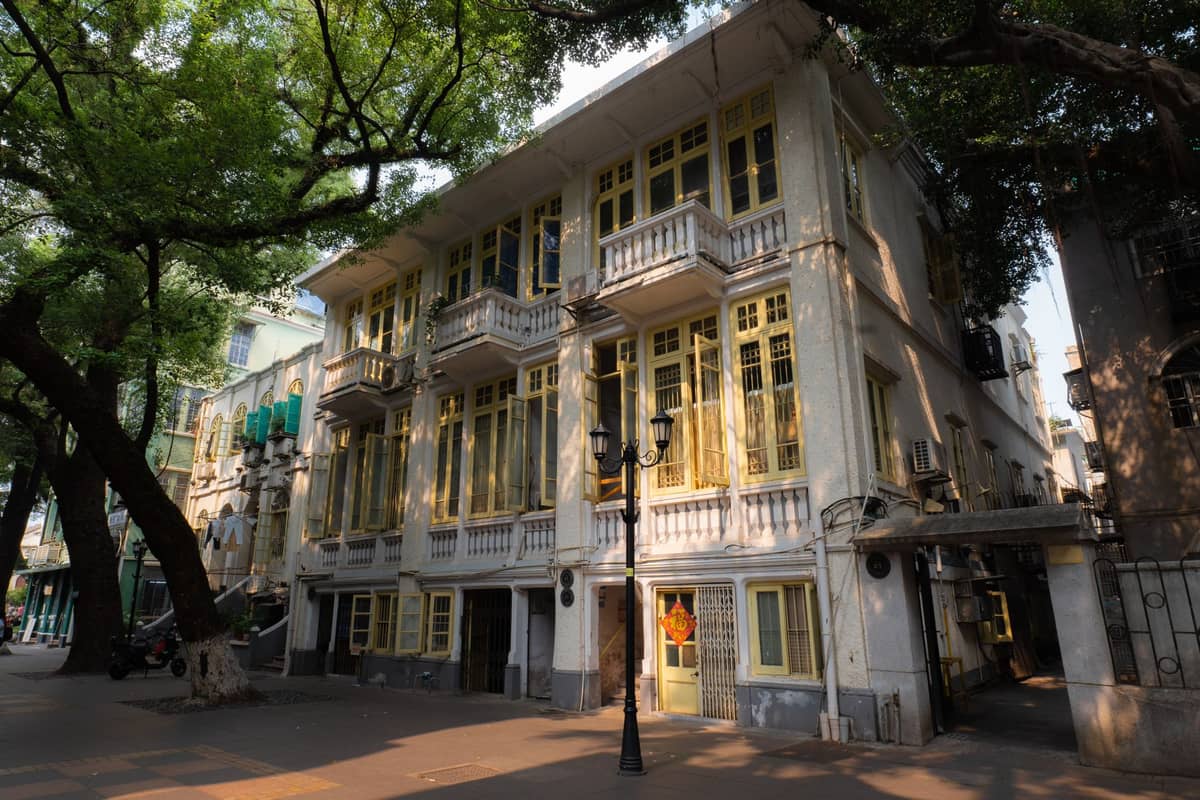
Location matters more than price for accommodation in Guangzhou. Staying in Yuexiu or Liwan puts you within metro distance of the most historically interesting parts of the city and within walking distance of cheap food markets. Staying in Tianhe is convenient for transport hubs and modern shopping, but average accommodation prices are higher and the surrounding streets are less interesting for food on a budget.
Budget-focused private rooms in hostels or small guesthouses typically run 100–200 CNY per night in central areas outside Canton Fair season. Dormitory beds can be found from around 60–100 CNY. Budget hotels often offer clean, no-frills rooms at lower prices than mid-range properties. Book through Chinese platforms like Ctrip or Meituan for competitive rates.
FAQ
How much money do I need per day in Guangzhou?
A shoestring budget of around 200–350 CNY per day can cover food, metro transport, water, and free or low-cost attractions. Add budget accommodation to bring total daily spend higher, and a more comfortable budget traveler will spend more again depending on hotel choice and paid activities.
Is Guangzhou cheap or expensive compared to other Chinese cities?
Guangzhou sits in the middle of the range. Street food, metro fares, and free attractions make it genuinely affordable for day-to-day costs. Hotel prices are higher than in smaller cities and can spike significantly during Canton Fair season.
Can I use cash everywhere in Guangzhou?
Not always. Mobile payments (WeChat Pay and Alipay) dominate and some smaller food stalls and markets no longer accept cash. ATMs are widely available for withdrawals. Setting up at least one mobile payment app before arrival is strongly recommended, as it also makes ordering at restaurants and buying metro tickets faster and easier.
Which Guangzhou attractions are free?
Shamian Island, the Pearl River waterfront, Yuexiu Park, Guangdong Museum (free with timed reservation), the Sun Yat-sen Memorial Hall exterior, Shangxiajiu Pedestrian Street, and most religious sites open to visitors. The Chen Clan Ancestral Hall charges a small fee and is worth every yuan.
When should budget travelers avoid visiting Guangzhou?
Avoid the Canton Fair periods (April–May and October) if possible. Accommodation becomes scarce and prices rise sharply, and the city is packed with trade visitors. Chinese Golden Week (first week of October) and Chinese New Year (late January or February) also push up prices and crowds significantly. October to mid-November outside Fair dates is arguably the best combination of good weather, lower prices, and manageable crowds.