Best Time to Visit Guangzhou: A Month-by-Month Breakdown
Guangzhou's humid subtropical climate means the difference between a comfortable trip and a sweaty, storm-interrupted one often comes down to timing. This guide breaks down every season, flags the Canton Fair impact on prices, and tells you which months are genuinely worth prioritizing.
Plan and book this trip
Tools from our partner Travelpayouts help you compare flights and hotels. If you book through them, we may earn a commission at no extra cost to you.
Flights
Hotels map
TL;DR
- The best time to visit Guangzhou is October to early December: clear skies, low humidity, cooler temperatures, and fewer crowds than peak periods.
- Spring (March to early May) is a solid second choice, but rainfall rises sharply from April onward — check our guide to Guangzhou in autumn for the full case for visiting in October and November.
- The Canton Fair (held in April/May and October) drives up hotel prices and cuts availability significantly — time your trip around it unless you're attending.
- Summer (June to August) is the most challenging season: temperatures regularly exceed 33°C with high humidity and typhoon risk.
- Winter (December to February) is cooler and drier than its reputation suggests, with low crowds and good value — but expect overcast, grey days.
Understanding Guangzhou's Climate

Guangzhou sits at 23.1° N latitude in Guangdong Province, at the lower reaches of the Pearl River delta. Its humid subtropical climate means two defining realities: a long, wet, hot summer and a short, mild winter. Unlike Beijing or Shanghai, Guangzhou never gets genuinely cold — January averages around 13–15°C — but it compensates with months of oppressive heat and humidity that can make outdoor sightseeing genuinely uncomfortable.
The rainy season runs roughly from April to September, with the heaviest rainfall concentrated in late spring and early summer. The dry season covers October through March. This divide is the single most useful framework when deciding when to visit. Everything else — festivals, trade fairs, public holidays — layers on top of it.
- Spring (March–May) Mild temperatures (18–26°C), low to moderate humidity in March, but rainfall increases steadily from April. Cherry blossoms and jacaranda trees add colour to parks and streets.
- Summer (June–August) Hot (30–35°C+), high humidity, and the highest rainfall of the year. Typhoons are possible from June through September. Indoor attractions become far more appealing.
- Autumn (September–November) Temperatures drop from around 30°C in September to a comfortable 18–22°C by November. Humidity falls, skies clear, and this is widely considered the most pleasant season.
- Winter (December–February) Cool and dry, averaging 13–18°C. Rarely cold enough to require a heavy coat, but often overcast and grey. Low crowds and lower prices outside of Chinese New Year.
The Best Time to Visit Guangzhou: Autumn (October to Early December)
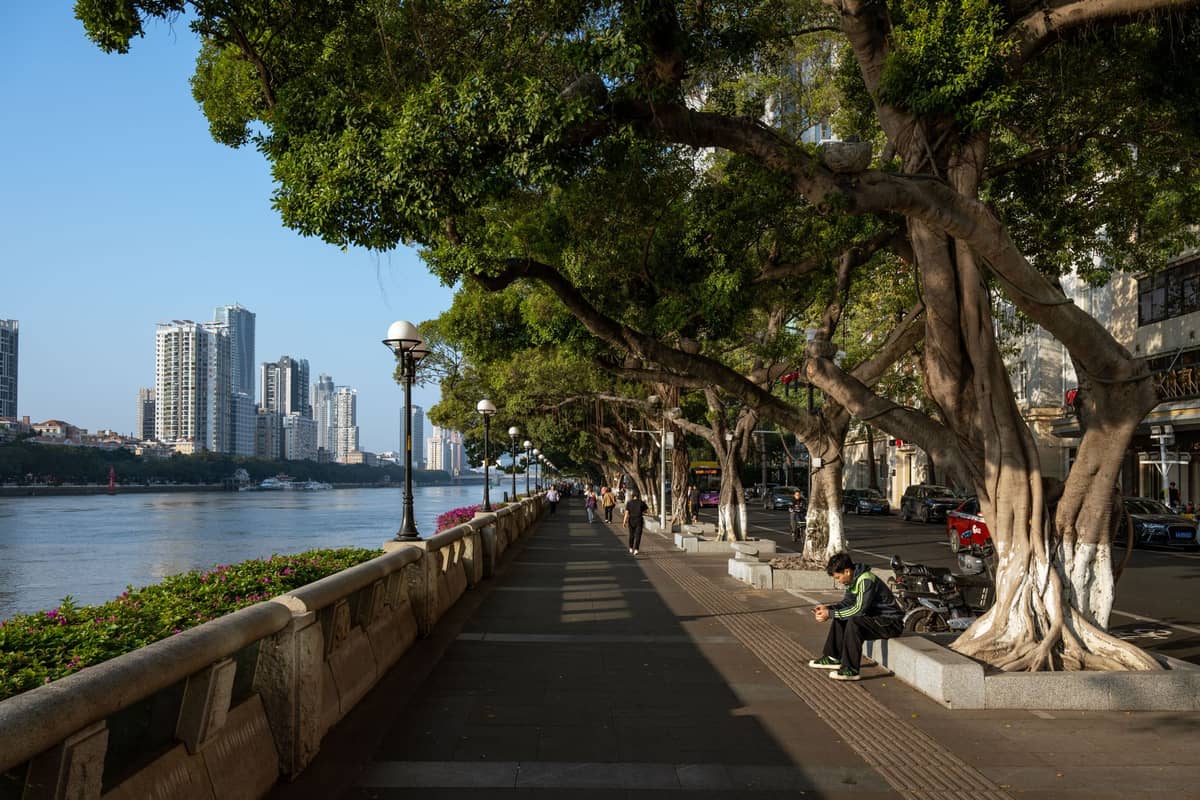
October and November are the months when Guangzhou is most consistently enjoyable. The summer heat has broken, rainfall is low, and you can walk around Yuexiu Park or along the Pearl River waterfront without arriving drenched in sweat. Temperatures in October typically sit between 22–28°C, dropping to a comfortable 18–23°C in November.
The one significant complication in October is the autumn Canton Fair, which runs across three phases in October and into early November. During fair weeks, hotel rates in central Guangzhou and Tianhe and Haizhu districts can increase by 50–200% and availability shrinks dramatically. If you're not attending the fair, book well in advance or consider arriving in the second half of November when the fair has wrapped and prices normalise.
✨ Pro tip
Late November to early December is arguably the sweetest spot in the Guangzhou calendar: the Canton Fair is over, the summer heat is long gone, tourist crowds are thin, and hotels offer some of their most competitive rates of the year. Temperatures are around 16–22°C — ideal for walking tours and outdoor attractions.
Spring (March to Early May): Good, with Caveats

March is an excellent month to visit. Temperatures are mild (roughly 16–22°C), humidity is manageable, and the city's green spaces are at their best. The Canton Orchid Garden and Baiyun Mountain are particularly rewarding in early spring when flowers are blooming and the air is still clear.
April is where the trade-offs become real. Rainfall increases noticeably, and by May the city is often hot (26–30°C+) and significantly more humid. April also brings the spring Canton Fair, creating the same hotel price spike and availability crunch as the autumn edition. If your trip falls in April or May, build in flexibility and pack a light waterproof layer.
⚠️ What to skip
The Canton Fair runs twice a year: spring sessions typically span late April through early May, and autumn sessions cover October and early November. During these periods, hotels near the Canton Fair Complex fill fast and prices surge. Check fair dates for your specific travel year before booking accommodation.
Summer (June to August): Manageable Only If You Plan for It
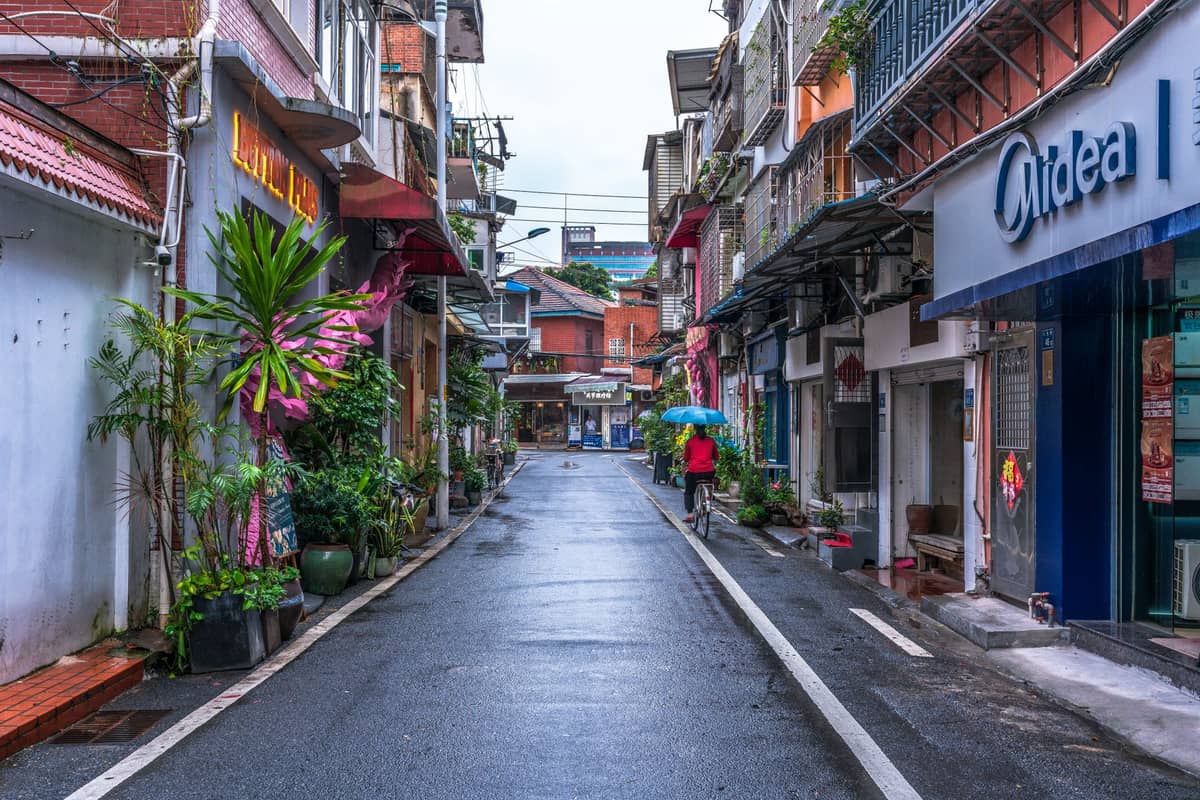
Summer in Guangzhou is not for everyone. Average highs regularly reach 32–35°C, relative humidity stays above 75–80%, and afternoon thunderstorms are common. Typhoons, while not hitting Guangzhou directly as often as coastal cities, can bring multi-day heavy rain and travel disruptions from June through September.
That said, summer is not without logic as a travel window. Prices drop outside of any fair periods, indoor attractions like the Guangdong Museum and the Nanyue King Mausoleum Museum are well air-conditioned, and Guangzhou's dim sum and restaurant culture gives you plenty of reasons to stay cool indoors. Families visiting Chimelong Water Park will find the heat an advantage rather than a problem.
💡 Local tip
If you must visit in summer, plan outdoor activities for 7–9am before the heat builds, then retreat indoors or to air-conditioned malls and museums during midday. Early morning at Baiyun Mountain or along the Pearl River is genuinely pleasant even in July.
Winter (December to February): Underrated and Underpriced
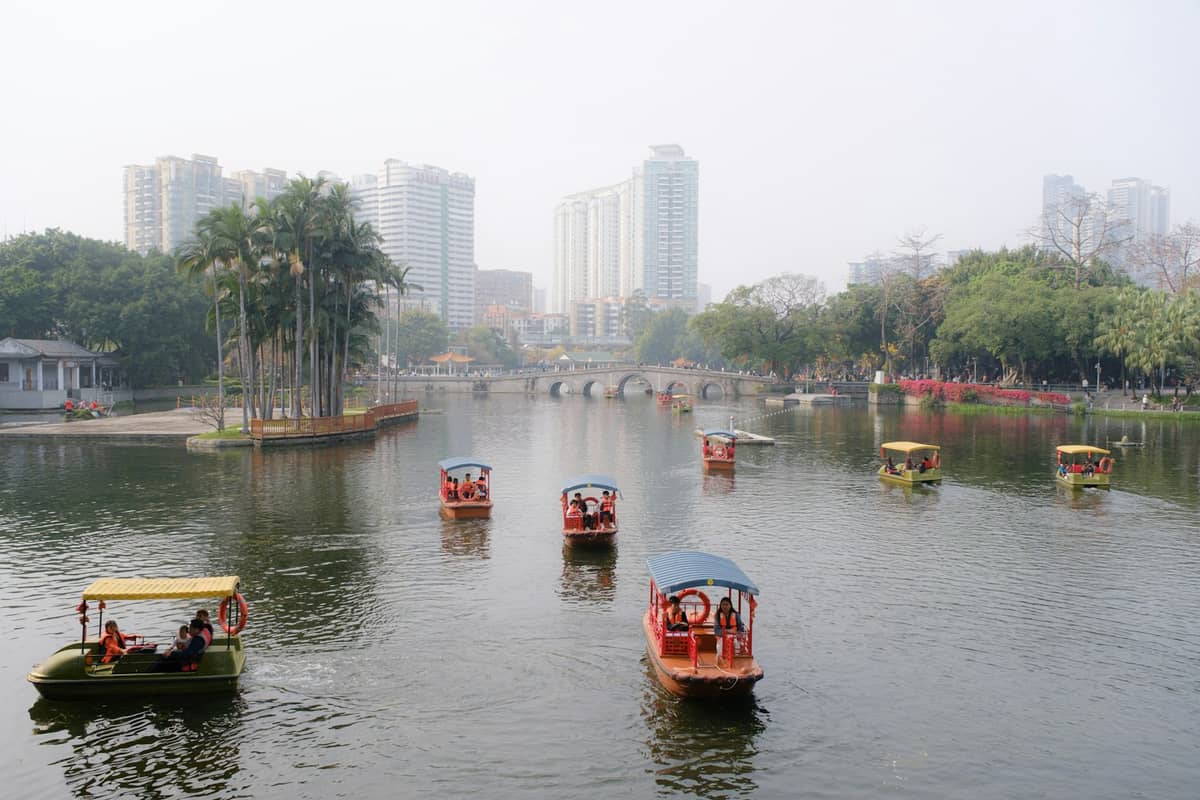
Guangzhou's winter has an unfair reputation. Compared to northern Chinese cities, it barely qualifies as cold — temperatures mostly sit between 10–18°C, and frost is rare. What you do get is grey, overcast skies and occasional damp drizzle, which can make the city feel flat for a few days at a time. But winter is genuinely dry by Guangzhou standards, and the crowds at major attractions are noticeably thinner.
The big exception is Chinese New Year, which falls in late January or February depending on the lunar calendar. During this period, Guangzhou's Chinese New Year celebrations are spectacular — flower markets, temple fairs, and fireworks in some areas — but domestic tourism surges, train and flight tickets sell out weeks ahead, and many local restaurants and shops close for several days.
Outside of the New Year period, December and January are among the quietest months for international visitors. Hotel rates are often at their annual low, and you'll encounter shorter queues at places like the Chen Clan Ancestral Hall or along Shamian Island. Pack a light jacket and a layer for evenings, and you'll be comfortable.
Key Events and Timing Considerations
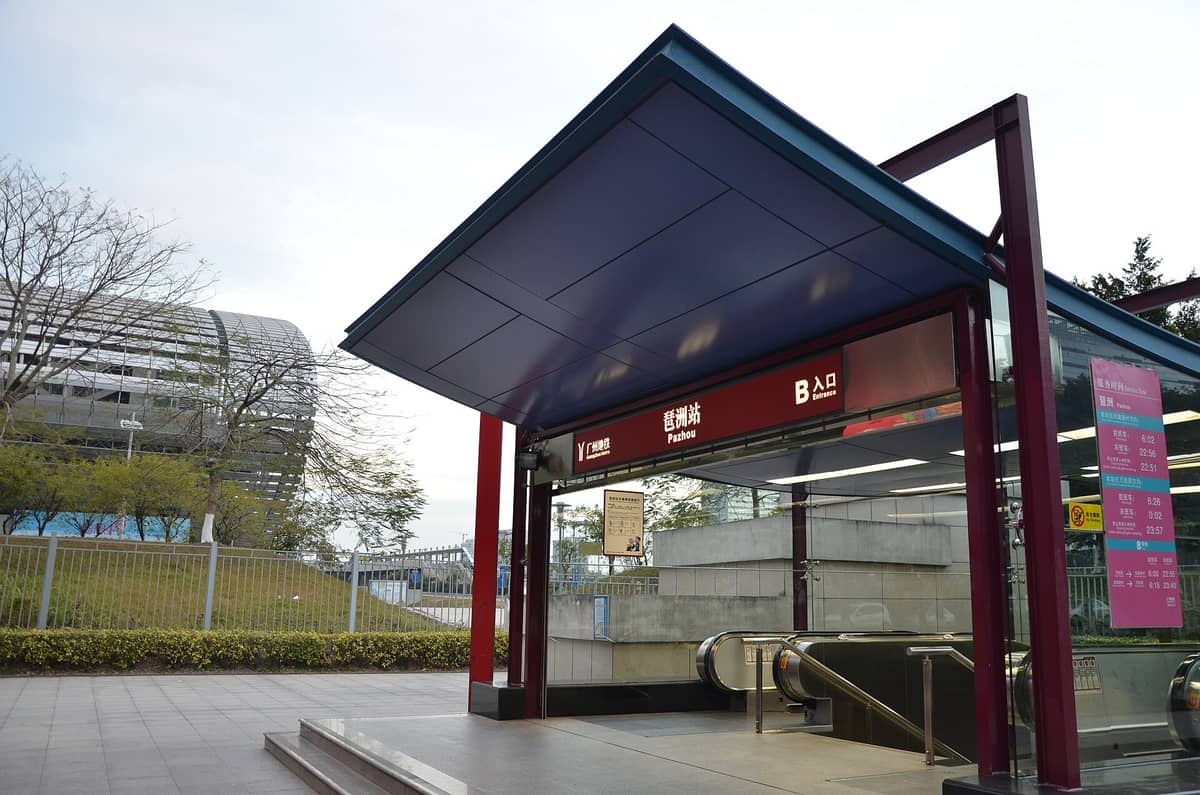
Beyond weather, two recurring events shape when you should or shouldn't visit Guangzhou. The Canton Fair is the dominant factor for most travellers: it is one of the world's largest trade exhibitions, drawing hundreds of thousands of buyers and industry visitors to the Canton Fair Complex in Haizhu twice a year. Hotel prices citywide, not just near the venue, reflect this demand.
- Canton Fair Spring Session: typically late April to early May (three phases across roughly two weeks)
- Canton Fair Autumn Session: typically from mid-October into early November
- Chinese New Year: late January or February — high domestic travel demand, reduced local services
- National Golden Week (October 1–7): domestic tourism peaks, popular attractions get crowded, book accommodation early
- Qingming Festival (early April): short domestic travel peak, generally not impactful for international visitors
If your schedule has flexibility, the windows that avoid all major crowd and price spikes are: early to mid-March, late May to early June (before the heat peaks), and late November to mid-December. For a full picture of how to structure your time, the 3-day Guangzhou itinerary pairs well with this timing advice.
FAQ
What is the best month to visit Guangzhou?
November is the single best month for most visitors: the Canton Fair autumn session has ended, temperatures are comfortable at 18–23°C, humidity is low, and hotel prices are reasonable. Late October (after the fair) and early December are close runners-up.
Is Guangzhou worth visiting in summer?
It is manageable but demanding. Summer (June to August) brings temperatures above 32°C, high humidity, frequent afternoon thunderstorms, and occasional typhoon disruptions. If you have no choice, focus on indoor attractions and plan outdoor activities for early morning. Prices outside of fair periods are lower in summer.
How does the Canton Fair affect hotel prices?
Significantly. During the spring (late April to early May) and autumn (most of October) Canton Fair sessions, hotel rates across central Guangzhou can increase by 50–200% compared to off-peak periods, and availability near the city centre drops sharply. Book at least 4–6 weeks ahead if your trip overlaps with fair dates, or time your arrival after the fair ends.
Does Guangzhou get cold in winter?
Not by northern China standards. Winter in Guangzhou (December to February) typically ranges from 10–18°C. It rarely drops below 8°C and frost is uncommon. The bigger issue is grey, overcast skies and occasional drizzle rather than genuine cold. A light jacket and a warmer layer for evenings are sufficient for most visitors.
When should I avoid visiting Guangzhou?
Three periods are worth avoiding unless you have a specific reason to be there: the Canton Fair sessions (late April to early May and most of October) for price and availability reasons; the peak of summer (July to August) for heat, humidity, and typhoon risk; and Chinese New Year week if you need reliable transport and open restaurants, as many local businesses close and travel networks are under extreme pressure.