Best Parks & Outdoor Spaces in Chengdu
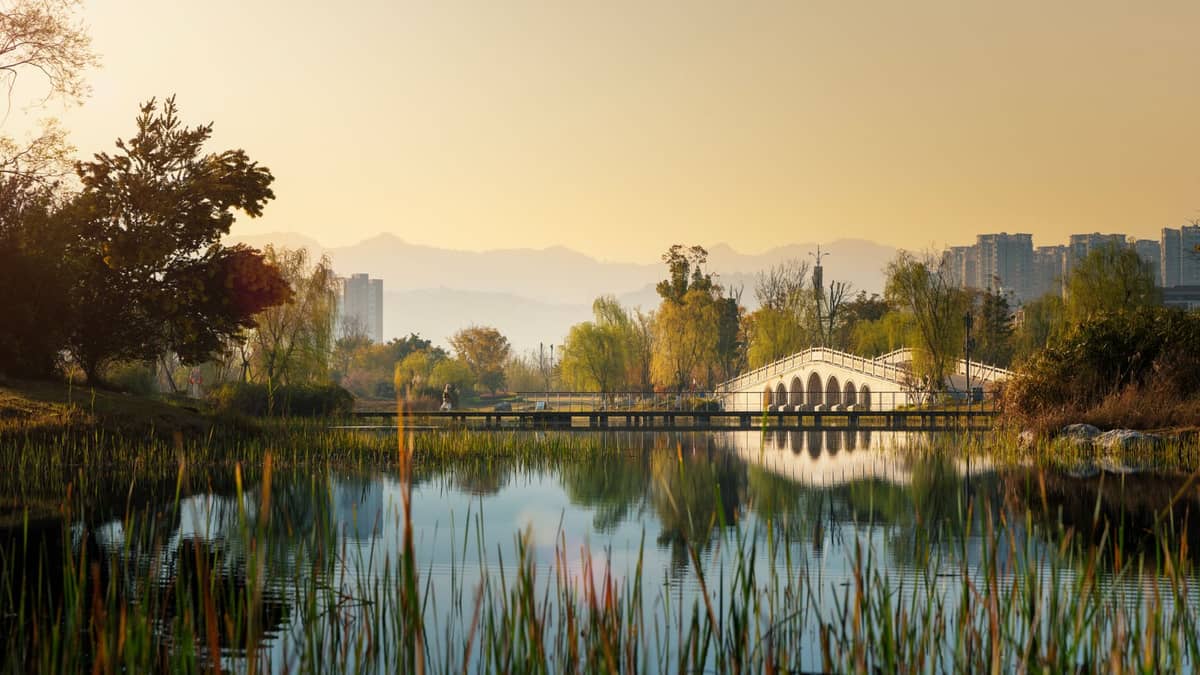
Chengdu rewards those who step outside. This guide covers the city's best parks, gardens, riverside walks, and natural escapes, from the teahouse-dotted paths of People's Park to the forested peaks of Mount Qingcheng, an hour from the city center.
Plan and book this trip
Tools from our partner Travelpayouts help you compare flights and hotels. If you book through them, we may earn a commission at no extra cost to you.
Flights
Hotels map
Chengdu has a reputation for good food and giant pandas, but its outdoor spaces are just as compelling. The city's parks double as social institutions, where locals practice tai chi at dawn, sip tea under camphor trees for hours, and gather for mahjong on weekday afternoons. Beyond the urban green spaces, the surrounding region delivers serious nature: sacred mountains, UNESCO-listed river engineering, and a botanical garden with 4,000 plant species. Whether you have a morning or a full day, this guide points you to the right space. For context on how to fit these into a visit, the 3 days in Chengdu itinerary maps out a practical sequence, and the Chengdu first-timer guide covers the essential orientation every new visitor needs.
City Parks & Urban Green Spaces
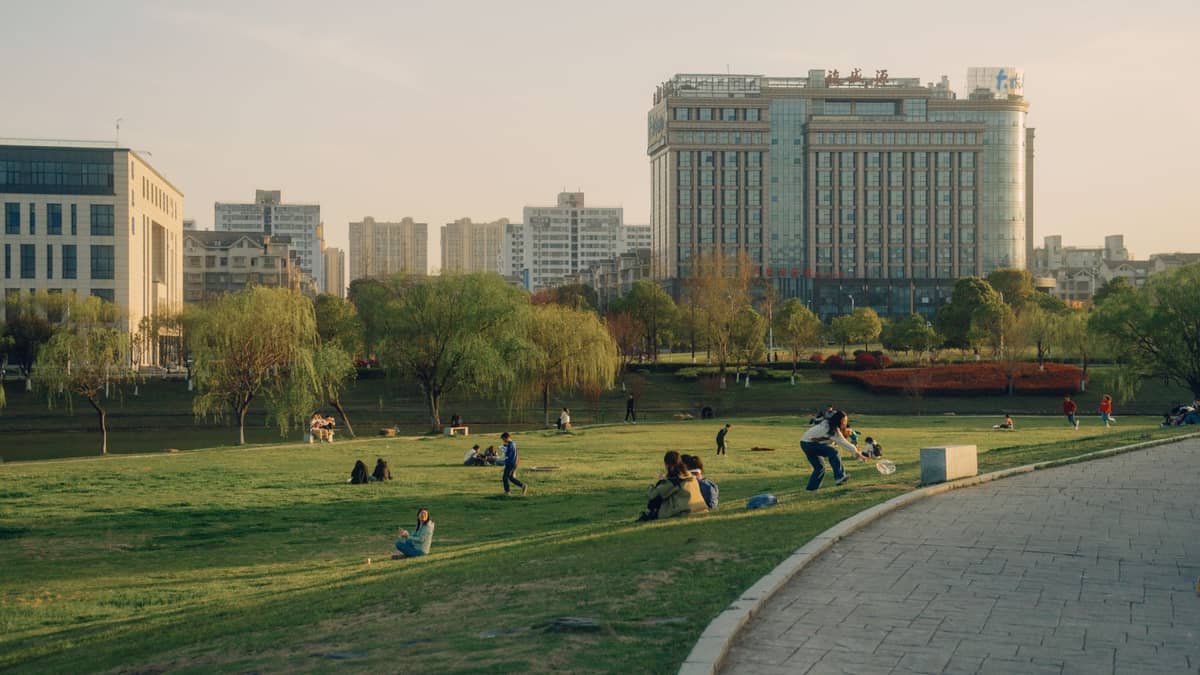
Chengdu's urban parks are some of the liveliest in China, functioning less as quiet retreats and more as open-air living rooms for the city's residents. The Qingyang District alone concentrates several of the best, making it easy to combine multiple visits in a single morning. For a deeper look at the teahouse culture woven into park life, the Chengdu teahouse guide is worth reading before you go.
1. Experience Chengdu's Living Room at People's Park
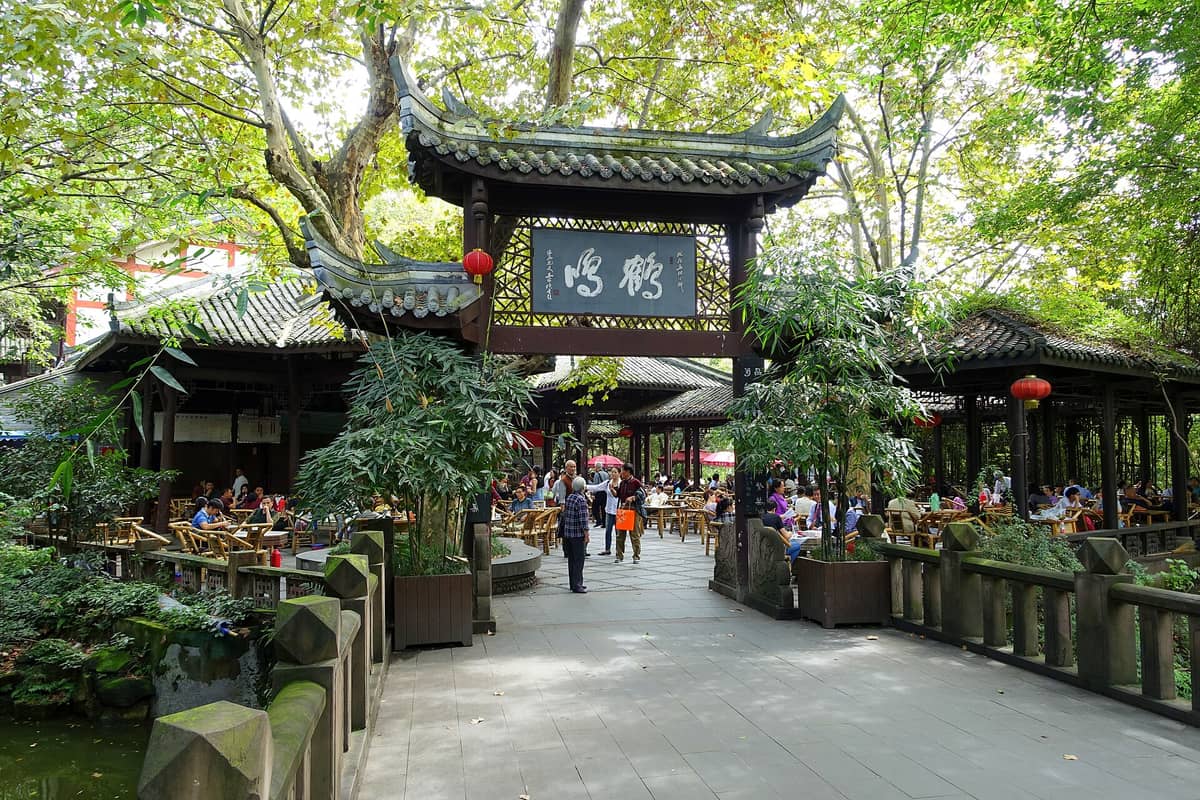
The most authentic slice of daily Chengdu life: a central park where locals play mahjong, sip jasmine tea at lakeside teahouses, and gather at the famous matchmaking corner where parents post partner ads for their children. Arrive by 9am for the full atmosphere.
Explore1. Experience Chengdu's Living Room at People's Park
The most authentic slice of daily Chengdu life: a central park where locals play mahjong, sip jasmine tea at lakeside teahouses, and gather at the famous matchmaking corner where parents post partner ads for their children. Arrive by 9am for the full atmosphere.
Explore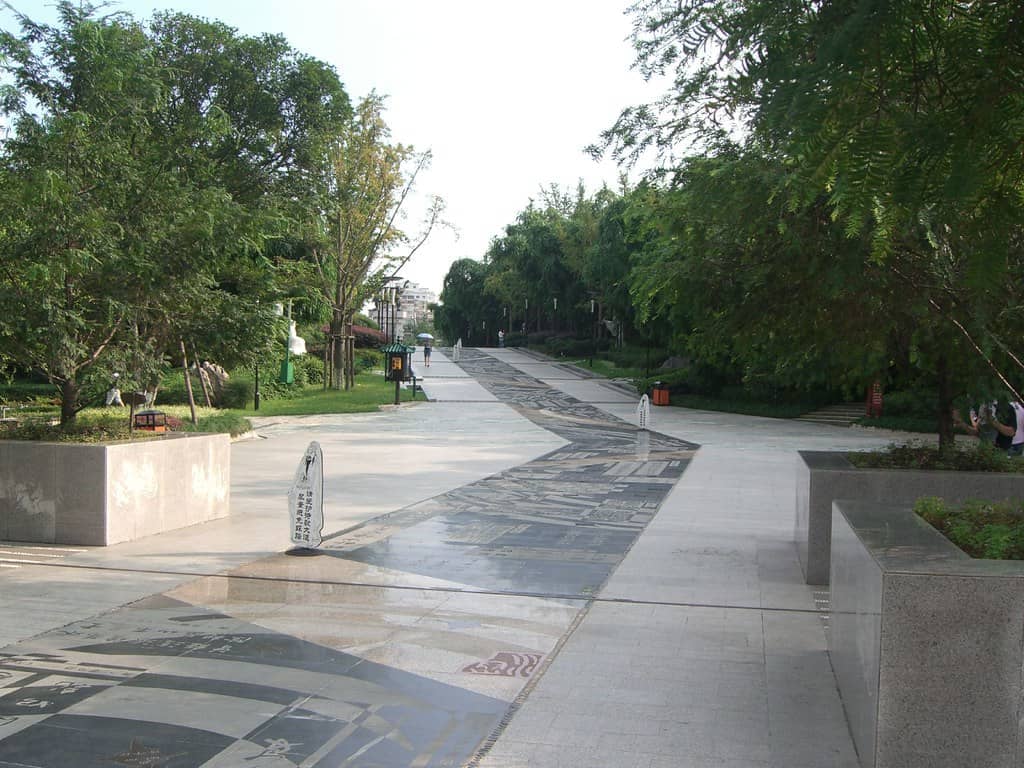
2. Walk the Bamboo Groves of Huanhua Creek Park
A large landscaped park running along Huanhua Creek beside Du Fu Thatched Cottage, with bamboo-lined paths, lotus ponds, and shaded benches. Locals use it for morning walks and tai chi. It connects naturally with a visit to the adjacent Du Fu museum complex.
Explore2. Walk the Bamboo Groves of Huanhua Creek Park
A large landscaped park running along Huanhua Creek beside Du Fu Thatched Cottage, with bamboo-lined paths, lotus ponds, and shaded benches. Locals use it for morning walks and tai chi. It connects naturally with a visit to the adjacent Du Fu museum complex.
Explore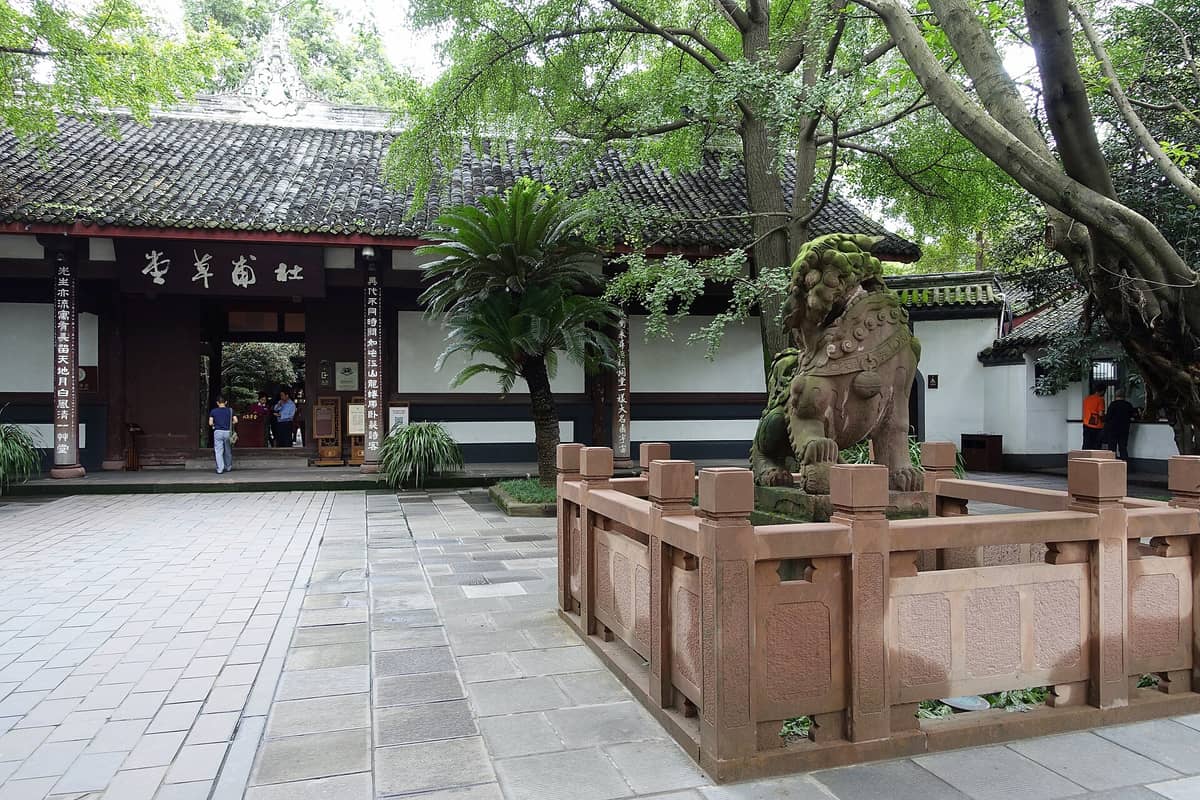
3. Stroll the Garden Grounds of Du Fu Thatched Cottage
More garden than museum, this serene complex reconstructs the thatched home where Tang Dynasty poet Du Fu lived in exile. Bamboo-shaded courtyards and stone paths make it one of the city's quietest retreats, even on busy weekends. Allow 60 to 90 minutes.
Explore3. Stroll the Garden Grounds of Du Fu Thatched Cottage
More garden than museum, this serene complex reconstructs the thatched home where Tang Dynasty poet Du Fu lived in exile. Bamboo-shaded courtyards and stone paths make it one of the city's quietest retreats, even on busy weekends. Allow 60 to 90 minutes.
Explore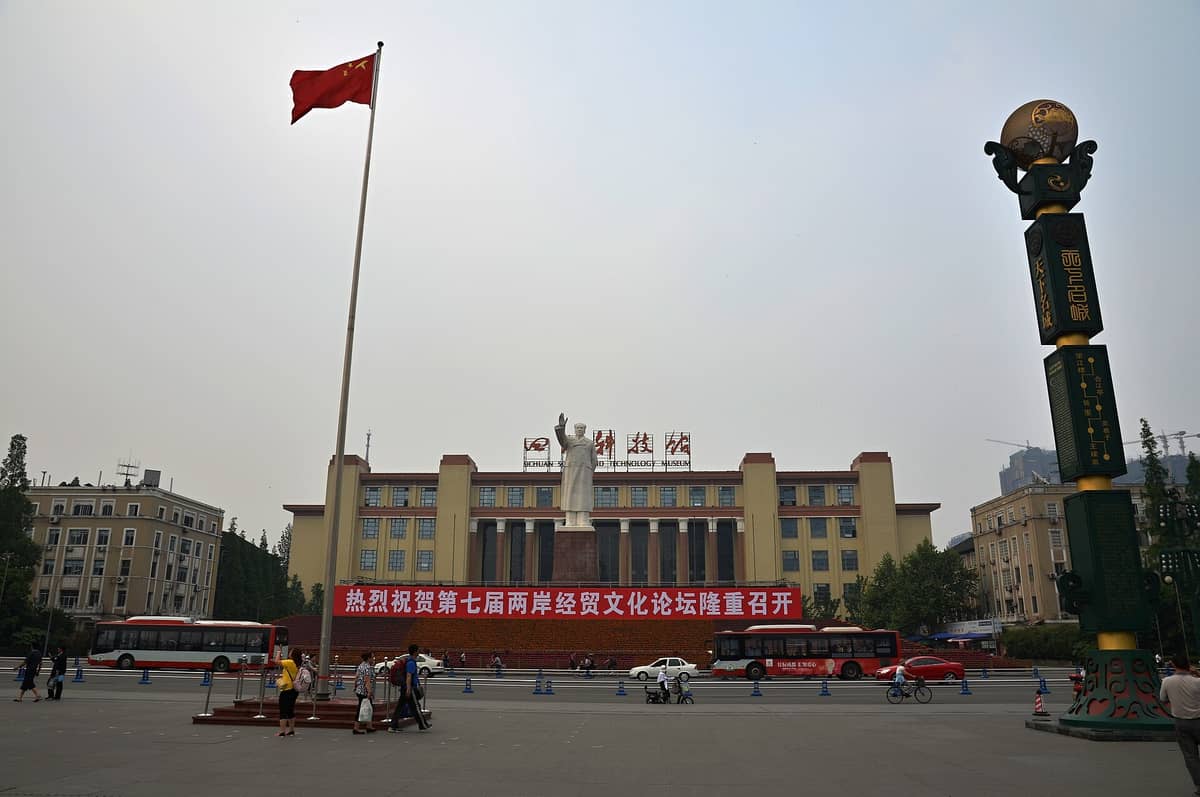
4. Take in the Scale of Tianfu Square
Chengdu's central civic plaza, anchored by a Mao statue with the modern skyline behind it, gives you a sense of the city's grand self-image. It is best visited at dusk when locals walk and children fly kites. The underground level connects to the Chengdu Museum.
Explore4. Take in the Scale of Tianfu Square
Chengdu's central civic plaza, anchored by a Mao statue with the modern skyline behind it, gives you a sense of the city's grand self-image. It is best visited at dusk when locals walk and children fly kites. The underground level connects to the Chengdu Museum.
ExploreRiverside Walks & Heritage Streetscapes
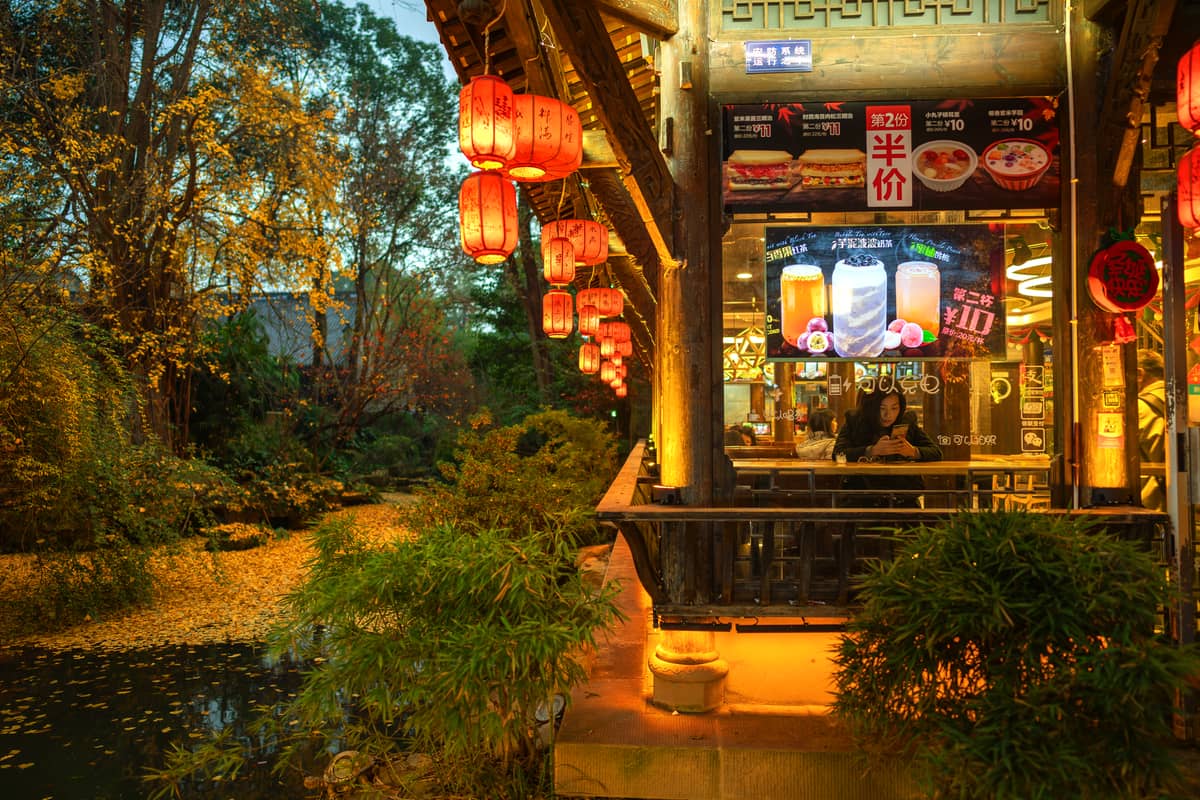
Chengdu's rivers and historic lanes create natural corridors for walking, especially in the evenings when lantern light transforms the atmosphere. The Chengdu walking tours guide has detailed route suggestions for combining several of these spots on foot.
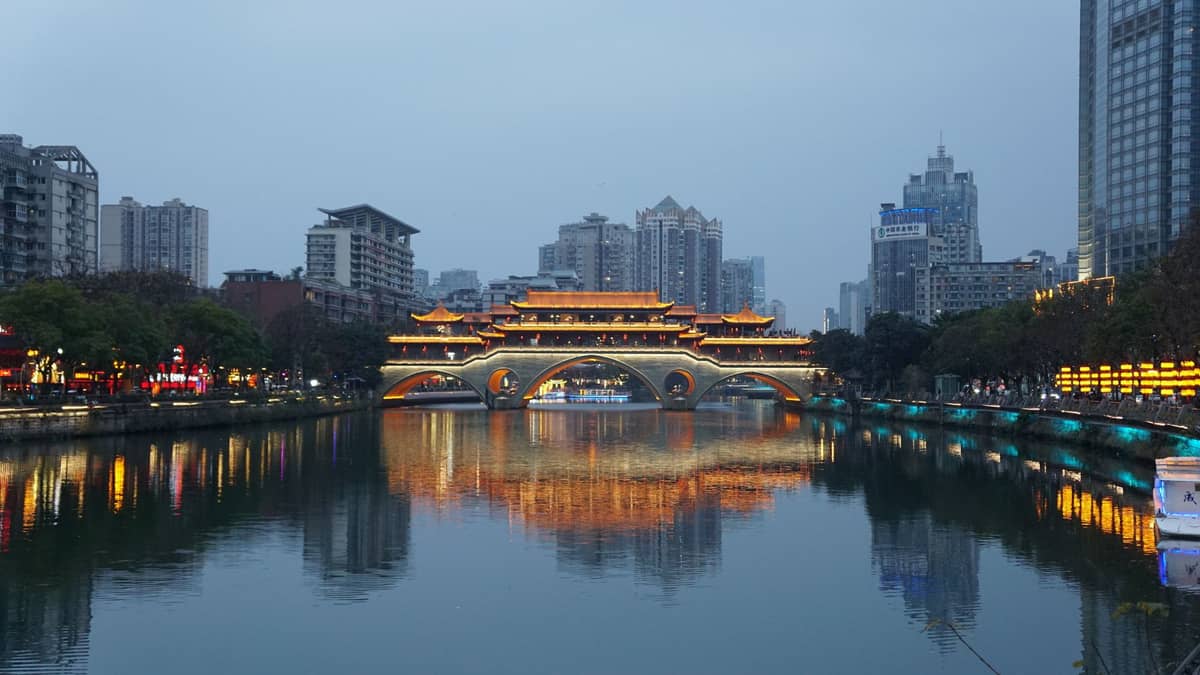
5. Walk the Jin River at Anshun Bridge
A restored covered bridge over the Jin River, lined with wooden teahouses and restaurants on both levels. The bridge is photogenic by day but comes alive at night under red lantern light. Cross it slowly and stop for tea on the upper deck if it is open.
Explore5. Walk the Jin River at Anshun Bridge
A restored covered bridge over the Jin River, lined with wooden teahouses and restaurants on both levels. The bridge is photogenic by day but comes alive at night under red lantern light. Cross it slowly and stop for tea on the upper deck if it is open.
Explore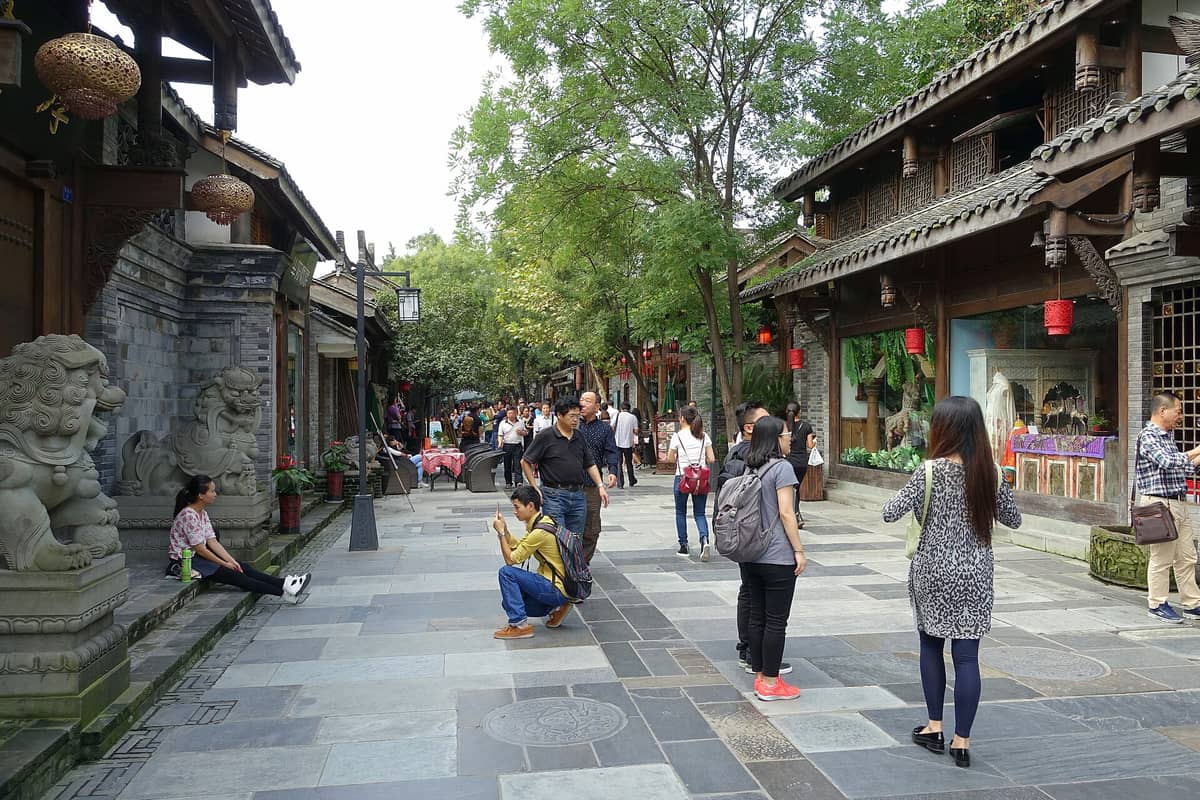
6. Explore the Qing Dynasty Lanes of Wide and Narrow Alleys
Three restored alleyways in central Chengdu preserve courtyard architecture, craft teahouses, and street snacks within a compact walkable area. Wide Alley has the best cafes; Narrow Alley is quieter and more atmospheric. Go before 10am to avoid peak crowds.
Explore6. Explore the Qing Dynasty Lanes of Wide and Narrow Alleys
Three restored alleyways in central Chengdu preserve courtyard architecture, craft teahouses, and street snacks within a compact walkable area. Wide Alley has the best cafes; Narrow Alley is quieter and more atmospheric. Go before 10am to avoid peak crowds.
Explore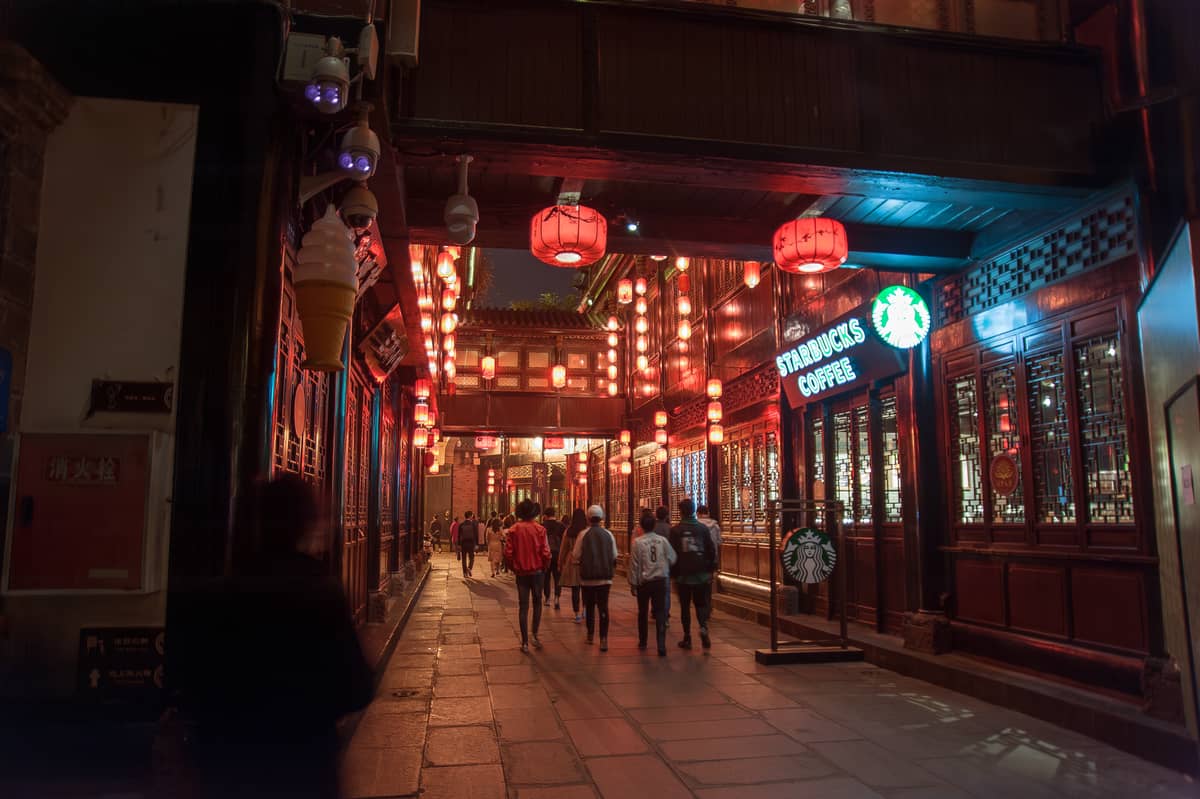
7. Browse the Red-Lantern Lanes of Jinli Ancient Street
Adjacent to Wuhou Shrine, this Han Dynasty-style pedestrian lane is best visited at dusk when lanterns illuminate rows of snack stalls and souvenir shops. Budget 60 to 90 minutes. The street food here, including rabbit head and sweet dumplings, is a key part of the experience.
Explore7. Browse the Red-Lantern Lanes of Jinli Ancient Street
Adjacent to Wuhou Shrine, this Han Dynasty-style pedestrian lane is best visited at dusk when lanterns illuminate rows of snack stalls and souvenir shops. Budget 60 to 90 minutes. The street food here, including rabbit head and sweet dumplings, is a key part of the experience.
ExploreGardens & Botanical Spaces
8. Wander 4,000 Plant Species at Chengdu Botanical Garden
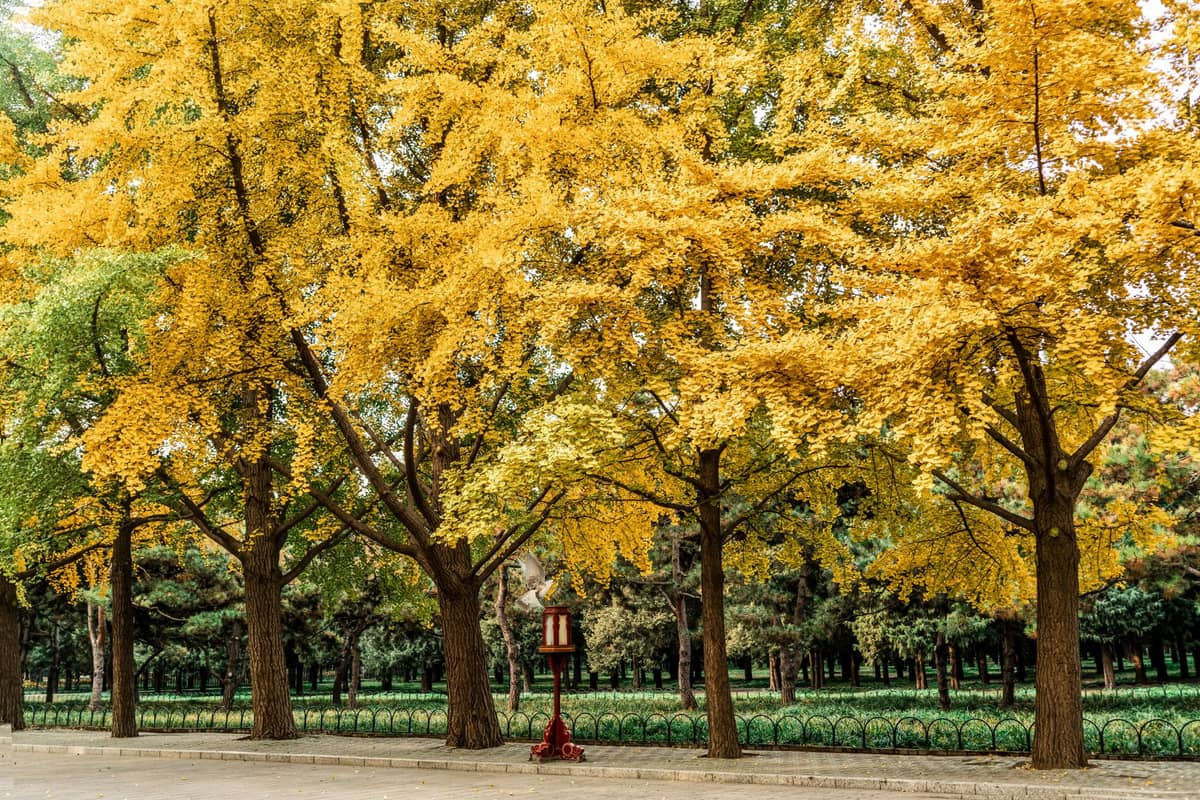
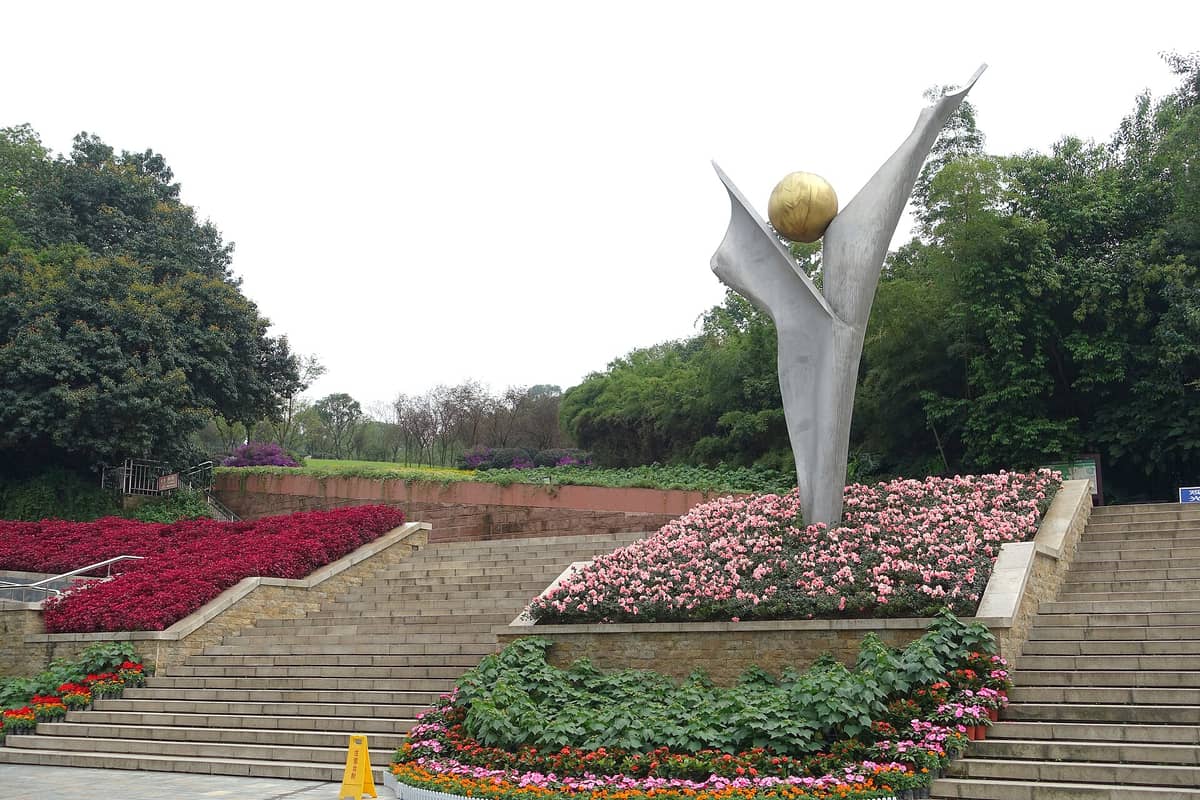
A sprawling northern-suburbs garden with over 4,000 species across themed sections including a dedicated ginkgo forest that turns brilliant gold from late October through November. Weekday mornings are quiet. The scale means you should allow at least 2 to 3 hours.
Explore8. Wander 4,000 Plant Species at Chengdu Botanical Garden
A sprawling northern-suburbs garden with over 4,000 species across themed sections including a dedicated ginkgo forest that turns brilliant gold from late October through November. Weekday mornings are quiet. The scale means you should allow at least 2 to 3 hours.
Explore💡 Local tip
The ginkgo forest at Chengdu Botanical Garden peaks in color roughly from late October to mid-November. Timings vary year to year with temperature, so check local reports before making a special trip for autumn foliage.
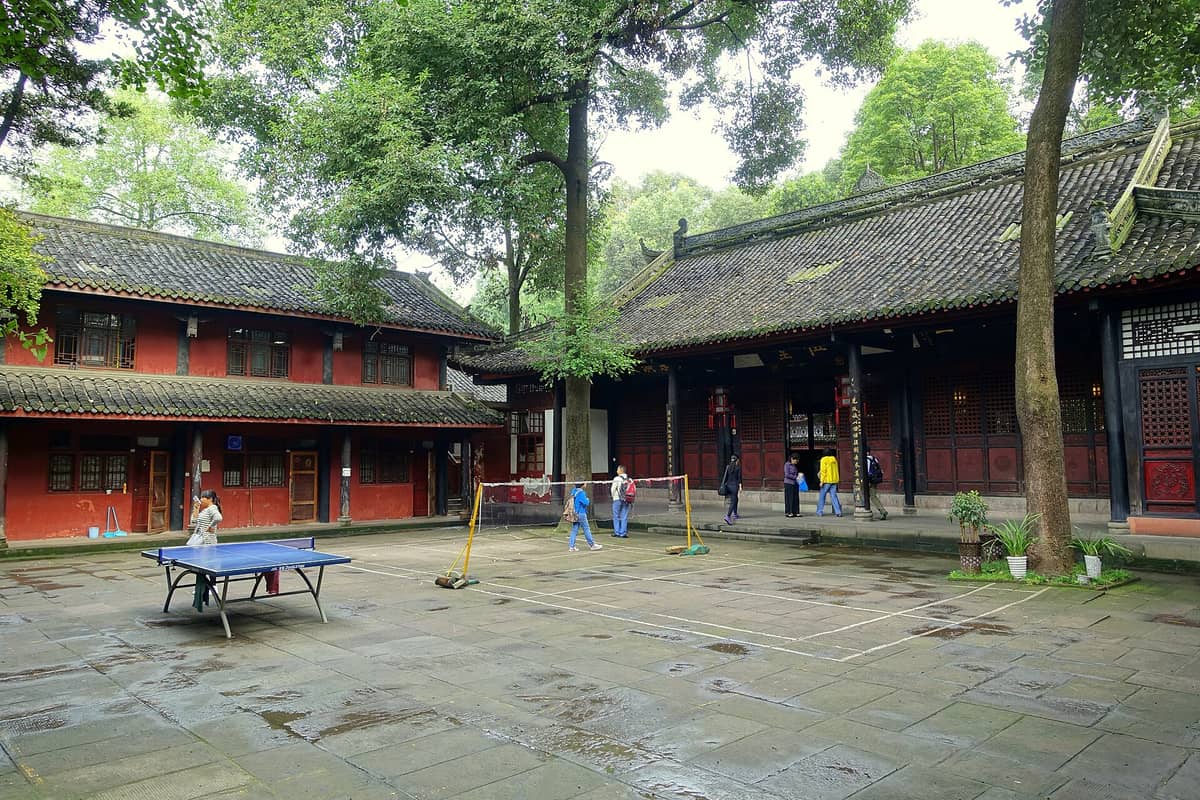
9. Find Calm in the Courtyards of Wenshu Monastery
Chengdu's best-preserved Tang Dynasty Buddhist monastery has incense-filled courtyards, ancient stone carvings, and a vegetarian restaurant popular with locals. The surrounding Wenshu Fang lanes are lined with teahouses ideal for settling in after a slow walk through the complex.
Explore9. Find Calm in the Courtyards of Wenshu Monastery
Chengdu's best-preserved Tang Dynasty Buddhist monastery has incense-filled courtyards, ancient stone carvings, and a vegetarian restaurant popular with locals. The surrounding Wenshu Fang lanes are lined with teahouses ideal for settling in after a slow walk through the complex.
ExplorePanda & Wildlife Spaces
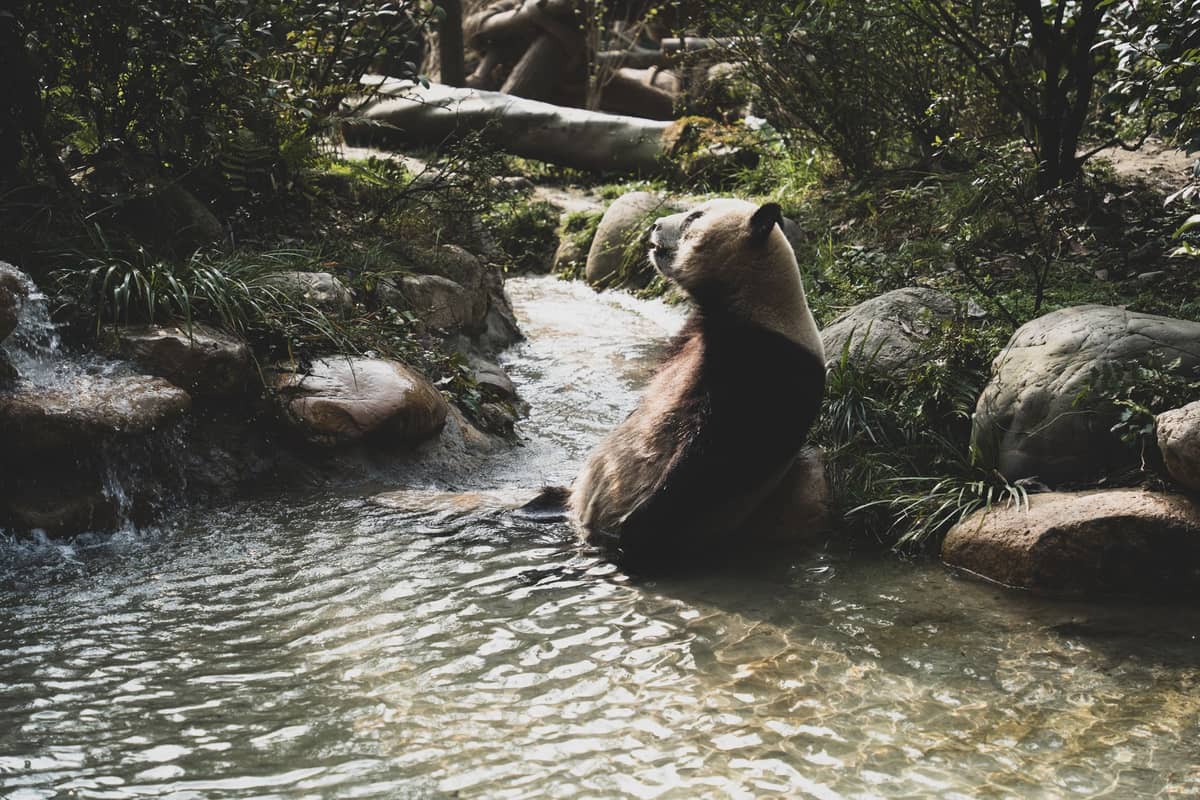
Chengdu's panda facilities are among its most distinctive outdoor attractions. For everything you need to know about planning a panda visit, the Chengdu panda guide covers booking, timing, and what to realistically expect.

10. See Giant Pandas Up Close at the Chengdu Research Base
The world's foremost giant panda conservation center houses over 200 giant and red pandas across naturalistic wooded enclosures. Book timed entry online in advance (CNY 55). Arrive at opening to see pandas most active before midday heat sends them to sleep in the trees.
Explore10. See Giant Pandas Up Close at the Chengdu Research Base
The world's foremost giant panda conservation center houses over 200 giant and red pandas across naturalistic wooded enclosures. Book timed entry online in advance (CNY 55). Arrive at opening to see pandas most active before midday heat sends them to sleep in the trees.
Explore✨ Pro tip
The Panda Base requires advance online reservation and original-document verification at entry. March to October entry starts at 07:30; November to February at 08:00. Panda activity is never guaranteed, but early morning is consistently the best window.
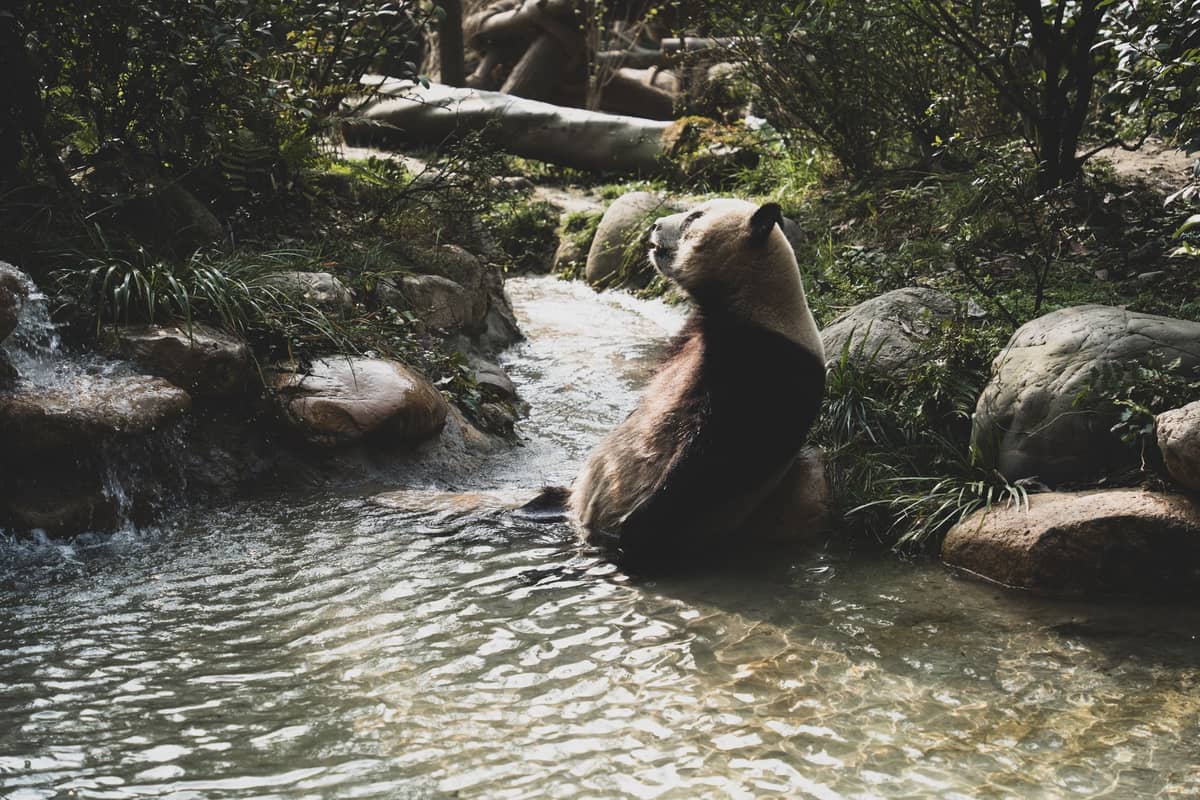
11. Visit Pandas in a Forested Valley at Panda Valley
A secondary panda research center set in woodland near Dujiangyan, with fewer visitors than the main Chengdu base. The setting feels more natural, and the slower pace suits those who find the main base too crowded. Combine it with a Dujiangyan day trip for efficiency.
Explore11. Visit Pandas in a Forested Valley at Panda Valley
A secondary panda research center set in woodland near Dujiangyan, with fewer visitors than the main Chengdu base. The setting feels more natural, and the slower pace suits those who find the main base too crowded. Combine it with a Dujiangyan day trip for efficiency.
Explore
12. See Giant and Red Pandas at Chengdu Zoo
A large city zoo in Chenghua District offering a more affordable, less ticketing-intensive panda encounter than the research base. The red panda enclosure is a standout. Best for families with children who want to cover more animals in one visit without the base's reservation system.
Explore12. See Giant and Red Pandas at Chengdu Zoo
A large city zoo in Chenghua District offering a more affordable, less ticketing-intensive panda encounter than the research base. The red panda enclosure is a standout. Best for families with children who want to cover more animals in one visit without the base's reservation system.
ExploreMountain Hikes & Day-Trip Nature
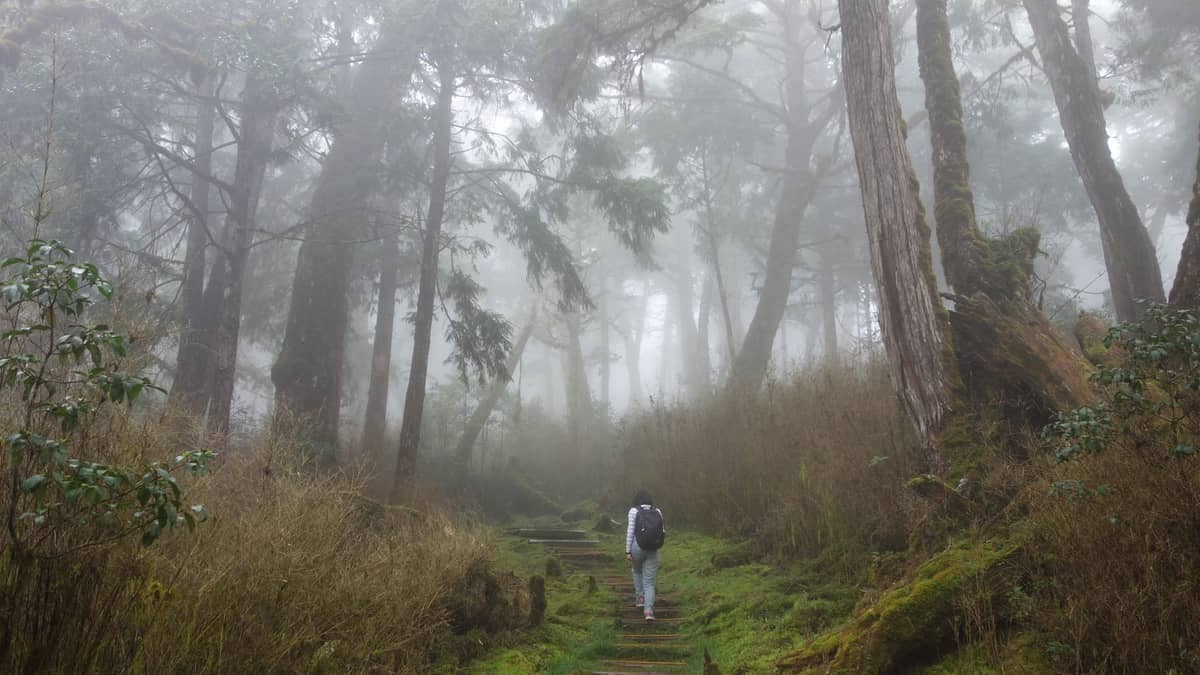
Within 1 to 2 hours of Chengdu, the landscape changes dramatically from plains to forested mountains and ancient river engineering. The day trips from Chengdu guide covers transport options and logistics for all of the destinations below.
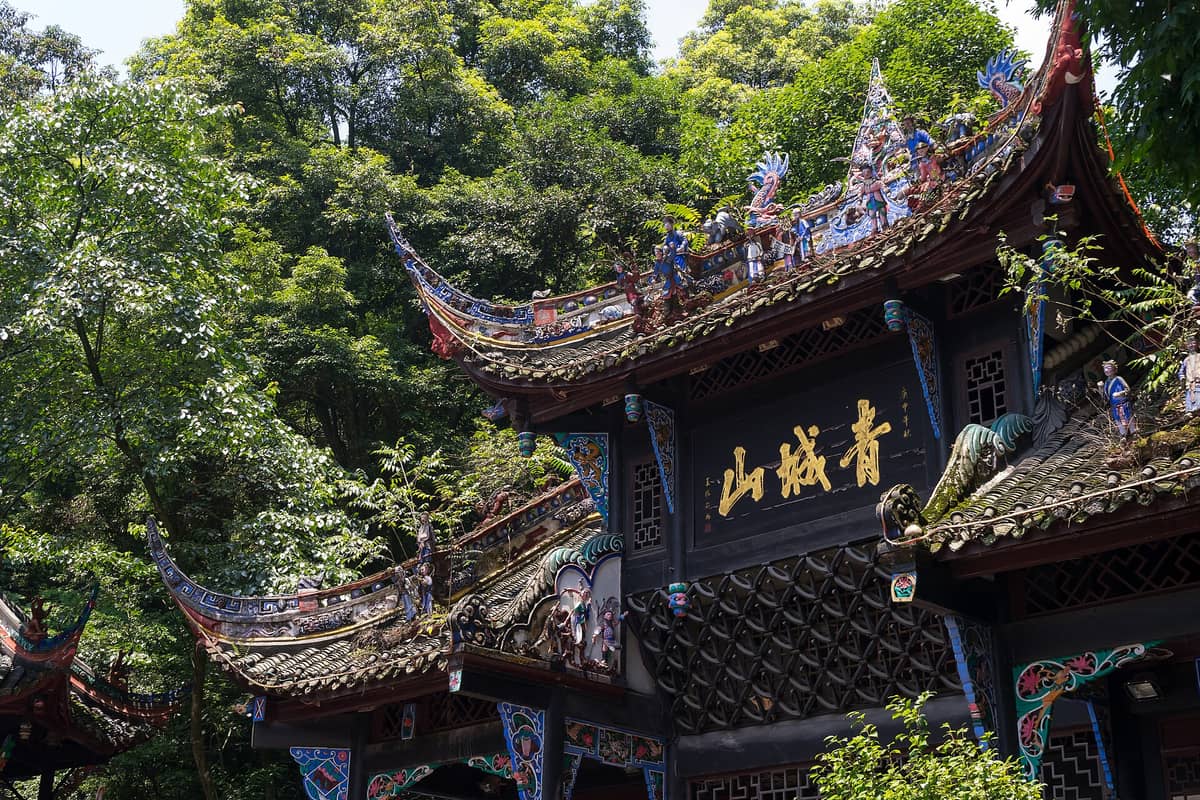
13. Hike the Taoist Peaks of Mount Qingcheng
One of Taoism's founding sacred mountains, an hour from central Chengdu, with forested trails linking ancient temple complexes. The rear mountain (Qingcheng Houshan) is quieter than the front section. Allow a half day minimum; bring water and expect stone-stepped paths the whole way.
Explore13. Hike the Taoist Peaks of Mount Qingcheng
One of Taoism's founding sacred mountains, an hour from central Chengdu, with forested trails linking ancient temple complexes. The rear mountain (Qingcheng Houshan) is quieter than the front section. Allow a half day minimum; bring water and expect stone-stepped paths the whole way.
Explore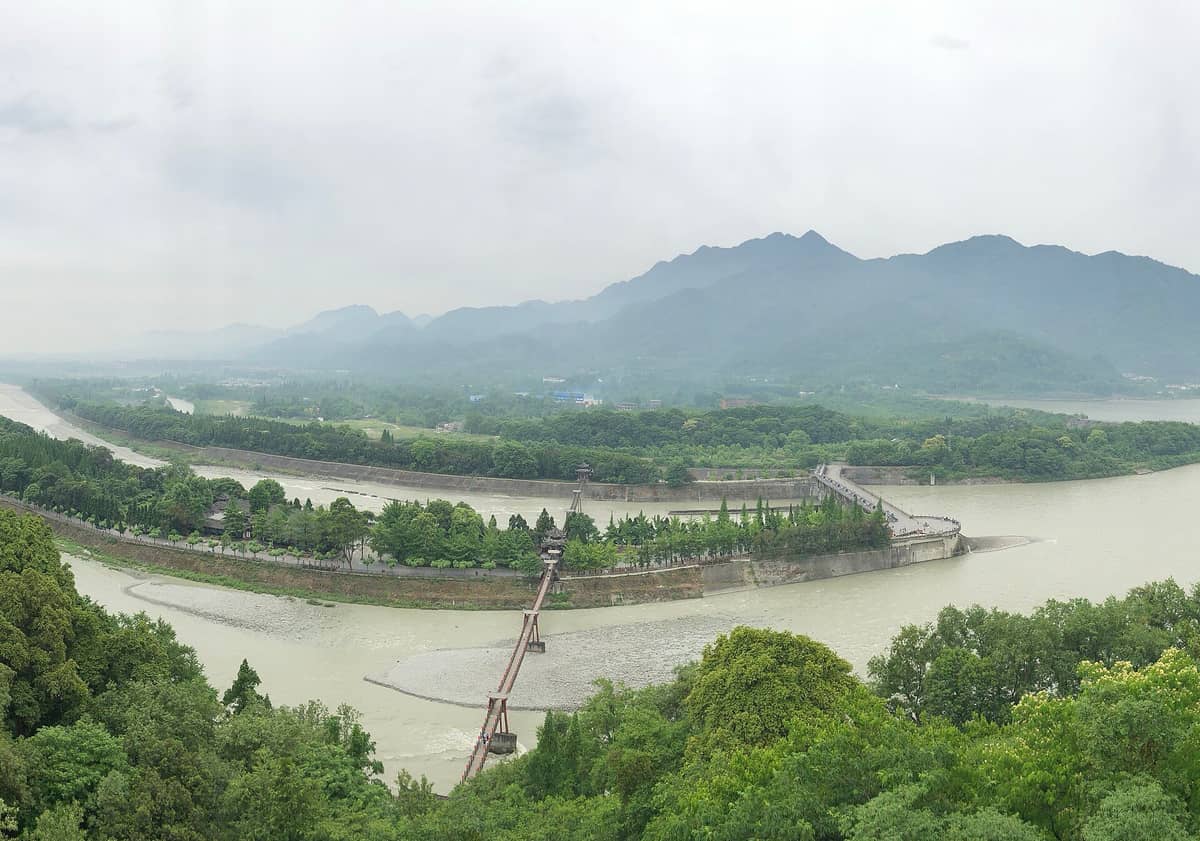
14. Walk the Banks of a 2,300-Year-Old UNESCO Waterway
The Dujiangyan irrigation system is still fully operational after two millennia, and the parkland around it allows you to walk across the iconic Anlan Suspension Bridge and see the river engineering in action. Best visited on a weekday. Pair with Mount Qingcheng nearby.
Explore14. Walk the Banks of a 2,300-Year-Old UNESCO Waterway
The Dujiangyan irrigation system is still fully operational after two millennia, and the parkland around it allows you to walk across the iconic Anlan Suspension Bridge and see the river engineering in action. Best visited on a weekday. Pair with Mount Qingcheng nearby.
Explore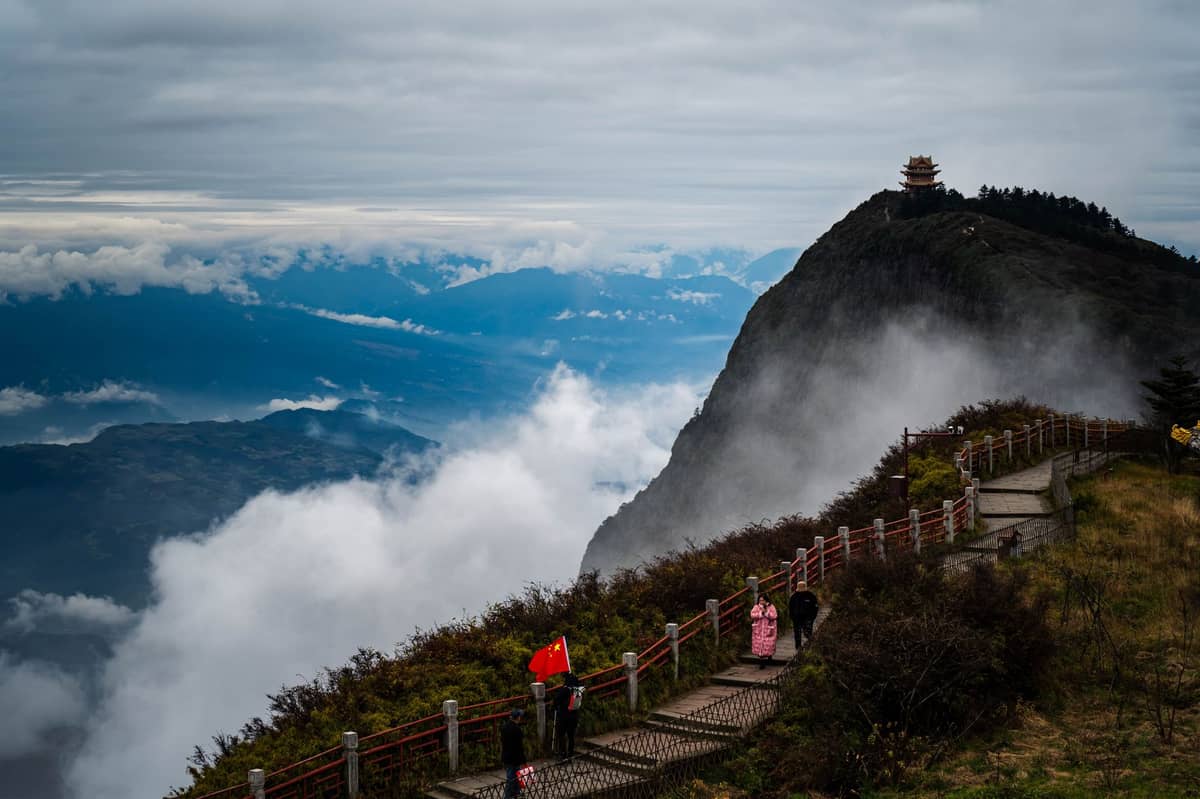
15. Climb to the Golden Summit of Mount Emei
One of China's Four Sacred Buddhist Mountains, rising to 3,099 meters with monasteries, forested trails, and free-roaming Tibetan macaques along the path. A cable car reaches the upper section for those short on time. The Golden Summit sunrise, above clouds, is worth an overnight stay.
Explore15. Climb to the Golden Summit of Mount Emei
One of China's Four Sacred Buddhist Mountains, rising to 3,099 meters with monasteries, forested trails, and free-roaming Tibetan macaques along the path. A cable car reaches the upper section for those short on time. The Golden Summit sunrise, above clouds, is worth an overnight stay.
Explore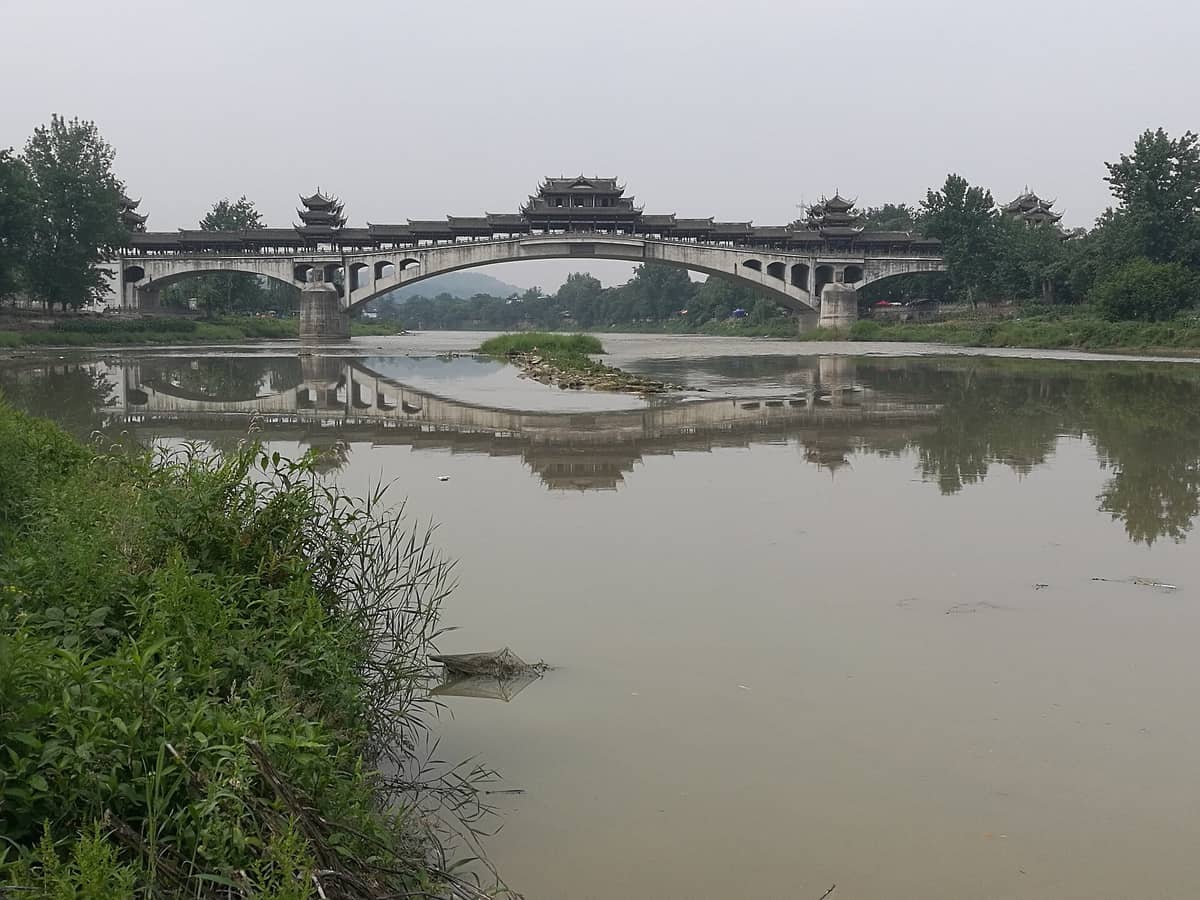
16. Wander Riverside Cobblestones at Huanglongxi Ancient Town
A well-preserved Ming and Qing river town 40 km south of Chengdu, built around ancient banyan trees and stone-paved lanes running beside the water. The street food scene here is excellent. Arrive before noon on weekends to explore before tour groups pack the main streets.
Explore16. Wander Riverside Cobblestones at Huanglongxi Ancient Town
A well-preserved Ming and Qing river town 40 km south of Chengdu, built around ancient banyan trees and stone-paved lanes running beside the water. The street food scene here is excellent. Arrive before noon on weekends to explore before tour groups pack the main streets.
Exploreℹ️ Good to know
Mount Emei and the Leshan Giant Buddha are most efficiently visited together as a two-day trip. Going separately means two long return journeys from Chengdu. Overnight options near Emeishan town keep the itinerary manageable.
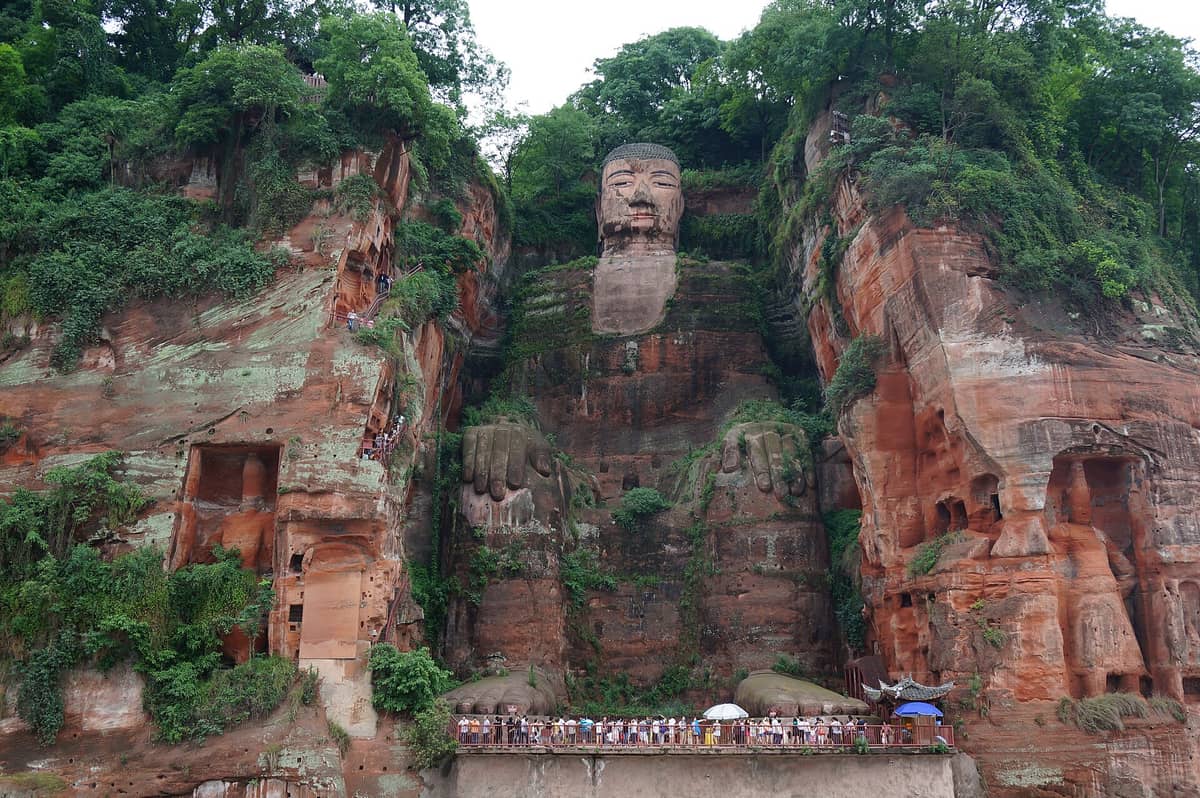
17. See the 71-Meter Tang Dynasty Buddha at Leshan
Carved into a red sandstone cliff where three rivers meet, this 71-meter statue has weathered over 1,200 years. A boat on the river gives the best perspective of the full scale; the cliff-side path down to its feet requires steep stairs and patience with queues on busy days.
Explore17. See the 71-Meter Tang Dynasty Buddha at Leshan
Carved into a red sandstone cliff where three rivers meet, this 71-meter statue has weathered over 1,200 years. A boat on the river gives the best perspective of the full scale; the cliff-side path down to its feet requires steep stairs and patience with queues on busy days.
ExploreFAQ
What is the best park to visit in Chengdu for a local experience?
People's Park in Qingyang District is the most authentic. Any morning between 8am and noon, you will find locals playing mahjong, getting ear-cleaning treatments at teahouses, and debating partner ads at the matchmaking corner. It is free to enter and a short walk from the city center.
Can you see pandas in a park or garden setting in Chengdu?
The Chengdu Research Base of Giant Panda Breeding is set in landscaped grounds with bamboo and trees, and feels more like a nature park than a zoo. It requires advance online reservation and timed entry. Panda Valley near Dujiangyan offers a quieter, more forested alternative.
What is the best time of year to visit Chengdu's outdoor spaces?
March to May and September to November offer the most comfortable temperatures for outdoor visits, roughly 14 to 28 degrees Celsius with lower rainfall than the June to August wet season. The Botanical Garden's ginkgo forest peaks in color around late October to mid-November.
Which outdoor attractions near Chengdu are worth a full day trip?
Mount Qingcheng and Dujiangyan pair well together in a single day since they are adjacent. Mount Emei is best as an overnight trip. Huanglongxi Ancient Town works as a half-day excursion from the city, around 40 to 50 minutes by car or bus.
Are Chengdu's parks and outdoor spaces free to enter?
People's Park, Huanhua Creek Park, and Tianfu Square are free. The Chengdu Botanical Garden charges a modest entry fee. The Panda Base charges CNY 55 per adult. Mount Qingcheng, Dujiangyan, Leshan, and Emei all charge entry fees; verify current prices before visiting as they change.