Self-Guided Walking Tours in Chengdu: Routes, Tips, and What's Actually Walkable
Chengdu's historic core is genuinely walkable, but only if you know which clusters of sights sit close together and which require transport. This guide maps out three practical self-guided walking routes, breaks down entry costs, and flags the common mistakes that turn a pleasant city walk into an exhausting detour.
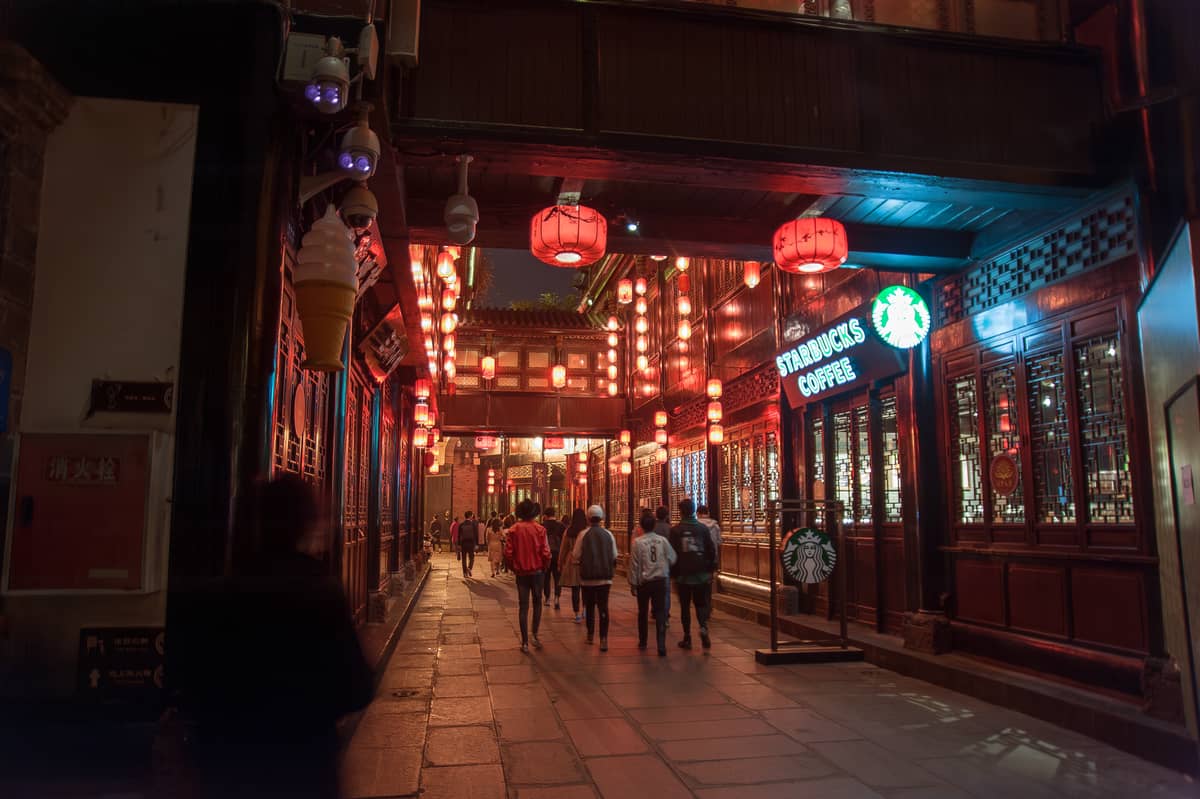
Plan and book this trip
Tools from our partner Travelpayouts help you compare flights and hotels. If you book through them, we may earn a commission at no extra cost to you.
Flights
Hotels map
TL;DR
- Chengdu's central sights cluster into walkable zones: the Southwest Heritage Route (Wuhou Shrine, Jinli, Du Fu Cottage), the Central Culture Loop (Qingyang Palace, Renmin Park, Kuanzhai Alley, Wenshu Monastery), and the Modern Commercial Strip (Tianfu Square, Chunxi Road, Taikoo Li).
- Entry to street-level areas like Kuanzhai Alley, Jinli, Chunxi Road, and Taikoo Li is free; paid attractions like Wuhou Shrine (around CNY 50) and Du Fu Thatched Cottage (around CNY 50) require separate tickets.
- The Chengdu Panda Base is not a central walking attraction. It is a dedicated trip requiring metro or taxi and advance ticket booking.
- September to November and March to May are the best months for walking: temperatures stay between roughly 14°C and 28°C, and rainfall is lighter than in peak summer.
- For a full day-by-day walking framework, see the 3 days in Chengdu itinerary.
Understanding Chengdu's Walkable Geography
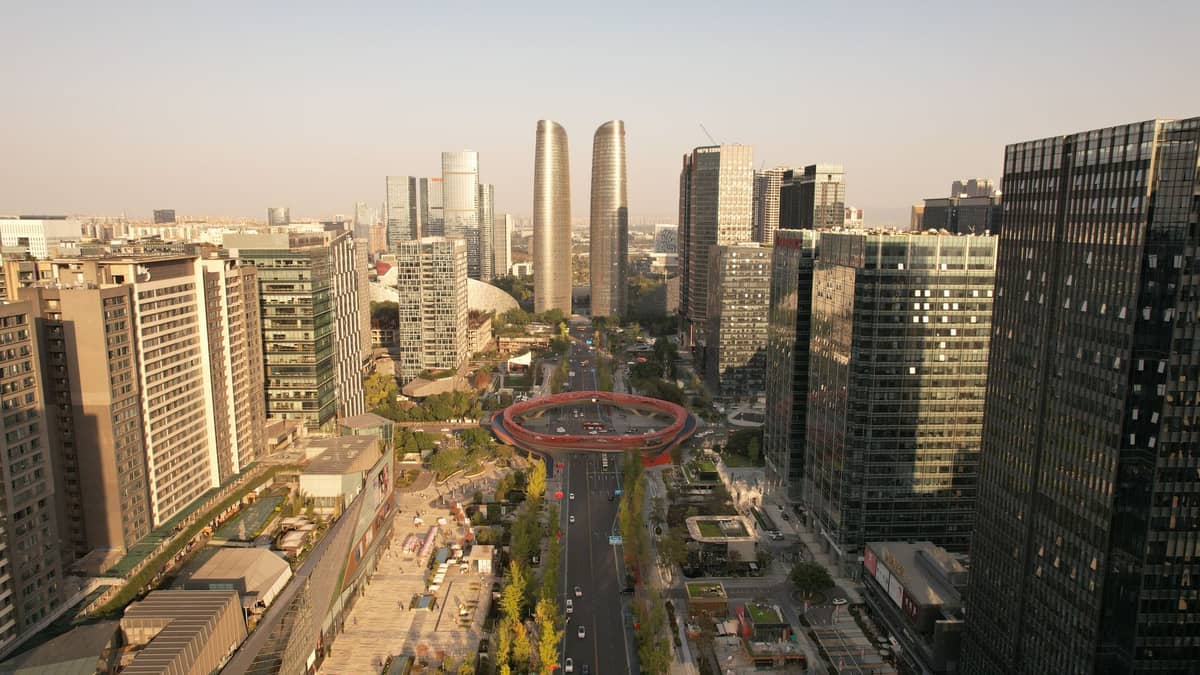
Chengdu's urban core is flatter than almost any other major Chinese city, which makes it genuinely good walking territory. The central districts of Jinjiang, Qingyang, and Wuhou contain most of the historic and cultural sights, and several of those sights sit within 15 to 30 minutes on foot from each other. The key is grouping them correctly. Chengdu's main attractions do not form a single continuous trail; they fall into two or three distinct geographic clusters separated by stretches of urban road that are more pleasant to cross by metro or taxi than on foot.
The most common mistake first-time walkers make is treating the whole city as one big walkable zone. Wuhou Shrine and Jinli Ancient Street are adjacent to each other in Wuhou District, but they sit roughly 4 km southwest of Kuanzhai Alley. Walking between those two clusters is possible but adds 50 to 60 minutes of pavement pounding through unremarkable commercial streets. A metro ride or short Didi fare connects them in under 15 minutes.
ℹ️ Good to know
Chengdu's urban districts are largely flat, which is ideal for walking. However, summer temperatures between June and August regularly reach 30°C or higher, and humidity is significant. Plan longer walks for early morning (before 10:00) or late afternoon (after 16:00) during these months.
Route 1: Southwest Heritage Walk (Wuhou District)
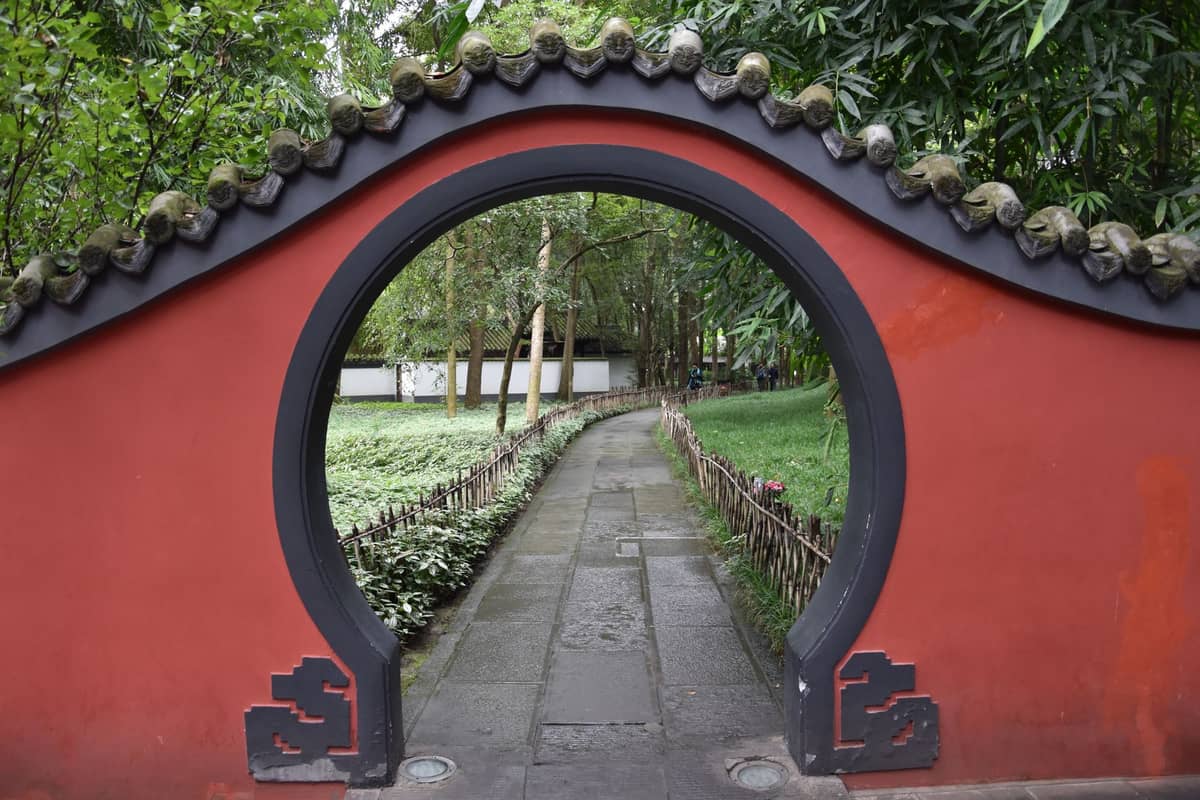
This is the most historically rich walking route in Chengdu, built around Wuhou Shrine, the Three Kingdoms memorial complex dedicated to Zhuge Liang and Liu Bei, and the adjacent Jinli Ancient Street. Both share the same large site in Wuhou District and can be combined easily. Expect to spend 1.5 to 2.5 hours inside Wuhou Shrine, then 30 to 60 minutes browsing Jinli's food stalls and souvenir shops.
From Jinli, it is a manageable 20-minute walk (roughly 1.6 km) northwest to Du Fu Thatched Cottage, the memorial park built on the site where the Tang Dynasty poet Du Fu lived. The grounds are extensive and beautifully landscaped, making it a worthwhile stop even for visitors without a strong interest in classical Chinese poetry. From there, Qingyang Palace is another 10-minute walk to the east, completing a compact triangle of heritage sites that can be done in a full morning or afternoon.
- Wuhou Shrine Around CNY 50 for adults. Arrive by 09:00 on weekdays to avoid tour groups, which peak between 10:00 and 13:00.
- Jinli Ancient Street Free entry to the street. Food, drinks, and souvenirs add up quickly; budget CNY 30 to 80 if you plan to eat here.
- Du Fu Thatched Cottage Around CNY 50 for adults. Gardens are especially pleasant in spring when plum and cherry blossoms are in bloom.
- Qingyang Palace Around CNY 10 for adults. One of Chengdu's most active Taoist temples; best visited on a weekday morning when the atmosphere is quieter.
⚠️ What to skip
Entry prices at Chengdu attractions change periodically, and special exhibitions sometimes carry surcharges. Verify current admission fees at the official ticket windows or via the attraction's official website before you go. Do not rely solely on prices listed in any guide, including this one.
Route 2: Central Culture Loop (Qingyang and Jinniu Districts)
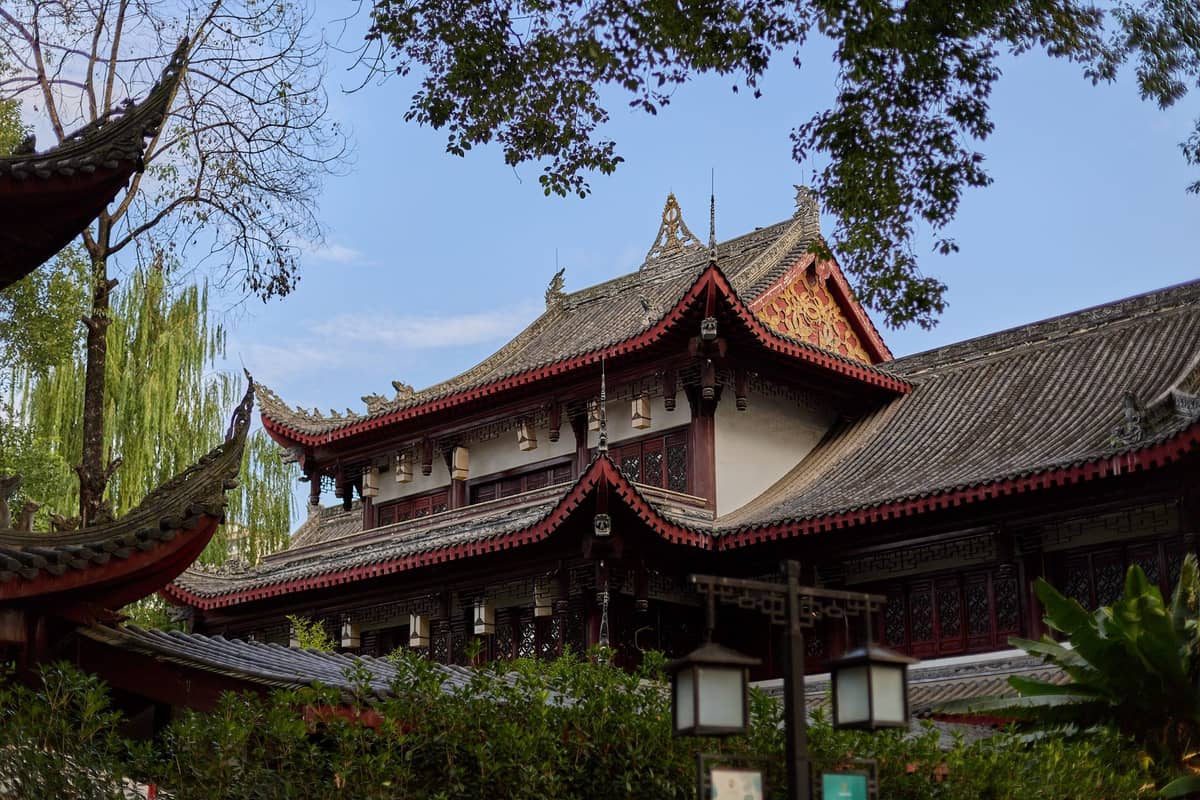
This route links People's Park in Qingyang District with Kuanzhai Alley and, further northeast, Wenshu Monastery. These three anchors sit within a roughly 3 km stretch and make for a comfortable half-day walk.
People's Park is free to enter and gives you an immediate, unfiltered look at how Chengdu residents actually spend their leisure time: couples dancing by the lake, retirees playing cards, and rows of tea houses under the trees. The park's tea houses serve traditional Sichuan-style gaiwan tea for around CNY 20 to 40 per person, and sitting down for 30 minutes here before continuing the walk is worth every minute. Weekends draw larger crowds; if you prefer a quieter experience, Tuesday through Thursday mornings are significantly calmer.
Kuanzhai Alley (宽窄巷子, Kuanzhai Xiangzi) is a 10-minute walk north of People's Park. The alley complex is free to enter and consists of three parallel lanes: Kuan Alley (Wide Alley), Zhai Alley (Narrow Alley), and Jing Alley (Well Alley). The architecture has been heavily restored, and the commercial mix skews heavily toward upscale cafes, craft shops, and photo opportunities. It is popular and can feel crowded on weekends and public holidays, but it remains a practical introduction to Chengdu's Qing Dynasty residential aesthetic. From Kuanzhai Alley, Wenshu Monastery is around 1.5 km east, a 20-minute walk through residential streets. The monastery is one of Chengdu's most important Buddhist sites, active and well-maintained, with a vegetarian restaurant on site that is worth trying for lunch.
💡 Local tip
Kuanzhai Alley is most photogenic in the early morning before 09:00, when shopkeepers are setting up and tour groups haven't yet arrived. The same applies to Jinli Ancient Street. Both areas become noticeably more crowded after 10:30, especially on weekends and national holidays.
Route 3: Modern Chengdu — Tianfu Square to Taikoo Li
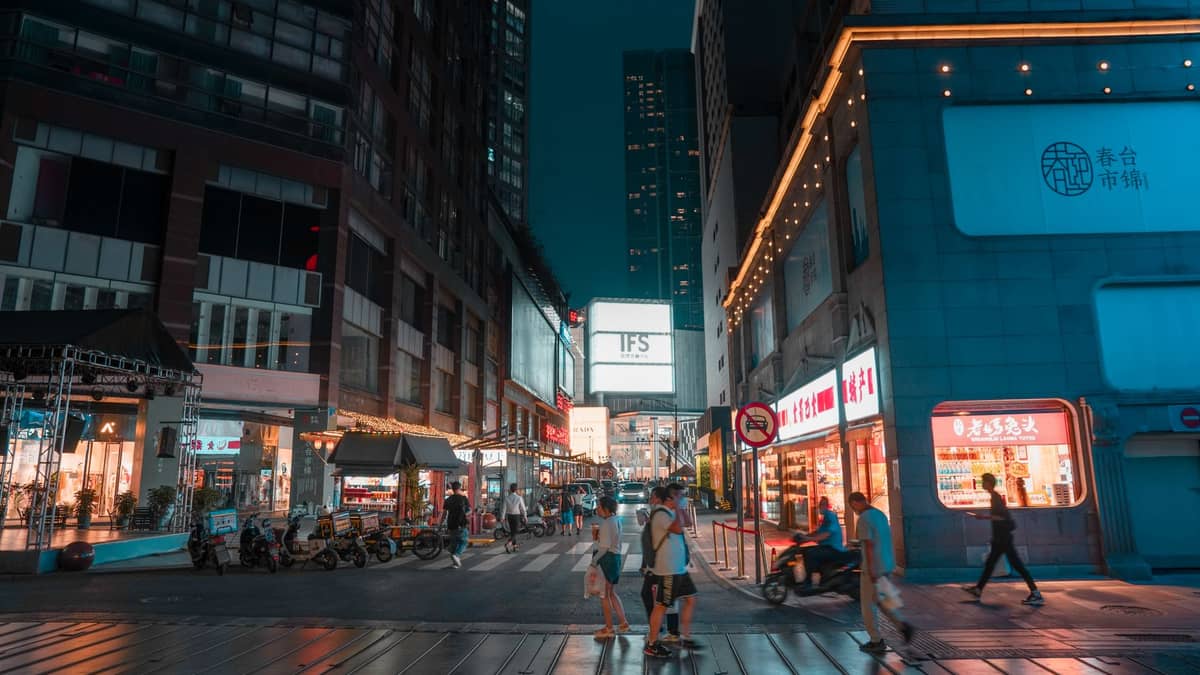
For a different kind of city walk, start at Tianfu Square, the geographic and symbolic center of Chengdu, and walk east toward Chunxi Road and Taikoo Li. This 2 km stretch passes through Chengdu's busiest commercial district and puts contemporary urban China on full display.
Tianfu Square itself is more of a transit point than a destination, though the underground Sichuan Provincial Museum is accessible directly from the square and is worth 1 to 2 hours. Chunxi Road is Chengdu's main pedestrian shopping street, lined with domestic and international brands, street food, and a constant stream of people. Taikoo Li, just off Chunxi Road, is an open-air lifestyle retail complex built around the restored Daci Temple, and the architectural contrast between the Tang Dynasty temple buildings and the glass-and-steel boutiques surrounding them is genuinely striking. Entry to all street-level areas here is free.
If you have energy left after Taikoo Li, Daci Temple itself is worth a short visit. It sits at the heart of the Taikoo Li complex and provides a calm counterpoint to the surrounding retail environment. From here, you can head north to the Chengdu IFS building, notable for the giant panda sculpture climbing its facade — a practical landmark and a reliable photo stop that requires no entry fee.
What Is Not a Walking Attraction (But Often Confused for One)
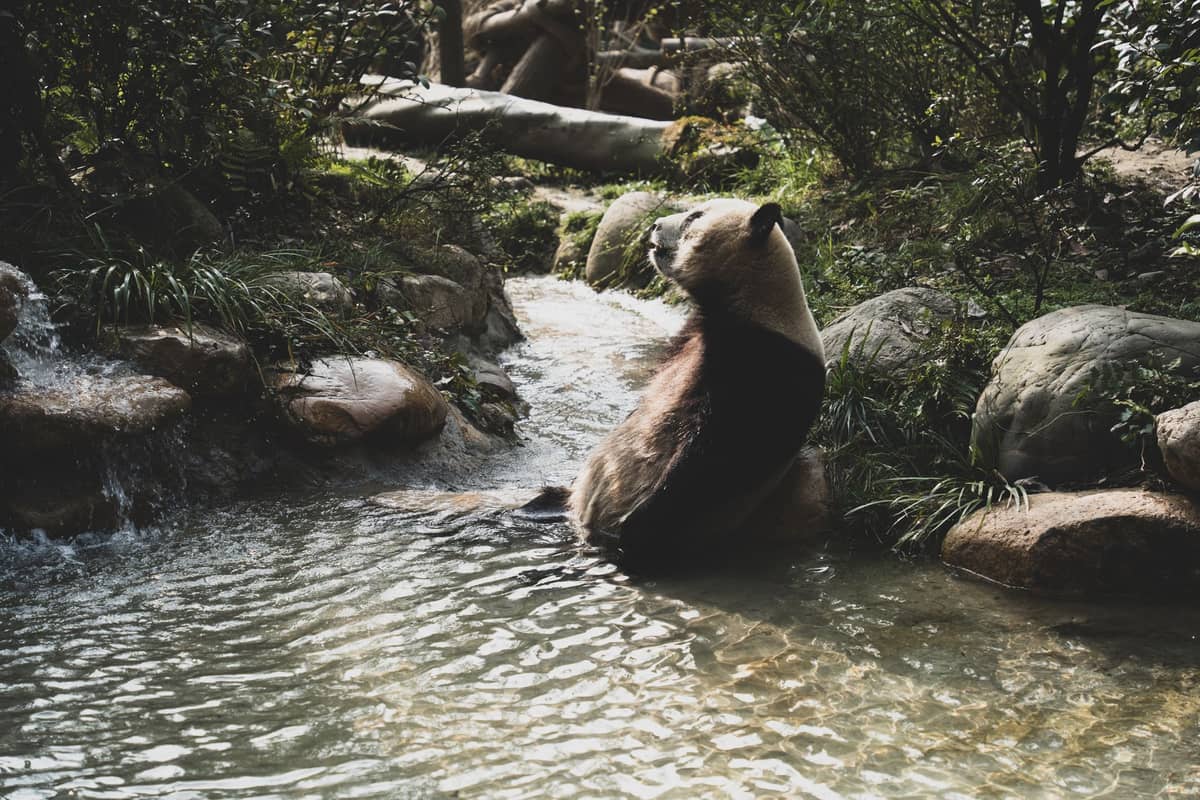
The Chengdu Research Base of Giant Panda Breeding (成都大熊猫繁育研究基地) is located in Chenghua District, approximately 10 km north of the city center. It is not accessible on foot from any of the walking routes described above. The most practical options are Metro Line 3 to Panda Avenue station (熊猫大道) or a Didi ride. Adult admission is subject to the current official ticket price; verify the applicable adult and student prices before booking. Tickets are time-slot based and are best booked in advance through the official Panda Base ticket system rather than assumed available at the gate.
Similarly, Dongjiao Memory (东郊记忆), the renovated industrial arts district in Chenghua, and Sanxingdui Museum in Guanghan (around 40 km north of Chengdu) are excellent destinations but require dedicated transit, not a casual extension of a central city walk. For a structured overview of what Chengdu's separate neighborhoods offer, the complete guide to things to do in Chengdu covers the full picture.
Practical Tips for Walking Chengdu
Navigation in Chengdu is straightforward with a smartphone. Google Maps works in China via VPN; without a VPN, Baidu Maps and Amap (AutoNavi) are the local alternatives, and both cover Chengdu's streets in accurate detail with English-language interfaces. Download your preferred app and offline map data before leaving your accommodation.
- Weather timing March to May and September to November offer the most comfortable walking temperatures, roughly 14°C to 28°C. June to August is hot and humid with frequent afternoon rain; if you visit in summer, start walks before 09:30 and carry a compact umbrella.
- Footwear Chengdu's central streets are flat and mostly paved. Comfortable walking shoes are sufficient; hiking boots are unnecessary for city routes. Temple courtyards and park paths can be uneven, so avoid shoes with no ankle support.
- Connectivity China's internet blocks Google, WhatsApp, and most Western social platforms. Install a reliable VPN before arriving in China; activating one after arrival is significantly harder. Domestic apps like WeChat and Alipay are essential for payments, QR code menus, and transport.
- Cash and payments Most shops, restaurants, and street vendors in Chengdu now accept Alipay or WeChat Pay via QR code. Foreign cards are not universally accepted outside large hotels and malls. Carry some cash (CNY) for small purchases, temple admission, and any vendor who does not display a QR code.
- Language Mandarin is the standard language; Sichuanese dialect is common in casual local speech. English signage exists at major tourist sites and metro stations. Away from those areas, translation apps (DeepL, Google Translate) with camera function are genuinely useful for menus and signs.
✨ Pro tip
Chengdu's metro system is clean, cheap, and air-conditioned, which makes it a sensible tool to use between walking clusters rather than plodding through unmemorable urban stretches. Think of the metro as the connector between Route 1 and Route 2 rather than as a competing option to walking. The ride from Wuhou (Gaosheng Qiao station, Line 3) to Shaocheng Road station near People's Park takes under 10 minutes and costs CNY 2 to 3.
FAQ
Can I walk between Kuanzhai Alley and Wuhou Shrine?
Technically yes, but it is not practical. The distance is roughly 4 km through unremarkable commercial streets and takes 50 to 60 minutes on foot. A Didi ride or two-stop metro trip (Line 3) covers the same distance in under 15 minutes and is a much better use of your time and energy.
Is the Chengdu Panda Base walkable from the city center?
No. The Panda Base is located in Chenghua District, approximately 10 km north of Tianfu Square. Take Metro Line 3 to Panda Avenue station or book a Didi. The adult admission fee is subject to the current official ticket price (verify current pricing before visiting), and tickets are time-slot based, so book in advance through the official Panda Base website.
What is the best self-guided walking route for a first-time visitor with one day?
Prioritize Route 1 in the morning (Wuhou Shrine and Jinli Ancient Street) and Route 3 in the afternoon and evening (Chunxi Road, Taikoo Li, and Daci Temple). These two clusters are connected by a short metro ride or Didi and give you the most concentrated mix of history, street food, and contemporary Chengdu.
When is the best time of year to walk Chengdu?
September to November is generally considered the most comfortable window: temperatures drop to roughly 16°C to 28°C, summer rainfall has largely passed, and the city is not yet in winter mode. March to May is the second best window, with warming temperatures and lower humidity than summer. Avoid July and August for long walks if you are sensitive to heat and humidity.
Do I need to pay entry to Kuanzhai Alley and Taikoo Li?
No. Both Kuanzhai Alley and Taikoo Li are free to enter as street-level areas. You will only pay if you choose to eat, drink, or shop inside. The same applies to Jinli Ancient Street and Chunxi Road. Individual paid attractions like Wuhou Shrine, Du Fu Thatched Cottage, and Qingyang Palace have separate admission fees.