Best Things to Do in Chengdu: The Definitive Guide
Chengdu is one of China's most rewarding cities to explore, with a lineup that runs from giant panda encounters and 2,300-year-old irrigation systems to fiery hot pot dinners and late-night tea houses. This guide covers the best things to do in Chengdu with specific advice on timing, tickets, transport, and what to skip.
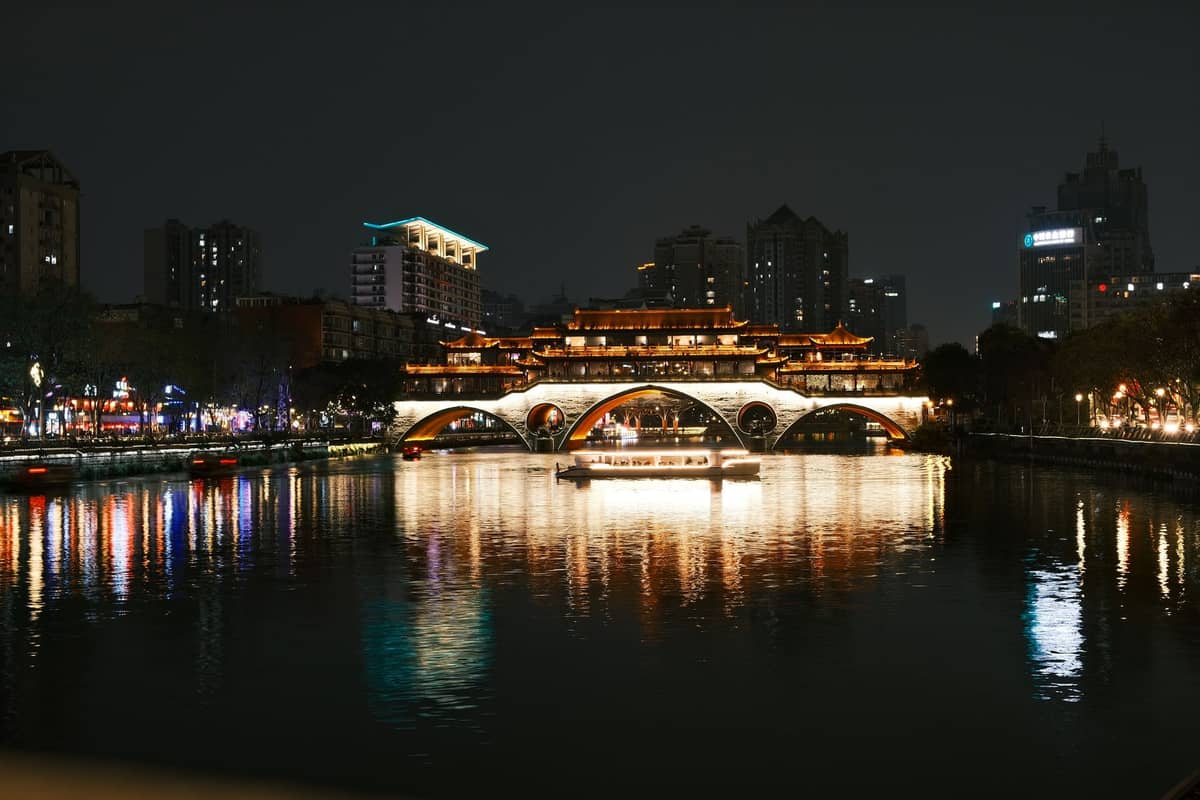
Plan and book this trip
Tools from our partner Travelpayouts help you compare flights and hotels. If you book through them, we may earn a commission at no extra cost to you.
Flights
Hotels map
TL;DR
- The Chengdu Research Base of Giant Panda Breeding requires advance timed-entry tickets (CNY 55); book online before you arrive, not at the gate.
- Many of Chengdu's most satisfying experiences cost nothing: Wenshu Monastery, Kuanzhai Alleys, Jinli Ancient Street, and People's Park are all free to enter.
- Spring (March to May) and autumn (September to November) offer the best weather; see the full breakdown in our best time to visit Chengdu guide.
- Chengdu's Metro network covers most major attractions; Line 3 to Panda Avenue Station is the standard route to the panda base.
- Day trips to Dujiangyan and Leshan Giant Buddha are realistic from the city center and worth adding to a 3-5 day itinerary.
Giant Pandas: What You Actually Need to Know

No single activity defines a Chengdu trip more than seeing giant pandas, and the Chengdu Research Base of Giant Panda Breeding in Chenghua District is the most accessible place to do it. Admission is CNY 55, but the real challenge is getting in at all. The base now operates on a timed-entry, real-name reservation system. Slots can be booked up to 14 days in advance through the official WeChat channels, Meituan, Trip.com, Douyin, or Tongcheng Travel. Walking up without a reservation and expecting entry is a gamble, especially during Chinese public holidays and the summer peak.
There are two daily time slots from March through October: 07:30 to 12:00 and 12:00 to 17:00, with the park clearing by 18:00. From November through February, slots shift to 08:00 to 12:00 and 12:00 to 16:30, with a 17:30 clearance. The earlier slot consistently produces better panda sightings. Giant pandas are most active in the cooler morning hours and tend to sleep through the hottest part of the afternoon. Arriving at 07:30 in spring or autumn, when temperatures are mild and crowds are thinner, gives you the best combination of active animals and breathing room.
⚠️ What to skip
Bring your original passport for identity verification at the panda base gate. Screenshots or photocopies are sometimes rejected. Book your timed slot at least 2-3 days ahead during Chinese national holidays, when sellouts are common.
For a less crowded alternative, Panda Valley near Dujiangyan offers a more dispersed setting with fewer visitors. It is a longer trip from the city center, but travelers who have already visited the main base or who want a quieter experience often prefer it. For everything else you need to plan the visit, the Chengdu panda guide covers transport, timing, and what to expect in detail.
Historic Streets, Temples, and Cultural Landmarks
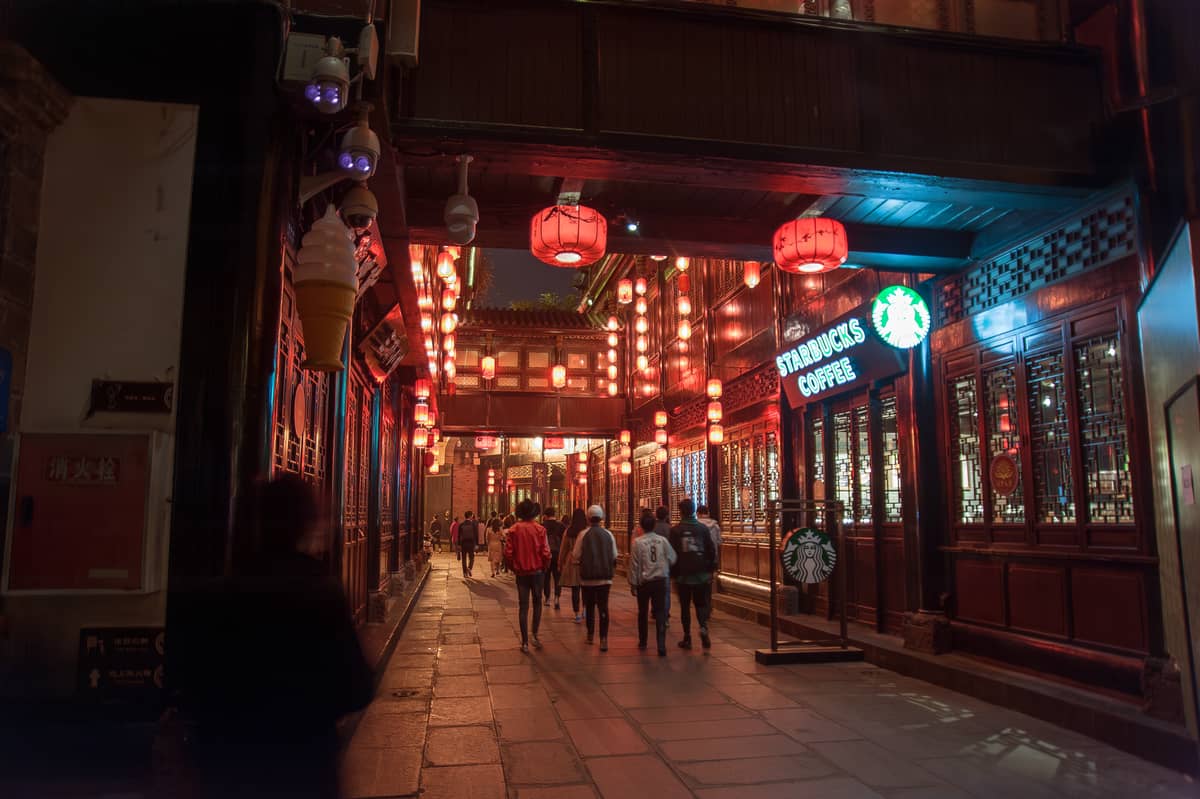
Chengdu's historical layers are concentrated in its central districts. Kuanzhai Alleys (Wide and Narrow Alleys) in Qingyang District is the most photographed heritage precinct in the city: three parallel restored Qing Dynasty lanes lined with courtyard buildings, teahouses, and street food stalls. It is free to enter and best experienced on a weekday morning before tour groups arrive. By mid-afternoon on weekends, the lanes become genuinely difficult to navigate.
Jinli Ancient Street, immediately east of Wuhou Shrine, runs a similar playbook: reconstructed architecture, local snacks, and souvenir shops. It is free to walk through, though Wuhou Shrine itself charges admission. Jinli skews more commercial than Kuanzhai Alleys, but it comes alive at night when red lanterns light the street, making it a better evening option than a daytime one.
Wenshu Monastery in Qingyang District is one of the best-preserved Buddhist monasteries in Sichuan and, unlike many comparable sites in China, admission is free. The incense-filled courtyards, resident monks, and vegetarian restaurant make it worth at least an hour. Nearby Qingyang Palace, a Taoist complex dating back over 1,000 years, charges a modest entrance fee and receives far fewer foreign visitors, which works in your favor.
💡 Local tip
At temples and memorial sites across Chengdu, modest clothing is expected: covered shoulders and knees are appropriate. Remove hats when entering shrine halls. This is not strictly enforced at every site, but it is a standard courtesy.
Food, Tea, and the Sichuan Table
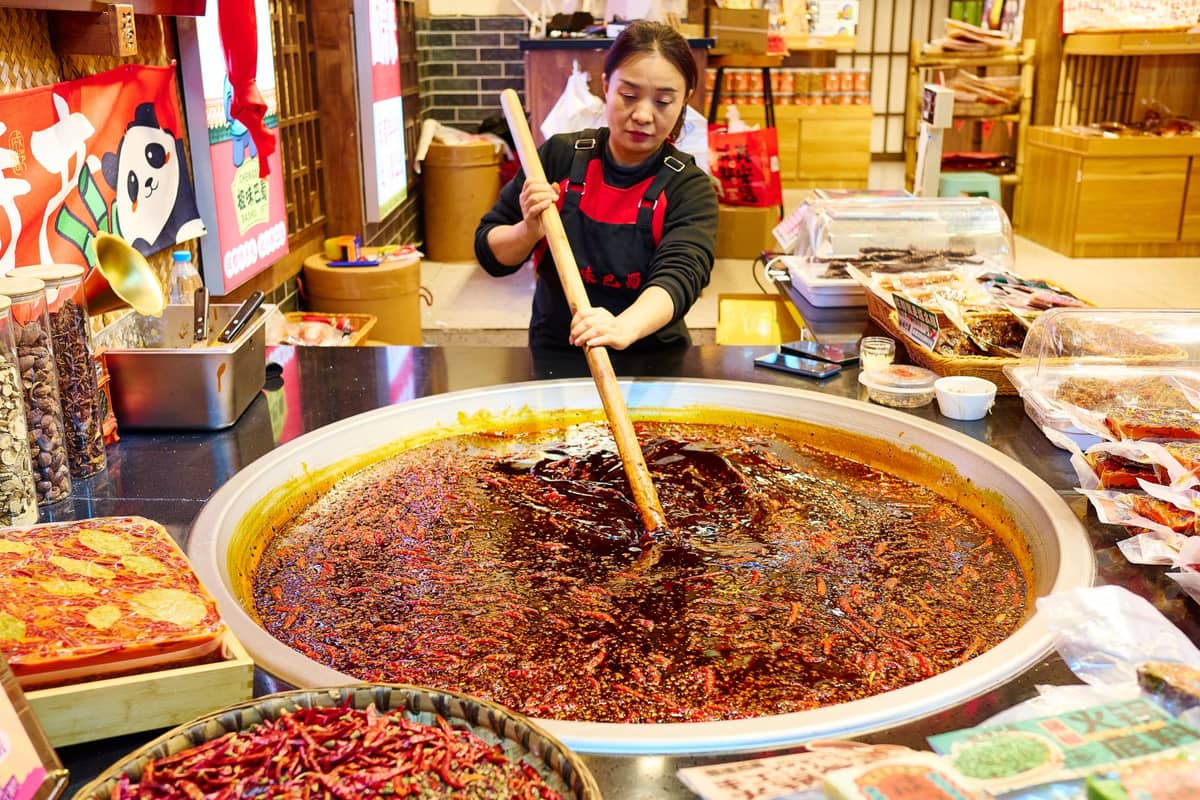
Chengdu's food culture is not a side attraction; for many visitors, it is the main event. The city has UNESCO Creative City of Gastronomy status, and the range runs from fiery Sichuan hot pot to delicate street snacks that cost under CNY 10. Hot pot here is different from the Chongqing version: both cities claim the dish, but Chengdu's style tends toward a more fragrant, slightly less brutally spicy broth. The disagreement is a local point of pride.
Street food is best explored around the central districts, and the Chengdu street food guide maps the best areas. Specific dishes to look for include dan dan noodles (担担面), mapo tofu (麻婆豆腐), zhong dumplings (钟水饺), and rabbit head, which is a local delicacy that surprises many first-timers. Budget travelers will find Chengdu one of the most affordable major cities in China for eating well.
Tea culture in Chengdu runs deeper than a quick café stop. Traditional teahouses, or cháguǎn (茶馆), are social institutions where locals spend hours playing mahjong, getting ear cleaning services (a traditional practice), and watching the world pass. People's Park in Qingyang District contains one of the city's most accessible teahouse areas, surrounded by trees and locals rather than tourists. The Chengdu tea house guide explains how to order and what to expect if you have never been to one.
Museums, Opera, and the City's Deeper History
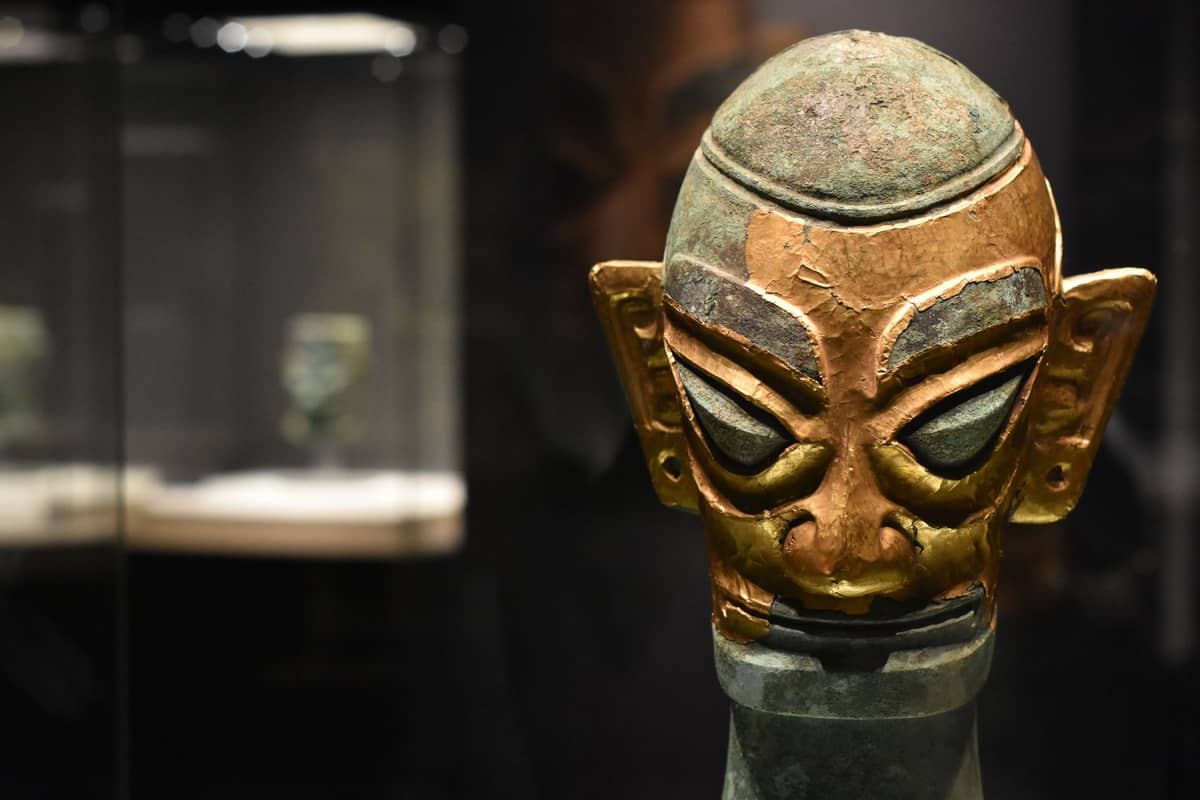
The Sanxingdui Museum in Guanghan, about 40 kilometers north of Chengdu, is one of the most important archaeological sites in the world. The bronze masks, gold artifacts, and ceremonial objects excavated from the Sanxingdui civilization (roughly 3,000 to 5,000 years old) challenge standard narratives about early Chinese history. A new purpose-built museum opened in 2023, and the collection is genuinely extraordinary. This is a half-day trip from the city and worth doing before or after visiting central Chengdu.
In the city itself, the Sichuan Provincial Museum near Du Fu's Thatched Cottage covers regional history, folk art, and Tibetan Buddhist objects across multiple floors. Admission is free with passport registration. The Chengdu Museum near Tianfu Square focuses specifically on the city's own history and is one of the better-designed municipal museums in China.
Sichuan opera is the local performance tradition most visitors want to see, famous for the face-changing (biàn liǎn) technique where performers switch painted masks in fractions of a second. The trick is choosing the right venue: some shows are polished theatrical productions, others are tourist trap performances in loud restaurants. The Sichuan opera guide breaks down which venues are worth the ticket price and which to avoid.
- Sanxingdui Museum Best museum day trip from Chengdu. Allow 3-4 hours minimum. Combine with a morning at Dujiangyan if you have the energy.
- Sichuan Provincial Museum Free entry with passport. Strong collection of Tibetan objects and Han Dynasty artifacts. Quieter than central tourist sites.
- Chengdu Museum Modern, well-lit, and informative. Near Tianfu Square (Metro Lines 1 and 2). Good for context before exploring the rest of the city.
- Du Fu's Thatched Cottage A park-style memorial to the Tang Dynasty poet Du Fu. More pleasant as a slow garden walk than a strict historical site.
Day Trips Worth the Journey
Chengdu's position in the Sichuan Basin puts some genuinely world-class sites within a half-day's reach. The Dujiangyan Irrigation System, about 60 kilometers northwest of the city, is a UNESCO World Heritage Site built during the Qin Dynasty around 256 BCE and still functioning today. The engineering logic of diverting and distributing the Min River without a dam is remarkable, and the scenic area includes suspension bridges and mountain views. It pairs well with a visit to Mount Qingcheng nearby, one of the cradles of Taoism in China.
The Leshan Giant Buddha, a 71-meter Tang Dynasty stone carving at the confluence of three rivers, is about 130 kilometers south of Chengdu and reachable in roughly 1.5 hours by high-speed rail. The full experience includes both the boat view from the water (the classic perspective) and the cliff-side staircase descent alongside the statue. Crowds are significant on weekends and public holidays; visiting on a weekday makes a real difference. The day trips from Chengdu guide covers logistics for both sites and several others.
✨ Pro tip
High-speed rail from Chengdu East Station connects to Leshan in about 40–60 minutes. For Dujiangyan, take Metro Line 2 or 6 to Xipu and transfer to the Chengdu–Dujiangyan intercity rail. Confirm current departure points and schedules before your trip, as connections change.
Practical Tips: Getting the Most Out of Chengdu
Chengdu's Metro network is clean, affordable, and covers the central city well. Lines 1 and 2 intersect at Tianfu Square, the geographic and transit center of the city. Line 3 runs toward the panda base (Panda Avenue Station), while Lines 4 and 7 reach eastern neighborhoods and shopping areas. For the central heritage sites, Jinli, Wuhou Shrine, and Kuanzhai Alleys are all within reasonable walking distance of their nearest Metro stops. Didi is the main ride-hailing app; foreign visitors may face payment friction depending on their setup, so have your hotel arrange the first few rides if needed.
English signage exists at major attractions but drops off sharply in residential areas and smaller restaurants. A translation app with camera function (Google Translate works offline with downloaded Chinese language packs) makes menus and street signs manageable. Tipping is not customary in mainland China. Tap water is not recommended for drinking; bottled water is inexpensive and available everywhere. Emergency numbers: police 110, ambulance 120, fire 119.
- Book panda base tickets online 2-7 days in advance; do not assume walk-up availability.
- The best weather windows are March to May and September to November. Summer (June to August) is hot, humid, and rainy.
- Many of Chengdu's most-visited spots are free: Wenshu Monastery, Kuanzhai Alleys, Jinli Street, and People's Park all have no admission charge.
- Chengdu has two international airports: Tianfu (TFU, newer, farther from the city, Metro Line 18) and Shuangliu (CTU, older, closer to the urban core). Check which one your flight uses.
- Chengdu and Chongqing are separate cities. They are commonly paired on itineraries, but they are not the same place or interchangeable.
- Cash is less common than WeChat Pay and Alipay; international card acceptance is improving but patchy outside major hotels and chain restaurants.
FAQ
How many days do you need in Chengdu?
Three full days covers the main city highlights: the panda base, central heritage sites (Kuanzhai Alleys, Wuhou Shrine, Wenshu Monastery), a museum, a Sichuan opera show, and serious food exploration. Add one or two days if you want to do day trips to Leshan or Dujiangyan. Five days gives you a comfortable, unhurried trip with time for spontaneous detours.
Do you need to book panda base tickets in advance?
Yes, in practice. The Chengdu Research Base of Giant Panda Breeding uses a timed-entry reservation system. Yes, in practice. The Chengdu Research Base of Giant Panda Breeding uses a timed-entry reservation system. Tickets should be booked in advance through the base’s official reservation channels. During Chinese national holidays and summer weekends, slots may sell out ahead of time. Walk-ups are not guaranteed entry.
Is Chengdu expensive to visit?
For China, Chengdu is mid-range to affordable. Street food meals cost CNY 10-30. Sit-down restaurants range from CNY 40-150 per person depending on type. Major attraction admissions are mostly under CNY 100, and many top sites are free. Accommodation runs from budget hostels at around CNY 60-100 per night to five-star hotels. Overall, Chengdu is considerably cheaper than Beijing or Shanghai for equivalent experiences.
What is the best time of year to visit Chengdu?
September through November is the most consistently reliable window: the summer rains have eased, temperatures are comfortable (roughly 16-28°C in September, cooling through November), and major attractions are less crowded than during summer peaks. March through May is the second-best option, with warming temperatures and spring greenery. Summer (June to August) is hot (up to 31°C), humid, and the wettest period of the year. Winter is mild by Chinese standards (6-12°C) but gray and overcast.
Can you visit Chengdu without speaking Mandarin?
Yes, but preparation helps. Major attractions, international hotels, and airport staff often have English speakers. Restaurants, local markets, and smaller transport connections rely on Mandarin or Sichuanese. A translation app with offline capability is highly useful. QR code menus are universal, and pointing at dishes works in most restaurants. The Metro system has English signage throughout.