Where to See Pandas in Chengdu: Best Bases & Visiting Tips
Chengdu is the world's foremost destination for seeing giant pandas in a conservation setting. This guide covers the Chengdu Research Base of Giant Panda Breeding in detail, how to book tickets, the best time to arrive, how to get there, and what the experience is actually like — including what most visitors get wrong.

Plan and book this trip
Tools from our partner Travelpayouts help you compare flights and hotels. If you book through them, we may earn a commission at no extra cost to you.
Flights
Hotels map
TL;DR
- The Chengdu Research Base of Giant Panda Breeding is the city's principal panda facility — admission is CNY 55, and tickets must be booked in advance with a timed entry slot (morning or afternoon).
- Arrive early in the morning slot for the best chance of seeing pandas active; activity decreases significantly as temperatures rise toward midday.
- Book via the official WeChat mini-program or authorized platforms (Trip.com, Meituan) up to 14 days ahead — walk-up tickets are not always available, especially on weekends and holidays.
- Bring your original passport for entry; a photo or screenshot will not work at the ID verification lane.
- For context on planning your wider trip, see the Chengdu first-timer guide and our notes on the best time to visit Chengdu.
The Chengdu Research Base of Giant Panda Breeding: What It Actually Is
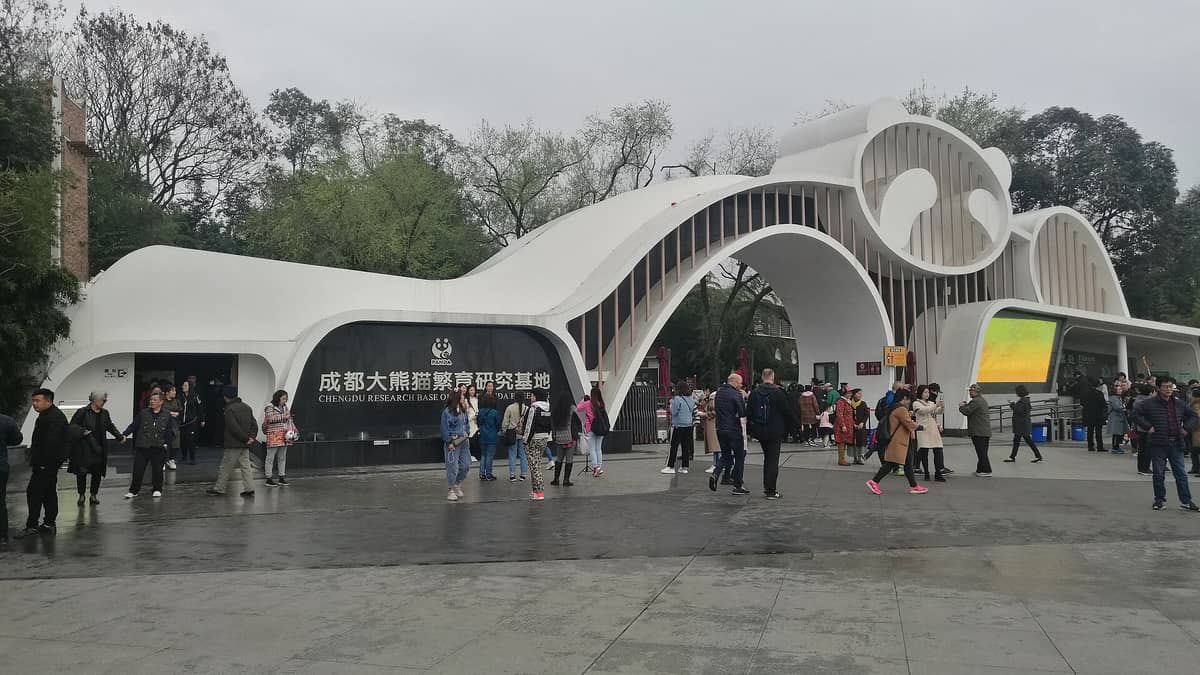
The Chengdu Research Base of Giant Panda Breeding (成都大熊猫繁育研究基地) is a state-funded conservation and breeding facility in northern Chengdu, not a zoo or theme park. It was established in 1987 with six giant pandas rescued from the wild and has grown into one of the world's most significant ex-situ conservation programs for the species. The facility covers roughly 106 hectares and houses giant pandas alongside red pandas, various birds, and native Sichuan plant species.
This distinction matters for setting expectations. Enclosures are naturalistic rather than theatrical, and pandas follow their own routines. You are walking through a working research and breeding facility that also accepts visitors, not a performance venue. Some days the viewing is spectacular; on others, pandas are largely sleeping in their indoor areas. The facility cannot guarantee what a particular panda will do during your visit.
ℹ️ Good to know
Giant pandas (Ailuropoda melanoleuca) are classified as 'Vulnerable' on the IUCN Red List. China runs the world's breeding program, and the Chengdu base has contributed significantly to population recovery. The red pandas you will also see here are a separate species, not juvenile giant pandas.
Tickets, Entry Slots, and Booking
Adult admission to the base is CNY 55. The ticketing system divides each day into two timed entry slots: a morning session and an afternoon session. This is not a soft recommendation — it is how the entry lane operates, and your ticket is tied to a specific date and slot. You cannot purchase a ticket at 9am and decide to enter at 2pm.
- Morning entry (March–October) Entry from 07:30; the base clears by 18:00.
- Morning entry (November–February) Entry from 08:00; the base clears by 17:30.
- Afternoon entry (March–October) Entry from 12:00; the base clears by 18:00.
- Afternoon entry (November–February) Entry from 12:00; the base clears by 17:30.
Tickets can be reserved up to 14 days in advance through the base's official WeChat account or mini-program, or via authorized platforms including Trip.com, Meituan, Douyin, and Tongcheng Travel. The official Chengdu Scenic Shuttle Bus account also sells tickets bundled with transport. Booking well ahead is strongly advised for weekends, national holidays (Golden Week in early October and early May are the most congested periods), and the spring cub-viewing season.
⚠️ What to skip
You must bring the original identity document used when booking — for most international visitors, that means your passport. The entry lane uses document-based verification. A screenshot of your ticket or a different piece of ID is not an acceptable substitute. This is clearly stated in the base's official ticket guidance, and it catches visitors off guard more than almost any other logistical issue.
Getting There: Metro, Shuttle, and Practical Directions
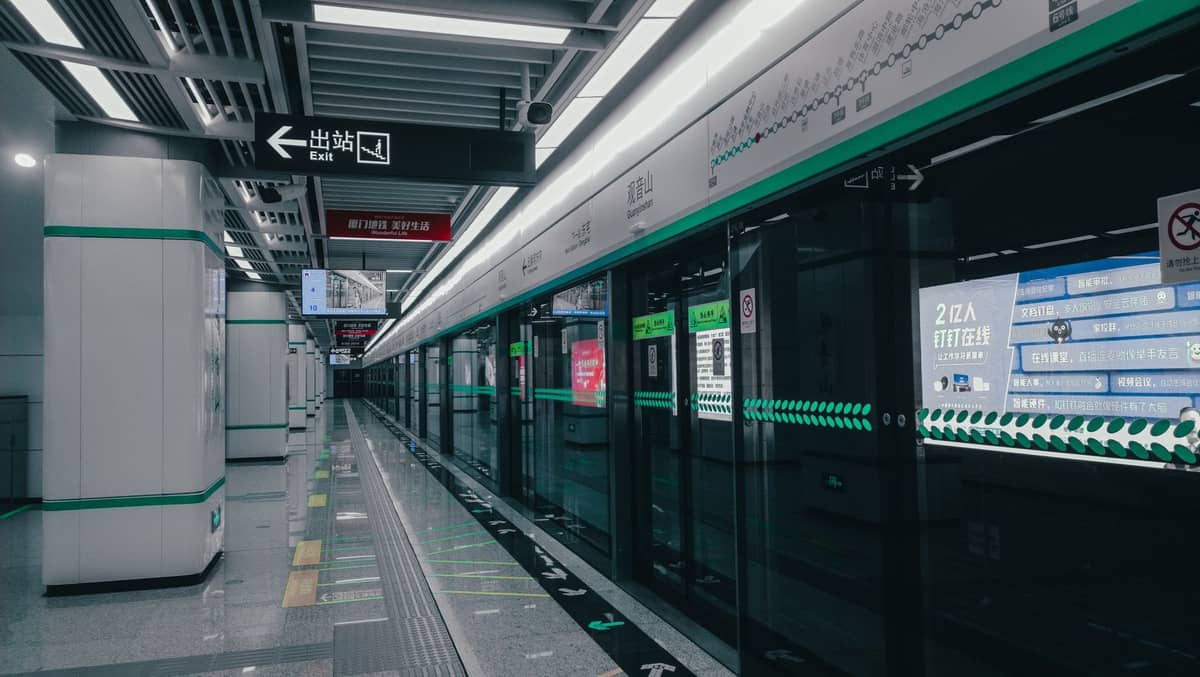
The base has two main visitor gates. For the South Gate, the official route is Metro Line 3 to Panda Avenue Station (Exit A), then Shuttle Bus 408 directly to the gate. For the West Gate, take Metro Line 3 to Junqu General Hospital Station (Exit B) and board Shuttle Bus 409. Both shuttle connections are straightforward and well-signed. Getting around Chengdu by metro is generally reliable, and Line 3 runs through the central districts including Tianfu Square, making it convenient from most accommodation areas.
Taxis and ride-hailing via Didi Chuxing are also options, though traffic around the base can be slow on peak days, particularly on weekend mornings when crowds peak. If using Didi, note that some international visitors face payment-setup friction on first use — sort that out before the day of your visit, not in the car park queue.
💡 Local tip
If you are staying in Wuhou District near Jinli or Kuanzhai Alley, budget around 40-50 minutes to reach the base by metro and shuttle on a normal morning. From hotels in Jinjiang District near Chunxi Road, expect a similar journey time. Add 15-20 minutes on busy weekend mornings.
When to Visit: Timing Your Panda Experience

The single most impactful decision you can make for quality panda viewing is arriving on the first available morning entry. Giant pandas are most active in the cooler hours of the morning, typically between 08:00 and 10:00. By late morning, as temperatures rise, most pandas shift into their preferred resting state — which, for giant pandas, can mean sleeping 10 to 16 hours a day. This is not unusual behavior; it is a metabolic consequence of a bamboo-heavy diet. Afternoon visitors often see pandas that are simply not moving.
Seasonally, spring (March to May) is the most popular window because cubs born the previous summer are often visible to the public for the first time. This is also when visitor numbers spike, so booking weeks in advance is necessary. Autumn (September to November) offers moderate temperatures, fewer crowds than spring and summer, and generally good viewing conditions. Winter visits (December to February) are quieter and the pandas are often slightly more active in the cool air, but some outdoor areas may have reduced panda presence depending on conditions.
- Best overall timing: first morning entry slot, weekday, in September or October
- Best for cub viewing: March to May, but book tickets at least 2 weeks out
- Avoid: Golden Week (first week of October and first week of May) unless you book well in advance and accept large crowds
- Winter note: cooler weather can make pandas more active outdoors, but verify current schedules before visiting
- Rainy days: the base remains open in rain; panda behavior is largely unaffected, and crowds thin considerably
Beyond the Panda Base: Other Options in the Region
The Chengdu Research Base is the obvious first choice for most visitors, but it is not the only facility. Panda Valley (大熊猫谷) near Dujiangyan is a more remote conservation center that forms part of the same broader network. It typically sees far fewer visitors and sits in a more natural mountain setting, making it appealing if your priority is a quieter experience rather than proximity to the city. That said, panda numbers here are lower and the experience is less guaranteed.
The Dujiangyan area can be combined with a Panda Valley visit as a day trip from central Chengdu, since the two are located close to each other. Dujiangyan itself is a UNESCO-listed irrigation system from the 3rd century BC and worth the journey independently. For a full breakdown of what to do outside the city, the day trips from Chengdu guide covers logistics and timing in detail.
The Chengdu Zoo also maintains a panda section, but the viewing conditions are notably less impressive than the Research Base. If you are choosing between them purely for pandas, the Research Base is the correct choice. The zoo is more relevant if you are traveling with children who want a broader animal experience — the pandas there are simply a bonus, not the main draw.
Practical Notes and What to Bring
The base covers a large area, and walking the full route takes two to three hours at a comfortable pace. Comfortable footwear is essential. The paths are well-maintained but involve gentle inclines in some sections. There is a tourist tram (electric cart) available for an additional fee if you want to cover ground faster, though most areas still require walking to reach the panda enclosures directly.
Food stalls and a cafe are available inside the base, but prices are higher than outside and the menu is limited. Many visitors bring water and snacks. Summer visits (June to August) require sun protection — the base has limited shade in some areas, and Chengdu's summer humidity is substantial. If you are planning a broader itinerary, note that many visitors combine the panda base with afternoon time at Jinli Ancient Street or the Wuhou Shrine complex, both located in Wuhou District on the same metro line.
- Bring your original passport — no exceptions for entry verification
- Download the WeChat app and set up payment before you arrive; many booking platforms require it
- Carry cash (CNY) as a backup; not all vendors inside accept foreign cards
- Wear layers in cooler months — the base is outdoors and early mornings can be chilly even in spring
- Photography is allowed throughout; tripods and professional camera rigs may require prior authorization
- Drones are prohibited on the base grounds
✨ Pro tip
Do not pay for the 'hold a panda' photo experience from any vendor operating outside the official base. These are not associated with the Research Base and are ethically problematic for the animals involved. The Research Base itself does not offer direct-contact photo experiences with adult giant pandas to general visitors; any such offering from unofficial sources should be avoided.
FAQ
How much does it cost to see pandas in Chengdu?
Adult admission to the Chengdu Research Base of Giant Panda Breeding is CNY 55. There may be additional costs for the internal tram (electric cart) service. Some platforms charge a small booking or service fee on top of the base ticket price. Children and seniors may qualify for reduced or free admission — check the official base website for current eligibility criteria before visiting.
Do I need to book tickets in advance for the Chengdu Panda Base?
Yes, advance booking is strongly recommended and effectively required on weekends, public holidays, and during the spring cub season. Tickets can be reserved up to 14 days ahead via the base's official WeChat mini-program or through authorized platforms including Trip.com, Meituan, and Tongcheng Travel. Walk-up availability is unreliable, particularly in peak periods.
What is the best time of day to see pandas at the Chengdu base?
The morning entry slot is significantly better for active panda viewing. Giant pandas are most likely to be moving, eating bamboo, and behaving naturally in the cooler early hours — roughly 08:00 to 10:30. By late morning and into the afternoon, most pandas shift into rest mode and may be sleeping inside their enclosures. Arriving on the first morning entry is the single most important factor in the quality of your experience.
How do I get from central Chengdu to the Panda Base?
The official route to the South Gate is Metro Line 3 to Panda Avenue Station (Exit A), then Shuttle Bus 408 to the gate. For the West Gate, take Metro Line 3 to Junqu General Hospital Station (Exit B) and board Shuttle Bus 409. The total journey from central areas like Tianfu Square typically takes around 40 to 50 minutes. Taxis and Didi ride-hailing are also available but can be slower on busy mornings due to traffic near the base.
Is the Chengdu Panda Base worth visiting, or is it too touristy?
It is a legitimate conservation and research facility, not a tourist trap — but it does attract large numbers of visitors, particularly on weekends and during Golden Week. If you arrive early on a weekday morning, the experience is genuinely impressive and the facility is well-maintained and thoughtfully designed. Afternoon visits on busy days can feel overcrowded with limited panda sightings. Manage expectations around animal behavior: pandas sleep a lot, and that is normal.