Chengdu Research Base of Giant Panda Breeding: The Complete Visitor Guide
The Chengdu Research Base of Giant Panda Breeding is the world's largest captive giant panda breeding and visitor centre, home to dozens of giant and red pandas across 238 hectares of bamboo forest in Chenghua District. This guide covers exactly when to arrive, what to expect at each enclosure, and how to make the most of a half-day visit.
Quick Facts
- Location
- No. 1375 Panda Avenue, Chenghua District, Chengdu
- Getting There
- Bus 110, 110A, or 659 to Yulei Road–Cuiwei Road Intersection, then ~600m on foot to west gate
- Time Needed
- 3–4 hours (full morning visit recommended)
- Cost
- Adults ¥55; Students ¥27; Shuttle bus ¥30 extra. Children under 1.3m or age 6 and under enter free
- Best for
- Families, wildlife lovers, photographers, first-time visitors to Chengdu
- Official website
- www.panda.org.cn/en
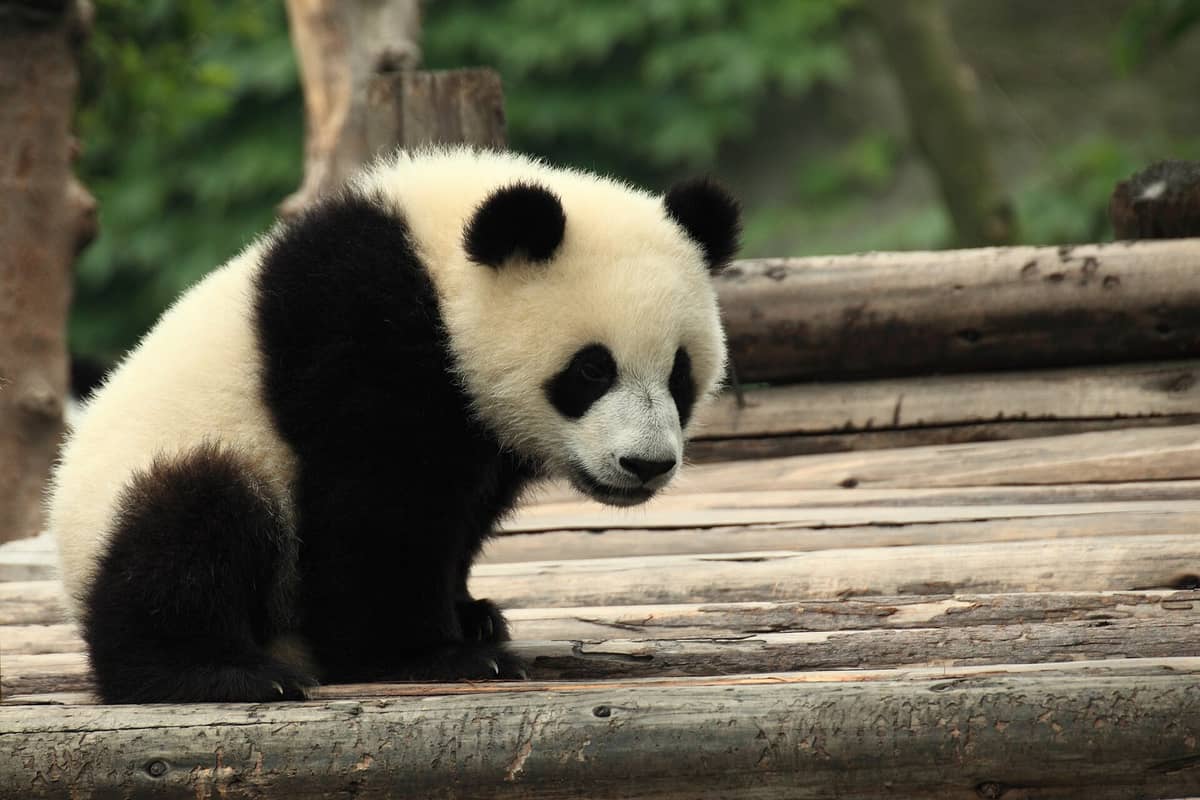
What the Chengdu Panda Base Actually Is
The Chengdu Research Base of Giant Panda Breeding (成都大熊猫繁育研究基地) is not a zoo. That distinction matters. Established in 1987 with six giant pandas rescued from the wild, it operates primarily as a breeding and conservation research institution. Today it spans approximately 238 hectares (3,570 mu) of landscaped grounds in Chenghua District, northeast of central Chengdu. The giant panda population at the base fluctuates as animals are born, transferred, or loaned to partner institutions globally, so the number you'll find on any given visit varies. Check the official site before your trip rather than relying on printed figures.
The facility also houses red pandas, swan geese, and several other species, though giant pandas are clearly the draw. The grounds are genuinely large: wide paths wind through dense plantings of bamboo and broad-leafed trees, making the air noticeably cooler and damper than the streets outside, particularly on summer mornings. It smells of wet soil, bamboo pulp, and cut grass in roughly equal measure.
For context on how this fits into a broader Chengdu itinerary, the complete Chengdu panda guide covers all panda-viewing options across the region, including Panda Valley in Dujiangyan. If you are deciding how to structure your time in the city, the 3-day Chengdu itinerary places the base in a logical sequence with other major sights.
ℹ️ Good to know
Most visitors require an online real-name reservation before arrival. Book through the official WeChat account, WeChat mini program, or officially authorized platforms well before your intended visit date, especially during Chinese public holidays and the summer peak.
Timing Your Visit: Why the First Hour Makes or Breaks It
Giant pandas are often most active in the early morning, typically after the park opens. This is when visitors may be more likely to see animals moving and eating, although activity varies by individual and day. By late morning, many pandas may have retreated to shaded platforms or indoor areas to rest, and visitors arriving at midday may spend significant time looking at sleeping animals.
During the peak season from March through October, morning entry opens at 7:30. Arriving close to opening time, particularly on weekdays, can help you reach the main enclosures before crowds increase. On weekends and public holidays, popular viewing areas may become busy later in the morning.
In the cooler months from November through February, morning entry begins at 8:00 and the park starts clearing at 17:30. Winter visits may offer cooler conditions and, depending on the day, different crowd levels and views of the grounds.
💡 Local tip
Aim to be at the gate by 7:30 in peak season (March–October) or 8:00 in winter. Walk directly to the giant panda nursery and cub enclosures first. These draw the longest queues later in the morning and house the youngest, most active animals.
Tickets & tours
Hand-picked options from our booking partner. Prices are indicative; availability and final rates are confirmed when you complete your booking.
Panda Base and city highlights private day tour in Chengdu
From 302 €Instant confirmationFree cancellationFull day private tour Giant Panda Base and city highlights
From 365 €Instant confirmationFree cancellationHalf-day Private tour amazing Panda Base trip
From 305 €Instant confirmationFree cancellationFull day private tour of Panda Base and Leshan Giant Buddha
From 495 €Instant confirmationFree cancellation
A Practical Walkthrough of the Grounds
The base is large enough that trying to cover everything in a single pass without a plan leads to backtracking and fatigue. The sightseeing shuttle bus runs around the major zones and may be worth considering if you have limited mobility or are visiting with very young children. On foot, a focused circuit of the main panda areas takes several hours at a relaxed pace.
The giant panda enclosures are distributed across several areas, broadly separated into adult, sub-adult, and nursery zones. The nursery is the area most visitors prioritize, particularly when cubs have been born that season. Cub availability and visibility vary by year and season, so check the official announcements on the base website before visiting if this is your primary reason for coming. The adult enclosures offer more reliable viewing of larger animals engaging with their environment.
Red pandas (小熊猫, a separate species entirely unrelated to giant pandas beyond a shared diet overlap) are kept in a distinct section of the park. They are smaller, more agile, and often more visibly active than their more famous neighbors. Do not skip this area: red pandas frequently move between branches and ground level, and viewing distances tend to be shorter. The enclosures have a more informal, less engineered feel than the main giant panda zones.
Restroom facilities, food stalls, and souvenir shops are distributed at several points across the grounds. The food on offer is largely snack-level, so if you plan a longer visit, consider bringing water and something to eat. The base allows outside food and drink.
Photography: What Works and What Doesn't
The enclosures mix outdoor yards with glass-fronted viewing galleries. Outdoor viewing is almost always better for photography: glass panels introduce reflections, smudges, and color casts that are difficult to manage regardless of camera quality. Arrive at outdoor enclosures first and spend your time there before moving to indoor areas.
Overcast skies, which are common in Chengdu for much of the year due to the basin's geography, actually produce better panda photographs than direct bright sunlight. Harsh light creates flat, washed-out fur tones on a black-and-white animal. A soft, diffuse sky keeps texture in the coat. This means that Chengdu's characteristically grey mornings are an asset for wildlife photography rather than a disappointment.
Check the facility’s current photography rules before visiting, and use a lens with reasonable low-light performance in indoor viewing galleries, where light levels may drop considerably.
⚠️ What to skip
Paid 'panda keeper for a day' experiences that once allowed direct physical contact with pandas at this facility have been phased out at many major panda centers due to conservation welfare concerns. Do not book third-party tours that promise hands-on panda holding at this base without verifying with the official site that such experiences are currently offered and properly sanctioned.
Getting There and Getting In
The base sits in Chenghua District, northeast of central Chengdu. City buses 110, 110A, and 659 stop at Yulei Road–Cuiwei Road Intersection (玉垒路翠微路口), from which the west gate entrance is approximately 600 meters on foot.
Ride-hailing via Didi is the most direct option for visitors unfamiliar with bus routes, and the address is easy to input: No. 1375 Panda Avenue (熊猫大道1375号), Chenghua District. Journey times from the city center vary significantly by traffic and time of day. Allow extra time on weekend mornings when a significant volume of visitors arrives by car.
Ticket purchase and reservation are managed through the official WeChat account, WeChat mini program, and officially authorized booking platforms. Tickets may be reserved online up to 14 days in advance, and sales end when the daily quota is sold out. Bring the original identity document used during registration for entry verification.
Is It Worth Your Time? An Honest Assessment
For most visitors to Chengdu, the answer is yes, with conditions attached. Giant pandas are genuinely compelling animals to observe in person, and the base provides that opportunity at reasonable cost in well-maintained surroundings. The ¥55 admission is modest. The base is designed as a managed visitor facility with established paths and public viewing areas.
The base does not, however, offer a wildlife experience in the conventional sense. The setting is landscaped and managed, viewing is through barriers, and the animals are habituated to human presence. Visitors expecting the atmosphere of a national park or a deep encounter with wild nature will find this is not that. It is closer to a very well-run conservation center that happens to be open to the public.
Those who want a more dispersed, less urban alternative might consider Panda Valley in Dujiangyan, which operates on a larger footprint with fewer visitors on a typical day. It requires a longer journey from central Chengdu but is worth considering if the main base is heavily booked or if you prefer a quieter setting.
Families combining the panda base with other Chenghua District attractions can read more in the Chengdu with kids guide, which covers practical logistics for traveling with children across the city.
What to Wear and What to Bring
Comfortable walking shoes are essential. The grounds are paved but extensive, and you will cover several kilometers over the course of a morning. In summer (June through August), lightweight, breathable clothing is strongly recommended: temperatures frequently reach 28–31°C and the grounds, despite bamboo shade, can feel humid. Bring a small water bottle; the base has refill points and vendor stalls, but staying hydrated on a busy summer morning matters.
In winter (December through February), mornings in Chengdu are cool rather than cold, typically ranging from 6 to 12°C, but the dampness of the grounds and any wind chill at outdoor enclosures can make it feel colder than expected. A light jacket and layering capability makes the difference between a comfortable visit and cutting the trip short.
Umbrellas or lightweight rain gear are worth carrying year-round. Chengdu's basin geography means overcast skies and light rain can appear at any time of year, not only during the June–September rainy season. A sudden light shower at 9:00 on an October morning is not unusual.
Insider Tips
- Arrive as close to opening time as possible on a weekday. The difference in crowd density between 7:30 and 10:00 on a weekend is dramatic enough to completely change the experience at the most popular enclosures.
- Walk past the first giant panda enclosure you reach without stopping. Everyone else stops there. Continue to the nursery area or the sub-adult yard first, then circle back once the initial wave of visitors has thinned.
- The red panda section is frequently quieter than the giant panda areas and the animals are often more visibly active. Budget at least 20 minutes here rather than treating it as an afterthought.
- Chengdu's overcast skies produce better panda photographs than direct sun. If your visit falls on a grey morning, consider this an advantage rather than a disappointment, especially for outdoor enclosure shots.
- The sightseeing shuttle bus may be particularly useful at the end of a long visit when energy and feet are both flagging; check the current route, fare, and boarding rules before riding.
Who Is Chengdu Research Base of Giant Panda Breeding For?
- First-time visitors to Chengdu for whom giant pandas are a primary reason for the trip
- Families with children who want structured, safe wildlife viewing with clear facilities
- Wildlife and nature photographers working in low-pressure, accessible conditions
- Travelers with limited time who want to see giant pandas without a full day trip to a more remote site
- Visitors interested in conservation biology who want to understand captive breeding programs for endangered species
Nearby Attractions
Other things to see while in Chenghua District:
- Chengdu Natural History Museum
Opened in November 2022, the Chengdu Natural History Museum is one of the largest and most architecturally ambitious natural history institutions in southwestern China. Located in Chenghua District and easily reached by Metro Line 8, it covers over 17,000 m² of exhibition space across geology, paleontology, biodiversity, and earth-science themes.
- Chengdu Zoo
Established in 1953 and covering about 17.73 hectares in Chenghua District, Chengdu Zoo is the city's main municipal zoo. With over 300 species on site, including giant pandas, it draws a broad local crowd and serves as a practical alternative to the more famous Panda Base for visitors on a tight budget.
- Eastern Suburb Memory (Dongjiao Memory)
Once a state-owned electronics factory, Dongjiao Memory is now Chengdu's most atmospheric cultural park, combining preserved Soviet-style industrial architecture with live music venues, independent galleries, street art, and a dense cluster of cafés and restaurants. Entry is free and the park is open around the clock.