Chengdu with Kids: Best Family Activities and How to Plan Them
Chengdu is one of China's most family-friendly cities, pairing iconic wildlife encounters with hands-on cultural experiences, open parks, and food kids actually enjoy. This guide covers the top activities for families, practical logistics, and practical notes on what works best with children in tow.
Plan and book this trip
Tools from our partner Travelpayouts help you compare flights and hotels. If you book through them, we may earn a commission at no extra cost to you.
Flights
Hotels map
TL;DR
- The Chengdu Research Base of Giant Panda Breeding is the highlight for most families — book the morning session and arrive early for the best activity windows.
- Chengdu's metro connects most major kid-friendly attractions, making it easier than many Chinese cities to navigate without a private car.
- Spring (March–May) and autumn (September–November) offer the most comfortable temperatures for walking with children; summers can reach 31°C with significant humidity. Check the best time to visit Chengdu for detailed seasonal breakdowns.
- Budget realistically: entry fees, metro fares, and street food keep costs low, but popular attractions like the Panda Base require advance ticket reservations and timed entry sessions.
- Tap water is not recommended for drinking — carry bottled or filtered water, especially for younger children.
The Giant Panda Base: What Families Need to Know
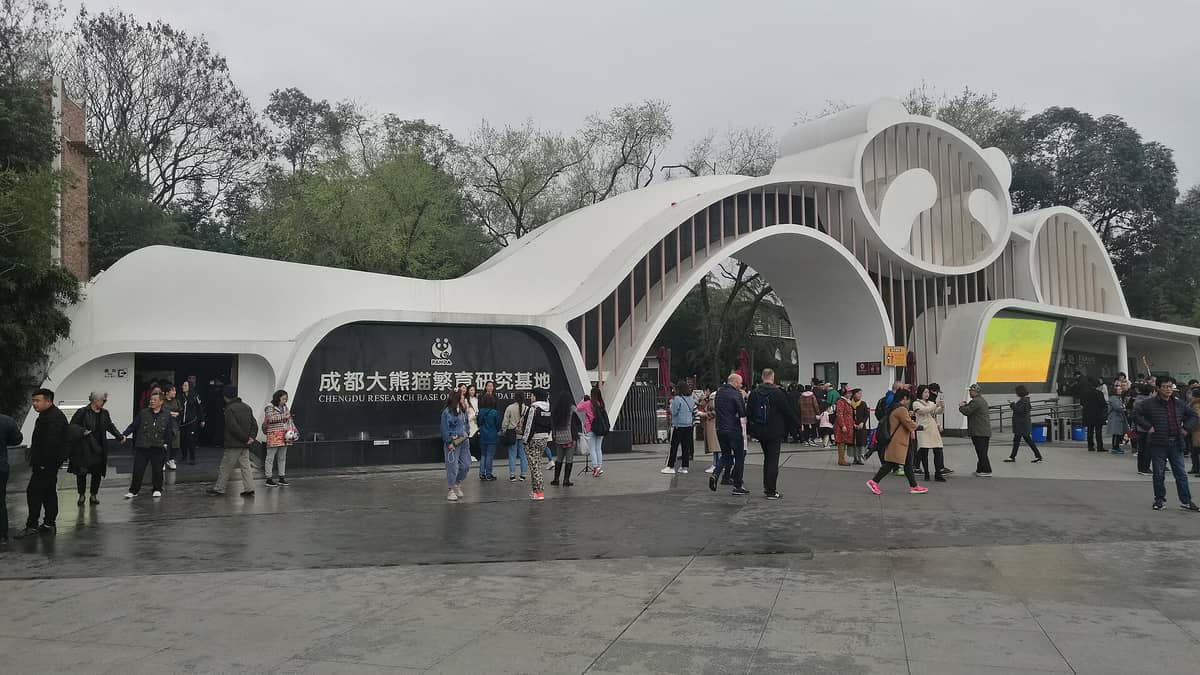
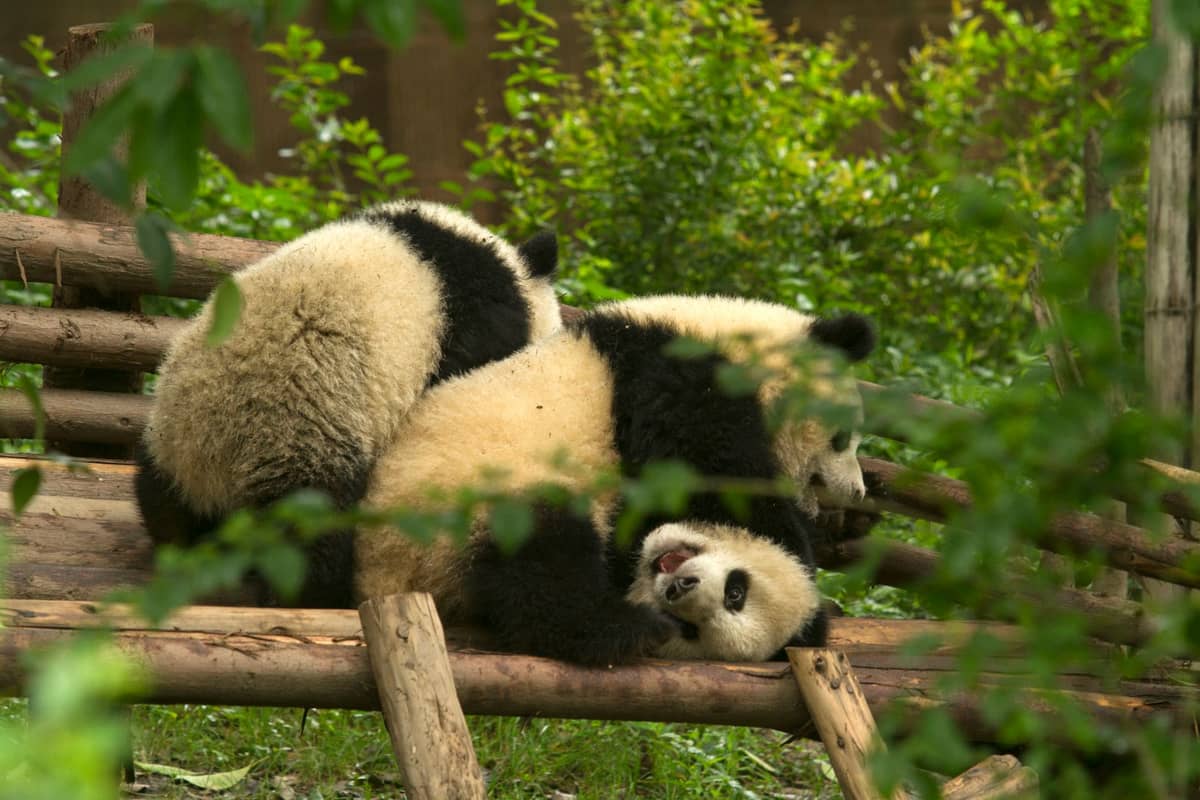
No single activity defines a family trip to Chengdu more than the Chengdu Research Base of Giant Panda Breeding. Located in the northeastern part of the city, the base is a working conservation and research facility that also functions as a major visitor attraction. It houses giant pandas, red pandas, and several other species, spread across large forested enclosures.
The base operates on timed entry sessions split between morning and afternoon slots. From March through October, morning entry runs 7:30 to 12:00 and afternoon runs 12:00 to 17:00, with the park cleared by 18:00. From November through February, the morning session starts at 8:00 and afternoon entry closes at 16:30, with clearance at 17:30. Morning sessions are consistently recommended for families because giant pandas tend to be most active during cooler morning hours before retreating indoors to rest.
⚠️ What to skip
A ticket does not guarantee close-up views or active pandas. Animals follow natural routines and may be resting indoors, especially on hot or wet afternoons. Arriving at opening time on a weekday significantly improves your experience. Reservation requirements and ticket prices change periodically — verify on the official site (panda.org.cn/en) or call +86 28 83510033 before booking.
Getting there is straightforward: take Chengdu Metro Line 3 to Panda Avenue Station, then connect by shuttle bus or taxi to the base entrance. The ride from central Chengdu takes around 30 to 40 minutes depending on your starting point. For families with young children, the base involves significant walking across uneven terrain, so a lightweight stroller or carrier is worth bringing.
If your family wants a less crowded alternative, Panda Valley in Dujiangyan offers a quieter setting with fewer visitors, though it requires a longer journey from the city centre. Our full Chengdu panda guide covers both facilities with detailed comparisons.
Parks and Outdoor Spaces Suited to Children
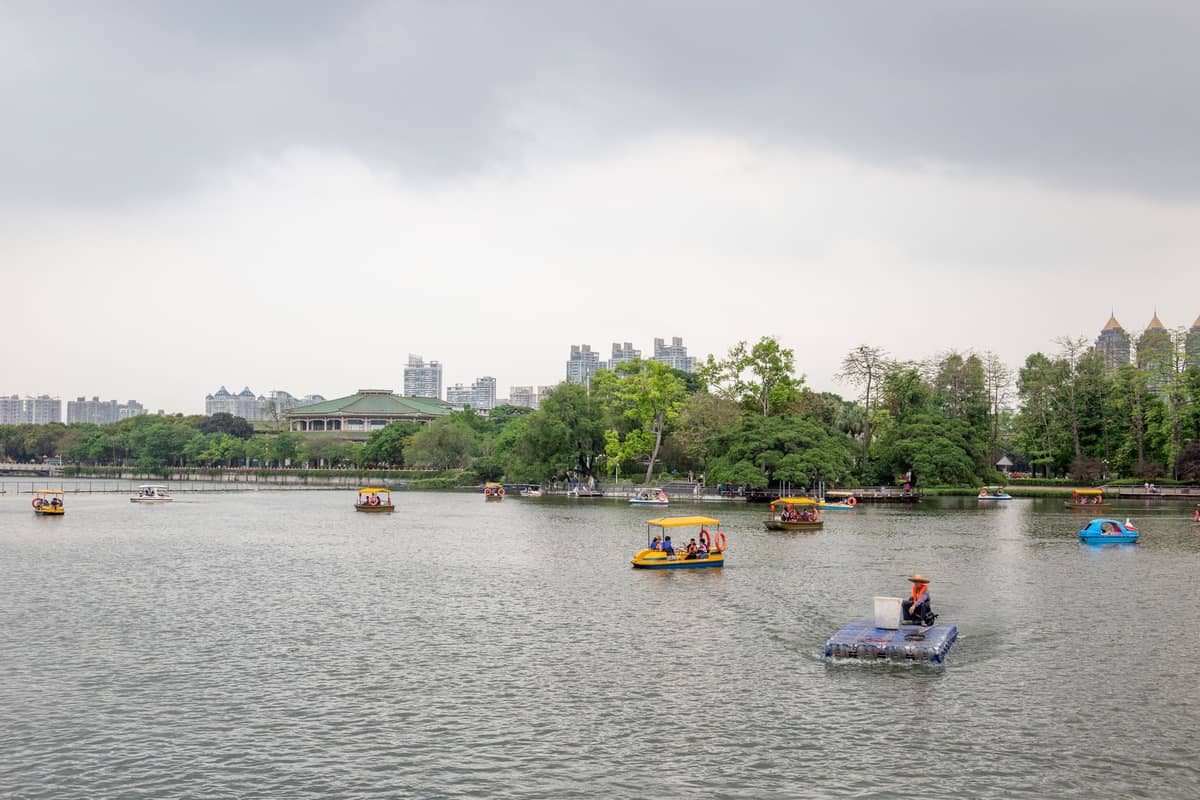
Chengdu's parks are genuinely good for families, not just scenic backdrops. People's Park in Qingyang District is one of the most practical: it has paddle boats on the central lake, open grass areas, playground equipment, and Chengdu's most famous tea house culture along the water's edge. Children can feed fish, rent paddle boats, and eat snacks from vendors while adults try local tea. Entry to the park itself is free.
For more space, Chengdu Botanical Garden and Huanhua Creek Park near the Du Fu Thatched Cottage provide long stretches of green space that work well for families who need room to decompress between sightseeing. Huanhua Creek Park is particularly good in spring when the trees are in bloom and the paths are wide and flat.
💡 Local tip
Visit parks on weekday mornings to avoid weekend crowds. Chinese school holidays and national holidays (especially Golden Week in early October and Chinese New Year) bring heavy local visitor traffic to every park and attraction in the city.
Cultural Attractions That Work for Kids
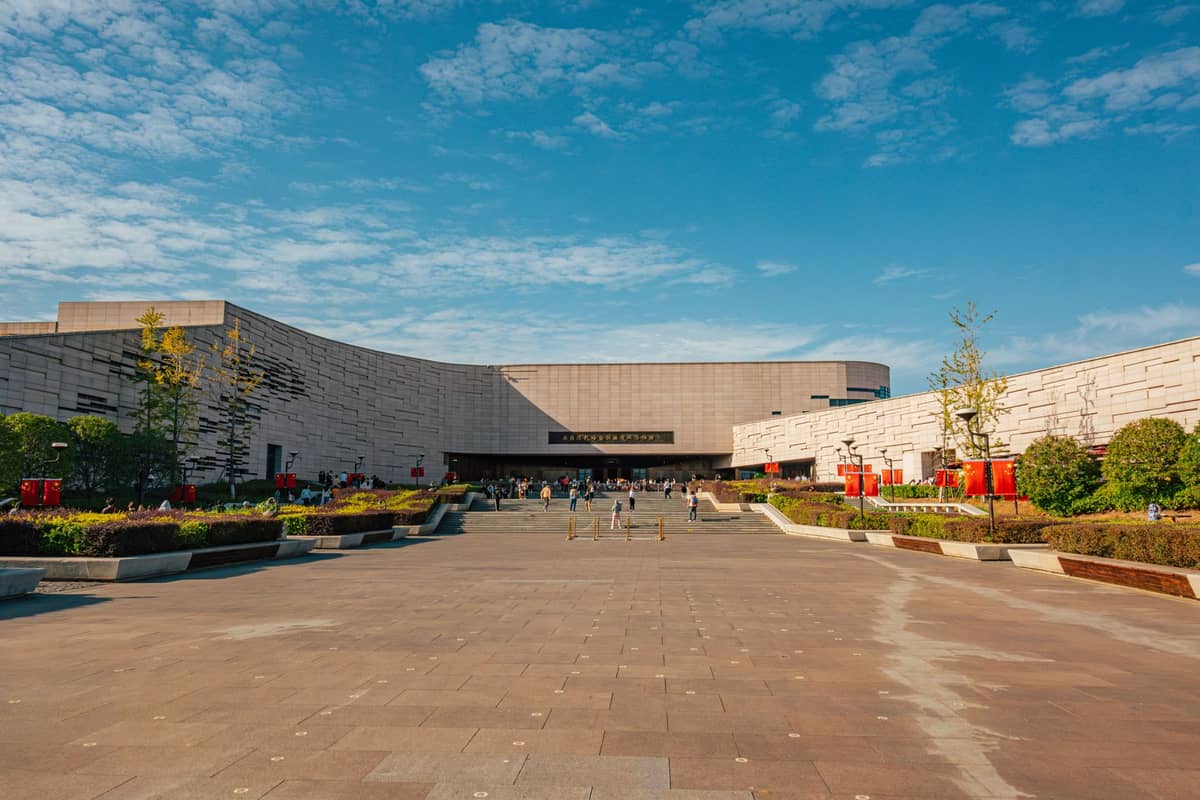
The Sanxingdui Museum in Guanghan, roughly an hour's drive north of central Chengdu, is one of the most spectacular archaeological museums in China and one of the best family cultural outings in the region. The bronze masks, golden staffs, and ceremonial figures on display are genuinely unlike anything else in Chinese archaeology, and older children (roughly ages 8 and up) tend to find them captivating. The museum expanded significantly in recent years with a new building, so plan at least two to three hours.
Closer to the city centre, the Chengdu Natural History Museum is purpose-built for engagement, with substantial dinosaur exhibits, mineral displays, and interactive sections that hold younger children's attention better than a traditional history museum. It is air-conditioned, which matters greatly in summer, and entry fees are low.
For a short cultural experience that doesn't require a full day, the Sichuan opera face-changing performances at venues near Jinli Ancient Street are genuinely theatrical and fast-paced. The face-changing segments last only minutes each but are visually striking enough to hold a child's attention. Shows typically run 90 minutes total with puppet acts, shadow play, and acrobatics filling the rest of the program. Our Sichuan opera guide has full details on the best venues and booking advice.
- Sanxingdui Museum Best for ages 8 and up. Dramatic bronze artifacts from a 3,000-year-old civilization. Allow 2-3 hours; around 1 hour by car or bus from central Chengdu.
- Chengdu Natural History Museum Best for ages 5 and up. Dinosaur halls and interactive exhibits in an air-conditioned space. Good rainy-day option.
- Sichuan Opera Performance Best for ages 6 and up. Face-changing, puppetry, and acrobatics in a 90-minute show. Evening scheduling suits families who spend mornings at outdoor attractions.
- Wuhou Shrine and Jinli Street Best for ages 5 and up. The shrine grounds are walkable and shaded; Jinli's snack vendors give children something to eat while adults explore. Free to walk Jinli; entry fee for the shrine itself.
- Du Fu Thatched Cottage Best for older children with an interest in poetry or history, or families who want a peaceful, garden-like environment. The grounds are more valuable than the exhibits for young children.
Ancient Towns and Day Trips with Families
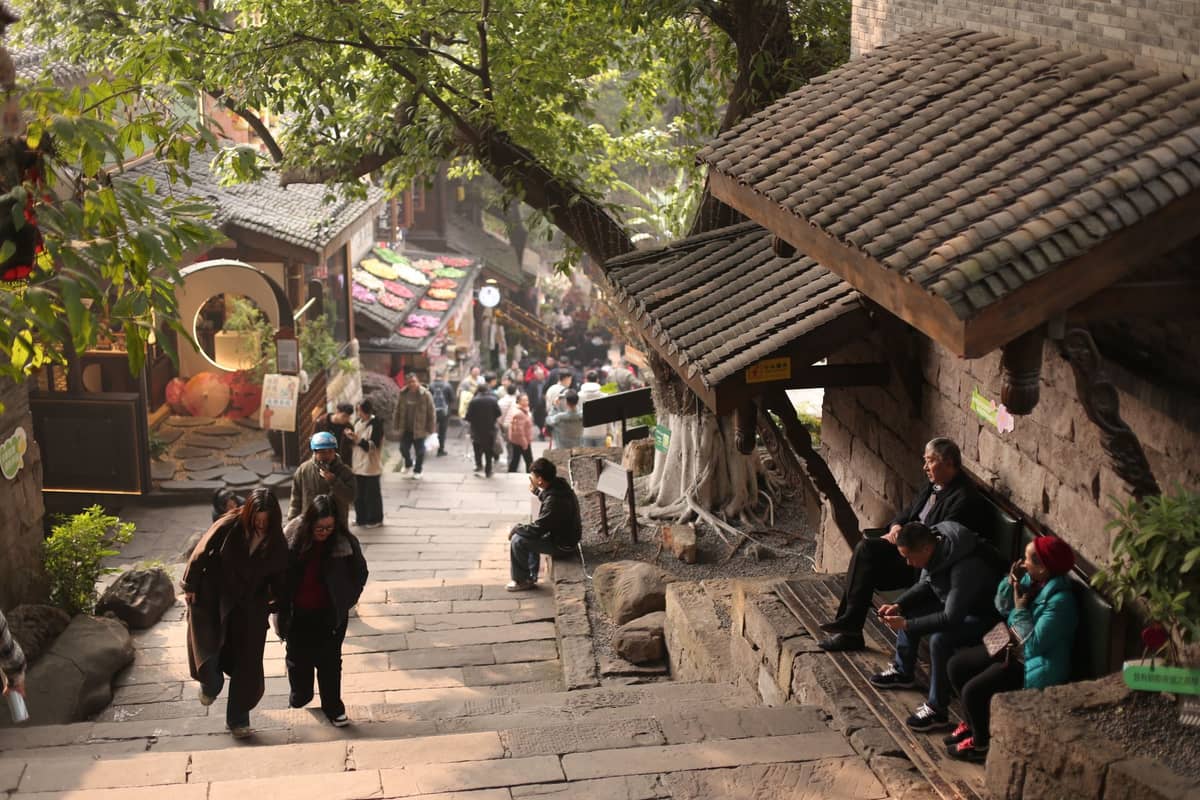
Chengdu's surrounding ancient towns make excellent half-day escapes that give children a change of scenery without requiring overnight planning. Huanglongxi Ancient Town, about 40 km south of the city, is one of the better-preserved examples and is particularly popular with local families. Its narrow stone lanes, canal-side stalls, and dragon boat races during certain festivals make it a more tactile experience than indoor museums.
For families who want a more ambitious day trip, the Dujiangyan Irrigation System is a UNESCO World Heritage Site that combines walkable suspension bridges over fast-moving rivers with genuine engineering history. Children who like water, bridges, and outdoor walking tend to enjoy it more than those who prefer museums. The site is roughly 60 km from central Chengdu and accessible by high-speed train from Chengdu's stations to Dujiangyan station in around 40 minutes. See our day trips from Chengdu guide for full logistics.
✨ Pro tip
Combine Dujiangyan with a visit to Panda Valley on the same day. Both are in the same area and the logistics align well: take the early train to Dujiangyan, visit the irrigation system in the morning when it's cooler, then head to Panda Valley for the afternoon session. It's a long day but eliminates a second long journey from the city.
Food, Street Snacks, and Eating with Children
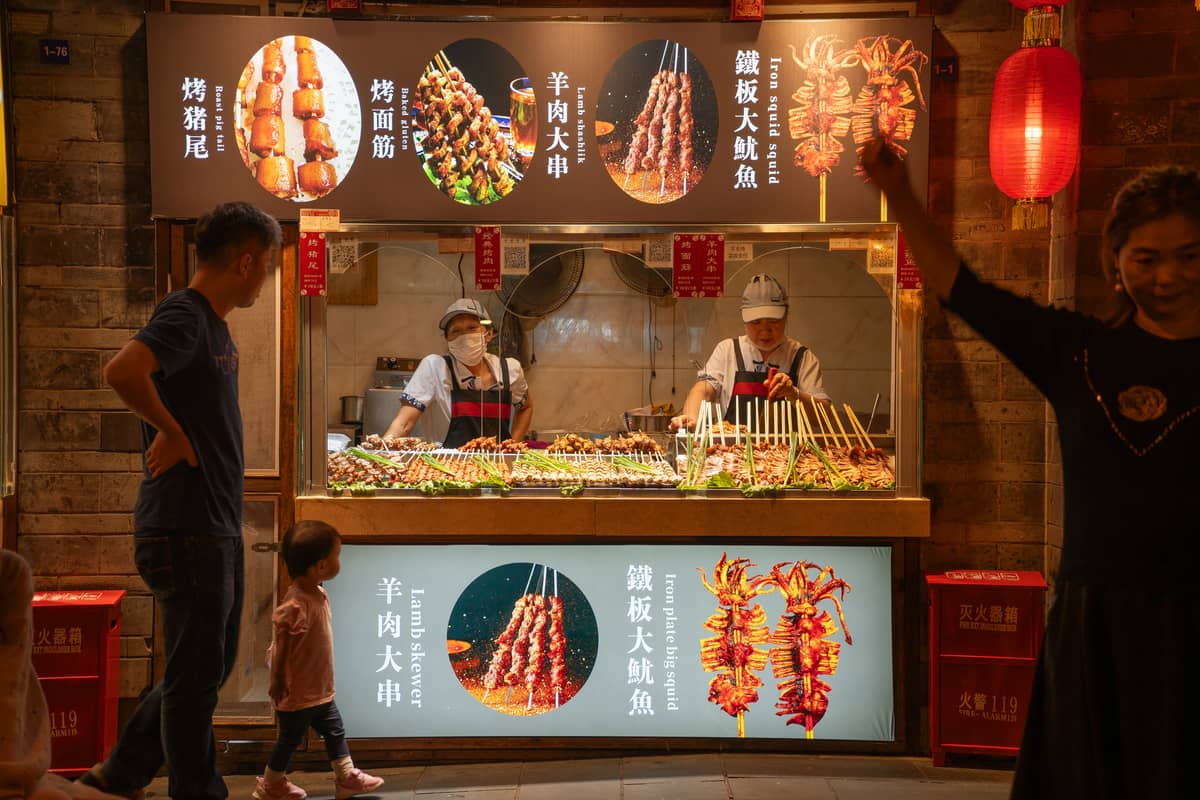
Sichuan cuisine is famous for its heat and numbing spice, which rules out a significant portion of authentic local dishes for younger children. That said, Chengdu's food scene is diverse enough that families eat well without hunting for international restaurants. Chengdu's street food includes plenty of mild options: sweet glutinous rice balls (tangyuan), scallion pancakes, steamed buns (baozi), sweet tofu pudding (douhua), and dan dan noodles ordered mild are all popular with children who are comfortable with new flavours.
Hot pot, Chengdu's signature communal meal, can absolutely work with kids if you order a split pot with a mild broth on one side and request non-spicy sauces. Most hot pot restaurants in the city accommodate this without any fuss. For a gentler introduction to the format, our Chengdu hot pot guide explains ordering strategy and which venues are more family-tolerant.
- Bring bottled water for the whole family from a convenience store (7-Eleven, FamilyMart, and local chains are everywhere); tap water is not recommended for drinking.
- Snack vendors near major tourist sites sell corn, steamed buns, and fruit skewers — useful for keeping children fuelled between meals without committing to a sit-down restaurant.
- Most restaurants do not have high chairs; carry a portable clip-on seat or a travel booster if you have a toddler.
- Allergen labeling in Chinese restaurants is inconsistent; if your child has a serious allergy, bring a written Chinese translation of the relevant allergen to show kitchen staff.
- Tipping is not customary in mainland China, including Chengdu.
Logistics: Getting Around Chengdu with Children
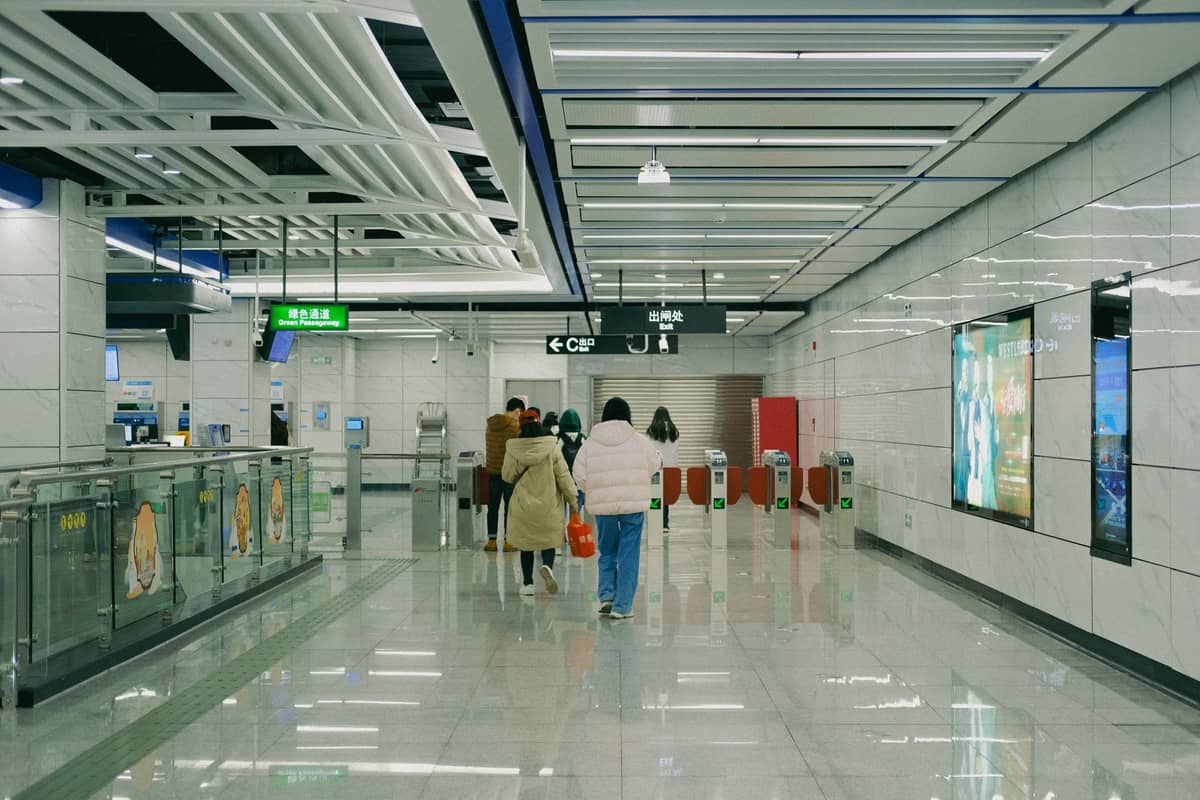
Chengdu's metro system is one of the most practical tools for family travel in the city. The network is clean, air-conditioned, and clearly signposted in both Chinese and English. Line 3 covers the Panda Base area; Line 1 and Line 2 serve the central districts where most heritage sites sit. See the full getting around Chengdu guide for metro maps, fare structures, and tips on using Didi (China's main ride-hailing app) as a supplement when you're carrying luggage or traveling with very young children.
For families arriving at Chengdu Tianfu International Airport (TFU), Metro Line 18 connects the airport to the city. Chengdu Shuangliu International Airport (CTU) is closer to the urban core and also metro-connected. Note that TFU is approximately 51 km from the city centre, so if you're traveling with young children late at night, a direct taxi or ride-hail from the airport may be worth the extra cost to avoid transfers.
Chengdu sits at around 485 metres above sea level with no significant altitude concerns for most families, unlike destinations in western Sichuan or Tibet. Summers (June through August) reach around 23 to 31°C with high humidity, which matters for pacing outdoor activities with children. Plan outdoor sightseeing for mornings and save indoor museums or air-conditioned venues for midday. Spring and autumn offer the most forgiving conditions for families who want to cover a lot of ground.
ℹ️ Good to know
Emergency numbers in mainland China: Police 110, Ambulance 120, Fire 119. Most major hotels in Chengdu have English-speaking front desk staff who can assist with medical or safety situations. Save your hotel's address in Chinese characters on your phone before heading out each day — it makes directing taxi drivers far simpler.
FAQ
How old should kids be to enjoy the Chengdu Panda Base?
Children of almost any age enjoy seeing giant pandas, but the experience is most meaningful for children aged 4 and up who can engage with what they're seeing. The grounds involve substantial walking, and there is no guarantee of panda activity — very young toddlers may not find a sleeping panda particularly exciting. Morning sessions give the best chance of seeing active animals.
Is Chengdu safe for families with young children?
Chengdu is generally considered a safe city for families. Petty crime exists but is not especially targeted at tourists. Traffic is the main practical concern — pedestrian crossings are not always respected, so hold children's hands on busy roads. The main emergency numbers are Police 110 and Ambulance 120. For a full overview of safety considerations, see our Chengdu scams and safety tips guide.
What is the best time of year to visit Chengdu with kids?
March to May and September to November are the most practical windows. Temperatures are moderate (roughly 14–28°C depending on the month), rainfall is lower than the summer peak, and outdoor activities are more comfortable. July and August are hot and wet, which makes full days of outdoor sightseeing tiring for children. Chinese national holidays, especially Golden Week in early October, bring significantly higher visitor numbers to all attractions.
Can children eat Sichuan food?
Yes, with some adaptation. Sichuan cuisine includes many dishes that can be ordered mild or without chilli. Steamed buns, mild noodle soups, dan dan noodles ordered without spice, sweet tofu pudding, and various rice dishes are all manageable for children who aren't accustomed to heat. Hot pot restaurants typically offer split pots with one mild and one spicy broth, which works well for families.
Do I need to book Chengdu Panda Base tickets in advance?
Advance booking is strongly recommended, especially during peak seasons (spring, national holidays, summer school breaks). The base operates timed morning and afternoon entry sessions, and popular slots sell out. Book through the official website (panda.org.cn/en) or contact the reservation hotline at +86 28 83510033. Verify current ticket prices directly as they are subject to change.