Best Time to Visit Chengdu: A Season-by-Season Breakdown
Chengdu rewards visitors year-round, but the timing of your trip makes a real difference. This guide breaks down every season by weather, crowd levels, panda activity, and practical logistics so you can choose the window that actually suits your plans.
Plan and book this trip
Tools from our partner Travelpayouts help you compare flights and hotels. If you book through them, we may earn a commission at no extra cost to you.
Flights
Hotels map
TL;DR
- Spring (March–May) and autumn (September–November) are the best times to visit Chengdu: mild temperatures, lower rainfall than summer, and manageable crowds outside of public holidays.
- Summer (June–August) is hot, humid, and the wettest period — not ideal for outdoor day trips to sites like Mount Qingcheng or the Leshan Giant Buddha, but city sightseeing remains perfectly doable.
- Winter (December–February) is cool and overcast but rarely freezing. Crowds drop significantly, prices ease, and the Chengdu Panda Base is far less packed — making it a legitimate off-season pick.
- Avoid traveling during China's National Day Golden Week (1–7 October) and Labour Day (1–5 May) unless you book everything well in advance — transport and popular attractions sell out fast.
- Pandas are active year-round. Book the morning entry slot (07:30 in peak season) at least a few days ahead through the base's official reservation system.
Understanding Chengdu's Climate
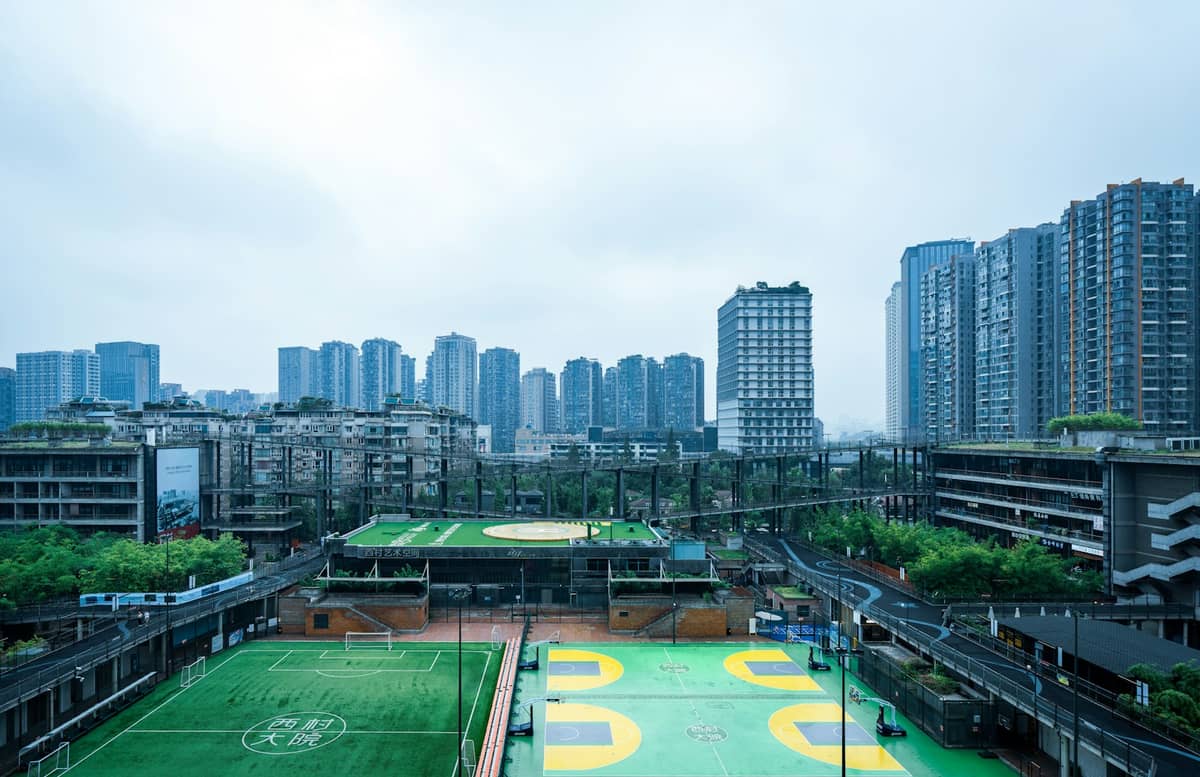
Chengdu sits at around 485 metres above sea level on the Chengdu Plain in the Sichuan Basin, and its climate is classified as humid subtropical monsoon with dry winters (Köppen Cwa). In practical terms, that means warm, wet summers, mild springs and autumns, and overcast winters that are cool but rarely cold enough for snow in the urban core. Annual precipitation averages around 1,000 mm, with roughly half of that falling between June and September.
One thing many visitors don't anticipate: Chengdu is famously overcast. The basin geography traps moisture and cloud cover throughout much of the year. Clear blue-sky days are genuinely rare, even in the best travel months. This isn't a reason to avoid the city, but it does mean that any outdoor excursion — particularly to mountain sites like Qingcheng or Emei — is best planned with flexible dates and a weather check the night before.
ℹ️ Good to know
Average annual temperatures in Chengdu range broadly between 16°C and 18°C. That number masks real seasonal variation: July highs regularly reach 31°C with high humidity, while December nights can drop to around 6°C. Pack accordingly.
Spring (March to May): The Strongest Overall Window
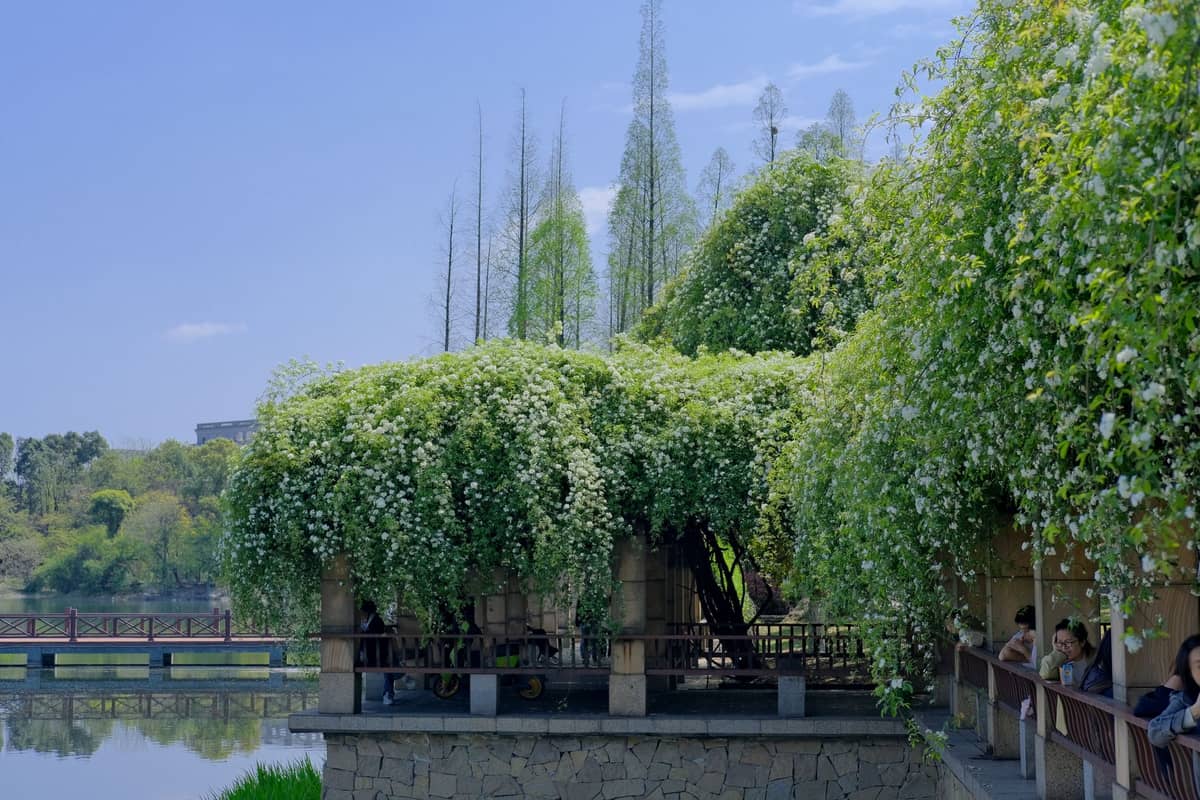
Spring is consistently cited as the best time to visit Chengdu, and the case holds up. Temperatures climb gradually from around 14°C in March to highs near 25°C by late May. Rainfall is lighter than summer, the city's parks and historic sites are at their most photogenic, and accommodation pricing sits below peak-summer and Golden Week levels.
March is ideal for Du Fu's Thatched Cottage and People's Park, where plum blossoms and early spring flowers are at their peak. April brings warmer, more reliable weather for day trips. May is excellent but comes with a significant caveat: the Labour Day holiday (1–5 May) creates a surge in domestic tourism. Train tickets, hotel rooms, and entry slots at the panda base sell out days or weeks in advance. If you're visiting in early May, book everything as soon as dates open.
- Temperatures 14–25°C across the season; warmest toward late May
- Rainfall Light to moderate; April sees more rain than March, but nothing close to summer levels
- Crowds Moderate — higher around the Labour Day holiday (1–5 May)
- Best for Parks, heritage sites, outdoor day trips to Qingcheng and Leshan, first-time visitors
Summer (June to August): Hot, Wet, and Underrated for City Trips
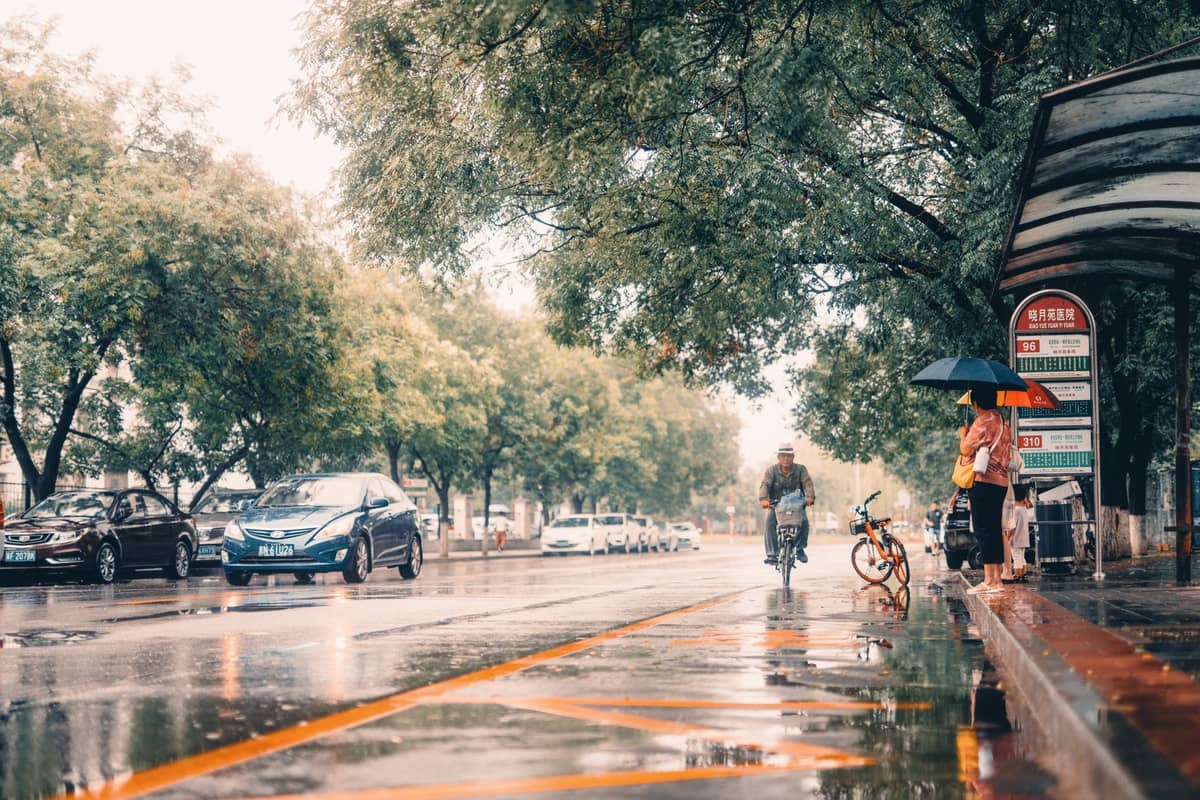
Summer in Chengdu is not the disaster some travel guides make it out to be, but it does require adjusted expectations. July is the hottest month, with average highs around 31°C and humidity that makes the heat feel heavier. June through September accounts for the majority of the city's annual rainfall, with downpours that can be sudden and heavy.
For pure city sightseeing, summer is manageable. Chengdu's indoor attractions — the Sanxingdui Museum (roughly 40 km north of the city), the Chengdu Museum, and the Sichuan Provincial Museum — are air-conditioned and worth your time regardless of season. The food scene, tea houses, and nightlife don't slow down in summer either. What genuinely suffers is outdoor day trip planning: mountain paths at Qingcheng and Emei can be slippery and fogged-in for days at a time. Budget extra days if you're set on those excursions.
⚠️ What to skip
Summer school holidays (roughly mid-July to late August) bring a significant increase in domestic family tourism. The Chengdu Panda Base gets particularly crowded. Morning slots fill up faster; book tickets through the official website at least a week ahead and aim for the 07:30 entry slot.
Autumn (September to November): The Quieter Alternative to Spring
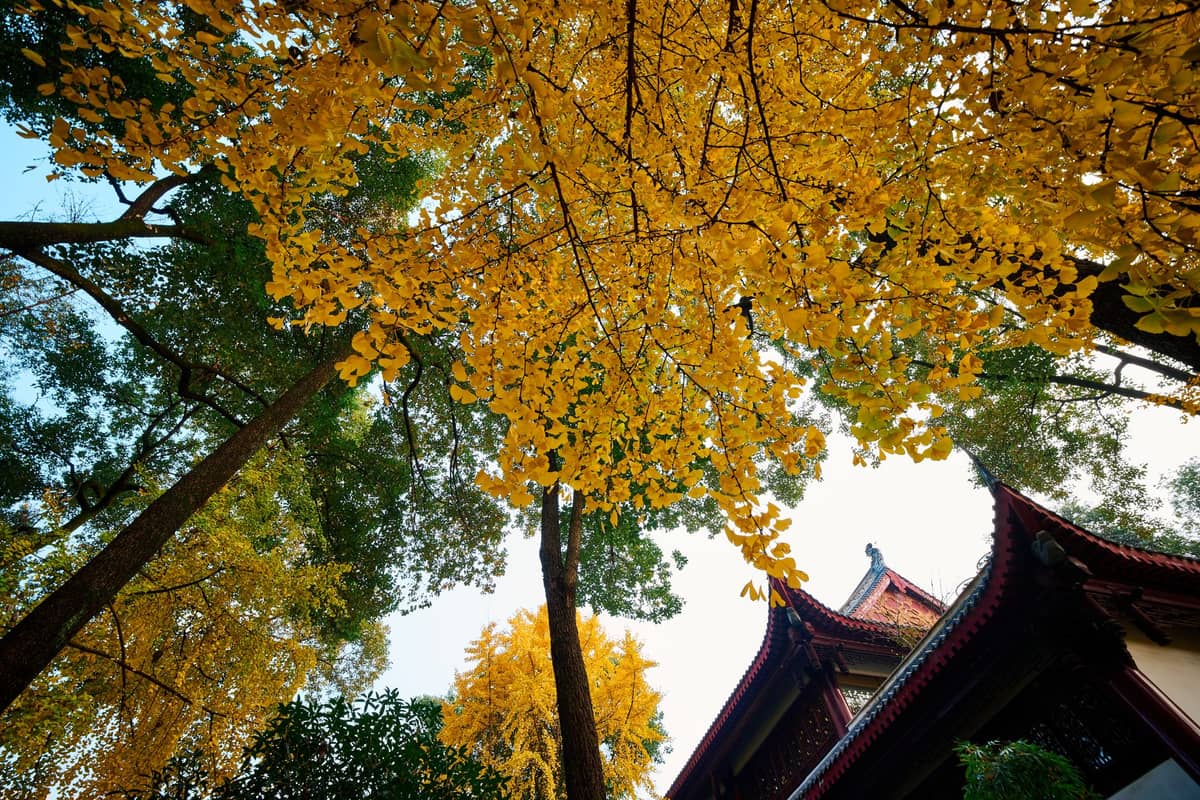
Autumn is arguably Chengdu's second-best season, and for some itineraries it edges ahead of spring. September marks the end of the rainy period, and by October temperatures settle into a genuinely comfortable range: highs around 20–24°C in early autumn, easing to 10–16°C by November. The light is softer, foliage at Qingcheng and Emei turns, and the outdoor day trips that summer made risky become straightforward again.
The single biggest disruption is China's National Day Golden Week, which runs 1–7 October every year. Domestic tourism across the entire country surges. Chengdu's popular attractions, restaurants, and transport links are under significant pressure during this week. If your dates fall here, book trains and hotels two to four weeks in advance minimum, and expect queues at every major site. Outside of Golden Week, October and November are among the most pleasant and least crowded months in Chengdu's calendar.
- September Still warm (around 23–28°C), tail end of rain season; good value before Golden Week
- October Ideal temperatures but heavily disrupted by National Day holiday (1–7 Oct); plan around it or lean into it if you enjoy festive atmosphere
- November Cooler (10–18°C), low crowds, great for heritage sites and tea house culture; occasional overcast days
Winter (December to February): Low Season With Real Appeal
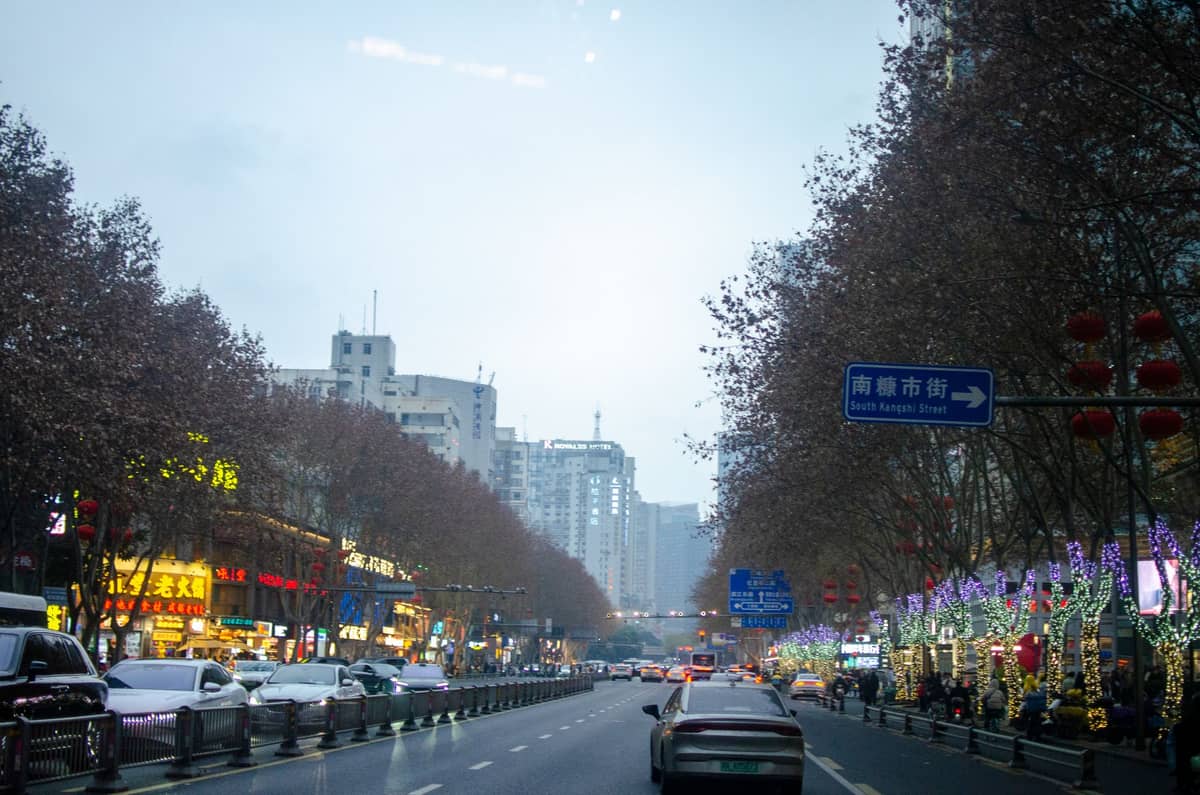
Winter in Chengdu rarely gets the credit it deserves. Temperatures sit between around 6°C and 12°C through December and January, and snow in the urban core is uncommon. The city is grey and damp, and the Sichuan Basin's characteristic overcast skies are at their most persistent. But the advantages are real: hotel rates drop, lines at major attractions are short, and the city's indoor culture — hot pot, tea houses, opera performances — is at its most atmospheric precisely when the weather is cold.
Winter is genuinely good for panda visits. The panda base is far less crowded than in summer, the cooler temperatures align well with panda comfort (they tend to be more lethargic in summer heat), and morning sessions feel relaxed rather than rushed. Entry slots from November through February run 08:00–12:00 and 12:00–16:30, with the park clearing by 17:30. The adult ticket price is CNY 55. For full planning details, see the Chengdu panda guide.
Spring Festival (Chinese New Year, falling between late January and mid-February depending on the year) is the one major disruption. Like Golden Week, it triggers mass domestic travel. Trains and flights book up weeks ahead, and many local businesses close for several days around the holiday itself. If you're visiting during this period, plan transport early and accept that some restaurants and smaller shops may be shut for the first few days of the new year.
✨ Pro tip
For budget-conscious visitors, November and early December offer the best combination of reasonable weather, low crowds, and lower accommodation prices. It's not the most photogenic time of year, but Chengdu's food and cultural scene doesn't need sunshine to deliver.
Planning Around Public Holidays and Crowd Peaks
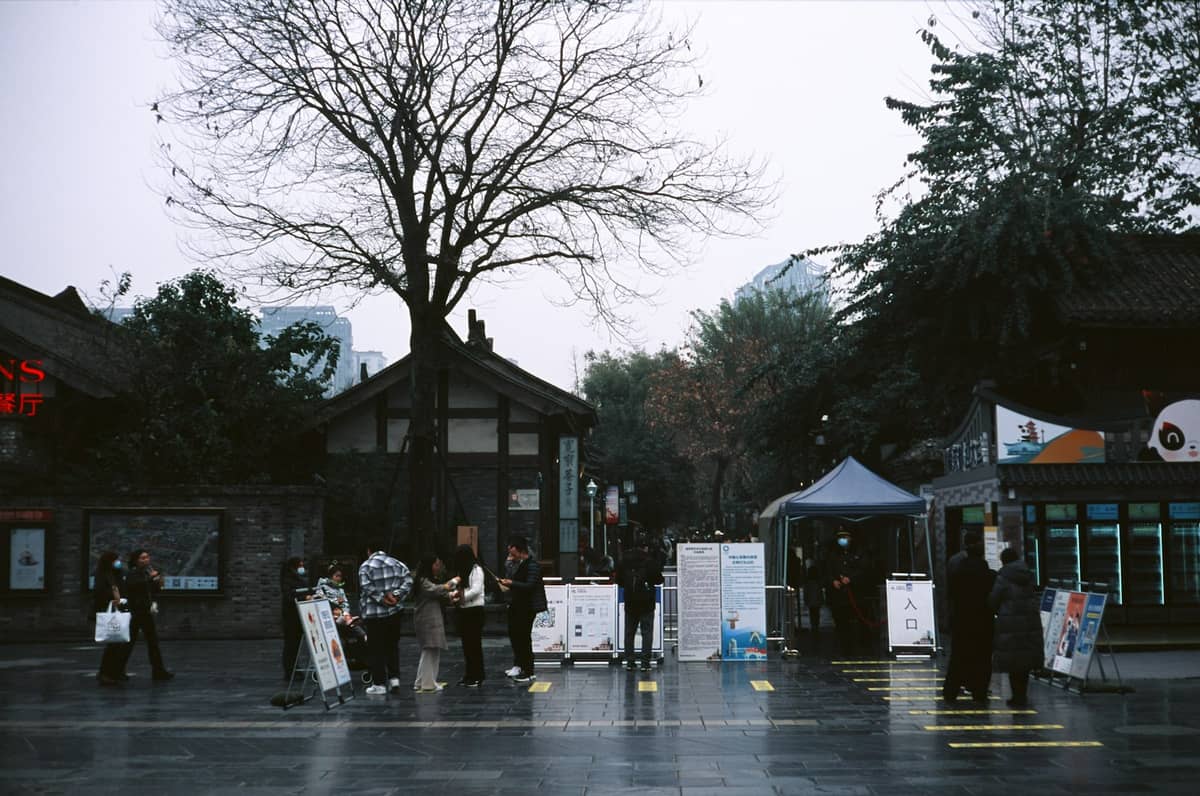
China's public holiday system creates predictable surges in domestic tourism that directly affect Chengdu. The two peak periods to plan carefully around are: Labour Day (1–5 May) and National Day Golden Week (1–7 October). During these windows, train tickets between Chengdu and major cities like Beijing, Shanghai, and Chongqing sell out days to weeks in advance via China Railway's 12306 platform. Accommodation near popular sites tightens significantly, and sites like Jinli and Kuanzhai Alley operate at uncomfortable capacity.
If your dates overlap with a major holiday, the practical approach is to book transport and accommodation as early as possible, plan indoor or neighbourhood-level activities rather than counting on major attraction visits, and accept slightly higher prices as the cost of peak-period travel. For a full planning framework, the 3-day Chengdu itinerary covers logistics across different seasonal windows. The Chengdu scams and safety guide is also worth a read before you arrive.
- Spring Festival (late January to mid-February): avoid if possible; transport is extremely strained
- Labour Day holiday (1–5 May): book 2–4 weeks ahead; popular panda base slots fill by early morning
- Summer school holidays (mid-July to late August): significant domestic family tourism surge
- National Day Golden Week (1–7 October): busiest domestic travel period of the year after Spring Festival
- Outside these windows: Chengdu is a manageable, well-connected city with reliable transport and no extraordinary planning requirements
Month-by-Month Quick Reference
Use this as a quick orientation. For deeper itinerary planning, the things to do in Chengdu guide covers the full range of activities across every season, and the day trips from Chengdu guide is essential for anyone considering Qingcheng, Leshan, or Dujiangyan.
- January–February Cold (6–10°C), very overcast. Low crowds except Spring Festival. Good for indoor culture, hot pot, and off-peak panda visits.
- March Warming (12–18°C), early blossoms, light rain. One of the best months overall.
- April Comfortable (16–22°C), more rain than March. Ideal for day trips and outdoor sightseeing.
- May Warm and pleasant (20–25°C) but heavily disrupted by the Labour Day holiday. Book early.
- June Hot (24–30°C), rain picking up. City sightseeing fine; outdoor excursions need flexibility.
- July–August Hottest and wettest months (28–31°C). Crowds increase with school holidays. Stick to indoor attractions on rainy days.
- September Rain tapering, still warm (22–28°C). Good value before Golden Week.
- October Excellent weather (16–24°C) but Golden Week (1–7 Oct) requires advance booking for everything.
- November Cool and mostly dry (10–18°C), low crowds, good for heritage sites.
- December Cool (6–12°C), overcast. Quietest period with lowest prices. Panda base is noticeably relaxed.
FAQ
What is the best time to visit Chengdu to see the giant pandas?
The Chengdu Research Base of Giant Panda Breeding operates year-round, so there is no exclusive 'panda season.' Practically speaking, late autumn and winter (November to February) offer the most comfortable visits: cooler temperatures match the pandas' preferred conditions, crowds are thinner, and the morning feeding sessions are easier to access. In peak season (March to October), book the earliest available entry slot — 07:30 during peak months — The Chengdu Research Base of Giant Panda Breeding operates year-round, so there is no exclusive 'panda season.' Practically speaking, late autumn and winter (November to February) offer the most comfortable visits: cooler temperatures match the pandas' preferred conditions, crowds are thinner, and the morning feeding sessions are easier to access. In peak season (March to October), book the earliest available entry slot — 07:30 during peak months — through the base's official reservation channels up to 14 days ahead. The adult ticket price is CNY 55.
When is Chengdu cheapest to visit?
November through early February (excluding the Spring Festival period) is the low season for Chengdu tourism. Hotel rates are lower, attractions are less crowded, and flights from major Chinese hubs tend to be cheaper. The trade-off is persistent cloud cover and cool temperatures, typically 6–12°C in winter months.
Is Chengdu worth visiting in summer?
Yes, with adjusted expectations. The city's indoor food, museum, and cultural scene operates regardless of weather. July and August are hot (up to 31°C) and humid, and rain can disrupt outdoor day trips to mountain sites. If your priority is sites like Qingcheng Mountain, Leshan, or Emei, spring or autumn are more reliable. For pure city exploration — food markets, tea houses, Sichuan opera, museums — summer is fine.
Should I avoid Chengdu during Golden Week?
Not necessarily, but you need to plan around it. National Day Golden Week (1–7 October) and Labour Day (1–5 May) are the two busiest domestic travel periods in China. Train tickets and hotel rooms book out quickly. Attractions like Jinli Street and the panda base operate at high capacity. If you're visiting during these dates, book transport via China Railway 12306 and accommodation as early as possible — ideally a month ahead. If you have flexibility, the week after Golden Week (mid-October) offers excellent weather with a rapid drop in crowd levels.
What should I wear when visiting Chengdu?
Layering works well across most seasons. Spring and autumn call for light layers — a jacket for evenings, lighter clothing for midday. Summer requires breathable, quick-dry fabrics and comfortable walking shoes that can handle wet pavement. Winter needs a warm jacket, but heavy-duty cold-weather gear is overkill in the urban core. For temple and heritage site visits, modest dress is appropriate: covered shoulders and knees are the safe standard at places like Wenshu Monastery and Qingyang Palace.