3 Days in Chengdu: The Perfect Itinerary
Three days is enough time to cover Chengdu's essential experiences without rushing. This itinerary balances the panda base, historic streets, Sichuan cuisine, cultural landmarks, and a day trip option, with practical notes on logistics, timing, and what to skip.
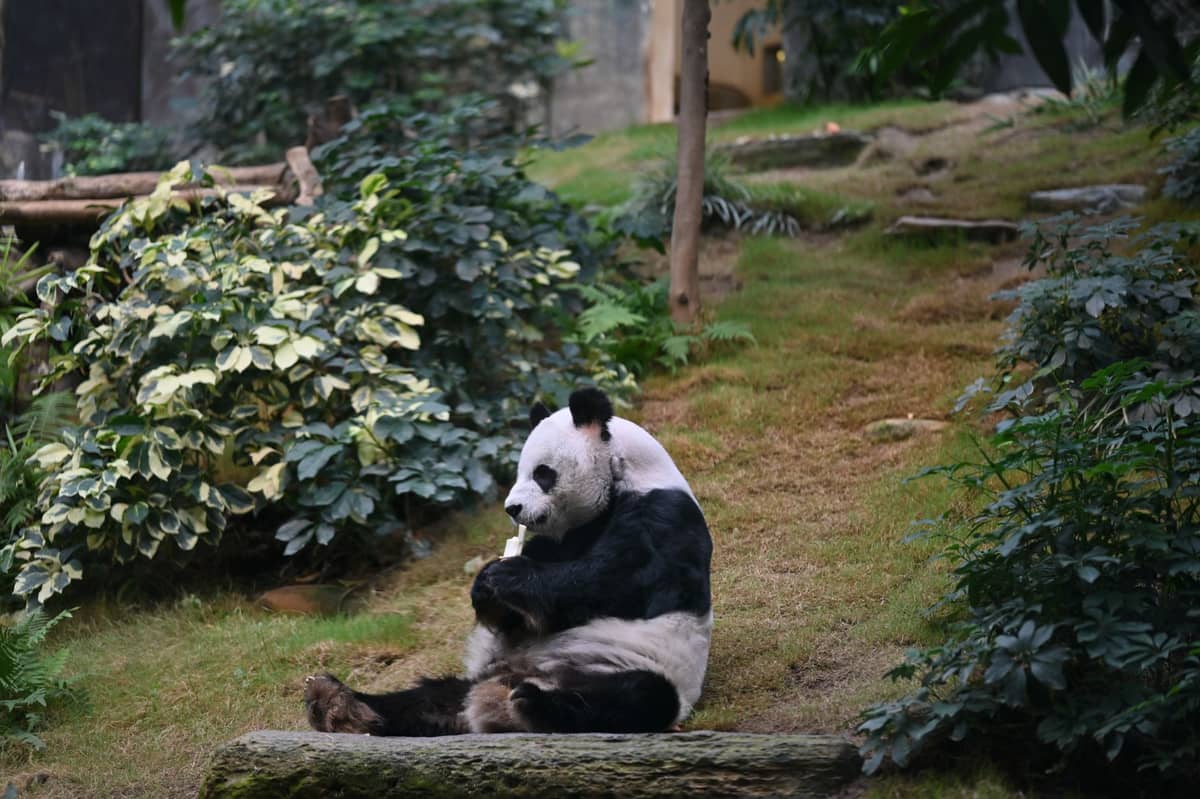
Plan and book this trip
Tools from our partner Travelpayouts help you compare flights and hotels. If you book through them, we may earn a commission at no extra cost to you.
Flights
Hotels map
TL;DR
- Three days is the minimum comfortable window for Chengdu; four or five days allows for a meaningful day trip to Dujiangyan, Mount Qingcheng, or Leshan.
- Book Panda Base tickets (CNY 55) up to 14 days in advance via the official WeChat mini program, Trip.com, or Meituan. See our complete Chengdu panda guide for everything you need to know.
- Arrive at the Panda Base for opening (07:30 in summer, 08:00 in winter) to see the most active animals before afternoon heat or crowds set in.
- Concentrate accommodation in Jinjiang or Wuhou districts to stay within walking distance of key attractions like Kuanzhai Alley and Jinli Ancient Street.
- Chengdu Metro fares start at CNY 2. Didi works for taxis but foreign visitors may need WeChat Pay or Alipay set up in advance.
How Many Days Do You Actually Need in Chengdu?
The honest answer to how many days in Chengdu is enough: three days covers the city's core experiences comfortably, but not generously. You can visit the Panda Base, walk the main historic streets, eat well, and catch a Sichuan opera performance without feeling like you're sprinting. What three days does not allow for is a meaningful day trip outside the city, deep exploration of lesser-known neighborhoods, or leisurely museum visits.
If you have four or five days, add a day trip to the Dujiangyan irrigation system and Mount Qingcheng, or commit a full day to the Leshan Giant Buddha. Both options are covered in more detail in our day trips from Chengdu guide.
ℹ️ Good to know
This itinerary is built for travelers arriving with two airports to consider: Chengdu Tianfu International Airport (TFU), approximately 51 km from the city center and connected via Metro Lines 18 and 19, and Chengdu Shuangliu International Airport (CTU), which is considerably closer to the urban core. Check which airport your flight uses before planning your Day 1 schedule, as TFU adds meaningful transfer time.
Day 1: Giant Pandas and the Historic Core
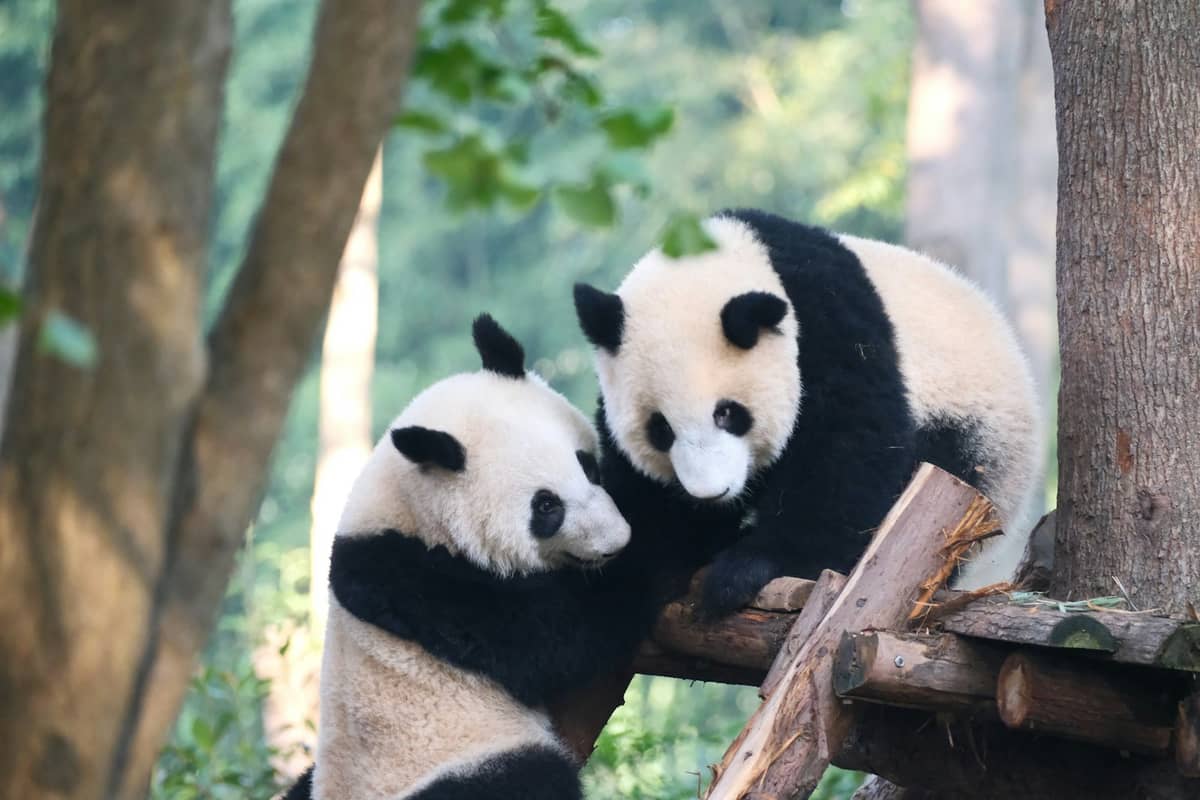
Start Day 1 at the Chengdu Research Base of Giant Panda Breeding. From March through October, gates open at 07:30; from November through February, opening is 08:00. Arrive at or before opening. Pandas are fed in the morning and are visibly more active in cooler temperatures. By 10:00 or 11:00, particularly in summer, many animals retreat indoors or to shaded areas. Afternoon visits are possible but the experience is noticeably different.
Adult admission is CNY 55. Tickets must be reserved in advance through the base's official WeChat mini program or authorized platforms like Trip.com and Meituan. Tickets are released up to 14 days ahead and slots do sell out, especially on weekends and Chinese public holidays. Note that your ticket is valid for one session only: either morning (entry before 12:00) or afternoon (entry from 12:00). There is no all-day pass. Full details on the Chengdu Panda Base are worth reading before you go.
After the panda base, head to Wuhou District for lunch and an afternoon exploring the area around Wuhou Shrine and Jinli Ancient Street. The shrine commemorates figures from the Three Kingdoms period and has genuine historical weight, though the attached Jinli commercial street is unambiguously a tourist market. The food stalls and snack vendors along Jinli are worth browsing, but eat a proper lunch somewhere off the main drag to avoid the markup.
In the evening, consider a Sichuan opera performance. The most accessible venue for visitors is Shufeng Yayun in the Qingyang area, though several teahouse venues also host shorter shows. Our Sichuan opera guide covers venues, ticket prices, and what to realistically expect from the experience.
Day 2: Temples, Tea, and the City's Cultural Center
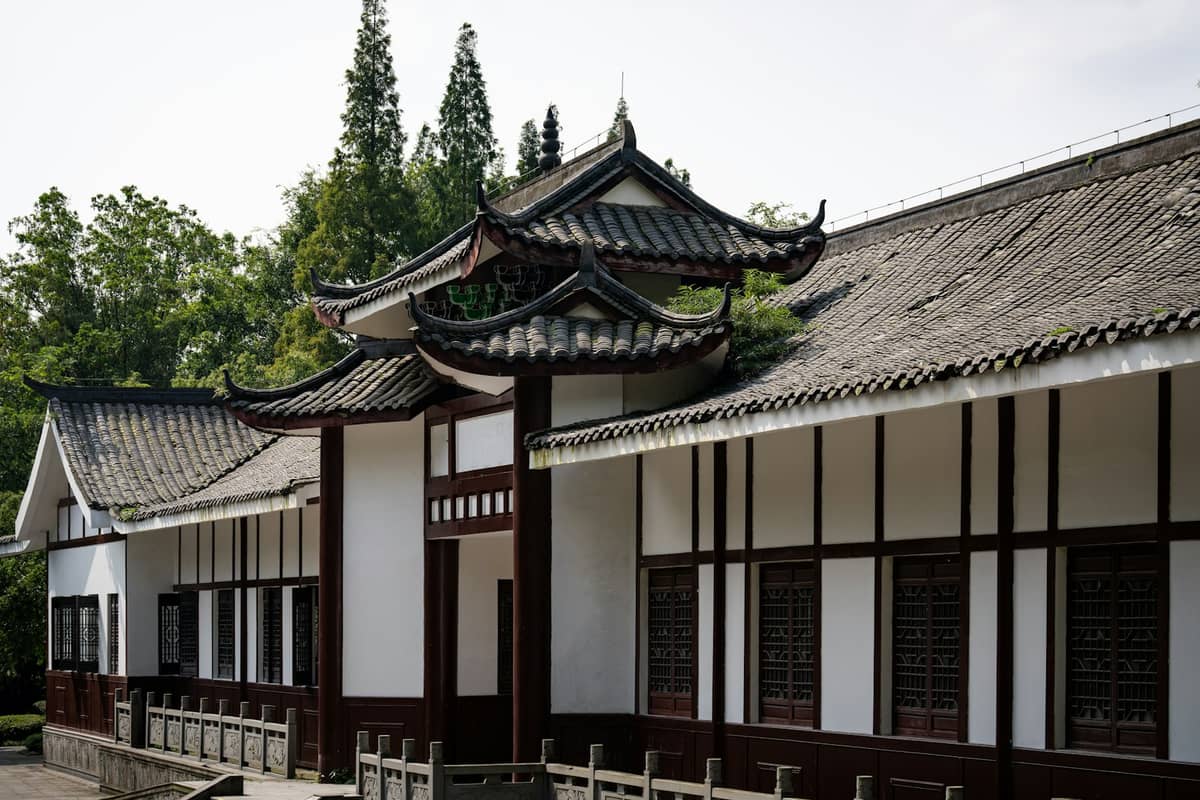
Day 2 is for Chengdu's urban cultural layer: Buddhist temples, teahouses, parks, and museums. Start at Wenshu Monastery in Qingyang District. It is an active Buddhist monastery dating to the Tang Dynasty and is significantly less commercialized than many comparable sites in Chinese cities. The vegetarian restaurant on the grounds serves a reliable and inexpensive lunch.
After Wenshu, walk or take a short metro ride to Qingyang District and spend time in People's Park. This is where Chengdu's famous teahouse culture is most visible. Locals come here to play mahjong, drink tea from lidded gaiwan cups, and have their ears cleaned by traveling barbers. It is unpretentious and worth at least an hour. The park teahouses charge around CNY 20-40 per person for tea, including unlimited hot water refills.
Spend the afternoon at the Sichuan Provincial Museum or the Chengdu Museum near Tianfu Square. Both are free to enter and cover Sichuan's history from prehistoric cultures through to the 20th century. The Sichuan Provincial Museum has a particularly strong collection of bronzeware and Buddhist sculpture. Allow two to three hours for either.
💡 Local tip
Chengdu's teahouse culture is genuinely central to local life, not a tourist performance. Our dedicated Chengdu teahouse guide explains the etiquette, the best neighborhood venues beyond People's Park, and what to order if you want to drink like a local rather than just take photos.
End Day 2 in the evening at Kuanzhai Alley (Wide and Narrow Alleys). The two main lanes, Kuan Xiangzi and Zhai Xiangzi, are preserved Qing Dynasty residential streets converted into a food, bar, and shopping precinct. It is heavily photographed and the restaurant prices reflect that. Skip the sit-down restaurants on the main alley in favor of the smaller side streets, where local-run places charge realistic prices. This is also a reasonable area for an after-dinner walk.
Day 3: Food, Modern Chengdu, and Optional Day Trip
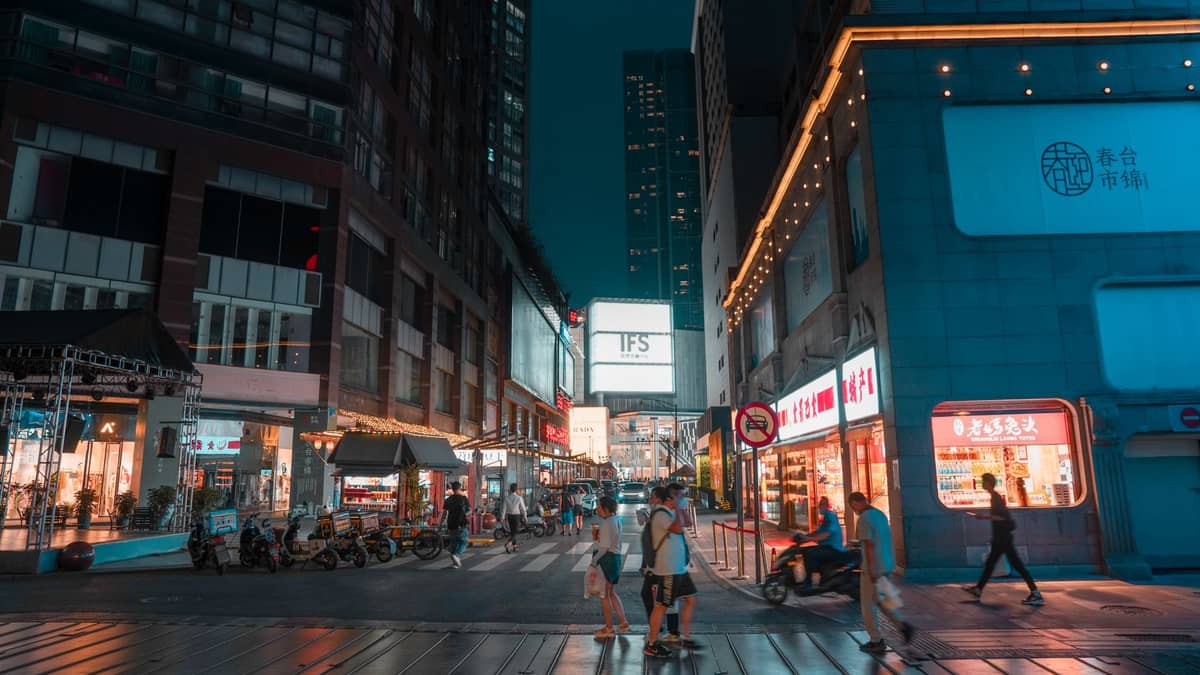
Day 3 has two possible shapes depending on your appetite for logistics. Option A is a full day trip outside the city. Option B stays urban, focusing on Chengdu's food markets, Du Fu Thatched Cottage, and the Chunxi Road shopping district.
- Option A: Day Trip to Dujiangyan and Mount Qingcheng Take an early high-speed train from Chengdu's main stations to Dujiangyan (around 40-50 minutes). The UNESCO-listed irrigation system is impressive and genuinely ancient, dating to 256 BCE. Mount Qingcheng is a short bus or taxi ride from Dujiangyan station and is one of Daoism's sacred mountains. The lower trails take 3-4 hours round trip; the upper peak adds another 2-3 hours. Return to Chengdu by late afternoon.
- Option B: Urban Food and Culture Morning Spend the morning at Du Fu Thatched Cottage (Dufu Caotang) in Qingyang District, a memorial site built around the Tang Dynasty poet Du Fu's former home. The grounds are extensive and genuinely peaceful. Follow this with Chengdu's street food scene: Yulin neighborhood and Tongzilin are less tourist-facing than Jinli and have better day-to-day eating.
Whichever option you choose, a hot pot dinner on your final night is close to obligatory. Chengdu's hot pot is different from the Chongqing style: typically lighter on raw chili, heavier on numbing Sichuan peppercorn (huajiao). For a proper introduction to the format, cuts of meat, and how to order, see our Chengdu hot pot guide.
⚠️ What to skip
If you are flying home on Day 3 from Tianfu International Airport (TFU), leave significantly more buffer time than you think you need. The Metro Line 18 journey from Chengdu South (transfer from Tianfu Square on Line 1) to TFU takes approximately 45-60 minutes plus wait times, and the airport is large. For morning flights, a 04:00 or 05:00 departure from your hotel is not unusual.
Practical Logistics for Your Chengdu Itinerary
Getting around Chengdu on this itinerary does not require taxis for every journey. The metro network covers all the main attractions in this guide. Metro fares start at CNY 2 and increase with distance. Buy a Tianfu Tong transport card from any metro station to avoid fumbling with coins and to make boarding faster. The card is also usable on city buses.
For Didi (China's dominant ride-hailing app), foreign visitors will need a Chinese phone number to register and either Alipay or WeChat Pay to pay. Setting this up before arrival is strongly recommended. Some hotels can assist with booking rides if you are stuck, but this adds delay and dependency. A basic payment solution also unlocks a large portion of the city's food economy, where cash-only and app-pay-only options coexist unpredictably.
- Chengdu Metro fares: from CNY 2, rising with distance
- Panda Base admission: CNY 55 per adult (book in advance, morning slot recommended)
- Sichuan Provincial Museum and Chengdu Museum: free entry
- People's Park teahouses: approximately CNY 20-40 per person for tea
- Wuhou Shrine: CNY 50 per adult
- Sichuan opera shows: typically CNY 150-280 for standard seats, varies by venue and show
For a broader picture of where to base yourself, the Chengdu accommodation guide breaks down neighborhoods by proximity, price range, and traveler type. Jinjiang District and Wuhou District are the most convenient bases for this three-day itinerary. Both are well-served by metro and within walking distance of most Day 2 and Day 3 destinations.
Best Time to Do This Itinerary
March to May and September to November are the most practical windows for this Chengdu itinerary. Spring temperatures run roughly 14-25°C, which is comfortable for outdoor sightseeing. Autumn is similar but follows the summer rain season, meaning September and October often bring cleaner skies. Summer (June through August) is hot and humid with temperatures frequently above 30°C, and the Panda Base morning timing becomes even more critical.
Chengdu is famously overcast year-round due to the Sichuan Basin's geography. Do not plan the trip around sunny skies: they are infrequent. Winter (December through February) is mild by northern China standards, around 6-12°C, and the city is far less crowded. Panda Base hours shorten in winter (opening at 08:00, clearance beginning at 17:30). For a detailed seasonal breakdown, see our best time to visit Chengdu guide.
✨ Pro tip
Avoid Golden Week (the first week of October) and Chinese New Year if possible. Both are domestic travel peaks and Chengdu, as Sichuan's capital with a population of over 21 million in the municipality, draws enormous visitor numbers. Panda Base tickets, train seats, and hotel rooms all become harder to secure and prices rise substantially. If you must visit during Chinese New Year, check our guide to the Chengdu Chinese New Year experience for what the city actually looks like during the holiday.
FAQ
Is 3 days enough for Chengdu?
Three days covers the Panda Base, the main historic streets (Kuanzhai Alley, Jinli), key temples and museums, Sichuan opera, and good food without feeling rushed. What it does not allow for is a meaningful day trip outside the city or extended exploration of neighborhoods off the tourist circuit. If Dujiangyan, Mount Qingcheng, Leshan, or Sanxingdui Museum are on your list, budget four or five days.
How do I get Panda Base tickets and how far in advance do I need to book?
Tickets (CNY 55 per adult) are available via the Panda Base's official WeChat mini program and authorized platforms including Trip.com and Meituan. They are released up to 14 days before your visit. Weekend and holiday slots fill up quickly, so booking as soon as the window opens is advisable. Your ticket is valid for one session only: morning (entry before 12:00) or afternoon (entry from 12:00 onwards).
What is the best way to get around Chengdu for this itinerary?
The metro handles most of the routing in this three-day itinerary efficiently. Fares start at CNY 2 and a Tianfu Tong card speeds up boarding. Didi is useful for journeys that do not connect neatly by metro, but foreign visitors need Alipay or WeChat Pay set up before using it. Taxis are available but flagging them down on the street can be slower than app-based hailing.
Which airport should I use for Chengdu?
Chengdu has two international airports. Tianfu International Airport (TFU) is approximately 51 km from central Chengdu and is served by Metro Lines 18 and 19; allow at least 90 minutes from the city center to gates, more during peak hours. Shuangliu International Airport (CTU) is much closer to the urban core and generally involves a shorter transfer. Check which airport your airline uses when booking, since they are not interchangeable.
Can I do Chengdu on a budget?
Yes, more easily than many major Chinese cities. The metro and buses are cheap, most museums are free, street food is inexpensive, and accommodation options range from international hotels down to well-located budget guesthouses. The main non-negotiable cost is the Panda Base ticket at CNY 55. A traveler eating at local restaurants rather than tourist-facing venues can keep daily costs modest. Our Chengdu on a budget guide has specific numbers and neighborhood recommendations.