Where to Stay in Chengdu: Best Areas, Neighbourhoods & Hotel Guide
Choosing where to stay in Chengdu is straightforward once you understand the city's layout and metro network. This guide breaks down the top neighbourhoods by location, price range, and what kind of trip they suit best, so you can book with confidence.
Plan and book this trip
Tools from our partner Travelpayouts help you compare flights and hotels. If you book through them, we may earn a commission at no extra cost to you.
Flights
Hotels map
TL;DR
- The three most practical bases are Tianfu Square, Chunxi Road/Taikoo Li, and the Wuhou Shrine area; all are well-served by the Chengdu Metro.
- Chengdu has two separate airports: Shuangliu (CTU) and Tianfu (TFU). Check your ticket carefully, as the right metro line depends on which one you're using.
- Budget hotels start around $45-50 per night; five-star properties average around $85-90. April tends to see higher prices; September is generally one of the cheaper months.
- Spring (March to May) and autumn (September to November) are the most comfortable seasons for a Chengdu stay. See our best time to visit Chengdu guide for full seasonal detail.
- For first-timers, the Jinjiang District around Chunxi Road is the single most convenient base for sightseeing, dining, and transport.
Understanding Chengdu's Layout Before You Book
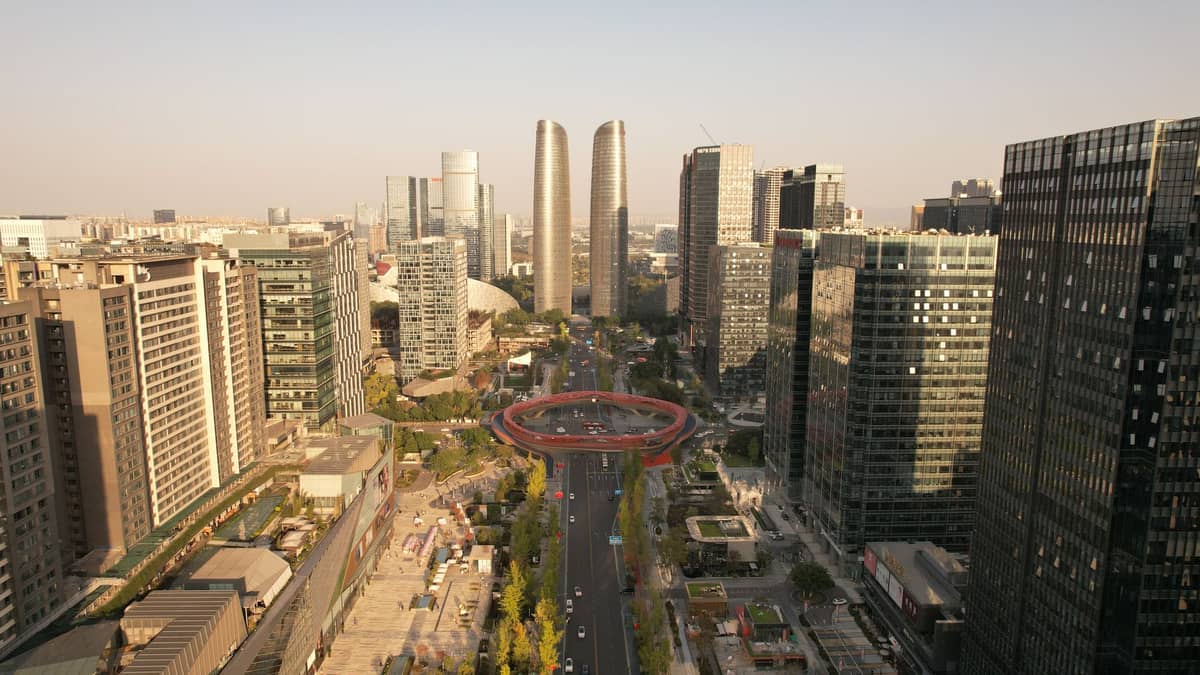
Chengdu is a large city of over 21 million people spread across 12 urban districts, five county-level cities, and three counties. For most visitors, the relevant geography is a relatively compact central core covering the historic districts of Jinjiang, Qingyang, Wuhou, and Chenghua. These four districts contain the vast majority of tourist attractions, the densest restaurant and nightlife scene, and the best metro connectivity. Booking outside this core is generally only worthwhile if you have a specific reason, such as proximity to a particular day-trip departure point.
The Chengdu Metro is the backbone of getting around, and it should shape your accommodation decision. Lines 1, 2, and 3 form the core urban network, connecting Tianfu Square, Chunxi Road, Wuhou, and Chenghua District. If your hotel is within a five-minute walk of a metro station on one of these lines, you can reach almost every major attraction without needing a taxi. For more on moving around the city once you've arrived, see our guide to getting around Chengdu.
⚠️ What to skip
Chengdu has two international airports: Chengdu Shuangliu (CTU), the older airport closer to the urban core, connected by Metro Lines 10 and 19; and Chengdu Tianfu (TFU), the newer airport about 51 km from the centre, connected by Metro Lines 18 and 19. Always check which airport is on your ticket before choosing accommodation. Staying near the city centre works fine for both airports, but Tianfu adds significantly more travel time and cost.
Best Areas to Stay in Chengdu
Most visitors will find one of the following three areas suits their itinerary. Each has a distinct character and practical trade-offs worth understanding before you commit.
- Tianfu Square and Qingyang District Chengdu's civic and geographical centre. Served by Metro Lines 1 and 2, this area puts you within walking distance of People's Park, Du Fu Thatched Cottage, and Wenshu Monastery. Hotels here tend to offer better value than those closer to Chunxi Road, and the neighbourhood has a less commercial feel. Good choice for culture-focused trips and families.
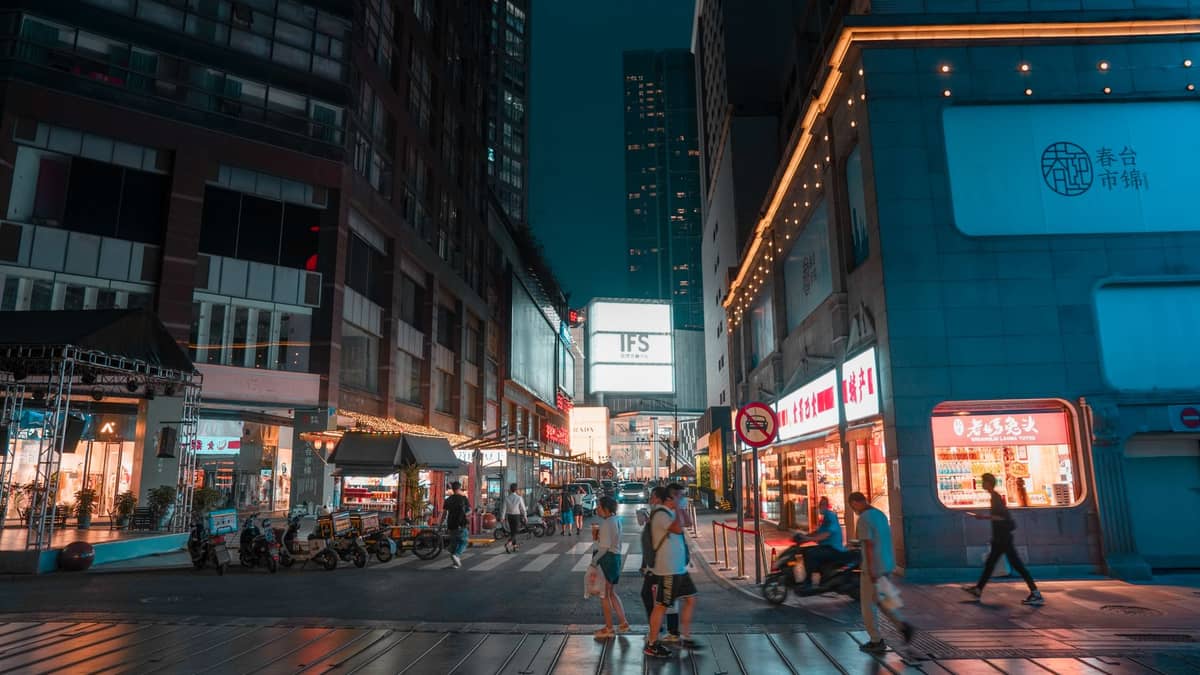
- Chunxi Road and Taikoo Li (Jinjiang District) The city's primary shopping and dining corridor. Chunxi Road Station is served by Lines 2 and 3, giving you direct access to the rest of the city. Taikoo Li, IFS, and Daci Temple are all within a few minutes on foot. This is the single most convenient base for first-time visitors. Expect to pay a premium for hotels here, particularly on weekends and public holidays.
- Wuhou Shrine and Jinli Area (Wuhou District) A good pick if Wuhou Shrine, Jinli Ancient Street, or the university quarter are priorities. Metro Line 3 connects Wuhou to Chunxi Road in under 20 minutes. The area has a more neighbourhood feel than the Chunxi Road corridor, with a broad range of hotels from budget guesthouses to mid-range business hotels. Not the best base if your itinerary is heavily centred on northern or eastern attractions.
Outside these three cores, a small number of visitors stay near Chenghua District, particularly around Chengdu East Railway Station, if they are catching early high-speed trains or planning to travel to Chongqing by rail. The station is connected to Tianfu Airport via Metro Line 19, which is a practical advantage if you're arriving or departing on that side of the city.
Hotel Price Ranges: What to Actually Expect
Chengdu is meaningfully cheaper than Beijing, Shanghai, or Hong Kong for comparable hotel quality. Budget travellers can find clean, well-located rooms; mid-range options are solid value; and the top international-brand five-star properties are priced well below what the same chains charge in China's coastal megacities.
As a general reference, platform aggregators have reported average nightly rates in the range of $45-50 for three-star hotels, $50-55 for four-star, and $85-95 for five-star properties. These are averages across periods and room types, not guaranteed prices. Rates swing considerably depending on season, public holidays, and how far in advance you book. April is historically one of the more expensive months, coinciding with warmer spring weather and higher domestic tourism. September tends to offer better availability and lower prices, though this can shift if major events or conferences are scheduled.
💡 Local tip
Golden Week (the first week of October) and Chinese New Year are the two periods when Chengdu hotels fill up fastest and prices spike most sharply. If your dates overlap with either, book at least 6-8 weeks in advance and expect to pay 30-60% above standard rates. The same applies to the Lantern Festival in late January or February.
- Budget (under $40/night) Youth hostels, guesthouses, and older two-star hotels. Concentrated near Wuhou and in parts of Qingyang District. Quality varies widely; read recent reviews carefully and prioritise metro proximity over headline price.
- Mid-range ($40-80/night) The strongest value tier in Chengdu. Domestic business hotel chains such as Atour, Hanting, and Ji Hotel offer reliable, modern rooms at this price point. Most include good wifi, Western-style bathrooms, and in some cases breakfast.
- Upper mid-range ($80-150/night) International three- and four-star brands including Marriott Courtyard, Holiday Inn, and similar properties. Generally well-located near major transport and commercial areas. Good choice if you want predictable standards and English-speaking front desk staff.
- Luxury ($150+/night) Chengdu has several international five-star hotels. Brands including Waldorf Astoria, Sofitel, and St. Regis have properties in the city. At this level you get full concierge services, in-house restaurants, and typically the most central locations. Still cheaper than comparable properties in Beijing or Shanghai.
Neighbourhood Picks by Trip Type
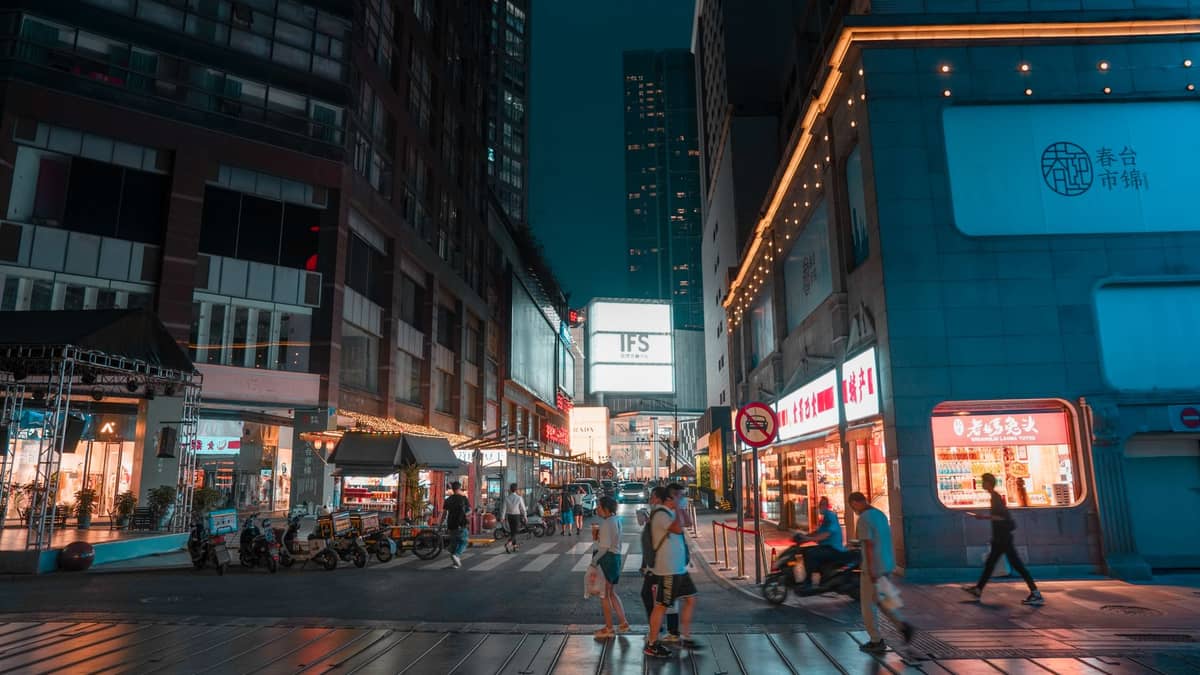
For a first visit to Chengdu, Jinjiang District around Chunxi Road and Taikoo Li is the most practical choice. The density of restaurants, the metro access, and the proximity to landmarks like Daci Temple make it easy to do a lot without wasting time on transport. The trade-off is price: expect to pay 20-30% more than equivalent hotels in Qingyang or Wuhou for the same star rating.
Couples or visitors focusing on historical and cultural sightseeing will often find Qingyang District a better fit. Proximity to Du Fu Thatched Cottage, Qingyang Palace, and People's Park means these attractions are walkable, and hotel prices tend to be more reasonable. For a curated romantic itinerary, see our Chengdu for couples guide.
Families travelling with children should weight convenience highly. A hotel near Chunxi Road or Tianfu Square keeps long daily walks to a minimum and keeps metro access simple. Most major Chengdu family attractions, including the Chengdu Research Base of Giant Panda Breeding and the Chengdu Zoo, are reachable by metro from the central districts. See our Chengdu with kids guide for detailed logistics on panda visits and family-friendly itineraries.
✨ Pro tip
If your main goal is visiting the Chengdu Panda Base, you don't need to stay near it. The base is in Chenghua District in the north of the city, but it's accessible from the central districts by metro and a short taxi or rideshare from the nearest station. Staying in Chenghua itself offers no real advantage unless you're on an extremely tight schedule, and the neighbourhood has fewer dining and nightlife options than the central districts.
Practical Booking Tips for Chengdu Hotels
Most international booking platforms work for Chengdu hotels, including Booking.com, Agoda, and Trip.com. Trip.com has particularly strong coverage of domestic Chinese hotel chains that sometimes don't appear on Western platforms, so it's worth cross-checking. Always read cancellation policies carefully: Chinese public holidays create genuine last-minute cancellation demand, and non-refundable rates that seemed like good value can become a problem if your travel dates shift.
English-speaking staff are common in international brand hotels and most four- and five-star properties, but can be limited in domestic budget and mid-range chains. If clear English communication at check-in matters to you, filter for international brands or read recent reviews specifically mentioning English language service. Translation apps handle most situations adequately, but for anything complex like medical issues or booking changes, a hotel with English-speaking staff is worth the marginal extra cost.
One thing worth knowing before you arrive: China's internet restrictions affect app and website access, including Google Maps, WhatsApp, and many Western social platforms. Download offline maps and have a VPN configured before departure if you rely on these tools. Your hotel's wifi works fine for hotel-booking and travel apps that don't require a VPN, but it won't bypass restrictions on blocked services. For a broader orientation to visiting Chengdu for the first time, including practical tips like this, see our Chengdu first-timer guide.
ℹ️ Good to know
Foreign visitors staying at Chinese hotels are required by law to register with local police. In practice, hotels handle this automatically when you check in with your passport. You should always carry your passport (or a clear copy) during your stay. If you're staying in a private rental, check whether the host has registered you, as this is a legal obligation that applies regardless of accommodation type.
Getting From Your Hotel to the Main Attractions
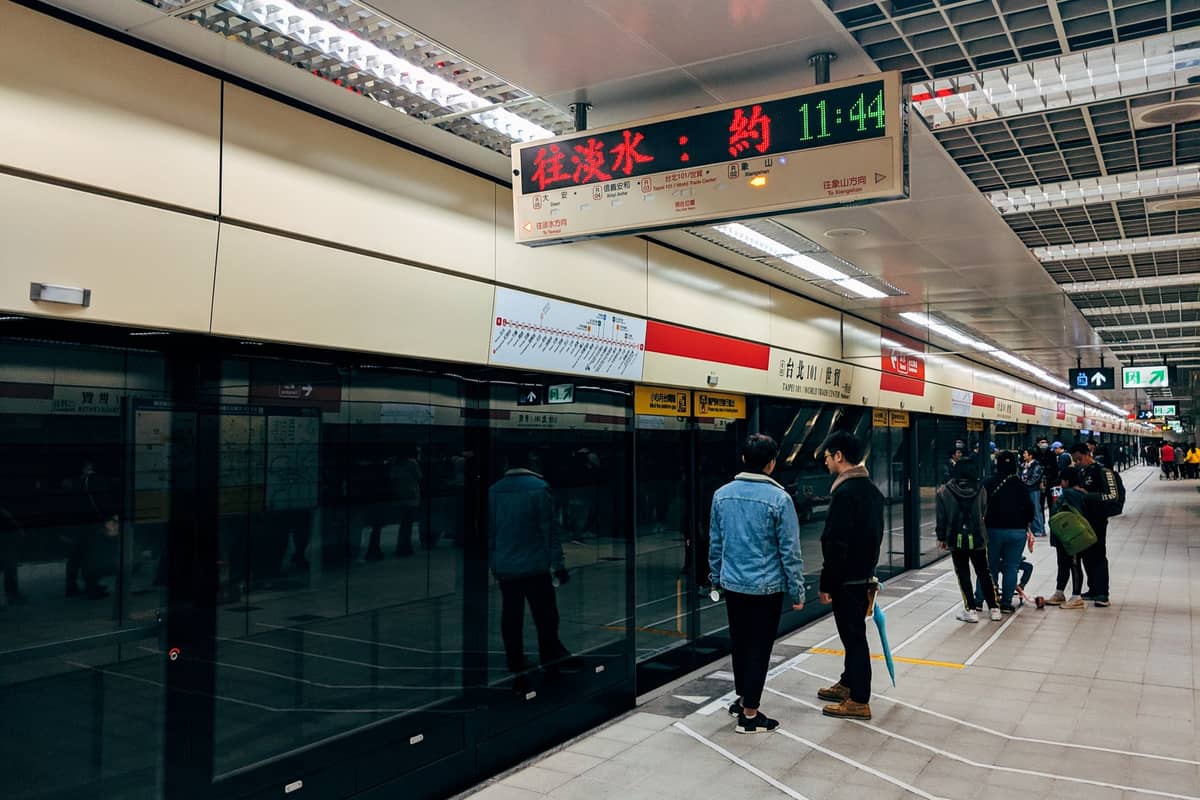
Chengdu's metro covers almost every major tourist attraction in the urban core. Single-journey fares are low, the network is clean and reliable, and station signage includes English. Didi (China's dominant ride-hailing platform) is the standard alternative to taxis. Foreign visitors may need to set up payment through a linked international card or WeChat Pay before the app works smoothly; your hotel can often help with this on arrival.
For day trips outside the city, transport options vary significantly by destination. Dujiangyan is reachable by metro to Xipu (Lines 2 or 6) plus the Chengdu–Dujiangyan intercity rail, making it an easy half-day trip from any central hotel. Leshan and Mount Emei require intercity buses or trains from Chengdu's main railway stations. For a full breakdown of what's possible, see our day trips from Chengdu guide.
FAQ
What is the best area to stay in Chengdu for first-time visitors?
Jinjiang District, specifically the area around Chunxi Road and Taikoo Li, is the most practical choice for a first visit. It sits at a major metro interchange (Lines 2 and 3), puts you within walking distance of major shopping, dining, and Daci Temple, and offers a wide range of hotel options from mid-range to luxury. It's not the cheapest area, but the time saved on transport makes it worth the premium for a short stay.
How much do Chengdu hotels cost per night?
Budget guesthouses and lower-end properties start around $30-45 per night. Mid-range domestic chain hotels typically run $45-80, while international four-star brands average $80-150. Five-star properties generally start above $150 per night. Prices are meaningfully higher during Golden Week (early October), Chinese New Year, and the Spring Festival period. April also tends to be more expensive due to domestic tourism peaks.
Which Chengdu airport should I use when choosing a hotel location?
This depends on which airport your flight uses. Chengdu Shuangliu (CTU) is the older airport, closer to the urban core, served by Metro Lines 10 and 19. Chengdu Tianfu (TFU) is the newer airport about 51 km from the centre, served by Metro Lines 18 and 19. For most visitors staying centrally, both are reachable by metro, but Tianfu adds significantly more travel time. Always check which airport appears on your booking before finalising accommodation.
Is it worth staying near the Chengdu Panda Base?
Generally not, unless you have a very early morning visit planned and are on a tight schedule. The base is in Chenghua District in the north of the city, which has fewer restaurants, bars, and things to do in the evenings than the central districts. The base is accessible by metro from central Chengdu (take Line 3 to Panda Avenue Station), which adds around 30-40 minutes from the Chunxi Road area. Staying centrally and making an early start is the more practical approach for most visitors.
Do Chengdu hotels cater to foreign visitors?
International brand hotels (Marriott, Sofitel, Hilton, IHG, and similar) consistently offer English-speaking staff, Western-style bathrooms, and familiarity with the practical needs of foreign guests, including assistance with Didi setup and local navigation. Domestic budget and mid-range chains are clean and well-priced but may have limited English at the front desk. Translation apps handle most interactions adequately. All hotels are required to register foreign guests with local authorities, which is handled automatically when you check in with your passport.