Where to Stay in Hong Kong (Neighborhood Guide for First-Time & Repeat Visitors)
The definitive guide to choosing where to stay in Hong Kong: from harbor views in Tsim Sha Tsui to local life in Sham Shui Po, and why the MTR line matters more than the view.
Tickets & tours
Live prices and dates from our booking partner. If you book, we may earn a commission at no extra cost to you.
TL;DR
- Choosing where to stay in Hong Kong isn’t about finding the “best” neighborhood. It’s about matching your priorities to the city’s layout.
- • First-time visitors: Stay in Tsim Sha Tsui for skyline views and easy transport.
- • Business travelers: Central or Admiralty for walkable access and Airport Express.
- • Shopping-focused trips: Causeway Bay.
- • Budget + street food lovers: Mong Kok or Yau Ma Tei.
- • Local, less touristy vibe: Sheung Wan or Sham Shui Po.
- One rule overrides everything: stay within 400 meters of an MTR station on a useful line. In Hong Kong, transport convenience beats views every time.
How to Think About Hong Kong's Neighborhoods
Hong Kong doesn’t sprawl. it stacks. Seven and a half million people fit into a footprint smaller than Greater London by building upward and carving neighborhoods into hillsides. That density changes how you choose where to stay. You're not picking a broad district like in Paris or New York. You're choosing proximity to a specific MTR station, sometimes even a single street.
When you're choosing where to stay, you're not picking a 'district' in the way you might in Paris or New York. You're picking proximity to an MTR line, a specific street, sometimes a single block. Wan Chai at Hennessy Road (loud, neon, siu mei shops) feels nothing like Wan Chai up on Star Street (boutique cafes, expat brunches, quiet). They're both 'Wan Chai.' But one's on the Tsuen Wan Line. The other's a 12-minute uphill walk from the station, which in August humidity feels like a life sentence.
✨ Pro tip
Pull up the MTR map before you book anything. Not the hotel's marketing copy about 'close to transport.' The actual MTR map. Count the stops between your hotel station and the places you'll go most (Central, Tsim Sha Tsui, Causeway Bay, airport). If it's more than four stops or requires a transfer, think hard about whether that location really works.
Tsim Sha Tsui: The Default Choice (For Good Reason)
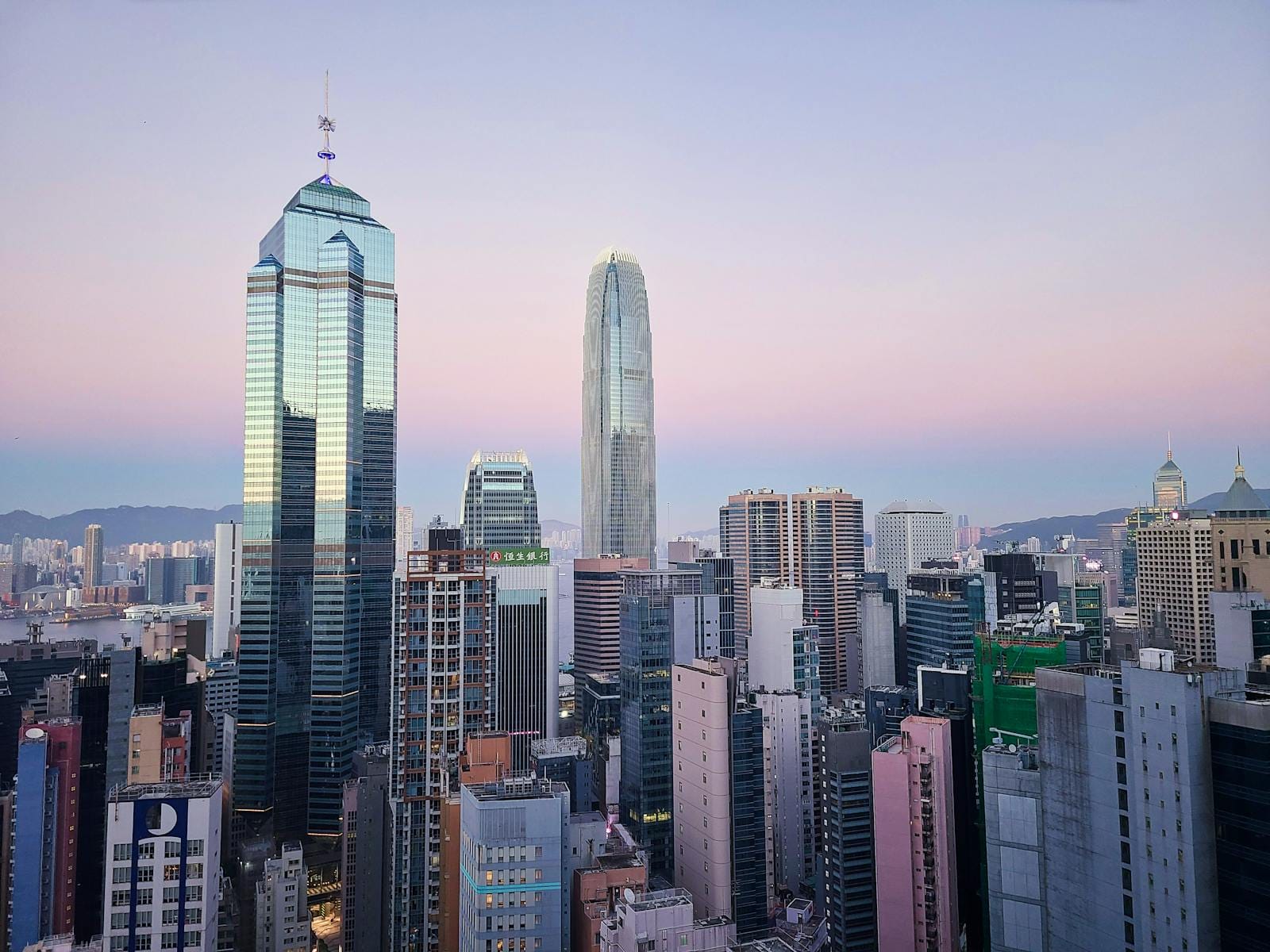
Tsim Sha Tsui is where 70% of first-time visitors stay, and honestly? It's hard to argue against it. You wake up on the Kowloon side of Victoria Harbour, which means when you step out of your hotel, the Hong Kong Island skyline hits you full-on: the Bank of China tower, IFC, Victoria Peak rising behind the glass and steel. It's the postcard. But it's also functional. TST is extremely well connected, with fast MTR access to both Hong Kong Island and the New Territories, plus walking distance to the Star Ferry, and the Airport Express Kowloon station is few minutes away.
The southern end of TST: closer to the waterfront, near the Cultural Centre and Avenue of Stars: is where the big international chains cluster: InterContinental, Peninsula, Rosewood. North of Salisbury Road, the blocks between Nathan Road and Austin Road hold everything else: capsule hotels above 7-Elevens, guesthouses in old walk-ups, mid-tier chains with breakfast buffets. If you're booking here, narrow your search to the area between Haiphong Road and Mody Road. That's the sweet spot: walkable to the waterfront, close to Tsim Sha Tsui or Tsim Sha Tsui East MTR, and surrounded by Indian restaurants, Cantonese dai pai dongs, and the kind of bubble tea shops that stay open past midnight.
💡 Local tip
If you're staying in TST, ignore the harbor view rooms unless you're paying the same rate anyway. The view's spectacular, but you'll spend 10% of your waking hours in the room. Better to save HK$400-800/night and walk five minutes to the actual promenade where the view's bigger and you can move around.
What TST doesn't offer: quiet. Nathan Road is loud until 1am. Construction starts at 7am. If you're a light sleeper, request a room facing away from the main roads, or book in Jordan instead, it’s just one stop north and noticeably calmer at night.
Central & Admiralty: Suits, Skywalks, and Expense Accounts
If TST is the practical default, Central is the polished power option. Central is Hong Kong's business core, and staying here makes sense if your schedule revolves around meetings, banking, or hitting high-end restaurants without needing to commute. The entire district is threaded with elevated walkways: covered, air-conditioned pedestrian bridges linking office towers, malls, and hotel lobbies. You can walk from the Four Seasons to the IFC Mall to the Hong Kong Station Airport Express without ever touching street level. In July when it's 33°C and 85% humidity, that matters.
Hotels here skew expensive. Four Seasons, Mandarin Oriental, The Landmark. But room size often disappoints: a 'deluxe' room in Central might be 28 square meters, which is tight if you're here for more than three nights and actually need to unpack. Admiralty, immediately east along Queensway, offers similar access (Admiralty MTR serves three lines) with slightly better room dimensions. The Upper House, Island Shangri-La, and JW Marriott all sit here, perched on the slope where Central bleeds into Wan Chai, with harbor views over Tamar Park and the harbor beyond.
Stay in Central/Admiralty if: you have work in the district, you value direct Airport Express access (Hong Kong Station is under IFC), or you want to be within 15 minutes of everything on Hong Kong Island. Skip it if you're here to explore neighborhoods: Central's sterile after 8pm, and the street-level food culture that defines Hong Kong exists elsewhere.
⚠️ What to skip
Major public events, marathons, and festivals occasionally cause temporary road closures in Central and Admiralty. If you're visiting during Lunar New Year, National Day, or major trade shows, check Google Maps or local news for traffic updates: but disruptions are usually short-lived.
Causeway Bay: Shopping, Crowds, and Surprising Convenience
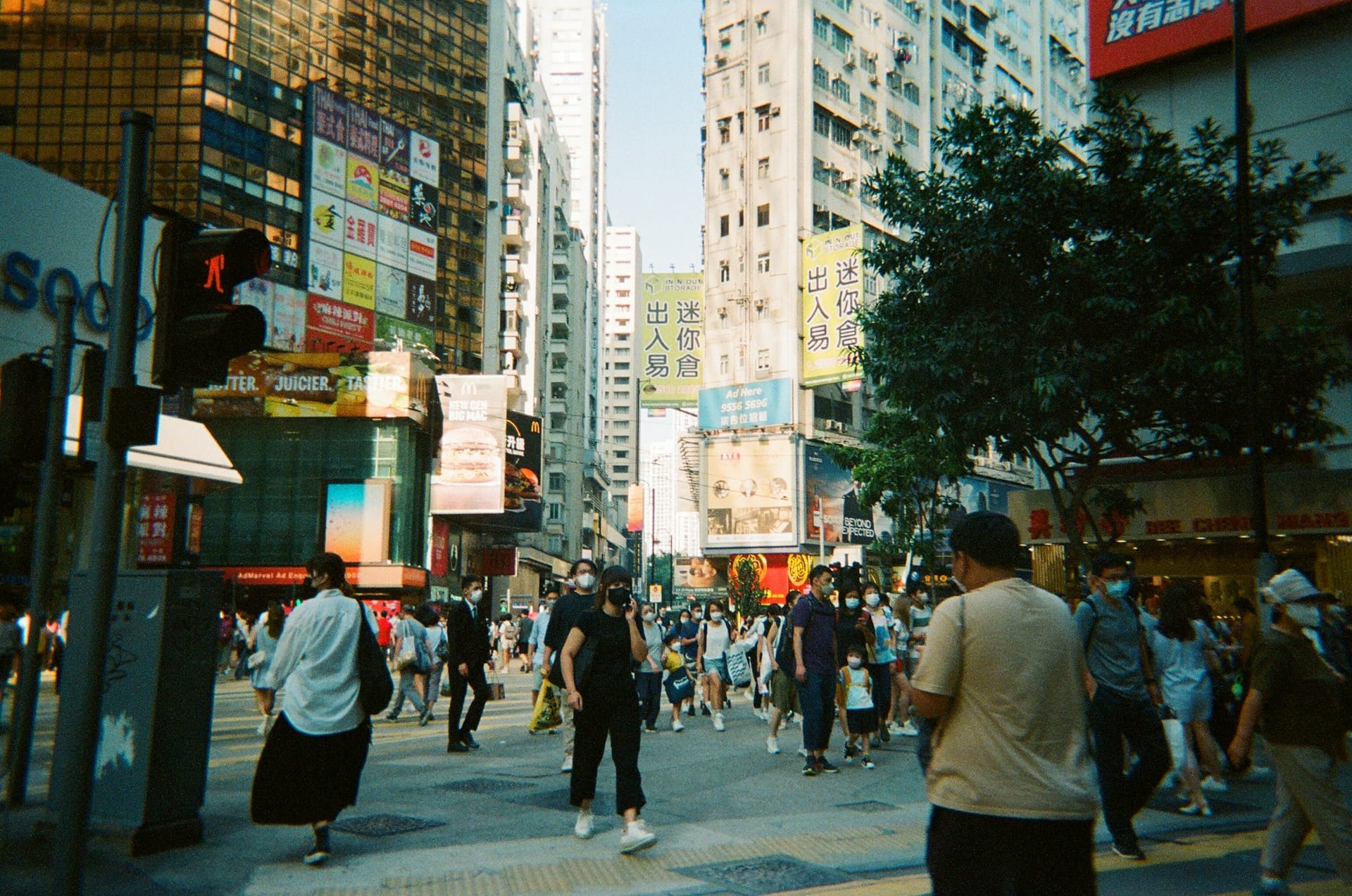
If Central feels corporate and TST feels touristic, Causeway Bay is pure commercial energy. Causeway Bay (Tung Lo Wan in Cantonese) is where Hong Kong goes to shop. Not tourists. Locals. Which means it's functional, loud, and relentlessly commercial. Times Square mall, Hysan Place, Sogo department store, and a hundred smaller fashion chains pack the blocks between Yee Wo Street and Lockhart Road. If you're here for retail therapy or traveling with teenagers who need access to H&M, Uniqlo, and sneaker drops, Causeway Bay delivers. The area also holds Victoria Park: Hong Kong's largest urban green space: and sits on the Island Line with direct connections to Central (4 stops west) and Quarry Bay (3 stops east).
But here's the thing about Causeway Bay: it's one of the most densely populated neighborhoods on Earth. Sidewalks are narrow. Pedestrian crossings back up at lights. If you're claustrophobic or easily overwhelmed by crowds, this is not your neighborhood. On weekends, the main shopping corridors (especially Russell Street and Percival Street) feel like a human traffic jam. On weekdays, it's marginally better, but only marginally.
Hotels cluster around three zones: north of Yee Wo Street (close to Victoria Park, quieter), south on Leighton Road (near Happy Valley racecourse, slightly cheaper), and right in the center on Jaffe Road or Lockhart Road (maximum convenience, maximum noise). Mid-tier chains dominate: Dorsett, Rosedale, Park Lane. Room sizes are Hong Kong-standard small, but locations are prime if your itinerary centers on Hong Kong Island. If you're staying here, eat breakfast at Tsui Wah on Lockhart Road (open 24 hours, HK$40 for milk tea and a pork chop bun), and avoid lunch anywhere near Times Square during weekday office hours unless you enjoy queuing.
✨ Pro tip
Causeway Bay has three MTR exits that spit you out in completely different spots. Exit E takes you toward Victoria Park and the quieter north side. Exit D/D2 dumps you straight into the shopping chaos. If your hotel's near the park, double-check which exit is closest or you'll waste 10 minutes navigating underground.
Mong Kok & Yau Ma Tei: Real Hong Kong, Real Cheap, Really Crowded
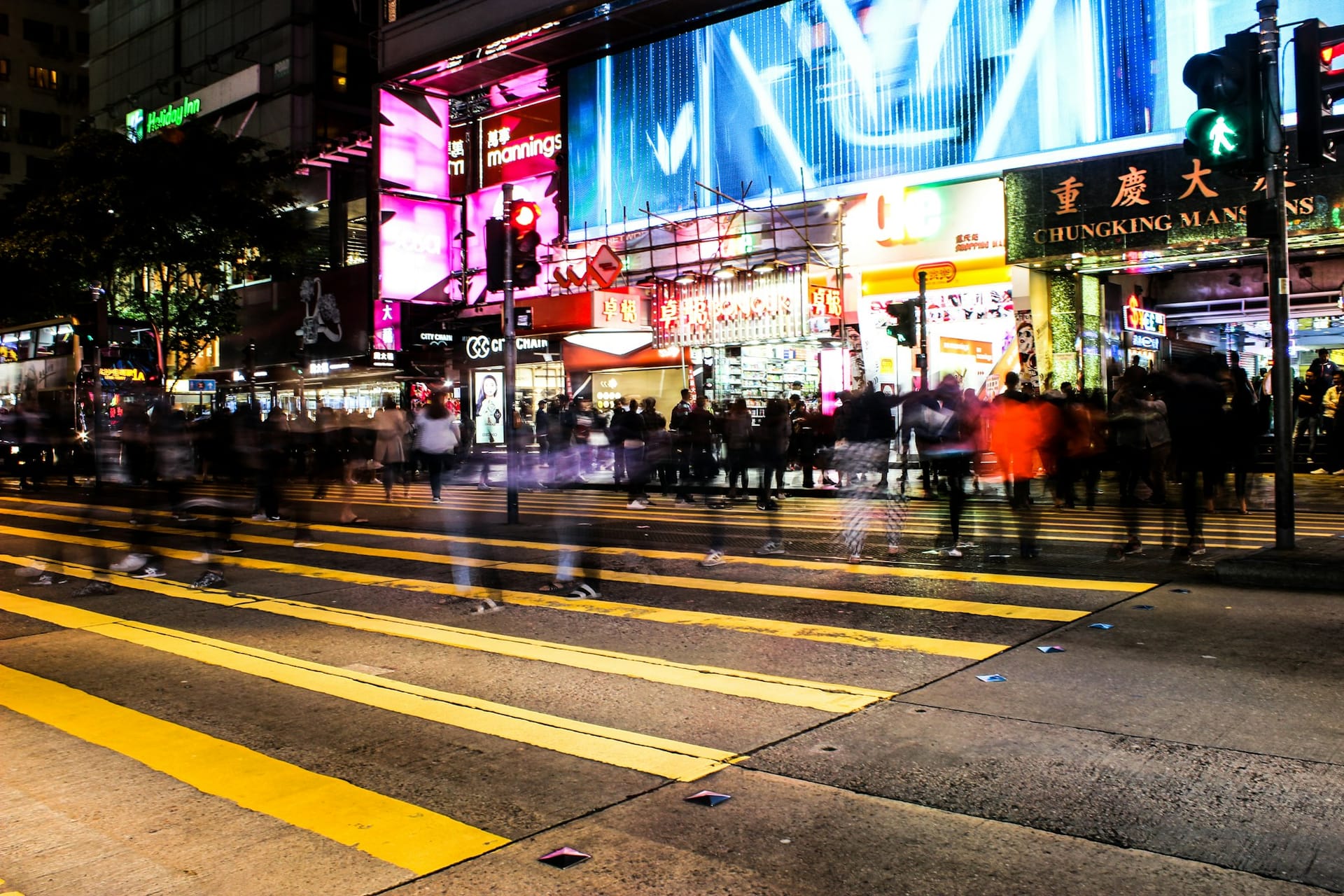
For a completely different version of Hong Kong, cross the harbor and go north. Mong Kok holds the world record for highest population density: 340,000 people per square mile at peak. You feel it. The streets are narrow. The buildings lean in. The sidewalks double as market stalls, restaurant seating, and storage for wholesale shops. It's chaotic. It's also where you find the most affordable accommodation in urban Hong Kong, the best street food, and zero pretense. Nobody's here for the tourists. People live here, work here, eat here. If you want to understand how Hong Kong functions when it's not performing for visitors, stay in Mong Kok. At night, the fluorescent lights on Sai Yeung Choi Street reflect off the wet pavement after shopkeepers hose down the sidewalks. That’s when Mong Kok feels most alive.
Hotels and guesthouses line Nathan Road (the main north-south artery through Kowloon) and the side streets around Sai Yeung Choi Street and Fa Yuen Street. Expect small. A 'double room' might be 12-15 square meters. Some rooms don't have windows. But you're paying HK$350-600/night for a private room with AC, WiFi, and an ensuite bathroom, and you're two minutes from Mong Kok or Prince Edward MTR. For budget travelers, that's unbeatable. For anyone who values space, natural light, or quiet, this is your nightmare.
Yau Ma Tei, immediately south, is Mong Kok's slightly calmer sibling. Still dense, still local, but the streets widen a bit and the guesthouse quality ticks up. Temple Street Night Market runs through the heart of Yau Ma Tei, which means if you stay here, you're a three-minute walk from outdoor seafood stalls, fortune tellers, and the kind of neon-lit street chaos that defines Kowloon after dark. Jordan MTR and Yau Ma Tei MTR both serve the area, both on the Tsuen Wan Line, which is the most useful line in Kowloon for getting to Tsim Sha Tsui, Central, or up to Tsuen Wan and the New Territories.
⚠️ What to skip
Some older buildings in Mong Kok and Yau Ma Tei have 'mansion' guesthouses: budget rooms spread across multiple floors of aging walk-ups. They're cheap. But elevators are rare, stairs are steep, and fire safety standards are... inconsistent. If you book one, read reviews carefully and confirm your exact floor before arriving with luggage.
- Best for: Budget travelers, food obsessives, anyone who wants to experience local Hong Kong without the expat filter
- Not for: Luxury seekers, light sleepers, people who need personal space or large rooms
- Nearby eats: Mido Cafe (Yau Ma Tei, retro cha chaan teng), Kwan Kee Claypot Rice (Temple Street), Australian Dairy Company (Jordan, fastest breakfast in Hong Kong)
Sheung Wan & Sai Ying Pun: Where Expats Go to Feel Local
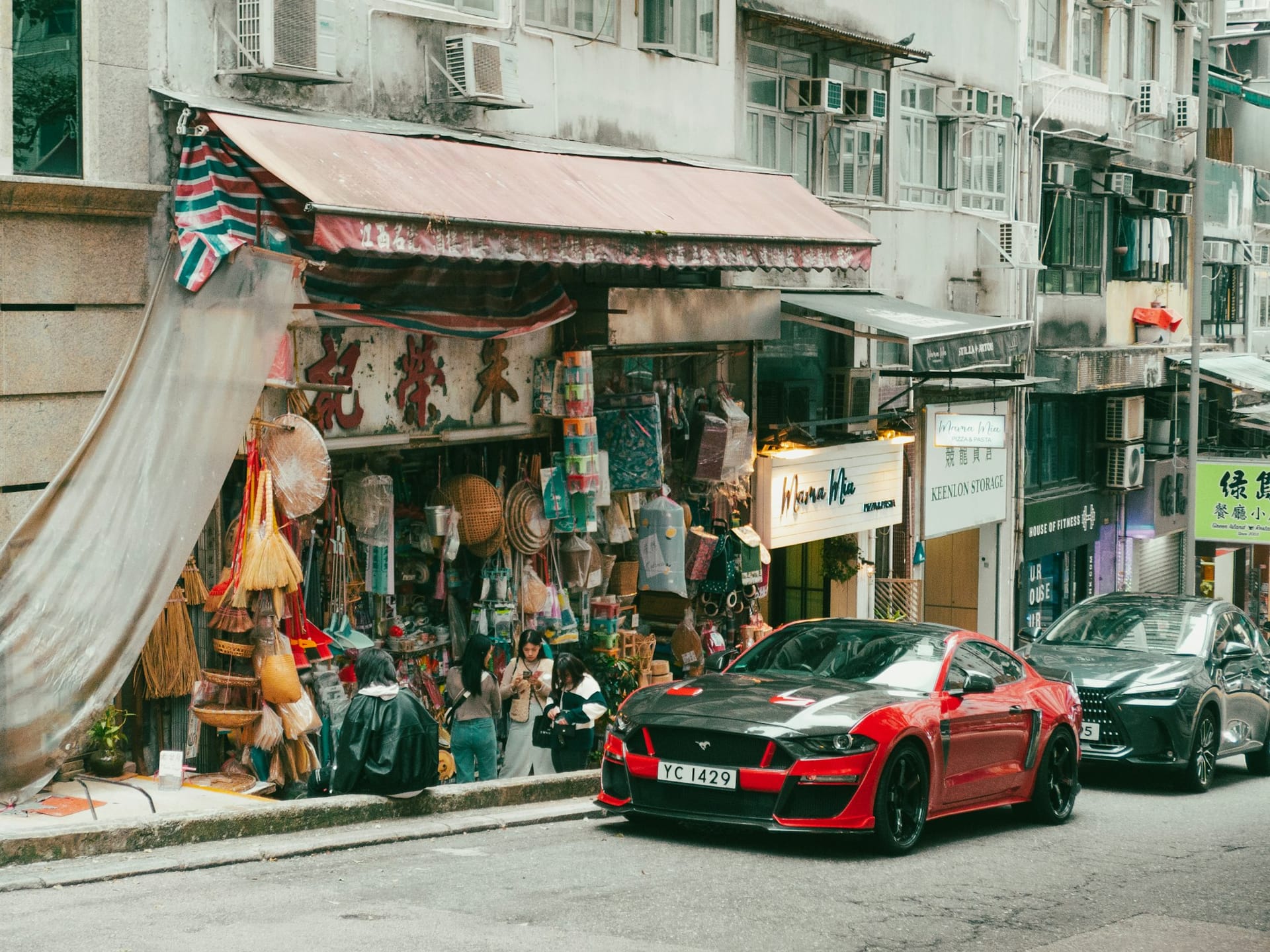
Back on the island, west of Central, the mood shifts again. Sheung Wan sits on the western end of Central, where the business district frays into antique shops, dried seafood wholesalers, and third-wave coffee bars. It's gentrified, but not sterile. Walk south from Sheung Wan MTR (Exit A2) down towards the waterfront and you'll hit Man Mo Temple, Hollywood Road's art galleries, and Tai Ping Shan Street's incense shops and funeral supply stores. Walk west along Des Voeux Road and the neighborhood shifts: herbalist stores selling deer antler and dried seahorse, wet markets with live fish thrashing in plastic tubs, then suddenly a Scandinavian bakery and a wine bar with exposed brick.
Hotels here are boutique-scale, often converted from old tenement blocks or colonial shophouses. The Jervois, Madera Hollywood, Dash Living. Expect design-forward interiors, small but well-considered rooms (20-25 square meters), and a much quieter street vibe than Central or Causeway Bay. Sheung Wan MTR is on the Island Line, which means direct shots to Central (1 stop), Admiralty (2 stops), Causeway Bay (6 stops). The Central-Mid-Levels Escalator: the world's longest outdoor covered escalator system, runs uphill from Sheung Wan into Soho and the Mid-Levels, so if you're okay with slopes, you can walk to most of Central without using the MTR at all.
Further west, Sai Ying Pun (HKU and Sai Ying Pun MTR) is cheaper and more residential. The street life skews Cantonese: dai pai dongs, mahjong parlors, seniors practicing tai chi in Belcher's Street Park at 6am. Hotels are rare here: mostly serviced apartments and short-term rentals. If you book here, you're sacrificing proximity to tourist sites for a genuine neighborhood feel. It works if you're staying longer than a week and want to cook occasionally, or if you're visiting friends who live in the Mid-Levels and want to avoid the Central hotel markup.
✨ Pro tip
Sheung Wan's Sunday mornings are peak Filipino domestic worker day-off. Hundreds gather in public spaces (Chater Garden, parks, under overpasses) to socialize, eat, and send remittances. It's not a tourist thing. It's just Sunday. If you're walking around Sheung Wan or Central on Sunday and see large groups of women sitting on cardboard, that's why. It's a normal part of Hong Kong's rhythm.
Sham Shui Po: For Travelers Who Actually Want to See How People Live
And then there’s Sham Shui Po: the anti-postcard choice. Sham Shui Po is not on the tourist map. There's no harbor view. No shopping malls. No Michelin-starred dim sum. But if you want to see Hong Kong without the expat gloss: the Hong Kong where a family of four shares a 200-square-foot subdivided flat, where street vendors sell pig organ soup at 7am, where the Apliu Street flea market sells salvaged circuit boards next to knockoff Nikes: this is it. It's the city's oldest working-class neighborhood, and it's been resisting gentrification for 30 years through sheer density and economic pragmatism.
Accommodation options are limited: a handful of guesthouses above shops on Kweilin Street, some aging budget hotels near Sham Shui Po MTR (Tsuen Wan Line). Rooms are small. Amenities are basic. But you'll pay HK$300-450/night, and you'll wake up to the smell of fried dough sticks from the stall downstairs. Breakfast is HK$25 congee at Cheung Hing Kee on Fuk Wing Street. Lunch is roast goose at Yat Lok (HK$65 for a full plate). Dinner's at one of the cooked food centers on Pei Ho Street, where HK$80 gets you three dishes and rice.
This neighborhood isn't for everyone. Sham Shui Po's rough around the edges. The buildings are old. The streets are narrow and poorly lit at night. If you're traveling solo and unsure about navigating unfamiliar neighborhoods, stick to TST or Mong Kok. But if you're a repeat visitor, if you've done the Peak Tram and the Star Ferry and you want something different, Sham Shui Po delivers. And you're still just minutes away from Tsim Sha Tsui if you need the skyline or harbor. You're not cut off. You're just choosing a different lens.
💡 Local tip
Tim Ho Wan's original location (the one that earned the Michelin star) is on Fuk Wing Street in Sham Shui Po. It's still there. Still cheap. Still crowded at 10am. If you're staying in the neighborhood, skip the line and go at 2pm instead. Same buns, zero wait.
Wan Chai & Causeway Bay Borderlands: The In-Between Zone
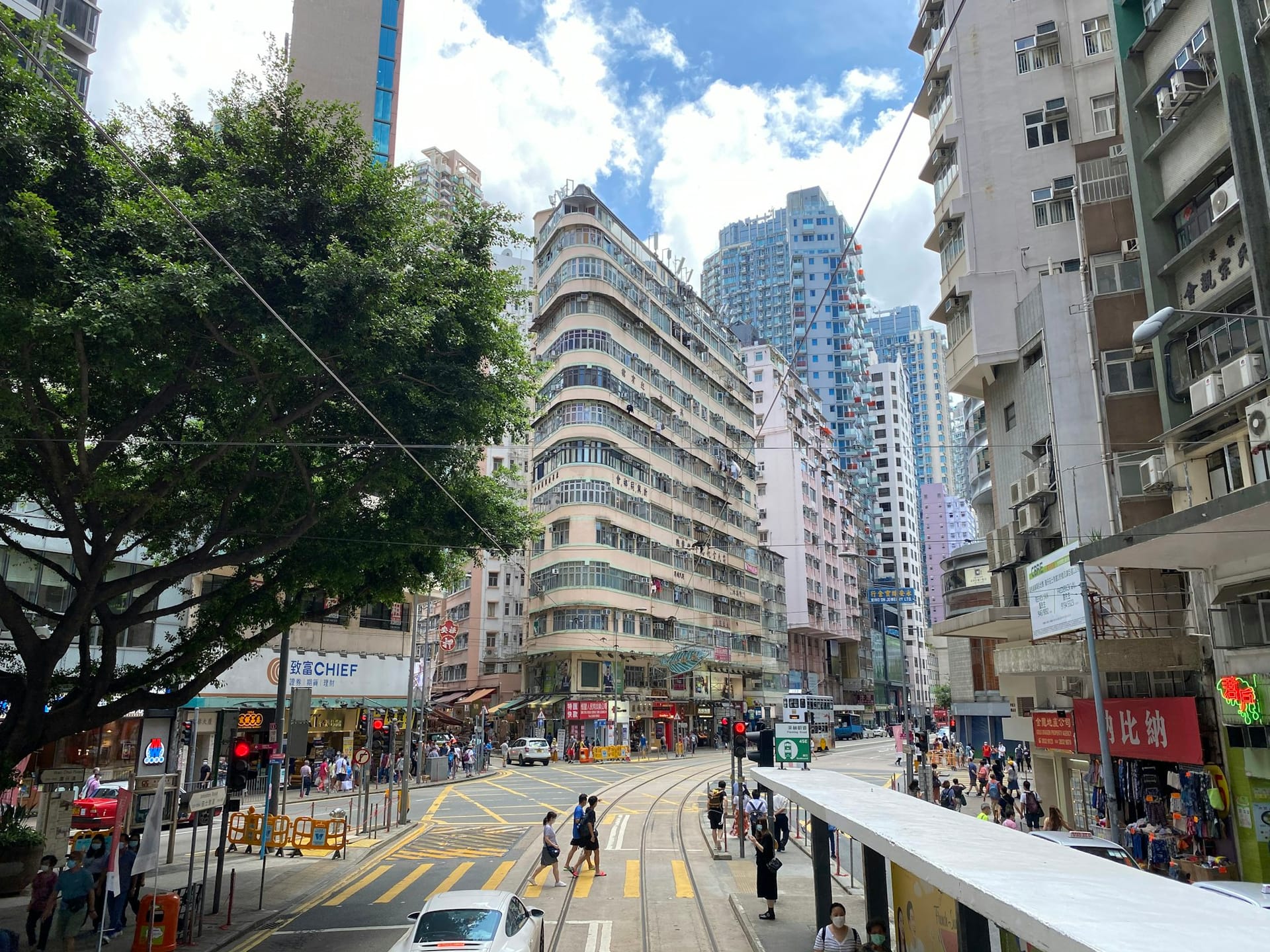
Wan Chai technically runs from Admiralty's eastern edge to Causeway Bay's western edge, but in practice, 'Wan Chai' means the blocks between Wan Chai MTR and the Hong Kong Convention Centre. It's a weird, layered neighborhood. The waterfront is corporate: Grand Hyatt, Renaissance, convention halls. Hennessy Road and Lockhart Road (parallel, one block apart) are neon and grit: massage parlors, karaoke bars, siu mei shops, Filipino bars, wet markets. Up the hill on Star Street and Moon Street, it's boutique hotels, brunch cafes, and design studios in converted walk-ups.
If you stay in Wan Chai, specify which Wan Chai. Waterfront Wan Chai (near the Convention Centre) is quiet, expensive, and close to Admiralty for business access. Street-level Wan Chai (Hennessy Road, Lockhart Road) is loud, functional, and surrounded by food. Star Street Wan Chai is expat-coded, aesthetically pleasant, but you're walking 10+ minutes uphill from the nearest station. And in Hong Kong humidity, that adds up quickly.
Hotels here split between big chains (Novotel, Kew Green, Empire) on Hennessy Road and smaller boutique spots on Star Street or Ship Street. Room sizes are standard Hong Kong-small. The advantage of Wan Chai is positioning: you're between Central (2 MTR stops west) and Causeway Bay (1 stop east), and if you're willing to walk, you can reach both without going underground. Wan Chai also has some of the best street food and cooked food centers on Hong Kong Island: Bowrington Road Market, Cross Street Market: so if you're a food traveler, this neighborhood rewards exploration more than Central or Admiralty ever will.
- Best Wan Chai breakfast: Sister Wah on Electric Road (beef brisket noodles, HK$45)
- Best late-night bite: Kam's Roast Goose on Hennessy Road (Michelin-rated, open until 9:30pm)
- Best cooked food center: Bowrington Road Market, 2nd floor, stall #35 (cart noodles with 8 toppings, HK$38)
Why You Should (Almost) Never Stay Near the Airport
Hong Kong International Airport sits on reclaimed land at the north edge of Lantau Island, about 35km west of Central. A handful of hotels cluster near the airport (Regal, Novotel Citygate) and they market themselves as 'convenient' for early flights or layovers. If you have a 6am departure or a 12-hour connection, fine. Book one. Otherwise? Don't.
Here's why: The Airport Express reaches Central in about 24 minutes, and regular trains take only slightly longer. Even if you stay in Central or Tsim Sha Tsui, you're never more than 40 minutes from the airport. The difference between staying at the airport and staying in the city is not 'convenience.' It's isolation. There's nothing around the airport except the Citygate Outlets mall (fine, but not worth centering your trip around) and cable car access to Ngong Ping and the Big Buddha. If those are your only plans, stay near the airport. If you want to experience Hong Kong: the food, the streets, the harbor, the neighborhoods, stay in the city. You'll save time overall, and you won't waste entire days commuting.
⚠️ What to skip
Some travelers book Tung Chung (the town next to the airport) thinking it's a budget alternative to Central or TST. It's cheap, yes. But Tung Chung is a residential satellite town built for airport workers. There's a mall, some chain restaurants, and not much else. Unless you're visiting Disneyland daily (it's nearby), you'll spend 50+ minutes round-trip on the MTR every time you want to see anything. Not worth it.
The One Rule That Matters Most: MTR Access
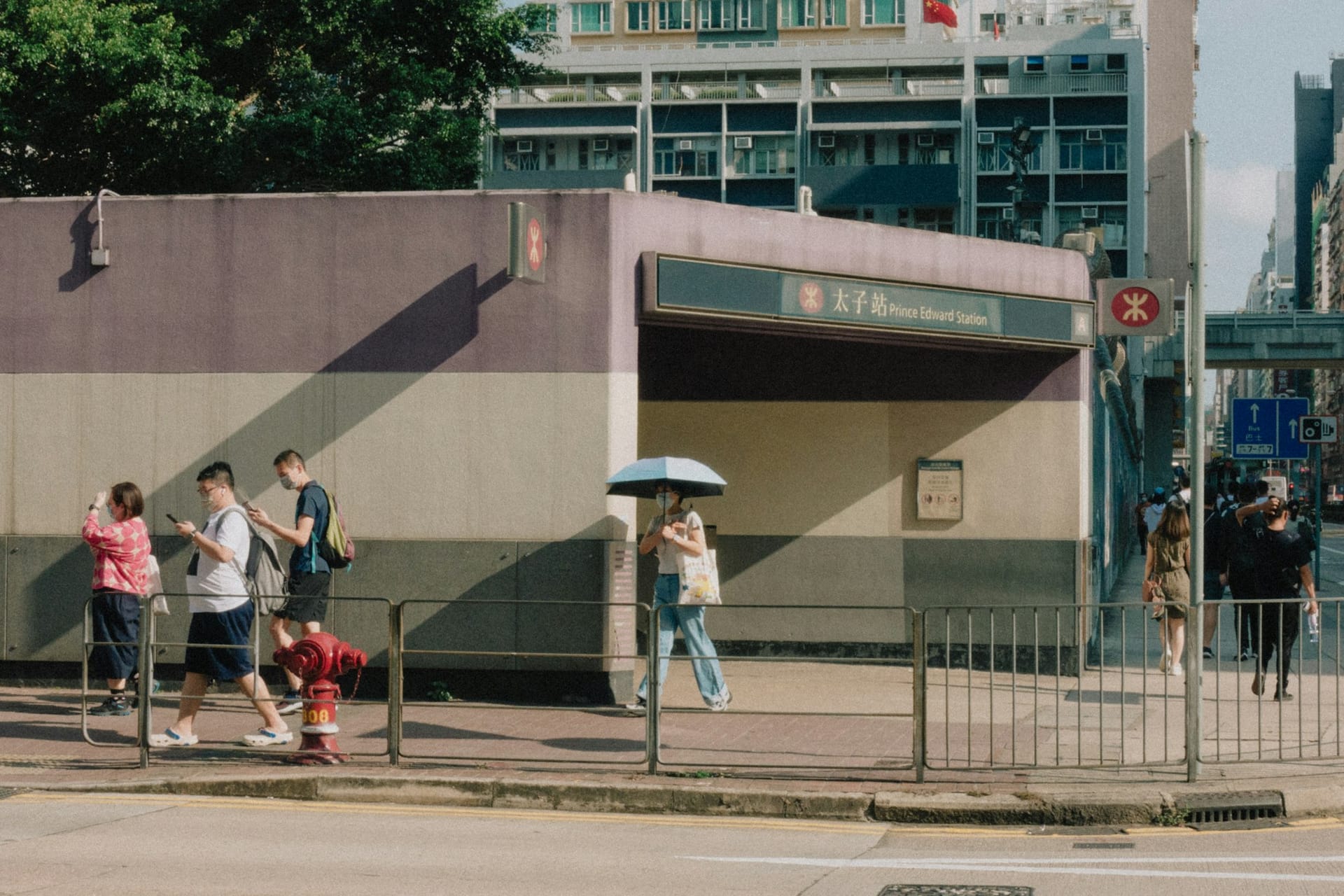
Hong Kong's MTR isn't just good. It's the reason the city works. It's fast, frequent, air-conditioned, and covers nearly every major district. Trains run every 2-4 minutes during peak hours, 4-8 minutes off-peak. A journey from Tsim Sha Tsui to Causeway Bay (9 stops, transfer at Admiralty) takes 18 minutes and costs HK$11.50. The same trip by taxi costs HK$90-120 and takes 25-40 minutes depending on traffic.
When you're choosing where to stay, proximity to an MTR station should be your first filter. Not 'close to the station.' Within 400 meters, max. Hong Kong is hilly. August highs hit 33°C with 80%+ humidity. A 10-minute walk from your hotel to the MTR in those conditions feels like 30 minutes. And if your hotel sits uphill, that short walk feels much longer.
Not all MTR lines are equal. The most useful lines for visitors are:
- Tsuen Wan Line (red): Connects Mong Kok, Yau Ma Tei, Jordan, Tsim Sha Tsui, Admiralty, and Central. Most practical Kowloon–Island connector.
- Island Line (blue): Runs along the north shore of Hong Kong Island (Sheung Wan → Central → Wan Chai → Causeway Bay → Quarry Bay). Essential if staying on the island.
- Tung Chung Line (orange): Fast connection between Central, Kowloon, and Lantau (Tung Chung for airport transfers and Ngong Ping cable car).
- East Rail Line (light blue): Connects Kowloon and the New Territories, and also reaches Admiralty. Useful if exploring beyond the urban core.
If your hotel is near a station on any of these lines, you're golden. If it requires a bus connection, a long walk, or a transfer through a station that's under construction, think twice. Hong Kong rewards efficient positioning. The easier it is to move, the more you'll see.
✨ Pro tip
Download the MTR Mobile app before you arrive. It has real-time service updates, route planning, and fare estimates. The app's 'Next Train' feature shows you exactly how long until the next train on your line, which is useful when you're deciding whether to sprint or wait for the next one.
What to Actually Look For When Booking
Hong Kong hotel listings are optimized for keywords, not clarity. 'Centrally located' can mean anything from Admiralty to Mong Kok. 'Harbor view' might be a sliver of water visible if you press your face against the window at a 45-degree angle. Here's what to actually check before booking:
- Exact MTR station and walking distance: Not 'close to MTR.' Which station? Which exit? How many meters? If the listing doesn't specify, Google Map the address. If it's >500m from a station, reconsider.
- Room size in square meters: Hong Kong rooms are small. Under 20 sqm is tight for two people. Under 15 sqm feels like a closet if you're there more than three nights. Luxury hotels will sell you 25-30 sqm rooms as 'spacious,' which tells you everything about local standards.
- Window or no window: Some budget rooms are internal: no external window, only ventilation. If you're claustrophobic or need natural light, confirm the room has a real window.
- Elevator access: Older buildings (especially in Mong Kok, Yau Ma Tei, Sheung Wan) sometimes lack elevators or have tiny, slow lifts. If you have heavy luggage or mobility issues, confirm elevator access before booking.
- Noise: Read recent reviews for mentions of street noise, construction, or air-con noise. Hong Kong is loud. If your room faces Nathan Road, Hennessy Road, or any major artery, expect traffic noise until 1-2am.
Also: check the refund policy. Hong Kong's weather can be unpredictable. Typhoons occasionally shut down the city. If a T8 signal goes up (happens 1-3 times per year, usually July-September), the MTR keeps running but most businesses close. Hotels generally won't refund you, but flexible booking gives you the option to reschedule if your trip overlaps with a major storm.
Luxury vs. Budget: What You're Actually Paying For
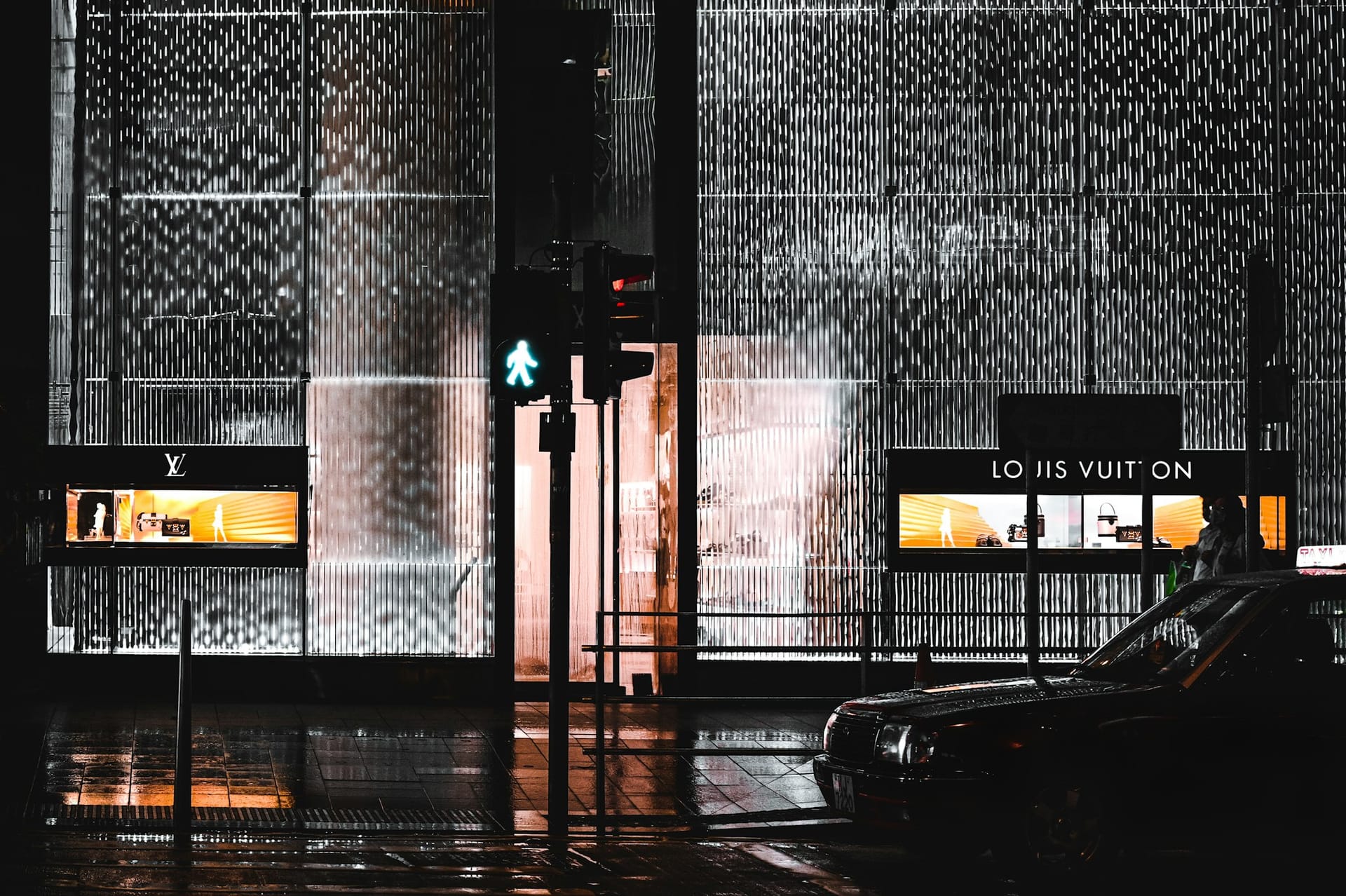
Hong Kong has luxury hotels that compete with anywhere in the world. The Peninsula's lobby. The Ritz-Carlton's 118th-floor bar. The Upper House's vertical garden. But here's the reality: you're paying for service, brand, and location: not space. A HK$4,000/night suite at The Peninsula might be 50 square meters. A HK$450/night guesthouse in Mong Kok might be 14 square meters. You're getting 3.5x the space for 9x the price.
The luxury premium in Hong Kong buys you:
- Harbor or skyline views (genuinely spectacular if you book the right room)
- Concierge service that can get you same-day reservations at impossible restaurants
- In-hotel dining that's legitimately excellent (Lung King Heen at Four Seasons, Amber at The Landmark)
- Lobby spaces where you can sit, work, or meet people without feeling like you're loitering
- Gyms, pools, spas: amenities that don't exist in budget properties
- Rooms larger than 30 sqm (which is genuinely rare in Hong Kong)
The budget option saves you HK$2,000-3,500/night, which in Hong Kong terms is 10-15 excellent meals, a week of MTR travel, or a day trip to Macau. If you're spending most of your time outside the hotel, the budget choice makes sense. If you're here for work, celebrating something, or you value having a comfortable retreat at the end of long days, the luxury option justifies itself.
The mid-tier options (HK$800-1,500/night): chains like Dorsett, Cordis, Hyatt Regency, Novotel: split the difference. You get reasonable room sizes (22-28 sqm), reliable service, and locations near MTR stations. You don't get views, design, or memorable experiences. But if you need a clean, functional base and don't care about Instagram-worthy interiors, they're solid.
💡 Local tip
If you're booking luxury and care about the view, specify 'harbor view' or 'peak view' when reserving. Hotels will default to 'city view' (which often means a view of the neighboring building's air-con units) unless you pay extra or request otherwise. Sometimes the view upgrade costs HK$300-500/night. Sometimes it's HK$2,000+. Check at booking.
Alternatives to Hotels: Serviced Apartments & Airbnb
If you're staying more than a week, serviced apartments make sense. They're common in Hong Kong: brands like Dash Living, The Mira, Shama, and Lanson Place offer furnished studios and one-bedrooms with kitchenettes, weekly housekeeping, and flexible check-in. Costs typically run HK$600-1,200/night for a studio (25-35 sqm), which is competitive with mid-tier hotels but gives you more space and the option to cook occasionally.
Airbnb exists in Hong Kong, but short-term rentals under 28 days are technically illegal unless the property is licensed. Enforcement is inconsistent. Some hosts operate openly. Others list units that don't actually exist and try to move you to a different property after booking. If you book an Airbnb, confirm the exact address before paying, check reviews for mentions of bait-and-switch, and have a backup plan in case the listing gets canceled last-minute.
The advantage of Airbnb in Hong Kong is access to residential neighborhoods (Mid-Levels, Pok Fu Lam, Sai Wan Ho) where hotels barely exist. If you want to experience Hong Kong as a resident: morning markets, neighborhood cafes, local gyms: this is the way. The downside is inconsistent standards, potential legal ambiguity, and lack of daily housekeeping. If you're staying less than a week, hotels or serviced apartments are simpler.
Where to Stay Based on Your Actual Priorities
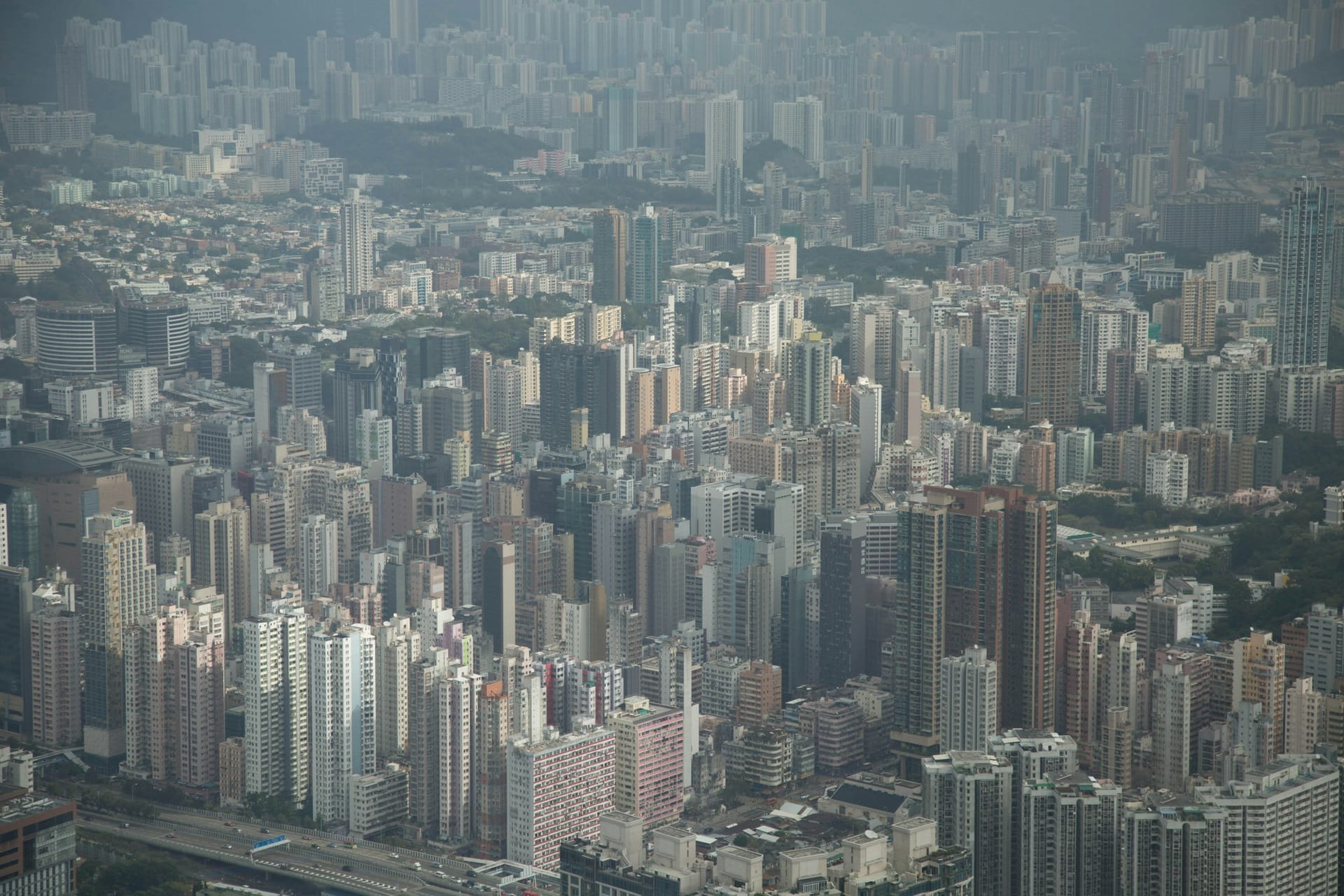
If you just want the quick answer:
- First time in Hong Kong → Stay in Tsim Sha Tsui (south of Mody Road, near Tsim Sha Tsui MTR): Iconic skyline views, easy ferry access, direct connections everywhere.
- Business trip, meetings in Central → Stay in Central or Admiralty: Walkable offices, Airport Express access, high-end restaurants.
- Budget under HK$600/night → Stay in Mong Kok or Yau Ma Tei, close to a major station: Small rooms, unbeatable food access, maximum value.
- Shopping-focused trip → Stay in Causeway Bay near Times Square or Hysan Place: Dense retail, energetic streets, park access nearby.
- Food-first traveler → Stay in Sham Shui Po (adventurous) or Wan Chai near Bowrington Road Market (safer bet): Local Cantonese food, cooked food centers, fewer tourist menus.
- Repeat visitor who wants something different → Stay in Sheung Wan (Star Street area) or Sai Ying Pun: More residential feel, boutique hotels, less tour-bus energy.
- Traveling with kids → Stay near Victoria Park (Causeway Bay) or book a serviced apartment in Wan Chai or Quarry Bay for extra space.
- Here mainly for hiking and nature → Quarry Bay for east-side trail access, or Tung Chung for Lantau trails, knowing you'll trade urban energy for proximity to nature.
✨ Pro tip
If your trip includes both city sightseeing and a Lantau Island day trip (Big Buddha, Tai O), don't stay in Tung Chung just to be 'close' to Lantau. Stay in Kowloon or Central, take the Ngong Ping cable car or bus for your Lantau day, then you're back in the city for everything else. Splitting your stay between two locations in Hong Kong only makes sense if you're here 10+ days.
Hong Kong rewards smart positioning. Choose the right neighborhood, stay near good transport, and the city opens up effortlessly.
Once you've sorted your accommodation, figure out what to actually do in the city. If you haven't yet, check out our guide on the best things to do in Hong Kong to plan your days. And if you're wondering whether the timing's right, our best time to visit Hong Kong guide breaks down weather, crowds, and seasonal trade-offs.
FAQ
Is it better to stay on Hong Kong Island or Kowloon?
There’s no universally “better” side, only better for your priorities. Hong Kong Island (Central, Sheung Wan, Wan Chai, Causeway Bay) offers business access, upscale dining, and proximity to southern island attractions. Kowloon (Tsim Sha Tsui, Mong Kok, Yau Ma Tei) delivers the best skyline views facing Hong Kong Island, more budget-friendly accommodation, and denser street-level food culture. For most first-time visitors, Tsim Sha Tsui strikes the best balance of views, access, and value.
How important is it to stay near an MTR station in Hong Kong?
Extremely important. Hong Kong’s MTR is fast, reliable, air-conditioned, and cheaper than taxis. Staying within walking distance of a useful station will save you hours over the course of a trip and make spontaneous exploration effortless. A hotel that’s “15 minutes from the station” can add 30+ minutes of friction to your day. In summer humidity, that matters more than saving a small amount per night.
What's a realistic budget for accommodation in Hong Kong?
Budget (HK$350–600/night): Guesthouses or capsule hotels in Mong Kok, Yau Ma Tei, or Sham Shui Po. Expect compact rooms (12–18 sqm) but strong value. Mid-range (HK$800–1,500/night): Reliable chain hotels (Hyatt Regency, Novotel, Cordis) with 22–28 sqm rooms in TST, Wan Chai, or Causeway Bay. Luxury (HK$2,500–5,000+/night): Properties like The Peninsula, Four Seasons, or Ritz-Carlton with larger rooms, skyline views, and full-service amenities. Hong Kong is expensive compared to Southeast Asia, but mid-tier options near good transport exist if you prioritize location over space.
Are Hong Kong hotels really that small?
Yes. Hong Kong has some of the world's highest real estate costs, which translates to small hotel rooms across all price points. A 'standard' room in a 3-star hotel might be 15-20 sqm. A 'deluxe' room in a 4-star property might be 25-28 sqm. Even luxury hotels rarely offer rooms over 40 sqm unless you're booking suites. For context, 20 sqm is roughly 215 square feet: about the size of a small studio apartment. If room size matters to you, filter by square meters when searching and budget accordingly, or consider serviced apartments which tend to be slightly larger.
Is it safe to stay in neighborhoods like Mong Kok or Sham Shui Po?
Yes. Hong Kong is one of the world's safest cities. Violent crime is rare, and tourist-targeted crime (pickpocketing, scams) is relatively uncommon even in dense, working-class neighborhoods like Mong Kok and Sham Shui Po. These areas are loud, crowded, and visually chaotic, but not dangerous. Standard urban precautions apply: don't leave valuables visible in your room, avoid unlicensed taxis, and use common sense late at night. Women traveling solo report feeling safe throughout Hong Kong, including in budget neighborhoods. The bigger challenge in Mong Kok or Sham Shui Po is noise and density, not safety.
Should I book a hotel with a harbor view?
Only if it doesn't significantly inflate your budget and you value having the view from your room. Hong Kong's harbor skyline is spectacular, but you can see it for free from the Tsim Sha Tsui waterfront, Victoria Peak, the Star Ferry, or dozens of public vantage points. Paying an extra HK$800-2,000/night for a harbor view room makes sense if you're celebrating something, if you spend significant time in your room, or if you just really want it. Otherwise, save the money and see the harbor from the promenade. You'll get a better view, and you can move around.
How far in advance should I book hotels in Hong Kong?
Book 4–8 weeks in advance for normal travel periods. During major trade fairs (Art Basel, electronics expos), Chinese New Year, or long weekends, prices can double and availability shrinks quickly. If your dates overlap with major events, book as early as possible and choose flexible cancellation.
Tickets & tours
Live prices and dates from our booking partner. If you book, we may earn a commission at no extra cost to you.
Planning a trip? Discover personalized activities with the Nomado app.