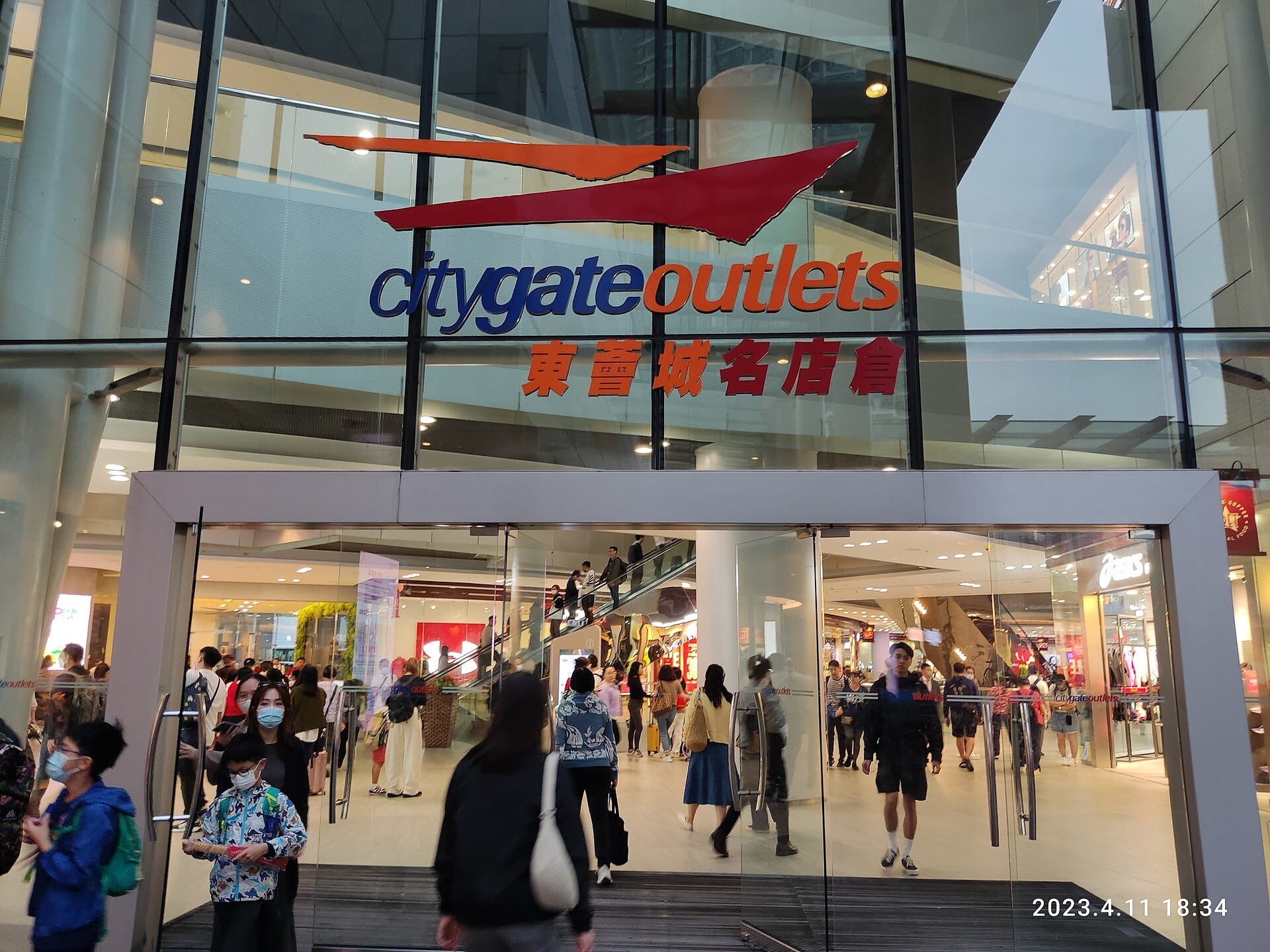
Citygate Outlets
A definitive guide to Citygate Outlets on Lantau Island. Learn what to expect, how discounts really work, best times to visit, and whether this Hong Kong outlet mall deserves a spot on your itinerary.
DiscoverLantau Island is home to hiking trails, beaches, and Hong Kong International Airport.
Located in Hong Kong
Lantau Island feels very different from central Hong Kong. It's more spread out and nature-focused, making it appealing for travelers who want hiking, beaches, or a calmer base while still being connected to the city.
Lantau Island sprawls 147 square kilometers. Nearly twice the size of Hong Kong Island. Yet holds only 200,000 permanent residents. Where the city stacks humans vertically into 40-story towers, Lantau spreads horizontally: mountains rise to 934 meters (Lantau Peak), beaches curve along southern coastlines, and hiking trails cut through subtropical forest where monkeys outnumber people.
This is Hong Kong's nature card, its escape valve from urban density. Hong Kong International Airport occupies the island's northern edge (built on reclaimed land). Disneyland claims a northeastern pocket. But most of Lantau remains protected country parkland: 70% of the island is legally undevelopable. The Tian Tan Buddha (Big Buddha) sits at 482 meters elevation in Ngong Ping, accessible via cable car that swings over forested valleys. Tai O fishing village stilts over tidal flats on the western coast, preserving traditions from centuries ago.
Stay on Lantau and you're trading urban convenience for space and quiet. Tung Chung (new town near airport) offers the only real hotel cluster, mostly budget chains catering to early flights. Elsewhere, accommodation means guesthouses in Mui Wo, eco-lodges near trails, or camping (legal in designated areas). This isn't a neighborhood for first-time Hong Kong visitors. This is where you come after you've seen the city and want the opposite.
Lantau's defining characteristic is space. Stand at Ngong Ping (near Big Buddha) on a weekday morning and you can see forested ridgelines extending 10 kilometers without a single building. Hike Lantau Trail Section 2 and you'll walk 90 minutes hearing only birds, wind, and your own footsteps. This silence is shocking if you're coming from Mong Kok's 130,000 people per square kilometer.
The island splits into distinct zones. Tung Chung (northeastern corner) is a new town: residential towers housing airport workers, shopping mall (Citygate Outlets), and the Tung Chung MTR terminus. It's modern, functional, and devoid of character. Think Singapore suburbs, not traditional Hong Kong.
Ngong Ping (central highlands, 482m elevation) clusters around Po Lin Monastery and the Big Buddha. Touristy but genuinely atmospheric: incense smoke, chanting monks, cable car arrivals every 10 minutes. The Ngong Ping Village (adjacent to cable car station) was built in 2006 as a themed attraction. Skip it, explore the actual monastery instead.
Tai O (western coast) is Lantau's most authentic settlement: 2,000 residents, stilt houses over tidal channels, rope-hung dried fish, and a pace that hasn't accelerated since the 1970s. Tourists come for photos and pink dolphin boat tours. Locals ignore them and continue fishing, repairing nets, and operating family businesses passed down three generations.
💡 Local tip
Mui Wo (eastern coast) is Lantau's ferry terminus from Central. Quieter than Tung Chung, with beaches, hiking trail access, and several guesthouses. Good base for multi-day Lantau exploration without Tung Chung's sterility.
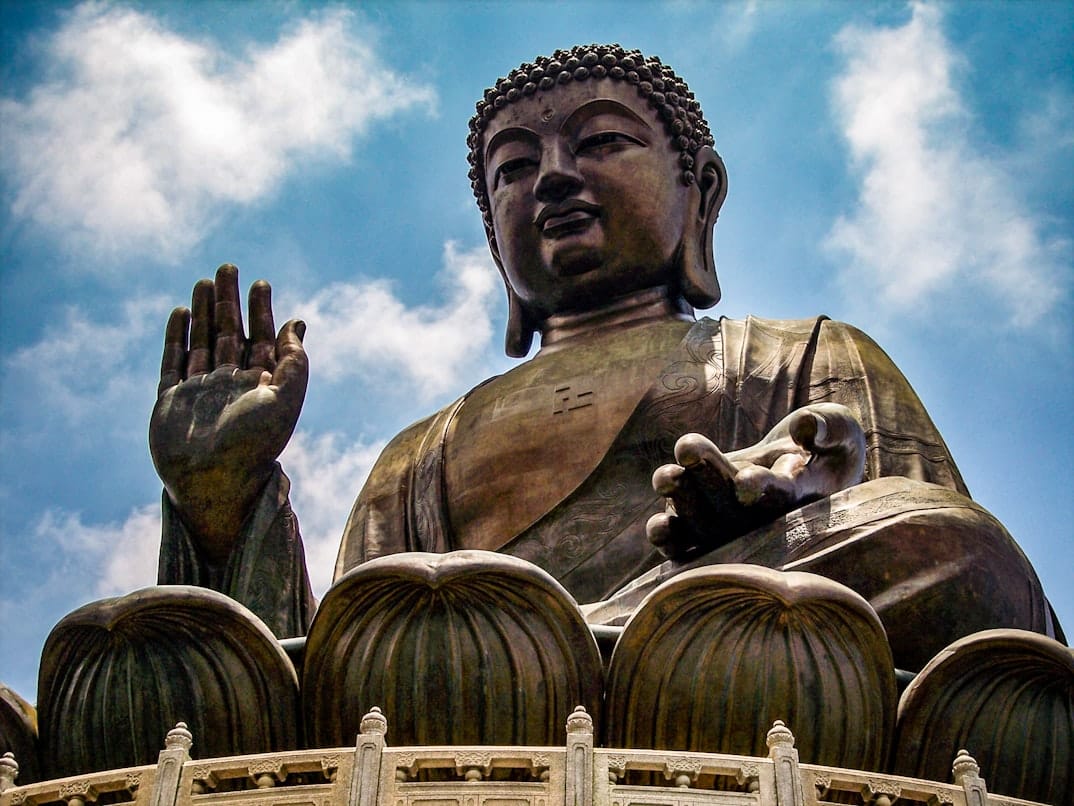
The Tian Tan Buddha (Big Buddha) is a 34-meter bronze statue requiring 268 steps to reach. Built 1993, it's not ancient but impressively scaled. Go early (before 10 AM) or late afternoon (after 3 PM) to avoid tour bus crowds. The monastery's vegetarian restaurant serves lunch (11:30 AM-4:30 PM, HK$100 set menu). For broader Hong Kong activities, see our things to do in Hong Kong guide.
Ngong Ping 360 cable car connects Tung Chung to Ngong Ping in 25 minutes, swinging over forested valleys and the South China Sea. Standard cabins cost HK$295 round-trip. Crystal cabins (glass floor) cost HK$365 and sell out weekends. Better to book online. The ride is legitimately scenic; the queues (60+ minutes weekends) are the drawback. Alternative: take bus 23 from Tung Chung (HK$17, 50 minutes, same mountain views from window seat).
Tai O fishing village is accessible via bus 11 from Tung Chung (HK$11, 45 minutes) or bus 21 from Ngong Ping (HK$6.30, 15 minutes downhill). Walk the stilt house lanes, watch locals smoking fish on rooftop racks, and consider the pink dolphin boat tours (HK$25-30, 20 minutes, dolphins show 40% of trips). The village markets sell dried seafood, shrimp paste, and handmade snacks—actual local commerce, not tourist trinkets.
Lantau Trail is a 70km loop circling the island, divided into 12 sections. Section 2 (Ngong Ping to Pak Kung Au, 6.5km, 2-3 hours) offers the best views: ridge walking with harbor panoramas and South China Sea vistas. Section 3 (Pak Kung Au to Tai O, 7km, gentle descent) leads to Tai O village. Both are well-marked, no technical climbing required.
Lantau Peak (Fung Wong Shan, 934m) is Hong Kong's second-highest mountain. Sunrise hikes start from Pak Kung Au around 4:30 AM, reaching the summit by 6 AM. The view at dawn (weather permitting) encompasses the entire Pearl River Delta. This is a serious hike: steep, exposed, 2-3 hours up, bring headlamp and water.
ℹ️ Good to know
Wisdom Path (15-minute walk from Big Buddha) features 38 wooden steles carved with Heart Sutra verses. Arranged in infinity-symbol pattern on a hillside, it's a peaceful spot that 90% of Big Buddha visitors skip. Free, uncrowded, worth 20 minutes.
Early morning (sunrise-9 AM): Best window for Big Buddha (uncrowded) and hiking (cooler temperatures). Ngong Ping 360 cable car starts running 10 AM weekdays, 9 AM weekends. Tai O's fish market operates 6-8 AM when boats unload catches.
Midday (10 AM-3 PM): Tour buses arrive at Ngong Ping. Cable car queues lengthen. Hiking becomes unpleasant (no shade, humidity 80%+). This is worst time for outdoor activities unless you're swimming at beaches (Cheung Sha, Pui O).
Afternoon (3-6 PM): Crowds thin at Big Buddha. Sunlight angles better for photography. Tai O is pleasant for wandering (less heat, softer light). This is the sweet spot for Lantau sightseeing.
Evening (after 6 PM): Most attractions close. Po Lin Monastery dining hall stops serving 4:30 PM. Last cable car down from Ngong Ping departs 6:30 PM weekdays, 7 PM weekends. Tai O restaurants close 8-9 PM. Lantau becomes very quiet very fast after sunset.
⚠️ What to skip
Lantau has limited nighttime transport. Last MTR from Tung Chung to Central leaves 12:48 AM. Last buses from Tai O to Tung Chung run around 11 PM. If you're day-tripping, budget return time carefully or you'll be stranded.
Lantau's food scene is sparse compared to urban Hong Kong. Po Lin Monastery Vegetarian Restaurant (near Big Buddha) serves Buddhist vegetarian meals: mock meats, tofu, vegetables, rice. HK$100 set menu, open 11:30 AM-4:30 PM. Quality is acceptable, not exceptional: you're eating for the monastery experience, not culinary excellence.
Tai O has 5-6 seafood restaurants along the main waterfront lane. Point at items in tanks (fish, shrimp, clams), they'll quote prices and cook. HK$200-300 feeds two people. Freshness is high, English is limited. Try the shrimp paste fried rice. It's a local specialty, not found elsewhere.
Tung Chung has chain restaurants in Citygate Outlets mall: McDonald's, Yoshinoya, Café de Coral. Useful for quick meals before/after cable car trips but nothing memorable. For better food, return to Hong Kong Island or Kowloon.
Mui Wo has a few Western cafés and Chinese restaurants serving residents and weekend beachgoers. The China Bear (Western food, burgers, pasta) and Deli Lama (sandwiches, coffee) cater to expats living on Lantau. Prices match urban Hong Kong despite remote location.
Yes, with hiking caveats. Villages (Tai O, Mui Wo, Tung Chung) are extremely safe. Crime is negligible, locals are friendly, and tourist infrastructure is well-maintained. The safety concerns are environmental: hiking trails can be steep and exposed. Weather shifts fast in mountains, clear morning becomes foggy afternoon, impairing visibility. Monkeys (wild but habituated to humans) will grab food if you're not careful.
Lantau Peak hikes require proper preparation: water (2L minimum), snacks, headlamp if starting pre-dawn, weather check, and telling someone your route. Rescue response is slower than urban Hong Kong. Don't assume cell coverage in remote sections.
Lantau works as a day trip for most visitors, or multi-day base for hikers and nature seekers. It complements urban Hong Kong rather than replacing it. For accommodation planning, see our where to stay in Hong Kong guide.
Lantau isn't essential for all Hong Kong visits. Skip if you:
Tung Chung MTR (Tung Chung Line terminus) connects to Hong Kong Station (Central) in 28 minutes, Kowloon Station in 25 minutes, and Hong Kong Airport in 10 minutes. Trains run every 7-10 minutes. Cost: HK$26 to Central.
Buses from Tung Chung: #23 to Ngong Ping (HK$17, 50 min), #11 to Tai O (HK$11, 45 min), #3M to Discovery Bay (HK$6.80, 20 min), #S1 to Airport (HK$3.50, 10 min). Buy tickets on bus (Octopus card works, exact change if paying cash).
Ferries to Mui Wo depart from Central Pier 6 (Ordinary ferry: HK$28.6 weekdays adult / HK$41.9 weekends; fast ferry: HK$34.1 weekdays / HK$48.9 weekends for a single adult. Check Sun Ferry site). Useful if you're combining Mui Wo beaches with hiking or want to avoid Tung Chung entirely.
Ngong Ping 360 cable car: HK$295 round-trip standard cabin, HK$365 crystal cabin for adults. Online booking saves queue time. Operates 10 AM-6:30 PM weekdays, 9 AM-7 PM weekends. Closes during high winds or poor visibility (check website before going).
💡 Local tip
If you're flying out of Hong Kong and have 6+ hours before departure, store luggage at Airport (HK$14/hour, Terminal 1 Level 5), take MTR to Tung Chung (10 min), bus to Ngong Ping or Tai O, return in time for flight. Better than sitting in airport.
Comparing Hong Kong regions? See Central for urban core and business district, Mong Kok for markets and local life, or Tsim Sha Tsui for waterfront hotels.
Lantau vs Central: opposites. Central is density, efficiency, 24-hour energy. Lantau is space, nature, quiet. Most visitors need both experiences to understand Hong Kong's full spectrum.
Lantau vs New Territories: Both offer nature escapes. New Territories (Sai Kung, Tai Po) have better hiking infrastructure and easier access to multiple trails. Lantau has iconic Big Buddha and better beaches. Choose Lantau for single-day nature trips, New Territories for serious multi-day hiking.
Lantau vs Lamma Island / Cheung Chau: These smaller islands (30-40 min ferries from Central) offer similar beach/village vibes with less travel time. Lantau wins on hiking quality and Big Buddha. Smaller islands win on convenience and laid-back atmosphere.
ℹ️ Good to know
Ideal Hong Kong itinerary: spend 3-4 days in urban districts (Central, TST, Mong Kok), then 1-2 days incorporating Lantau for contrast. The shift from maximum density to mountain quiet illustrates Hong Kong's full character.
Planning your Hong Kong timing? Check our best time to visit Hong Kong guide for seasonal hiking and weather recommendations.
A definitive guide to Citygate Outlets on Lantau Island. Learn what to expect, how discounts really work, best times to visit, and whether this Hong Kong outlet mall deserves a spot on your itinerary.
Discover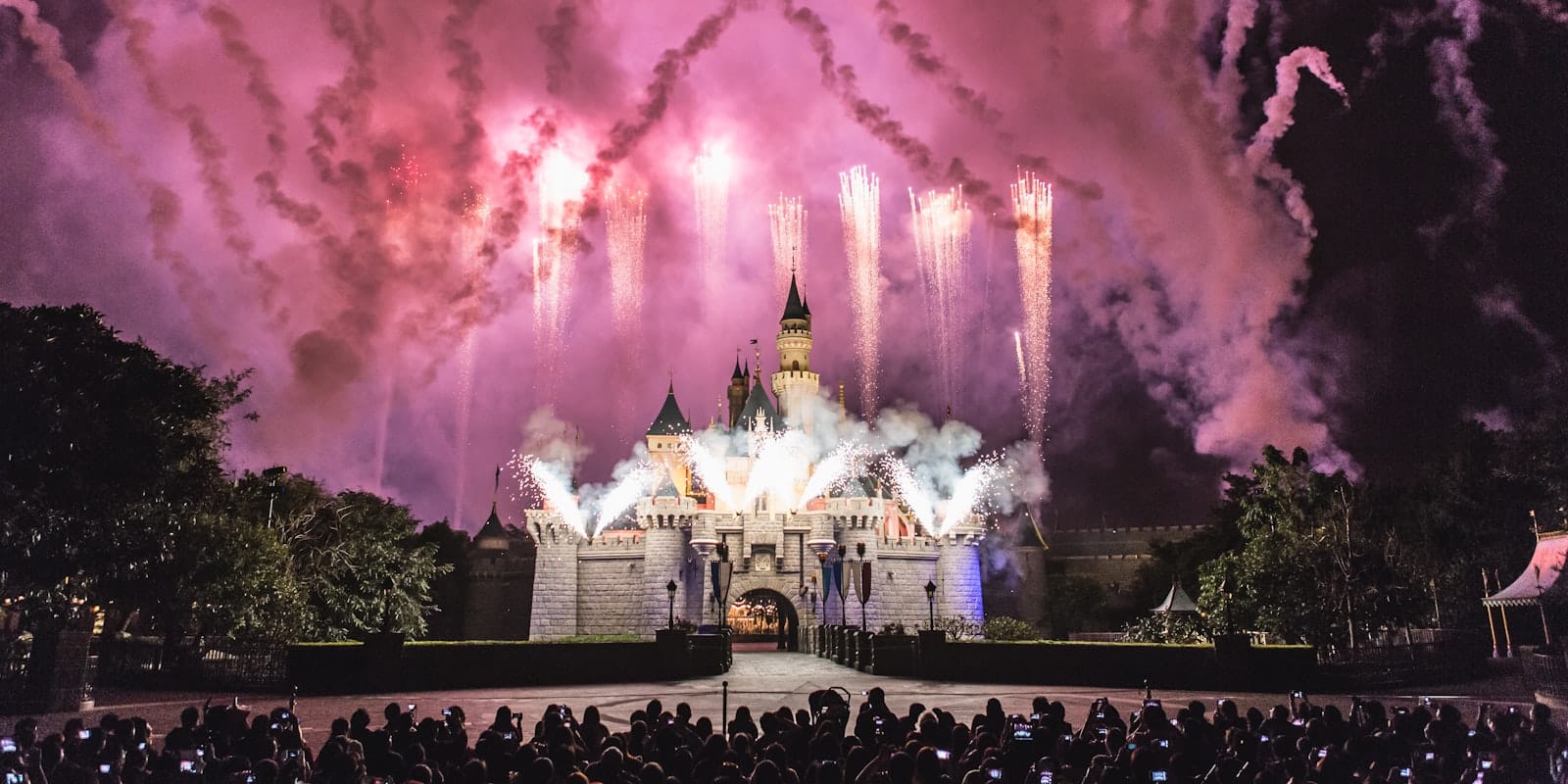
Hong Kong Disneyland is a compact but well-executed theme park on Lantau Island, blending classic Disney storytelling with touches of local culture. It suits families with young children and Disney fans, though seasoned theme park travelers should calibrate expectations accordingly.
Discover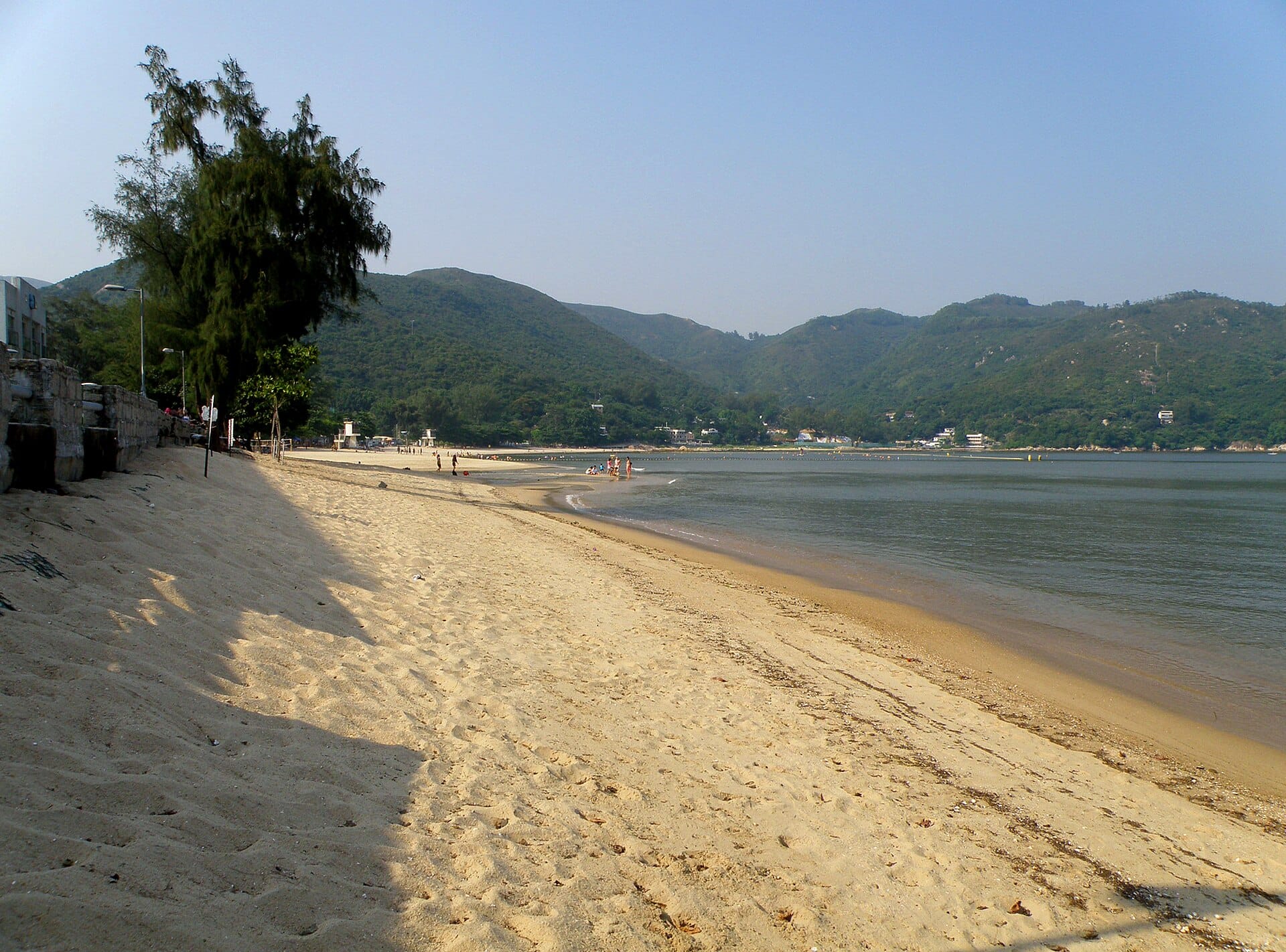
Mui Wo sits on Lantau Island's eastern shore where Hong Kong slows to a different rhythm. Known locally as Silver Mine Bay, this coastal village offers a window into the territory's quieter side: a broad sandy beach, waterfall hikes through forested valleys, and seafood joints where ferry commuters outnumber tourists.
Discover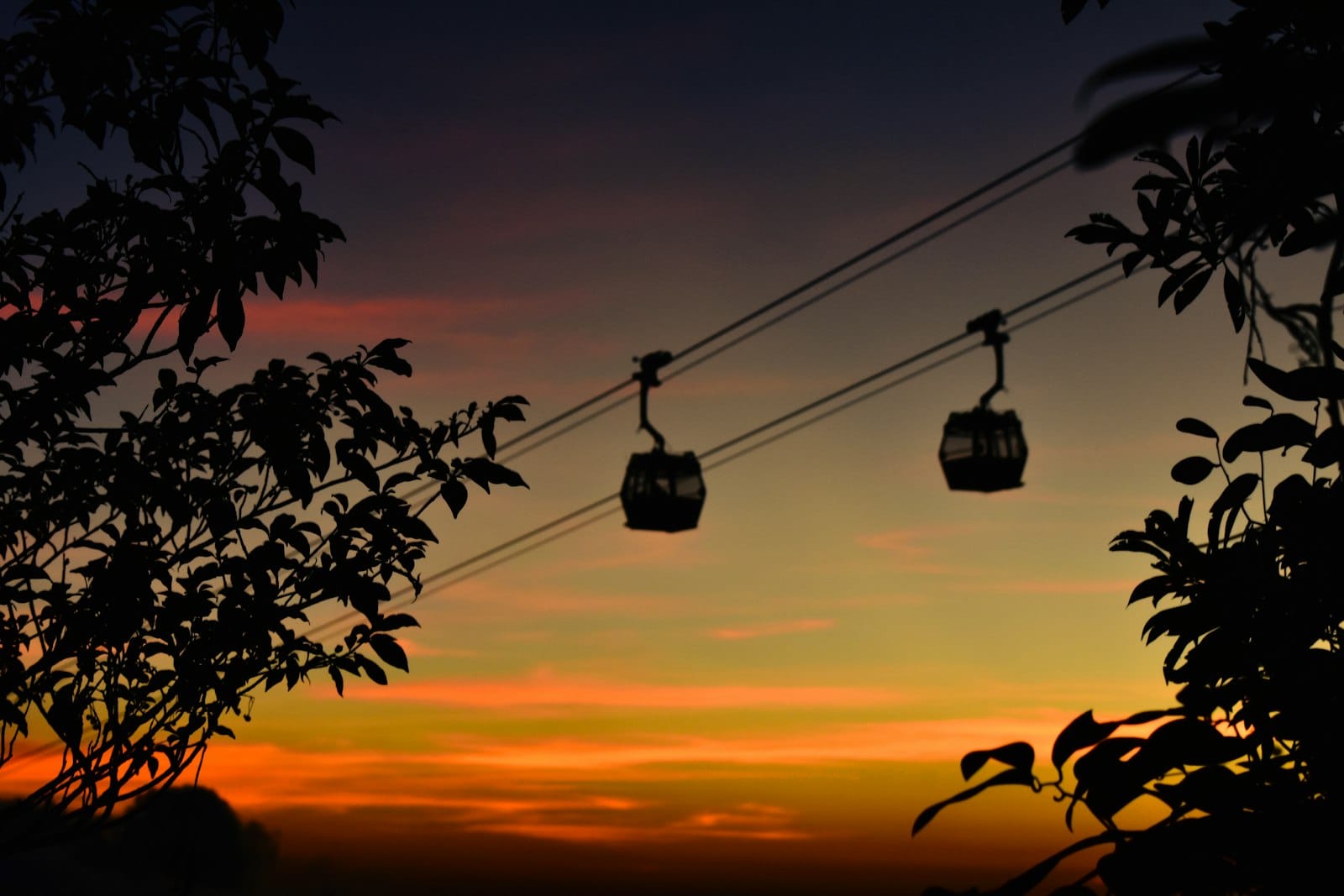
The Ngong Ping 360 cable car carries passengers 5.7 kilometres over Lantau Island's forested peaks and North Lantau coastline to Ngong Ping village, with the Tian Tan Buddha waiting at journey's end. Whether you choose a standard cabin or upgrade to a crystal-floor gondola, the 25-minute ride delivers some of Hong Kong's most rewarding aerial scenery.
Discover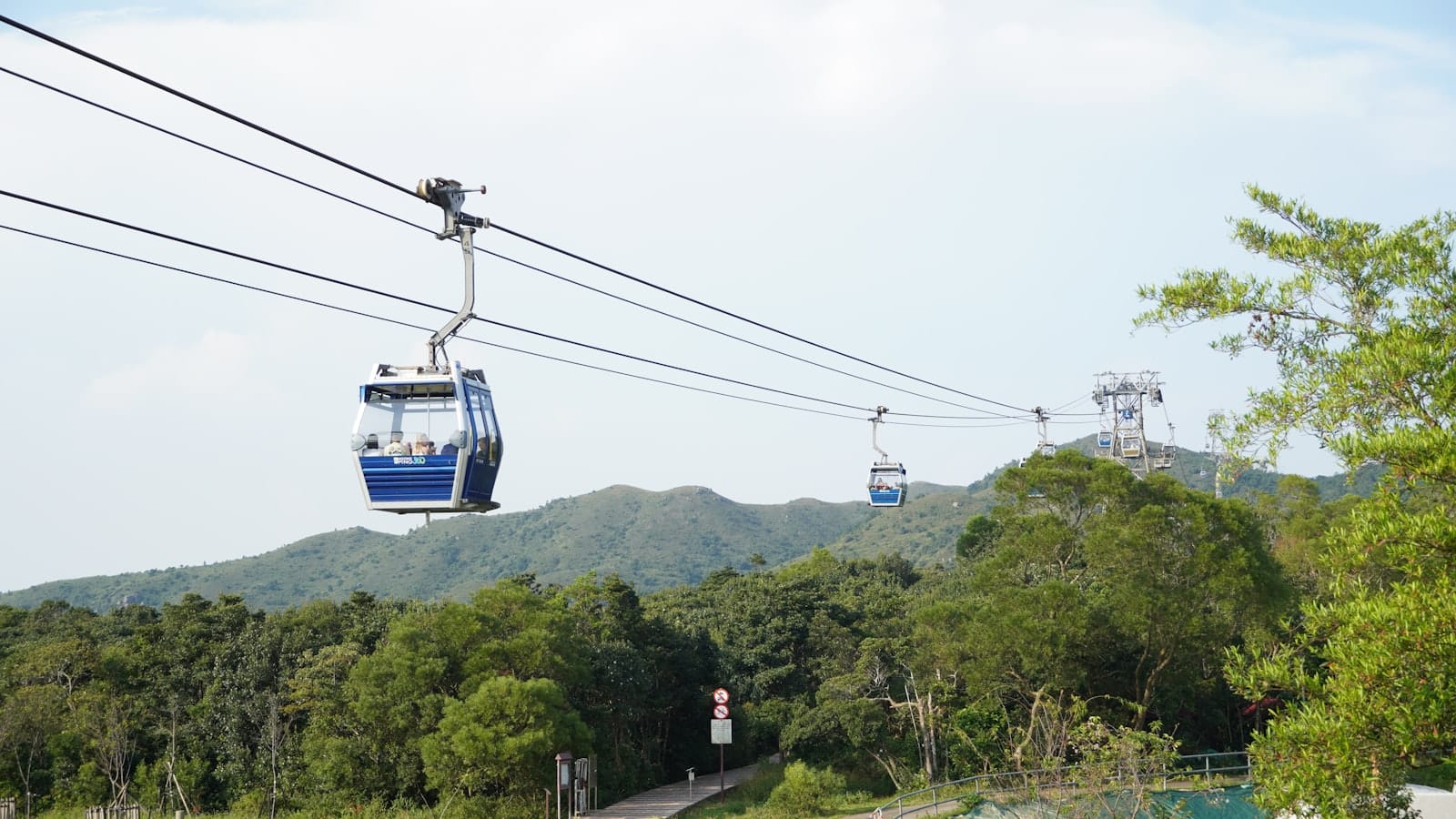
Ngong Ping Village sits at the base of the Big Buddha on Lantau Island where a manufactured tourist complex offers souvenir shops, snack stands, and cultural attractions. Built as a tourist complex by the cable car operator, it's designed to extend visitor time between the cable car station and Po Lin Monastery. Architecture mimics traditional Chinese village style but everything dates from the 2000s.
Discover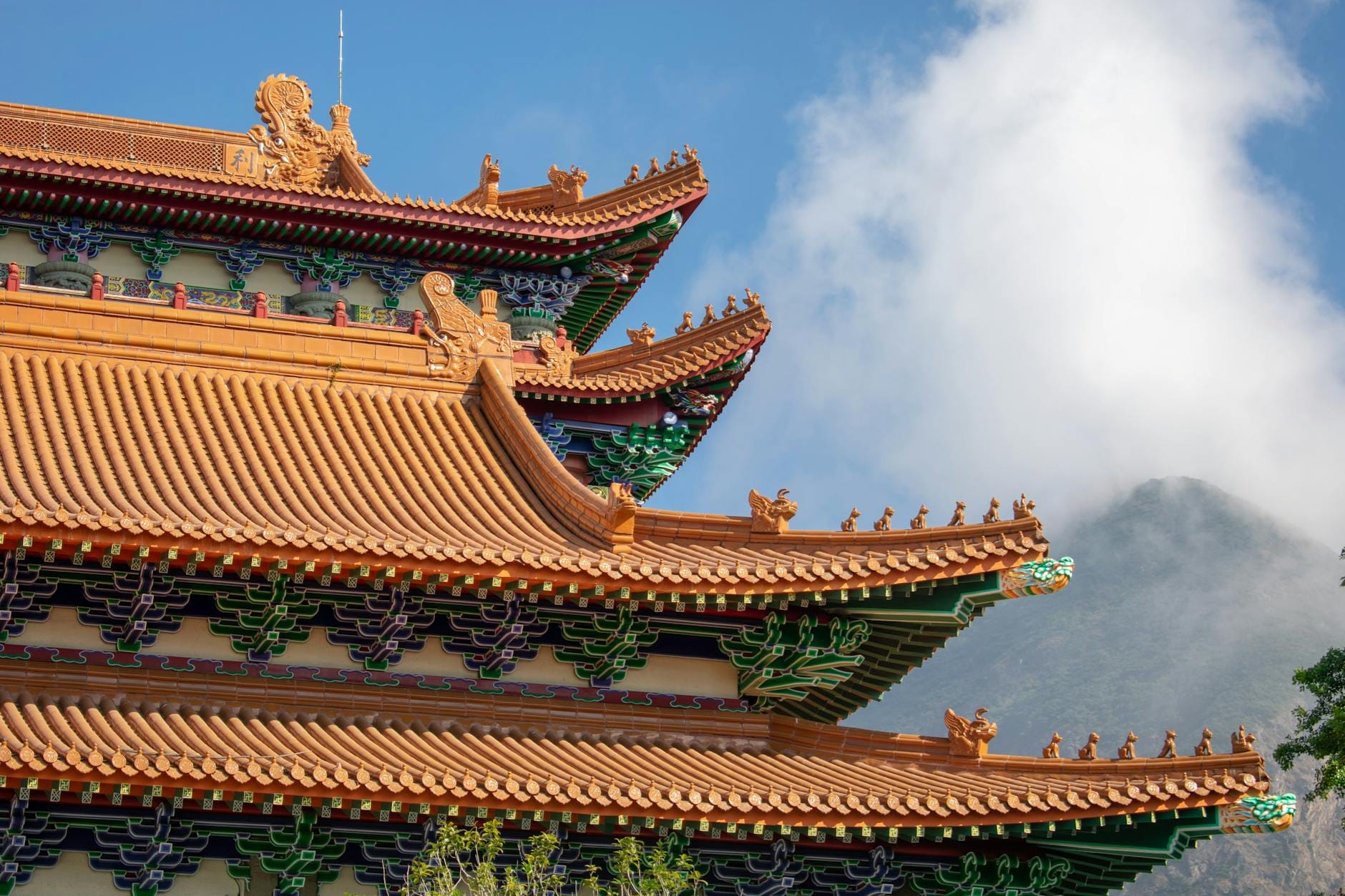
Po Lin Monastery sits at the base of Lantau's Big Buddha where monks maintain a Buddhist temple complex established in 1906. The main hall houses three bronze Buddha statues, incense fills the courtyards, and a vegetarian restaurant serves temple meals. Most visitors pass through briefly en route to the Big Buddha stairs.
Discover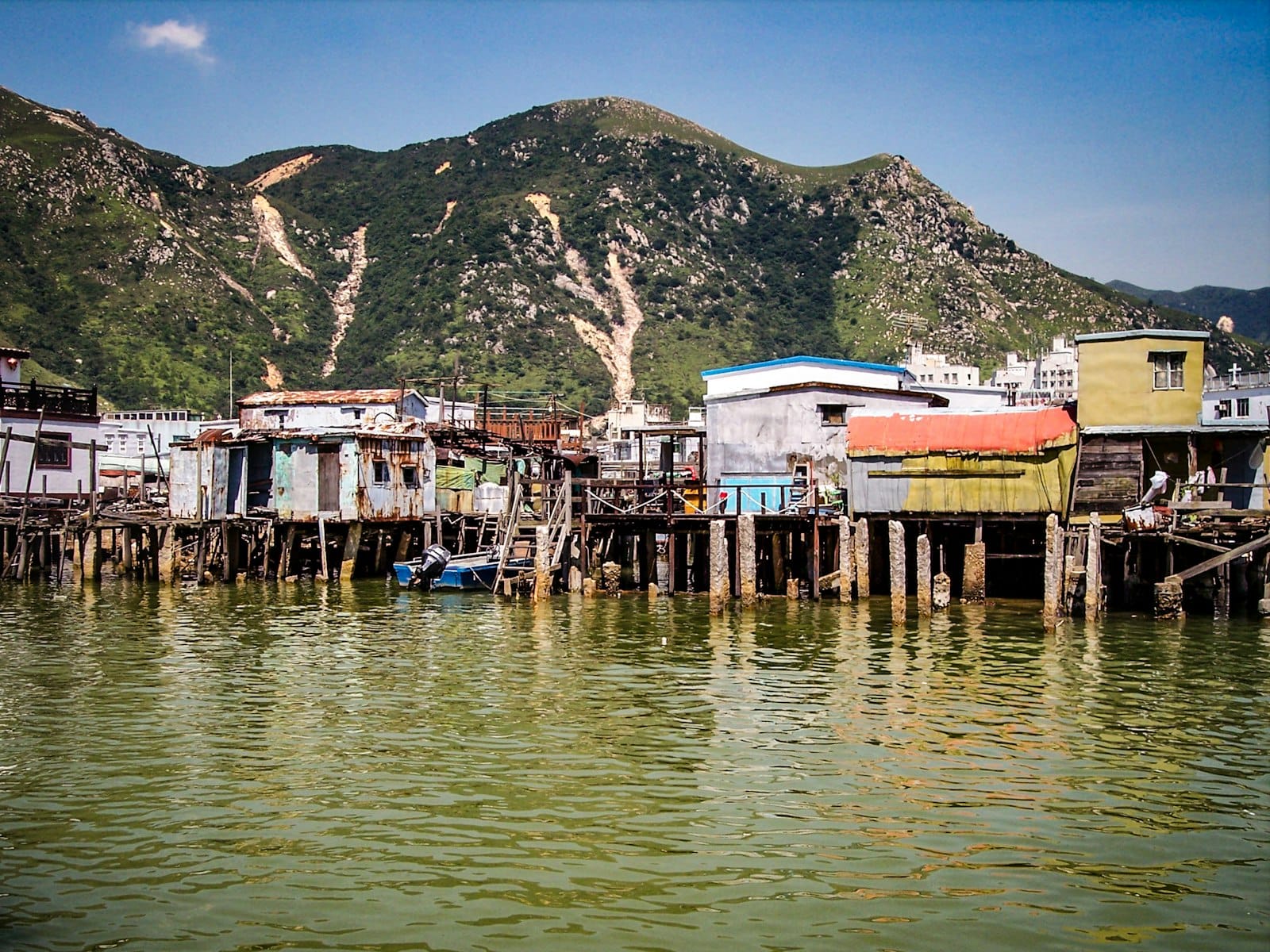
Tai O Fishing Village sits on the western tip of Lantau Island, where tidal creeks divide the land and locals have built their homes on stilts above the water for generations. It is one of the few places in Hong Kong where you can watch salted fish dry in the open air, hear the creak of wooden walkways, and feel genuinely far from the city.
Discover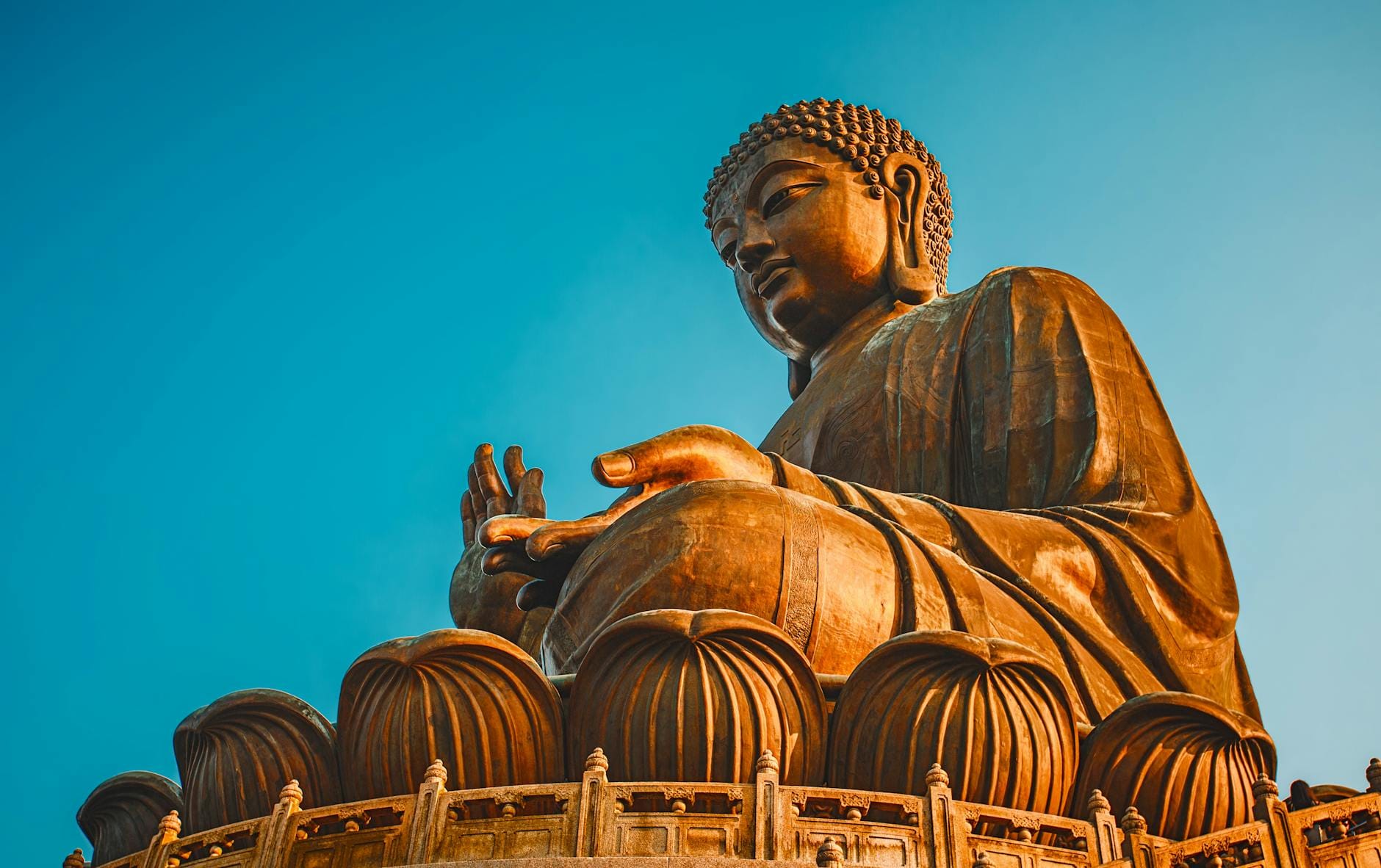
The Tian Tan Buddha is a 34-metre bronze statue perched at 482 metres on Lantau Island, overlooking the South China Sea and surrounded by forested peaks. Getting there is half the experience, whether by cable car or mountain trail, and the statue itself rewards those who climb its 268 steps with panoramic views that stretch to the horizon on clear days.
DiscoverA practical guide to choosing the best time to visit Hong Kong.
A practical guide to halal food in Hong Kong, from certified restaurants in Wan Chai to hidden gems in Tsim Sha Tsui and Kowloon.
Forget the headlines. Here's what Hong Kong actually costs: from the HK$18 breakfast that locals eat to the accommodation traps tourists fall into.
A practical guide answering: “is hong kong worth visiting”.
The definitive guide to Hong Kong: from hidden temple courtyards to night market chaos, and what to skip.
The definitive guide to choosing where to stay in Hong Kong: from harbor views in Tsim Sha Tsui to local life in Sham Shui Po, and why the MTR line matters more than the view.