Ngong Ping 360 Cable Car: The Complete Guide to Lantau's Most Spectacular Ride
The Ngong Ping 360 cable car carries passengers 5.7 kilometres over Lantau Island's forested peaks and North Lantau coastline to Ngong Ping village, with the Tian Tan Buddha waiting at journey's end. Whether you choose a standard cabin or upgrade to a crystal-floor gondola, the 25-minute ride delivers some of Hong Kong's most rewarding aerial scenery.
Quick Facts
- Location
- Tung Chung to Ngong Ping, Lantau Island, Hong Kong
- Getting There
- Tung Chung MTR Station (Tung Chung Line), cable car base terminal is a 5-min walk from the station exit
- Time Needed
- 25 min each way on the cable car; allow 3–5 hours total including Ngong Ping village and the Big Buddha
- Cost
- Standard cabin round-trip from HK$235 (adult); Crystal cabin (glass floor) from HK$325 (adult); children and seniors discounted, book online to avoid queues
- Best for
- Families, first-time visitors, anyone combining a visit to the Tian Tan Buddha or Po Lin Monastery
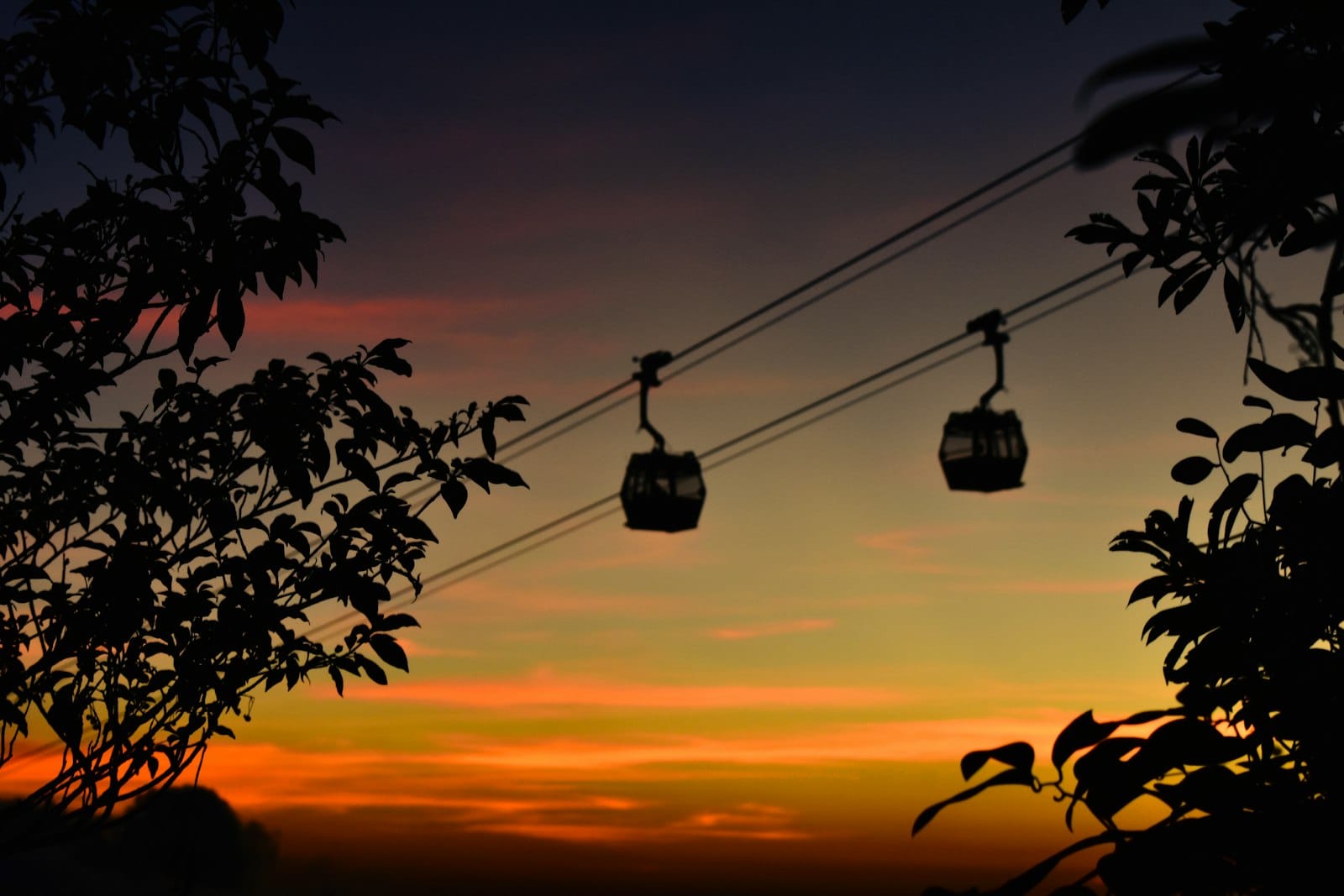
What the Ngong Ping 360 Cable Car Actually Is
The Ngong Ping 360 is a gondola cable car system operated by MTR Corporation that connects the new town of Tung Chung on Lantau Island's northern coast with the Ngong Ping plateau at roughly 520 metres above sea level. The full route spans 5.7 kilometres and takes approximately 25 minutes in each direction, making it the longest aerial tramway in Hong Kong and one of the longer urban-adjacent cable car systems in Asia.
Officially opened on 31 December 2007 and upgraded in subsequent years, the system was designed specifically to give visitors access to the Ngong Ping area, home to the 34-metre Tian Tan Buddha (colloquially called the Big Buddha), Po Lin Monastery, and the adjacent Ngong Ping village. Before the cable car, reaching Ngong Ping required a winding bus journey up mountain roads. The gondola converted a 40-minute bus slog into an aerial spectacle.
💡 Local tip
Book tickets online at np360.com.hk before you visit. Walk-up queues at the Tung Chung terminal can exceed 90 minutes on weekends and public holidays. Online booking includes a reserved departure window that bypasses the main queue.
The Ride: 25 Minutes of Changing Landscape
The experience divides naturally into three visual phases as the gondola ascends. Departing Tung Chung, the cabin first glides over the reclaimed flatlands of the new town, offering close views of residential towers and, to the north, the runways of Hong Kong International Airport stretching into Lantau Channel. On clear mornings the Pearl River estuary is visible beyond, with container ships moving in slow silhouette.
Mid-route, the gondola crosses a ridge and the terrain below switches abruptly to dense subtropical forest, largely Lantau Country Park, which covers over 70% of the island. The treeline closes in and the urban noise disappears. This central section, where the cable runs between tall pylons over steep wooded valleys, is the most dramatic stretch. You can hear the gondola mechanism clicking rhythmically as each pylon passes overhead.
On the final approach to Ngong Ping, the plateau opens up and the silhouette of the Tian Tan Buddha becomes visible on Ngong Ping's upper ridgeline, growing steadily larger as the gondola descends toward the terminal. On a clear day this arrival view, the giant bronze figure set against green hills, is genuinely striking. On foggy mornings, the Buddha may be invisible until you are standing directly beneath it.
Standard vs. Crystal Cabin: Which to Choose
Standard cabins seat 10 passengers with standing room for 7 and have large panoramic windows on all sides. They are perfectly adequate for the experience. Crystal cabins (available for an additional fee) seat fewer passengers and feature a transparent glass floor panel in the centre. The glass-floor effect is most impressive during the forested middle section when the gondola is highest above the ground. Families with young children tend to find the crystal cabin memorable; adults traveling alone or in pairs often find the standard cabin sufficient.
⚠️ What to skip
The cable car suspends operations during Typhoon Signal 3 or above, and may reduce service or close entirely in heavy fog or strong winds. Always check the official NP360 website or app for real-time service status before traveling, especially between May and October during typhoon season.
Tickets & tours
Live prices and dates from our booking partner. If you book, we may earn a commission at no extra cost to you.
Time of Day: How the Experience Changes
The cable car typically opens at 10:00 on weekdays and at 09:00 on weekends and public holidays (last departure approximately 18:00; verify current hours at np360.com.hk as seasonal schedules vary). Arriving at the Tung Chung terminal between 09:00 and 10:30 on a weekday gives you the quietest experience, cabins are less crowded, and the morning light from the east illuminates the southern slopes of the mountain beautifully.
Midday on weekends is the worst time to visit. Queues at both Tung Chung and the return terminal at Ngong Ping can be substantial, and the gondola fills with large tour groups. If you are visiting on a weekend, aim for the first departure window. The late-afternoon return (around 16:00–17:00) has the advantage of softer golden-hour light over the harbour and runways as you descend back toward Tung Chung, and crowd levels thin somewhat after 15:30.
Getting There: From Tung Chung and Beyond
The most straightforward route is the MTR Tung Chung Line from Hong Kong Station or Kowloon, terminating at Tung Chung Station. The cable car base terminal is located at Tung Chung Piazza, approximately 5 minutes on foot from the station exit. Signage is clear and consistent. From Central, the MTR journey takes around 30 minutes. From Tsim Sha Tsui, allow approximately 40 minutes including the transfer at Hong Kong Station.
Alternatively, buses serve Tung Chung from various parts of Hong Kong, though the MTR is faster and more predictable. Some visitors combine the cable car with a same-day stop at Citygate Outlets, the discount shopping mall directly adjacent to Tung Chung Station, before or after the Ngong Ping trip.
For those not using the cable car, Lantau Bus Route 23 operates between Tung Chung and Ngong Ping and is significantly cheaper, but the winding mountain road takes around 40 minutes and provides no aerial views. This is a practical option on days when the cable car is suspended, or for budget-conscious visitors who want to spend more time at the Tian Tan Buddha and Po Lin Monastery without paying cable car prices.
What to Do at Ngong Ping After You Arrive
The Ngong Ping terminal opens directly onto Ngong Ping village, a pedestrianized area with restaurants, cafés, and cultural exhibits themed around Buddhist heritage. The village can feel commercial and thin on authenticity, but it functions adequately as a gateway. From the village, the Tian Tan Buddha is a 10-minute walk. The 268 steps to the statue's base are not optional if you want to see the inscribed lotus petals and the surrounding mountain panorama up close, factor in the climb, especially in summer heat.
Po Lin Monastery, one of Hong Kong's most significant Buddhist monasteries, sits directly adjacent to the Buddha statue and is free to enter. Vegetarian meals are served in the monastery refectory for a modest fee. For those with more time, the Ngong Ping village area connects to several hiking trails within Lantau Country Park, including the Wisdom Path, a 500-metre walk through bamboo forest lined with wooden columns carved with the Heart Sutra.
Practical Notes: Weather, Accessibility, and Photography
Lantau's mountain weather is noticeably different from the urban lowlands. Even on days when Hong Kong feels clear and sunny, cloud frequently collects over the Ngong Ping plateau by mid-morning. October through December offers the most consistently clear skies and is widely considered the best window for the cable car experience. Summer months (June through August) bring haze, humidity, and frequent afternoon thunderstorms; visibility is often poor even when the cable car is running.
For photography, the most compelling shots come from the north-facing windows during the initial ascent as the airport and coastline spread out below. On crystal cabins, shooting through the floor panel requires patience, wait until other passengers move and reduce reflections by pressing your phone or camera lens directly against the glass. A wide-angle lens or phone camera set to ultrawide handles the expansive views far better than a telephoto zoom.
Accessibility: The Ngong Ping 360 terminals at both ends are wheelchair accessible, and the gondola cars can accommodate wheelchairs. However, the steps at the Tian Tan Buddha are a significant physical barrier for mobility-impaired visitors, there is no elevator at the statue base. The Ngong Ping village and Wisdom Path can be navigated on flat terrain.
ℹ️ Good to know
If you are prone to motion sickness or have a fear of heights, be aware that the gondola rides high above steep terrain and can sway noticeably in crosswinds. The sensation is mild for most visitors but worth considering if either applies to you.
Is the Cable Car Worth the Price?
At HK$235–HK$325 round-trip per adult, the Ngong Ping 360 is priced as a premium experience and should be evaluated as such. For first-time visitors to Hong Kong who are already planning to see the Big Buddha, the cable car replaces a dull bus ride with a genuinely memorable aerial crossing. The value proposition is clear. For repeat visitors who have already done the route, or for anyone primarily focused on the Buddhist sites themselves rather than the journey, the bus is a rational alternative.
Budget travelers should note that Hong Kong has excellent free and low-cost viewpoints and experiences. The cable car is one of the more expensive single-attraction costs on the island. If you are watching spending, the cost breakdown for Hong Kong guide has more context on where the cable car sits relative to other experiences.
Insider Tips
- Buy combo tickets online that bundle the cable car with a walking experience or Ngong Ping village attraction, these occasionally offer meaningful discounts over paying separately at the gate.
- On weekends, take the earliest available departure slot when booking online. By 11:00, queues at the Tung Chung terminal are already long and the gondolas fill with tour groups.
- Sit on the north-facing side of the gondola (right side when departing Tung Chung) for the best views of the airport and coastline during the ascent. On the return, switch to the opposite side for mountain views.
- If clouds are sitting low over Ngong Ping when you arrive in Tung Chung, wait an hour before boarding, mountain cloud cover on Lantau often clears by mid-morning, particularly in autumn and winter.
- The Ngong Ping return queue in the late afternoon (after 15:30) tends to move faster than the midday rush. If you arrived by bus to Ngong Ping, this is when to buy a one-way cable car ticket for the descent.
Who Is Ngong Ping 360 Cable Car For?
- First-time visitors to Hong Kong seeking a combination of aerial scenery and cultural landmarks in a single half-day trip
- Families with children who will find the glass-floor crystal cabin and the scale of the Tian Tan Buddha genuinely impressive
- Photography enthusiasts looking for aerial perspectives of Lantau's coastline, airport, and mountain terrain unavailable from any other vantage point
- Travelers with a full Hong Kong itinerary who want an efficient route to the Big Buddha without a slow mountain bus
- Anyone visiting between October and December when clear skies make the aerial views at their most rewarding
Nearby Attractions
Other things to see while in Lantau Island:
- Tian Tan Buddha (Big Buddha)
The Tian Tan Buddha is a 34-metre bronze statue perched at 482 metres on Lantau Island, overlooking the South China Sea and surrounded by forested peaks. Getting there is half the experience, whether by cable car or mountain trail, and the statue itself rewards those who climb its 268 steps with panoramic views that stretch to the horizon on clear days.
- Po Lin Monastery
Po Lin Monastery sits at the base of Lantau's Big Buddha where monks maintain a Buddhist temple complex established in 1906. The main hall houses three bronze Buddha statues, incense fills the courtyards, and a vegetarian restaurant serves temple meals. Most visitors pass through briefly en route to the Big Buddha stairs.
- Ngong Ping Village
Ngong Ping Village sits at the base of the Big Buddha on Lantau Island where a manufactured tourist complex offers souvenir shops, snack stands, and cultural attractions. Built as a tourist complex by the cable car operator, it's designed to extend visitor time between the cable car station and Po Lin Monastery. Architecture mimics traditional Chinese village style but everything dates from the 2000s.
- Citygate Outlets
A definitive guide to Citygate Outlets on Lantau Island. Learn what to expect, how discounts really work, best times to visit, and whether this Hong Kong outlet mall deserves a spot on your itinerary.
- Mui Wo
Mui Wo sits on Lantau Island's eastern shore where Hong Kong slows to a different rhythm. Known locally as Silver Mine Bay, this coastal village offers a window into the territory's quieter side: a broad sandy beach, waterfall hikes through forested valleys, and seafood joints where ferry commuters outnumber tourists.
- Hong Kong Disneyland
Hong Kong Disneyland is a compact but well-executed theme park on Lantau Island, blending classic Disney storytelling with touches of local culture. It suits families with young children and Disney fans, though seasoned theme park travelers should calibrate expectations accordingly.
- Tai O Fishing Village
Tai O Fishing Village sits on the western tip of Lantau Island, where tidal creeks divide the land and locals have built their homes on stilts above the water for generations. It is one of the few places in Hong Kong where you can watch salted fish dry in the open air, hear the creak of wooden walkways, and feel genuinely far from the city.
Planning a trip? Discover personalized activities with the Nomado app.