Tian Tan Buddha (Big Buddha): The Complete Visitor Guide for Lantau Island
The Tian Tan Buddha is a 34-metre bronze statue perched at 482 metres on Lantau Island, overlooking the South China Sea and surrounded by forested peaks. Getting there is half the experience, whether by cable car or mountain trail, and the statue itself rewards those who climb its 268 steps with panoramic views that stretch to the horizon on clear days.
Quick Facts
- Location
- Ngong Ping Plateau, Lantau Island, Hong Kong
- Getting There
- MTR to Tung Chung, then Ngong Ping 360 cable car (25 min) or Bus 23 to Ngong Ping village
- Time Needed
- 2–4 hours including cable car and Po Lin Monastery
- Cost
- Grounds free; interior access requires ticket; Ngong Ping 360 cable car separate charge
- Best for
- Scenic escapes, photography, Buddhist culture, and families with older children
What the Tian Tan Buddha Actually Is
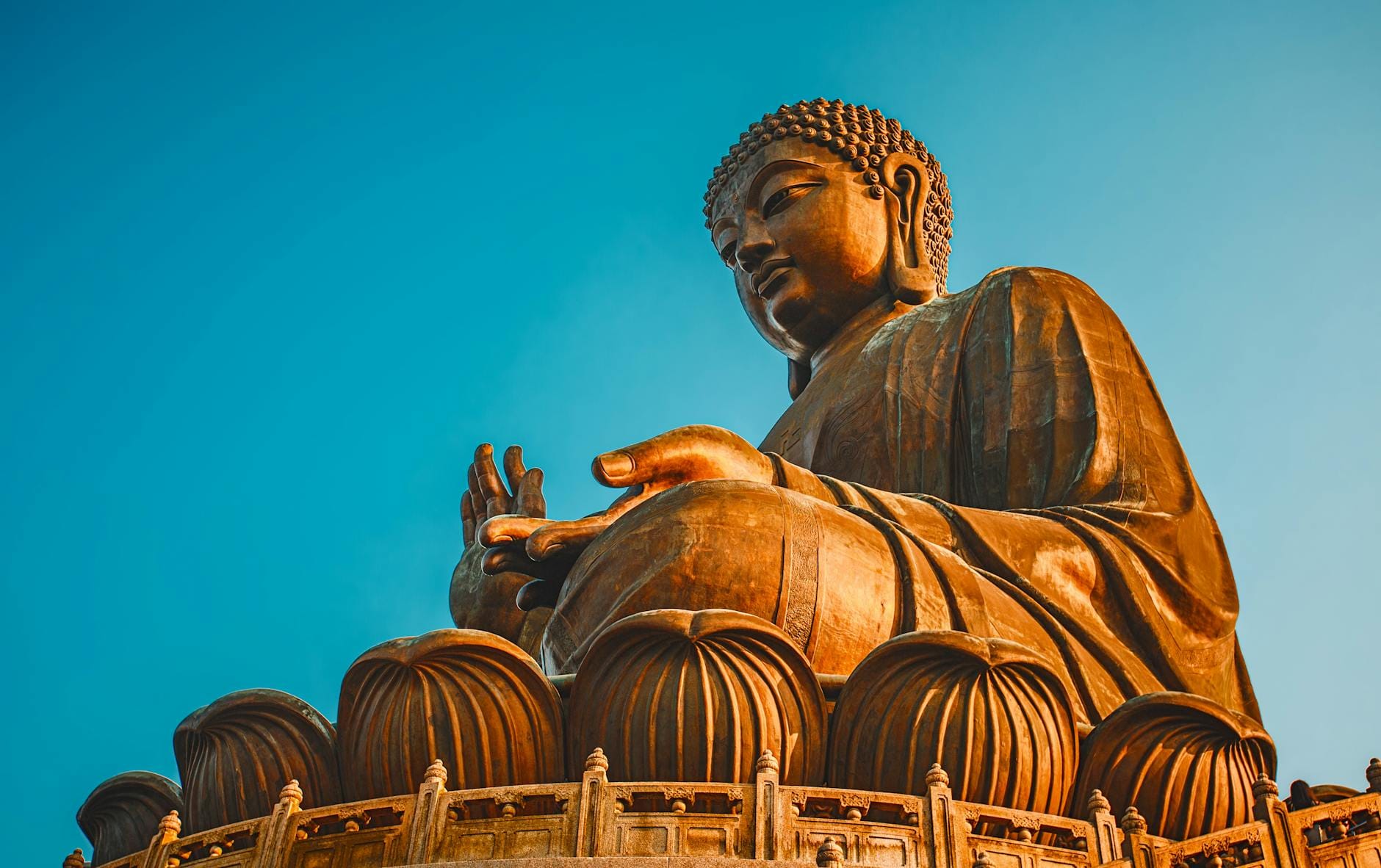
The Tian Tan Buddha, widely known as the Big Buddha, is a monumental outdoor bronze statue of Shakyamuni Buddha seated on a lotus throne atop a three-platform altar on Lantau Island. At 34 metres tall and weighing approximately 250 tonnes, it held the title of the world's largest seated outdoor bronze Buddha at the time of its completion in 1993. The name 'Tian Tan' refers to the Temple of Heaven in Beijing, the statue's base is modelled on that structure's circular design.
This is a functioning religious site, not a theme park centerpiece. The surrounding Po Lin Monastery has been active since 1906, and monks still conduct daily rituals here. Visitors who arrive expecting only a photo opportunity often leave surprised by the genuine atmosphere of devotion that coexists with the tourist foot traffic.
Getting There: Cable Car vs. Bus vs. Trail
Most visitors arrive via the Ngong Ping 360 cable car, which departs from Tung Chung (reached via MTR Tung Chung Line from central Hong Kong on the MTR Tung Chung Line). The 25-minute gondola ride over forested hillsides and the North Lantau coastline is genuinely spectacular, especially in clear weather when you can pick out the runways of Hong Kong International Airport below. Standard and crystal-floor cabin options are available; booking in advance is strongly recommended on weekends and public holidays, when queues at the base station can exceed an hour.
⚠️ What to skip
The Ngong Ping 360 cable car closes for periodic maintenance, usually for several weeks each year. Check the official Ngong Ping 360 website before planning your trip, particularly if visiting between January and March.
Bus 23 runs from Tung Chung to Ngong Ping village and is a practical, cheaper alternative when the cable car is closed or queues are excessive. The road climbs steadily through dense Lantau woodland and takes around 45 minutes, longer but scenic in its own right, with mountain views that the cable car doesn't provide.
Experienced hikers have a third option: Lantau Trail Stage 3 approaches Ngong Ping from Mui Wo via the Lantau Peak ridge, with the Buddha appearing dramatically over the plateau after a strenuous ascent. This is a full half-day commitment and requires proper footwear, water, and fitness. The reward is a sunrise or early-morning arrival before tour groups reach the site.
Lantau Island's scale surprises most first-time visitors. If you're combining the Big Buddha with a beach day at Mui Wo or a wander through Ngong Ping Village, plan a full day on the island rather than a rushed half-day.
Tickets & tours
Live prices and dates from our booking partner. If you book, we may earn a commission at no extra cost to you.
Lantau Cable Car and Big Buddha Guided Tour with Lunch in Hong Kong
From 85 €Instant confirmationFree cancellationHong Kong audio guide with TravelMate app
From 8 €Instant confirmationHong Kong Tour with Peak Tram, harbour cruise and dim sum dinner
From 85 €Instant confirmationFree cancellationHong Kong night tour with Peak Tram and Symphony of Lights
From 63 €Instant confirmationFree cancellation
The Climb and What You Find at the Top
From Ngong Ping village, the Buddha is visible immediately, a bronze figure against the sky, calm and enormous. The walk from the village gate to the base of the staircase takes about five minutes along a flat path past souvenir stalls and the monastery entrance.
The 268 steps are divided into three flights, each corresponding to one of the platform levels. The steps are wide and well-maintained but steep enough that visitors with limited mobility will find them challenging. There is no elevator. Each platform landing offers a slightly different vantage point over the surrounding peaks and, on a clear day, Lantau's southern coastline.
At the top, the statue's scale becomes physical in a way photographs don't convey. The face is serene and slightly downward-gazing, as if looking at the plateau below. Six smaller bronze statues, the Offerings of the Six Devas, ring the upper platform, presenting gifts to the Buddha. The interior of the base contains a small museum with relics and exhibits about the statue's construction, accessible with a separate ticket purchased at the bottom.
💡 Local tip
Arrive before 10:00 on weekday mornings to experience the upper platform with relatively few visitors. By 11:30, tour group arrivals make the staircase congested in both directions.
How the Experience Changes by Time and Weather
Lantau Island's elevation means the Ngong Ping plateau regularly sits inside or just below cloud cover. On overcast mornings, the plateau can be completely socked in fog, the Buddha disappears from view at 50 metres, and the atmosphere becomes something closer to a Japanese ink painting than a tourist attraction. This is not necessarily a bad visit; the monastery's incense smoke mingles with low cloud and the bells carry through the mist in an affecting way. But if panoramic views are your primary reason for coming, checking the weather forecast the night before is essential.
Clear blue-sky days in autumn (October to December) are reliably the best conditions. The light is sharp, the humidity drops, and the views from the upper platform extend across the Pearl River estuary toward Macau on particularly clear afternoons. Summer (June to August) brings heat, humidity, and frequent afternoon thunderstorms that roll in quickly, morning visits are safest. Spring is pleasant but hazy, and winter mornings can be cold at altitude; a light jacket is useful even when Hong Kong's urban core feels warm.
If you're calibrating your broader Hong Kong trip around weather, the best time to visit Hong Kong guide breaks down monthly conditions in detail.
Po Lin Monastery: The Site Worth Slowing Down For
Most visitors treat Po Lin Monastery as a backdrop for the walk toward the Buddha's staircase. That's a mistake. The monastery, whose name translates as 'Precious Lotus', was founded in 1906 by three monks from Jiangsu province and remains an active religious community. The main hall, rebuilt in the 1990s, contains three large gilded Buddha statues and is open to visitors during daylight hours.
The monastery's vegetarian restaurant serves set lunches that have become something of an institution. The food is simple, tofu, vegetables, rice, but the experience of eating in a working monastery refectory with mountain views behind it is genuinely memorable. Combine a visit here with the nearby Po Lin Monastery for a more complete picture of the site's religious significance.
The courtyard between the monastery and the Buddha staircase is where the atmosphere of the whole site concentrates. In the mornings, resident monks move through the space with quiet purpose while tourists gather for photographs. The smell of sandalwood incense is persistent and strong, it drifts from large bronze censers near the main hall entrance.
Photography, Crowds, and Honest Expectations
The Tian Tan Buddha photographs beautifully in almost any light, but the image most people recognise, the full statue against a blue sky with the forested hills below, requires a clear day and a position down in the village or from the cable car approach. From the upper platform, you are too close to photograph the whole statue effectively with a standard lens.
Weekend crowds between 11:00 and 15:00 are significant. The staircase becomes a slow-moving two-way queue, the village's restaurants fill up, and the cable car return queue can run to 45 minutes or longer. Visitors who find crowded tourist sites draining should either arrive before 9:30 or visit on a weekday. The site never fully empties, this is one of Hong Kong's most visited attractions, but early morning on a Tuesday in November is a fundamentally different experience from a Saturday afternoon in July.
Visitors who find this kind of high-footfall attraction less rewarding might get more from Hong Kong's quieter viewpoints and neighbourhoods. The things to do in Hong Kong guide covers a wider range of experiences across different crowd tolerances and interests.
ℹ️ Good to know
Drone photography is prohibited at the Ngong Ping plateau and surrounding Lantau Trail areas without a Civil Aviation Department permit. Camera restrictions inside the monastery itself also apply, check signage before pointing a lens.
Insider Tips
- The crystal-floor cable car cabins are worth the upgrade on a clear day, but the view on the ascent (looking toward open water) is better than the descent, orient yourself accordingly.
- Pack a snack from Tung Chung before boarding the cable car. The food options in Ngong Ping village are limited and heavily priced toward tourist traffic. The monastery vegetarian lunch is the one exception that offers genuine value.
- If the plateau is cloud-covered when you arrive, wait 30–45 minutes before giving up. Lantau cloud cover moves quickly, and the plateau can clear entirely within an hour of an overcast morning start.
- The bus back to Tung Chung (Bus 23) often has shorter waits than the cable car return queue on busy weekend afternoons, worth considering as a one-way option if you took the cable car up.
- Remove or cover shoes before entering the monastery's main hall. This is marked but easy to miss in the flow of visitor traffic, and it matters to the resident community.
Who Is Tian Tan Buddha (big Buddha) For?
- First-time visitors to Hong Kong wanting a contrast to the urban density of the city core
- Families with children aged 8 and up who can manage the staircase climb
- Photography enthusiasts who plan visits around clear autumn weather
- Travellers interested in Chinese Buddhist architecture and living monastic culture
- Hikers looking to combine a cultural landmark with a serious trail on the Lantau Trail network
Nearby Attractions
Other things to see while in Lantau Island:
- Po Lin Monastery
Po Lin Monastery sits at the base of Lantau's Big Buddha where monks maintain a Buddhist temple complex established in 1906. The main hall houses three bronze Buddha statues, incense fills the courtyards, and a vegetarian restaurant serves temple meals. Most visitors pass through briefly en route to the Big Buddha stairs.
- Ngong Ping Village
Ngong Ping Village sits at the base of the Big Buddha on Lantau Island where a manufactured tourist complex offers souvenir shops, snack stands, and cultural attractions. Built as a tourist complex by the cable car operator, it's designed to extend visitor time between the cable car station and Po Lin Monastery. Architecture mimics traditional Chinese village style but everything dates from the 2000s.
- Mui Wo
Mui Wo sits on Lantau Island's eastern shore where Hong Kong slows to a different rhythm. Known locally as Silver Mine Bay, this coastal village offers a window into the territory's quieter side: a broad sandy beach, waterfall hikes through forested valleys, and seafood joints where ferry commuters outnumber tourists.
- Citygate Outlets
A definitive guide to Citygate Outlets on Lantau Island. Learn what to expect, how discounts really work, best times to visit, and whether this Hong Kong outlet mall deserves a spot on your itinerary.
- Hong Kong Disneyland
Hong Kong Disneyland is a compact but well-executed theme park on Lantau Island, blending classic Disney storytelling with touches of local culture. It suits families with young children and Disney fans, though seasoned theme park travelers should calibrate expectations accordingly.
- Ngong Ping 360 Cable Car
The Ngong Ping 360 cable car carries passengers 5.7 kilometres over Lantau Island's forested peaks and North Lantau coastline to Ngong Ping village, with the Tian Tan Buddha waiting at journey's end. Whether you choose a standard cabin or upgrade to a crystal-floor gondola, the 25-minute ride delivers some of Hong Kong's most rewarding aerial scenery.
- Tai O Fishing Village
Tai O Fishing Village sits on the western tip of Lantau Island, where tidal creeks divide the land and locals have built their homes on stilts above the water for generations. It is one of the few places in Hong Kong where you can watch salted fish dry in the open air, hear the creak of wooden walkways, and feel genuinely far from the city.
Planning a trip? Discover personalized activities with the Nomado app.