Best Time to Visit Hong Kong
A practical guide to choosing the best time to visit Hong Kong.

Tickets & tours
Live prices and dates from our booking partner. If you book, we may earn a commission at no extra cost to you.
TL;DR
- The best time to visit Hong Kong is from October to December, when temperatures are comfortable, humidity is lower, and outdoor sightseeing is more enjoyable. Other seasons can still be a good choice depending on your priorities, such as lower prices, fewer crowds, or specific festivals.
If you're still deciding whether the city fits your travel style, you may want to read our full breakdown on whether Hong Kong is worth visiting before planning dates.
Hong Kong's Climate and Seasons
Hong Kong has a subtropical climate with four distinct seasons, and the experience can change a lot depending on when you visit. Monsoon patterns play a big role, which is why summers feel intensely humid and winters feel noticeably drier.
- Spring (March to May) warms up quickly and humidity starts climbing, with occasional rain and fog.
- Summer (June to August) is the hottest and most humid period, with frequent downpours and a higher chance of typhoons.
- Autumn (September to November) is the most comfortable overall, with lower humidity and more stable weather.
- Winter (December to February) is cool, dry, and great for city exploring and hiking. just bring a light layer.
If you're deciding when to go, think in terms of what you value most: comfort outdoors, lower prices, fewer crowds, or specific festivals.
Peak Season: When to Expect Crowds
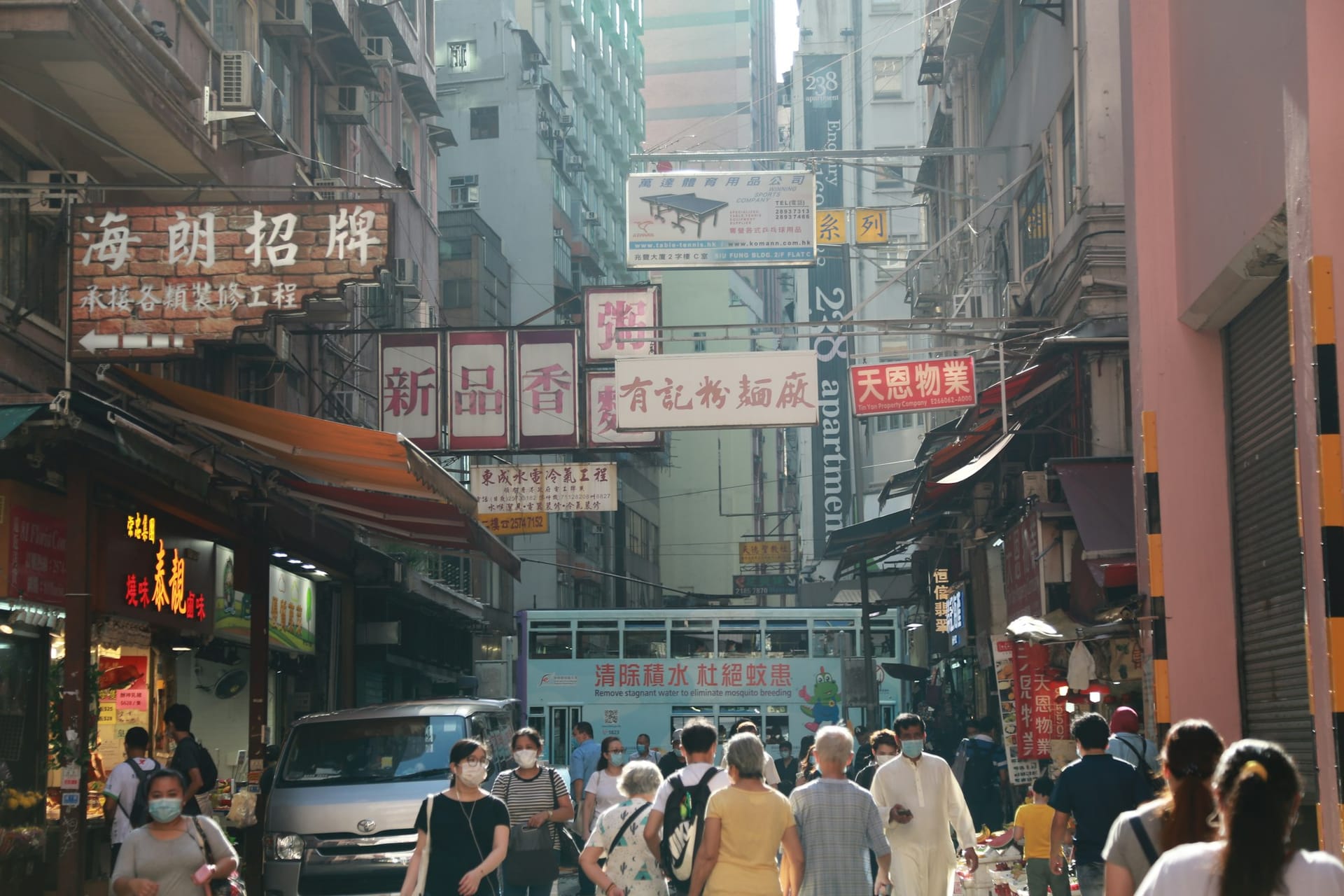
Hong Kong's peak tourist season aligns with its most comfortable weather, mainly from October to December. During this period, sightseeing is easier thanks to lower humidity and milder temperatures, but popular areas can feel busy throughout the day.
You should expect higher accommodation prices, longer waits at well-known restaurants, and more crowded attractions, especially around Victoria Harbour, Central, and Tsim Sha Tsui.
A second peak occurs around Chinese New Year (late January or February). The city becomes festive and lively, but domestic tourism increases sharply, and some small businesses may close temporarily.
- Best for: first-time visitors who want the best weather
- Trade-off: crowds and higher prices
- Tip: book hotels and key activities well in advance
Shoulder Seasons: The Sweet Spots
The shoulder seasons (late September to early October and March to early April) offer one of the best balances between weather, crowds, and cost. These periods sit just outside peak season, which means conditions are still pleasant but the city feels less congested.
In spring, temperatures rise gradually and the city becomes greener, although humidity and light rain can appear. Early autumn marks the transition out of summer, bringing noticeably lower humidity and more comfortable days without peak-season crowd levels.
Hotels are generally easier to book, popular attractions are less busy, and it's easier to experience everyday local life without feeling overwhelmed by tourism.
- Best for: travelers who want good weather without peak crowds
- Trade-off: occasional rain or lingering humidity
- Tip: plan outdoor activities earlier in the day in case weather shifts
Low Season: Budget Travel Considerations
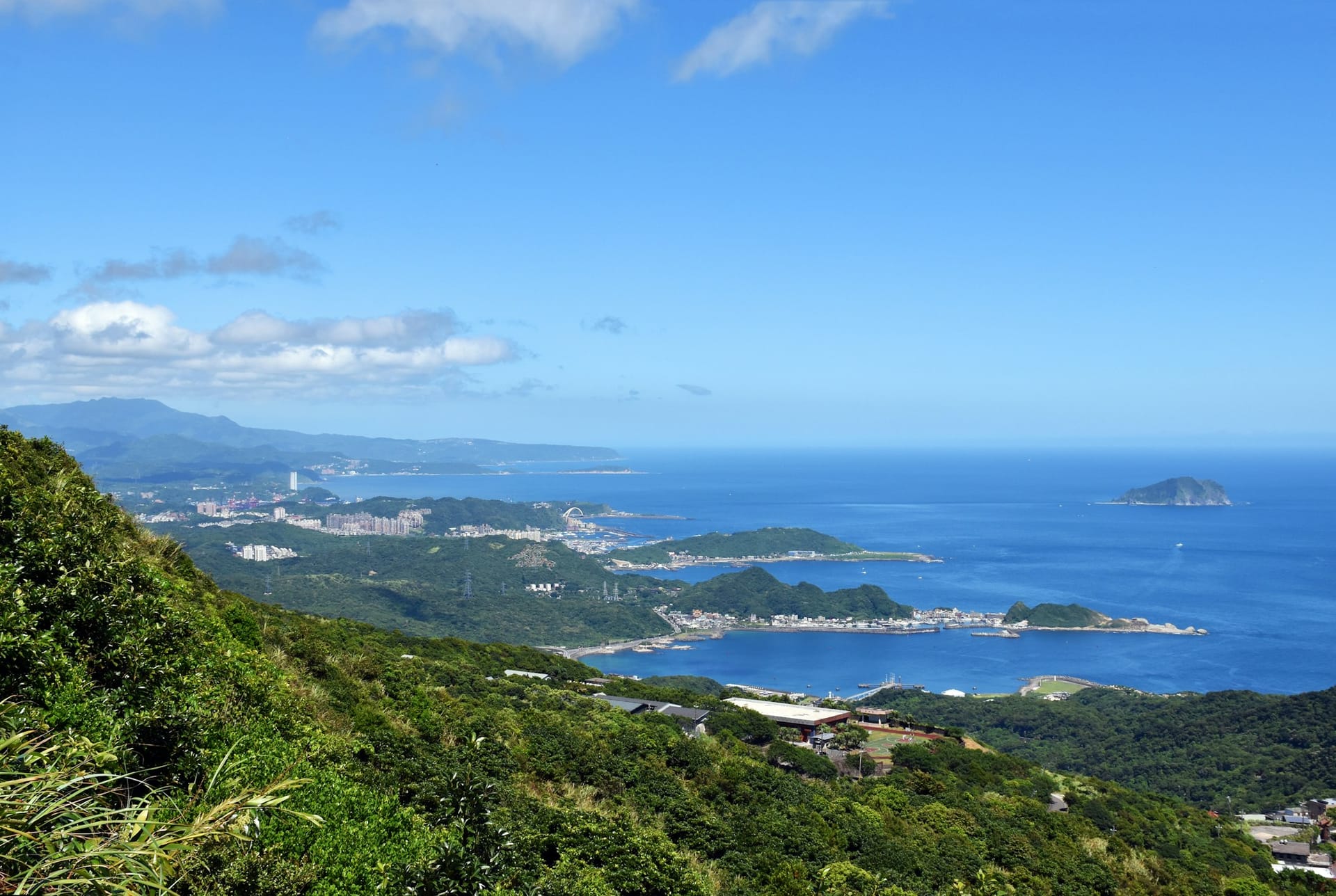
Hong Kong's low season generally runs from May through August, as well as January after Chinese New Year. These periods are quieter and more affordable, but they come with clear trade-offs.
Summer brings intense heat, high humidity, and frequent rain, with occasional typhoons disrupting outdoor plans. The upside is significantly lower hotel prices and fewer visitors at major attractions. Indoor experiences such as museums, shopping malls, and dining are far more relaxed during this time.
January is cooler and drier, making it surprisingly good for hiking and outdoor sightseeing. While the city is calmer after the holiday rush, some seasonal closures may occur, particularly at smaller businesses.
- Best for: budget-focused travelers and repeat visitors
- Trade-off: challenging summer weather or limited post-holiday activity
- Tip: build a flexible itinerary and prioritize indoor attractions on rainy days
Festivals and Events to Consider
Hong Kong hosts cultural festivals throughout the year, which can influence the best time to visit depending on your interests. While festivals add atmosphere and unique experiences, they can also increase prices and crowd levels.
- Spring Cheung Chau Bun Festival (April/May), Qingming Festival
- Summer Dragon Boat Festival (June), Hong Kong Arts Carnival
- Autumn Mid-Autumn Festival (September/October), Hong Kong Wine & Dine Festival
- Winter Christmas markets, New Year's Eve celebrations, Chinese New Year (late Jan/early Feb)
If attending a festival is a priority, booking accommodation and flights earlier than usual is recommended.
What to Pack by Season

Packing appropriately makes a noticeable difference in Hong Kong due to humidity, temperature shifts, and frequent walking.
- Spring Light layers, rain jacket, comfortable walking shoes
- Summer Breathable clothing, umbrella, sunscreen, insect repellent
- Autumn Light sweater, comfortable walking shoes, light jacket for evenings
- Winter Warm layers, waterproof jacket, comfortable shoes for walking
FAQ
Is Hong Kong expensive to visit?
Hong Kong can be expensive, particularly for accommodation in prime locations, but offers options for various budgets. Street food provides affordable dining, public transportation is efficient and reasonably priced, and many attractions like hiking trails and temple visits have low or no admission fees.
Do I need a visa to visit Hong Kong?
Visa requirements for Hong Kong depend on your nationality. Many countries enjoy visa-free entry for periods ranging from 7 to 180 days. Check with the Hong Kong Immigration Department or your local Chinese embassy well in advance of your trip to confirm current requirements.
What's the best way to get around Hong Kong?
Hong Kong has one of the world's best public transportation systems, including the MTR (subway), buses, trams, ferries, and taxis. The Octopus card provides seamless payment across most transportation options and is highly recommended for visitors planning to use public transit extensively.
Is English widely spoken in Hong Kong?
Yes, English is widely spoken in Hong Kong, particularly in tourist areas, business districts, and by service industry workers. Most signs are bilingual (Chinese and English), making navigation relatively straightforward for English speakers.
Tickets & tours
Live prices and dates from our booking partner. If you book, we may earn a commission at no extra cost to you.
Planning a trip? Discover personalized activities with the Nomado app.