Central is where Hong Kong moves fastest. It's the city's financial heart, but also a nightlife and transport hub, making it convenient for visitors who want to stay connected to everything. Expect a polished, high-energy atmosphere from day to night.
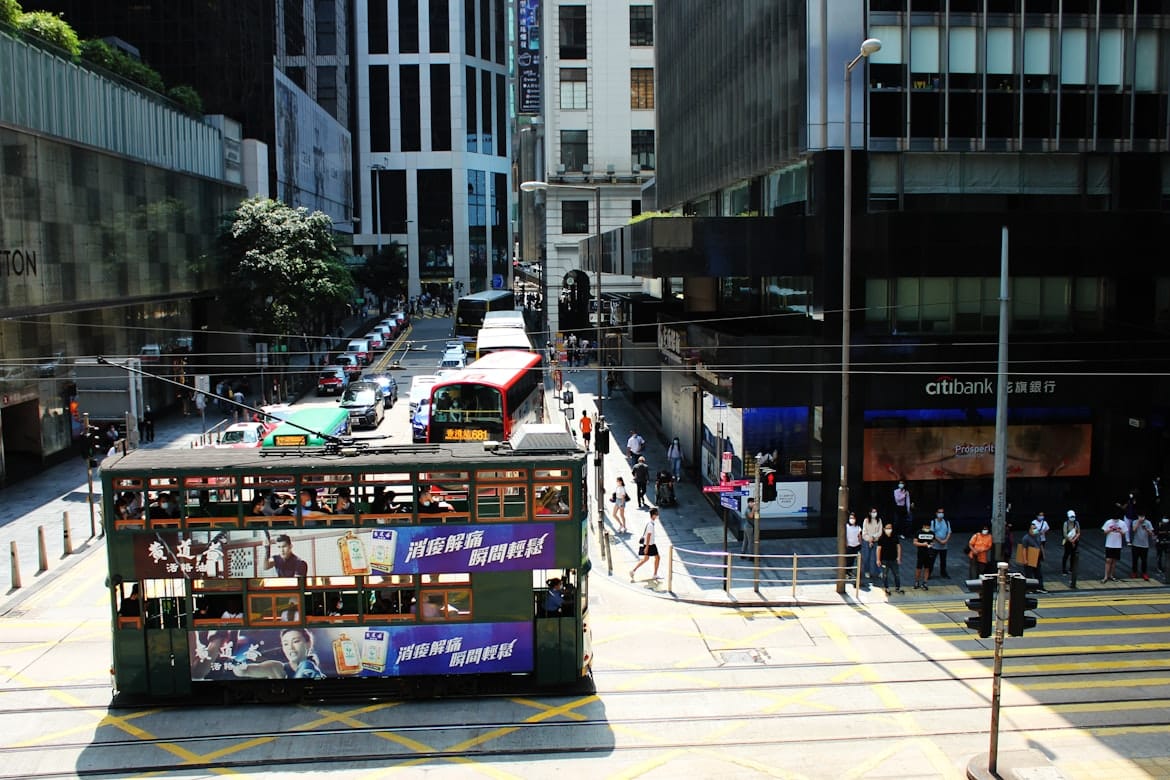
Central is Hong Kong at maximum velocity. By 8:30 AM on a Wednesday, Des Voeux Road churns with suited office workers power-walking from MTR exits toward glass towers. Starbucks on Pedder Street queues 12 deep. Taxis honk in three-layer traffic. This is Hong Kong's financial nucleus: HSBC, Goldman Sachs, Standard Chartered stacking headquarters into buildings that refract harbor light.
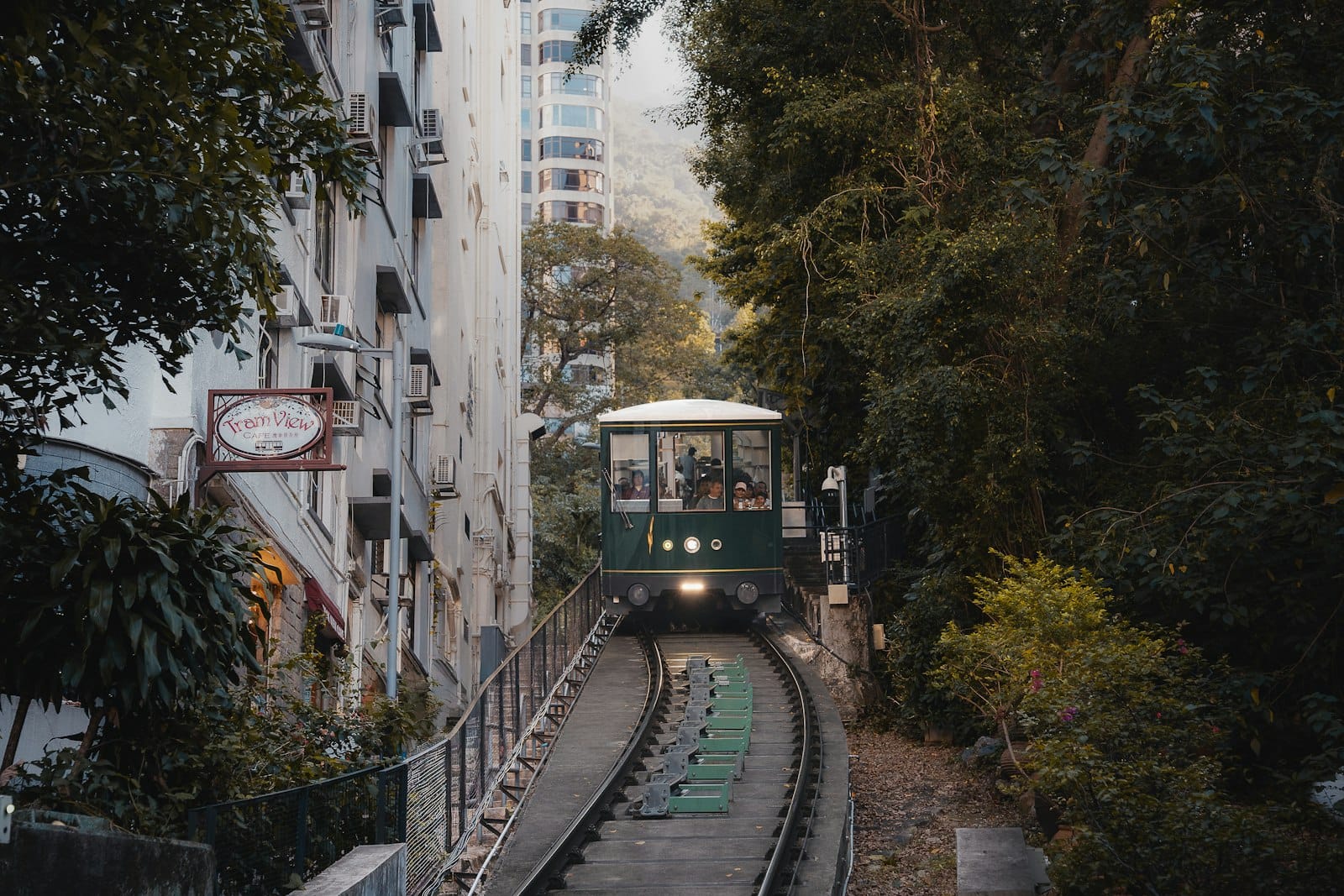
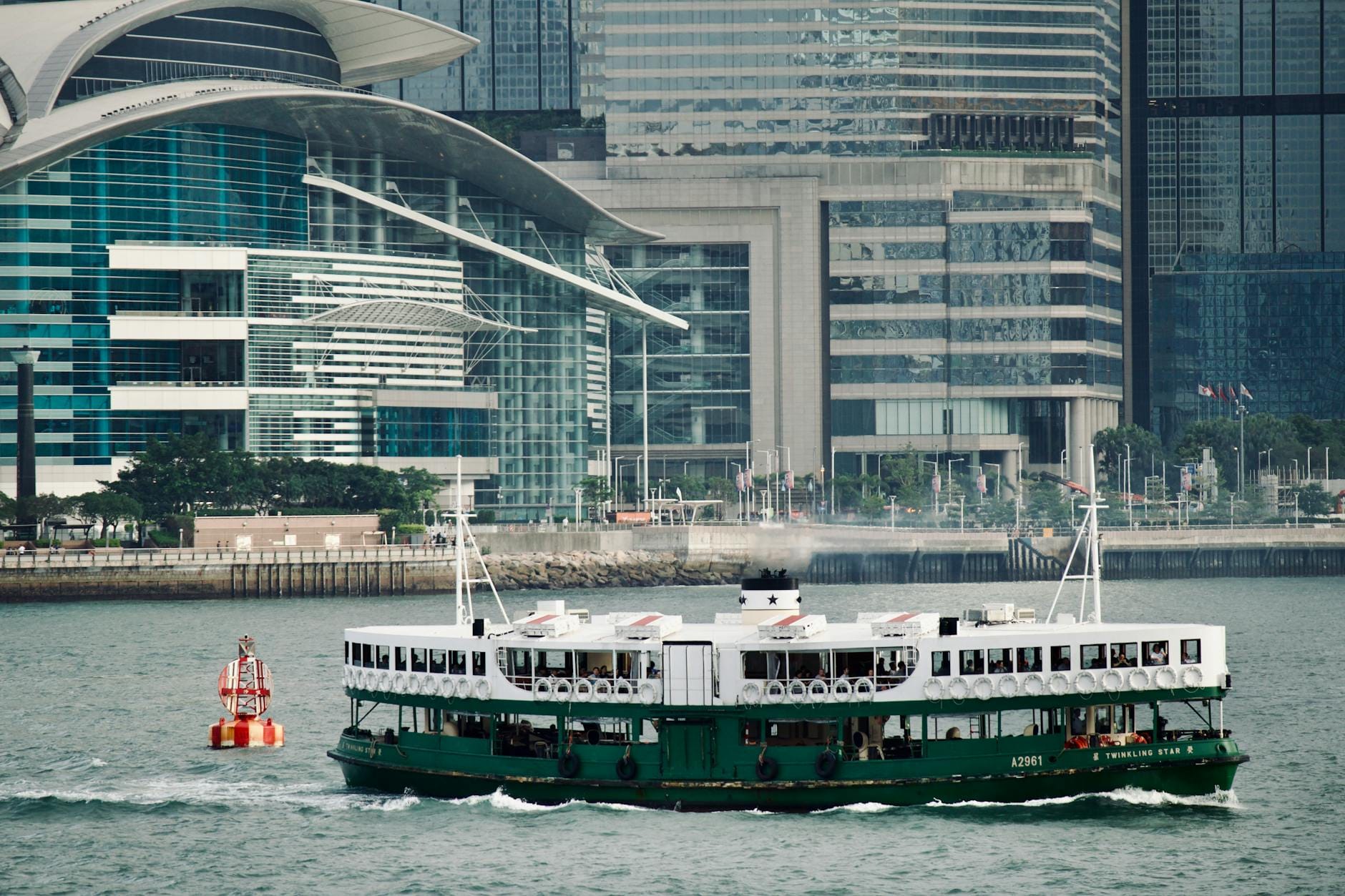
But Central isn't just business. It's Hong Kong's most connected transit junction: five MTR lines intersect (Island, Tsuen Wan, Tung Chung, Airport Express, South Island), Star Ferry links to Kowloon, Peak Tram climbs Victoria Peak. Stay in Central and you're 15 minutes from Tsim Sha Tsui, 20 from Causeway Bay, 25 from airport. Walk to SoHo, Sheung Wan, or Admiralty in under 10 minutes. This convenience is Central's strongest asset.
The trade-off? Central never sleeps. Lan Kwai Fong pumps bass until 4 AM weekends. Construction drills at 7 AM. Buses rumble past every 90 seconds on Queen's Road. Book a hotel here, request upper floor away from street or accept earplugs as nightly routine.
TL;DR
Central is Hong Kong's financial district: high-rise offices, suited crowds weekdays, and unmatched MTR connectivity with five lines converging here.
The energy shifts hard: corporate and polished by day, LKF club chaos by night. On weekend nights noise is constant, especially near Lan Kwai Fong and Queen's Road Central.
Transport convenience beats every other neighborhood: Star Ferry, Peak Tram, Airport Express, and walking distance to SoHo, Sheung Wan, and Admiralty.
Stay here if you prioritize access over atmosphere. Skip it if you want quiet nights or local neighborhood vibes.
What Central Actually Feels Like
Central's defining characteristic is density compressed into speed. People walk faster. Elevators move faster. Even 7-Eleven checkout feels clipped, transactional, efficient.
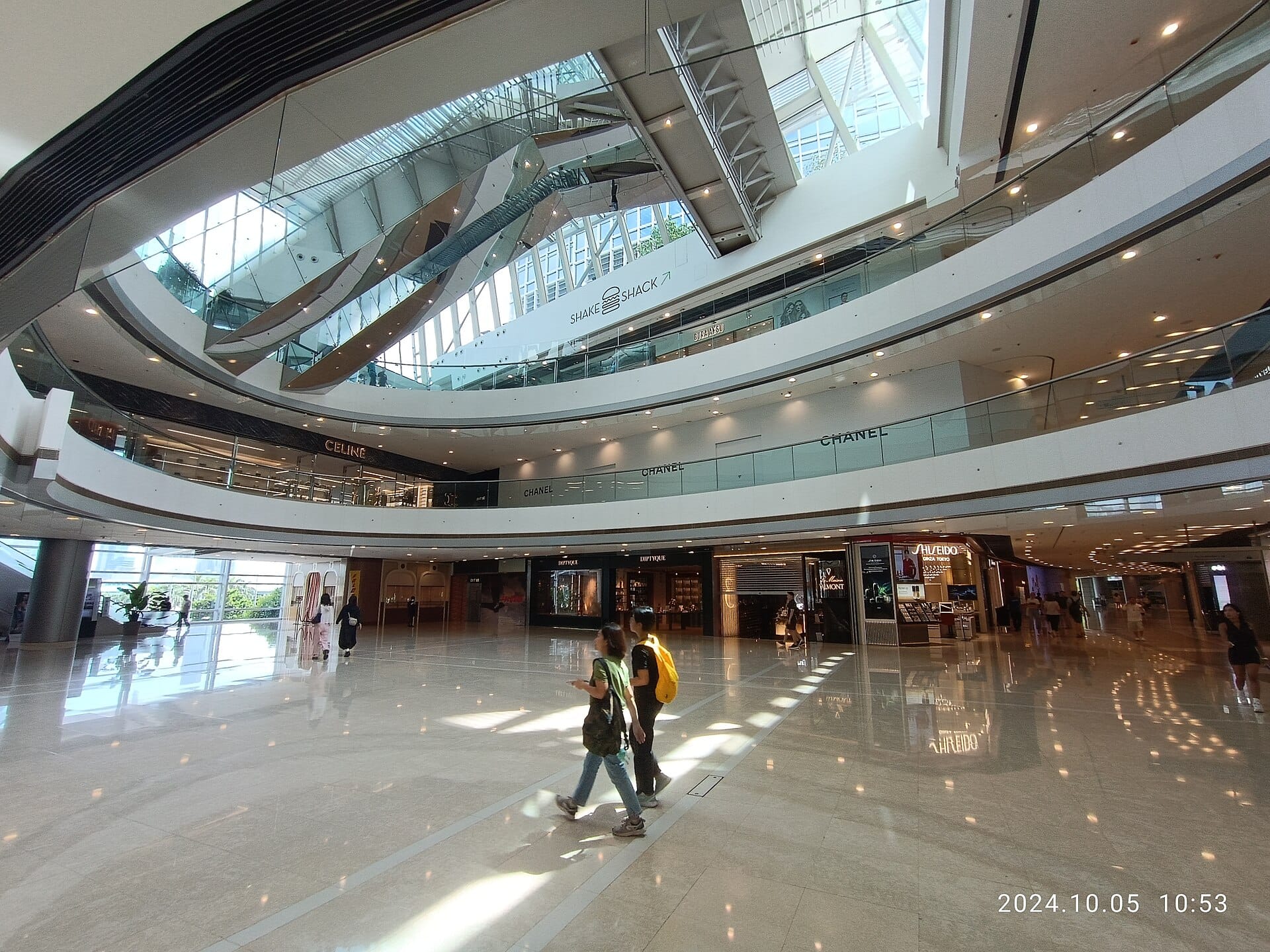
IFC Mall anchors the waterfront: four stories of polished retail where lattes cost HK$58. IFC Two towers 412 meters, its LED crown visible from Kowloon. Inland, streets narrow. Queen's Road Central runs east-west with barely room for three traffic lanes. Pedder Street and D'Aguilar Street climb toward Mid-Levels, lined with banks, watch boutiques, restaurants charging HK$400 for lunch.
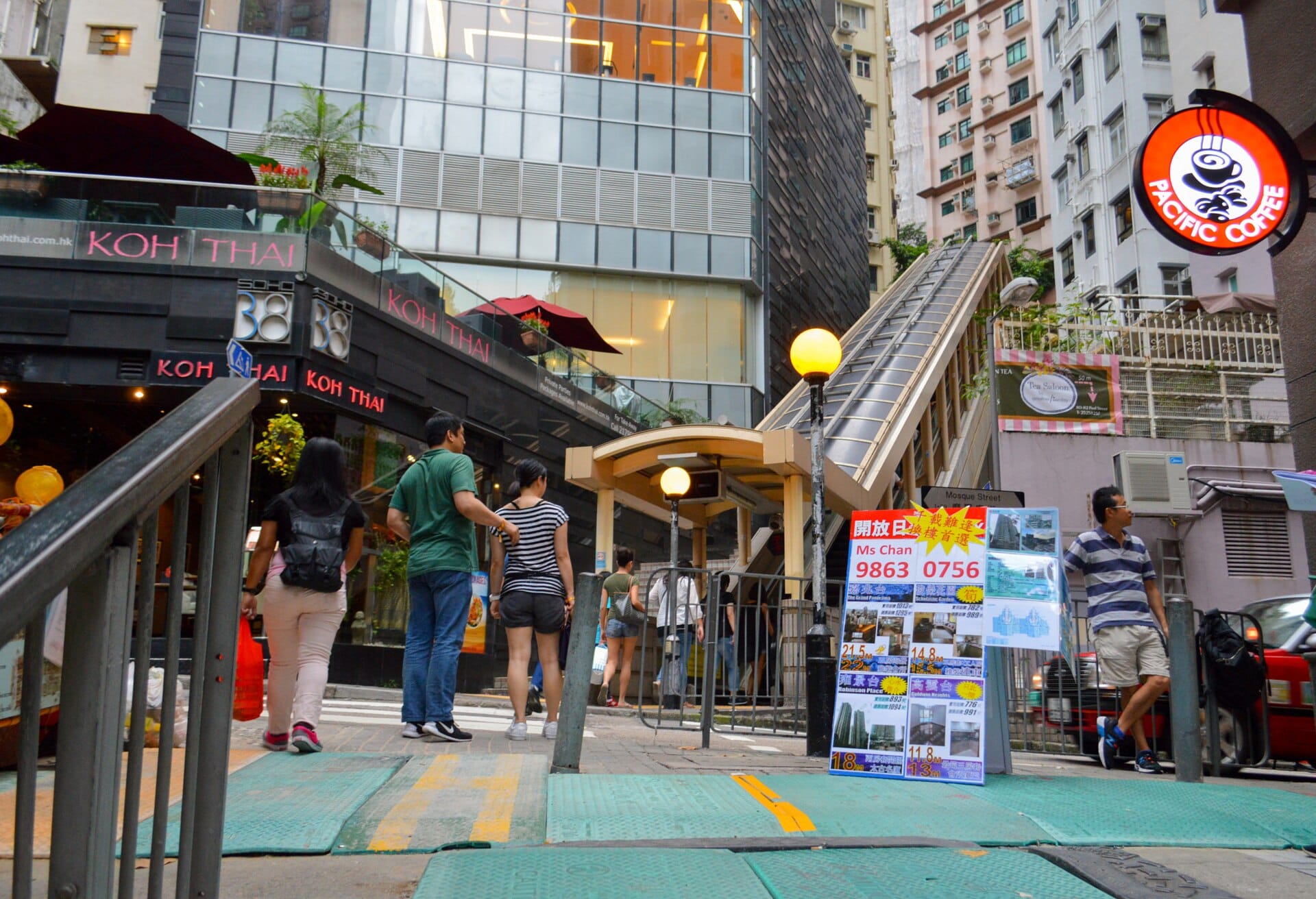
The Mid-Levels Escalator cuts through the district's southern edge: 800-meter outdoor conveyor climbing from Queen's Road to Conduit Road through SoHo. Locals commute on it; tourists ride once, realize it's slower than walking. But it defines a boundary. Below: corporate Central. Above: SoHo restaurants and residential Mid-Levels.
💡 Local tip
The escalator only runs downhill in the morning (6-10 AM) and uphill the rest of the day. If you're staying in Mid-Levels and need to head down to Central early, you'll walk or take a taxi. The system wasn't designed for tourists.
What to See and Do in Central
Central isn't rich in traditional sightseeing. No temples or museums (those live elsewhere). What Central offers is infrastructure-as-spectacle: Peak Tram terminus on Garden Road, Star Ferry Pier 7 at the waterfront, IFC Mall observation deck. For comprehensive Hong Kong activities, check our things to do in Hong Kong guide.
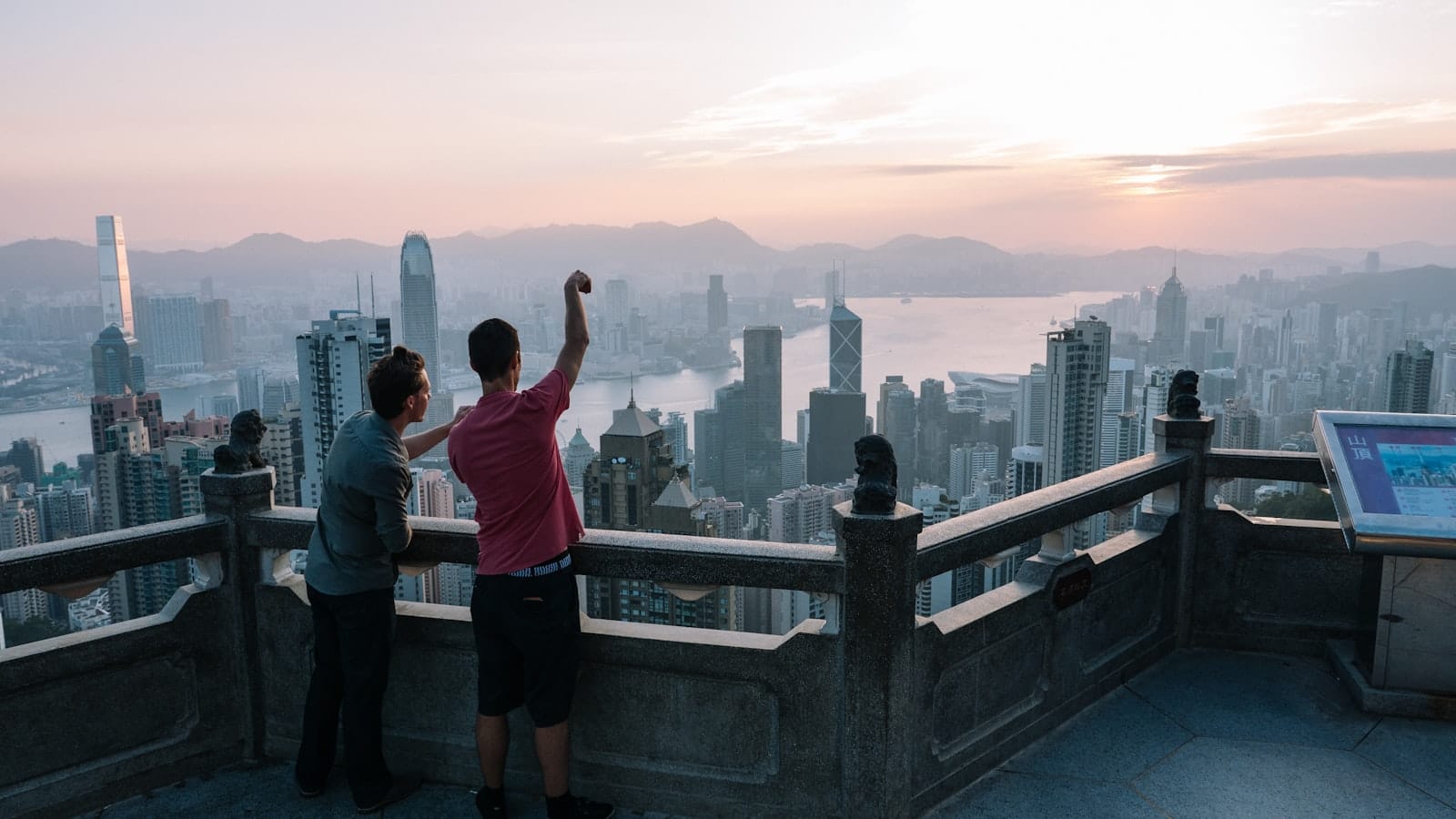
Peak Tram queues snake 30-45 minutes by 11 AM, especially weekends. See a queue wrapping the building? Skip it. Walk 400 meters to Exchange Square Bus Terminus, take bus 15 or 15B to Victoria Peak. Same destination, better upper-deck views, save HK$88.
Statue Square, a small green space between Chater Road and Des Voeux Road, functions as Central's public living room. Sundays fill with Indonesian and Filipina domestic workers picnicking on cardboard mats. Monday morning: office workers eating HK$45 sandwiches. Notable feature: the Cenotaph war memorial (1923). Otherwise it's grass surrounded by HSBC and the old Supreme Court building.
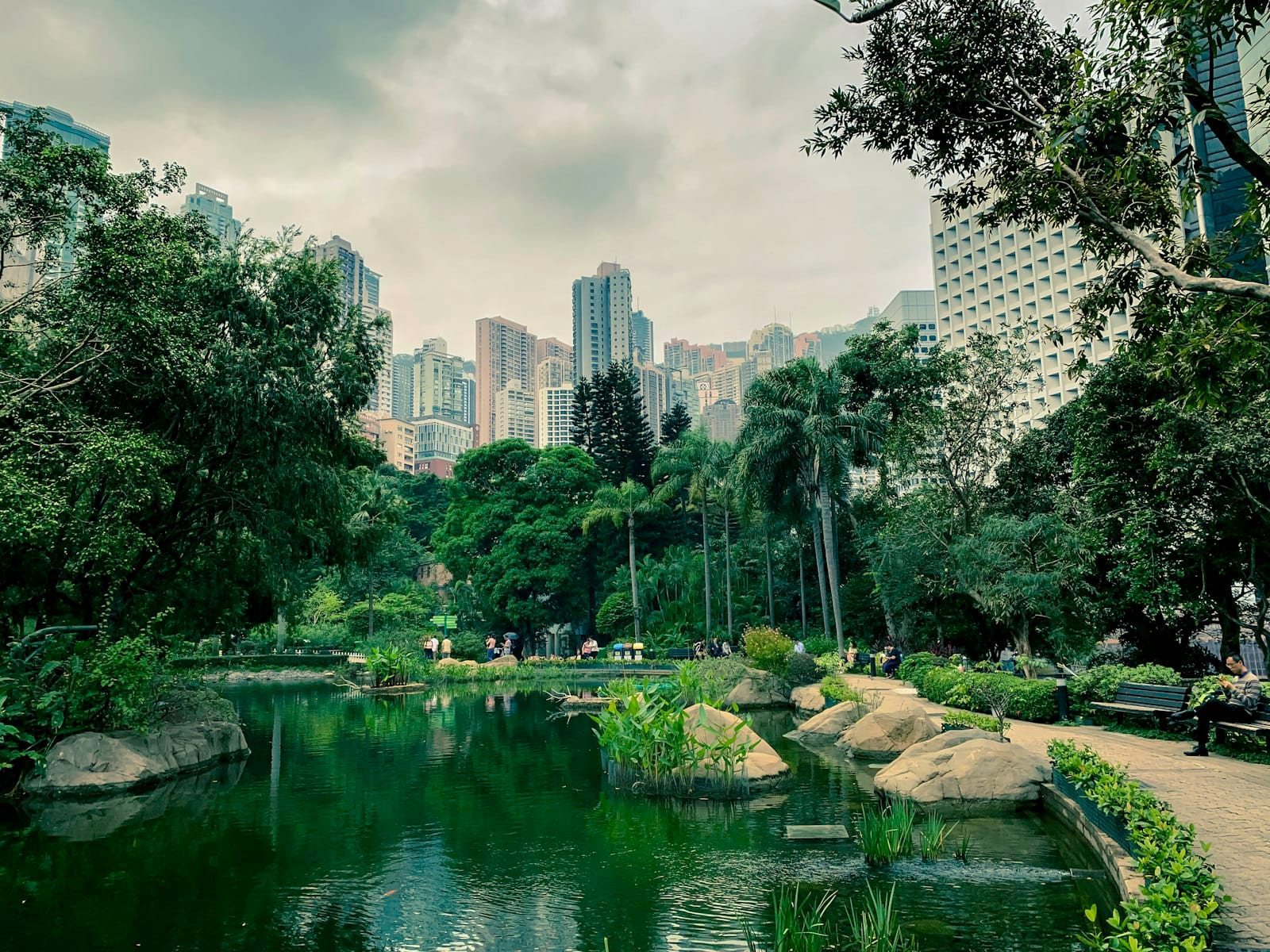
Hong Kong Park sits 10 minutes uphill from Central MTR (Exit C1, up Garden Road). Eight hectares: waterfalls, koi ponds, walk-in aviary with 600 birds. Built 1991 on former British military barracks. Design contrasts surrounding high-rises: bamboo groves, flowing water, silence. Best early morning (7-9 AM) or late afternoon.
ℹ️ Good to know
The Edward Youde Aviary (inside Hong Kong Park) is free and genuinely impressive. Enter through the elevated walkway and you're suddenly inside a netted rainforest with toucans, minivets, and laughingthrushes flying overhead.
Central at Different Times of Day
Morning rush (7-9:30 AM) floods MTR exits D2, J2, and H with suited commuters. Coffee shops queue. Walk against the flow toward Sheung Wan and you'll fight the current. Lunch (12-2 PM) crushes restaurants on Wyndham Street and Wellington Street. Go at 11:30 AM or after 2 PM to avoid 20-minute waits.
The calm window (3-5 PM) is best for visitors: streets thin, Statue Square empties, Star Ferry crowds disappear. Evening rush (6-8 PM) reverses the morning flow. Bars fill. Suits vanish, casual clothes appear, energy loosens.
Late night (10 PM-3 AM) transforms Lan Kwai Fong into Hong Kong's densest nightlife zone. Clubs like Dragon-i and Zentral blast house music. The street becomes a standing-room outdoor bar smelling like Jäger and fried chicken from the 24-hour McDonald's. Hotels within 200 meters hear bass until 4 AM on Friday and Saturday.
⚠️ What to skip
Hotels near Lan Kwai Fong market themselves as 'Central nightlife access.' What they don't mention: Saturday night in LKF sounds like a stadium concert. Request a room on a high floor facing away from D'Aguilar Street or prepare for sleepless weekends. If you're visiting outside of the weekend though, nights tend to be quieter due to regulations since 2024
Where to Eat and Drink in Central
Central's food scene skews expensive. Michelin-starred restaurants and corporate lunch spots dominate, but value pockets exist. Tsui Wah Restaurant on Wellington Street serves Hong Kong-style cafe food 24 hours: milk tea, pineapple buns, crispy bun with condensed milk. Yung Kee on Wellington Street (operating since 1942) is famous for roast goose with skin that crackles like glass.
For coffee: Cupping Room on Lyndhurst Terrace roasts their own beans, pulls consistent shots, enforces a no-laptop policy. Teakha (technically Sheung Wan, 8-minute walk from Central MTR Exit A2) does excellent Hong Kong-style milk tea in a quiet shophouse with wooden stools and potted plants.
SoHo (blocks between Hollywood Road and Caine Road) holds Central's densest restaurant zone. Chachawan on Gough Street: Isaan Thai, som tam with salted crab, charcoal pork neck, HK$250-350 per person. Ho Lee Fook on Elgin Street: modern Cantonese, crispy roast pork, rosé-soy chicken, wagyu brisket. Reservations required.
Is Central Safe at Night?
Yes. Central is one of Hong Kong's safest neighborhoods at any hour. Street crime is rare, police presence is constant, even Lan Kwai Fong at 2 AM feels more chaotic than dangerous. Main risks: pickpockets in crowded MTR exits and overpriced club covers. Women walking alone report no issues. The Mid-Levels Escalator is well-lit and CCTV-monitored. The biggest safety concern is crossing streets—drivers are aggressive and pedestrian crossings don't guarantee right-of-way.
Who Should Stay in Central
Central makes sense for specific traveler profiles. Stay here if you value transport convenience above all else—five MTR lines, Star Ferry, Airport Express, and Peak Tram all within 10 minutes. For detailed neighborhood comparison, see our where to stay in Hong Kong guide.
Have business in the financial district. If your meetings are in IFC, Exchange Square, or The Center, staying in Central saves commute time.
Want maximum nightlife access. LKF is Hong Kong's densest bar and club zone. If you're here to drink and don't want to taxi home at 3 AM, Central is the logical base.
Prefer polished, international environments. Central's hotels trend toward business-class: Four Seasons, Mandarin Oriental, The Landmark.
Are visiting Hong Kong for 2-3 days and want to minimize travel time. Central's connectivity means less MTR time, more sightseeing.
Who Should Probably Stay Elsewhere
Central isn't the right base for everyone. Skip this neighborhood if you:
Want quiet nights. Central is loud. Traffic noise, construction, LKF bass. If sleep quality matters, stay in Sheung Wan or Wan Chai instead.
Prefer local neighborhood vibes. Central feels corporate and international. You won't find street markets or family-run noodle shops here.
Are traveling on a budget. Central's hotels start around HK$800/night for basic rooms. Hostels are scarce. Food is expensive unless you hunt for value.
Want a neighborhood to explore on foot. Central is transit infrastructure, not a walking district. Sheung Wan has layered streets worth wandering.
Are sensitive to crowds. Central's MTR exits during rush hour feel like being funneled through a human compressor.
Transport and Practical Realities
Central MTR is Hong Kong's busiest interchange with five lines: Island Line (Sheung Wan, Wan Chai, Causeway Bay), Tsuen Wan Line (Tsim Sha Tsui, Jordan, Mong Kok), Tung Chung Line (airport, Lantau), Airport Express (24 minutes to HK Airport), South Island Line (Ocean Park, Aberdeen).
The station has 14 exits (A-K, plus J2, H, D2). Exit A: Star Ferry. Exit D2: IFC Mall and Airport Express. Exit J2: Pedder Street near LKF. Exit G: elevated walkway system linking office towers. Download MTR Mobile app to find the closest exit.
Pier 7 at Central Harbourfront (aka Star Ferry Pier 7): 5-minute walk from MTR. Ferry to Tsim Sha Tsui costs HK$5.0 (upper deck adult), takes 8 minutes, runs 6:30 AM-11:30 PM. Faster and more scenic than MTR during rush hour. Peak Tram Lower Terminus: Garden Road, 10 minutes uphill from Central MTR Exit K. Runs 7 AM-midnight, HK$88 one-way for adults (standard class). Long queue? Take bus 15 from Exchange Square instead (HK$9.80).
💡 Local tip
The elevated walkway system (Central–Admiralty Footbridge) lets you walk from IFC Mall to Admiralty MTR (1.2 km) entirely above street level, air-conditioned and rain-sheltered. Faster than ground level, avoids traffic lights.
Local Tips You Won't Find Elsewhere
IFC Mall's rooftop terrace (4th floor, outside Apple Store) is one of Central's few free, quiet outdoor spaces with harbor views. Uncrowded because most people don't know it exists.
On Sundays, Statue Square and Chater Road fill with domestic workers (Hong Kong's day off). It's a vibrant, communal scene that gives Central completely different energy.
The 7-Eleven on D'Aguilar Street near LKF stays open 24 hours and becomes an unofficial post-club gathering spot. Water, snacks, aspirin at 3 AM.
H&M on Queen's Road Central has free public restrooms (2nd floor). Everywhere else charges HK$2-5.
How Central Compares to Nearby Neighborhoods
Looking for other Hong Kong neighborhoods? Check out Sheung Wan for a slower, more local vibe just west of Central, Tsim Sha Tsui for waterfront hotels across the harbor, or Causeway Bay for shopping and mid-range hotels, or Yau Ma Tei for Kowloon night markets and local character.
Sheung Wan (10 minutes west): Slower pace, cheaper hotels, better street exploring. One MTR line only, but you gain antique shops, Man Mo Temple, residential life. If Central feels too corporate, Sheung Wan is the immediate alternative.
Tsim Sha Tsui (8 minutes via ferry): More hotels per square kilometer than anywhere in Hong Kong. Waterfront promenade has better skyline views. Trade-off: Kowloon side means daily harbor crossings if most plans are on Hong Kong Island.
Causeway Bay (15 minutes east): Shopping-focused, less polished. Slightly cheaper hotels, more local food, closer to Victoria Park. Less convenient for airport but better for eastern Hong Kong Island.
ℹ️ Good to know
Torn between Central and Sheung Wan? Choose based on sleep priority. Central wins connectivity but loses quiet. Sheung Wan is 12-minute walk to Central but your hotel won't vibrate with LKF bass on weekends.
The definitive guide to choosing where to stay in Hong Kong: from harbor views in Tsim Sha Tsui to local life in Sham Shui Po, and why the MTR line matters more than the view.