Causeway Bay is all about convenience and activity. It's busy almost around the clock, with shopping, dining, and transport concentrated in a small area. Many visitors choose it for its central location and constant energy.
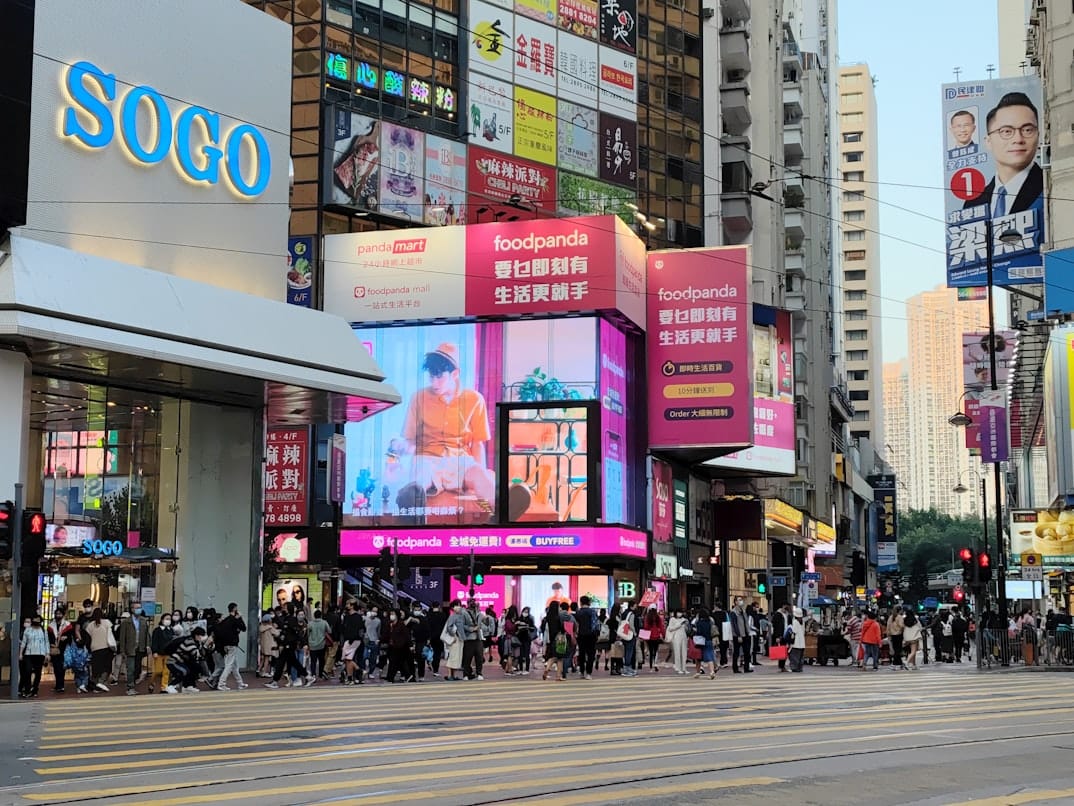
Causeway Bay operates at shopping-district velocity: 11 AM and the sidewalks along Hennessy Road already flow thick with shoppers carrying branded bags. Times Square mall erupts 16 stories of retail. Sogo Department Store anchors the eastern end like a Japanese mothership. Street-level shops sell everything from designer handbags to egg waffles, often in adjacent storefronts.
This is Hong Kong's retail engine room: more consumer energy per block than anywhere else in the city. Not the luxury focus of Central's IFC Mall. Not the tourist concentration of Tsim Sha Tsui. This is where Hong Kongers actually shop: fashion chains, cosmetics stores, electronics retailers, and restaurants stacked into every available vertical space.
Stay here and you're embedded in constant activity. Hotels run cheaper than Central, MTR access is excellent (island line with transfers nearby), and Victoria Park offers rare green space. The trade-off? Causeway Bay never quiets. Midnight on a Tuesday and Hennessy Road still hums with buses, taxis, and people leaving late dinners.
TL;DR
Causeway Bay is Hong Kong's shopping capital: Times Square, Sogo, SOGO, Hysan Place, and 500+ street-level shops within 10-minute walk. Retail density exceeds Central.
Located on Hong Kong Island's northern shore, connected via MTR Island Line. 15 minutes to Central, 20 to Tsim Sha Tsui.
Victoria Park (19 hectares) provides green escape. Sunday markets, jogging tracks, public swimming pool, and Lunar New Year flower market venue.
Best for shoppers, first-time visitors wanting activity, and travelers who prefer Hong Kong Island over Kowloon. Skip if you value quiet or need business-district proximity.
What Causeway Bay Actually Feels Like
Causeway Bay's defining characteristic is commercial density compressed into pedestrian chaos. The area lacks Central's corporate polish or TST's waterfront space. Instead, you get maximum retail per square meter: Hennessy Road, Yee Wo Street, and Lockhart Road form a triangle containing Times Square (16-story mall), Hysan Place (17 floors), SOGO (13 floors), Windsor House, World Trade Centre, and Lee Gardens. Underground tunnels connect many of these: you can shop for 40 minutes without surfacing.
The street-level experience is sensory overload: neon signs in Cantonese and English, audio advertisements from shop doorways, hawkers offering restaurant flyers, and sidewalks so crowded that pedestrian traffic develops its own flow patterns. Locals walk fast. Tourists photograph everything. Nobody stops moving.
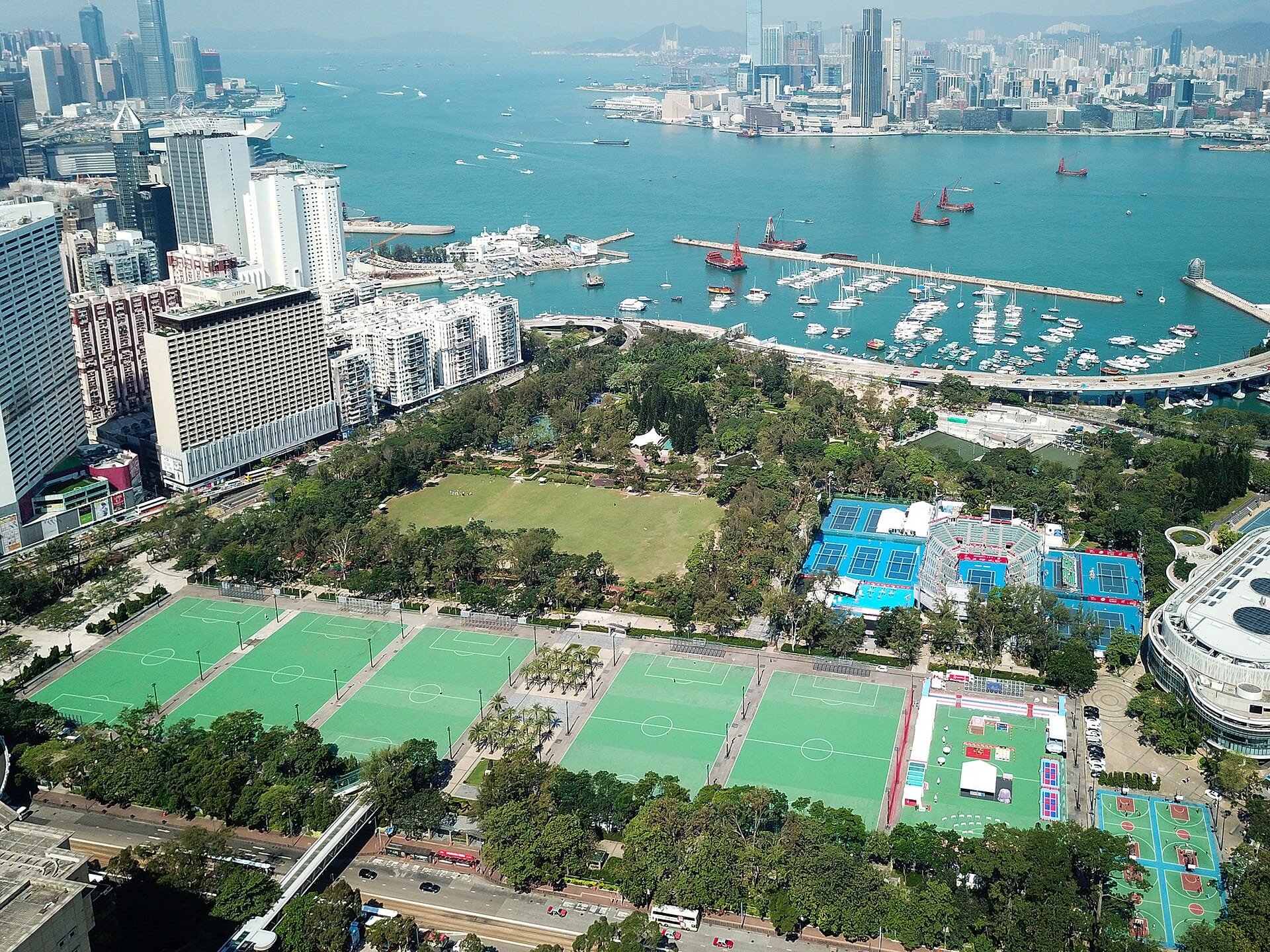
Victoria Park occupies 19 hectares on the district's northeast edge: Hong Kong Island's largest public park. Morning joggers (6-8 AM), lunchtime office workers eating便當 (bento), evening badminton players, and weekend families with kids cycling rented bikes. The Lunar New Year Flower Market (late January/February) transforms the park into a carnival of blooming plants and festive chaos.
💡 Local tip
Causeway Bay MTR has multiple exits (A, B-E, F1-F2) across three concourses. Main ones are Exit A: Times Square. Exit D: SOGO and Hennessy Road. Exit E: Victoria Park. Surfacing at wrong exits adds 10 minutes of backtracking through crowds.
What to See and Do in Causeway Bay
Shopping is Causeway Bay's primary activity. Times Square, SOGO, and Hysan Place offer international brands and Hong Kong chains across climate-controlled floors. Street-level shops on Jardine's Bazaar and Fashion Walk specialize in Korean cosmetics, Japanese fashion, and local boutiques. For broader Hong Kong attractions beyond shopping, see our things to do in Hong Kong guide.
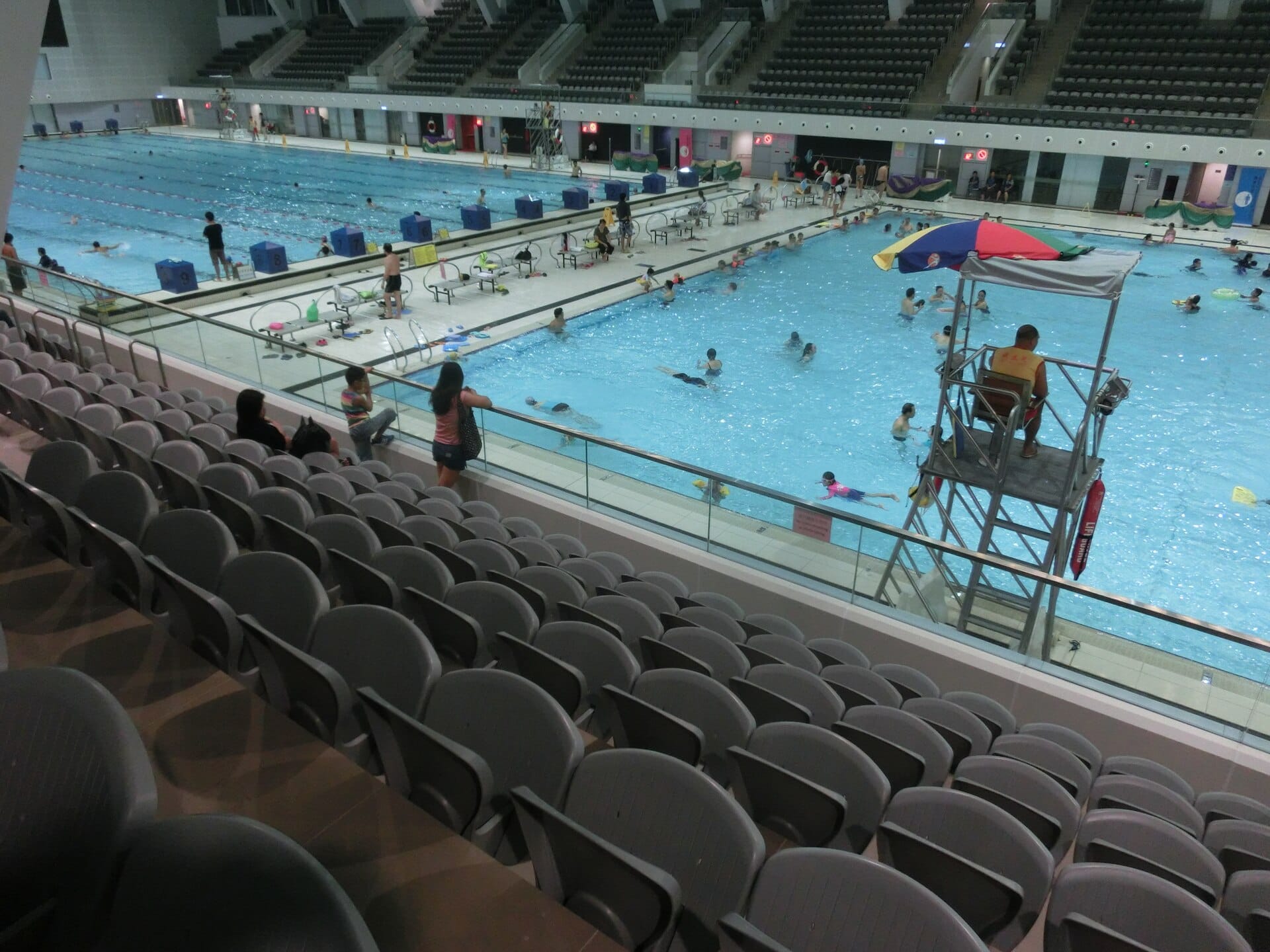
Victoria Park offers jogging tracks (1.5km loop), basketball courts, tennis courts, public swimming pool (HK$19 entry, Olympic-size outdoor), and Sunday morning Cantonese opera performances (8-11 AM, free, mostly elderly audience). The Lunar New Year Flower Market (3-4 days before Chinese New Year) is Hong Kong's largest, drawing 500,000+ visitors. Expect crowds, festive energy, and stalls selling everything from orchids to dried seafood.
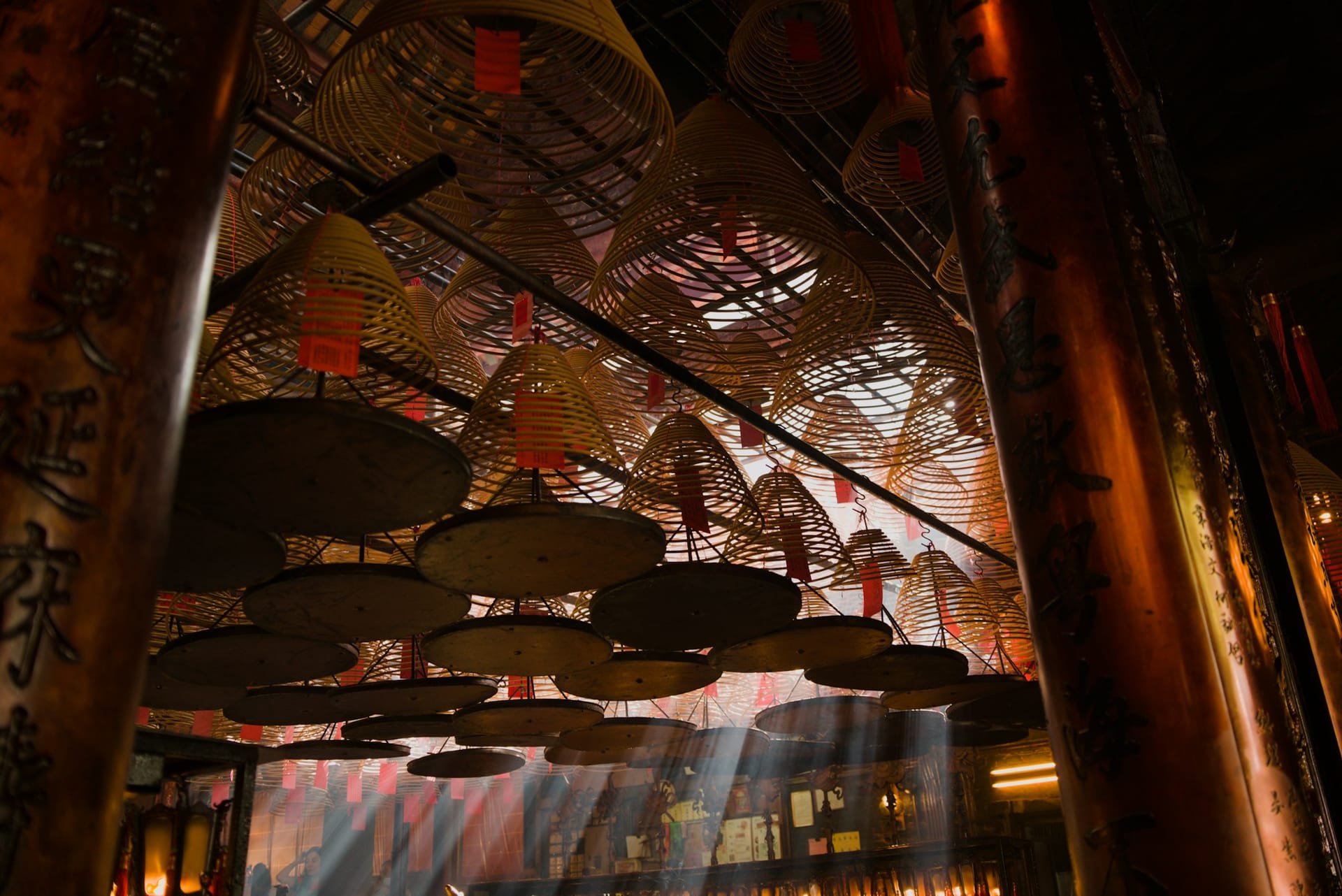
Tin Hau Temple (Tin Hau Temple Road, 5-minute walk from MTR Exit B) dates to 1747, dedicated to the goddess of the sea. Small but active: locals burn incense daily, and the temple hosts major festivals during Tin Hau's birthday (April/May lunar calendar). Less touristy than Man Mo Temple in Sheung Wan, meaning you'll share space with actual worshippers, not tour groups.
Tai Hang neighborhood (10-minute walk southwest) offers village-like atmosphere within urban Causeway Bay. Narrow lanes, pre-war shophouses, independent cafés, and the Fire Dragon Dance festival (Mid-Autumn Festival, September/October). Less crowded than main Causeway Bay, better for wandering without shopping agenda.
ℹ️ Good to know
Noon Day Gun at Causeway Bay Typhoon Shelter (off Victoria Park, 10-min walk) fires daily at noon. A tradition since 1860s. Free to watch. Small crowd gathers 11:55 AM. The blast is loud; kids love it. Access via pedestrian underpass from East Point Road.
Causeway Bay at Different Times of Day
Morning (7-10 AM): Victoria Park fills with joggers and tai chi practitioners. Cha chaan tengs serve breakfast crowds: milk tea, macaroni soup, pineapple buns. Shopping areas are quiet; most stores open 10-11 AM. This is the only window when sidewalks aren't congested.
Midday to evening (11 AM-9 PM): Peak shopping hours. Malls operate at capacity. Hennessy Road sidewalks flow with constant foot traffic. Lunch (noon-2 PM) crushes restaurants: go at 11:30 AM or after 2:30 PM to avoid waits. Dinner rush (6-8 PM) is similar. Shops stay open until 9-10 PM, some until 11 PM.
Late evening (9 PM-midnight): Shopping winds down but restaurants stay busy. Lockhart Road's late-night food scene activates: hot pot, BBQ, noodle shops. Sidewalks thin but never empty. Bus and MTR frequencies drop after 11 PM but service continues past midnight.
Late night (midnight-6 AM): Causeway Bay quiets but doesn't sleep. Some restaurants operate 24 hours (Tsui Wah, Café de Coral). Taxis cruise for fares. The neighborhood feels safe but empty: most people have gone home.
⚠️ What to skip
Avoid Causeway Bay on weekends during sales seasons (July-August summer sales, December-January winter sales). Sidewalks become impassable. Even locals shop weekdays during these periods.
Where to Eat and Drink in Causeway Bay
Causeway Bay's food scene balances chains, local favorites, and international options. Tasty Congee & Noodle Wantun Shop (multiple locations, original on Gloucester Road) serves Cantonese comfort food: congee, wonton noodles, roast meats. HK$45-65 per person. Lines form lunch and dinner but move fast.
Yardbird (Bridges Street, technically Sheung Wan border but relevant) does excellent yakitori with Hong Kong ingredients. Reservations essential. For casual Japanese, Ichiran Ramen (Times Square basement) offers solo-dining booths and customizable tonkotsu. HK$80-100 per bowl.
Bowrington Road Cooked Food Centre (2nd floor wet market, near Bowrington Road MTR Exit) hosts 10+ dai pai dong stalls serving cart noodles, clay pot rice, and stir-fry. Locals crowd stall #35 for cart noodles (HK$38 with 8 toppings). Cash only, minimal English, authentic.
Lockhart Road after dark transforms into late-night food row: hot pot restaurants, Korean BBQ, Taiwanese snacks. Hui Lau Shan (multiple locations) specializes in mango desserts: mango pomelo sago, mango pancakes. HK$40-60, open until 1 AM weekends.
Is Causeway Bay Safe at Night?
Yes. Causeway Bay is extremely safe at all hours. Street crime is negligible, police presence is visible, and foot traffic remains steady until midnight. Women walking alone report zero concerns. The area's commercial focus means security is prioritized: CCTV cameras, building guards, and well-lit streets.
The main nighttime annoyance is navigating crowds, not safety. Sidewalks stay busy until 11 PM. If you're walking back to your hotel after dinner, expect to share narrow sidewalks with 50 other people doing the same thing.
Who Should Stay in Causeway Bay
Causeway Bay suits shoppers, activity seekers, and travelers who want Hong Kong Island location without Central prices. Hotels here offer better value than Central while maintaining excellent MTR connectivity. For detailed accommodation advice, check our where to stay in Hong Kong guide.
Love shopping. This is Hong Kong's retail capital. Fashion, cosmetics, electronics, food: Causeway Bay sells everything within walking distance.
Want Hong Kong Island base without Central costs. Hotels run HK$200-300 cheaper than Central. Similar quality, lower price.
Prefer constant activity. Causeway Bay maintains energy from 7 AM to midnight. If you thrive on urban buzz, this neighborhood delivers.
Value Victoria Park access. Morning jogs, weekend picnics, and green space are rare in dense Hong Kong. The park compensates for the surrounding concrete.
Are visiting Hong Kong for first time and want centrally located base. The Island Line MTR connects you to Central, Admiralty, and Wan Chai quickly.
Who Should Probably Stay Elsewhere
Causeway Bay isn't ideal for everyone. Skip this neighborhood if you:
Seek quiet and calm. Causeway Bay is perpetually busy. Traffic noise, crowd density, and commercial energy never stop. For peaceful nights, try Sheung Wan or residential areas.
Dislike shopping. If retail doesn't interest you, Causeway Bay's primary appeal disappears. You're paying for mall proximity you won't use.
Need business district access. Causeway Bay is 15 minutes from Central via MTR, but if your Hong Kong trip focuses on finance/business, staying in Central saves daily commute time.
Prefer local culture over tourist infrastructure. Causeway Bay feels commercial, not residential. For authentic neighborhood life, Mong Kok or Sham Shui Po offer more character.
Have limited mobility. Sidewalk crowds and narrow passages make wheelchair/cane navigation difficult. Central's wider walkways and escalator systems are more accessible.
Transport and Practical Realities
Causeway Bay MTR (Island Line, Exit D for shopping core, Exit E for Victoria Park) connects to: Central (3 stops west, 6 minutes), Admiralty (2 stops, 4 minutes), Wan Chai (1 stop, 2 minutes), Tin Hau (1 stop east, 2 minutes). Trains run every 2-3 minutes during peak hours, every 4-6 minutes off-peak.
Tin Hau MTR (one stop east) also serves eastern Causeway Bay and Victoria Park's east gate. Useful if your hotel is on that end. Connected to Tsuen Wan Line via Admiralty transfer (total 8 minutes to TST).
Trams run along Hennessy Road (eastbound) and Yee Wo Street (westbound). HK$3 flat fare via Octopus card. Slow but scenic. Upper deck front seat offers neighborhood views. Useful for short hops (2-3 stops) when MTR feels like overkill. Runs 6 AM-midnight.
Buses connect to Stanley (6, 6X, 260), Repulse Bay (40, 40X), and Aberdeen (41A, 42). Stops on Hennessy Road and Yee Wo Street. Most routes run every 10-15 minutes. Download Citymapper app for real-time bus tracking.
💡 Local tip
Times Square (Exit A from MTR) has free WiFi, clean restrooms (basement level), and ATMs accepting international cards. Useful for tourists needing quick services without paying café prices.
Local Tips You Won't Find Elsewhere
Jardine's Bazaar and Jardine's Crescent (parallel streets south of Times Square) host cheaper shopping than main malls. Street stalls sell knock-off goods, but also legitimate Korean cosmetics, Japanese snacks, and local fashion at 30-40% below mall prices.
Victoria Park Swimming Pool (northeast corner of park) is Hong Kong's best public pool: 50-meter outdoor lap pool, diving platforms, kiddie pool. HK$19 entry, open April-October. Bring your own towel or rent for HK$10.
Tai Hang Fire Dragon Dance (Mid-Autumn Festival, September/October) is a UNESCO-recognized tradition: 67-meter dragon made of incense sticks, paraded through narrow lanes for three nights. Arrive 6:30 PM for 7 PM start; crowds are intense but atmosphere is electric.
Bowrington Road Wet Market (ground floor, below cooked food centre) sells fresh produce, seafood, and meat cheaper than supermarkets. Not tourist-oriented but fascinating if you want to see how Hong Kongers shop for ingredients.
How Causeway Bay Compares to Nearby Neighborhoods
Comparing Hong Kong Island options? Check out Central for business district and more MTR lines, Sheung Wan for local character and antiques, or Tsim Sha Tsui for Kowloon-side hotels with skyline views, or Yau Ma Tei for Kowloon's night markets and jade market atmosphere.
Wan Chai (one MTR stop west): More local, less touristy. Cheaper hotels, better street food, night markets. Good for travelers who want Causeway Bay proximity without the shopping crowds.
Tin Hau (one stop east): Residential spillover from Causeway Bay. Quieter, cheaper, smaller hotels. Victoria Park's east gate is closer. Trade shopping convenience for lower prices and calmer streets.
Central (15 minutes west): More expensive, better transport (multi-line hub vs Causeway Bay's Island Line), corporate atmosphere. Choose Central if business/convenience beats shopping/activity.
ℹ️ Good to know
Causeway Bay vs Central: shoppers prefer Causeway Bay (more retail variety, lower hotel costs). Business travelers prefer Central (faster airport access, closer to finance district). First-time visitors split based on whether they prioritize shopping or sightseeing.
The definitive guide to choosing where to stay in Hong Kong: from harbor views in Tsim Sha Tsui to local life in Sham Shui Po, and why the MTR line matters more than the view.