Sheung Wan offers a more grounded experience than neighboring Central. It's a good balance between local life and visitor-friendly cafés, with historic streets and a slower pace that still keeps you close to the city's core.
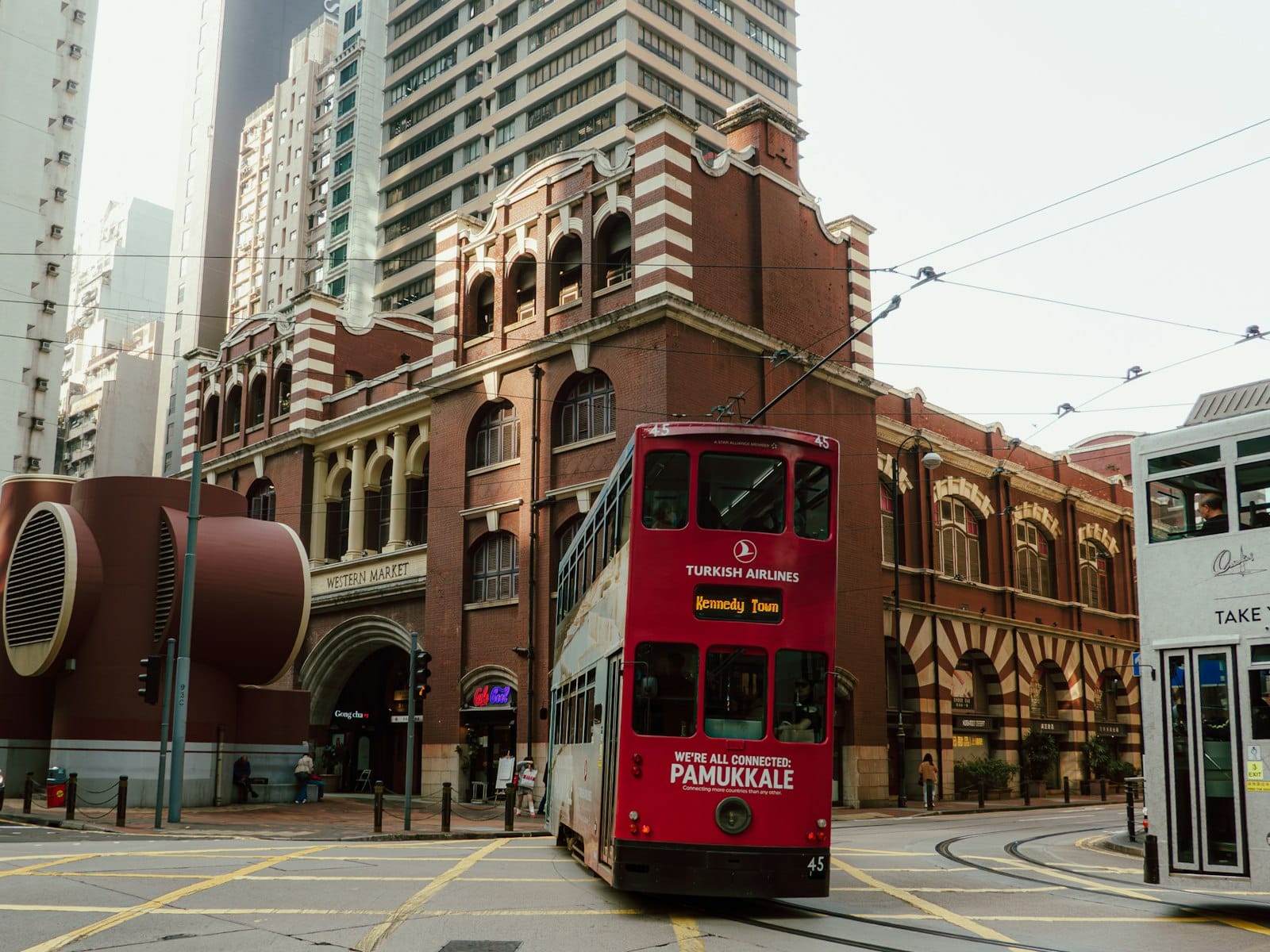
Sheung Wan unfolds west of Central like Hong Kong in a slower gear. The transition happens abruptly: cross from Central MTR onto Western Market's Edwardian brick facade at 10 AM and the energy shifts. Fewer suits. More retirees carrying nylon shopping bags. Street-level shops selling dried seafood instead of luxury watches. The pace drops by 30%, maybe 40%.
This is Hong Kong's antique quarter, its traditional medicine hub, and its emerging café corridor. Walk Hollywood Road in any direction and you'll pass Qing dynasty furniture dealers, herbal apothecaries with century-old recipes, and third-wave coffee shops where baristas debate water temperature. Sheung Wan doesn't try to reconcile these layers: it stacks them.
Stay here and you're 12 minutes on foot from Central's transport nexus, but hotel rooms cost HK$200-300 less per night. You get Man Mo Temple instead of IFC Mall. Egg tarts from Honolulu Coffee instead of HK$58 lattes. And crucially: you can sleep past 7 AM without construction drills vibrating through your walls.
TL;DR
Sheung Wan sits immediately west of Central: 12-minute walk or one MTR stop on Island Line. Slower pace, lower prices, stronger local character.
The area blends antique shops, traditional medicine stores, and modern cafés across steep hillside streets. Man Mo Temple (1847) anchors the neighborhood culturally.
Best for travelers who want Hong Kong authenticity without sacrificing Central proximity. Hotels average HK$600-900/night vs Central's HK$800-1200.
Skip if you need multiple MTR lines (only Island Line serves here), want polished business-district vibes, or have mobility issues (hills are steep).
What Sheung Wan Actually Feels Like
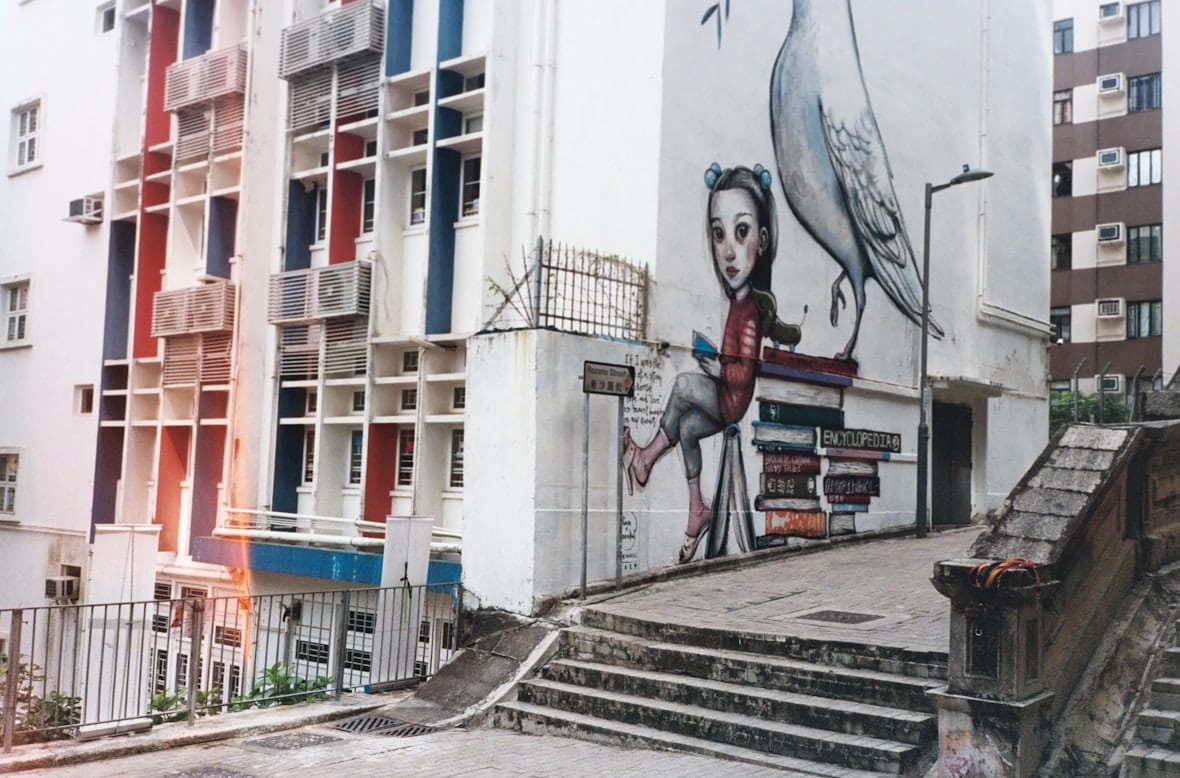
Sheung Wan's defining characteristic is verticality compressed into heritage. Streets don't run flat: they climb. Ladder Street (literal stone steps, built 1850s) connects Hollywood Road to Upper Lascar Row. Pound Lane angles up from Des Voeux Road West so steeply that delivery drivers leave trucks idling at the bottom.
The built environment reflects immigration waves: Southern Chinese merchants brought dried seafood warehouses to Des Voeux Road West (still there, smell them before you see them). Portuguese traders established egg tart bakeries in the 1920s. British colonials planted Man Mo Temple as a community anchor in 1847. More recently, gallery owners colonized Hollywood Road (2010s), and Scandinavian coffee culture claimed Tai Ping Shan Street.
Western Market marks Sheung Wan's northern edge. Walk south up any perpendicular street: Bonham Strand, Jervois Street, Possession Street: and you'll hit Hollywood Road within 8 minutes. This east-west spine divides lower Sheung Wan (markets, medicine shops, working-class density) from upper Sheung Wan (galleries, cafés, residential Mid-Levels overflow).
💡 Local tip
The Sheung Wan MTR has many exits, the main two serving completely different neighborhoods. Exit A1/A2 deposits you on Des Voeux Road among dried seafood shops. Exit E dumps you at Western Market near the ferry pier. Know which one you want before surfacing.
What to See and Do in Sheung Wan
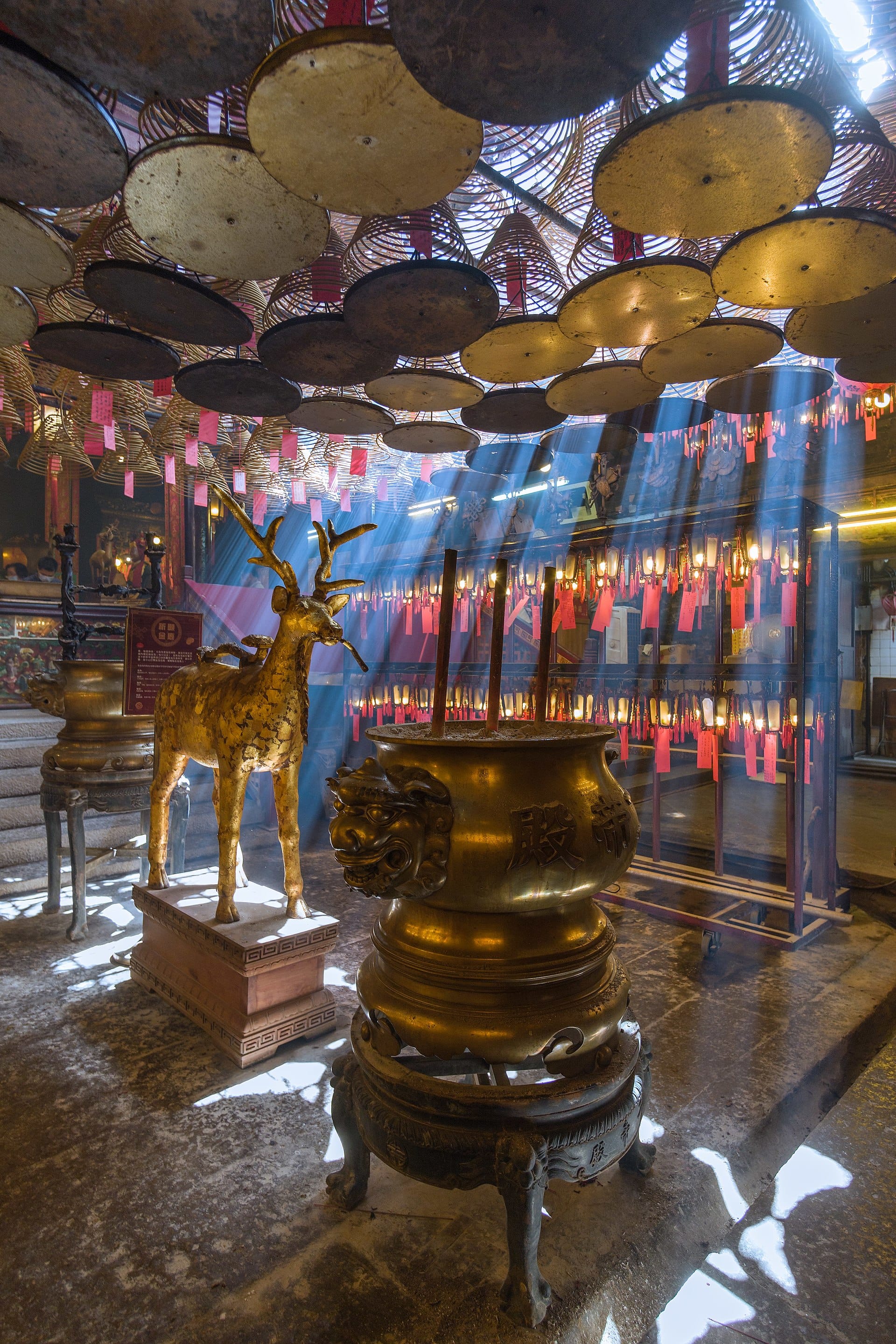
Man Mo Temple on Hollywood Road (between Ladder Street and Pound Lane) is Sheung Wan's cultural anchor. Built 1847, dedicated to the gods of literature (Man) and war (Mo). The interior smells like 179 years of incense: giant coils hang from the ceiling, some burning for weeks, commissioned by families for blessings that require time. Tourists photograph the entrance. Locals walk straight to the altar, light three sticks, bow three times, leave. For broader Hong Kong temple context, see our things to do in Hong Kong guide.
Hollywood Road Galleries cluster between Man Mo Temple and Possession Street. Not all are approachable (some buzz you in), but enough welcome browsers. Focus on: Alisan Fine Arts (contemporary Chinese), Hanart TZ (established Asian artists), and smaller operations around Bridges Street. Opening hours vary wildly (many close Sundays), so this works best on weekday afternoons.
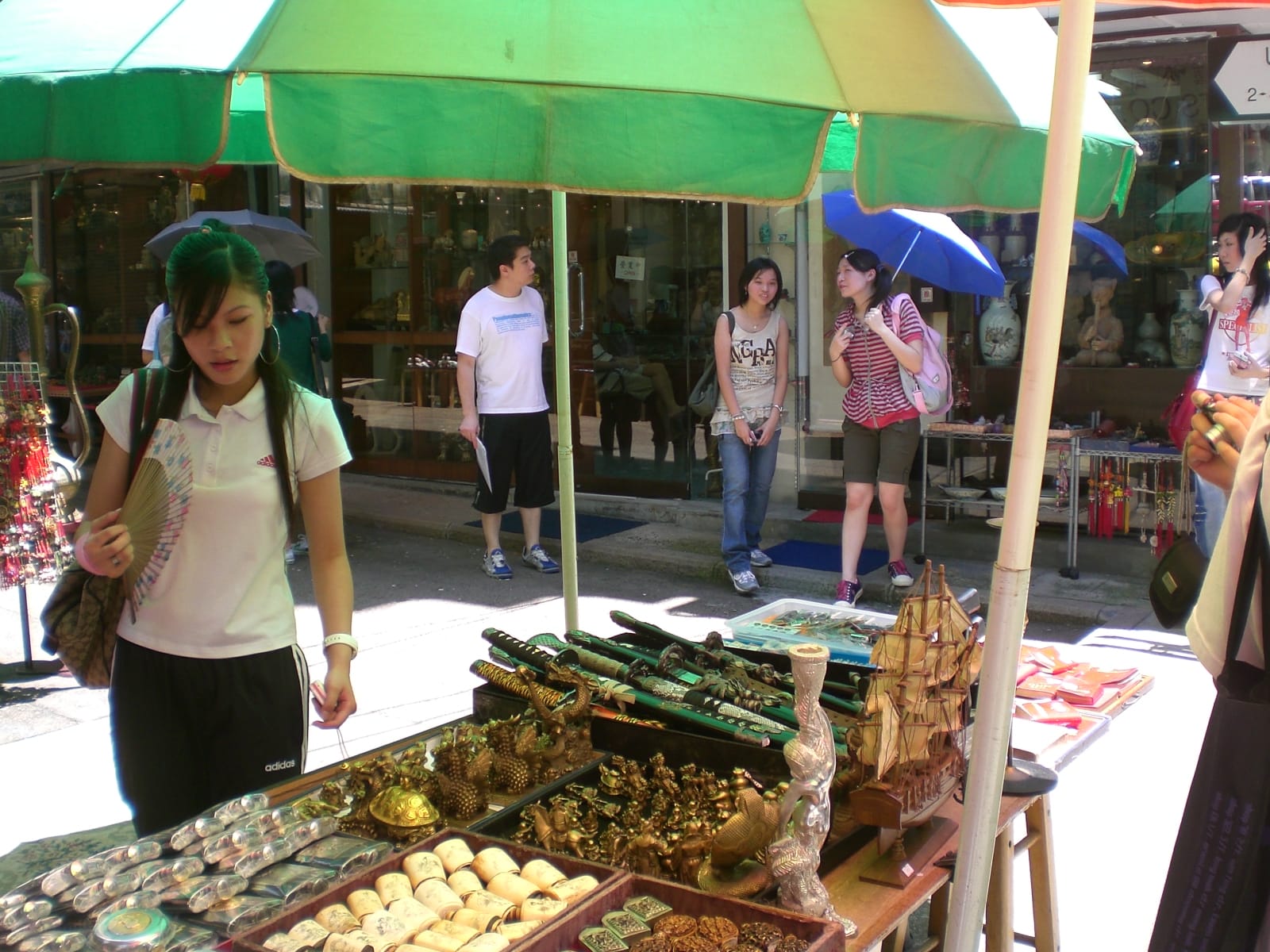
Upper Lascar Row (Cat Street) runs parallel below Hollywood Road. Officially an antiques market, realistically 60% tourist knick-knacks, 40% legitimate Qing furniture and Cultural Revolution memorabilia. The real finds hide in the permanent shops flanking the street market, not the outdoor stalls. Early morning (8-9 AM) or late afternoon (4-5 PM) when vendors aren't competing with tour groups.
Tai Ping Shan Street (between Hollywood Road and Possession Street) transformed from incense-shop row to café corridor in the 2010s. Now it's where you'll find Teakha (Hong Kong-style milk tea in a shophouse), PMQ creative hub (former police quarters, now design studios and popup galleries), and enough plant-filled independent cafés to fill an afternoon. Mornings (9-11 AM) for actual coffee before laptop crowds claim every table.
ℹ️ Good to know
PMQ (Police Married Quarters) on Hollywood Road is free to enter. Wander the open corridors, check studio galleries on floors 3-7. Monthly design markets happen first Saturdays: worth timing your visit if you're here mid-trip.
Sheung Wan at Different Times of Day
Early morning (6-8 AM): Dried seafood wholesalers on Des Voeux Road West open first. Workers hose down sidewalks, stack dried fish on racks. The smell is marine, salty, slightly funky. Cha chaan tengs (Hong Kong cafés) serve milk tea and pineapple buns to construction workers and retirees. This is working Sheung Wan, before tourists.
Mid-morning (9 AM-noon): Galleries open (10-11 AM stagger). Cafés fill with laptops. Man Mo Temple sees its first tour bus. The neighborhood splits: Hollywood Road gets visitor traffic, Des Voeux Road West stays local. If you're exploring both, do temples and galleries before lunch, markets after 2 PM.
Afternoon (2-6 PM): Dried seafood shops hit peak activity (wholesale buyers arrive). Antique dealers on Hollywood Road take long lunches (many close 1-3 PM). Cafés thin out as people return to work. This is the best window for exploring Upper Lascar Row and medicine shops without crowds.
Evening (7-10 PM): Restaurants along Bridges Street and Gough Street light up. Sheung Wan's dining scene skews Italian, French, and modern Cantonese (less street food than Mong Kok, more tablecloths than Central). Bars around Tai Ping Shan fill with expats and art gallery types. It's quieter than Central nightlife: think wine bars over clubs.
⚠️ What to skip
Sheung Wan shuts down earlier than Central. By 11 PM, most bars close, taxis get scarce, and streets empty fast. Don't expect 3 AM nightlife here. If that's your vibe, stay in Central or Lan Kwai Fong.
Where to Eat and Drink in Sheung Wan
Sheung Wan's food scene balances old Hong Kong and imported cafe culture. Sing Heung Yuen on Mei Lun Street (alley off Centre Street) serves tomato noodles and milk tea the way it has since 1960s. No English menu. Plastic stools. HK$35 gets you a full meal. Locals queue 20 minutes on weekends.
Honolulu Coffee (multiple locations, original on Des Voeux Road West) bakes egg tarts that locals defend aggressively. Flaky crust, custard that doesn't wobble. HK$12 each, best warm at 2 PM when they pull fresh batches. The milk tea here follows traditional Hong Kong style: strong, sweet, served in a thick porcelain cup.
For sit-down meals: Chachawan on Gough Street (yes, technically SoHo/Central border, but a 5-minute walk) does excellent Isaan Thai. Little Bao on Staunton Street serves modern Taiwanese bao with pork belly and fried chicken. Reservations help for both, especially weekends.
Coffee: Teakha (Tai Ping Shan Street) for Hong Kong-style milk tea in a quiet shophouse. Cupping Room (Hollywood Road, technically on the Central border) for proper espresso. Knockbox (Jervois Street) roasts their own beans, pulls shots that coffee nerds respect, enforces a no-laptop policy before noon.
Is Sheung Wan Safe at Night?
Yes. Sheung Wan is exceptionally safe at all hours. Street crime is effectively zero. The area's main evening foot traffic consists of restaurant diners and gallery-opening crowds: not exactly a rowdy demographic. Women walking alone report zero issues. Streets are well-lit, CCTV cameras cover major intersections, and police presence is visible but not overbearing.
The neighborhood's biggest nighttime annoyance is navigating steep streets in the dark (Pound Lane, Ladder Street). Wear proper shoes if you're out past sunset: flip-flops on stone steps after a few drinks is how tourists end up in emergency rooms.
Who Should Stay in Sheung Wan
Sheung Wan suits travelers who want Hong Kong character without Central's intensity. You're still connected (Island Line MTR, 12-minute walk to Central), but mornings are quieter, hotels are cheaper, and you're embedded in actual neighborhood life. For comprehensive Hong Kong accommodation advice, check our where to stay in Hong Kong guide.
Value better prices without sacrificing location. Hotels here run HK$600-900/night for solid 3-4 star options vs Central's HK$800-1200.
Appreciate culture and history. Man Mo Temple, antique shops, traditional medicine stores, and colonial architecture create layers worth exploring.
Prefer neighborhood vibes over business polish. You'll see residents buying vegetables, kids walking to school, retirees playing mahjong in parks.
Enjoy walking. Sheung Wan rewards wandering. Steep streets, hidden alleys, and shophouses reveal more on foot than via taxi.
Want good coffee and cafés. The Tai Ping Shan Street corridor and Hollywood Road vicinity host Hong Kong's strongest independent café scene.
Who Should Probably Stay Elsewhere
Sheung Wan isn't ideal for everyone. Skip this neighborhood if you:
Have mobility limitations. Hills are steep, escalators are few, and many streets are stairs. If you're using a wheelchair or cane, Central or Tsim Sha Tsui offer flatter terrain.
Need multiple MTR lines. Only Island Line serves Sheung Wan. If your Hong Kong itinerary involves Kowloon, New Territories, or airport runs, Central's six-line hub is more practical.
Want late-night action. Sheung Wan sleeps by midnight. For clubs, 3 AM food options, and nightlife energy, stay in Central (Lan Kwai Fong) or Tsim Sha Tsui.
Prefer malls and modern shopping. Sheung Wan's retail is antiques, dried seafood, and traditional crafts. For brand-name shopping, Causeway Bay or Tsim Sha Tsui are better bases.
Are visiting Hong Kong for 2 days or less. The area's charms reveal slowly. Short trips benefit more from Central's efficiency.
Transport and Practical Realities
Sheung Wan MTR (Island Line) has two main exits. Exit A: Des Voeux Road West (dried seafood district, trams, buses). Exit E: Western Market and Macau Ferry Terminal. Both surface you in completely different contexts: check your destination before ascending.
The Macau Ferry Terminal (Shun Tak Centre, adjacent to MTR Exit E) runs TurboJets to Macau every 30-60 minutes, 24 hours. HK$175-220 economy, 55 minutes crossing. Useful if you're adding Macau to your trip. Immigration and departure happen inside the terminal: no outdoor waiting.
Trams run along Des Voeux Road West (eastbound toward Central, westbound toward Kennedy Town). HK$3 flat fare via Octopus card. Slow but scenic. Upper deck front seat offers better views than any double-decker bus. Runs 6 AM-midnight.
Walking to Central: 12 minutes flat via Des Voeux Road. 15 minutes if you cut through Wing Lok Street (more interesting, slightly longer). The route is sidewalk the whole way, well-lit at night, and entirely doable in regular shoes.
💡 Local tip
Kennedy Town (3 stops west on Island Line, 5 minutes) is worth a side trip. Former industrial area turned residential, with waterfront promenade, craft breweries, and cheaper seafood restaurants than Central. Go late afternoon, walk the promenade at sunset.
Local Tips You Won't Find Elsewhere
Man Mo Temple's giant incense coils (hanging from ceiling) can be purchased for blessings. HK$300-800 depending on burn duration (weeks to months). Family names get written on red tags. You're funding temple maintenance and getting a very specific Hong Kong souvenir story.
The best egg tarts bake between 2-3 PM when shops pull afternoon batches. Honolulu Coffee, Tai Cheong Bakery (Lyndhurst Terrace), and random no-name bakeries on Jervois Street all hit peak quality mid-afternoon.
Possession Street (running up from Hollywood Road) marks where the British first landed and claimed Hong Kong Island (1841). Small plaque, zero fanfare. Most tourists walk past without noticing.
Dried seafood shops (Des Voeux Road West) welcome browsers. Staff will explain what you're looking at (fish maw, dried oysters, sea cucumber). You're not expected to buy unless something genuinely interests you.
How Sheung Wan Compares to Nearby Neighborhoods
Comparing neighborhoods? Check out Central for faster pace and more MTR lines, Tsim Sha Tsui for waterfront hotels across the harbor, or Causeway Bay for shopping and younger crowds.
Central (10 minutes east): Faster, louder, more expensive. Six MTR lines vs Sheung Wan's one. Better for business travelers and short visits. Worse for sleep quality and budget.
Kennedy Town (3 MTR stops west): Quieter, cheaper, more residential. Newer development means less character but better value hotels. Good for travelers who want local life without tourist infrastructure.
SoHo (10-minute walk southeast): Restaurant corridor spanning Central to Mid-Levels. Overlaps with Sheung Wan on the Hollywood Road stretch. More Western food, higher prices, louder bars.
ℹ️ Good to know
Sheung Wan, Central, and SoHo blur together geographically. Hollywood Road serves as the blurry boundary. Man Mo Temple marks definitively Sheung Wan territory. IFC Mall marks Central. Everything between is negotiable.
The definitive guide to choosing where to stay in Hong Kong: from harbor views in Tsim Sha Tsui to local life in Sham Shui Po, and why the MTR line matters more than the view.