Is Hong Kong Expensive in 2026? Real Travel Costs
Forget the headlines. Here's what Hong Kong actually costs: from the HK$18 breakfast that locals eat to the accommodation traps tourists fall into.
Tickets & tours
Live prices and dates from our booking partner. If you book, we may earn a commission at no extra cost to you.
TL;DR
- Hong Kong's expense reputation is half-truth. Yes, hotel rooms are tiny and overpriced in Central. But a filling breakfast at a Mong Kok dai pai dong costs HK$18, the MTR puts London's Tube to shame for value, and some of the city's best experiences—hiking Dragon's Back, watching the Symphony of Lights from the Tsim Sha Tsui waterfront, exploring Man Mo Temple—are completely free. The trick isn't avoiding Hong Kong because it's expensive. It's knowing which expenses matter and which don't.
- So, is Hong Kong expensive for tourists? The short honest answer is: it depends entirely on your travel style. Accommodation will hurt your wallet, but food, transport, and many of the best experiences in the city are surprisingly affordable.
The Real Story Behind Hong Kong's Price Tag
Here's the thing about Hong Kong's expense reputation: it's built on real estate madness and luxury shopping headlines, which are real but irrelevant to most travelers. Yes, Hong Kong has the world's most expensive property market. Yes, you can drop US$400 on dim sum at a luxury hotel. But that's not the Hong Kong most people experience, or should experience.
The city operates on parallel pricing universes. In Central's IFC Mall, a mediocre sandwich costs HK$85. Three MTR stops away in Sham Shui Po, Kung Wo Tofu Factory sells silky soy milk and fresh doughnuts for HK$12 total, and there's a line of locals out the door at 7am who've been coming here for thirty years. Both experiences are authentically Hong Kong. One costs seven times more and delivers a fraction of the soul.
Accommodation is the genuine pain point, and no amount of local knowledge will magic that away, but it does help to know where to stay. A 16-square-meter room in a mid-tier hotel near Jordan MTR might run HK$950/night in low season, HK$1,400+ if you're visiting during Art Basel or Rugby Sevens. That's not a typo. Sixteen square meters, roughly 170 square feet, which is the size of a garden shed in most countries. For context, the average hotel room in Bangkok is nearly double that size and costs half as much.
But once you're past accommodation, Hong Kong's costs become manageable ..if you know where to look. The MTR is a masterclass in affordable efficiency. A journey from Tsim Sha Tsui to Central costs less than HK$11 one way and takes around eight minutes. The iconic Star Ferry crossing Victoria Harbour? HK$5 for the upper deck (HK$6.5 on weekends and public holidays), and it's still one of the world's great urban transit experiences. Compare that to a single Tube journey in London (£2.80–6.70) or a Tokyo Metro ride (¥200–320), and suddenly Hong Kong doesn't look so punishing.
✨ Pro tip
Don't convert every price to your home currency in real-time. It'll drive you mad and ruin your trip. Instead, set a daily budget in HKD (say, HK$800 for mid-range travel), load that amount onto your Octopus card and into cash each morning, and just spend it. When it's gone, you're done for the day, or you consciously decide to dip into tomorrow's budget. This psychological trick works better than obsessive currency conversion.
What Things Actually Cost (Neighborhood by Neighborhood)
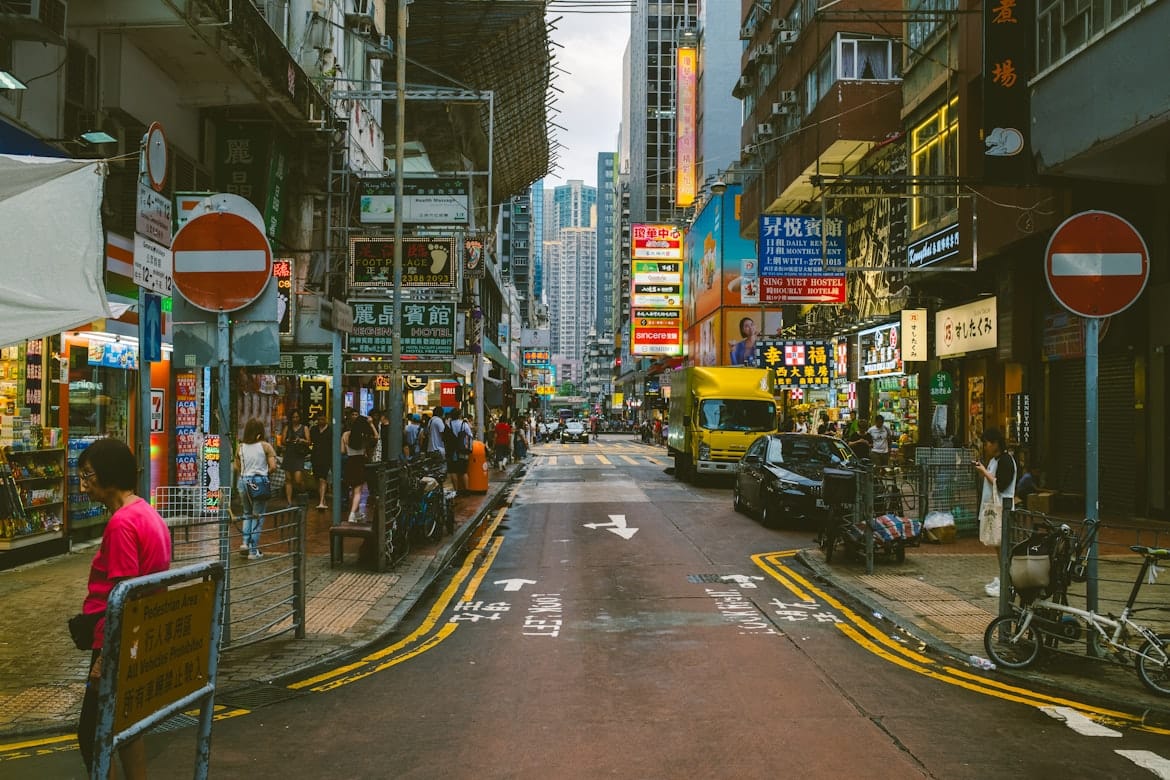
Blanket price lists are useless in Hong Kong because location determines everything. Here's what you'll actually pay in different parts of the city. Not theoretical ranges, but real-world examples from specific spots you can visit.
Breakfast in Central vs. Sham Shui Po
At Australian Dairy Company in Jordan (yes, it's technically Kowloon but attracts the Central crowd), the famous scrambled eggs with toast and milk tea runs around HK$40-45. It's good, it's an institution, and tourists queue for 45 minutes. Walk fifteen minutes to Mido Cafe on Temple Street, an old-school cha chaan teng with vintage green booths and zero English-speaking staff, and you'll get macaroni soup with ham, a fried egg, toast, and Hong Kong-style milk tea for around HK$40. The latter is more authentic, slightly cheaper, and there's never a wait because only locals know about it.
Or go full local: Cheung Hing Kee in Sham Shui Po does a cart noodle breakfast (pick your noodles, broth, and three toppings from fish balls to pig skin to radish) for HK$25. Add a hot soy milk from the stall next door for HK$8. That's HK$33 total (about US$4.25) for a breakfast that'll keep you full until mid-afternoon.
Lunch: The Midday Window of Opportunity
Hong Kong's business lunch culture is your friend. Restaurants that charge HK$400+ for dinner run express lunch sets between 11:30am–2:30pm for HK$120–180, including a main, soup or salad, rice, and tea. This is how office workers afford to eat out daily, and you should exploit it ruthlessly.
Even Michelin-starred spots follow this pattern. Tim Ho Wan (the 'cheapest Michelin star in the world,' though that claim is now dubious) does BBQ pork buns and har gow for HK$28–38 per basket at lunch. Ho Hung Kee in Causeway Bay (one Michelin star for its wonton noodles) serves a bowl with springy noodles and four fat wontons for HK$58. That's less than a Pret sandwich in London.
If even that feels steep, hit a cooked food centre: government-run indoor hawker halls where stalls rent space cheaply and pass the savings on. The one above Shek Kip Mei MTR has a Chiu Chow stall doing oyster omelettes and braised goose for HK$50–65. The one in Quarry Bay (Healthy Street East Cooked Food Centre) has a roast meat stall where a plate of char siu over rice with a side of gai lan costs HK$48.
Dinner: When Things Get Expensive (If You Let Them)
This is where Hong Kong can ambush your wallet. Tourist-oriented restaurants in Tsim Sha Tsui will charge HK$280 for sweet and sour pork that tastes like it came from a jar. Hotel restaurants in Central think HK$350 for a mediocre pasta is reasonable because you're paying for the view.
But walk two streets over, and the math changes. Mido Cafe (the same place from breakfast) does a full dinner, say baked pork chop rice with tomato sauce, soup, and milk tea, for HK$68. Hop on the Tung Chung Line to Lai King, then bus 36 to Fo Tan, and Sister Wah's beef brisket noodles (a cult favorite, written up in every local food blog) costs HK$65 for the signature bowl.
Or embrace the night markets. Temple Street in Yau Ma Tei and the cooked food stalls along Bowring Street in Jordan fire up around 6pm. Claypot rice with lap cheong and chicken costs HK$60–70. Stir-fried clams with black bean sauce, HK$75. Grilled squid on a stick, HK$35. Grab a Tsingtao from a 7-Eleven for HK$13, sit on a plastic stool, and you've just had a proper Hong Kong dinner for under HK$130.
⚠️ What to skip
The Tsim Sha Tsui waterfront promenade restaurants with English menus and picture boards are almost universally overpriced and mediocre. They exist because tour groups need somewhere to funnel 40 people at once. If you see a restaurant with a tout outside trying to lure you in with a laminated menu, keep walking.
Coffee and the HK$20 Question
Hong Kong's cafe culture has exploded in the last decade, and prices reflect that. A flat white in Central or Sheung Wan (at, say, Cupping Room or Brew Bros) runs HK$48–55. In Sai Ying Pun or Wan Chai, it's HK$38–45. In Mong Kok or Kowloon City, more like HK$32–38.
But if you want cheap caffeine, just order a 'milk tea' (奶茶, naai chaa) or 'yuenyeung' (鴛鴦, coffee-tea mix) at any cha chaan teng. HK$18–22 for a massive cup of the stuff that Hong Kongers drink daily. It's sweet, strong, and tastes like burnt caramel mixed with nostalgia. You'll either love it or hate it, but you'll remember it.
Accommodation: The Unavoidable Budget Killer
There's no dancing around this. Hong Kong hotel rooms are small, expensive, and often both. A 'budget' hotel in Mong Kok or Yau Ma Tei (think Dorsett or Bridal Tea House chains) will run HK$550–750/night for a 14–16 sqm room with a bed, a bathroom the size of an airplane lavatory, and maybe a window if you're lucky.
Mid-range hotels (Hyatt Regency TST, Cordis, Novotel Nathan Road) charge HK$1,100–1,600/night for 22–26 sqm rooms. That's the sweet spot for most travelers: clean, comfortable, near an MTR station, and just big enough that you won't feel claustrophobic.
Luxury hotels (Peninsula, Four Seasons, Ritz-Carlton, Rosewood) start at HK$3,500/night and climb to HK$8,000+ during peak season. The rooms are truly beautiful, the service is impeccable, and if you've got the budget, they're worth it. But they're not necessary to experience Hong Kong properly.
The smartest budget move? Guesthouse hotels in Tsim Sha Tsui's Chungking or Mirador Mansions. These are not hostels, they're tiny private rooms (8–12 sqm) with private bathrooms, often run by South Asian families who've been here for generations. Prices range HK$350–500/night. They're cramped, the buildings are labyrinthine, and you'll share an elevator with textile traders hauling fabric samples, but they're clean, safe, and absurdly central. Anthony Bourdain stayed in Chungking Mansions. You'll be fine.
✨ Pro tip
If you're staying 5+ nights, look at serviced apartments (e.g., YING'nFLO or Yi Serviced Apartments). They're designed for business travelers, so they're slightly larger (25–30 sqm), include a kitchenette, and often cost less per night than hotels when you factor in not having to eat every meal out. Book directly on their websites, not through Booking.com and you'll save 10–15%.
The Complete Hong Kong Budget Breakdown by Travel Style
Here's what a realistic day in Hong Kong costs, based on three actual travel styles not aspirational nonsense, but boots-on-the-ground spending that adds up correctly.
Shoestring Budget: HK$450–600/day (US$58–77)
- Accommodation: HK$280–400 (Chungking Mansions guesthouse or hostel dorm)
- Breakfast: HK$25 (cart noodles or congee)
- Lunch: HK$50 (cooked food centre or dai pai dong)
- Dinner: HK$65 (cha chaan teng or night market)
- Transport: HK$35 (MTR, buses, Star Ferry)
- Snacks/drinks: HK$25 (egg waffles, milk tea, water)
- Attractions: HK$0–50 (mostly free hiking, temples, harbor views)
This budget works if you're happy eating only local food (which is delicious, so why wouldn't you?), staying in basic accommodation, and entertaining yourself with Hong Kong's excellent free offerings like hiking trails, beaches, temple-hopping, market wandering, harbor-watching. You won't feel deprived. You'll feel like you're seeing the real city.
Mid-Range Comfort: HK$1,200–1,600/day (US$155–205)
- Accommodation: HK$900–1,200 (mid-tier hotel in TST, Wan Chai, or Causeway Bay)
- Breakfast: HK$55 (cha chaan teng or casual cafe)
- Lunch: HK$130 (restaurant lunch set or Michelin street food)
- Dinner: HK$250 (proper sit-down restaurant, maybe a glass of wine)
- Transport: HK$50 (MTR, occasional taxi)
- Coffee/snacks: HK$70 (specialty coffee, afternoon snack)
- Attractions/activities: HK$150 (paid museum, cable car, guided tour)
This is the sweet spot. You're staying somewhere comfortable with air-conditioning that actually works, eating a mix of local spots and nicer restaurants, and splurging on one or two paid activities per day (Ngong Ping 360 cable car, Sky100 observation deck, a cocktail at Ozone Bar). You're not pinching pennies, but you're also not throwing money away on tourist traps.
High-End Comfort: HK$3,000+/day (US$385+)
- Accommodation: HK$2,000–4,000+ (luxury hotel with harbor view)
- Meals: HK$800–1,200 (fine dining, hotel breakfasts, craft cocktails)
- Transport: HK$150 (taxis, private car for day trips)
- Attractions/experiences: HK$500+ (private tours, spa treatments, premium experiences)
At this level, Hong Kong becomes a completely different city. You're eating at Lung King Heen (the world's first Chinese restaurant with three Michelin stars), staying at The Upper House or Rosewood, booking private junk boats to Sai Kung islands, and treating yourself to a treatment at The Peninsula's spa. It's wonderful if you can afford it, but it's not necessary to fall in love with Hong Kong.
Money-Saving Strategies That Actually Work
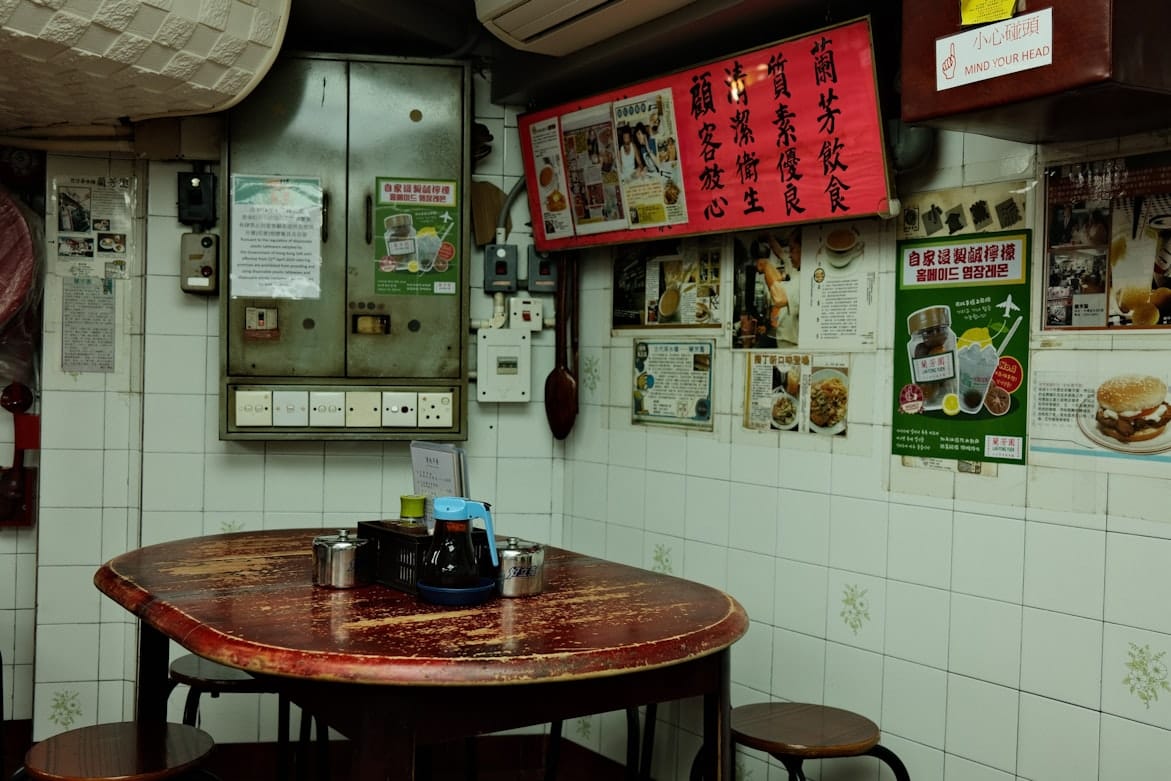
Generic 'save money' advice is useless. Everyone knows hostels are cheaper than hotels. Here are the specific, non-obvious tactics that expats and frequent visitors actually use.
Master the Octopus Card System
Buy an Octopus card the moment you land at the airport. HK$150 gets you the card (HK$50 deposit, HK$100 stored value). Top it up at any MTR station or 7-Eleven. Use it for everything: MTR, buses, ferries, trams, convenience stores, bakeries, even some restaurants and taxis.
The real trick: The MTR gives tiny discounts if you transfer between lines or modes (MTR to bus, bus to ferry) using an Octopus card versus buying single tickets. Over a week, this adds up to HK$50–80 in savings. Plus, you'll save 30 seconds every time you pass through a turnstile instead of fumbling with a ticket machine.
Eat Breakfast and Lunch Out, Make Dinner Simple
Counterintuitive, but in Hong Kong, breakfast and lunch out are cheap because of cha chaan teng culture and business lunch sets. Dinner is when restaurants jack up prices. So flip the script: eat proper cooked meals for breakfast and lunch, then grab simple stuff for dinner, roast duck from a siu mei stall (around HK$60 for half a bird and rice), sushi from a supermarket (Citysuper and Taste do good takeaway for HK$80–120), or dumplings from a frozen dumpling specialist like Bao Dim Sum Inn (HK$42 for a dozen dumplings, steam them in your hotel room if you've got a kettle and a bowl).
Time Your Visit Around Hotel Cycles
Hong Kong hotel rates fluctuate wildly based on trade shows, conferences, and holidays. Art Basel (March), Rugby Sevens (late March/early April), Chinese New Year (late Jan/early Feb), and Golden Week (October 1–7) will double or triple rates. Summer (June–August) is rainy, humid, and hot, but hotel rates can sometimes drop 30–40% because business travel slows. If you can handle the weather, you'll save HKD$400–800/night on the same room.
Happy Hour Is Sacred
Hong Kong's bar culture has aggressive happy hour pricing, typically 5–8pm, sometimes extending to 9pm. A cocktail that costs HK$140 at 8:15pm was HK$70 at 7:45pm. Beer drops from HK$80 to HK$45. Wine by the glass goes from HK$95 to HK$55. If you want to drink without financial regret, plan your evenings around happy hour.
Best happy hour spots where locals actually go: The Pawn in Wan Chai (heritage building, 2-for-1 cocktails 5–8pm), Stockton in Wan Chai (dive bar energy, about HK$35 beers during happy hour), The Pontiac in Sai Ying Pun (craft cocktails, HK$60 happy hour), and any of the bars on Knutsford Terrace in Tsim Sha Tsui (tourist-ish but competitive pricing, HK$40–50 beers).
Free Stuff That Doesn't Feel Like a Compromise
Hong Kong's best free experiences genuinely compete with the paid ones. The Dragon's Back hiking trail (take bus 9 from Shau Kei Wan MTR, get off at To Tei Wan, hike 2.5 hours to Big Wave Bay beach) is consistently rated one of Asia's best urban hikes and costs zero dollars. The Symphony of Lights at Victoria Harbour (8pm nightly, best viewed from Tsim Sha Tsui waterfront near the Avenue of Stars) is kitschy but really impressive. The Chi Lin Nunnery in Diamond Hill (Tang dynasty-style wooden temple complex with lotus ponds and bonsai gardens) is serene, beautiful, and free. For the full list, see our breakdown of the best things to do in Hong Kong.
Several major museums offer free admission to permanent exhibitions (for example, the Hong Kong Museum of History’s main show is now free), and there are often free‑entry days mid‑week. That's easily HK$100–150 in saved admission fees.
✨ Pro tip
The Peak Tram to Victoria Peak costs HK$99 round-trip and has hour-long queues at peak times. Instead, take the 15 bus from Central (Exchange Square bus terminus) to the Peak for HK$9.80. It takes 40 minutes instead of 10, but you'll see residential Mid-Levels neighborhoods the tram route misses, and you'll save HK$89. At the top, skip the Sky Terrace 428 (HK$75 admission) and just walk to the free viewing areas on Lugard Road. The views are 90% as good.
What to Avoid (Expensive Stuff That's Genuinely Not Worth It)
Hong Kong has expensive experiences that justify the cost (Michelin dim sum, a night at The Peninsula, a private junk boat to Sai Kung). It also has expensive stuff that's just... expensive. Here's what to skip.
Tourist Trap Restaurants with Picture Menus
If the menu has photos of every dish and the staff speak perfect English, you're paying a 40% markup for linguistic convenience. Walk one block further and point at what the table next to you is eating. You'll be fine.
Taxis (Unless It's Late or You're Hauling Luggage)
Hong Kong taxis aren't extortionate compared to London or New York, but they're 5–8x more expensive than the MTR, and during rush hour, they're slower. The only times a taxi makes sense: after midnight when the MTR stops running, when you're traveling with 3+ people and can split the fare, or when you've got heavy bags and your hotel is really far from the station.
Peak Tram + Sky Terrace Package Deals
The combo ticket (tram + Sky Terrace 428 + return tram) costs HK$160. That's fine if you're time-rich and money-conscious, but you're paying HK$75 for a view that's marginally better than the free viewing points 100 meters away. Take the 15 bus up, use the free viewpoints, spend the saved HK$150 on a bowl of beef brisket noodles at Kau Kee in Central that'll change your life.
Airport Express Train (If You're Not in a Rush)
The Airport Express to Hong Kong Station costs about HK$130 and takes 24 minutes. It's smooth, comfortable, and has luggage racks. But the A11 bus from the airport to North Point via Causeway Bay, Wan Chai, Admiralty, and Central costs HK$40 and takes 55 minutes. If you're not rushing to a meeting, save HK$90 and watch the city unspool through the bus window.
The Verdict: Is Hong Kong Expensive?
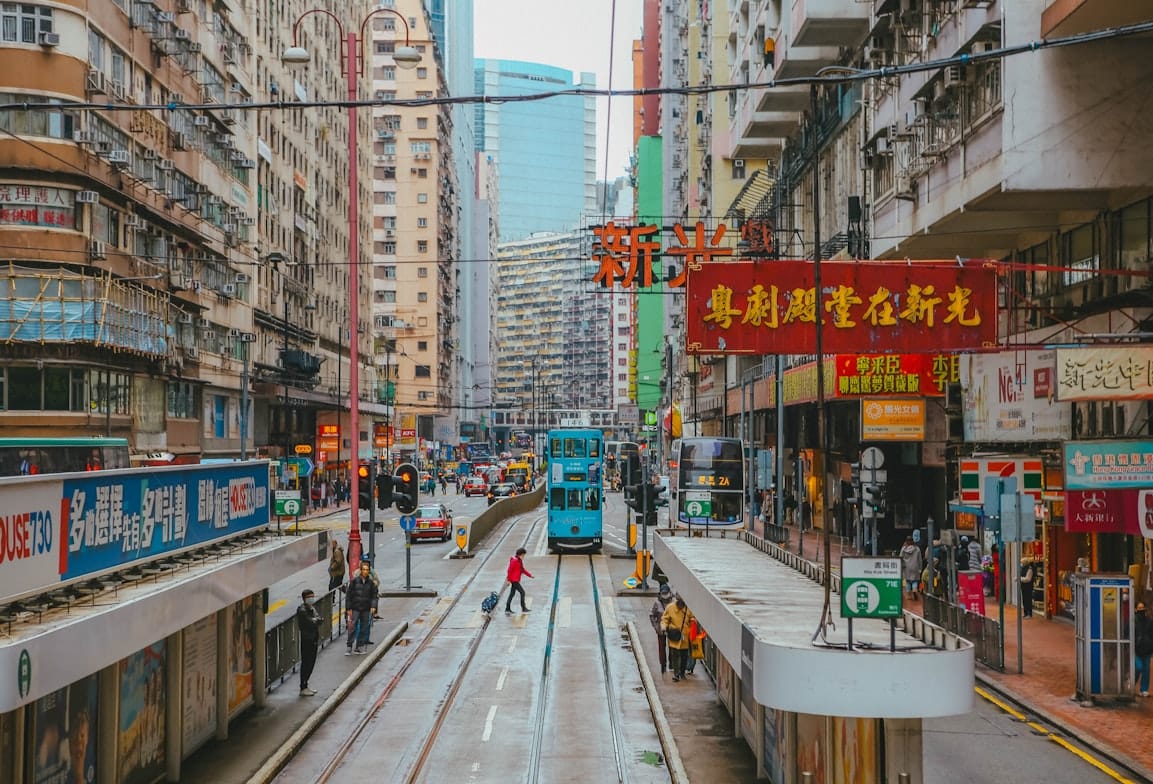
Yes. But also no.
At this point, you can probably see the pattern. When people ask “how expensive is Hong Kong?”, they’re usually thinking about rent headlines and five-star hotels. But for most travelers, daily spending is far more flexible than the reputation suggests.
Accommodation is undeniably expensive, and there's no hack around that except staying further from the center or accepting smaller rooms. If you're comparing hotel costs to Bangkok, Hanoi, or Kuala Lumpur, Hong Kong will always lose.
But once you're here, the day-to-day costs are manageable if you're willing to eat where locals eat, use public transport, and prioritize experiences over luxury. A bowl of wonton noodles at Mak's Noodle costs the same HK$50 whether you're a backpacker or a banker. The Star Ferry charges HK$5-6.5. The view from Lugard Road on Victoria Peak is free for everyone.
The city rewards curiosity more than it rewards money. The HK$280 dinner at a tourist restaurant in TST will be instantly forgettable. The HK$65 claypot rice at a Bowring Street dai pai dong, eaten on a plastic stool next to a guy in a singlet smoking a cigarette and watching Cantopop on a tiny TV, will be one of your favorite meals of the trip.
Hong Kong isn't cheap. But it's worth it, if you do it right. If you're still on the fence, we break down whether Hong Kong is worth visiting in more detail.
Once you've got your budget sorted, figure out where to actually stay. Our guide on where to stay in Hong Kong breaks down neighborhoods, proximity to MTR lines, and the trade-offs between Kowloon and Hong Kong Island.
FAQ
Is Hong Kong more expensive than Tokyo or Singapore?
Hong Kong sits between the two. Accommodation in Hong Kong is generally more expensive than Tokyo (unless you're staying in Ginza or Roppongi) but comparable to Singapore. Food is where Hong Kong wins: street food and local restaurants in Hong Kong (HK$40–80 per meal) are cheaper than equivalent options in Tokyo (¥800–1,200) or Singapore (S$8–15). Public transport is similarly priced across all three cities, efficient and affordable. Luxury goods and high-end dining are expensive everywhere, but Hong Kong edges slightly higher because of import duties and real estate costs passing through to restaurant rents.
Can I actually visit Hong Kong on HK$500/day?
Yes, but you'll be staying in Chungking Mansions, eating exclusively at dai pai dongs and cooked food centres, and doing mostly free activities (hiking, temples, markets, harbor views). It's absolutely doable and doesn't mean a bad trip, Hong Kong's free offerings are truly excellent. But you won't be able to splurge on Michelin dim sum, ride the Peak Tram, or have a cocktail at Ozone without blowing your budget. If you're comfortable with basic accommodation and local food, HK$500–600/day works fine. If you want occasional comfort or variety, budget HK$800–1,000/day.
What's the single biggest money mistake tourists make in Hong Kong?
Eating in tourist-oriented restaurants near major attractions (Tsim Sha Tsui waterfront, The Peak, Lan Kwai Fong after 9pm). These places charge 2–3x more than local spots for worse food. A plate of fried rice at a TST tourist restaurant might cost HK$120 and taste like it came from a microwave. Two streets over in Jordan, a cha chaan teng will do a better version for HK$48. Over a week-long trip, this mistake can inflate your food costs by HK$1,500–2,000 (US$200–260) for objectively worse meals. Walk away from anywhere with a tout outside, anywhere with picture menus in eight languages, and anywhere advertising 'authentic dim sum' in English.
Are Hong Kong hotels really only 15 square meters?
Budget and mid-range hotels, yes. A 'standard room' in a 3-star hotel like Dorsett Mongkok or Bridal Tea House is typically 14–18 sqm (150–195 sq ft). That's a double bed, a tiny desk, a bathroom barely large enough to turn around in, and about 60cm of floor space on either side of the bed. Mid-tier hotels (Hyatt Regency TST, Cordis, Novotel) offer 22–28 sqm rooms, which feel spacious by Hong Kong standards. Luxury hotels start at 35–40 sqm and climb from there. For context, a 'small' hotel room in most European or American cities is 25–30 sqm. In Hong Kong, that's mid-to-upper range. It's not a scam, it's just what happens when real estate costs US$4,000+ per square foot.
Is Hong Kong cheaper in summer because of the heat and rain?
Yes. June through August sees hotel rates drop 30–40% compared to October–December peak season because it's hot (28–33°C), humid (80–90%), and prone to sudden downpours and occasional typhoons. A room that costs HK$1,400/night in November might be HK$850/night in July. If you can handle the weather (and Hong Kong's air-conditioning is aggressive, so you'll mostly be fine indoors), it's a smart budget move. Just pack a compact umbrella, accept that you'll sweat through one shirt per day, and avoid planning outdoor hikes during midday.
Should I exchange money at the airport or use ATMs?
Neither. Just use your credit or debit card everywhere. Hong Kong has near-universal card acceptance (even street markets and dai pai dongs increasingly take Octopus cards or Alipay/WeChat Pay). You’ll still want a bit of cash for smaller stalls though. If you need cash, withdraw from an HSBC or Bank of China ATM (they have the lowest fees) rather than using airport exchange counters, which offer poor rates. And avoid carrying large amounts of cash, pickpocketing is rare but not impossible in crowded areas like Mong Kok or Temple Street Night Market.
Tickets & tours
Live prices and dates from our booking partner. If you book, we may earn a commission at no extra cost to you.
Planning a trip? Discover personalized activities with the Nomado app.