Is Hong Kong Worth Visiting?
A practical guide answering: “is hong kong worth visiting”.
Tickets & tours
Live prices and dates from our booking partner. If you book, we may earn a commission at no extra cost to you.
TL;DR
- Hong Kong delivers an electrifying blend of urban energy, cultural depth, and natural beauty that makes it absolutely worth visiting. With its iconic skyline, world-class dining, efficient public transport, and proximity to stunning beaches and hiking trails, the city offers unparalleled variety for all types of travelers. While accommodation can be pricey, strategic planning reveals affordable options, and the city's compact size means you'll maximize your experience without wasting time on transit. From Michelin-starred street food to serene temple visits and vibrant night markets, Hong Kong provides a uniquely layered travel experience that stands apart from other Asian destinations.
Why Hong Kong Captivates First-Time Visitors
Hong Kong is worth visiting if you want a high-energy city with great food, dramatic views, and easy day trips into nature. It's ideal for first-timers who enjoy fast-paced neighborhoods, efficient public transport, and constantly changing street life. You may want to skip it (or plan carefully) if you hate crowds, prefer spacious hotels, or want a slow beach-only trip.
What truly sets Hong Kong apart is how effortlessly it blends Eastern and Western influences. British colonial architecture stands shoulder-to-shoulder with traditional Chinese temples, while Cantonese opera shares cultural space with international art exhibitions. This fusion extends to the culinary scene, where you can enjoy everything from century-old dim sum institutions to innovative fusion restaurants helmed by world-renowned chefs. The city's compact nature means you can hike a mountain trail in the morning and be slurping noodles in a Michelin-starred street stall by evening.
Who Hong Kong Isn't Ideal For
Hong Kong isn't a perfect match for every type of traveler. While many people love its intensity and variety, it may not be the best choice if you're looking for a slower or more relaxed style of travel.
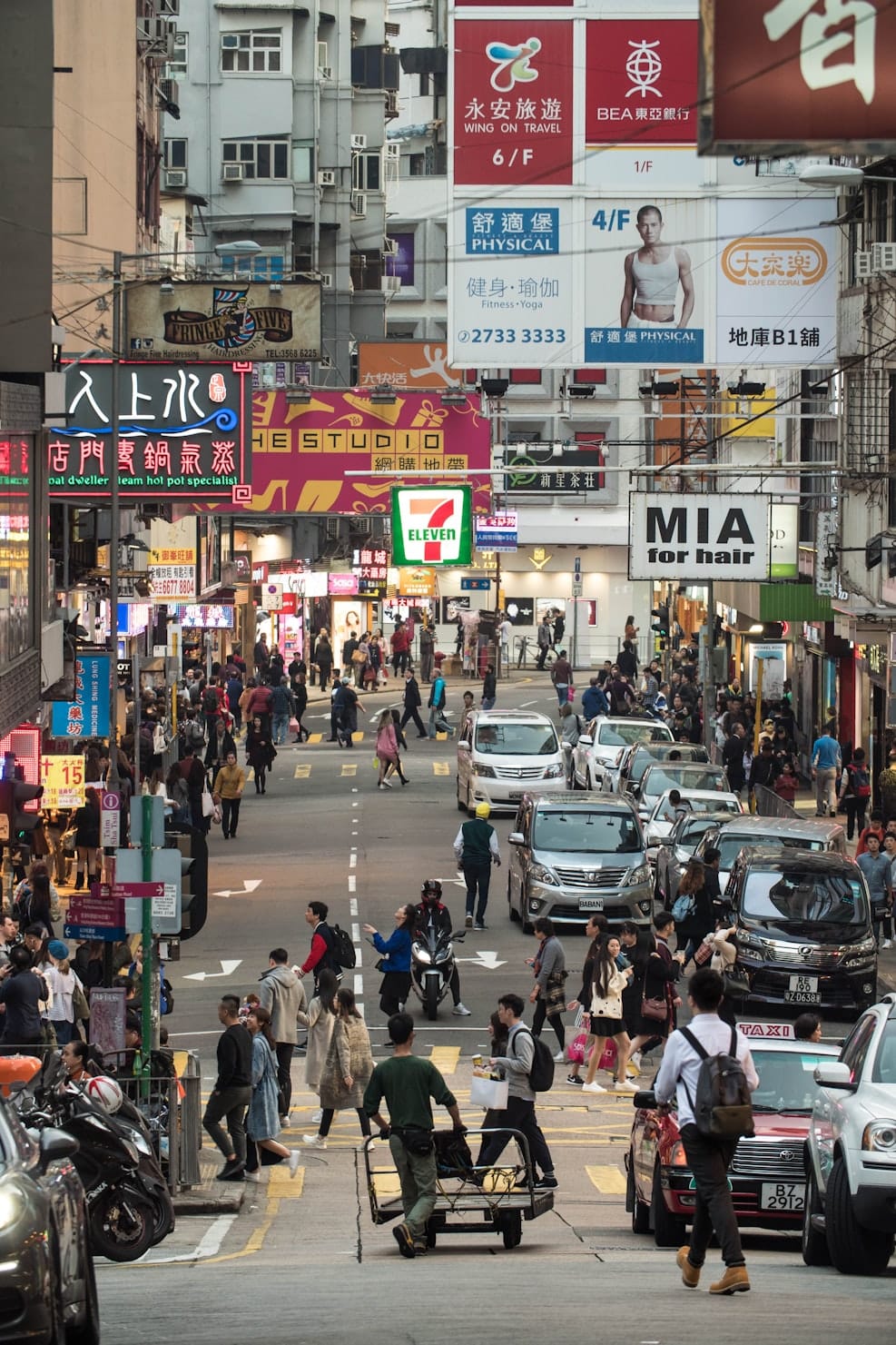
You might want to reconsider or plan carefully if you strongly dislike crowds, noise, and very dense urban environments, as many parts of the city are busy from morning until late at night. Travelers who expect spacious hotel rooms at moderate prices may also find accommodation in central areas disappointing, as space is limited and often comes at a premium.
Hong Kong is also less suitable if your ideal trip revolves mainly around quiet beaches or resort-style relaxation. Although beaches and nature exist, they are not the city's main focus and usually require additional planning. Finally, if you dislike walking, stairs, and vertical cities with frequent elevation changes, Hong Kong's layout may feel physically demanding, especially on busy sightseeing days.
Must-Experience Highlights That Define Hong Kong
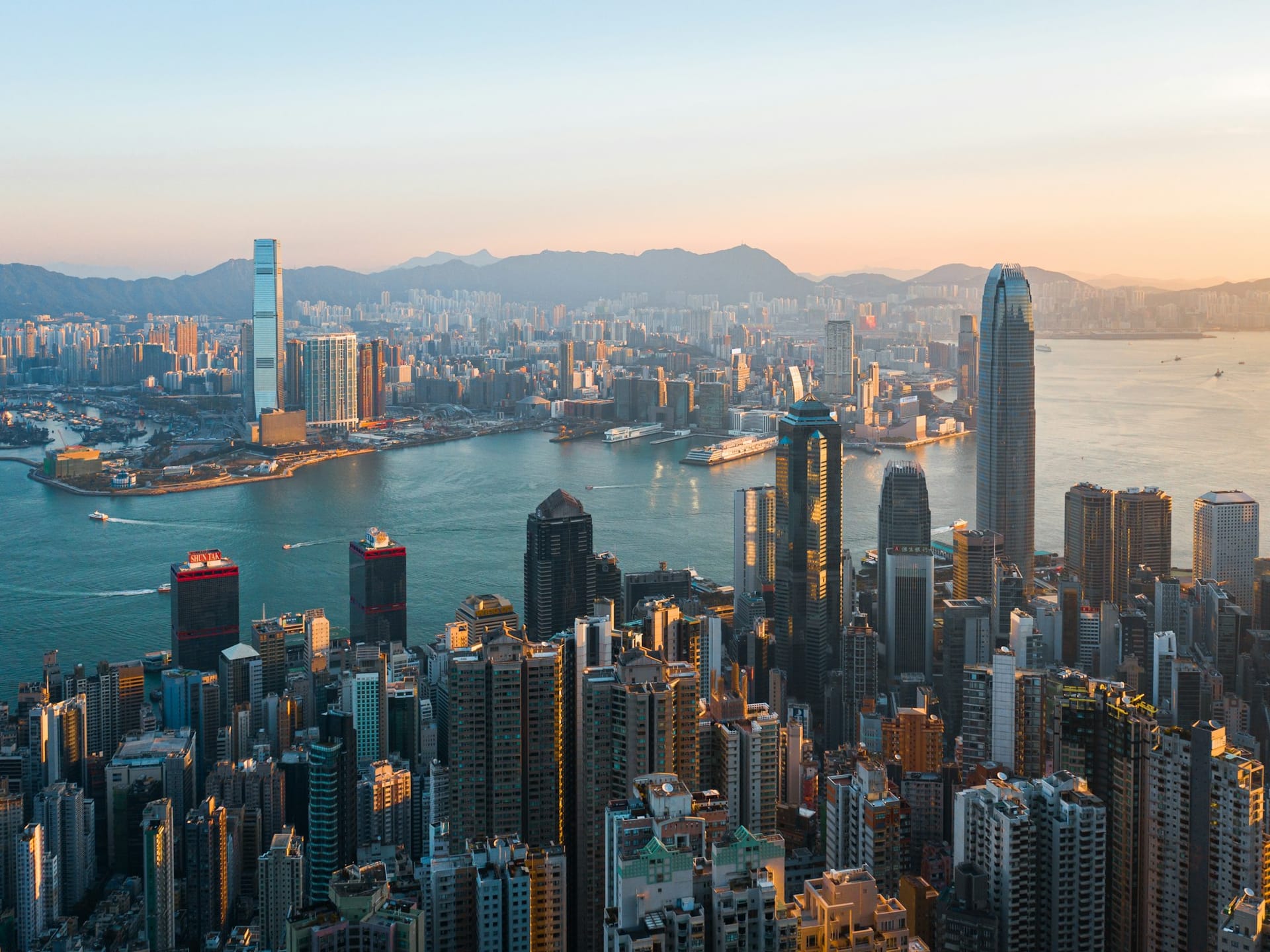
Hong Kong's attractions cater to diverse interests, ensuring every traveler finds something memorable. The panoramic view from Victoria Peak remains an iconic must-do, but savvy visitors know to return at twilight when the city transforms into a sea of lights. The city's temple complexes like Wong Tai Sin, where incense coils rise amid bustling prayer halls, are also compelling places to visit as they offer insight into local spiritual practices that continue to thrive amid urban development.
Beyond the obvious sights, Hong Kong shines best when you explore its neighborhoods. Wander through the narrow alleyways of Sham Shui Po to discover family-run textile shops operating for generations, or lose yourself in the aromatic maze of Temple Street Night Market where fortune tellers work alongside sizzling wok stations. Each district tells its own story, from the colonial grandeur of Central to the working-class authenticity of Kowloon, creating a patchwork of experiences that reward curious travelers.
Here are the experiences that most clearly define Hong Kong for first-time visitors, along with when they're worth prioritising:
- Victoria Peak best visited at sunset or early evening for skyline views; skip peak daytime queues if you're short on time.
- Star Ferry between Hong Kong Island and Kowloon a simple, scenic crossing that doubles as transport and is especially pleasant around sunset.
- Temple Street Night Market best after dark for atmosphere rather than shopping; go for the experience, not bargains.
- Lantau Island (Big Buddha and Tai O) worth a half or full day if you want a break from the city; less essential on very short trips.
- Ngong Ping 360 cable car enjoyable on clear days, but not essential if visibility is poor or queues are long.
- Repulse Bay or other city-accessible beaches a good option in warmer months if you want contrast, but not a core reason to visit Hong Kong.
If you want a deeper dive into what to do (and what to skip) in Hong Kong, check out our What to Do in Hong Kong (and What to Skip) guide, which breaks down the best experiences, when to go, and what's overrated.
Common First-Time Visitor Mistakes

First-time visitors to Hong Kong often underestimate how different areas of the city feel and how much time it takes to move between them. Hong Kong Island, Kowloon, Lantau, and the New Territories are well connected, but trying to jump between them too frequently in a single day can quickly make an itinerary feel rushed.
Another common mistake is trying to see too much without grouping activities by area. Hong Kong rewards slower, neighborhood-focused exploration more than box-ticking. Planning days around one or two nearby districts usually leads to a more relaxed and enjoyable experience.
Many travelers also overlook how physically demanding the city can be. Between hills, stairs, long walks inside MTR stations, and crowded streets, it's easy to underestimate how tiring full sightseeing days can be, especially in warmer or more humid months.
Practical Considerations for Your Hong Kong Trip
While Hong Kong delivers exceptional experiences, understanding its practical realities can make your visit more enjoyable. Accommodation represents the most significant expense, with even modest hotels commanding premium prices. However, the city's exceptional public transportation network means you don't need to stay in expensive central locations. Staying slightly outside the city's most central areas and opting for neighborhoods like Tsuen Wan and Tseung Kwan O can reduce accommodation costs significantly, especially if you're close to an MTR station with direct connections.
The city's compact size works in your favor, with most major attractions accessible within 30-45 minutes by public transport. An Octopus card makes public transport and small purchases faster and easier, and is worth buying immediately after arrival. While English is widely spoken in tourist areas, learning a few basic Cantonese phrases like 'm̀h'gōi' (thank you) will earn you warm smiles from locals and potentially better service at neighborhood establishments.
- Purchase an Octopus card immediately upon arrival
- Carry small bills for street food and markets
- Download the Citymapper app for real-time transit info
- Wear comfortable shoes for extensive walking and stairs
- Bring a light rain jacket year-round
- Use public restrooms in malls rather than street facilities
The Verdict: Is Hong Kong Worth Your Travel Time?
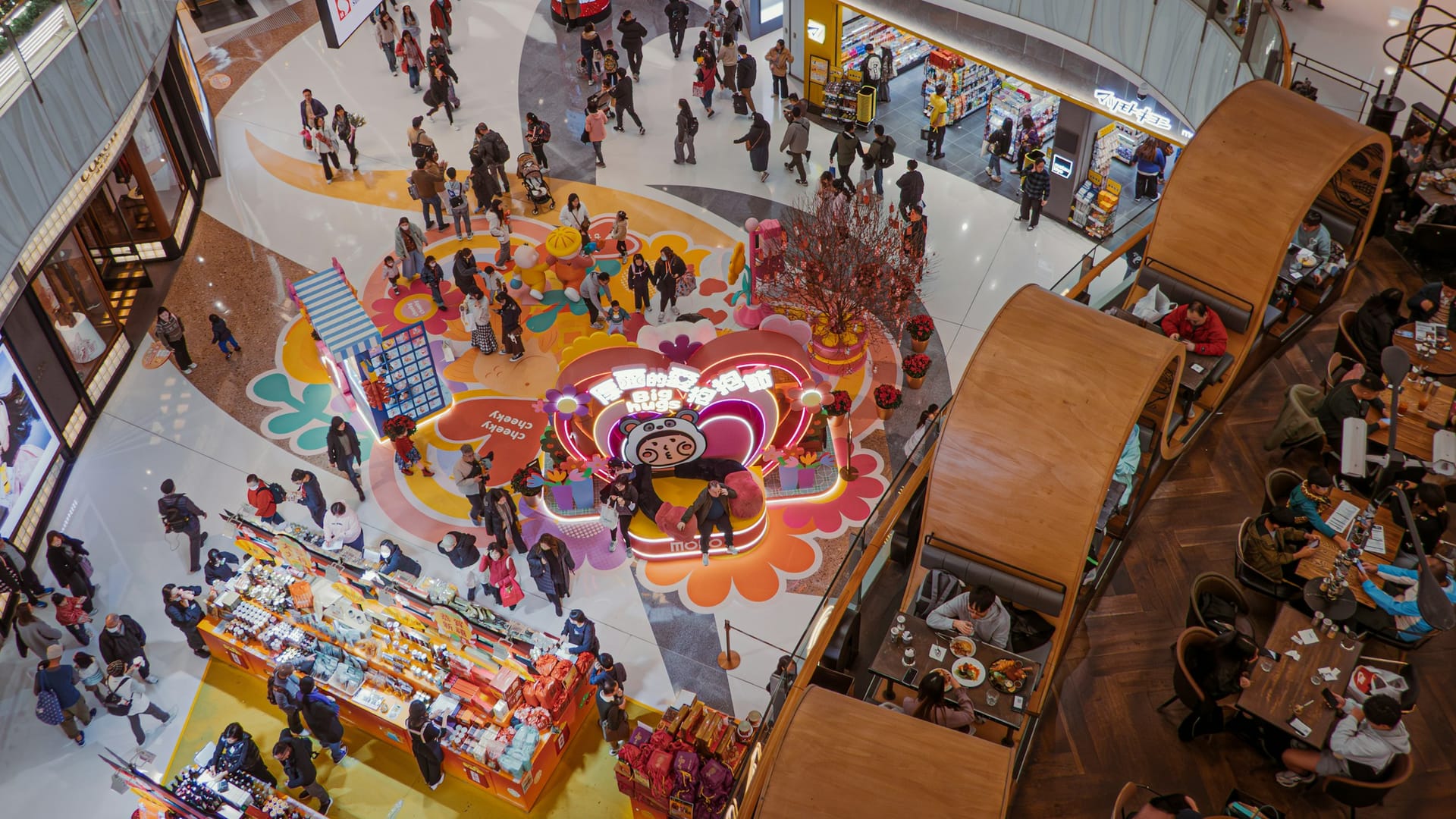
Hong Kong is worth visiting for travelers who enjoy cities with strong character, variety, and constant movement. It offers a rare mix of dense urban life, accessible nature, and cultural contrasts that few destinations manage in such a compact space. However, it's not a universal crowd-pleaser, and the experience depends heavily on your expectations and travel style.
Hong Kong is a great choice if you:
- enjoy fast-paced cities with distinct neighborhoods
- value food, street life, and everyday local culture
- want a destination that works well for a 3–7 day trip
- like mixing sightseeing with short nature escapes
If you're already convinced and wondering when to go, this guide breaks down the best time to visit Hong Kong based on weather, crowds, and seasonal trade-offs.
You may want to skip Hong Kong if you:
- strongly dislike crowds and dense urban environments
- expect large hotel rooms at moderate prices
- want a slow, resort-style or beach-focused holiday
- prefer destinations where most attractions are spread out and quiet
Final verdict: Hong Kong is absolutely worth visiting for most first-time AND repeat travelers who enjoy vibrant cities and variety, as long as you arrive with realistic expectations about space, pace, and crowds.
FAQ
Is Hong Kong safe for solo travelers?
Yes, Hong Kong is generally considered very safe for a major international city. Violent crime against visitors is rare, and most travelers feel comfortable exploring different neighborhoods at most times of day. As with any large city, basic precautions apply, especially in crowded areas and late at night.
How many days do I need to experience Hong Kong properly?
A minimum of 3-4 days allows you to see major highlights without rushing. This gives you time to explore Hong Kong Island, Kowloon, and take day trips to Lantau Island or the New Territories. Many travelers extend their stay to 7-10 days to fully appreciate the city's depth and take advantage of weekend markets and events.
Do I need a visa to visit Hong Kong?
Visa requirements for Hong Kong depend on your nationality. Many travelers can enter visa-free for short stays, but rules vary and can change. It's best to check the official Hong Kong Immigration Department website before booking your trip. As of February 2026, many countries including the US, Canada, UK, Australia, and EU nations grant visa-free entry for 90 days. Ensure your passport has at least six months validity remaining.
Tickets & tours
Live prices and dates from our booking partner. If you book, we may earn a commission at no extra cost to you.
Planning a trip? Discover personalized activities with the Nomado app.