What to Do in Hong Kong (and What to Skip)
The definitive guide to Hong Kong: from hidden temple courtyards to night market chaos, and what to skip.
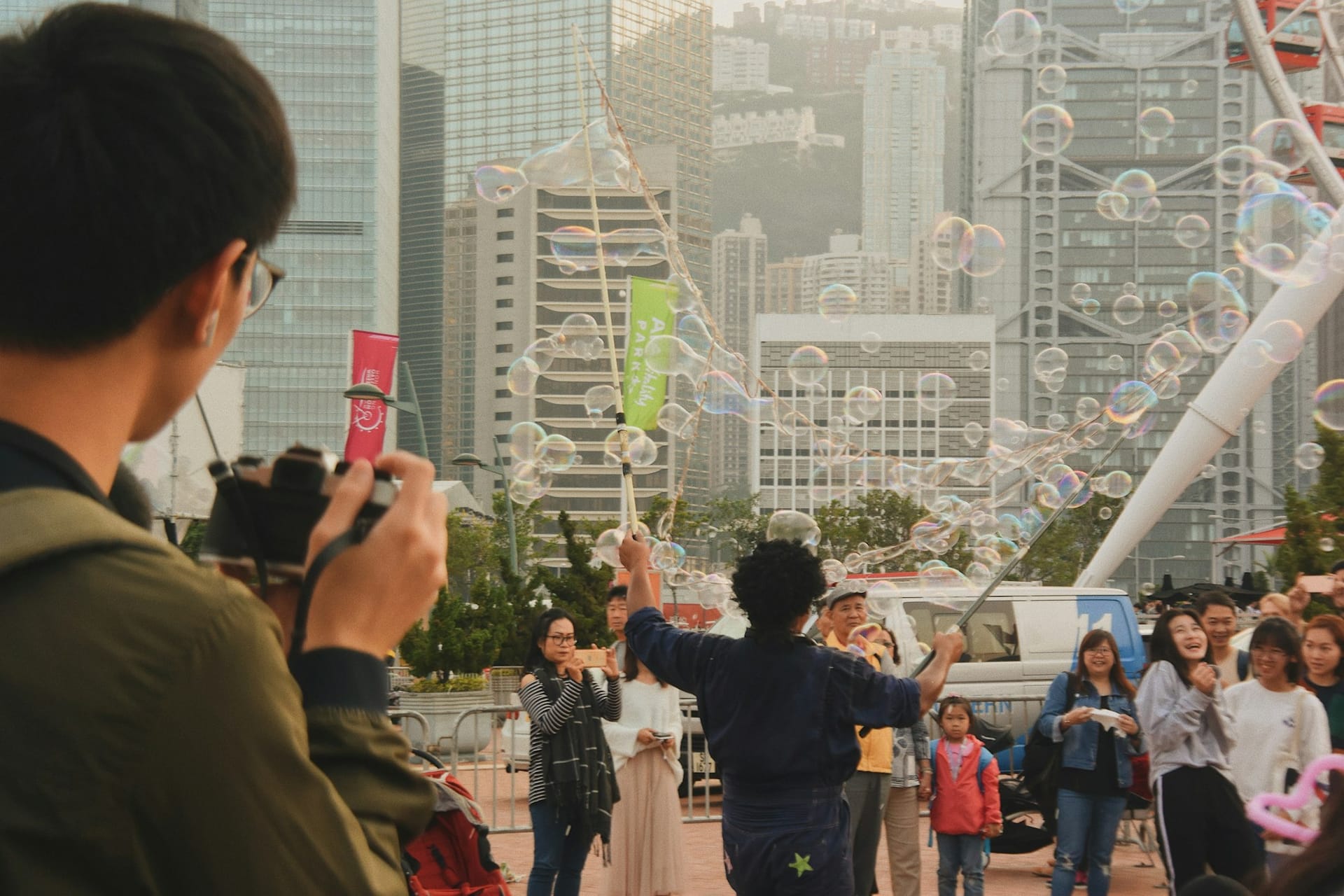
Tickets & tours
Live prices and dates from our booking partner. If you book, we may earn a commission at no extra cost to you.
TL;DR
- Hong Kong isn't just skyscrapers and shopping (though it does those well). What makes the city electric is how fast you can shift contexts: incense smoke in a 170-year-old temple, then five MTR stops later you're on a ridge trail watching container ships crawl across the South China Sea.
- The Peak Tram delivers the skyline money shot, sure. But the real Hong Kong lives in Temple Street's 10pm chaos, the dim sum joints on Fuk Wing Street where aunties shout your order to the kitchen, and the moment you round a bend on Dragon's Back and realize 70% of this place is legally protected green space.
- Grab an Octopus card, pack light, and move fast. This city rewards the curious.
Iconic Landmarks and Skyline Views
Victoria Peak at 4:30pm on a weekday in November. That's when you want to be there. Not 11am when the cruise groups clog the Peak Tram terminus and the upper viewing deck feels like a theme park. The tram itself (running since 1888 on those near-vertical tracks) still gets your attention, especially the moment it tilts back and the buildings outside your window seem to defy physics. But timing matters. Arrive mid-afternoon, watch the harbor light shift from steel blue to amber, and you'll catch both the daytime skyline and the early evening glow as office towers blink on one by one. If the Peak Tram line snakes down Garden Road, just take the 15 bus from Central (Exchange Square). It's slower, cheaper, and the view from the top deck rivals anything the tram offers.
💡 Local tip
Skip the Sky Terrace 428 ticket. Walk 10 minutes west on Lugard Road (the flat path circling the summit) to Lugard Lookout. Free. Less crowded. Same view of Central, the harbor, and Kowloon.
The Star Ferry isn't just transport, it's a seven-and-a-half-minute ritual that defines Hong Kong. Board the lower deck of the green-and-white vessel at Central Pier 7, pay HK$3.70 with your Octopus card, and stand at the bow as the boat churns toward Tsim Sha Tsui. Go at 8pm. The Symphony of Lights (nightly at 8pm) isn't as tacky as it sounds: lasers rake across the IFC tower, the Bank of China spire pulses red, and the whole harbor turns into a light show you didn't pay for. Afterward, walk east along the Tsim Sha Tsui waterfront promenade past the Avenue of Stars and the old Clock Tower and you'll see locals doing what locals do: tai chi, selfies, and arguing about which angle shows off the skyline best.
⚠️ What to skip
Sky100. It's fine: 118th floor, good visibility. But you're inside, behind glass, paying HK$198 for a view you can get better elsewhere. Save your money for literally anything else.
- Victoria Peak at sunset: 4-5pm arrival in cooler months for the skyline transition
- Star Ferry upper deck at 7:45pm: catch Symphony of Lights from the water
- Tsim Sha Tsui Promenade between 8-9pm: lit but not yet deserted
- Avenue of Stars: Bruce Lee statue and harbor benches, better by day when you can actually sit
- Skip: Mid-Levels Escalator unless you're actually going somewhere; it's more commuter conveyor belt than attraction. It’s still the world’s longest outdoor covered escalator system though, so at least you can say you rode it.
Cultural Experiences and Temples
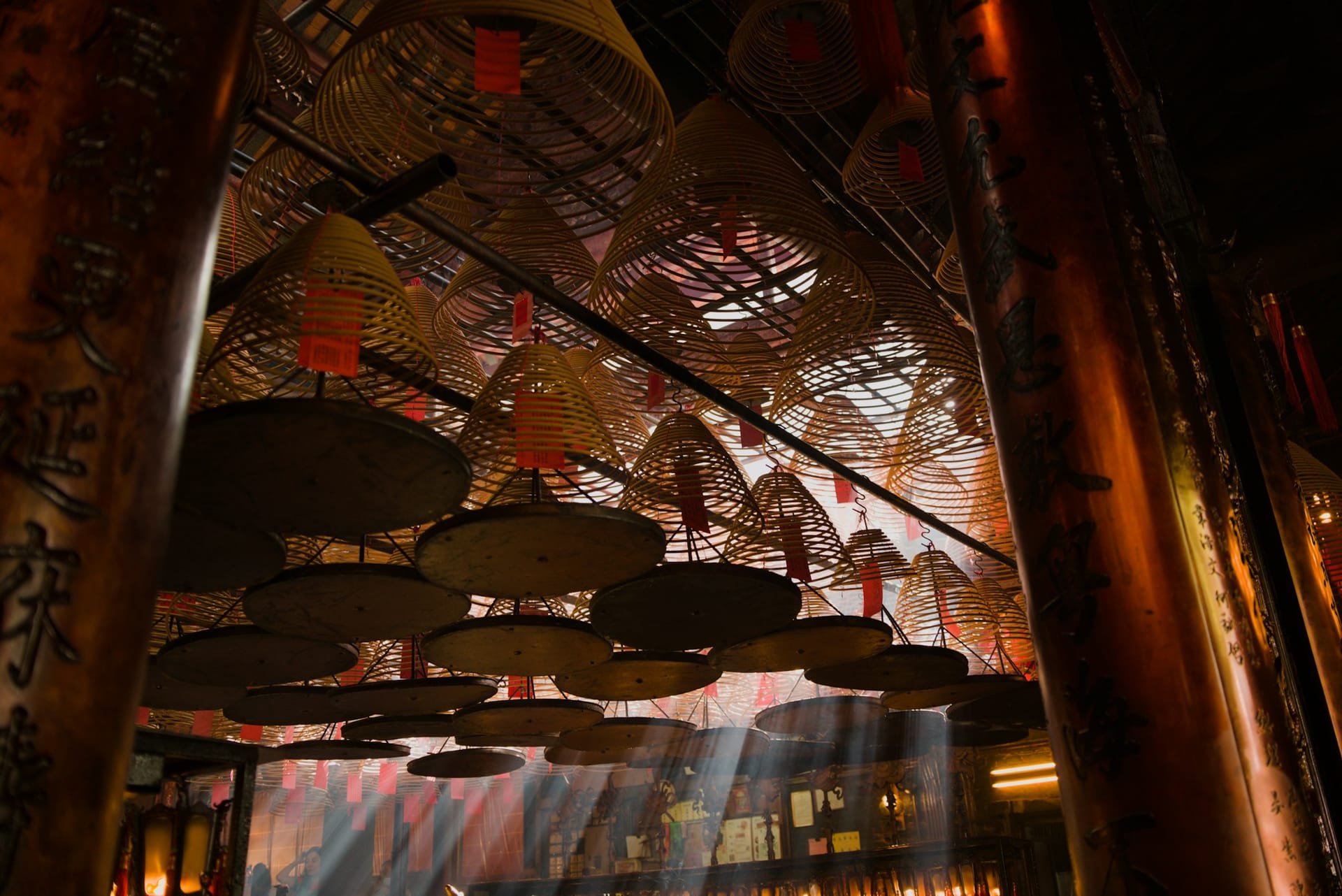
Wong Tai Sin Temple feels different on a Tuesday morning when it's just you, a handful of retirees, and the smell of sandalwood coiling through the main hall. Located in northeast Kowloon (MTR: Wong Tai Sin, Exit B2, two-minute walk), this isn't a museum. It's active, loud, and layered with superstition. People shake chim (fortune sticks) until one falls, then shuffle to the fortune teller arcade along the right side of the courtyard; HK$100-300 gets you a reading in Cantonese, Mandarin, or broken English. The temple grounds hold five elements: a gold pavilion, red courtyard, earth walls, water fountain, and wood prayer hall. Designed for feng shui harmony, sure. But mostly it just looks incredible when afternoon light slants through the red columns and incense smoke hangs at shoulder height.
💡 Local tip
Go early (8-9am) or late afternoon (4-5pm). Mid-morning pulls the tour bus crowd. Bring small bills if you want to buy incense (HK$20-40 for a bundle), vendors don't always have change.
Man Mo Temple, tucked on Hollywood Road in Sheung Wan, dates to 1847 and smells like 176 years of accumulated incense. Giant coils dangle from the ceiling, some as wide as tractor tires, slowly burning for weeks, purchased by families for blessings that take time. Man is the god of literature (students pray here before exams); Mo is the god of war (cops used to swear oaths here). Tourists snap photos at the entrance. Locals walk straight to the altar, light three sticks, bow three times, and leave. Takes 90 seconds. If you want the real McCoy, show up around 8am when the temple opens and shopkeepers from the antique stores next door come in for their daily prayers. The light's better then, too: soft, golden, streaming through wooden lattice screens.
✨ Pro tip
After Man Mo, walk up Hollywood Road to Upper Lascar Row (Cat Street). Antique shops, yes. But more interesting are the old Chinese medicine stores where dried seahorses, ginseng roots, and stuff you can't identify sit in glass jars. You don't have to buy anything unless you know what it is. You can just look.
- Wong Tai Sin Temple: Best 8-9am or 4-5pm when tour groups thin out; don't skip the Good Wish Garden at the back left of the complex
- Man Mo Temple: Show up early (8-9am) to watch morning rituals; free entry, HK$20 for incense if you want to light some
- Po Lin Monastery on Lantau: Worth visiting for the Big Buddha, but arrive before 11am or accept crowds
- Ten Thousand Buddhas Monastery in Sha Tin: Steep climb (400+ steps) but no actual crowds. Most tourists skip it
- Che Kung Temple: Only worth visiting during Lunar New Year (January/February) when it's mobbed with worshippers spinning the giant brass wheel for luck
Nature Escapes and Outdoor Adventures
Dragon's Back isn't just Hong Kong's best urban hike. It's one of the best urban hikes anywhere. Period. Start at To Tei Wan Village (take bus 9 from Shau Kei Wan MTR; get off at Shek O Road near the trailhead). The 8.5km path climbs quickly, levels out along a knife-edge ridge, and delivers views that shouldn't exist this close to a city: Big Wave Bay's turquoise crescent to the south, the granite peaks of Hong Kong Island's eastern spine, container terminals stacked like Lego across the harbor. Go on a clear day. Not negotiable. Cloud cover kills the whole point. Allow 3-4 hours including photo stops, and finish at Big Wave Bay or Shek O Beach, both have decent (if slightly overpriced) seafood restaurants where you can collapse with a Tsingtao and watch surfers.
⚠️ What to skip
Do NOT attempt Dragon's Back in summer (June-August). Humidity at 90%, no shade, and you'll bake. October-March is prime. Bring: 2L water per person, hat, sunscreen. There are no stores or taps once you're on the ridge.
Lantau Island is where Hong Kong keeps its wilderness card. Yeah, the Big Buddha (Tian Tan Buddha) is massive. 34 meters, 268 steps, visible from the Ngong Ping 360 cable car as it swings over forested valleys. But the real draw here is space. After snapping your obligatory Buddha photo, keep walking. The Lantau Trail's Section 3 runs from Ngong Ping to Tai O, about 7km, mostly downhill, through lantana scrub and coastal forest. You'll see almost nobody. Tai O itself is worth two hours: stilt houses over tidal flats, rope-tied dried fish hanging from shop fronts, a slower rhythm. The pink dolphin boat tours (HK$25-30, 20-minute trips) are hit or miss, dolphins show up maybe 40% of the time. but the boat ride through the channels is atmospheric even if you don't see any.
💡 Local tip
If you're short on time, skip the Ngong Ping cable car. It's scenic but expensive (HK$235 round trip) and the queues on weekends can hit 60+ minutes. Take bus 23 from Tung Chung MTR instead, HK$17, 50 minutes, window seat gives you the same mountain views.
- Dragon's Back: Start before 9am to avoid heat; October-April only; bus 9 from Shau Kei Wan MTR gets you there
- Lantau Trail Section 3 (Ngong Ping to Tai O): 7km, gentle descent, best in morning light; pack water
- Wisdom Path: 15-minute walk from Big Buddha; 38 wooden steles carved with Heart Sutra; actually quite peaceful if you ignore the tourist village
- Sunset Peak (Lantau): For serious hikers only; 869m, steep, but sunrise from the summit is legendary. Budget 4-5 hours round trip from Pak Kung Au
- Skip: Lion Rock if you're not confident on steep, exposed scrambles; it's iconic but legitimately sketchy in wet weather
Food Markets and Culinary Delights
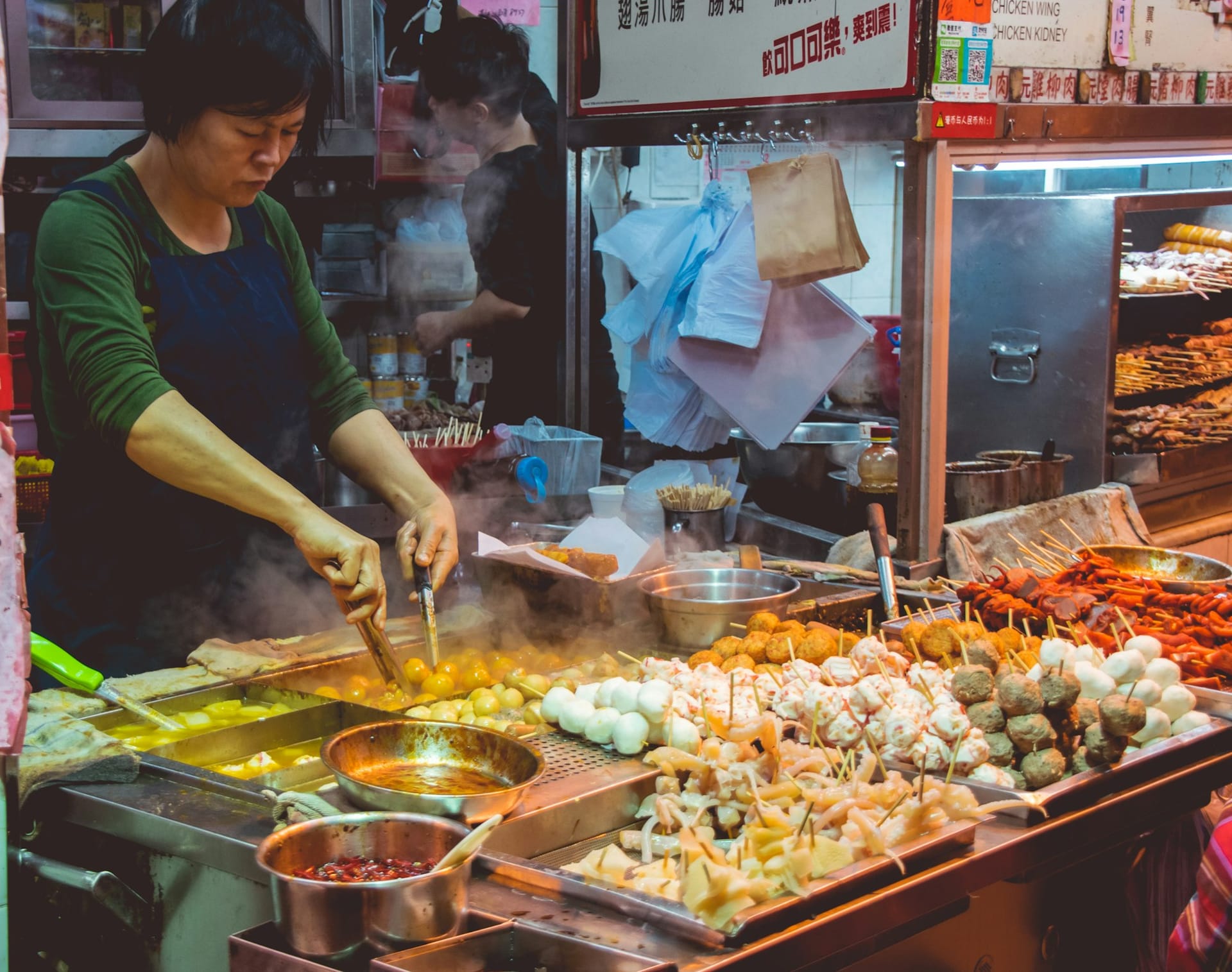
Temple Street Night Market wakes up around 6pm, but don't show up then. By 10pm the energy peaks: woks hissing at the dai pai dong stalls, fortune tellers arguing with clients, hawkers flogging knockoff watches under string lights. This isn't where you buy souvenirs (though you can). This is where you sit on a red plastic stool at one of the seafood stalls on the Reclamation Street end, point at whatever looks good in the ice bins: mantis shrimp, razor clams, clams in black bean sauce.. and watch them cook it in about 4 minutes. Cost: HK$150-250 for a solid meal with a beer. The stalls cluster between Jordan Road and Kansu Street; avoid the ones actively shouting at you. Locals sit at the ones that don't need to advertise.
✨ Pro tip
If Temple Street feels too hectic, head to Bowrington Road Market (Wan Chai, near Causeway Bay) instead. Cooked food stalls upstairs, same energy, more locals, and the cart noodles (HK$25-35) here are quietly some of the best in Hong Kong.
Dim sum. The thing every guide tells you to eat. But where? Tim Ho Wan on Fuk Wing Street (Sham Shui Po) earned its Michelin star in 2009 and still holds it. The BBQ pork buns are legitimately perfect, fluffy, sweet, molten center. Arrive before 10:30am or after 2pm, or you'll wait 45 minutes for a table. Expect HK$50-70 per person for four dishes. It's cramped. The plates come fast. Nobody lingers. But those buns, man. They're the platonic ideal. For contrast, try Lin Heung Tea House in Sheung Wan: old school, trolley service, zero English menus, grandmas elbowing each other for har gow. It's chaotic and a little stressful if you don't know the system (grab a seat, flag down carts, stack bamboo steamers, pay by counting steamers at the end). But it's real. This is how people ate dim sum before white tablecloths.
⚠️ What to skip
DO NOT order dim sum at dinner. Dim sum is breakfast/brunch culture, served 8am-3pm. Restaurants technically serve it later, but the quality drops and locals will silently judge you.
- Temple Street Night Market: 9-11pm peak energy; Reclamation Street end for seafood, Kansu Street end for fortune tellers
- Tim Ho Wan (Fuk Wing Street, Sham Shui Po): Arrive before 10:30am; order BBQ pork buns (obviously), steamed shrimp dumplings, rice rolls
- Lin Heung Tea House (Central): Cash only, no reservations, trolley service; go if you want authenticity over comfort
- Bowrington Road Cooked Food Centre (Wan Chai): Local vibe, cart noodles upstairs, HK$25-40 meals; peak lunch 12-1pm
- Skip: Ladies' Market (Mong Kok) for food, it's mostly cheap clothes and phone cases; eat at nearby Fa Yuen Street instead
FAQ
What's the best way to get around Hong Kong?
MTR (subway). Full stop. Get an Octopus card at the airport (HK$150 with HK$50 deposit). It works on MTR, buses, trams, ferries, Star Ferry, and most 7-Eleven stores. The MTR covers every major district, runs until 1am, and costs HK$5-25 per ride. Trams are slower but atmospheric if you're on Hong Kong Island's north shore (HK$3, exact change or Octopus). Star Ferry for harbor crossings (HK$5-6.5 Central to Tsim Sha Tsui). You'll almost never need a taxi unless you're coming back from a late hike.
Is Hong Kong suitable for family travel?
Depends on your kids. If they handle heat, crowds, and lots of walking, yes. Hong Kong delivers: Disneyland, Ocean Park, Science Museum (Tsim Sha Tsui, free on Wednesdays), the Peak, Star Ferry. But it's not a slow, beach-resort vibe. Strollers are tough on steep streets and crowded MTR stations. Restaurants welcome kids, but high chairs aren't universal. Safety's a non-issue: Hong Kong's one of the safest cities on Earth. If your kids are 6+, curious, and can handle stimulus, you'll have a blast. Under 6? Consider whether the intensity will exhaust everyone.
How many days should I spend in Hong Kong?
Three full days hits the highlights without feeling rushed: Day 1 (Victoria Peak, Central, Star Ferry), Day 2 (Kowloon, temples, Temple Street), Day 3 (Lantau Island or Dragon's Back hike). Add a fourth day if you want to explore outlying islands (Lamma, Cheung Chau) or go deeper into neighborhoods like Sham Shui Po or Tai O. Five days lets you slow down and actually repeat places at different times of day which is when Hong Kong reveals its layers. But if you only have two days? Peak, Star Ferry, one temple, one night market. You'll get the core experience.
Tickets & tours
Live prices and dates from our booking partner. If you book, we may earn a commission at no extra cost to you.
Planning a trip? Discover personalized activities with the Nomado app.