Tsim Sha Tsui is one of the most popular areas for visitors staying in Kowloon. It offers easy ferry and metro access, a large concentration of hotels, and waterfront walks with some of the city's best skyline views.
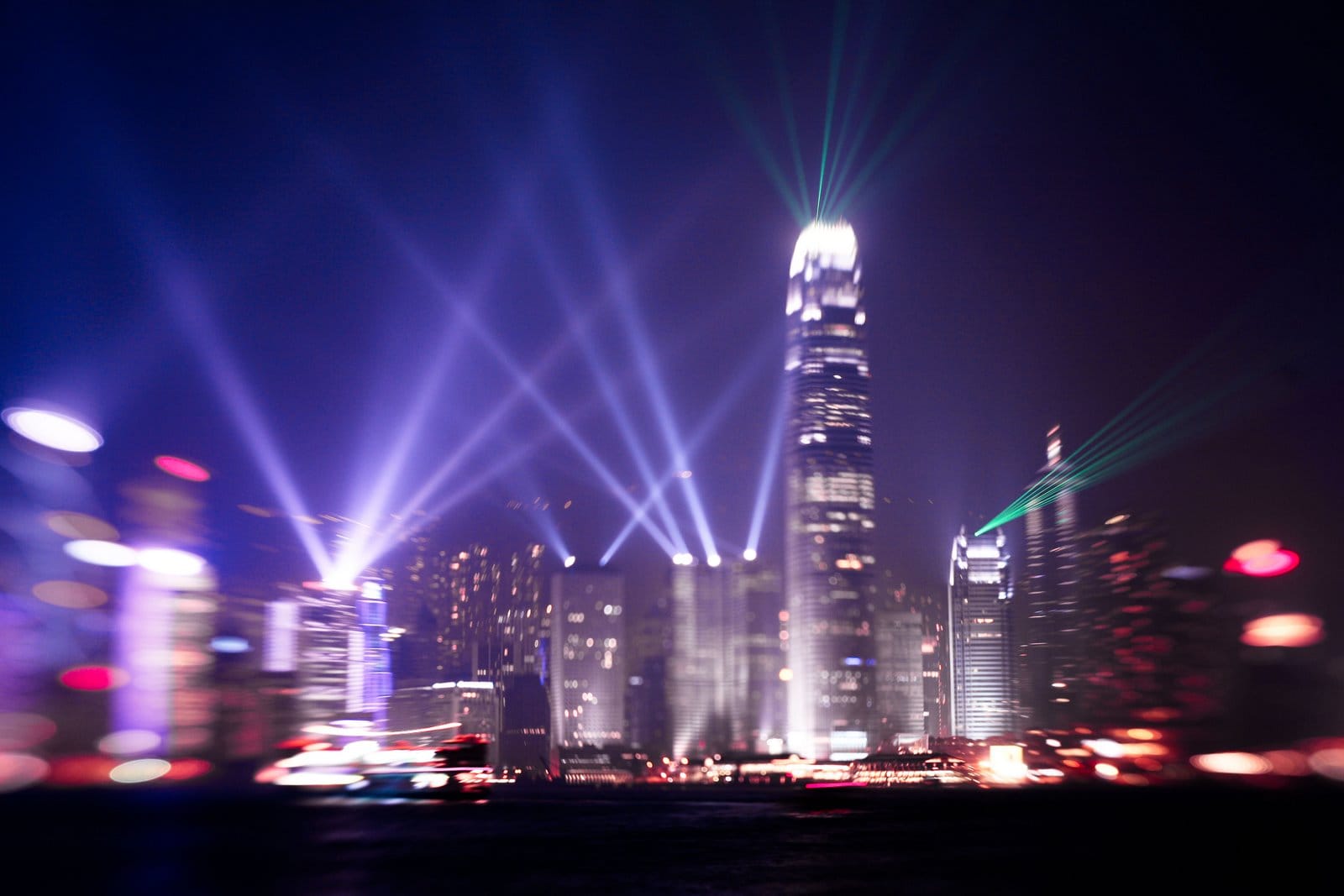
Tsim Sha Tsui packs more hotels per square kilometer than anywhere else in Hong Kong. Stand at the Star Ferry pier at 7 PM and look north: Nathan Road glows with neon running 2.5 kilometers straight into Kowloon. Turn south and the Hong Kong Island skyline performs across Victoria Harbour. This is the view that ends up in postcards, and you're standing in the middle of it.
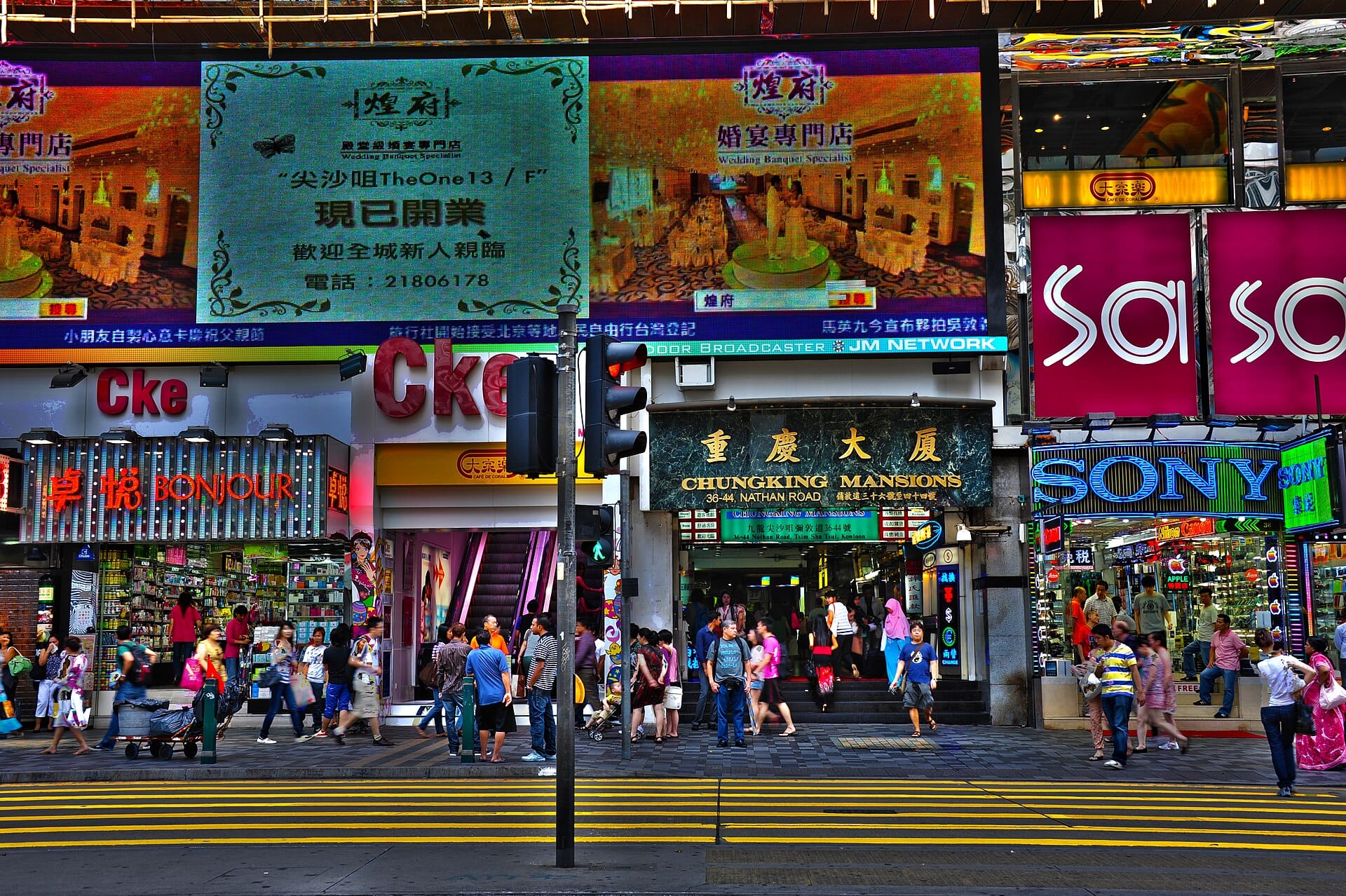
TST (locals never say the full name) functions as Hong Kong's visitor headquarters. The waterfront promenade stretches from the Clock Tower to Hung Hom, lined with tourists photographing the skyline from every possible angle. Nathan Road's Golden Mile hosts luxury malls, electronics shops, tailors promising 24-hour suits, and approximately 90 hotels within a 15-minute walk. Chungking Mansions rises 17 stories of budget guesthouses, curry restaurants, and SIM card vendors compressed into organized chaos.
Stay here and you're on Kowloon side, meaning you'll cross Victoria Harbour daily if your itinerary focuses on Hong Kong Island. But TST compensates with hotel density, waterfront access, museums, and skyline views. Hotels range from HK$400/night guesthouses in Chungking Mansions to HK$3,000/night harbor-view rooms at The Peninsula. Most travelers land somewhere in the HK$700-1,200 range.
TL;DR
Tsim Sha Tsui occupies southern Kowloon with the best Hong Kong Island skyline views. More hotels per block than any Hong Kong neighborhood.
Transport connects everywhere: MTR stations (Tsuen Wan & Tuen Ma Lines), Star Ferry to Central (8 min), Airport Express Kowloon Station (free shuttle buses), and cross-harbor tunnels.
Nathan Road's Golden Mile runs 2.5km north-south through TST, packed with shopping, hotels, restaurants. Waterfront promenade stretches east from Star Ferry pier.
Best for first-time visitors prioritizing skyline views and hotel options. Skip if you're focused on Hong Kong Island attractions (you'll cross harbors constantly).
What Tsim Sha Tsui Actually Feels Like
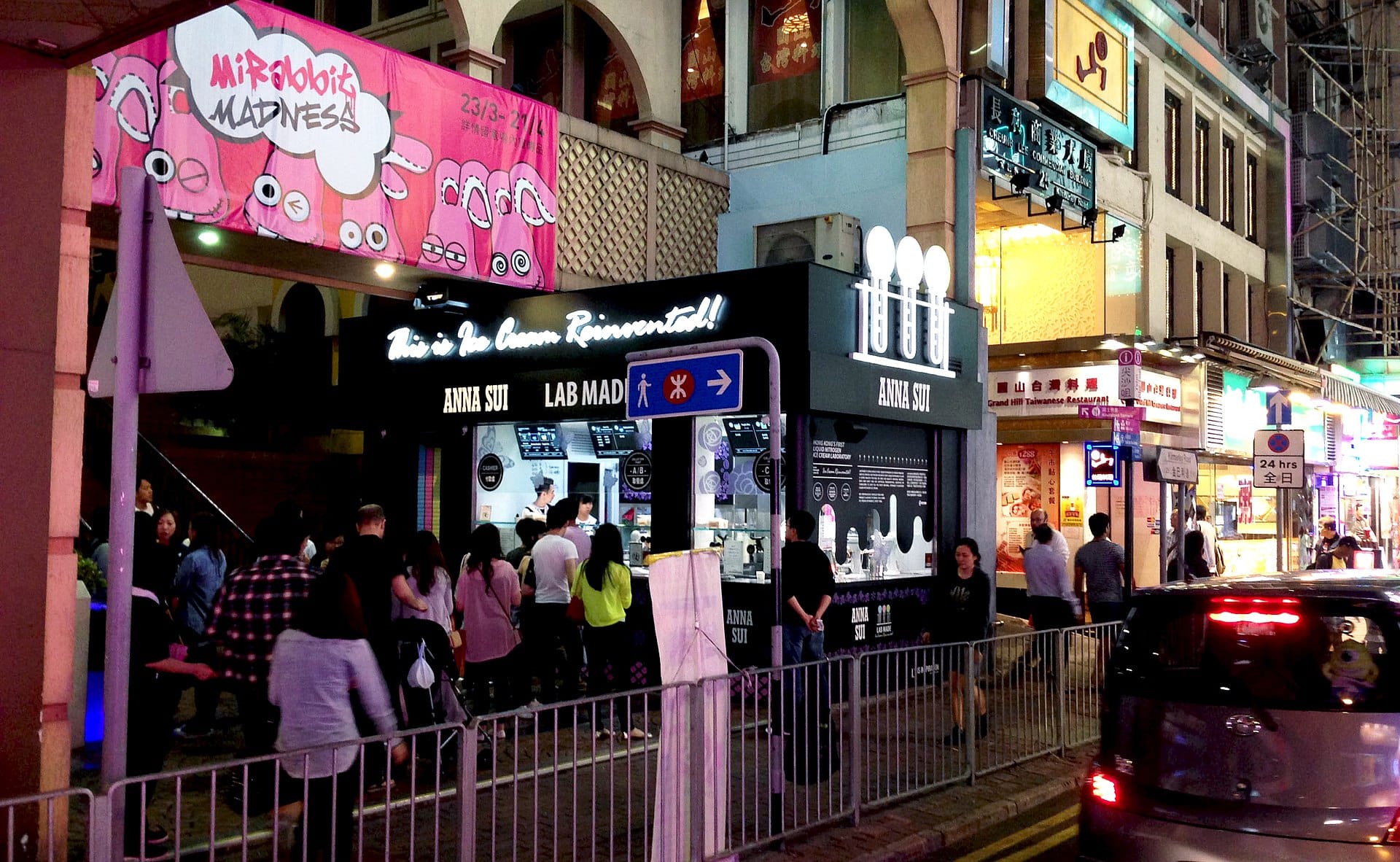
TST's defining characteristic is density organized around tourism. Nathan Road serves as the spine: 6 lanes of traffic, sidewalks packed noon to midnight, hotels stacked so tight that some buildings share lobbies. Luxury operations (The Peninsula, InterContinental, Rosewood) claim harbor frontage. Mid-range chains (Holiday Inn, Sheraton, Hyatt) cluster between Salisbury Road and Jordan. Budget guesthouses hide in Chungking Mansions and Mirador Mansion on Nathan Road.
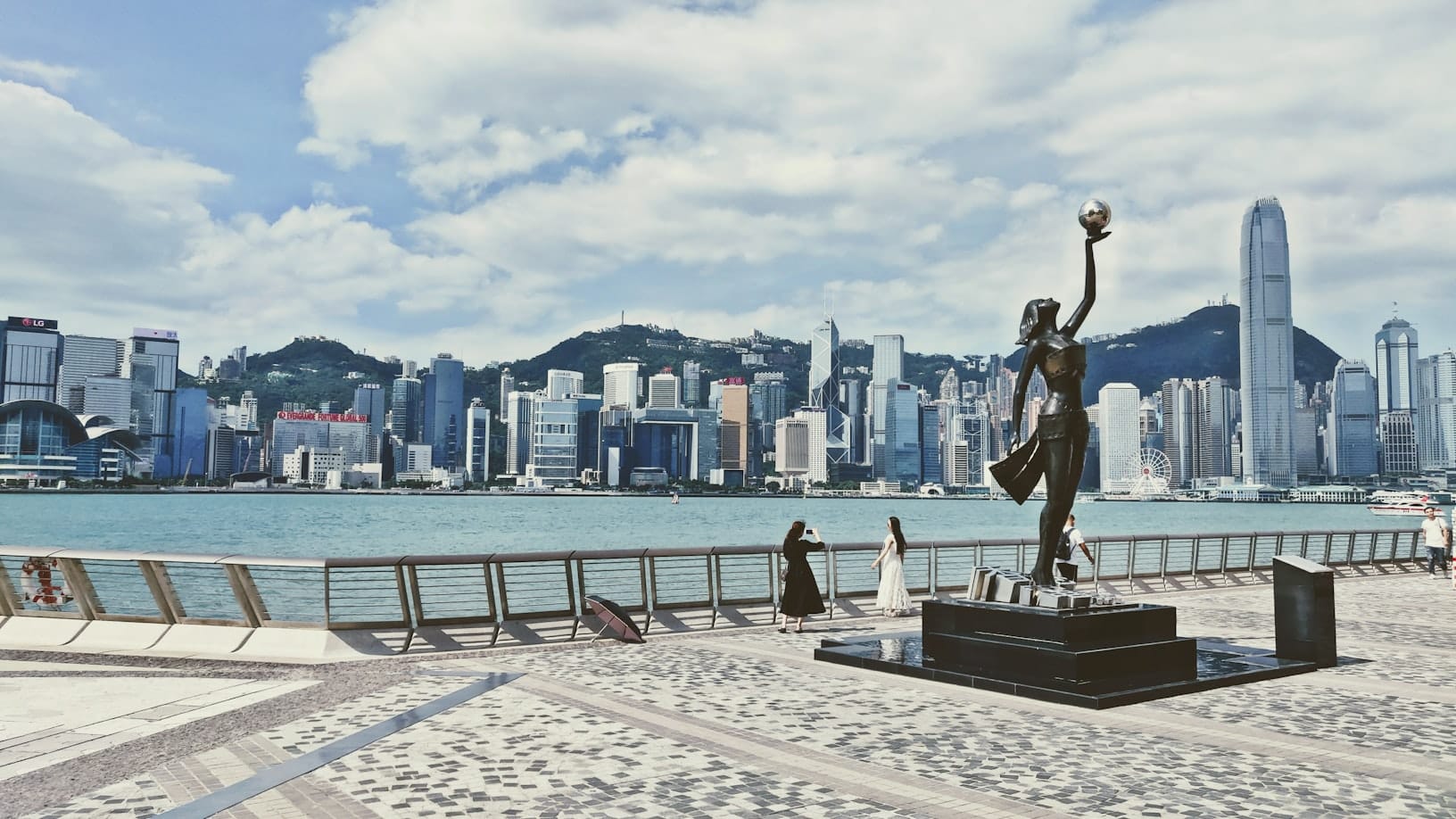
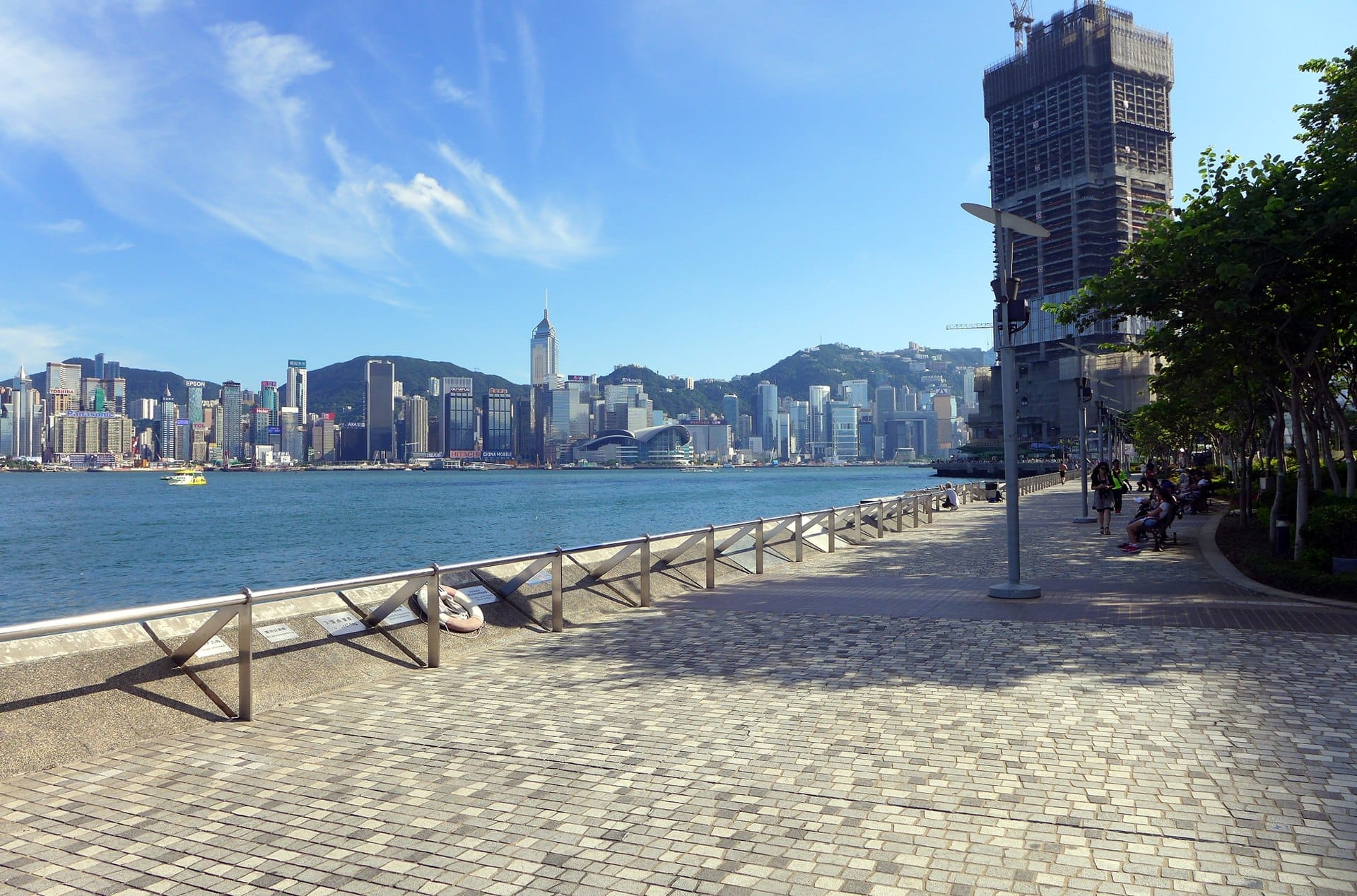
The waterfront corridor (Salisbury Road to Tsim Sha Tsui Promenade) feels designed for visitors: wide walkways, benches every 50 meters, bronze stars embedded in pavement (Avenue of Stars, Hong Kong's Walk of Fame). Symphony of Lights plays nightly at 8 PM: 10 minutes of light, music and synchronized laser beams across 40+ Hong Kong Island buildings. Tacky? Maybe. But locals still show up with cameras.
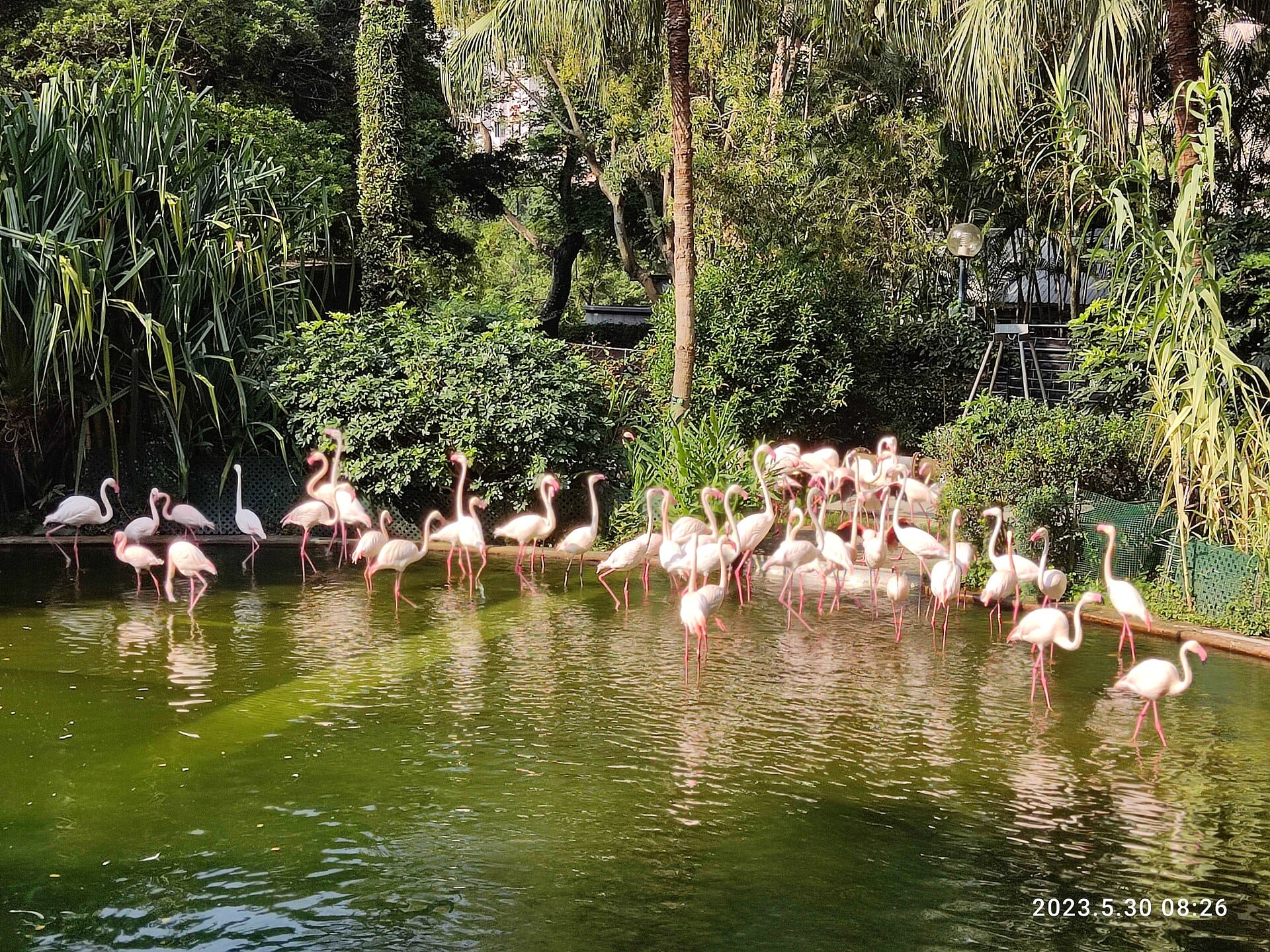
Inland from Nathan Road, TST splits into micro-districts. Knutsford Terrace (between Kimberley Road and Mody Road) is a pedestrian alley lined with restaurants and bars: European food, outdoor seating, expat crowds. Granville Road (parallel to Nathan, one block east) specializes in fabric, knock-off designer goods, and tailors. Kowloon Park occupies 33 acres mid-TST: swimming pools, flamingo pond, morning tai chi practitioners.
💡 Local tip
Tsim Sha Tsui and East Tsim Sha Tsui MTR stations have multiple exits serving completely different areas. Exit E for Star Ferry and waterfront. Exit B1 for Nathan Road south. Exit A1 for museums. Surfacing at the wrong exit adds 10 minutes of confused walking.
What to See and Do in Tsim Sha Tsui
The Tsim Sha Tsui Promenade from Star Ferry pier to Hung Hom delivers Hong Kong's signature skyline view. Walk it at sunset (6-7 PM winter, 7-8 PM summer) when the light shifts from blue to amber and office towers blink on. The Symphony of Lights starts at 8 PM sharp: show up 10 minutes early for a bench. For broader Hong Kong activities, see our things to do in Hong Kong guide.
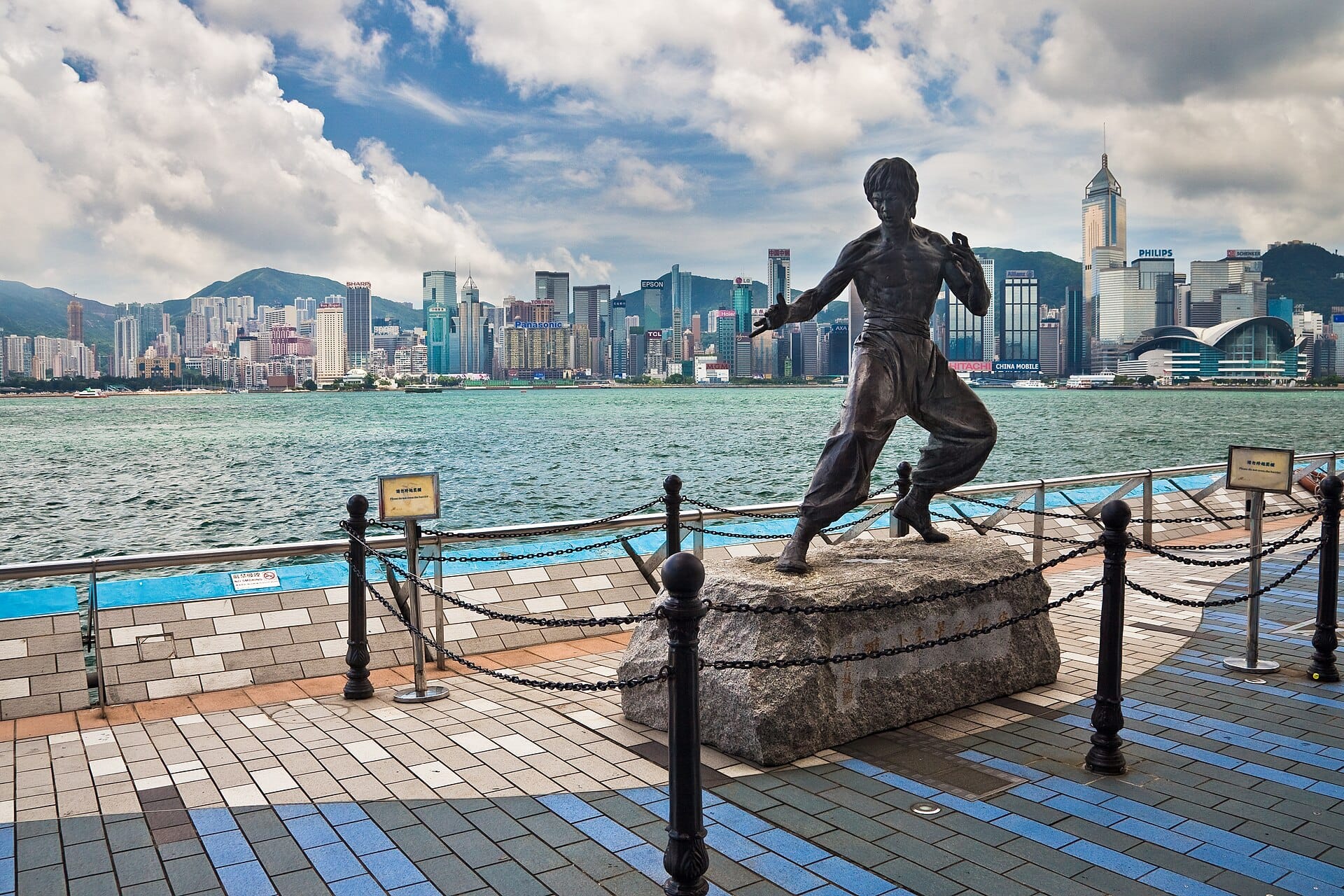
Avenue of Stars (eastern section of promenade, between Star Ferry and Hung Hom) hosts bronze handprints of Hong Kong film stars, a Bruce Lee statue (tourists queue 20 minutes for photos), and plaques explaining Cantonese cinema history. It's kitschy but genuinely interesting if you know the films. Go early morning (7-8 AM) for empty walkways and softer light.
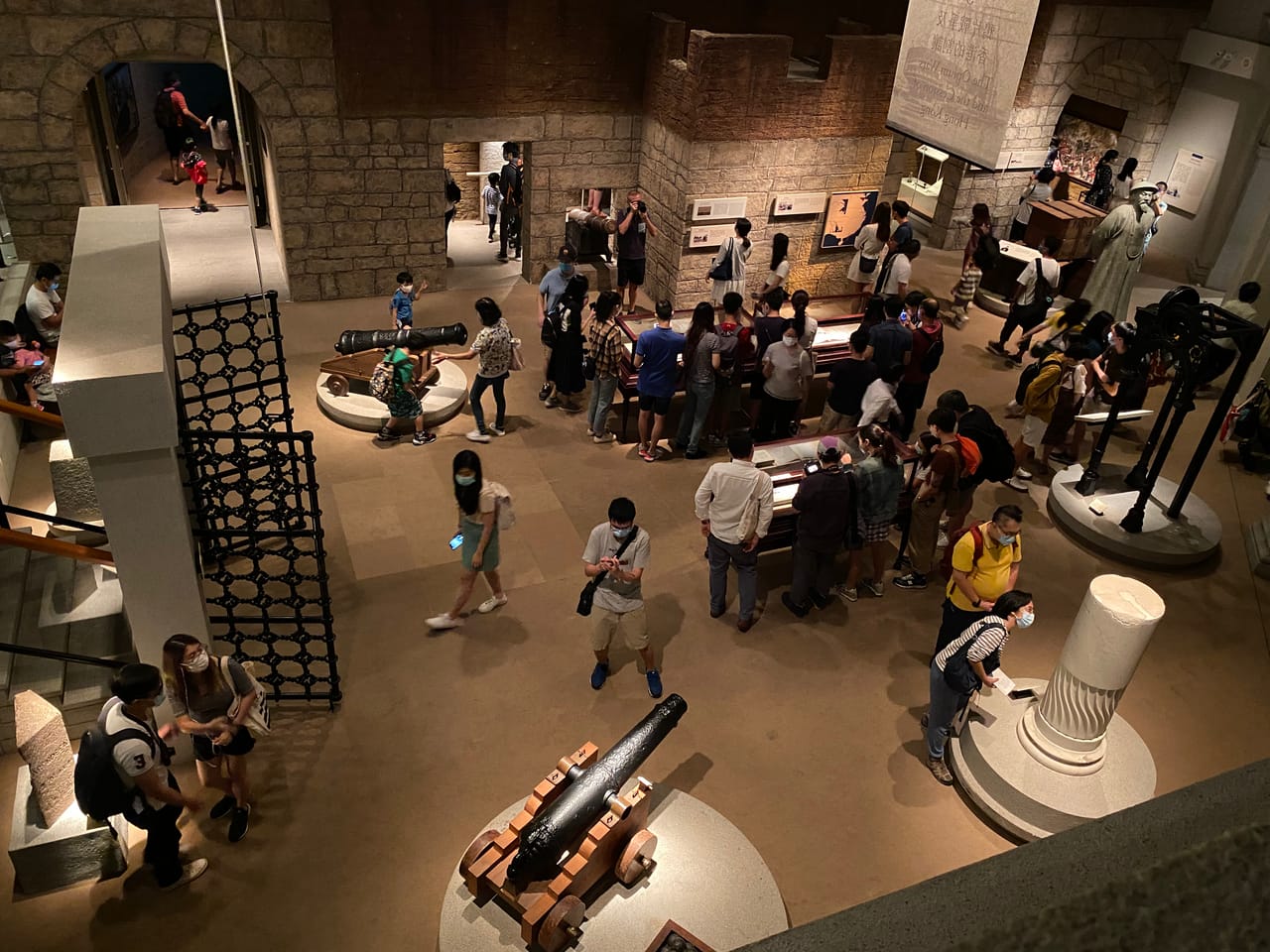
Hong Kong Museum of History (Chatham Road South, near East Tsim Sha Tsui MTR Exit A1) covers 400 million years from geological formation to British handover (1997). Permanent exhibition is free (temporary shows charge HK$10-30). Allow 2-3 hours. Best visited on rainy afternoons when outdoor sightseeing falters.
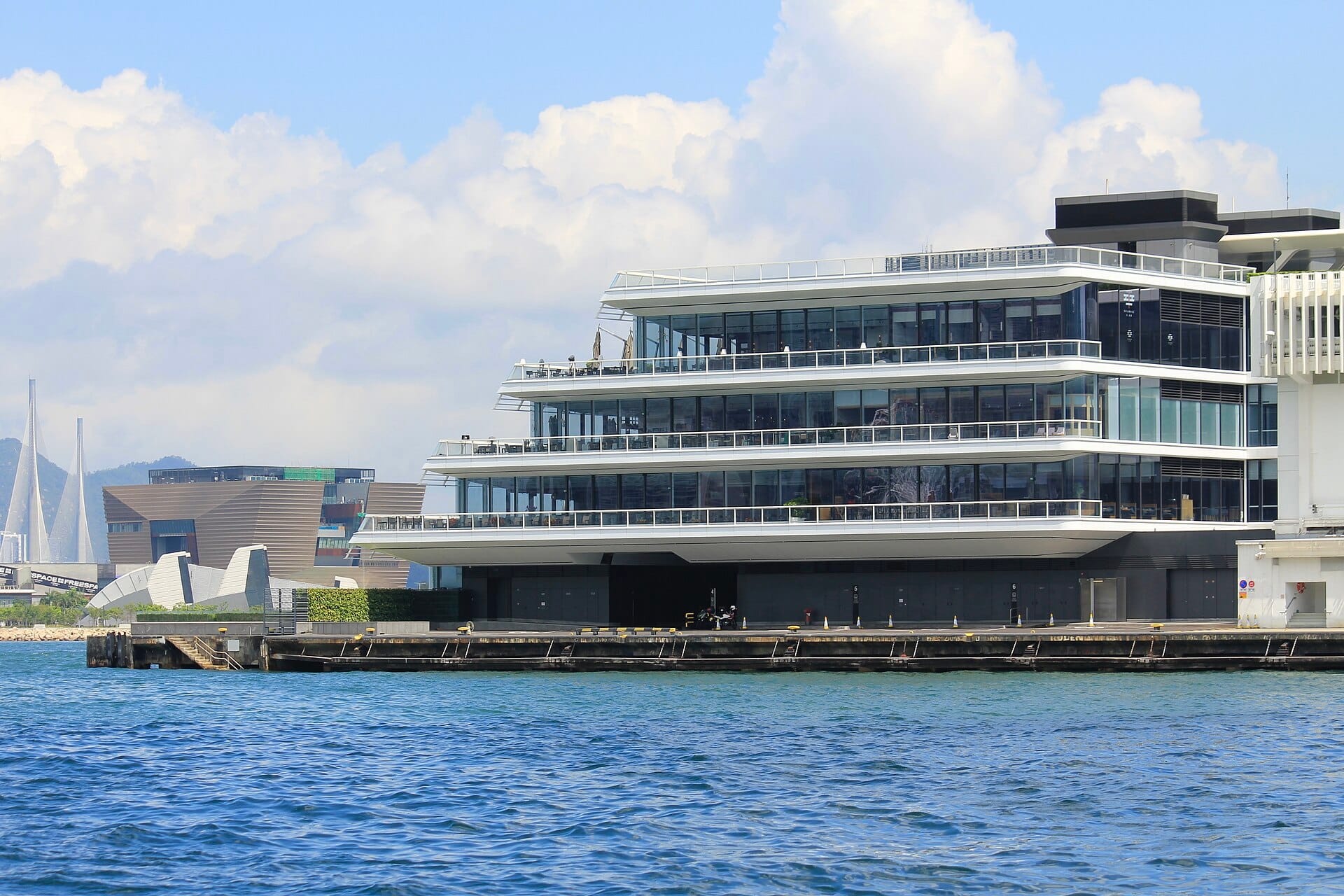
Hong Kong Space Museum (Salisbury Road, next to Cultural Centre) has the city's only OMNIMAX theater. Shows rotate monthly (documentaries, space films, occasionally feature films). HK$24-32 admission. The building's white dome looks like a golf ball: you can't miss it walking the waterfront.
Kowloon Park (Nathan Road between Haiphong Road and Austin Road) offers 33 acres of escape from TST's density. Flamingo pond, aviary, swimming pools (Olympic-size outdoor pool, HK$19 entry), morning tai chi groups (6-8 AM, free to watch). Indoor sports center has air-conditioned courts if you're exercising in summer humidity.
ℹ️ Good to know
The 1881 Heritage building (Canton Road at Salisbury) is the former Marine Police Headquarters (1884), now a luxury shopping complex. Free to walk the colonial courtyards, photograph Victorian architecture. More interesting than the Gucci stores inside.
Tsim Sha Tsui at Different Times of Day
Early morning (6-8 AM): Waterfront promenade fills with joggers and tai chi practitioners. Nathan Road is quiet: stores don't open until 10 AM. This is the only window when TST feels calm. If you're photographing the skyline without crowds, go now.
Mid-morning to afternoon (10 AM-6 PM): Tourist density peaks. Star Ferry queues lengthen. Museums open (10 AM). Nathan Road sidewalks get congested with shopping groups. Restaurants operate at capacity for lunch (noon-2 PM). If you're sightseeing, prioritize indoor attractions (museums, malls) during peak heat (1-4 PM).
Evening (6-10 PM): Promenade crowds maximize for Symphony of Lights (8 PM). Restaurants fill. Knutsford Terrace bars start serving outdoor drinks. Nathan Road stays bright: neon lights, shop windows, traffic. TST doesn't have Central's club scene but maintains energy until 11 PM.
Late night (11 PM-2 AM): Most shops close. Bars on Knutsford Terrace wind down by midnight. Some restaurants (Tsui Wah, Café de Coral) operate 24 hours for late meals. The waterfront empties except for occasional insomniacs photographing the skyline. It's safe but quiet: don't expect nightlife action.
⚠️ What to skip
Avoid Nathan Road during Chinese New Year (late January/February) and Golden Week (October 1-7). Sidewalks become impassable. Hotel prices double. Even locals avoid TST during these periods.
Where to Eat and Drink in Tsim Sha Tsui
TST's food scene splits between budget curry houses (Chungking Mansions), mid-range chains, and upscale hotel restaurants. Chungking Mansions hosts 20+ South Asian restaurants across 17 floors. Delhi Club (3rd floor, Block C) and Khyber Pass (7th floor, Block E) serve authentic Pakistani and North Indian food for HK$60-100 per person. The building looks intimidating but is perfectly safe: security cameras everywhere, regular inspections.
Mido Café (Temple Street, technically Yau Ma Tei but 10-minute walk north) is a retro cha chaan teng (Hong Kong café) operating since 1950s. Checkered floor, booth seating, fluorescent lighting, and milk tea served in thick porcelain cups. Pineapple buns, French toast, and macaroni soup cost HK$30-45. No English menu but staff gesture helpfully.
For sit-down dining: Sabatini (Royal Garden Hotel) does excellent Italian with harbor views. Spring Deer (Mody Road) serves Peking duck that locals defend: HK$350 for whole duck, crispy skin, thin pancakes. Reservations required weekends.
Knutsford Terrace (pedestrian alley between Nathan and Carnarvon Road) clusters 15+ bars and restaurants. It's expatriate territory: Mediterranean, Mexican, German beer halls. Prices run HK$200-350 per person. Outdoor seating works best March-May and October-November when humidity drops.
Is Tsim Sha Tsui Safe at Night?
Yes. TST is extremely safe at all hours. Street crime is rare, police presence is high, and the area's tourism focus means security is prioritized. Women walking alone report zero concerns. The promenade is well-lit, CCTV monitors major areas, and foot traffic remains steady until 11 PM.
The main risks are tourist scams (aggressive tailors, overpriced electronics stores, taxi drivers taking long routes) rather than safety threats. Chungking Mansions has a dated "dangerous" reputation that hasn't been accurate since the 1990s. The building is monitored, regulated, and statistically safer than most Western city neighborhoods.
Who Should Stay in Tsim Sha Tsui
TST works for travelers who prioritize hotel options and skyline views. You're trading some Hong Kong Island convenience for waterfront access and accommodation variety. For comprehensive neighborhood comparison, see our where to stay in Hong Kong guide.
Want the classic Hong Kong skyline view. Hotels on Salisbury Road offer harbor views that Hong Kong Island can't match (you need distance to see the skyline).
Value hotel variety. TST has more options per block than anywhere: budget guesthouses, mid-range chains, luxury harbor-view properties. Something fits every budget.
Prefer museums and cultural attractions. Hong Kong Museum of History, Space Museum, Cultural Centre, and Heritage Museum cluster here.
Are visiting Hong Kong for the first time. TST's tourist infrastructure (English signage, hotel concierges, waterfront promenade) eases the learning curve.
Don't mind crossing Victoria Harbour daily. Star Ferry (8 min to Central) and MTR (12 min to Admiralty) make island access straightforward.
Who Should Probably Stay Elsewhere
TST isn't ideal for everyone. Skip this neighborhood if you:
Plan to spend most time on Hong Kong Island. Crossing the harbor twice daily adds 30-40 minutes to your schedule. Central or Sheung Wan become more efficient bases.
Want local neighborhood character. TST feels designed for tourists. You'll see more hotel tour groups than residential life. For authenticity, try Mong Kok or Sham Shui Po.
Avoid crowds. Nathan Road sidewalks are perpetually packed. If dense foot traffic stresses you, quieter neighborhoods (Sheung Wan, Kennedy Town) work better.
Prefer walking as primary transport. TST is walkable internally, but reaching Hong Kong Island requires ferry or MTR. Central offers better pedestrian connections citywide.
Are on a tight budget but want comfort. TST's cheap options (Chungking Mansions guesthouses) are very basic. For HK$600-800, Mong Kok or Yau Ma Tei deliver better value.
Transport and Practical Realities
Tsim Sha Tsui MTR station (Tsuen Wan Line) and adjacent East Tsim Sha Tsui station (Tuen Ma Line, underground pedestrian link) provide multi-line access. Multiple exits: E for Star Ferry, B1 for Nathan Road south, A1 for museums, L for East Rail transfer.
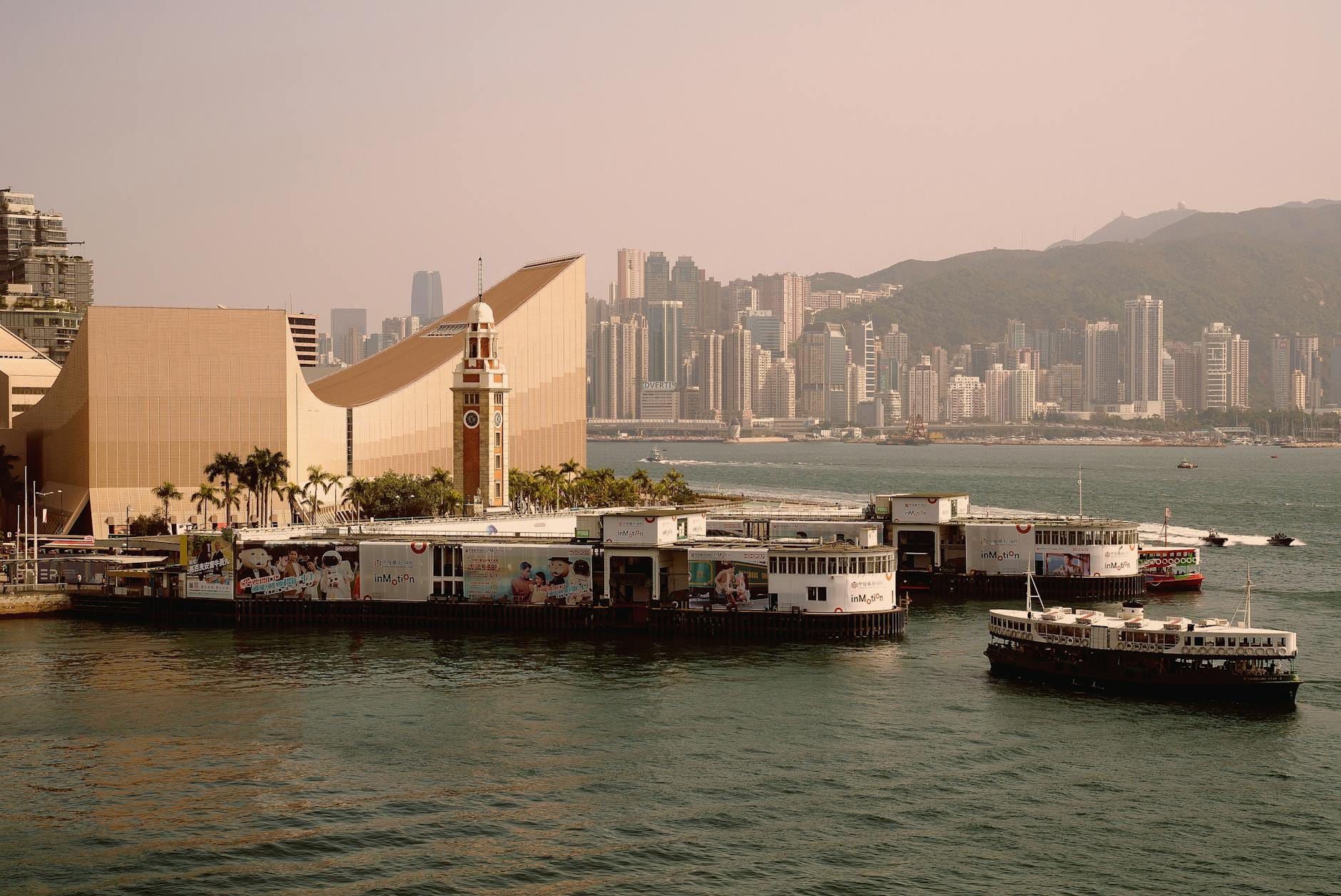
Star Ferry to Central: 8 minutes, HK$5.0 upper deck weekdays; HK$6.5 upper deck weekends/holidays (Octopus), runs every 8-12 minutes from 6:30 AM-11:30 PM. Board lower deck for cheapest fare, upper deck for slightly better views (HK$4.0). This is faster and more scenic than MTR during non-rush hours.
Airport Express Kowloon Station (Austin Road, 1km north of waterfront): Free shuttle buses (K1, K2, K3, K4, K5) connect major TST hotels to the station every 12-20 minutes. From there, Airport Express reaches HK International Airport in 20 minutes (HK$115). Alternatively, A21 airport bus stops along Nathan Road every 500 meters (HK$33, 40 minutes).
Cross-harbor tunnels: Taxis and buses use Eastern Harbour Tunnel, Western Harbour Tunnel, or Cross-Harbour Tunnel depending on destination. Taxis add HK$25-50 tunnel toll to meter. During rush hour (8-9 AM, 6-7 PM), tunnels congest badly: Star Ferry or MTR moves faster.
💡 Local tip
The Hong Kong-China border (Lo Wu, Lok Ma Chau) is accessible via East Rail Line from East Tsim Sha Tsui MTR. Useful if you're adding Shenzhen or Guangzhou to your trip. Border crossing takes 45-90 minutes depending on queues.
Local Tips You Won't Find Elsewhere
The Clock Tower (waterfront, next to Cultural Centre) is one of Hong Kong's only remaining pieces of the original Kowloon-Canton Railway terminus (built 1915). Free to photograph, occasionally open for climbing (check HK Tourism Board for special event dates).
Chungking Mansions basement has the cheapest mobile phone SIM cards in Hong Kong. Multiple vendors compete: HK$30-50 gets you 3-7 days unlimited data. Ask for tourist SIM, specify your phone model.
Symphony of Lights viewing strategy: arrive 15 minutes early (7:45 PM), claim a bench on the promenade between Clock Tower and Avenue of Stars. Or watch from Tsim Sha Tsui Ferry Pier (elevated platform, fewer crowds, same view).
Free shuttle buses (branded, not public buses) run between TST hotels and Harbour City mall, Ocean Terminal, and Star Ferry. If you're staying at a participating hotel, these save walking in summer heat.
How Tsim Sha Tsui Compares to Nearby Neighborhoods
Comparing Kowloon options? Check out Mong Kok for local markets and cheaper hotels, or Central for Hong Kong Island business district access. Causeway Bay offers shopping on Hong Kong Island.
Yau Ma Tei (Jordan, one MTR stop north): Cheaper hotels, fewer tourists, more local character. Temple Street Night Market is the main draw. Good for budget travelers who want TST proximity without TST prices.
Mong Kok (three stops north): Maximum density, street markets, local life. Hotels cost HK$400-600/night for solid options. Trade tourist infrastructure for authentic Hong Kong chaos.
Central (8 minutes via Star Ferry): Hong Kong Island's business hub. More MTR lines (five vs TST's two lines), faster airport access, but no skyline views. Hotels average HK$200-300 more per night than TST equivalents.
ℹ️ Good to know
TST vs Central is the classic Hong Kong accommodation debate. TST wins on views and hotel variety. Central wins on transport connections and Hong Kong Island access. Most travelers pick based on whether their itinerary focuses on Kowloon or Hong Kong Island.
The definitive guide to choosing where to stay in Hong Kong: from harbor views in Tsim Sha Tsui to local life in Sham Shui Po, and why the MTR line matters more than the view.