Mui Wo: Silver Mine Bay's Beach, Hikes & Local Life
Mui Wo sits on Lantau Island's eastern shore where Hong Kong slows to a different rhythm. Known locally as Silver Mine Bay, this coastal village offers a window into the territory's quieter side: a broad sandy beach, waterfall hikes through forested valleys, and seafood joints where ferry commuters outnumber tourists.
Quick Facts
- Location
- Eastern coast of Lantau Island, Hong Kong
- Getting There
- Ferry from Central Pier 6 or Bus 3M from Tung Chung
- Time Needed
- 3-5 hours (half day)
- Cost
- Ferry transport only (approx. HK$30-50 one-way)
- Best for
- Beach breaks, light hiking, escaping the crowds
Quick Snapshot
Mui Wo sits on Lantau Island's eastern shore where Hong Kong slows to a different rhythm. Known locally as Silver Mine Bay, this coastal village offers a window into the territory's quieter side: a broad sandy beach, waterfall hikes through forested valleys, and seafood joints where ferry commuters outnumber tourists.
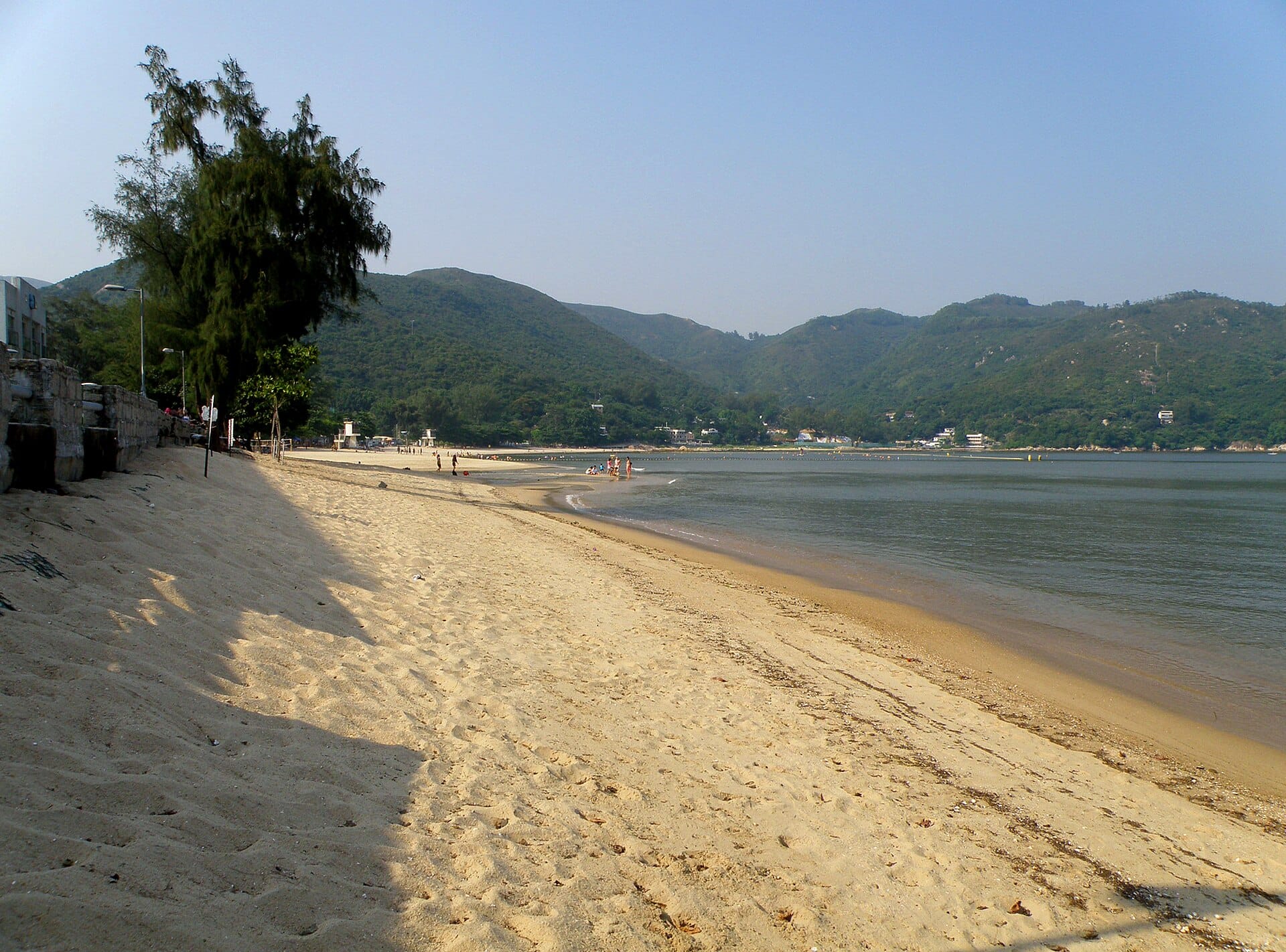
The beach stretches roughly 210 meters along a shallow bay, backed by low-rise apartment blocks and village shops rather than resort towers. During weekdays, it's uncrowded. Locals walk dogs along the packed sand. Families camp out under beach umbrellas. The water is calm but clarity fluctuates depending on recent rain and tidal flow.
Budget half a day. The ferry from Central takes 35 to 55 minutes depending on which vessel you catch. Once you're off the pier, everything is walkable. The beach is 10-15 minutes on foot. The trailheads to Silvermine Waterfall and Monk's Pool start within ten minutes of the ferry terminal. There are no admission fees beyond transport.
Mui Wo works best for travelers with at least two full days in Hong Kong who want contrast from the urban core. It's not a substitute for Victoria Peak or Tsim Sha Tsui, but it's a strong complement. If you only have 24 hours in the territory, prioritize the signature skyline and harbor experiences. If you have three or more days, Mui Wo offers breathing room.
What Does Mui Wo Actually Feel Like?
First impression off the ferry: quieter than you expect. The pier area has a small bus interchange, a handful of bike rental stalls, and a covered walkway leading toward the village center. The pace is noticeably slower than Central or Tsim Sha Tsui. You'll see retirees on benches, schoolkids on bikes, and delivery trucks making their rounds.
The village layout is compact. Mui Wo Rural Committee Road runs parallel to the shore and holds most of the restaurants, minimarts, and village services. Turn left from the ferry and walk two minutes to reach Silver Mine Bay Beach. Turn right and you'll find the trailheads toward the waterfalls and Silvermine Cave Road.
Silver Mine Bay Beach faces east, so mornings are bright and afternoons see the sun shift behind the hills. The sand is coarse but clean. Lifeguard stations operate during summer months, typically May through October. Outside those months, swim at your own judgment. The bay is shallow for the first 20 meters, which makes it manageable for families with younger children.
Crowd rhythm: weekdays see mostly locals and expat residents. Weekends bring Hong Kong families, especially Saturdays. Public holidays can feel noticeably busier, though still far from the density you'll encounter at Repulse Bay or Stanley. If you want solitude, aim for a Tuesday or Wednesday morning.
Tickets & tours
Live prices and dates from our booking partner. If you book, we may earn a commission at no extra cost to you.
Hong Kong audio guide with TravelMate app
From 8 €Instant confirmationHong Kong Tour with Peak Tram, harbour cruise and dim sum dinner
From 85 €Instant confirmationFree cancellationHong Kong night tour with Peak Tram and Symphony of Lights
From 63 €Instant confirmationFree cancellationLantau Cable Car and Big Buddha Guided Tour with Lunch in Hong Kong
From 85 €Instant confirmationFree cancellation
What Should You Actually Do in Mui Wo?
Walk the Beach and Waterfront Promenade
The beach promenade runs roughly 400-500 meters from the ferry pier area to the far western end of the bay. It's paved, flat, and accessible. Benches and pavilions dot the route. Early mornings see joggers and tai chi practitioners. Late afternoons attract dog walkers and older residents.
If you're here primarily for beach time, bring your own towel and snacks. There are no big beachside cafes or lounge chair rentals like you'd find at resort beaches. A few small shops near the pier sell drinks and packaged snacks, but options are limited. The appeal is simplicity, not service.
Hike to Silvermine Waterfall or Monk's Pool
Two short waterfall hikes start near the village and offer a quick dose of greenery without serious elevation. Both trails are well-marked and suitable for casual walkers.
Silvermine Waterfall (also called Lower Silvermine Falls) sits about 20 minutes uphill from the village. The trail follows a paved path that turns into a dirt track. The waterfall itself is modest outside the rainy season but becomes more dramatic after heavy rain. The pool below is shallow and rock-strewn. Some visitors wade in, but it's not a swimming destination.
Monk's Pool lies further along the same valley system, roughly 45 minutes from the village center if you walk at a moderate pace. The trail gains elevation gradually. The pool is larger and deeper than Silvermine Waterfall, surrounded by forest and boulders. Locals sometimes swim here, though water clarity varies depending on recent weather.
Both hikes are exposed in sections, so sun protection matters. Bring water. The trails can be slippery after rain. Wear closed shoes with decent grip.
Eat Seafood Near the Ferry Pier
Several small seafood restaurants cluster near the ferry terminal and along the main village road. Menus lean toward Cantonese-style preparations: steamed fish, salt-and-pepper squid, stir-fried clams. Prices are moderate by Hong Kong standards, typically HK$150 to HK$250 per person for a shared meal.
The atmosphere is functional rather than polished. Expect plastic stools, fluorescent lighting, and a casual vibe. English menus are available at most spots, but pointing at dishes other tables are eating also works. Lunch service runs from late morning through mid-afternoon. Dinner starts around 6 PM.
When Is the Best Time to Visit Mui Wo?
October through early December offers the most reliable conditions. Temperatures sit between 20°C and 25°C, humidity drops compared to summer, and typhoon season has passed. The waterfall trails are hikeable without oppressive heat, and the beach is comfortable for lounging.
March through May is also workable, though humidity begins climbing by late April. If you're chasing dramatic waterfall flow, visit during or shortly after the summer rainy season (June through September). However, this period also brings typhoon risk and afternoon thunderstorms. Check weather forecasts closely.
Time of day matters. Mornings before 11 AM see fewer people on the trails and better light for photography. The beach gets busier after lunch, especially on weekends. Late afternoons can be pleasant for a walk along the promenade, though the sun sets behind the hills relatively early.
Avoid Chinese New Year, Golden Week (early October), and long weekends unless you're comfortable with larger crowds and potentially longer ferry queues.
How Do You Actually Get to Mui Wo?
The ferry from Central Pier 6 is the most straightforward route. Two types of ferries operate: ordinary ferries (around 50-55 minutes, cheaper) and fast ferries (35-40 minutes, slightly more expensive). Both land at Mui Wo Ferry Pier. Departures run roughly hourly throughout the day, with earlier and later slots on weekdays.
Tickets are available at the pier or via Octopus card. Fares are approximately HK$30 to HK$50 one-way depending on the ferry type and day of the week. Weekend and holiday fares are marginally higher. Buy return tickets if you want to lock in a specific departure time back to Central, though walk-up tickets are usually available except during peak weekend hours.
If you're staying near Tung Chung or plan to visit the airport outlet mall first, bus 3M connects Tung Chung MTR Station with Mui Wo in about 40 to 45 minutes. The bus departs from Fu Tung Plaza near the station exit. Frequency is lower than the ferry, so check the schedule in advance.
There is no direct MTR connection to Mui Wo. The closest station is Tung Chung on the Tung Chung Line, which requires a bus transfer. From Tsim Sha Tsui or Kowloon, factor in extra travel time: MTR to Central, walk to the ferry pier, then the ferry crossing.
Common Mistakes and How to Avoid Them
- Expecting resort-level beach facilities. Mui Wo is a local beach, not a commercial resort. There are no lounge chairs for rent, beach bars, or changing rooms beyond basic public toilets near the promenade. Bring your own towel, sun protection, and snacks.
- Visiting after heavy rain without checking trail conditions. The waterfall hikes can become slippery and potentially unsafe during or immediately after storms. If there's been significant rainfall, consider skipping the trails or at least wear appropriate footwear.
- Arriving on a Saturday without a flexible schedule. Weekend ferry queues can be longer, especially for return trips in the late afternoon. If you're on a tight schedule, consider a weekday visit or arrive early on weekends to secure your return slot.
- Underestimating sun exposure on the hikes. Parts of the waterfall trails are exposed, and Hong Kong's subtropical sun is stronger than many visitors expect. Sunscreen, a hat, and water are essential even for short hikes.
How Does Mui Wo Fit Into a Lantau Island Day Trip?
Mui Wo works well as a relaxed half-day addition to a broader itinerary. If you're planning to visit the Big Buddha or Tai O fishing village, you could start with a morning ferry to Mui Wo, spend two to three hours at the beach or on a waterfall hike, then continue by bus to other parts of the island.
Bus 3M connects Mui Wo with Tung Chung, where you can transfer to the Ngong Ping Cable Car or buses heading toward Tai O. If you're staying near the airport or , Mui Wo can serve as a morning beach break before or after shopping.
Alternatively, treat Mui Wo as a standalone destination for a quieter day. Ferry over from Central in mid-morning, walk the beach, hike to one of the waterfalls, eat lunch at a local seafood spot, then return to Central by mid-afternoon. This approach leaves your evening free for other activities without the rush.
Who Should Visit Mui Wo?
Mui Wo suits travelers looking for low-key outdoor time away from Hong Kong's intensity. If you appreciate local atmosphere over polished tourist infrastructure, you'll find value here. Families with children who are comfortable in natural settings will appreciate the gentle beach and short hiking options. Photographers seeking less-photographed Hong Kong landscapes will find angles here that don't appear in every guidebook.
It's also useful for travelers who want to see a different side of Hong Kong without venturing too far from the urban core. Mui Wo offers a taste of village life and green space while remaining accessible via public transport. If you're spending several days in Hong Kong and want variety beyond shopping districts and skyline views, this adds a different texture. For broader Hong Kong planning, see .
Who Should Skip This?
If you're in Hong Kong for only one or two days and your priority is ticking off the iconic sights, Mui Wo doesn't belong on that list. Victoria Harbour, Victoria Peak, Temple Street Night Market, and Tsim Sha Tsui deliver the classic Hong Kong experience more directly.
Travelers seeking luxury beach experiences or resort-style service should look elsewhere. Mui Wo is functional and local. If you prefer amenities like beach clubs, cabanas, or waterfront cocktail bars, head to Repulse Bay or Stanley instead.
Similarly, if you're uncomfortable with basic trail conditions or prefer highly developed recreational facilities, the appeal here will be limited. Mui Wo rewards visitors who are fine with minimal infrastructure and who value authenticity over convenience.
Insider Tips
- Ferry return times can fill up on weekend afternoons. Check the schedule and consider buying your return ticket when you arrive to avoid last-minute queues.
- The village has a Wellcome supermarket near the main road where you can stock up on drinks and snacks cheaper than at the pier-side convenience shops.
- If you're cycling, rentals are available near the ferry terminal. The coastal path toward Discovery Bay is flat and scenic, though it's roughly 6 kilometers one way.
- The Man Mo Temple near the village is small and often quiet. It's not a major attraction but worth a five-minute detour if you're walking through the village center.
- Mobile signal is reliable throughout the village and on the lower sections of the waterfall trails, but coverage can weaken as you move deeper into the valleys.
Who Is Mui Wo For?
- Beach breaks without crowds
- Light waterfall hikes
- Local Hong Kong village atmosphere
- Families with children
- Photographers seeking quieter angles
Nearby Attractions
Other things to see while in Lantau Island:
- Citygate Outlets
A definitive guide to Citygate Outlets on Lantau Island. Learn what to expect, how discounts really work, best times to visit, and whether this Hong Kong outlet mall deserves a spot on your itinerary.
- Hong Kong Disneyland
Hong Kong Disneyland is a compact but well-executed theme park on Lantau Island, blending classic Disney storytelling with touches of local culture. It suits families with young children and Disney fans, though seasoned theme park travelers should calibrate expectations accordingly.
- Ngong Ping 360 Cable Car
The Ngong Ping 360 cable car carries passengers 5.7 kilometres over Lantau Island's forested peaks and North Lantau coastline to Ngong Ping village, with the Tian Tan Buddha waiting at journey's end. Whether you choose a standard cabin or upgrade to a crystal-floor gondola, the 25-minute ride delivers some of Hong Kong's most rewarding aerial scenery.
- Ngong Ping Village
Ngong Ping Village sits at the base of the Big Buddha on Lantau Island where a manufactured tourist complex offers souvenir shops, snack stands, and cultural attractions. Built as a tourist complex by the cable car operator, it's designed to extend visitor time between the cable car station and Po Lin Monastery. Architecture mimics traditional Chinese village style but everything dates from the 2000s.
Planning a trip? Discover personalized activities with the Nomado app.