Mui Wo: Spiaggia di Silver Mine Bay, escursioni e vita locale
Mui Wo si trova sulla costa orientale di Lantau Island, dove Hong Kong rallenta con un ritmo diverso. Conosciuto localmente come Silver Mine Bay, questo villaggio costiero offre uno sguardo sul lato più tranquillo del territorio: un'ampia spiaggia sabbiosa, escursioni alle cascate attraverso valli boscose e ristoranti di pesce dove i pendolari del traghetto superano in numero i turisti.
Informazioni rapide
- Posizione
- Costa orientale di Lantau Island, Hong Kong
- Come arrivare
- Traghetto dal Central Pier 6 o autobus 3M da Tung Chung
- Tempo necessario
- 3–5 ore (mezza giornata)
- Costo
- Solo trasporto via traghetto (circa 30–50 HK$ solo andata)
- Ideale per
- Pause in spiaggia, escursioni leggere, fuga dalla folla
Panoramica rapida
Mui Wo si trova sulla costa orientale di Lantau Island, dove Hong Kong rallenta con un ritmo diverso. Conosciuto localmente come Silver Mine Bay, questo villaggio costiero offre uno sguardo sul lato più tranquillo: un'ampia spiaggia sabbiosa, escursioni alle cascate attraverso valli boscose e ristoranti di pesce dove i pendolari del traghetto superano in numero i turisti.
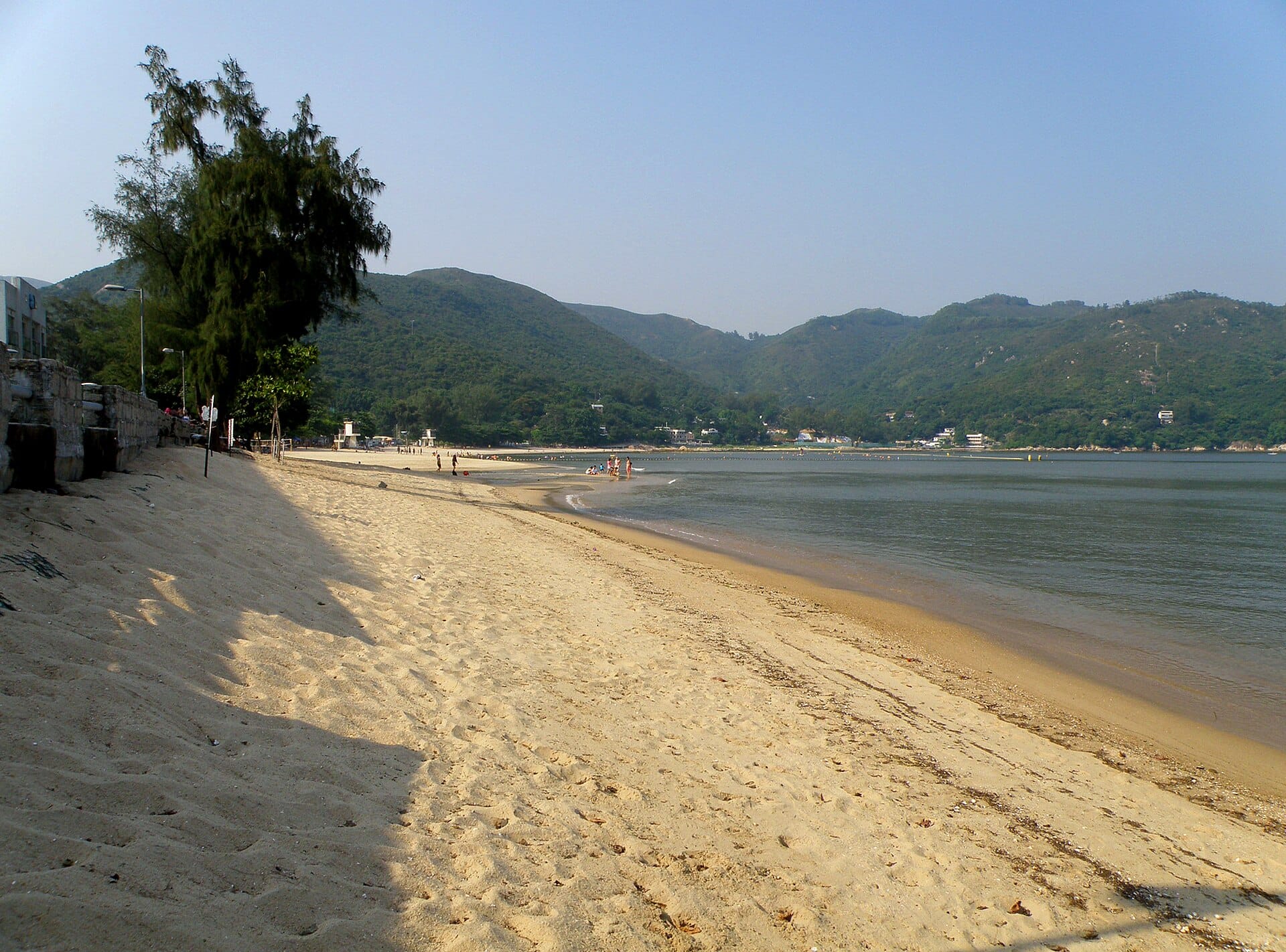
La spiaggia si estende per circa 210 metri lungo una baia poco profonda. Nei giorni feriali è poco frequentata. L'acqua è calma, la limpidezza varia a seconda delle piogge e delle maree. Prevedi mezza giornata. Il traghetto da Central impiega dai 35 ai 55 minuti. Tutto è raggiungibile a piedi. Nessun biglietto d'ingresso.
Prevedi mezza giornata. Il traghetto da Central impiega da 35 a 55 minuti a seconda dell'imbarcazione. Una volta scesi dal molo, tutto è raggiungibile a piedi. La spiaggia è a 10-15 minuti di cammino. I punti di partenza dei sentieri per la Silvermine Waterfall e la Monk's Pool si trovano a dieci minuti dal terminal dei traghetti. Non ci sono biglietti d'ingresso oltre al trasporto.
Mui Wo è ideale per i viaggiatori con almeno due giorni pieni a Hong Kong che desiderano un contrasto rispetto al centro urbano. Non è un sostituto di Victoria Peak o Tsim Sha Tsui, ma un ottimo complemento. Se hai solo 24 ore nel territorio, dai priorità alle esperienze iconiche dello skyline e del porto. Se hai tre o più giorni, Mui Wo offre una boccata d'aria.
Com'è davvero Mui Wo?
Prima impressione scesi dal traghetto: più tranquillo di quanto ci si aspetti. L'area del molo ha un piccolo scambio autobus, una manciata di chioschi per il noleggio biciclette e una passerella coperta che conduce al centro del villaggio. Il ritmo è notevolmente più lento rispetto a Central o Tsim Sha Tsui. Vedrete pensionati sulle panchine, cani randagi e scolari in bicicletta.
Cucina di pesce: diversi piccoli ristoranti vicino al terminal dei traghetti. Preparazioni cantonesi: pesce al vapore, calamari sale e pepe. 150–250 HK$ a persona.
Silver Mine Bay Beach è esposta a est, quindi le mattine sono luminose e nel pomeriggio il sole si sposta dietro le colline. La sabbia è grossa ma pulita. Le postazioni dei bagnini sono operative durante i mesi estivi, tipicamente da maggio a ottobre. Al di fuori di questi mesi, fai il bagno a tuo rischio. La baia è poco profonda per i primi 20 metri, il che la rende gestibile per le famiglie con bambini piccoli.
Mui Wo funziona meglio per i viaggiatori con almeno due giorni pieni a Hong Kong che cercano un contrasto con il cuore urbano. Non sostituisce Victoria Peak o TST, ma è un ottimo complemento.
Biglietti e visite guidate
Prezzi e date in tempo reale dal nostro partner di prenotazione. Se prenoti, potremmo ricevere una commissione senza costi aggiuntivi per te.
Hong Kong audio guide with TravelMate app
Da 8 €Conferma immediataHong Kong Tour with Peak Tram, harbour cruise and dim sum dinner
Da 85 €Conferma immediataCancellazione gratuitaHong Kong night tour with Peak Tram and Symphony of Lights
Da 63 €Conferma immediataCancellazione gratuitaLantau Cable Car and Big Buddha Guided Tour with Lunch in Hong Kong
Da 85 €Conferma immediataCancellazione gratuita
Cosa puoi fare a Mui Wo?
Passeggia sulla spiaggia e sul lungomare
Spiaggia e lungomare: circa 400–500 metri pavimentati, pianeggianti e accessibili. Porta il tuo asciugamano e gli snack – non ci sono grandi caffè sulla spiaggia né noleggio di sdraio.
Se siete qui principalmente per il mare, portate il vostro asciugamano e snack. Non ci sono grandi cafè sulla spiaggia o noleggio di sdraio come nelle spiagge resort. Alcuni piccoli negozi vicino al molo vendono bevande e snack confezionati, ma le opzioni sono limitate. Il fascino sta nella semplicità, non nel servizio.
Escursione alla Silvermine Waterfall o alla Monk's Pool
Due brevi escursioni alle cascate partono vicino al villaggio e offrono una rapida dose di verde senza dislivelli impegnativi. Entrambi i sentieri sono ben segnalati e adatti a camminatori occasionali.
La Silvermine Waterfall (chiamata anche Lower Silvermine Falls) si trova a circa 20 minuti di salita dal villaggio. Il sentiero segue un percorso asfaltato che si trasforma in un sentiero sterrato. La cascata in sé è modesta al di fuori della stagione delle piogge, ma diventa più spettacolare dopo forti precipitazioni. La pozza sottostante è poco profonda e piena di rocce. Alcuni visitatori entrano in acqua, ma non è una destinazione per nuotare.
Visitare: viaggiatori in cerca di tempo rilassante all'aperto, famiglie con bambini, fotografi per paesaggi meno fotografati di Hong Kong. Saltare: chi ha solo 1–2 giorni e dà priorità alle attrazioni iconiche. Chi cerca spiagge di lusso o servizi resort.
Entrambe le escursioni sono esposte in alcuni tratti, quindi la protezione solare è importante. Portate acqua. I sentieri possono essere scivolosi dopo la pioggia. Indossate scarpe chiuse con buona aderenza.
Periodo migliore per visitare
Diversi piccoli ristoranti di pesce si raggruppano vicino al terminal dei traghetti e lungo la strada principale del villaggio. I menu tendono verso preparazioni in stile cantonese: pesce al vapore, calamari sale e pepe, vongole saltate. I prezzi sono moderati per gli standard di Hong Kong, tipicamente da 150 a 250 HK$ a persona per un pasto condiviso.
L'atmosfera è funzionale piuttosto che raffinata. Aspettatevi sgabelli di plastica, illuminazione al neon e un'atmosfera informale. I menu in inglese sono disponibili nella maggior parte dei locali, ma indicare i piatti che stanno mangiando agli altri tavoli funziona altrettanto bene. Il servizio pranzo va dalla tarda mattinata al primo pomeriggio. La cena inizia verso le 18:00.
Quando È il Momento Migliore per Visitare Mui Wo?
Da ottobre a inizio dicembre offre le condizioni più affidabili. Le temperature si aggirano tra 20°C e 25°C, l'umidità diminuisce rispetto all'estate e la stagione dei tifoni è passata. I sentieri delle cascate sono percorribili senza caldo opprimente, e la spiaggia è confortevole per rilassarsi.
Da marzo a maggio funziona altrettanto, anche se l'umidità inizia a salire verso fine aprile. Se cercate cascate dal flusso spettacolare, visitate durante o poco dopo la stagione delle piogge estive (da giugno a settembre). Tuttavia, questo periodo porta anche rischio di tifoni e temporali pomeridiani. Controllate attentamente le previsioni meteo.
L'orario conta. Le mattine prima delle 11:00 vedono meno persone sui sentieri e luce migliore per la fotografia. La spiaggia diventa più affollata dopo pranzo, specialmente nei fine settimana. I tardi pomeriggi possono essere piacevoli per una passeggiata lungo il lungomare, anche se il sole tramonta dietro le colline relativamente presto.
Evitate il Capodanno cinese, la Settimana d'Oro (inizio ottobre) e i ponti lunghi, a meno che non siate a vostro agio con folle più numerose e potenzialmente code più lunghe per il traghetto.
Come arrivare
Il traghetto dal Central Pier 6 è la via più diretta. Operano due tipi di traghetti: ordinari (circa 50-55 minuti, più economici) e veloci (35-40 minuti, leggermente più costosi). Entrambi attraccano al molo dei traghetti di Mui Wo. Le partenze sono circa ogni ora durante il giorno, con orari anticipati e posticipati nei giorni feriali.
I biglietti sono disponibili al molo o tramite carta Octopus. Le tariffe sono di circa 30-50 HK$ per tratta a seconda del tipo di traghetto e del giorno della settimana. Le tariffe del weekend e dei festivi sono marginalmente più alte. Acquistate biglietti di andata e ritorno se volete assicurarvi un orario di partenza specifico per Central, anche se i biglietti senza prenotazione sono solitamente disponibili tranne nelle ore di punta del weekend.
Se alloggiate vicino a Tung Chung o prevedete di visitare prima l'outlet mall dell'aeroporto, il bus 3M collega la stazione MTR Tung Chung con Mui Wo in circa 40-45 minuti. L'autobus parte da Fu Tung Plaza vicino all'uscita della stazione. La frequenza è inferiore a quella del traghetto, quindi controllate l'orario in anticipo.
Traghetto dal Central Pier 6: normale (50–55 min.) o traghetto veloce (35–40 min.), circa 30–50 HK$ solo andata. Autobus 3M dalla MTR Tung Chung: 40–45 minuti. Nessun collegamento MTR diretto per Mui Wo.
Errori comuni
- Expecting resort-level beach facilities. Mui Wo è una spiaggia locale, non un resort commerciale. Non ci sono lettini a noleggio, bar sulla spiaggia o spogliatoi, solo servizi igienici pubblici di base vicino al lungomare. Portate il vostro asciugamano, protezione solare e spuntini.
- Visiting after heavy rain without checking trail conditions. The waterfall hikes can become slippery and potentially unsafe during or immediately after storms. If there's been significant rainfall, consider skipping the trails or at least wear appropriate footwear.
- Arriving on a Saturday without a flexible schedule. Weekend ferry queues can be longer, especially for return trips in the late afternoon. If you're on a tight schedule, consider a weekday visit or arrive early on weekends to secure your return slot.
- Underestimating sun exposure on the hikes. Parts of the waterfall trails are exposed, and Hong Kong's subtropical sun is stronger than many visitors expect. Sunscreen, a hat, and water are essential even for short hikes.
Come si inserisce Mui Wo in una gita giornaliera a Lantau?
Mui Wo funziona bene come aggiunta rilassata di mezza giornata a un itinerario più ampio su . Se state pianificando di visitare il Big Buddha o Tai O fishing village, potreste iniziare con un traghetto mattutino per Mui Wo, trascorrere due o tre ore in spiaggia o in un'escursione alle cascate, poi proseguire in autobus verso altre parti dell'isola.
Il bus 3M collega Mui Wo con Tung Chung, dove potete trasferirvi alla funivia Ngong Ping o agli autobus diretti verso Tai O. Se alloggiate vicino all'aeroporto o a , Mui Wo può servire come pausa mattutina in spiaggia prima o dopo lo shopping.
In alternativa, trattate Mui Wo come destinazione a sé per una giornata più tranquilla. Prendete il traghetto da Central a metà mattinata, camminate sulla spiaggia, fate un'escursione a una delle cascate, pranzate in un ristorante di pesce locale, poi tornate a Central nel primo pomeriggio. Questo approccio lascia la serata libera per altre attività senza fretta.
Chi dovrebbe visitare / chi può saltare?
Mui Wo è adatto ai viaggiatori che cercano tempo all'aperto rilassato lontano dall'intensità di Hong Kong. Se apprezzate l'atmosfera locale più dell'infrastruttura turistica curata, troverete valore qui. Le famiglie con bambini a loro agio in ambienti naturali apprezzeranno la spiaggia dolce e le brevi opzioni escursionistiche. I fotografi che cercano paesaggi meno fotografati di Hong Kong troveranno qui prospettive che non compaiono in ogni guida.
È anche utile per i viaggiatori che vogliono vedere un lato diverso di Hong Kong senza avventurarsi troppo lontano dal nucleo urbano. Mui Wo offre un assaggio di vita di villaggio e spazi verdi rimanendo accessibile con i mezzi pubblici. Se trascorrete diversi giorni a Hong Kong e desiderate varietà oltre i quartieri dello shopping e le viste sullo skyline, questo aggiunge una nota diversa. Per una pianificazione più ampia di Hong Kong, consultate .
Chi Dovrebbe Evitare Questa Visita?
Se siete a Hong Kong solo per uno o due giorni e la vostra priorità è spuntare le attrazioni iconiche, Mui Wo non appartiene a quella lista. Victoria Harbour, Victoria Peak, Temple Street Night Market e Tsim Sha Tsui offrono l'esperienza classica di Hong Kong in modo più diretto.
I viaggiatori che cercano esperienze balneari di lusso o servizio in stile resort dovrebbero cercare altrove. Mui Wo è funzionale e locale. Se preferite comfort come beach club, cabanas o cocktail bar sul lungomare, dirigetevi a Repulse Bay o Stanley.
Allo stesso modo, se non vi sentite a vostro agio con condizioni di sentiero basilari o preferite strutture ricreative altamente sviluppate, l'attrattiva qui sarà limitata. Mui Wo premia i visitatori che accettano un'infrastruttura minima e che valorizzano l'autenticità rispetto alla comodità.
Consigli da insider
- Gli orari di ritorno del traghetto possono esaurirsi nei pomeriggi del fine settimana. Acquista il biglietto di ritorno all'arrivo.
- Un supermercato Wellcome nel villaggio offre bevande e snack più economici dei chioschi del molo.
- Noleggio biciclette disponibile vicino al terminal dei traghetti. Il percorso costiero verso Discovery Bay è pianeggiante e panoramico.
- Il tempio Man Mo nel villaggio è piccolo e tranquillo, ma merita una deviazione di 5 minuti.
- Il segnale mobile funziona nel villaggio e nelle sezioni inferiori dei sentieri, ma può indebolirsi più in profondità nelle valli.
A chi è adatto Mui Wo?
- Pause in spiaggia senza folla
- Escursioni leggere alle cascate
- Atmosfera di villaggio locale di Hong Kong
- Famiglie con bambini
- Fotografi in cerca di angoli più tranquilli
Attrazioni nelle vicinanze
Altre cose da vedere a Lantau Island:
- Citygate Outlets
Una guida completa ai Citygate Outlets su Lantau Island. Scopri cosa aspettarti, come funzionano davvero gli sconti, i migliori orari per visitarli e se questo outlet mall di Hong Kong merita un posto nel tuo itinerario.
- Hong Kong Disneyland
Hong Kong Disneyland è un parco tematico compatto ma ben realizzato su Lantau Island, che unisce la narrazione classica Disney con tocchi di cultura locale. È adatto a famiglie con bambini piccoli e fan Disney, anche se i viaggiatori esperti di parchi tematici dovrebbero calibrare le aspettative.
- Funivia Ngong Ping 360
La funivia Ngong Ping 360 trasporta i passeggeri per 5,7 chilometri sopra le cime boscose e la costa nord di Lantau Island fino al villaggio di Ngong Ping, con il Tian Tan Buddha alla fine del viaggio. Sia in cabina standard che Crystal – il viaggio di 25 minuti offre alcune delle prospettive aeree più gratificanti di Hong Kong.
- Ngong Ping Village
Ngong Ping Village si trova ai piedi del Grande Buddha su Lantau Island, dove un complesso turistico artificiale offre negozi di souvenir, bancarelle di cibo e attrazioni culturali. Costruito dall'operatore della funivia per prolungare il tempo dei visitatori tra la stazione della funivia e il Po Lin Monastery. L'architettura imita lo stile tradizionale dei villaggi cinesi, ma tutto risale agli anni 2000.
Stai pianificando un viaggio? Scopri attività personalizzate con l' app Nomado.