Mui Wo: Silver Mine Bays Strand, Wanderungen & lokales Leben
Mui Wo liegt an Lantau Islands Ostküste, wo Hongkong einen anderen Rhythmus annimmt. Lokal als Silver Mine Bay bekannt, bietet dieses Küstendorf einen Einblick in die ruhigere Seite des Territoriums: einen breiten Sandstrand, Wasserfallwanderungen durch bewaldete Täler und Meeresfrüchte-Lokale, wo Fährpendler Touristen zahlenmäßig überlegen sind.
Fakten im Überblick
- Lage
- Ostküste von Lantau Island, Hongkong
- Anfahrt
- Fähre von Central Pier 6 oder Bus 3M von Tung Chung
- Zeitbedarf
- 3–5 Stunden (halber Tag)
- Kosten
- Nur Fährtransport (ca. 30–50 HK$ einfach)
- Am besten für
- Strandpausen, leichtes Wandern, Menschenmengenflucht
Kurzüberblick
Mui Wo liegt an Lantau Islands Ostküste, wo Hongkong einen anderen Rhythmus annimmt. Lokal als Silver Mine Bay bekannt, bietet dieses Küstendorf einen Einblick in die ruhigere Seite: breiter Sandstrand, Wasserfallwanderungen durch bewaldete Täler und Meeresfrüchte-Lokale, wo Fährpendler Touristen überlegen.
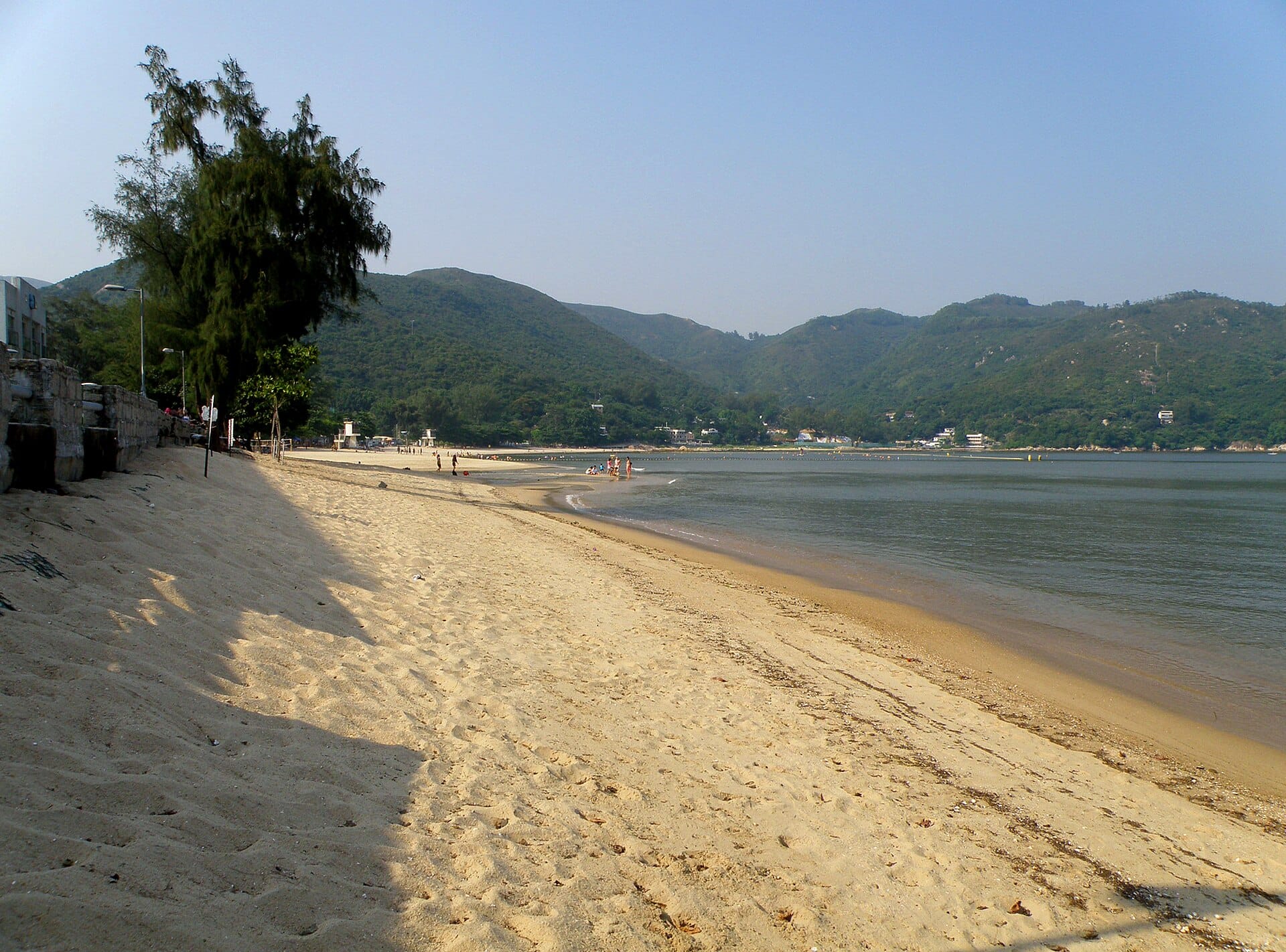
Der Strand erstreckt sich über ca. 210 Meter entlang einer flachen Bucht. Wochentags ist er wenig besucht. Das Wasser ist ruhig, die Klarheit schwankt je nach Regen und Gezeiten. Planen Sie einen halben Tag. Die Fähre von Central dauert 35 bis 55 Minuten. Alles ist fußläufig. Keine Eintrittsgebühren.
Planen Sie einen halben Tag ein. Die Fähre von Central braucht je nach Schiff 35 bis 55 Minuten. Sobald Sie am Pier sind, ist alles zu Fuß erreichbar. Der Strand ist 10–15 Gehminuten entfernt. Die Ausgangspunkte zu Silvermine Waterfall und Monk's Pool beginnen innerhalb von zehn Minuten vom Fährterminal. Es fallen keine Eintrittsgebühren über den Transport hinaus an.
Mui Wo eignet sich am besten für Reisende mit mindestens zwei vollen Tagen in Hongkong, die einen Kontrast zum urbanen Kern suchen. Es ist kein Ersatz für Victoria Peak oder Tsim Sha Tsui, aber eine starke Ergänzung. Wenn Sie nur 24 Stunden im Gebiet haben, priorisieren Sie die markante Skyline und die Hafenerlebnisse. Bei drei oder mehr Tagen bietet Mui Wo Freiraum zum Durchatmen.
Wie fühlt sich Mui Wo tatsächlich an?
Erster Eindruck von der Fähre: ruhiger als erwartet. Der Pierbereich hat einen kleinen Busbahnhof, eine Handvoll Fahrradverleihe und einen überdachten Gehweg zum Dorfzentrum. Das Tempo ist merklich langsamer als in Central oder Tsim Sha Tsui. Sie sehen Rentner auf Bänken, streunende Hunde und Schulkinder auf Fahrrädern.
Meeresfrüchte-Essen: Mehrere kleine Restaurants nahe dem Fährterminal. Kantonesische Zubereitungen: gedämpfter Fisch, Salz-und-Pfeffer-Tintenfisch. 150–250 HK$ pro Person.
Silver Mine Bay Beach liegt nach Osten, daher sind die Vormittage sonnig und am Nachmittag wandert die Sonne hinter die Hügel. Der Sand ist grob, aber sauber. Rettungsschwimmer sind in den Sommermonaten im Einsatz, üblicherweise von Mai bis Oktober. Außerhalb dieser Monate schwimmen Sie auf eigenes Risiko. Die Bucht ist auf den ersten 20 Metern flach, was sie für Familien mit jüngeren Kindern geeignet macht.
Mui Wo funktioniert am besten für Reisende mit mindestens zwei vollen Tagen in Hongkong, die Kontrast zum urbanen Kern suchen. Kein Ersatz für Victoria Peak oder TST, aber eine starke Ergänzung.
Tickets & Führungen
Live-Preise und Termine unseres Buchungspartners. Wenn du buchst, erhalten wir möglicherweise eine Provision – für dich ohne Aufpreis.
Hong Kong audio guide with TravelMate app
Ab 8 €Sofortige BestätigungHong Kong Tour with Peak Tram, harbour cruise and dim sum dinner
Ab 85 €Sofortige BestätigungKostenlose StornierungHong Kong night tour with Peak Tram and Symphony of Lights
Ab 63 €Sofortige BestätigungKostenlose StornierungLantau Cable Car and Big Buddha Guided Tour with Lunch in Hong Kong
Ab 85 €Sofortige BestätigungKostenlose Stornierung
Was können Sie in Mui Wo tun?
Strand und Uferpromenade entlanglaufen
Strand und Uferpromenade: ca. 400–500 Meter gepflaster, flach und zugänglich. Bringen Sie eigenes Handtuch und Snacks mit – keine großen Strandcafés oder Liegestuhlvermietung.
Wenn Sie hauptsächlich wegen des Strandes hier sind, bringen Sie Ihr eigenes Handtuch und Snacks mit. Es gibt keine großen Strandcafés oder Liegestuhlverleihe wie an Resort-Stränden. Ein paar kleine Läden nahe dem Pier verkaufen Getränke und verpackte Snacks, aber die Auswahl ist begrenzt. Der Reiz liegt in der Einfachheit, nicht im Service.
Zum Silvermine-Wasserfall oder Monk's Pool wandern
Zwei kurze Wasserfallwanderungen beginnen nahe dem Dorf und bieten eine schnelle Dosis Grün ohne ernsthaften Höhenunterschied. Beide Wege sind gut markiert und für Gelegenheitswanderer geeignet.
Der Silvermine Waterfall (auch Lower Silvermine Falls genannt) liegt etwa 20 Minuten bergauf vom Dorf entfernt. Der Weg folgt einem gepflasterten Pfad, der in einen unbefestigten Weg übergeht. Der Wasserfall selbst ist außerhalb der Regenzeit bescheiden, wird aber nach starkem Regen eindrucksvoller. Der Pool darunter ist flach und felsig. Manche Besucher waten hinein, aber es ist kein Badeziel.
Besuchen: Reisende für entspannte Outdoor-Zeit, Familien mit Kindern, Fotografen für weniger fotografierte Hongkong-Landschaften. Überspringen: Wer nur 1–2 Tage hat und ikonische Sehenswürdigkeiten priorisiert. Wer Luxusstrand oder Resort-Service sucht.
Beide Wanderungen sind abschnittsweise exponiert, daher ist Sonnenschutz wichtig. Bringen Sie Wasser mit. Die Wege können nach Regen rutschig sein. Tragen Sie geschlossene Schuhe mit gutem Profil.
Beste Besuchszeit
Mehrere kleine Fischrestaurants gruppieren sich nahe dem Fährterminal und entlang der Hauptdorfstraße. Die Speisekarten neigen zu kantonesischer Zubereitung: gedämpfter Fisch, Tintenfisch mit Salz und Pfeffer, gebratene Muscheln. Die Preise sind für Hongkonger Verhältnisse moderat, typischerweise 150 bis 250 HK$ pro Person für eine geteilte Mahlzeit.
Die Atmosphäre ist funktional statt poliert. Erwarten Sie Plastikhocker, Neonbeleuchtung und eine lockere Stimmung. Englische Menüs sind an den meisten Orten verfügbar, aber auf Gerichte an anderen Tischen zu zeigen funktioniert ebenfalls. Der Mittagsservice läuft vom späten Vormittag bis zum frühen Nachmittag. Das Abendessen beginnt gegen 18 Uhr.
Wann Ist die Beste Zeit für einen Besuch in Mui Wo?
Oktober bis Anfang Dezember bietet die zuverlässigsten Bedingungen. Die Temperaturen liegen zwischen 20°C und 25°C, die Luftfeuchtigkeit sinkt im Vergleich zum Sommer, und die Taifunsaison ist vorbei. Die Wasserfallwege sind ohne drückende Hitze begehbar, und der Strand ist zum Entspannen angenehm.
März bis Mai funktioniert ebenfalls, obwohl die Luftfeuchtigkeit ab Ende April zu steigen beginnt. Wenn Sie dramatische Wasserfälle sehen möchten, besuchen Sie während oder kurz nach der sommerlichen Regenzeit (Juni bis September). Diese Zeit bringt jedoch auch Taifunrisiko und nachmittägliche Gewitter. Prüfen Sie die Wettervorhersage genau.
Die Tageszeit spielt eine Rolle. Morgens vor 11 Uhr sind weniger Menschen auf den Wegen und das Licht ist besser für Fotografie. Der Strand wird nach dem Mittagessen voller, besonders an Wochenenden. Späte Nachmittage können für einen Spaziergang entlang der Promenade angenehm sein, obwohl die Sonne relativ früh hinter den Hügeln untergeht.
Meiden Sie Chinesisches Neujahr, die Goldene Woche (Anfang Oktober) und lange Wochenenden, es sei denn, Sie kommen mit größeren Menschenmengen und möglicherweise längeren Fährschlangen zurecht.
Anreise
Die Fähre vom Central Pier 6 ist die einfachste Route. Zwei Fährtypen verkehren: normale Fähren (ca. 50-55 Minuten, günstiger) und Schnellfähren (35-40 Minuten, etwas teurer). Beide legen am Fährpier Mui Wo an. Abfahrten erfolgen ungefähr stündlich über den Tag verteilt, mit früheren und späteren Zeiten an Wochentagen.
Tickets sind am Pier oder per Octopus-Karte erhältlich. Fahrpreise liegen bei etwa 30 bis 50 HK$ einfache Fahrt, je nach Fährtyp und Wochentag. Wochenend- und Feiertagspreise sind geringfügig höher. Kaufen Sie Rückfahrkarten, wenn Sie eine bestimmte Abfahrtszeit nach Central sichern möchten, obwohl spontane Tickets außer zu Stoßzeiten am Wochenende normalerweise verfügbar sind.
Wenn Sie in der Nähe von Tung Chung übernachten oder erst das Outlet-Einkaufszentrum am Flughafen besuchen möchten, verbindet Bus 3M die MTR-Station Tung Chung mit Mui Wo in etwa 40 bis 45 Minuten. Der Bus fährt vom Fu Tung Plaza nahe dem Stationsausgang. Die Frequenz ist niedriger als die der Fähre, prüfen Sie daher den Fahrplan im Voraus.
Fähre von Central Pier 6: Normal (50–55 Min.) oder Schnellfähre (35–40 Min.), ca. 30–50 HK$ einfach. Bus 3M von Tung Chung MTR: 40–45 Minuten. Keine direkte MTR-Verbindung nach Mui Wo.
Häufige Fehler
- Expecting resort-level beach facilities. Mui Wo ist ein lokaler Strand, kein kommerzielles Resort. Es gibt keine Liegestühle zum Mieten, keine Strandbars oder Umkleideräume — lediglich einfache öffentliche Toiletten an der Promenade. Bringen Sie Ihr eigenes Handtuch, Sonnenschutz und Snacks mit.
- Visiting after heavy rain without checking trail conditions. The waterfall hikes can become slippery and potentially unsafe during or immediately after storms. If there's been significant rainfall, consider skipping the trails or at least wear appropriate footwear.
- Arriving on a Saturday without a flexible schedule. Weekend ferry queues can be longer, especially for return trips in the late afternoon. If you're on a tight schedule, consider a weekday visit or arrive early on weekends to secure your return slot.
- Underestimating sun exposure on the hikes. Parts of the waterfall trails are exposed, and Hong Kong's subtropical sun is stronger than many visitors expect. Sunscreen, a hat, and water are essential even for short hikes.
Wie passt Mui Wo in einen Lantau-Tagesausflug?
Mui Wo eignet sich gut als entspannte Halbtags-Ergänzung zu einem breiteren -Reiseplan. Wenn Sie planen, den Big Buddha oder Tai O fishing village zu besuchen, könnten Sie mit einer Morgenfähre nach Mui Wo starten, zwei bis drei Stunden am Strand oder auf einer Wasserfallwanderung verbringen und dann per Bus zu anderen Teilen der Insel weiterfahren.
Bus 3M verbindet Mui Wo mit Tung Chung, wo Sie zur Ngong Ping Seilbahn oder Bussen Richtung Tai O umsteigen können. Wenn Sie in Flughafennähe oder bei , übernachten, kann Mui Wo als morgendliche Strandpause vor oder nach dem Shopping dienen.
Alternativ behandeln Sie Mui Wo als eigenständiges Ziel für einen ruhigeren Tag. Nehmen Sie am späten Vormittag die Fähre von Central, gehen Sie am Strand spazieren, wandern Sie zu einem der Wasserfälle, essen Sie in einem lokalen Fischrestaurant zu Mittag und kehren Sie am frühen Nachmittag nach Central zurück. Dieser Ansatz lässt Ihren Abend frei für andere Aktivitäten ohne Hektik.
Wer sollte besuchen / überspringen?
Mui Wo eignet sich für Reisende, die entspannte Zeit im Freien abseits der Intensität Hongkongs suchen. Wenn Sie lokale Atmosphäre über polierte Touristeninfrastruktur schätzen, werden Sie hier Wert finden. Familien mit Kindern, die sich in natürlicher Umgebung wohl fühlen, werden den sanften Strand und die kurzen Wanderoptionen schätzen. Fotografen, die weniger fotografierte Hongkong-Landschaften suchen, finden hier Perspektiven, die nicht in jedem Reiseführer erscheinen.
Es ist auch nützlich für Reisende, die eine andere Seite Hongkongs sehen möchten, ohne sich zu weit vom urbanen Kern zu entfernen. Mui Wo bietet einen Vorgeschmack auf Dorfleben und Grünflächen bei gleichzeitig guter Erreichbarkeit mit öffentlichen Verkehrsmitteln. Wenn Sie mehrere Tage in Hongkong verbringen und Abwechslung jenseits von Einkaufsvierteln und Skyline-Aussichten wünschen, fügt dies eine andere Note hinzu. Für eine breitere Hongkong-Planung siehe .
Wer Sollte Dies Auslassen?
Wenn Sie nur ein oder zwei Tage in Hongkong sind und Ihre Priorität darin besteht, die ikonischen Sehenswürdigkeiten abzuhaken, gehört Mui Wo nicht auf diese Liste. Victoria Harbour, Victoria Peak, Temple Street Night Market und Tsim Sha Tsui liefern das klassische Hongkong-Erlebnis direkter.
Reisende, die luxuriöse Stranderlebnisse oder Resort-Service suchen, sollten woanders schauen. Mui Wo ist funktional und lokal. Wenn Sie Annehmlichkeiten wie Strandclubs, Cabanas oder Cocktailbars am Wasser bevorzugen, gehen Sie stattdessen nach Repulse Bay oder Stanley.
Ebenso, wenn Sie sich mit einfachen Wegbedingungen unwohl fühlen oder hochentwickelte Freizeiteinrichtungen bevorzugen, wird die Attraktivität hier begrenzt sein. Mui Wo belohnt Besucher, die mit minimaler Infrastruktur zurechtkommen und Authentizität über Bequemlichkeit schätzen.
Insider-Tipps
- Rückfahr-Fährzeiten können an Wochenendnachmittagen ausgebucht sein. Kaufen Sie Ihr Rückfahrticket bei Ankunft.
- Ein Wellcome-Supermarkt im Dorf bietet günstigere Getränke und Snacks als die Pier-Kioske.
- Fahrradverleih nahe dem Fährterminal verfügbar. Der Küstenweg Richtung Discovery Bay ist flach und landschaftlich.
- Der Man-Mo-Tempel im Dorf ist klein und ruhig, aber einen 5-Minuten-Abstecher wert.
- Mobilsignal funktioniert im Dorf und auf den unteren Wanderwegabschnitten, kann aber tiefer in den Tälern schwächer werden.
Für wen ist Mui Wo geeignet?
- Strandpausen ohne Menschenmengen
- Leichte Wasserfallwanderungen
- Lokale Hongkong-Dorfatmosphäre
- Familien mit Kindern
- Fotografen für ruhigere Winkel
Sehenswürdigkeiten in der Nähe
Weitere Highlights in Lantau Island:
- Citygate Outlets
Ein umfassender Führer zu den Citygate Outlets auf Lantau Island. Erfahren Sie, was Sie erwartet, wie Rabatte wirklich funktionieren, die besten Besuchszeiten und ob diese Hongkonger Outlet-Mall einen Platz in Ihrer Reiseroute verdient.
- Hong Kong Disneyland
Hong Kong Disneyland ist ein kompakter, aber gut umgesetzter Themenpark auf Lantau Island, der klassisches Disney-Storytelling mit lokalen Kulturberührungen verbindet. Er eignet sich für Familien mit kleinen Kindern und Disney-Fans, obwohl erfahrene Themenpark-Reisende ihre Erwartungen kalibrieren sollten.
- Ngong Ping 360 Seilbahn
Die Ngong Ping 360 Seilbahn transportiert Passagiere 5,7 Kilometer über Lantau Islands bewaldete Gipfel und Nordlantau-Küste zum Ngong Ping Dorf, mit dem Tian Tan Buddha am Ende der Fahrt. Ob Standard- oder Crystal-Kabine – die 25-Minuten-Fahrt bietet einige von Hongkongs lohnendsten Luftperspektiven.
- Ngong Ping Village
Ngong Ping Village liegt am Fuß des Großen Buddha auf Lantau Island, wo ein künstlicher Touristenkomplex Souvenirläden, Imbissstände und kulturelle Attraktionen bietet. Vom Seilbahnbetreiber erbaut, um Besucherzeit zwischen Seilbahnstation und Po Lin Monastery zu verlängern. Architektur imitiert traditionellen chinesischen Dorfstil, stammt aber aus den 2000ern.
Du planst eine Reise? Entdecke personalisierte Aktivitäten mit der Nomado-App.