Ngong Ping 360 Seilbahn: Komplett-Führer zu Lantaus spektakulärster Fahrt
Die Ngong Ping 360 Seilbahn transportiert Passagiere 5,7 Kilometer über Lantau Islands bewaldete Gipfel und Nordlantau-Küste zum Ngong Ping Dorf, mit dem Tian Tan Buddha am Ende der Fahrt. Ob Standard- oder Crystal-Kabine – die 25-Minuten-Fahrt bietet einige von Hongkongs lohnendsten Luftperspektiven.
Fakten im Überblick
- Lage
- Tung Chung nach Ngong Ping, Lantau Island
- Anfahrt
- Tung Chung MTR Station (Tung Chung Line), 5 Min. Fußweg zum Terminal
- Zeitbedarf
- 25 Min. pro Richtung; 3–5 Std. gesamt inkl. Ngong Ping und Großer Buddha
- Kosten
- Standard Hin-/Rückfahrt ab 235 HK$ (Erwachsene); Crystal ab 325 HK$; online buchen
- Am besten für
- Familien, Erstbesucher, Big Buddha und Po Lin Monastery Besucher
Was die Ngong Ping 360 Seilbahn ist
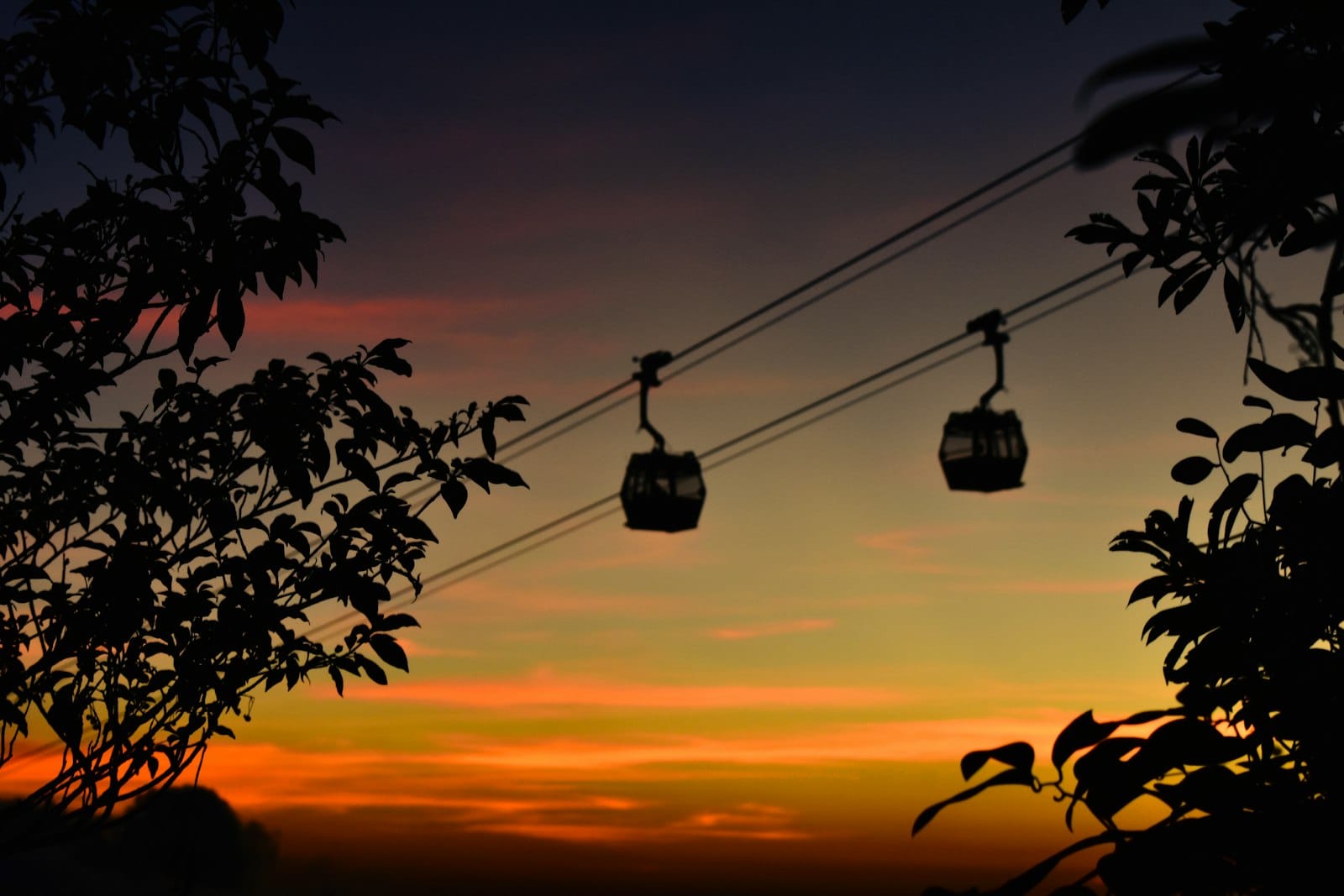
Die Ngong Ping 360 ist ein Gondel-Seilbahnsystem, das Tung Chung an Lantau Island Nordküste mit dem Ngong Ping Plateau auf ca. 520 Metern verbindet. Die volle Strecke: 5,7 km in ca. 25 Minuten – die längste Luftseilbahn Hongkongs.
2007 eröffnet, wurde das System speziell für Zugang zum Ngong Ping-Gebiet mit dem 34-Meter-Tian-Tan-Buddha und Po Lin Monastery konzipiert. Zuvor erforderte die Anreise eine kurvige Busfahrt. Die Seilbahn machte aus einer 40-Minuten-Busfahrt ein Luft-Spektakel.
💡 Lokaler Tipp
Buchen Sie Tickets online auf np360.com.hk. Walk-up-Schlangen am Tung Chung Terminal können an Wochenenden 90+ Minuten überschreiten. Online-Buchung beinhaltet ein reserviertes Abfahrtsfenster.
Die Fahrt: 25 Minuten wechselnde Landschaft
Drei visuelle Phasen: Abfahrt über Tung Chungs Neustadt mit Flughafen-Sicht. Mittelstrecke über dichten subtropischen Wald – der dramatischste Abschnitt. Endanflug: das Plateau öffnet sich und die Silhouette des Großen Buddha wird sichtbar.
Auf halber Strecke überquert die Gondel einen Bergrücken, und das Gelände darunter wechselt abrupt zu dichtem subtropischem Wald, größtenteils Lantau Country Park, der über 70 % der Insel bedeckt. Die Baumgrenze rückt näher und der Stadtlärm verschwindet. Dieser mittlere Abschnitt, in dem das Seil zwischen hohen Masten über steile bewaldete Täler verläuft, ist die dramatischste Strecke. Man hört den Gondelmechanismus rhythmisch klicken, wenn jeder Mast vorbeizieht.
Standardkabinen: 10 Sitzplätze, Panoramafenster. Crystal-Kabinen: Glasbodenplatte in der Mitte – am eindrucksvollsten über dem bewaldeten Mittelabschnitt. Familien mit Kindern finden die Crystal-Kabine unvergesslich; Alleinreisende finden Standard oft ausreichend.
Standard- vs. Kristallkabine: Welche wählen
Standardkabinen bieten 10 Sitzplätze mit Stehplatz für 7 Personen und haben große Panoramafenster auf allen Seiten. Sie sind für das Erlebnis vollkommen ausreichend. Kristallkabinen (gegen Aufpreis erhältlich) fassen weniger Passagiere und verfügen über eine transparente Glasbodenplatte in der Mitte. Der Glasbodeneffekt ist am eindrucksvollsten während des bewaldeten Mittelabschnitts, wenn die Gondel am höchsten über dem Boden schwebt. Familien mit kleinen Kindern finden die Kristallkabine in der Regel besonders einprägsam; Erwachsene, die allein oder zu zweit reisen, halten die Standardkabine oft für ausreichend.
⚠️ Besser meiden
Die Seilbahn stellt den Betrieb bei Taifunsignal 3 oder höher ein. Prüfen Sie die offizielle NP360-Website für Echtzeit-Betriebsstatus, besonders Mai–Oktober.
Tickets & Führungen
Live-Preise und Termine unseres Buchungspartners. Wenn du buchst, erhalten wir möglicherweise eine Provision – für dich ohne Aufpreis.
Tageszeit und Erfahrung
Die Seilbahn öffnet werktags normalerweise um 10:00 Uhr und an Wochenenden sowie Feiertagen um 09:00 Uhr (letzte Abfahrt ca. 18:00 Uhr; aktuelle Zeiten auf np360.com.hk prüfen, da saisonale Fahrpläne variieren). Wer am Wochentag zwischen 09:00 und 10:30 Uhr am Terminal in Tung Chung ankommt, erlebt die ruhigste Fahrt – die Kabinen sind weniger voll und das Morgenlicht aus dem Osten beleuchtet die Südhänge der Berge wunderschön.
Mittags am Wochenende ist die schlechteste Besuchszeit. Warteschlangen an beiden Stationen – Tung Chung und Ngong Ping – können erheblich sein, und die Gondel füllt sich mit großen Reisegruppen. Wenn Sie am Wochenende kommen, peilen Sie das erste Abfahrtsfenster an. Die Rückfahrt am späten Nachmittag (gegen 16:00–17:00 Uhr) hat den Vorteil weicheren Lichts der goldenen Stunde über dem Hafen und den Landebahnen bei der Talfahrt nach Tung Chung, und das Besucheraufkommen nimmt nach 15:30 Uhr etwas ab.
Was tun nach Ankunft in Ngong Ping?
Die einfachste Route ist die MTR Tung Chung Line ab Hong Kong Station oder Kowloon mit Endstation Tung Chung Station. Das Seilbahn-Terminal befindet sich an der Tung Chung Piazza, etwa 5 Gehminuten vom Stationsausgang entfernt. Die Beschilderung ist klar und einheitlich. Ab Central dauert die MTR-Fahrt etwa 30 Minuten. Ab Tsim Sha Tsui sollten Sie etwa 40 Minuten einplanen, einschließlich des Umstiegs an der Hong Kong Station.
Bei 235–325 HK$ Hin-/Rückfahrt für Erwachsene ist die Ngong Ping 360 eine Premium-Erfahrung. Für Erstbesucher, die den Großen Buddha sehen wollen, ersetzt die Seilbahn eine langweilige Busfahrt durch eine genuinely unvergessliche Luftüberquerung. Für Wiederholungsbesucher ist der Bus eine vernünftige Alternative.
Für alle, die die Seilbahn nicht nutzen, verkehrt Lantau Bus Route 23 zwischen Tung Chung und Ngong Ping und ist deutlich günstiger, aber die kurvenreiche Bergstraße dauert etwa 40 Minuten und bietet keine Luftperspektiven. Dies ist eine praktische Option an Tagen, an denen die Seilbahn außer Betrieb ist, oder für budgetbewusste Besucher, die mehr Zeit beim Tian Tan Buddha und Kloster Po Lin verbringen möchten, ohne Seilbahnpreise zu zahlen.
Was Sie nach Ihrer Ankunft in Ngong Ping unternehmen können
Das Terminal Ngong Ping mündet direkt in das Dorf Ngong Ping, eine Fußgängerzone mit Restaurants, Cafés und kulturellen Ausstellungen rund um buddhistisches Erbe. Das Dorf kann kommerziell und wenig authentisch wirken, funktioniert aber als Ausgangspunkt. Vom Dorf aus ist der Tian Tan Buddha 10 Gehminuten entfernt. Die 268 Stufen zum Sockel der Statue sind unvermeidlich, wenn Sie die eingravierten Lotusblüten und das umliegende Bergpanorama aus der Nähe sehen möchten – kalkulieren Sie den Aufstieg ein, besonders bei sommerlicher Hitze.
Das Kloster Po Lin, eines der bedeutendsten buddhistischen Klöster Hongkongs, liegt direkt neben der Buddha-Statue und ist kostenlos zugänglich. Vegetarische Mahlzeiten werden im Kloster-Refektorium gegen eine geringe Gebühr serviert. Für Besucher mit mehr Zeit verbindet die Gegend um das Dorf Ngong Ping mehrere Wanderwege im Lantau Country Park, darunter den Wisdom Path – einen 500-Meter-Spaziergang durch Bambuswald mit Holzsäulen, in die das Herz-Sutra eingraviert ist.
Praktische Hinweise: Wetter, Barrierefreiheit und Fotografie
Das Bergwetter auf Lantau unterscheidet sich spürbar vom urbanen Flachland. Selbst an Tagen, an denen Hongkong klar und sonnig erscheint, sammeln sich Wolken häufig bis zum späten Vormittag über dem Ngong-Ping-Plateau. Oktober bis Dezember bietet den beständigsten klaren Himmel und gilt allgemein als bestes Zeitfenster für die Seilbahnfahrt. Die Sommermonate (Juni bis August) bringen Dunst, Feuchtigkeit und häufige Nachmittagsgewitter; die Sicht ist oft schlecht, selbst wenn die Seilbahn in Betrieb ist.
Für Fotografen bieten die nach Norden gerichteten Fenster während des Aufstiegs die eindrucksvollsten Aufnahmen, wenn sich Flughafen und Küstenlinie unter Ihnen ausbreiten. In Crystal-Kabinen erfordert das Fotografieren durch die Bodenplatte Geduld – warten Sie, bis sich andere Fahrgäste bewegen, und reduzieren Sie Reflexionen, indem Sie Ihr Handy oder Kameraobjektiv direkt an die Glasscheibe drücken. Ein Weitwinkelobjektiv oder die Ultraweitwinkel-Einstellung des Handys bewältigt die weiten Ausblicke deutlich besser als ein Telezoom.
Barrierefreiheit: Die Ngong Ping 360 Terminals an beiden Enden sind rollstuhlgerecht, und die Gondeln können Rollstühle aufnehmen. Allerdings stellen die Stufen am Tian Tan Buddha eine erhebliche physische Barriere für mobilitätseingeschränkte Besucher dar – es gibt keinen Aufzug am Sockel der Statue. Das Dorf Ngong Ping und der Wisdom Path können auf ebenem Gelände begangen werden.
ℹ️ Gut zu wissen
Wenn Sie zu Reisekrankheit neigen oder Höhenangst haben, beachten Sie, dass die Gondel hoch über steilem Gelände fährt und bei Seitenwind spürbar schwanken kann. Das Gefühl ist für die meisten Besucher mild, aber es lohnt sich, dies zu bedenken, falls einer dieser Punkte auf Sie zutrifft.
Lohnt sich die Seilbahn preislich?
Für 235–325 HK$ Hin- und Rückfahrt pro Erwachsenen ist die Ngong Ping 360 als Premium-Erlebnis kalkuliert und sollte auch so bewertet werden. Für Erstbesucher in Hongkong, die den Großen Buddha sehen möchten, ersetzt die Seilbahn eine langweilige Busfahrt durch eine wirklich unvergessliche Luftüberquerung. Das Preis-Leistungs-Verhältnis ist klar. Für Wiederholungsbesucher, die die Strecke bereits kennen, oder für alle, die sich primär für die buddhistischen Stätten selbst und weniger für die Anreise interessieren, ist der Bus eine vernünftige Alternative.
Budget-Reisende sollten beachten, dass Hongkong hervorragende kostenlose und günstige Aussichtspunkte und Erlebnisse bietet. Die Seilbahn gehört zu den teureren Einzelattraktionen auf der Insel. Wenn Sie auf die Ausgaben achten, bietet der Kostenaufschlüsselung für Hongkong mehr Kontext dazu, wo die Seilbahn im Vergleich zu anderen Erlebnissen steht.
Insider-Tipps
- Kaufen Sie Kombi-Tickets online für Seilbahn plus Attraktion – manchmal echte Rabatte gegenüber Einzelkauf.
- An Wochenenden den frühesten Abfahrtsslot buchen. Ab 11 Uhr sind die Schlangen am Tung Chung Terminal lang.
- Sitzen Sie auf der nordzugewandten Seite (rechts bei Abfahrt aus Tung Chung) für beste Flughafen- und Küstensicht.
- Wenn Wolken über Ngong Ping hängen bei Ankunft in Tung Chung: eine Stunde warten – die Wolkendecke lichtet sich oft schnell.
- Die Ngong Ping Rückkehrschlange am späten Nachmittag (nach 15:30 Uhr) bewegt sich schneller als der Mittagsandrang.
Für wen ist Ngong Ping 360 Seilbahn geeignet?
- Erstbesucher für Luftperspektive und Kulturwahrzeichen in einem Halbtagesausflug
- Familien für Crystal-Kabine und Großen Buddha
- Fotografen für Luftperspektiven von Lantaus Küste und Bergen
- Reisende mit vollem Programm, die effiziente Route zum Großen Buddha wollen
- Besucher Oktober–Dezember für klarsten Himmel
Sehenswürdigkeiten in der Nähe
Weitere Highlights in Lantau Island:
- Tian Tan Buddha (Großer Buddha)
Der Tian Tan Buddha ist eine 34 Meter hohe Bronzestatue auf 482 Metern auf Lantau Island mit Blick auf das Südchinesische Meer. Die Anreise per Seilbahn oder Bergpfad ist die halbe Erfahrung, und die Statue selbst belohnt die 268 Stufen mit Panoramablick bis zum Horizont an klaren Tagen.
- Po Lin Monastery
Das Po Lin Monastery liegt am Fuß von Lantaus Großem Buddha, wo Mönche einen 1906 gegründeten buddhistischen Tempelkomplex unterhalten. Die Haupthalle beherbergt drei bronzene Buddha-Statuen, Räucherwerk füllt die Innenhöfe und ein vegetarisches Restaurant serviert Tempelmahlzeiten.
- Ngong Ping Village
Ngong Ping Village liegt am Fuß des Großen Buddha auf Lantau Island, wo ein künstlicher Touristenkomplex Souvenirläden, Imbissstände und kulturelle Attraktionen bietet. Vom Seilbahnbetreiber erbaut, um Besucherzeit zwischen Seilbahnstation und Po Lin Monastery zu verlängern. Architektur imitiert traditionellen chinesischen Dorfstil, stammt aber aus den 2000ern.
- Citygate Outlets
Ein umfassender Führer zu den Citygate Outlets auf Lantau Island. Erfahren Sie, was Sie erwartet, wie Rabatte wirklich funktionieren, die besten Besuchszeiten und ob diese Hongkonger Outlet-Mall einen Platz in Ihrer Reiseroute verdient.
- Mui Wo
Mui Wo liegt an Lantau Islands Ostküste, wo Hongkong einen anderen Rhythmus annimmt. Lokal als Silver Mine Bay bekannt, bietet dieses Küstendorf einen Einblick in die ruhigere Seite des Territoriums: einen breiten Sandstrand, Wasserfallwanderungen durch bewaldete Täler und Meeresfrüchte-Lokale, wo Fährpendler Touristen zahlenmäßig überlegen sind.
- Hong Kong Disneyland
Hong Kong Disneyland ist ein kompakter, aber gut umgesetzter Themenpark auf Lantau Island, der klassisches Disney-Storytelling mit lokalen Kulturberührungen verbindet. Er eignet sich für Familien mit kleinen Kindern und Disney-Fans, obwohl erfahrene Themenpark-Reisende ihre Erwartungen kalibrieren sollten.
- Tai O Fischerdorf
Das Tai O Fischerdorf liegt an der Westspitze von Lantau Island, wo Gezeitenkreeks das Land teilen und Einheimische seit Generationen ihre Häuser auf Pfählen über dem Wasser gebaut haben. Es ist einer der wenigen Orte in Hongkong, wo Sie getrockneten Fisch in der Luft riechen, das Knarren hölzerner Stege hören und sich genuinely weit von der Stadt fühlen.
Du planst eine Reise? Entdecke personalisierte Aktivitäten mit der Nomado-App.