Po Lin Monastery: Buddhistischer Tempel unter dem Großen Buddha
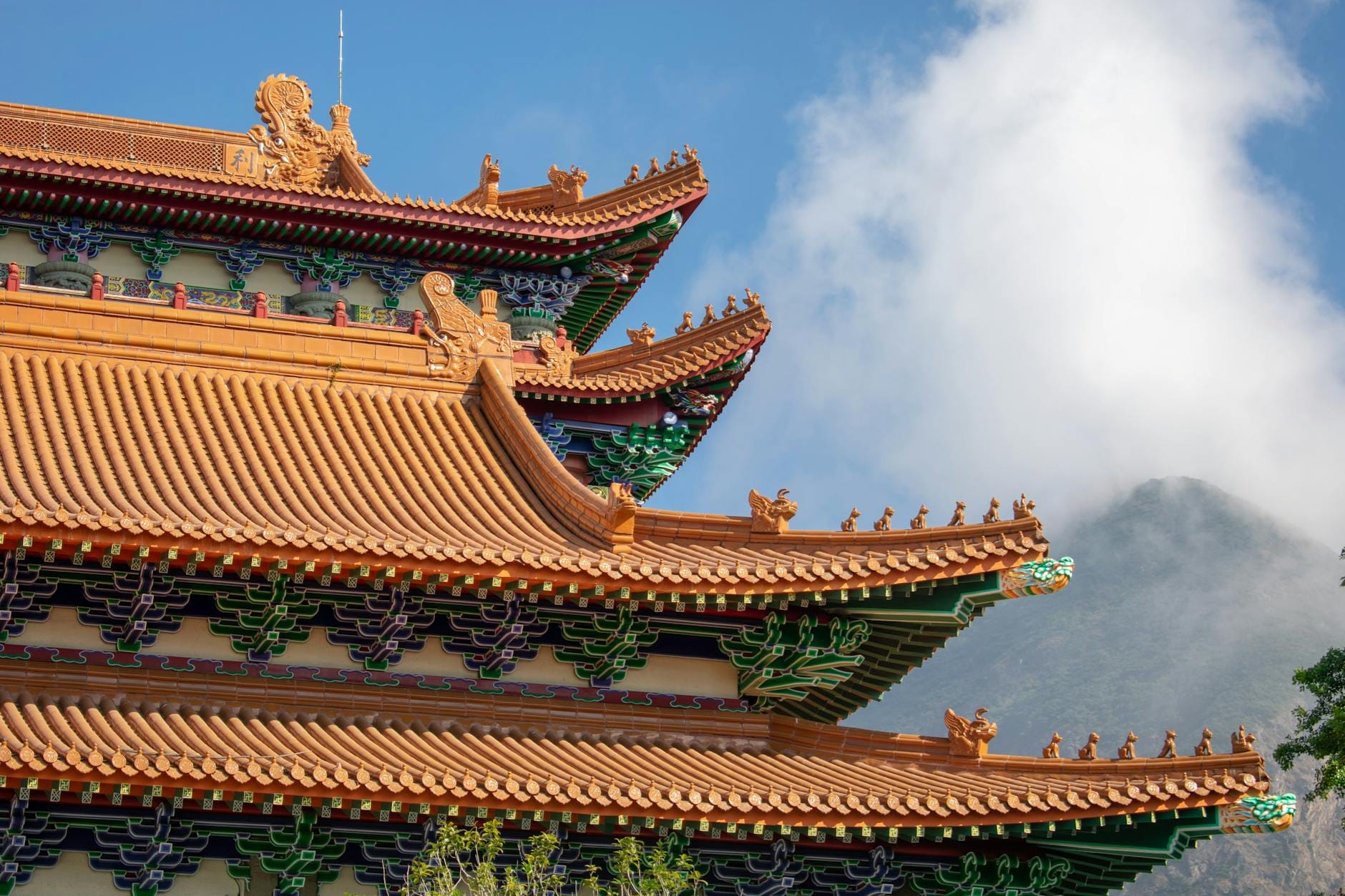
Das Po Lin Monastery liegt am Fuß von Lantaus Großem Buddha, wo Mönche einen 1906 gegründeten buddhistischen Tempelkomplex unterhalten. Die Haupthalle beherbergt drei bronzene Buddha-Statuen, Räucherwerk füllt die Innenhöfe und ein vegetarisches Restaurant serviert Tempelmahlzeiten.
Fakten im Überblick
- Lage
- Ngong Ping, Lantau Island (unter dem Großen Buddha)
- Anfahrt
- Ngong Ping 360 Seilbahn oder Bus 23X von Tung Chung
- Zeitbedarf
- 30–45 Minuten
- Kosten
- Eintritt frei (vegetarische Mahlzeiten 60–100 HK$)
- Am besten für
- Buddhistisches Tempelambiente, vegetarisches Mittagessen
Anreise
Po Lin Monastery liegt am Fuß von Lantaus Großem Buddha. 1906 gegründet, beherbergt die Haupthalle drei bronzene Buddha-Statuen. Räucherwerk füllt die Innenhöfe. Das vegetarische Restaurant serviert Tempelmahlzeiten. Planen Sie 30–45 Min. (plus 45–60 Min. für das Restaurant). Eintritt frei. Geöffnet 10–17:30 Uhr täglich.
Der Tempelkomplex besteht aus der Haupt-Buddha-Halle, Seitenschreinen, Wohnquartieren für Mönche, Ziergärten und dem vegetarischen Restaurant des Klosters. Die Architektur folgt dem traditionellen chinesisch-buddhistischen Stil mit roten Säulen, geschwungenen Dachlinien und dekorativen Schnitzereien. Das Kloster fungiert als aktive religiöse Stätte, nicht als Museum, mit Mönchen, die vor Ort leben und praktizieren.
Planen Sie 30 bis 45 Minuten ein, wenn Sie die Haupthallen besuchen und das Gelände erkunden. Die meisten Besucher verbringen weniger als eine Stunde, es sei denn, sie essen im vegetarischen Restaurant oder nehmen an einer Zeremonie teil. Das Kloster ist eine aktive religiöse Stätte: Mönche leben und praktizieren hier, und Gebetszeremonien finden regelmäßig statt.
Das Po Lin Monastery eignet sich, wenn Sie einen aktiven buddhistischen Tempel sehen, Räucherstäbchen-Atmosphäre erleben oder vegetarische Tempelküche probieren möchten. Es ist eine natürliche Ergänzung zum Besuch des Großen Buddha und verleiht der Statuenpilgerfahrt kulturellen und religiösen Kontext. Für weitere Informationen zur Umgebung siehe .
Sollten Sie im vegetarischen Restaurant essen?
Ja. Buddhistische Tempelküche ohne Fleisch, Eier, Zwiebeln oder Knoblauch. Menüs 60–100 HK$: mehrere Gemüsegerichte, Reis, Suppe, Dessert. Einfach, gut zubereitet und sättigend. Günstiger und authentischer als Ngong Ping Villages Touristenrestaurants. Gemeinschaftssaal, Cafeteria-Stil, schneller Service.
Räucherspiralen hängen in mehreren Hallen von der Decke, ähnlich dem Man Mo Temple, aber hier in einem aktiven klösterlichen Kontext. Der Duft ist beständig und durchdringt das gesamte Hauptgebäude. Wenn Rauch Sie empfindlich macht, atmen Sie im Freien zwischen den Hallen durch.
Früher Morgen 9–10:30 Uhr für ruhigste Tempelerfahrung. Mittags 11–14 Uhr Spitzentouristenverkehr. Später Nachmittag nach 16 Uhr dünnen Menschenmengen aus. Wochentage marginal besser als Wochenenden.
Gärten und Innenhöfe trennen die Tempelgebäude. Ziergoldteiche, Topfpflanzen und Steinlaternen schaffen ruhige Übergänge zwischen den Hallen. Die Anlage bietet keine überwältigende Landschaftsarchitektur, aber die Pausen zwischen den Innenräumen sind willkommen.
Die Wohnquartiere der Mönche befinden sich in den Randgebäuden. Dies sind private Bereiche, die für Besucher geschlossen sind. Sie werden Mönche sehen, die zwischen Gebäuden wechseln, Alltagsaktivitäten nachgehen oder sich um die Instandhaltung des Tempels kümmern.
Tickets & Führungen
Live-Preise und Termine unseres Buchungspartners. Wenn du buchst, erhalten wir möglicherweise eine Provision – für dich ohne Aufpreis.
Lantau guided tour with visit to Po Lin Monastery
Ab 118 €Sofortige BestätigungKostenlose StornierungHong Kong audio guide with TravelMate app
Ab 8 €Sofortige BestätigungHong Kong Tour with Peak Tram, harbour cruise and dim sum dinner
Ab 85 €Sofortige BestätigungKostenlose StornierungHong Kong night tour with Peak Tram and Symphony of Lights
Ab 63 €Sofortige BestätigungKostenlose Stornierung
Sollten Sie im vegetarischen Restaurant essen?
Das vegetarische Restaurant von Po Lin serviert buddhistische Tempelküche ohne Fleisch, Eier, Zwiebeln oder Knoblauch (letztere zwei sind in der strengen buddhistischen Praxis verboten). Menüs kosten HK$60-100 und beinhalten mehrere Gemüsegerichte, Reis, Suppe und Nachtisch.
Das Essen ist schlicht, gut zubereitet und sättigend. Die Gerichte enthalten oft Fleischimitat aus Tofu und Seitan, gebratenes Gemüse, geschmorte Pilze und gedämpftes Grün. Die Würze ist für Hongkonger Verhältnisse mild, aber befriedigend, besonders nach der Seilbahnfahrt.
Besuchen: Buddhismus-Interessierte, Vegetarier/Veganer, Große-Buddha-Besucher, Fotografen. Überspringen: Wer bereits viele buddhistische Tempel besucht hat. Bei extrem engem Lantau-Zeitplan Tai O priorisieren. Rauchempfindliche Personen die Haupthalle meiden.
Das Restaurant eignet sich gut, wenn Sie während eines Ngong Ping-Besuchs ein Mittagessen brauchen und authentisches Tempelessen wollen. Es ist deutlich günstiger als die Touristenrestaurants im Ngong Ping Village und bietet ein kulturelles Erlebnis über bloße Kalorien hinaus.
Vegetarier und Veganer profitieren von klar definierten pflanzlichen Speisekarten ohne versteckte tierische Produkte. Nicht-Vegetarier, die neugierig auf buddhistische Küche sind, sollten es mindestens einmal während eines Hongkong-Besuchs probieren.
Wann besuchen?
Der frühe Morgen zwischen 9 und 10:30 Uhr bietet das ruhigste Tempelerlebnis. Reisegruppen sind noch nicht in großer Zahl angekommen, und Sie können Morgenrituale und Mönchsaktivitäten mit minimaler Beeinträchtigung durch Menschenmengen beobachten.
Die Mittagszeit von 11 bis 14 Uhr bringt die meisten Touristenmassen, da sich die Seilbahn-Ankünfte in diesen Stunden konzentrieren. Die Haupt-Buddha-Halle wird voll, Fotoperspektiven verschwinden, und die kontemplative Atmosphäre nimmt ab. Allerdings ist dies auch die Zeit, in der das vegetarische Restaurant auf voller Kapazität arbeitet, falls Sie ein Mittagessen planen.
Am späten Nachmittag nach 16 Uhr lichten sich die Menschenmengen, wenn Besucher nach Tung Chung zurückkehren. Das Kloster bleibt geöffnet, die Tempel sind zugänglich, und das Licht wird weicher für bessere Fotografie. Allerdings kann das Restaurant früher schließen oder nur ein eingeschränktes Angebot haben.
Wochentage sind geringfügig besser als Wochenenden, aber Ngong Ping ist unabhängig vom Tag ein großes Touristenziel. Der Unterschied ist weniger ausgeprägt als bei städtischen Hongkong-Attraktionen.
Was ist im Po Lin Monastery?
Ngong Ping 360 cable car ab Tung Chung bringt Sie direkt zum Ngong Ping-Plateau. Gehen Sie fünf Minuten durch das Ngong Ping Village, und das Kloster erscheint vor Ihnen, noch vor den Treppen zum Großen Buddha. Dies ist der gängigste Zugangsweg.
Bus 23X vom Tung Chung MTR bietet eine Alternative. Der Bus braucht 50 Minuten über Bergstraßen und kostet etwa HK$27 an Sonn- und Feiertagen (günstiger an Wochentagen). Der Bus hält nahe dem Klostereingang, tatsächlich näher als die Seilbahnstation.
Taxis von Tung Chung kosten HK$150-200 und brauchen 30-40 Minuten. Die Fahrer kennen die Strecke gut. Taxis setzen Sie am öffentlichen Parkplatz in der Nähe des Klosters ab.
Die meisten Besucher kombinieren das Po Lin Monastery mit dem Großen Buddha in einem einzigen Ausflug. Gehen Sie zuerst durch das Kloster, dann steigen Sie die Buddha-Treppen hinauf, oder umgekehrt je nach Energielevel und Zeitplanung.
Häufige Fehler
- Zum Big Buddha hetzen, ohne das Kloster zu erkunden. Der Tempelkomplex bietet kulturellen und religiösen Kontext, der das Verständnis der Buddha-Statue vertieft. Planen Sie 30–45 Minuten ein, um durch die Hallen und Innenhöfe zu gehen.
- Mönche ohne Erlaubnis fotografieren. Dies ist ein aktives Kloster, in dem Mönche leben und praktizieren. Respektieren Sie die Privatsphäre und fotografieren Sie keine Personen ohne zu fragen. Tempelarchitektur und Statuen können gerne fotografiert werden.
- Tempelhallen mit Hut oder Sonnenbrille betreten. Nehmen Sie Hut und Sonnenbrille ab, bevor Sie die Haupthalle betreten, als Zeichen des Respekts. Dezente Kleidung (Schultern und Knie bedeckt) ist angemessen, wird aber nicht streng durchgesetzt.
- Das vegetarische Restaurant auslassen, wenn man hungrig ankommt. Die Touristenrestaurants im Ngong Ping Village sind teurer und weniger authentisch. Die vegetarischen Mahlzeiten des Klosters bieten ein besseres Preis-Leistungs-Verhältnis und ein kulturelles Erlebnis.
Wie passt das Po Lin Monastery in einen Lantau-Tag?
Die meisten Besucher strukturieren Ngong Ping-Besuche um den Großen Buddha, mit dem Po Lin Monastery als ergänzender Stopp. Nehmen Sie die morgendliche Seilbahn, gehen Sie 10-15 Minuten durch das Ngong Ping Village, besuchen Sie das Po Lin Monastery für 30-45 Minuten, dann steigen Sie die Treppen zum Großen Buddha hinauf. Essen Sie im vegetarischen Restaurant des Klosters zu Mittag, fahren Sie dann mit der Seilbahn zurück oder weiter nach Tai O mit Bus 21.
Wenn Sie mit dem Fischerdorf Tai O kombinieren, besuchen Sie Po Lin und den Großen Buddha am Vormittag, dann nehmen Sie gegen 13-14 Uhr den Bus 21 nach Tai O. Erkunden Sie Tai O zwei bis drei Stunden lang, kehren Sie mit Bus 11 nach Tung Chung zurück und vollenden so eine komplette Lantau-Runde ohne Umweg.
Für Reisende, die sich hauptsächlich für Tempel und religiöse Stätten interessieren, verdient das Po Lin Monastery mehr Zeit, als typische Touristenrouten vorsehen. Verbringen Sie 60-90 Minuten damit, alle Hallen zu besuchen, Anbetungspraktiken zu beobachten und in Gartenbereichen für ein tieferes Tempelerlebnis zu sitzen.
Wer sollte besuchen / überspringen?
Reisende, die sich für Buddhismus oder chinesische Religionspraktiken interessieren, profitieren von der Beobachtung eines aktiven Klosters, in dem Mönche leben und beten. Der Tempel bietet Kontext über Touristenattraktionen hinaus.
Vegetarier und Veganer sollten das Restaurant des Klosters für authentische buddhistische vegetarische Küche ausprobieren. Die Mahlzeiten demonstrieren religiöse Ernährungspraktiken und bieten gleichzeitig sättigendes, erschwingliches Essen.
Besucher des Großen Buddha sollten Zeit für das Po Lin Monastery als Teil desselben Ausflugs einplanen. Die beiden Stätten liegen nebeneinander, und das Kloster verleiht der Buddha-Statuenpilgerfahrt kulturelle Tiefe.
Fotografen, die Tempelatmosphäre, Räucherstäbchen-Szenen und traditionelle chinesisch-buddhistische Architektur suchen, werden Po Lin fotogener und weniger überfüllt finden als viele städtische Hongkong-Tempel.
Wer sollte es auslassen?
Reisende, die bereits mehrere chinesische buddhistische Tempel besucht haben, könnten finden, dass Po Lin wenig Neues bietet. Die Architektur und religiösen Praktiken folgen den in ganz Ostasien üblichen Mustern.
Am späten Nachmittag nach 16 Uhr werden die Menschenmengen dünner, da die Besucher nach Tung Chung zurückkehren. Das Kloster bleibt geöffnet, die Tempel sind zugänglich, und das Licht wird weicher für bessere Fotografie. Das Restaurant schließt jedoch möglicherweise früher oder hat ein eingeschränktes Angebot.
Menschen, die empfindlich auf Räucherstäbchenrauch reagieren, sollten die Zeit in der Haupt-Buddha-Halle minimieren, wo die Rauchkonzentration am höchsten ist. Die Außenhöfe und Gärten sind komfortabler.
Reisende, die dramatische Berglandschaften oder Naturerlebnisse suchen, sollten sich auf Lantaus Wanderwege (Lantau Peak, Sunset Peak) konzentrieren, anstatt viel Zeit im Po Lin zu verbringen. Das Kloster liegt auf einem erschlossenen Plateau, nicht in der Wildnis.
Insider-Tipps
- Kommen Sie 9–10:30 Uhr für morgendliche Tempelaktivitäten vor Reisegruppen.
- Probieren Sie das vegetarische Restaurant: authentische buddhistische Tempelküche, 60–100 HK$/Menü.
- Hüte und Sonnenbrillen vor der Haupthalle abnehmen.
- Alle Hallen und Innenhöfe begehen, nicht nur die Haupthalle.
- Kombinieren Sie mit dem Großen Buddha – das Kloster liegt direkt unter den Buddha-Treppen.
Für wen ist Po Lin Monastery geeignet?
- Buddhistische Tempelerfahrung
- Vegetarische Tempelküche
- Räucherwerk-Atmosphäre
- Große-Buddha-Ergänzung
- Tempelfotografie
Sehenswürdigkeiten in der Nähe
Weitere Highlights in Lantau Island:
- Citygate Outlets
Ein umfassender Führer zu den Citygate Outlets auf Lantau Island. Erfahren Sie, was Sie erwartet, wie Rabatte wirklich funktionieren, die besten Besuchszeiten und ob diese Hongkonger Outlet-Mall einen Platz in Ihrer Reiseroute verdient.
- Hong Kong Disneyland
Hong Kong Disneyland ist ein kompakter, aber gut umgesetzter Themenpark auf Lantau Island, der klassisches Disney-Storytelling mit lokalen Kulturberührungen verbindet. Er eignet sich für Familien mit kleinen Kindern und Disney-Fans, obwohl erfahrene Themenpark-Reisende ihre Erwartungen kalibrieren sollten.
- Mui Wo
Mui Wo liegt an Lantau Islands Ostküste, wo Hongkong einen anderen Rhythmus annimmt. Lokal als Silver Mine Bay bekannt, bietet dieses Küstendorf einen Einblick in die ruhigere Seite des Territoriums: einen breiten Sandstrand, Wasserfallwanderungen durch bewaldete Täler und Meeresfrüchte-Lokale, wo Fährpendler Touristen zahlenmäßig überlegen sind.
- Ngong Ping 360 Seilbahn
Die Ngong Ping 360 Seilbahn transportiert Passagiere 5,7 Kilometer über Lantau Islands bewaldete Gipfel und Nordlantau-Küste zum Ngong Ping Dorf, mit dem Tian Tan Buddha am Ende der Fahrt. Ob Standard- oder Crystal-Kabine – die 25-Minuten-Fahrt bietet einige von Hongkongs lohnendsten Luftperspektiven.
Du planst eine Reise? Entdecke personalisierte Aktivitäten mit der Nomado-App.