Kolejka Ngong Ping 360: Kompletny Przewodnik po Najbardziej Widowiskowej Trasie Lantau
Kolejka Ngong Ping 360 przewozi pasażerów 5,7 km nad zalesionymi szczytami Lantau i północnym wybrzeżem do wioski Ngong Ping, z Tian Tan Buddą czekającym na końcu trasy. 25-minutowa podróż oferuje widoki lotnicze na Morze Południowochińskie, dżunglę i góry.
Najważniejsze fakty
- Lokalizacja
- Tung Chung do Ngong Ping, Wyspa Lantau, Hongkong
- Dojazd
- Metro Tung Chung (linia Tung Chung), terminal dolny 5 min pieszo od wyjścia stacji
- Czas potrzebny
- 25 min w każdą stronę; zaplanuj 3-5 godzin łącznie z Ngong Ping i Buddą
- Koszt
- Kabina standardowa powrotna od 235 HK$ (dorosły); kabina Crystal (szklana podłoga) od 325 HK$ (dorosły); zniżki dla dzieci i seniorów, rezerwuj online
- Idealne dla
- Rodziny, odwiedzający po raz pierwszy, łączący z Tian Tan Buddą lub Klasztorem Po Lin
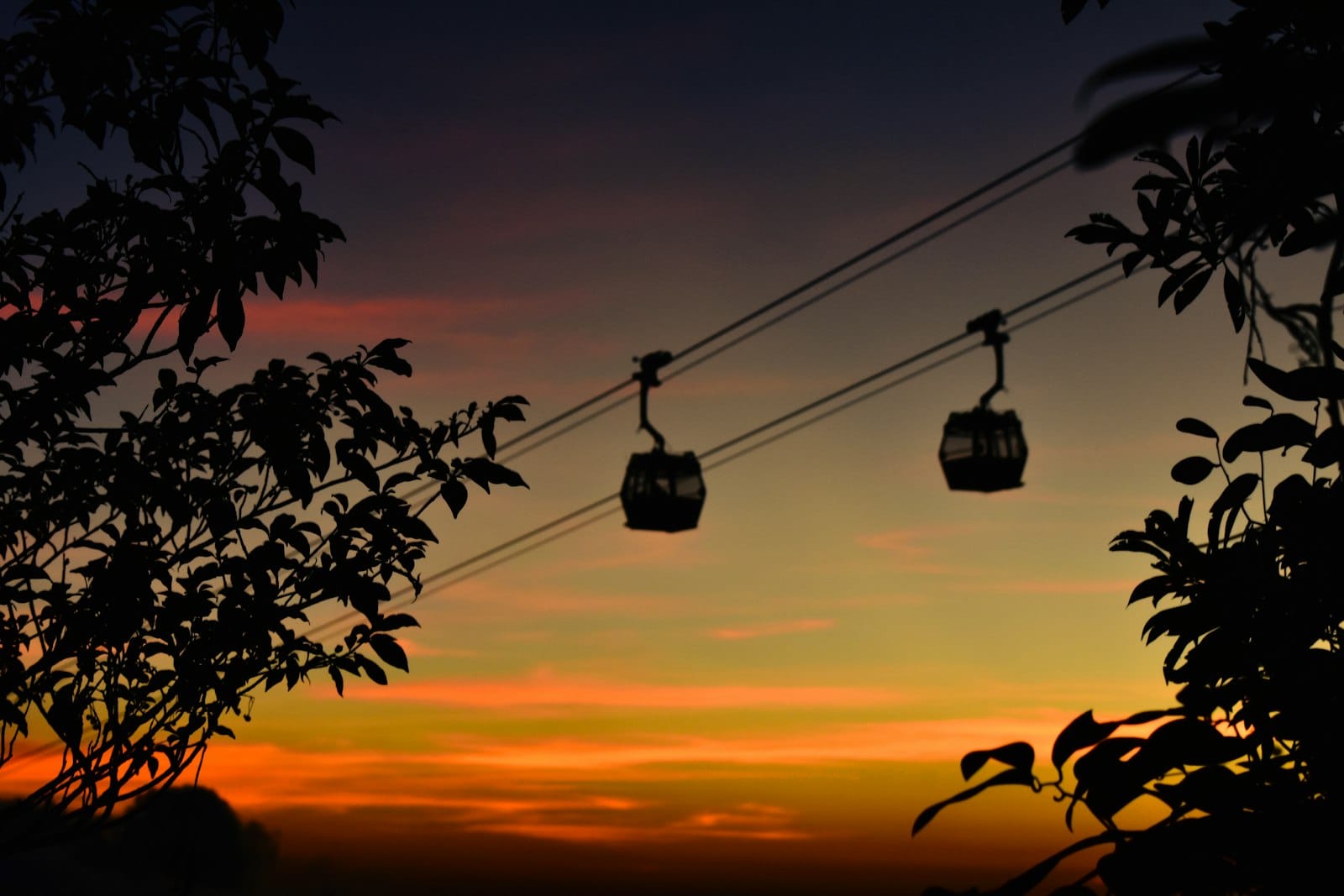
Czym jest Kolejka Ngong Ping 360
Ngong Ping 360 to system kolei gondolowej obsługiwany przez MTR Corporation, łączący nowe miasto Tung Chung na północnym wybrzeżu Wyspy Lantau z płaskowyżem Ngong Ping na wysokości około 520 metrów n.p.m. Cała trasa rozciąga się na 5,7 kilometra i zajmuje około 25 minut w każdą stronę, co czyni ją najdłuższą kolejką linową w Hongkongu i jedną z dłuższych podmiejskich kolei gondolowych w Azji.
Oficjalnie otwarta 31 grudnia 2007 i modernizowana w następnych latach, system zaprojektowano specjalnie by dać odwiedzającym dostęp do Ngong Ping, domu 34-metrowego Tian Tan Buddy (potocznie Wielki Budda) i historycznego Klasztoru Po Lin.
💡 Lokalna wskazówka
Kup bilety online na np360.com.hk przed wizytą. Kolejki do okienka w terminalu Tung Chung mogą przekraczać 90 minut w weekendy i święta. Rezerwacja online obejmuje okno czasowe odjazdu — przejdź na odrębne, krótsze wejście.
Przejazd: 25 minut zmieniającego się krajobrazu
Doświadczenie dzieli się naturalnie na trzy fazy wizualne podczas wznoszenia. Wyjeżdżając z Tung Chung kabina najpierw przesuwa się nad odzyskanymi płaskimi terenami nowego miasta, oferując bliskie widoki budynków mieszkalnych, budowy i lotniska w oddali. Ta miejska faza trwa ok. 5 minut.
W połowie trasy gondola przekracza grzbiet, a teren poniżej zmienia się nagle w gęsty las subtropikalny, w dużej mierze Lantau Country Park, który pokrywa ponad 70% wyspy. Linia drzew zbliża się, a miejski hałas znika. Ten środkowy odcinek, gdzie lina biegnie między wysokimi pylonami nad stromymi zalesionymi dolinami, jest najbardziej dramatycznym fragmentem trasy. Słychać rytmiczne klikanie mechanizmu gondoli przy każdym mijającym pylonie.
Na końcowym podejściu do Ngong Ping płaskowyż otwiera się i sylwetka Tian Tan Buddy staje się widoczna na górnym grzbiecie, rosnąc stabilnie gdy gondola opada ku stacji końcowej. Ten moment — kiedy Budda materializuje się z krajobrazu — to emocjonalny szczyt przejazdu.
Kabina standardowa vs Crystal: którą wybrać
Kabiny standardowe mieszczą 10 pasażerów siedzących z miejscem stojącym dla 7, z dużymi panoramicznymi oknami że wszystkich stron. Są w pełni wystarczające. Kabiny Crystal (za dodatkową opłatą ok. 90 HK$) mają przezroczystą szklaną podłogę pozwalającą patrzeć w dół na koronę drzew i ocean. Efekt jest najbardziej uderzający nad wodą i nad grzbietem leśnym.
⚠️ Czego unikać
Kolejka zawiesza działalność przy sygnale tajfunu nr 3 lub wyższym i może ograniczyć serwis lub zamknąć się całkowicie przy gęstej mgle lub silnym wietrze. Zawsze sprawdź oficjalną stronę NP360 lub aplikację na aktualne informacje.
Bilety i wycieczki
Aktualne ceny i terminy od naszego partnera rezerwacji. Jeśli zarezerwujesz, możemy otrzymać prowizję — bez dodatkowych kosztów dla ciebie.
Pora dnia: jak zmienia się doświadczenie
Kolejka otwiera się zwykle o 10:00 w dni robocze i o 09:00 w weekendy oraz dni świąteczne (ostatni odjazd ok. 18:00; aktualne godziny sprawdź na np360.com.hk, gdyż rozkłady sezonowe się różnią). Przybycie do terminalu w Tung Chung między 09:00 a 10:30 w dzień roboczy zapewnia najspokojniejsze przeżycie – kabiny są mniej zatłoczone, a poranne światło ze wschodu pięknie oświetla południowe zbocza gór.
Południe w weekendy to najgorszy czas na wizytę. Kolejki zarówno w Tung Chung, jak i przy terminalu powrotnym w Ngong Ping bywają znaczne, a gondole zapełniają się dużymi grupami turystycznymi. Jeśli odwiedzasz w weekend, celuj w pierwszy odjazd. Powrót późnym popołudniem (ok. 16:00–17:00) ma tę zaletę, że miękkie światło złotej godziny pada na port i pasy startowe podczas zjazdu w stronę Tung Chung, a tłumy nieco się przerzedzają po 15:30.
Jak się dostać: z Tung Chung i nie tylko
Najprostsza trasa to MTR Tung Chung Line z Hong Kong Station lub Kowloon, kończąca się na stacji Tung Chung. Terminal dolny kolejki znajduje się na Tung Chung Piazza, około 5 minut piechotą od wyjścia ze stacji. Oznakowanie jest czytelne i spójne. Z Central podróż metrem trwa około 30 minut. Z Tsim Sha Tsui należy zaplanować około 40 minut, wliczając przesiadkę na Hong Kong Station.
Alternatywnie, autobusy obsługują Tung Chung z różnych części Hongkongu, choć metro jest szybsze i bardziej przewidywalne. Niektórzy odwiedzający łączą przejażdżkę kolejką z zakupami w Citygate Outlets – outletowej galerii handlowej tuż przy stacji Tung Chung – przed lub po wycieczce do Ngong Ping.
Dla tych, którzy nie korzystają z kolejki, linia autobusowa Lantau Bus Route 23 kursuje między Tung Chung a Ngong Ping i jest znacznie tańsza, ale kręta górska droga zajmuje około 40 minut i nie zapewnia widoków z lotu ptaka. To praktyczna opcja w dniach, gdy kolejka jest zawieszona, lub dla oszczędnych podróżników, którzy chcą spędzić więcej czasu przy Tian Tan Buddha i Klasztorze Po Lin, nie płacąc za kolejkę.
Co robić w Ngong Ping po przybyciu
Terminal Ngong Ping otwiera się bezpośrednio na wioskę Ngong Ping – strefę pieszą z restauracjami, kawiarniami i wystawami kulturalnymi o tematyce buddyjskiej. Wioska może wydawać się komercyjna i mało autentyczna, ale sprawdza się jako punkt wyjścia. Z wioski Tian Tan Buddha to 10 minut piechotą. 268 schodów do podstawy posągu jest obowiązkowe, jeśli chcesz zobaczyć z bliska wyrzeźbione płatki lotosu i otaczającą panoramę gór – weź pod uwagę wspinaczkę, szczególnie w letnim upale.
Klasztor Po Lin, jeden z najważniejszych klasztorów buddyjskich w Hongkongu, znajduje się tuż obok posągu Buddy i jest bezpłatny. Wegetariańskie posiłki serwowane są w refektarzu klasztornym za niewielką opłatą. Dla osób z większą ilością czasu okolice wioski Ngong Ping łączy się z kilkoma szlakami turystycznymi w Lantau Country Park, w tym Wisdom Path – 500-metrowym spacerem przez bambusowy las otoczony drewnianymi kolumnami z wyrytą Sutrą Serca.
Praktyczne uwagi: pogoda, dostępność i fotografia
Pogoda górska na Lantau znacząco różni się od miejskich nizin. Nawet w dniach, gdy Hongkong wydaje się pogodny i słoneczny, chmury zbierają się nad płaskowyżem Ngong Ping już przed południem. Październik–grudzień oferuje najbardziej konsekwentnie czyste niebo i powszechnie uznawany jest za najlepszy okres na przejażdżkę kolejką. Miesiące letnie (czerwiec–sierpień) przynoszą mgłę, wilgoć i częste popołudniowe burze; widoczność jest często słaba nawet gdy kolejka kursuje.
Dla fotografów najbardziej efektowne ujęcia uzyskasz z okien skierowanych na północ podczas początkowego wznoszenia, gdy lotnisko i linia brzegowa rozciągają się poniżej. W kabinach Crystal fotografowanie przez szklaną podłogę wymaga cierpliwości – poczekaj, aż inni pasażerowie się przesuną, i zmniejsz odbicia, przykładając telefon lub obiektyw aparatu bezpośrednio do szyby. Obiektyw szerokokątny lub tryb ultra szerokiego kąta w telefonie radzi sobie z rozległymi widokami znacznie lepiej niż teleobiektyw.
Dostępność: Terminale Ngong Ping 360 na obu końcach są dostępne dla wózków inwalidzkich, a gondole mogą pomieścić wózki. Jednak schody przy Tian Tan Buddzie stanowią znaczną barierę fizyczną dla osób z ograniczoną mobilnością – przy podstawie posągu nie ma windy. Wioska Ngong Ping i Wisdom Path są dostępne na płaskim terenie.
ℹ️ Warto wiedzieć
Jeśli jesteś podatny na chorobę lokomocyjną lub masz lęk wysokości, pamiętaj, że gondola jedzie wysoko nad stromym terenem i może zauważalnie kołysać się przy bocznym wietrze. Odczucie jest łagodne dla większości odwiedzających, ale warto to rozważyć, jeśli którykolwiek z tych przypadków dotyczy Ciebie.
Czy kolejka linowa jest warta swojej ceny?
Przy cenie 235–325 HK$ za przejazd w obie strony na osobę dorosłą, Ngong Ping 360 pozycjonuje się jako doświadczenie premium i tak powinno być oceniane. Dla osób odwiedzających Hongkong po raz pierwszy, które planują zobaczyć Wielkiego Buddę, kolejka zastępuje nudną jazdę autobusem naprawdę niezapomnianą przeprawą powietrzną. Stosunek ceny do jakości jest jasny. Dla powracających, którzy już pokonali trasę, lub dla kogoś zainteresowanego głównie buddyjskimi świątyniami, a nie samą podróżą, autobus jest rozsądną alternatywą.
Podróżni z ograniczonym budżetem powinni pamiętać, że Hongkong oferuje doskonałe bezpłatne i niskobudżetowe punkty widokowe oraz atrakcje. Kolejka jest jednym z droższych pojedynczych wydatków na wyspie. Jeśli pilnujesz wydatków, przewodnik po kosztach podróży do Hongkongu podaje więcej kontekstu na temat tego, jak kolejka wypada na tle innych atrakcji.
Wskazówki od znawców
- Kabina Crystal warta dopłaty w pogodny dzień — szklana podłoga nad oceanem i lasem robi wrażenie. W zachmurzony — standardowa wystarczy.
- Kup bilety online na np360.com.hk by pominąć kolejki do okienka. Weekendowe kolejki 90+ minut.
- Pierwszy wyjazd dnia (ok. 10:00) daje najcichszą trasę i pustą wioskę u celu. Południe to szczyt.
- Autobus 23 powrotny z Ngong Ping często ma krótsze kolejki niż powrotna kolejka w ruchliwe weekendy.
- Sprawdź pogodę i status kolejki na oficjalnej stronie NP360 przed wyjazdem. Zamknięcia z powodu wiatru/mgły/przeglądów regularnie występują.
Dla kogo jest Kolejka Ngong Ping 360?
- Rodziny z dziećmi
- Odwiedzający po raz pierwszy
- Łączący z wizytą u Tian Tan Buddy lub Klasztoru Po Lin
- Entuzjaści fotografia widokowej
- Podróżni szukający kontrastu z miejskim Hongkongiem
Atrakcje w pobliżu
Co jeszcze zobaczyć w Lantau Island:
- Tian Tan Buddha (Big Buddha)
Tian Tan Buddha to 34-metrowy brązowy posąg na wysokości 482 metrów na wyspie Lantau, z widokiem na Morze Południowochińskie i otoczony zalesionymi szczytami. Dotarcie to połowa doświadczenia, czy to kolejką Ngong Ping 360, autobusem czy szlakiem pieszym.
- Po Lin Monastery
Klasztor Po Lin leży u stóp Wielkiego Buddy na Lantau, gdzie mnisi utrzymują kompleks buddyjskiej świątyni założony w 1906 roku. Główna hala mieści trzy brązowe posągi Buddy, kadzidło wypełnia dziedzińce, a klasztorna restauracja wegetariańska serwuje posiłki template.
- Ngong Ping Village
Wioska Ngong Ping to turystyczna strefa handlowo-rozrywkowa między terminalem kolejki Ngong Ping 360 a schodami do Wielkiego Buddy. Sklepy z pamiątkami, herbaciarnie, płatne atrakcje i restauracje wypełniają wybrukowane alejki. Bardziej przystanek tranzytowy niż destynacja.
- Citygate Outlets
Kompletny przewodnik po Citygate Outlets na wyspie Lantau. Dowiedz się czego oczekiwać, jak działają zniżki, najlepsze pory wizyty i czy ten hongkoński outlet zasługuje na miejsce w planie.
- Mui Wo
Mui Wo leży na wschodnim wybrzeżu wyspy Lantau, gdzie Hongkong zwalnia do innego rytmu. Znane lokalnie jako Silver Mine Bay, to przybrzeżne miasteczko oferuje okno na cichszą stronę terytorium: plażę, lekkie szlaki i kawiarnie.
- Hong Kong Disneyland
Hong Kong Disneyland na wyspie Lantau to najmniejszy park Disneya na świecie z unikalnymi atrakcjami jak Mystic Manor i World of Frozen. Idealny na rodzinny dzień, szczególnie z dziećmi 3-10. Sprawdź czy warto w kontekście twojego planu.
- Wioska Rybacka Tai O
Wioska Rybacka Tai O leży na zachodnim krańcu wyspy Lantau, gdzie pływowe kanały dzielą ląd, a mieszkańcy budują domy na palach nad wodą od pokoleń. Jedno z niewielu miejsc w Hongkongu, gdzie tradycyjny sposób życia wciąż jest widoczny.
Planujesz podróż? Odkryj spersonalizowane aktywności w aplikacji Nomado.