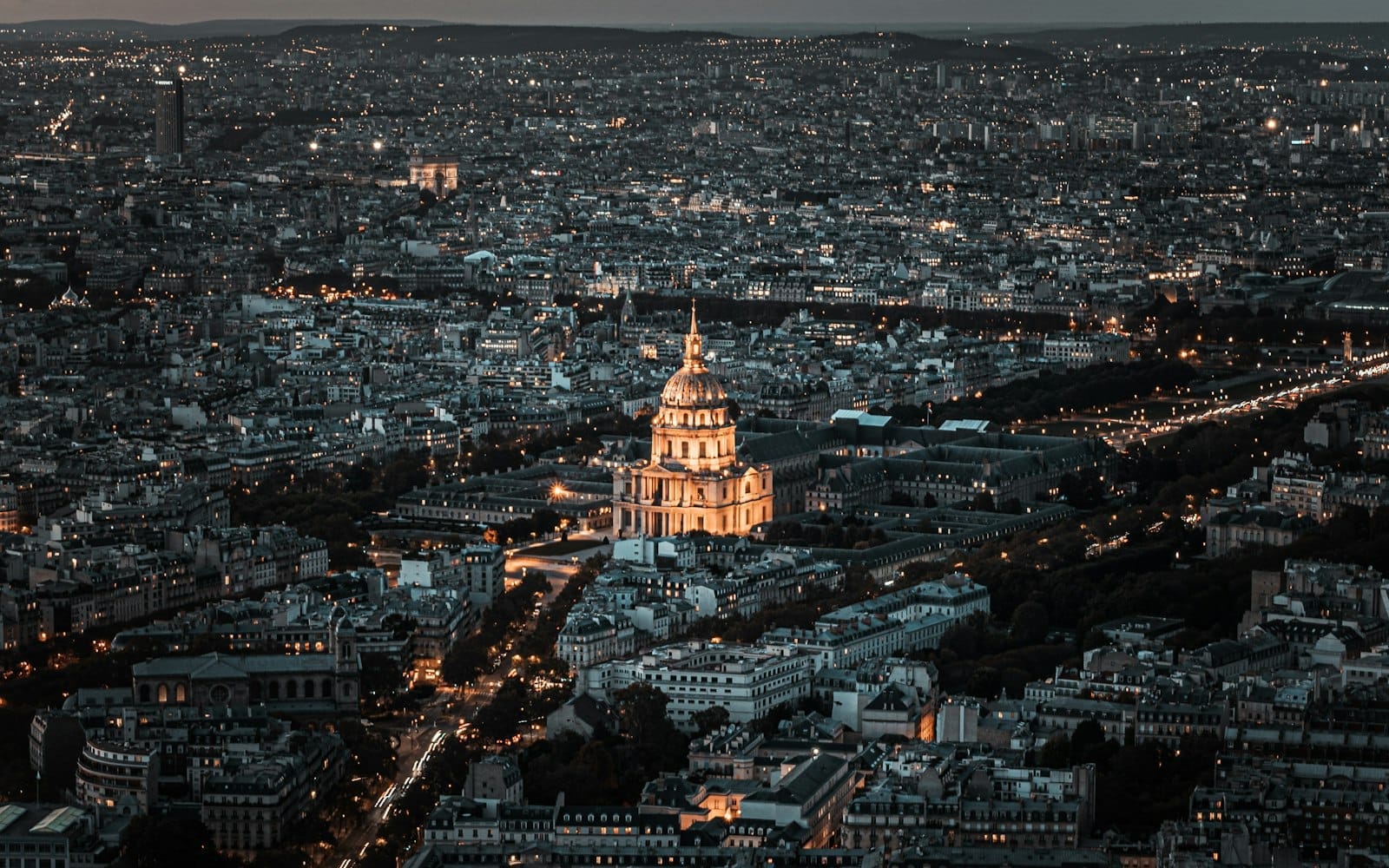
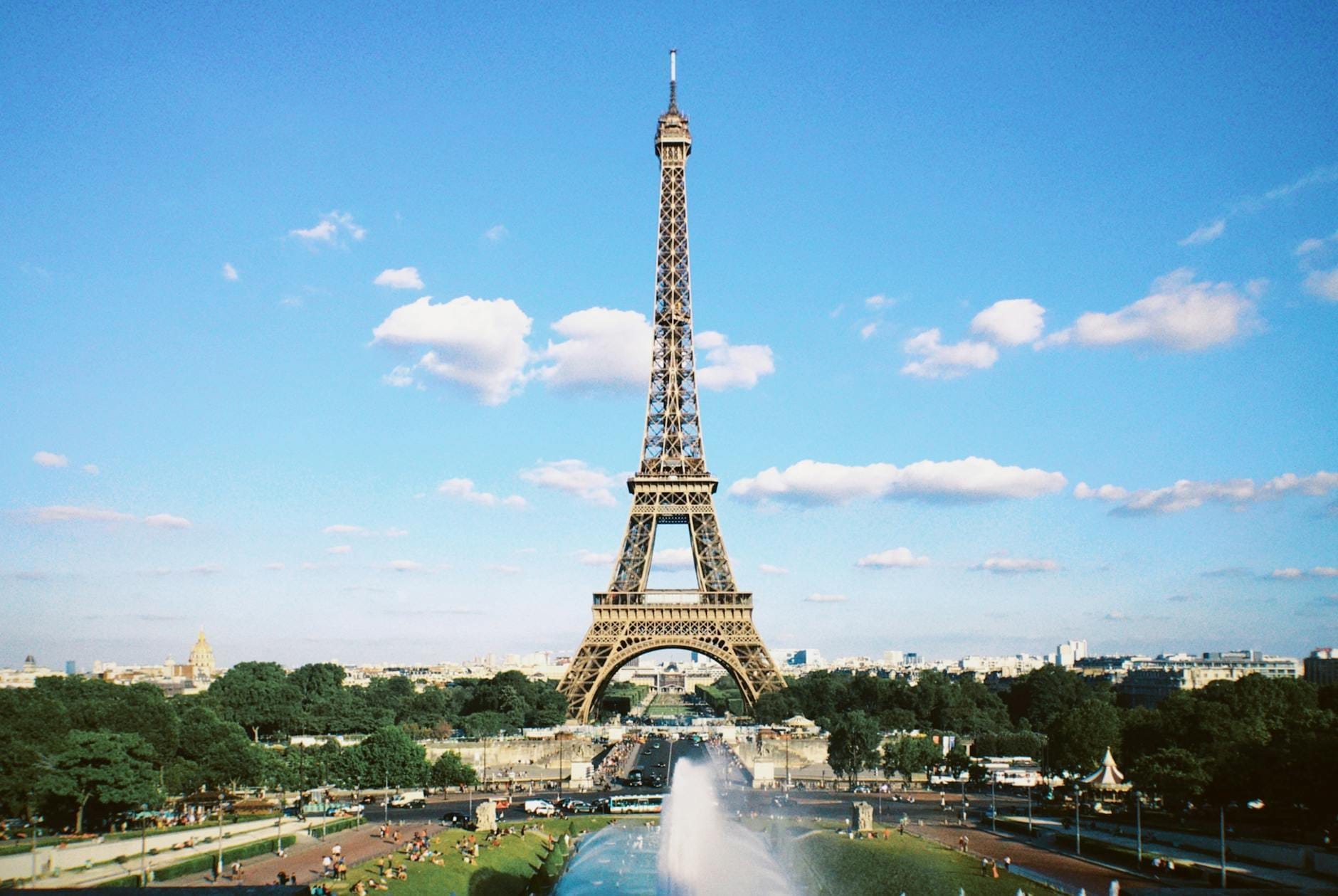
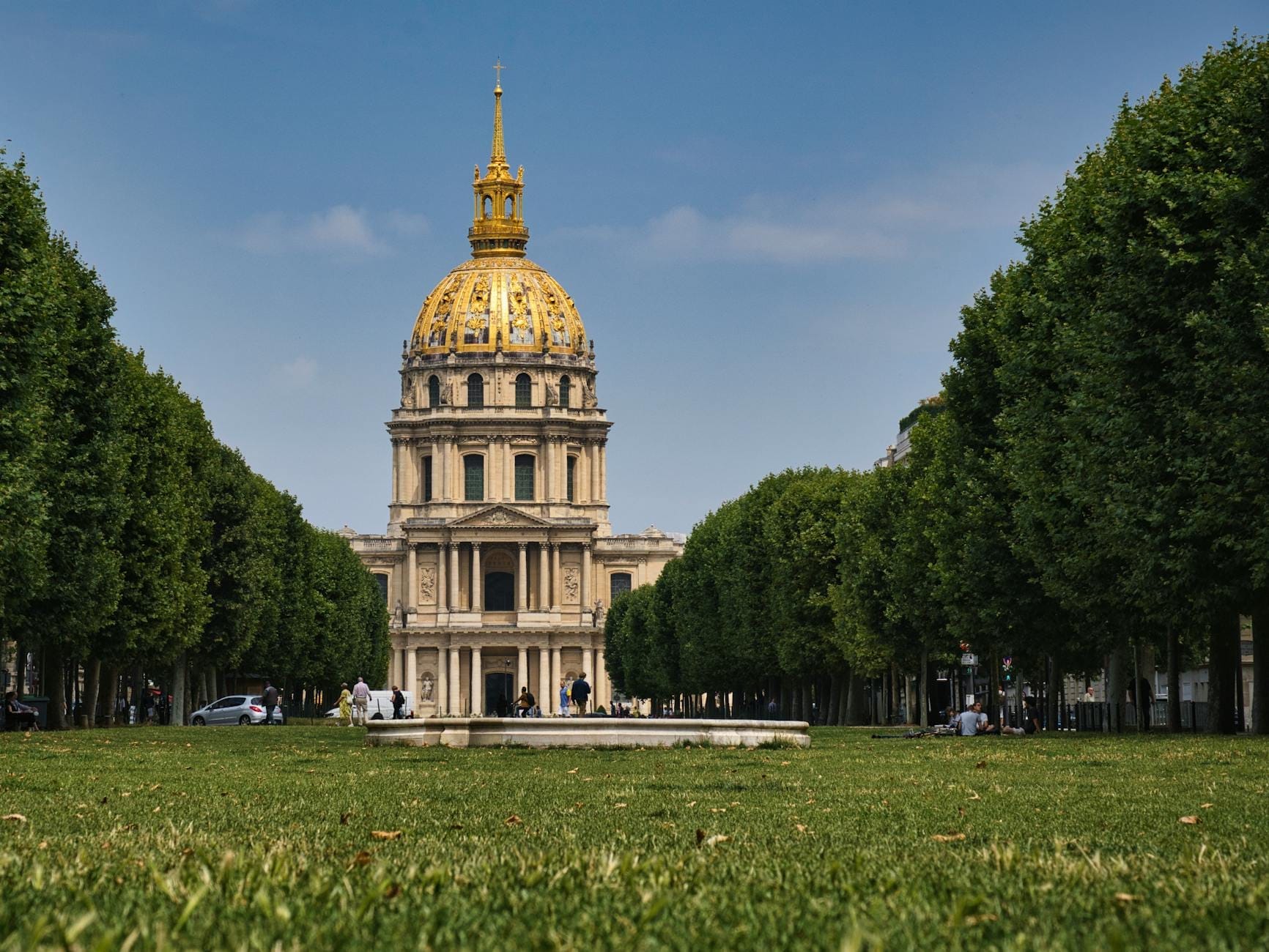
The 7th arrondissement is Paris at its most monumental: iron tower, gilded dome, and grand esplanades lining the Left Bank. Beneath the landmark layer, it is also a quiet residential district of wide avenues, foreign embassies, and one of the city's best street markets. Few neighborhoods in the world carry such a weight of symbolic architecture while remaining genuinely livable.
The Eiffel Tower and Les Invalides district is where Paris makes its grandest statement. Spread across the 7th arrondissement on the Left Bank, it pairs the city's most photographed monument with a constellation of world-class museums, landscaped esplanades, and one of the calmest residential atmospheres anywhere inside the Périphérique.
Orientation
The 7th arrondissement occupies a wide wedge of the Left Bank, with the Seine forming its entire northern edge from Pont de l'Alma in the west to the Musée d'Orsay in the east. Avenue de Suffren and Boulevard de Grenelle define the western and southern limits, while Boulevard des Invalides and Rue de Babylone mark the eastern boundary before the 6th arrondissement begins. The result is a roughly triangular district whose base touches the river and whose apex points toward the Ecole Militaire.
Two enormous open spaces anchor the geography. The Champ de Mars stretches 780 metres south from the Eiffel Tower to the Ecole Militaire, acting as the neighborhood's green spine. A few blocks east, the Esplanade des Invalides provides a second grand axis, running from the golden dome of Les Invalides down to the river. Between and around these two axes, the streets are broad, lined with Haussmann-era limestone buildings, and conspicuously free of the crowds that pile up at the monuments themselves.
Travellers staying here are well-positioned for the rest of the city. Saint-Germain-des-Prés is a short walk east along the riverbank. The Trocadéro and the 16th arrondissement sit directly across the Pont d'Iéna. The Champs-Élysées and Trocadéro area is reachable in under fifteen minutes on foot. For a broader mental map of how Paris fits together, the first-timer's guide to Paris is a useful starting point.
Character & Atmosphere
The 7th is one of Paris's wealthiest and most politically significant arrondissements. Foreign embassies, government ministries, and the residences of senior officials line its quieter streets. This institutional density gives the neighborhood a certain hush: fewer late-night bars, more immaculate façades, and a sense that the residents here expect discretion. For a traveller expecting the chaotic street energy of the Marais or Bastille, that contrast can be disorienting.
Early mornings on Rue Cler, the neighborhood's main market street, offer the clearest window into local life. Cheese vendors arrange wheels of comté and reblochon before 8am, the boulangerie queues stretch onto the pavement, and fishmongers call out the day's catch. The street runs pedestrianised between Avenue de la Motte-Picquet and Rue de Grenelle, and for about an hour before 10am it feels entirely like a neighbourhood going about its business rather than a tourist attraction.
By midday the dynamic shifts. Tour groups converge on the Champ de Mars, the Eiffel Tower queue extends past the north pillar, and the cafés along Avenue de la Bourdonnais fill with visitors from a dozen countries. The afternoon light falls at a low angle across the tower's ironwork from about 3pm onward, which is when the photography on the Trocadéro side reaches peak intensity. By early evening, a quiet descends over the residential streets behind Les Invalides, while the Champ de Mars fills with people picnicking on the grass, especially in summer.
After dark, the neighborhood's character becomes something specific and memorable. At the top of each hour from dusk until 1am, the Eiffel Tower's lights give way to a full sparkling display for five minutes. The Champ de Mars fills with people sitting on the lawn for the show, bottles of wine from the nearby Franprix in hand. It is one of the few tourist rituals in Paris that genuinely delivers on its reputation.
💡 Local tip
For the best angle on the Eiffel Tower's nightly sparkle, position yourself on the Champ de Mars lawn rather than at Trocadéro. The view is less obstructed, the crowds are more relaxed, and you can sit on the grass. Arrive 20 minutes before the hour to secure a good spot.
What to See & Do
The Eiffel Tower needs little introduction, but a few practical details shape the visit. Adult tickets range from roughly €14 (stairs to the second floor) to €35 (elevator to the summit), booked on the official website. Queues without a reservation can run two hours or more in summer; booking several weeks ahead is the only reliable way to avoid them. The view from the second floor is, for most visitors, as satisfying as the summit and reached more quickly by the stairs.
Les Invalides is one of the most underrated complexes in Paris. The main church, the Dôme des Invalides, contains Napoleon Bonaparte's tomb in a sarcophagus of red quartzite, surrounded by twelve figures representing his military campaigns. The Musée de l'Armée within the same complex traces French military history from medieval armour to the Second World War in exhaustive and genuinely gripping detail. The building itself, designed by Libéral Bruant in the 1670s and completed under Jules Hardouin-Mansart, is a supreme example of French classical architecture. The full Les Invalides guide covers tickets and what to prioritize inside.
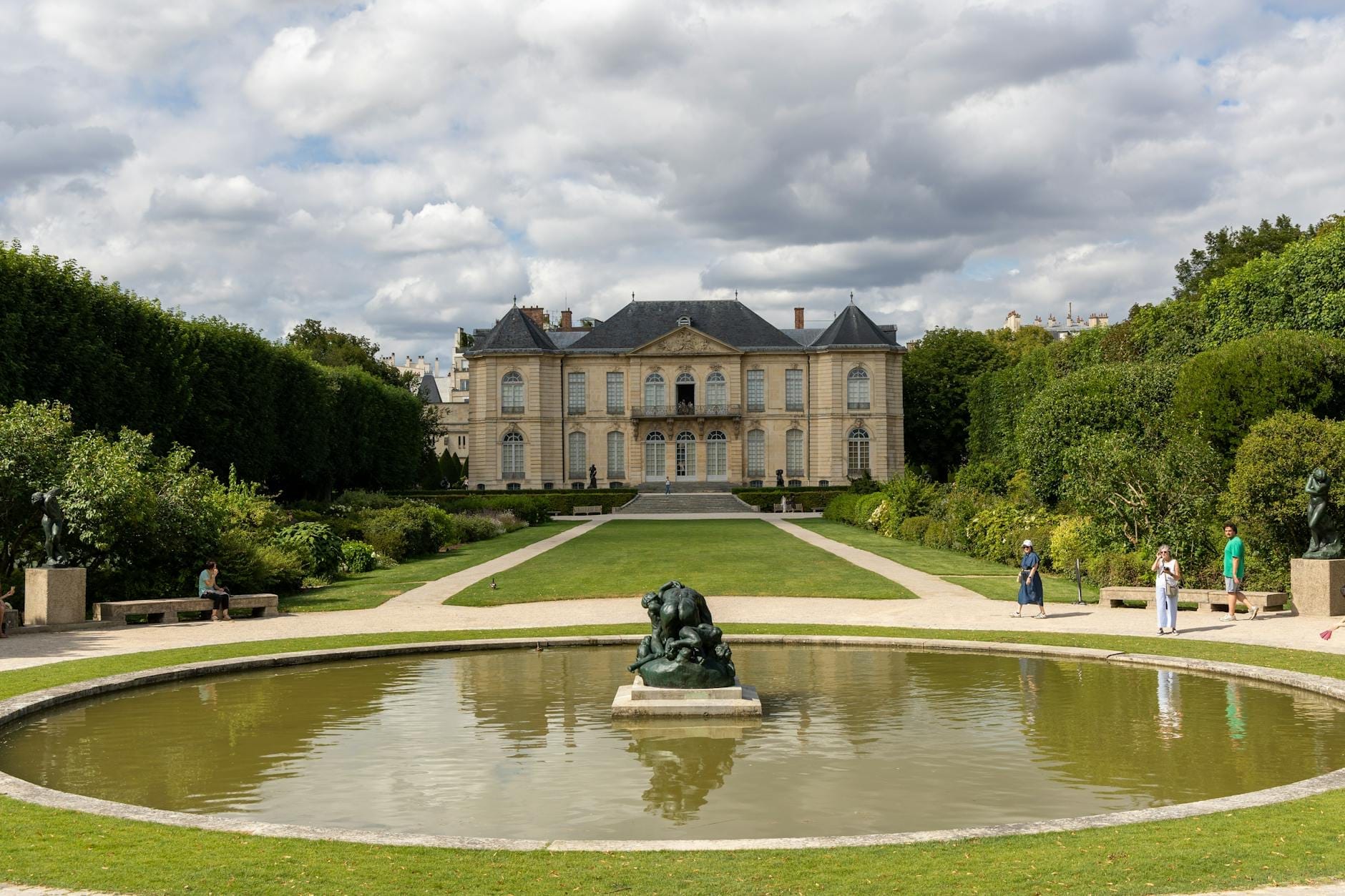
The Musée Rodin at 77 Rue de Varenne is one of the most pleasant museum visits in this part of Paris. The sculpture garden, with The Thinker positioned before the Invalides dome, justifies the admission on its own. Inside, the rooms are arranged in Rodin's former home and studio, the Hôtel Biron, displaying major works including The Gates of Hell and The Kiss in an intimate setting.
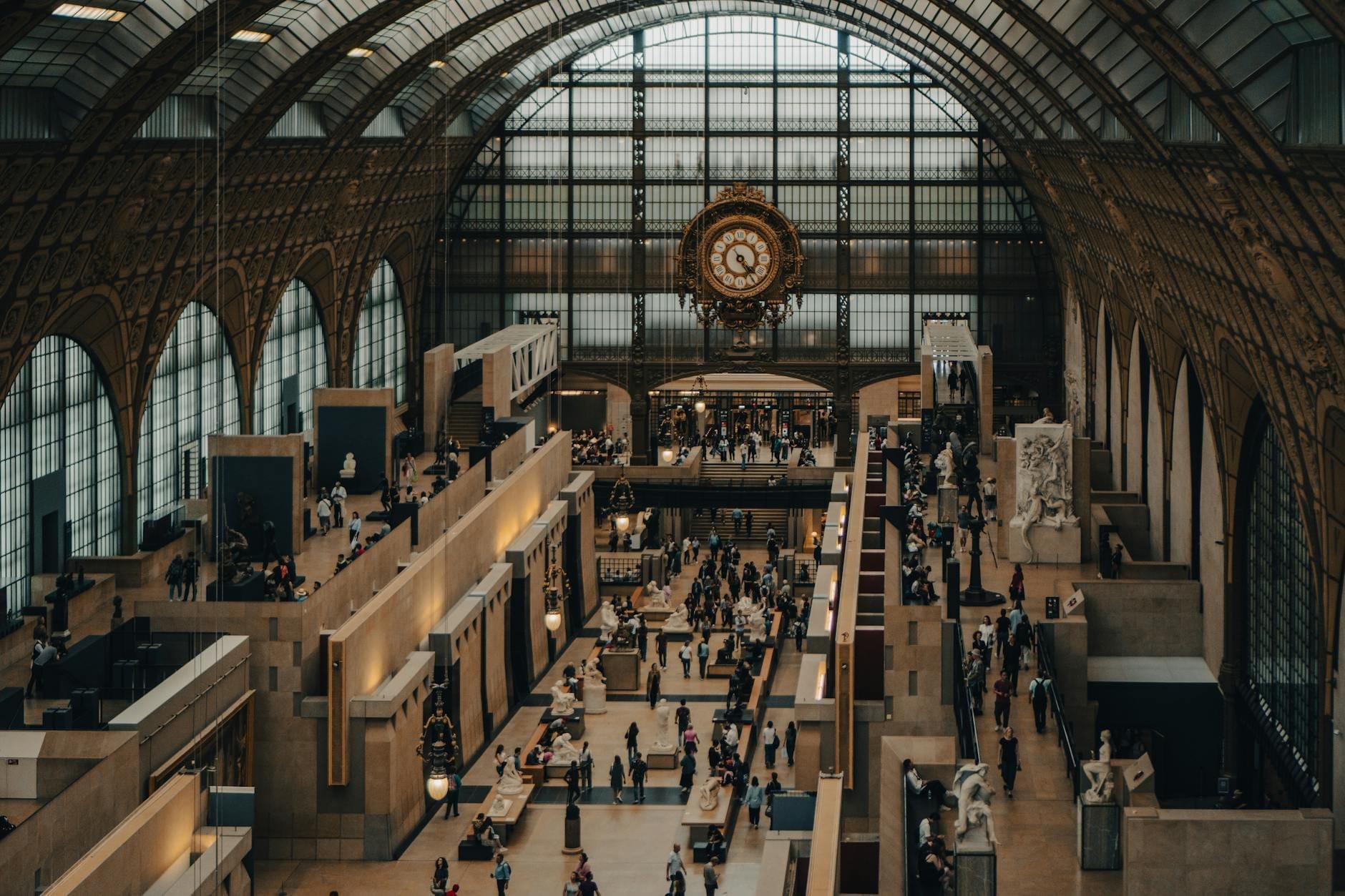
The Musée d'Orsay sits on the northern edge of the 7th, in a converted Beaux-Arts railway station on the quai. It holds the world's largest collection of Impressionist and Post-Impressionist paintings, including major works by Monet, Renoir, Degas, Van Gogh, and Cézanne. The building's clock faces, visible from the Seine, have become icons in their own right. Late Thursday evenings, when the museum stays open until 9:45pm, are among the best times to visit. For context on whether a museum pass makes financial sense, the Paris Museum Pass guide is worth reading before you buy tickets.
Champ de Mars: the 0.78 km park stretching south from the Eiffel Tower, good for a morning run, afternoon picnic, or simply crossing between monuments
Esplanade des Invalides: the formal grass esplanade leading from the golden dome to the river, best photographed when the dome catches the late afternoon sun
Rue Cler: the pedestrianised market street between Rue de Grenelle and Rue Saint-Dominique, liveliest Tuesday through Saturday mornings
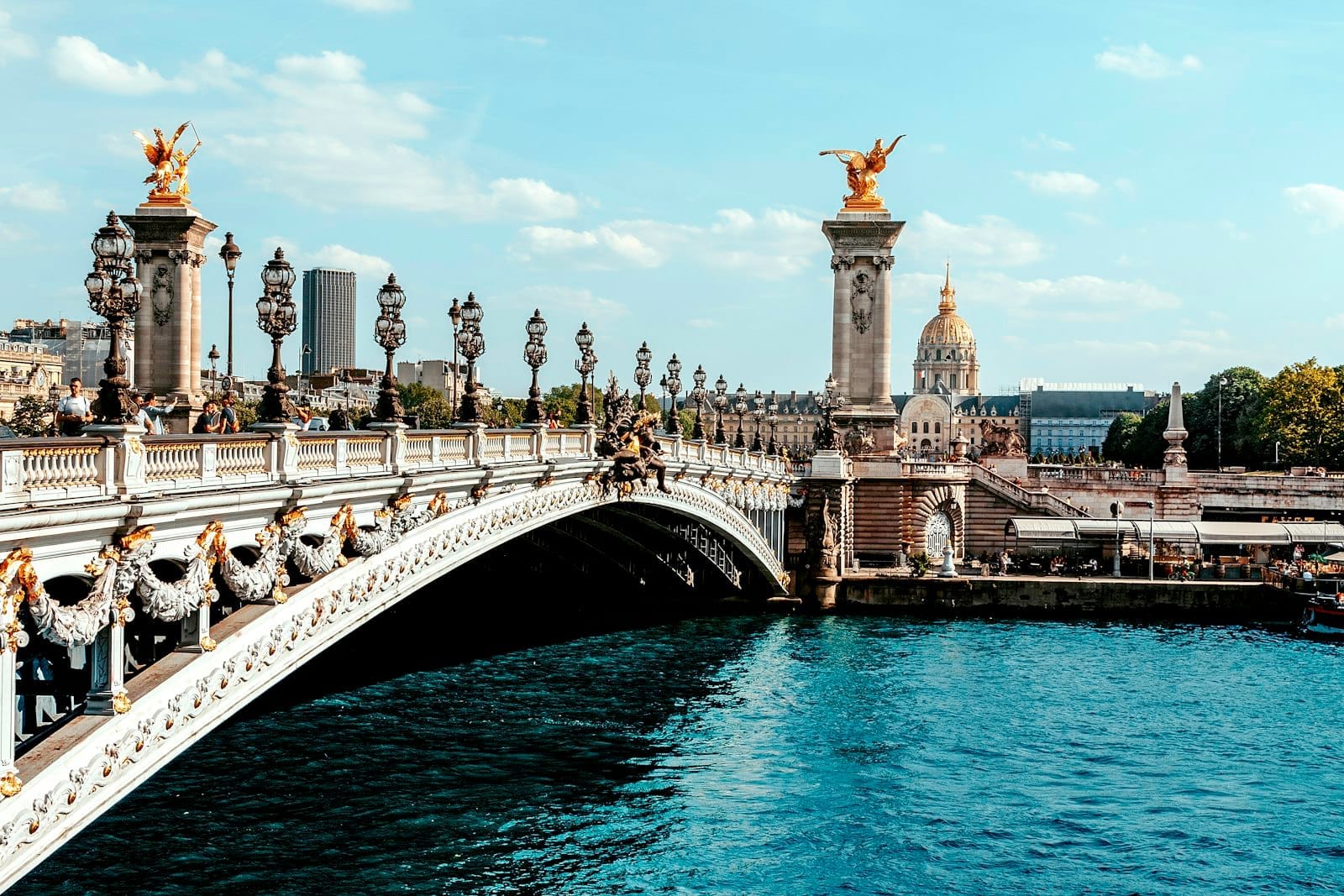
Pont d'Iéna and Pont Alexandre III: both offer famous river views of the tower; Pont Alexandre III links to the Grand Palais on the Right Bank
Quai Branly: the embankment walk below the tower is one of the city's best riverside strolls, especially at dusk
ℹ️ Good to know
The Paris Museum Pass covers entry to Les Invalides (Musée de l'Armée and Napoleon's Tomb), Musée d'Orsay, and Musée Rodin, making it excellent value if you plan to visit all three within a few days. The Eiffel Tower is not included and must be booked separately.
Eating & Drinking
The 7th is not a neighbourhood where you come to eat adventurously on a budget. Its restaurants skew toward classic French bistros serving steak frites and sole meunière, traditional brasseries with long wine lists, and a handful of upscale addresses catering to embassy clientele and well-heeled locals. That said, the quality level is generally high, and the absence of tourist traps that plague areas directly around Notre-Dame or the Marais is a genuine advantage.
The streets immediately around Rue Cler, particularly Rue Saint-Dominique running eastward, concentrate the neighborhood's best everyday dining. This is where you find neighbourhood bistros with handwritten menus, wine bars pouring by the glass from natural wine producers, and bakeries whose croissants appear in food media with regularity. Prices here are Paris-standard rather than tourist-inflated, and a two-course lunch formule typically runs between €15 and €22.
For picnicking, which in summer is the local custom of choice, Rue Cler itself provides everything needed: cheese, charcuterie, wine, baguettes, and fruit all within a hundred metres. The Champ de Mars or the Esplanade des Invalides are the natural destinations for spreading out. This remains one of the most affordable and genuinely Parisian ways to eat in the neighbourhood.
The café culture around the museum quarter is functional rather than characterful: most cafés on Avenue de Suffren or near the Eiffel Tower cater predominantly to tourists and price accordingly. For a better experience, walk two blocks south of the Champ de Mars into the residential streets around Avenue de la Motte-Picquet, where neighbourhood cafés still operate at local prices. For a wider overview of where to eat across Paris and how to navigate the city's food scene by neighbourhood, the Paris dining guide covers the full picture.
Getting There & Around
The 7th arrondissement is well served by the Métro, though no single line threads through the entire district. Line 6 is the most scenic option: the train runs elevated between Bir-Hakeim and Passy, crossing the Seine on the Pont de Bir-Hakeim and providing an eye-level view of the Eiffel Tower from above the river. Bir-Hakeim station (Line 6) is the closest Métro stop to the tower and also the location from which the bridge appears in films including Inception and Last Tango in Paris.
Key Métro stations for the neighbourhood: Bir-Hakeim (Line 6) for the Eiffel Tower's south side; Trocadéro (Lines 6 and 9) for the tower's north face and the Palais de Chaillot, though technically in the 16th; École Militaire (Line 8) for the southern Champ de Mars and Rue Cler; La Tour-Maubourg (Line 8) for Les Invalides from the east; Invalides (Lines 8, 13, and RER C) for the Invalides complex and Musée d'Orsay connections.
RER C runs along the Left Bank riverfront and stops at Champ de Mars-Tour Eiffel (for the tower's southeast side) and at Musée d'Orsay. From CDG airport, the fastest connection involves taking RER B to Saint-Michel-Notre-Dame or Invalides and changing to Line 8 or RER C. For a full overview of how to navigate Paris's transit network, the guide to getting around Paris covers Métro, RER, bus, and Vélib' bike-share options.
Walking is feasible and often preferable within the neighbourhood. From Bir-Hakeim to Les Invalides is roughly 25 minutes on foot via the Champ de Mars, passing the tower and crossing the Esplanade. Musée d'Orsay to Musée Rodin takes about 15 minutes walking southeast along Rue de Varenne. The riverbank walk from the Eiffel Tower east toward Saint-Germain is one of Paris's finest stretches, particularly in the morning when the embankment is quiet.
⚠️ What to skip
Pickpocketing is concentrated around the Eiffel Tower's immediate perimeter, particularly near the north and east pillars and on the Trocadéro esplanade. Be alert to groups of people approaching with petitions or requests for signatures, which are a common distraction technique. Use a front-facing bag and keep phones in an inside pocket when photographing the tower.
Where to Stay
The 7th arrondissement is one of Paris's quietest and most central areas to stay, which is reflected in hotel prices. Budget options are rare; this is mid-range to luxury territory, with rates that can be justified by the walk-everywhere location and the residential calm. There are no party hostels, and the streets are quiet by 11pm.
Hotels closest to the Eiffel Tower, particularly those on Avenue de la Bourdonnais or on streets between the tower and École Militaire, attract a premium and can feel very tourist-facing. A better strategy is to look for hotels on the quieter streets between Rue de Grenelle and Boulevard Saint-Germain, in the eastern section of the 7th near Les Invalides and Rue Cler. These give access to the neighbourhood's more local character while remaining within a 10-15 minute walk of the main monuments.
The 7th suits couples, solo travellers who prioritise safety and calm, and families wanting a quiet base with central access. It is less suited to travellers on tight budgets or those who want nightlife within walking distance. For a comprehensive comparison of where to stay across all Paris neighbourhoods, the Paris accommodation guide breaks down options by arrondissement and travel style.
Nearby Neighbourhoods
The 7th connects directly to several of Paris's other major areas. To the east, the Saint-Germain-des-Prés neighbourhood begins roughly where the 7th meets the 6th, around Boulevard Raspail. That area brings café culture, independent bookshops, and a considerably younger street energy. To the north across the Seine, the 8th arrondissement's Champs-Élysées and Trocadéro quarter offers the grand axis from the Arc de Triomphe down to the river.
Southeast along the Left Bank, the neighbourhood transitions toward the 14th and 15th arrondissements, primarily residential quarters rarely visited by tourists. The guide to Paris's hidden gems surfaces lesser-known destinations within an easy Métro ride from the 7th.
TL;DR
The Eiffel Tower and Les Invalides district is the 7th arrondissement on the Left Bank: monumental, wealthy, and unexpectedly calm once you step away from the main sights.
Must-visit: Eiffel Tower (book ahead), Musée d'Orsay (go on a Thursday evening), Musée Rodin (the sculpture garden alone is worth it), and Les Invalides for Napoleon's Tomb.
Best for: first-time visitors to Paris, couples, families seeking a safe and central base, history and art museum enthusiasts.
Watch out for: pickpockets near the Eiffel Tower, overpriced cafés directly adjacent to the main monuments, and the fact that nightlife and budget dining are largely absent.
Practical tip: a Paris Museum Pass covers Musée d'Orsay, Musée Rodin, and Les Invalides, representing strong value if you visit all three. The Eiffel Tower requires a separate booking and should be reserved weeks in advance in peak season.
Paris has over 130 museums, which makes choosing badly very easy. This guide cuts through the noise with a ranked, honest breakdown of the best museums in Paris, covering art, history, science, and design, with practical details on tickets, timing, and what to skip.
Paris has over 400 parks and gardens, ranging from formal French-style classics to wild woodland escapes. This guide covers the best green spaces across the city, with practical details on what to expect, when to go, and how to get the most out of each one.
Paris is one of the most photographed cities on earth, which means most visitors return home with the same ten images. This guide goes beyond Trocadéro to cover lesser-known vantage points, specific timing advice, and honest assessments of which spots are genuinely worth the effort.
Paris rewards visitors year-round, but the experience shifts dramatically depending on when you go. This guide breaks down each season honestly, covering temperatures, crowd levels, pricing, and the specific events and landscapes that make each period worth considering.
Paris rewards those who look down at it as much as those who walk through it. This guide covers every serious viewpoint in the city, from the famous towers to free terraces most visitors walk past, with honest advice on which are worth the queue and which are overrated.
Paris rewards those who venture beyond the périphérique. Whether you want royal grandeur at Versailles, Monet's living canvases at Giverny, or medieval forests at Fontainebleau, these are the best day trips from Paris — all reachable in under two hours.
Paris has one of the most comprehensive urban transport networks in the world. From the 16-line Métro to river buses and Vélib' bikes, this guide covers every realistic option — with real fares, practical advice, and honest warnings about what to avoid.
Paris rewards the curious traveler. Beyond the Eiffel Tower and Louvre queue, the city holds Roman ruins, forgotten neighborhoods, candlelit sewers, and park temples that most visitors never find. This guide covers 20 genuinely underrated experiences, with practical details on when to go, what to expect, and what to skip.
Planning your first trip to Paris? This guide covers everything you actually need: which arrondissements to stay in, how to get around without overpaying, which passes are worth buying, and how to avoid the most common rookie mistakes. Specific, honest, and built for real travelers.
Three days in Paris is enough to cover the iconic highlights, eat well, and still leave room to wander. This guide breaks down each day by neighborhood, flags what to pre-book, and tells you what to skip so you spend less time in queues and more time in the city.
The Paris Museum Pass covers 50+ museums and monuments, but it's not automatically the right choice for every visitor. This guide breaks down the real costs, savings thresholds, booking rules, and the cases where individual tickets beat the pass.
Paris has a reputation for draining wallets, but the reality is more nuanced. This guide breaks down real 2026 costs across transport, food, accommodation, and attractions, with practical strategies for visiting Paris on a budget without sacrificing the experience.
Paris works brilliantly for families, but only if you plan it right. This guide covers the best kid-friendly attractions, parks, museums, transport logistics, and honest advice on what to skip, so you can enjoy the city without the meltdowns.
Paris rewards visitors who go beyond the obvious itinerary. This guide covers the best things to do in Paris across every interest and budget, from world-class museums and Seine river cruises to neighbourhood markets, immersive art installations, and day trips worth the train fare.
Paris has more restaurants per square kilometer than almost any city on earth, which makes choosing one genuinely hard. This guide cuts through the noise with neighborhood-by-neighborhood recommendations, honest budget breakdowns, booking advice, and the dishes you should actually order.
Choosing where to stay in Paris shapes your entire trip. This guide breaks down the city's key neighborhoods by character, price, metro access, and who they suit best, so you can book with confidence rather than guesswork.