Best Things to Do in Shenzhen: The Definitive Guide
Shenzhen rewards visitors who look beyond the shopping malls. This guide covers the city's best experiences across parks, coastlines, heritage districts, and skyline viewpoints — organized by what kind of traveler you are, with practical details on getting there, what to expect, and what to skip.
Plan and book this trip
Tools from our partner Travelpayouts help you compare flights and hotels. If you book through them, we may earn a commission at no extra cost to you.
Flights
Hotels map
TL;DR
- The best things to do in Shenzhen span at least four distinct districts: Futian, Nanshan, Luohu, and Dapeng — plan by area to avoid unnecessary cross-city transit.
- October to December is the sweet spot for outdoor sightseeing: temperatures drop to a comfortable range and the summer monsoon has passed.
- Shenzhen is not just a shopping city — its coastline, urban parks, and history precincts are genuinely world-class and often uncrowded on weekdays.
- Always verify ticket prices and opening hours directly with attractions or via platforms like Trip.com or Klook before visiting — see our 2-day Shenzhen itinerary for a pre-planned route.
- Tipping is not customary in mainland China. Pay in CNY (Chinese yuan); mobile payment via WeChat Pay or Alipay is standard across most venues.
Why Shenzhen Surprises Most Visitors
Shenzhen was a small fishing town before 1979. By 2026, it's a city of roughly 18.25 million people spread across nearly 2,000 km² of Guangdong Province, bordering Hong Kong to the south and facing the Pearl River Delta to the west. That trajectory — from scratch to one of Asia's most dynamic cities in under five decades — is itself something worth experiencing. But the reason most visitors extend their stays has less to do with the city's economic story and more to do with how much is actually here: serious coastal hiking trails, a growing contemporary art scene, Ming-dynasty fortress towns, and some of the best urban parks in southern China.
First-time visitors often assume the city's appeal is limited to electronics markets and skyline photos. That impression is outdated. The Shenzhen Bay Park waterfront stretches for kilometers with clear views toward Hong Kong on good days. The Dapeng Peninsula in the east is barely developed by Chinese megacity standards. And the OCT district has become a serious destination for contemporary art and architecture, not just theme parks. The city's reputation is catching up to reality slowly — which means now is still a good time to visit before crowds match the quality.
Skyline Views and Urban Landmarks
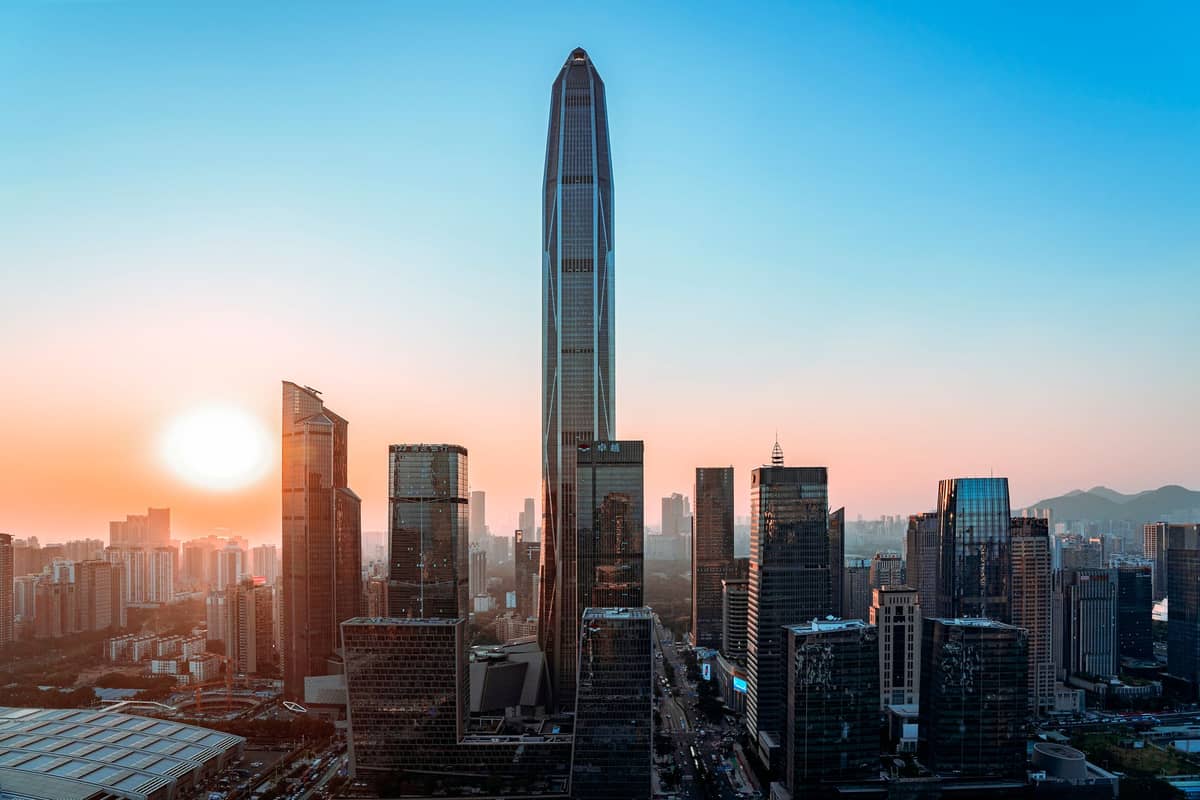
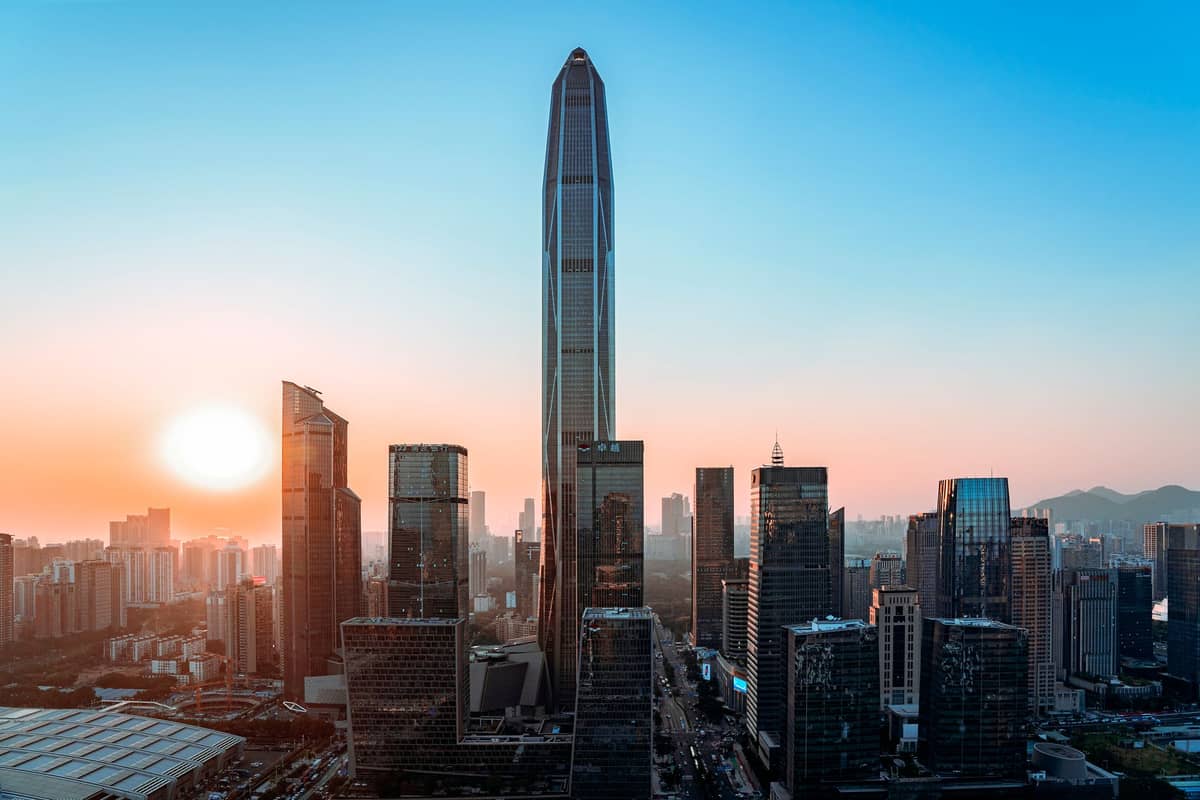
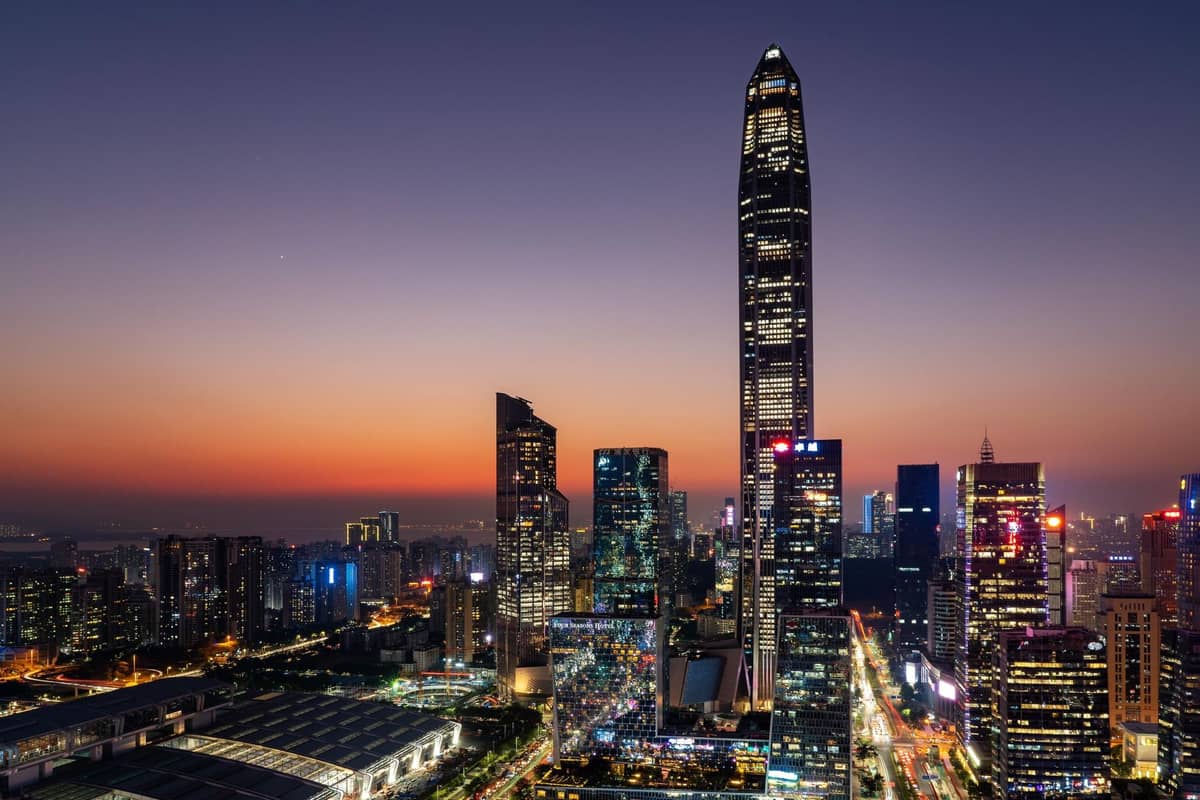
The Ping An Finance Centre observation deck sits on one of the tallest buildings in the world and delivers vertiginous views over the Futian CBD and, on clear days, all the way to the Pearl River estuary. Book tickets in advance through official channels or Klook — walk-up queues on weekends can be long. Mornings on weekdays tend to offer both shorter lines and clearer skies before afternoon haze builds.
For a free alternative, Lianhuashan Park sits on a low hill directly north of the Civic Center and gives a wide-angle view of the Futian skyline without a ticket price. The park is best in the late afternoon when the light hits the tower cluster from the west. Early morning is popular with local residents doing tai chi and walking circuits, which gives it an authentically local feel that paid observation decks cannot replicate.
💡 Local tip
For skyline photography, Lianhuashan Park faces south toward the Futian skyscrapers. The golden hour before sunset (roughly 5:00–6:30pm in autumn) gives the best light. The Ping An Finance Centre observation deck is better for daytime panoramas and seeing beyond the city toward the bay and mountains.
The Shenzhen Civic Center complex, designed by the late Fumihiko Maki, anchors the Futian administrative district and is worth a walk-through for its architectural ambition alone. The area around it forms a planned civic spine that, while occasionally sterile at street level, demonstrates the city's deliberate self-image as a forward-looking metropolis. Pair it with a visit to the adjacent Shenzhen Museum for context on how the city developed so rapidly after 1979.
Coastline, Parks, and Outdoor Activities
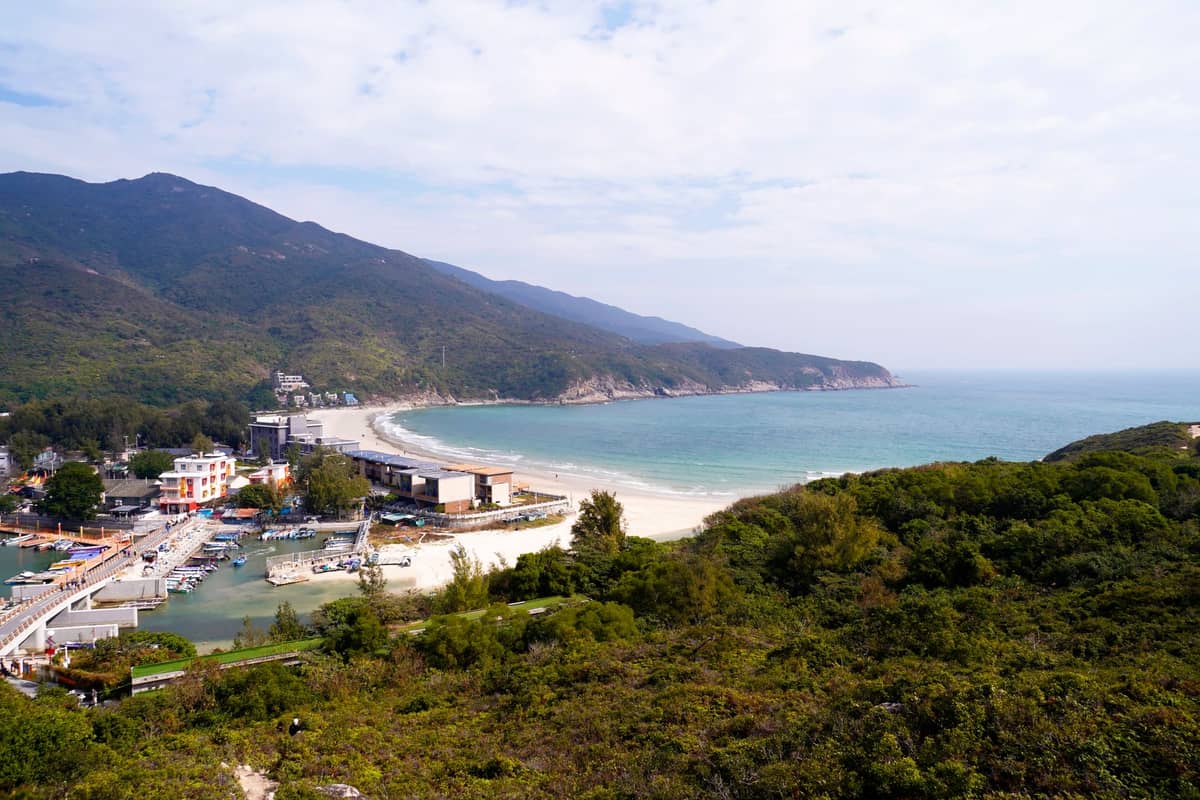
The eastern fringe of Shenzhen, particularly the Dapeng New District, is where the city's outdoor credentials are strongest. The Xichong to Dongchong coastal trail is a serious hiking route along rocky headlands with sea views that would not look out of place on a Portugal itinerary. It runs approximately 10–12 km depending on the route variant and takes 3–5 hours. Wear proper footwear — trail surfaces are uneven and parts involve steep granite scrambles.
Xichong BeachXichong Beach at the southern end of the trail is one of the best swimming beaches accessible from a major Chinese city. Water quality is generally good by regional standards, but always check local advisories before swimming. The beach gets crowded on summer weekends and public holidays; arrive before 9am or visit on a weekday in October or November for a more relaxed experience.
- Shenzhen Bay Park Long waterfront promenade with bay views toward Hong Kong. Free to enter, best at dusk. Popular for cycling and jogging — rental bikes available along the route.
- Wutong Mountain (Wutongshan) The highest peak within Shenzhen's urban limits at around 943m. Multiple trail routes to the summit; the east-side trail is the most straightforward. Full ascent and descent takes 4–6 hours. Views on clear days stretch to Hong Kong.
- Xichong–Dongchong Coastal Trail Best single-day hike in the city. Rocky coastal scenery, sea views, and two beaches at either end. Access via bus or taxi from Dapeng town.
- Fairy Lake Botanical Garden Large botanical garden in the eastern city with themed sections and a reservoir. Less visited than the main parks; good for a quieter morning.
⚠️ What to skip
Typhoons affect Shenzhen from June through September. If you're planning coastal hikes or beach days, check weather forecasts carefully. Trails near the coast can be hazardous or temporarily closed during and after typhoons. The Hong Kong Observatory (weather.gov.hk) publishes forecasts that apply closely to the Shenzhen area.
History, Culture, and Art
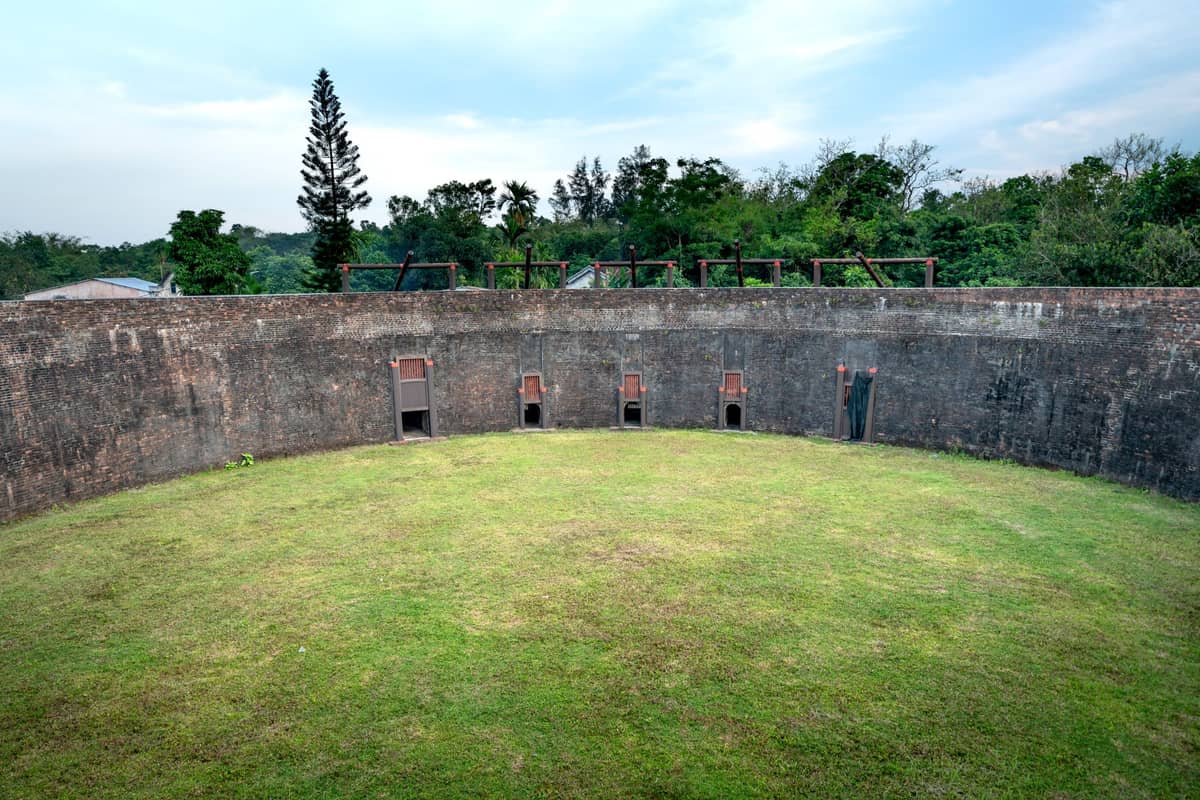
Most visitors do not associate Shenzhen with history, but the city sits on territory with a documented past stretching back to the Han dynasty. The Dapeng Fortress in Longgang district is a Ming and Qing dynasty coastal defense settlement, largely intact, with original gate towers, ancestral halls, and stone-paved streets. Entry is free or very low cost. Unlike many heritage sites in China, it has not been over-restored to a theme-park finish — it still functions as a residential community, with locals living inside the walls. Visit on a weekday morning to have it mostly to yourself.
For contemporary art, the OCT district is the city's most concentrated creative zone. OCT-LOFT is a converted industrial complex with galleries, independent design studios, and cafes. It lacks the raw edge of a genuine artists' district but makes up for it in curation quality and architectural interest. The newer Shenzhen Contemporary Art Museum has raised the city's institutional art profile considerably; check their current exhibition schedule before visiting.
Dafen Oil Painting VillageDafen Oil Painting Village in Longgang is worth the trip if you approach it with the right expectations. The village employs thousands of painters who produce both commissioned originals and reproduction work at scale. It is often described dismissively, but the craft involved is considerable, and the village's main street is an interesting window into a niche economic ecosystem that exists nowhere else in quite this form. Commissioned pieces take time to complete, so factor that into your schedule if you want to take something home.
Shopping, Electronics, and Food Districts
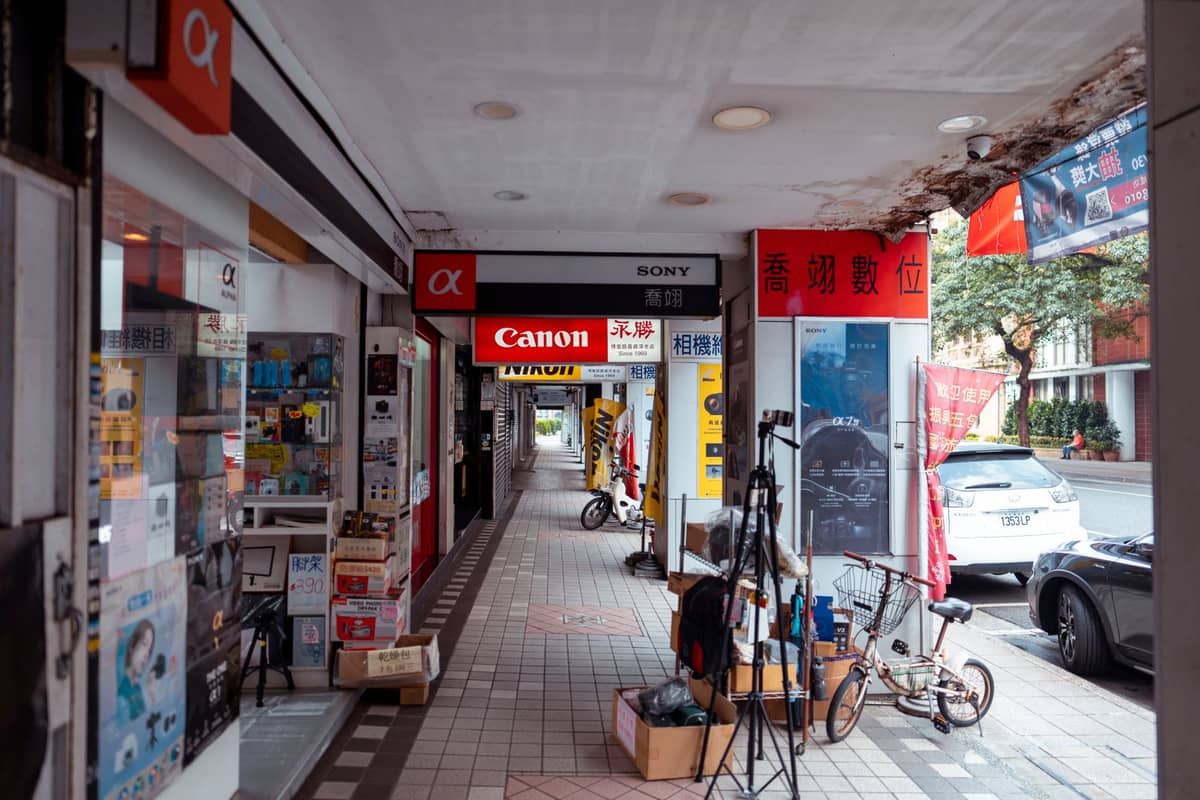
Huaqiangbei Electronics MarketHuaqiangbei in central Shenzhen is unlike anywhere else. The multi-story malls here sell components, modules, and finished electronics at wholesale prices. For tech enthusiasts and hardware engineers, it borders on a pilgrimage site. For casual visitors, the sensory experience of a building stacked floor-to-floor with electronics vendors is fascinating, even if you buy nothing. Navigation can be confusing — Huaqiang North Road has multiple separate buildings, each with its own character. Allow at least two hours and bring a translator app.
Dongmen Pedestrian Street in Luohu is the old commercial core of the city: street food stalls, budget clothing, and the kind of street-level commercial energy that Shenzhen's newer malls deliberately lack. It is more interesting for food exploration than for serious retail. Pair it with a visit to Luohu Commercial City just across from the border control point, which is the city's best-known market for copy goods and tailoring — both legal and otherwise. Approach with appropriate expectations regarding product authenticity.
✨ Pro tip
Payment in Shenzhen is overwhelmingly cashless. WeChat Pay and Alipay dominate, and many smaller vendors no longer accept cash. International visitors should set up WeChat Pay linked to an international card before arriving — the process has become more accessible for foreign passport holders since 2023, but verify current requirements before travel.
Theme Parks and Family Attractions
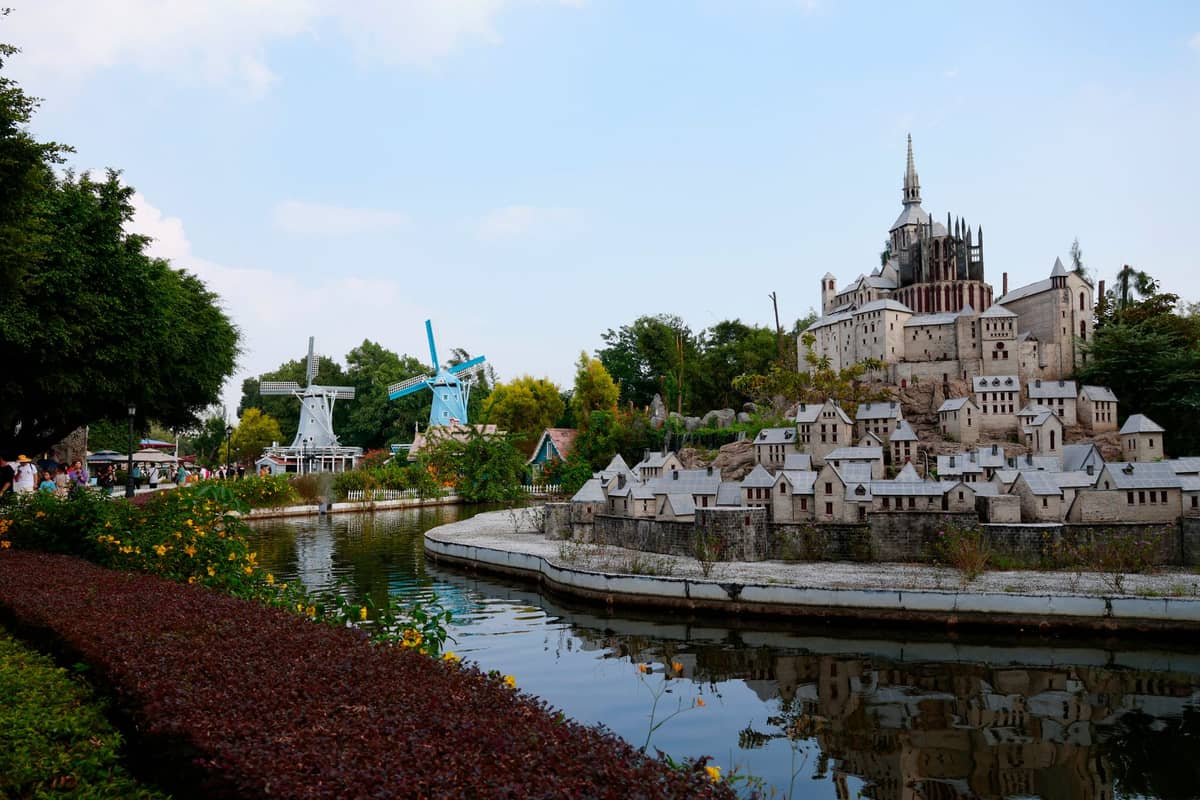
Shenzhen has an unusually dense cluster of theme parks in the Nanshan district, most of them operated by OCT Group. Window of the WorldWindow of the World is the most internationally recognized: a park containing scaled-down replicas of global landmarks including the Eiffel Tower, the Taj Mahal, and the Grand Canyon. It sounds tacky and, aesthetically, it somewhat is — but the scale and execution are more impressive than the concept suggests. It also runs a reliable evening show that is worth the separate ticket for families and couples.
Splendid China Folk VillageSplendid China Folk Village next door takes a similar approach to Chinese heritage, with miniaturized reproductions of sites like the Great Wall and the Potala Palace alongside performances from ethnic minority groups across China. It is more culturally specific than Window of the World and better suited to visitors who want a rapid overview of China's geographic diversity. Neither park is designed primarily for adults traveling alone, but both are legitimately good options for families with children or for visitors with limited time outside the city. See the Shenzhen with kids guide for a fuller breakdown of family-friendly options.
- Window of the World Global landmark replicas plus rides and evening shows. Best for families and first-timers. Pre-book tickets to avoid weekend queues.
- Splendid China Folk Village Chinese heritage and cultural performances. More educational tone than Window of the World. Combined tickets with Window of the World available.
- Happy Valley Shenzhen Conventional theme park with roller coasters and rides. Draws domestic crowds on weekends and holidays. Not distinctive enough to justify a long trip if you have limited days.
- Shenzhen Safari Park Large wildlife park in Nanshan with safari sections and animal shows. Good for families; allow a full day. Located near Window of the World for easy combination.
Practical Planning: Getting Around and When to Go
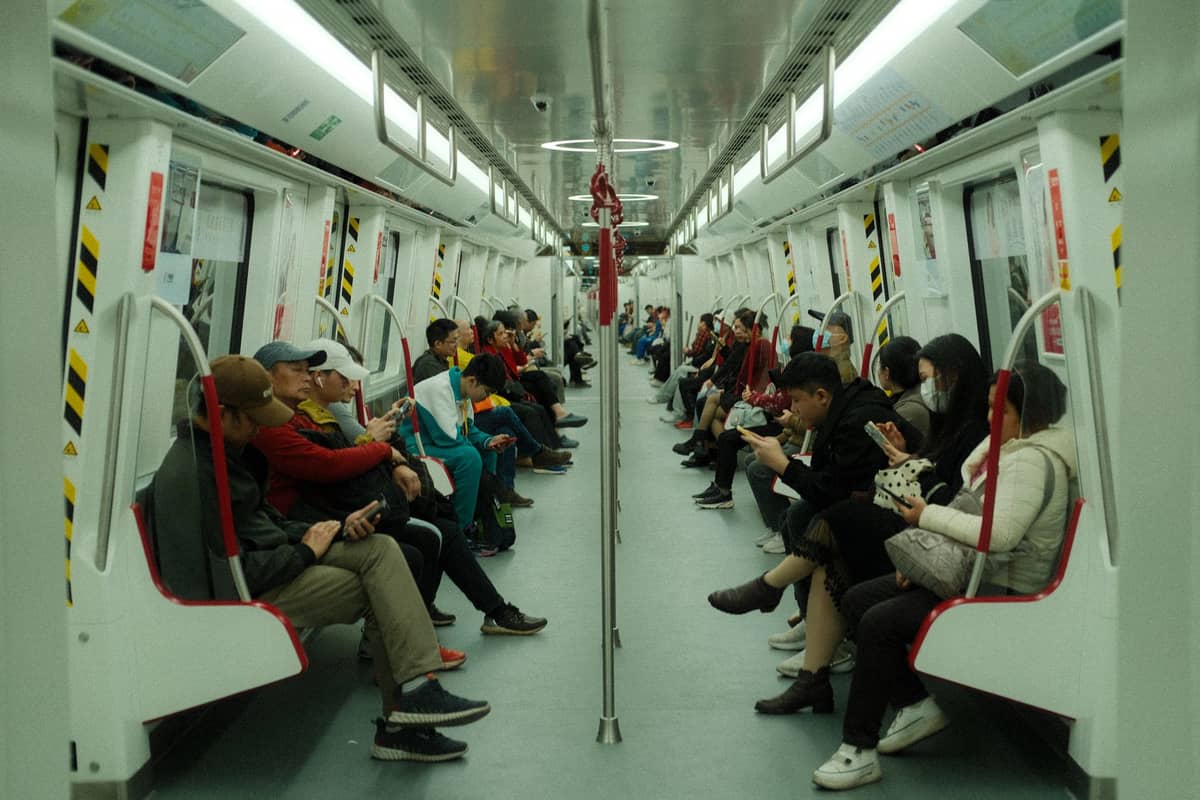
Shenzhen's metro system (Shenzhen Metro) is extensive, reliable, and inexpensive. It covers the main tourist districts well, including Futian, Luohu, Nanshan, and the OCT area. For Dapeng, the metro only goes part of the way — you'll need a bus or taxi from Dapeng Bus Terminal for the final leg to beaches and the fortress. Full details on routes and transit options are in the getting around Shenzhen guide.
October through December is the strongest window for visiting. Temperatures fall into the mid-teens to mid-twenties Celsius range, rainfall is low, and the summer humidity has cleared. Spring (March to April) is a reasonable secondary option, though the pre-monsoon period brings hazy, humid days. Avoid late June through September if outdoor activities are your priority: the combination of heat, humidity, and typhoon risk limits what you can realistically do each day. For a deeper breakdown of seasonal conditions, see the best time to visit Shenzhen guide.
Visitors arriving from Hong Kong have a straightforward overland connection via Lo Wu or Lok Ma Chau border crossings into Luohu and Futian respectively. The journey from central Hong Kong to central Shenzhen takes under an hour by rail. The Hong Kong to Shenzhen guide covers all crossing options with current logistics. Shenzhen Bao'an International Airport (IATA: SZX) handles international and domestic flights; the airport is in Bao'an District to the northwest and is connected to the city center by metro Line 11.
FAQ
What are the best things to do in Shenzhen in one day?
With one day, prioritize by interest. For urban highlights: Lianhuashan Park for free skyline views in the morning, lunch in the Futian area, then the Ping An Finance Centre observation deck in the afternoon before the evening crowds arrive. For a more cultural day: Dapeng Fortress and the coastal trail to Xichong Beach is a full-day trip on its own. Avoid trying to cover multiple districts in a single day — Shenzhen is large and cross-city transit eats into your time.
Is Shenzhen worth visiting for tourists, or is it mainly a business destination?
Shenzhen is worth visiting as a tourist destination in its own right. The coastal areas, urban parks, contemporary art scene, and heritage sites like Dapeng Fortress offer experiences that are distinct from what you find elsewhere in southern China. That said, it lacks the historic depth of Xi'an or Beijing — if classical Chinese history is your priority, Shenzhen is a supplement rather than a primary destination.
What is the best area to stay in Shenzhen for tourists?
Futian is the most practical base for first-time visitors: central location, direct metro access to most attractions, and a wide range of accommodation. Nanshan suits visitors focused on the OCT attractions and western districts. Luohu is the entry point from Hong Kong and has convenient border access, though the area is older and less polished than Futian. See the full breakdown in the where to stay in Shenzhen guide.
Do I need a visa to visit Shenzhen?
Visa requirements for China depend on your nationality and are subject to change. Shenzhen has historically offered specific port-entry arrangements for certain nationalities, but these rules change and must be verified against current official sources before you travel. Check the current policy with the Chinese embassy or consulate in your home country, or via official Chinese government immigration portals.
What are the best free things to do in Shenzhen?
Several of Shenzhen's best experiences cost nothing or very little. Lianhuashan Park, Shenzhen Bay Park, Dapeng Fortress (low or free entry), OCT-LOFT gallery browsing, and the Huaqiangbei electronics district exploration are all effectively free. The city's coastline trails are also free to walk. For a curated list, the free things to do in Shenzhen guide covers the strongest no-cost options across all districts.