2 Days in Shenzhen: The Perfect Itinerary
Two days in Shenzhen is enough to move through its most distinct neighbourhoods, from the electronics labyrinth of Huaqiangbei to the coastal parks of Nanshan and the art spaces of OCT Loft. This itinerary is built around the metro, keeps mornings efficient, and leaves room for the food and nightlife that most guides gloss over.
Plan and book this trip
Tools from our partner Travelpayouts help you compare flights and hotels. If you book through them, we may earn a commission at no extra cost to you.
Flights
Hotels map
TL;DR
- Two full days covers Shenzhen's core districts without rushing — split Day 1 across Futian and Luohu, Day 2 across Nanshan and OCT.
- The Shenzhen Metro is your primary tool: it's fast, cheap, and connects every major stop in this itinerary. See the full getting around Shenzhen guide for fare and route details.
- October to December is the best window for this itinerary — mild temperatures, lower rainfall, and no typhoon risk. Read more in the best time to visit Shenzhen guide.
- Shenzhen is not a sightseeing city in the traditional sense — its appeal is in the districts themselves: tech, art, food, and waterfront, each with a distinct character.
- Verify attraction opening hours and ticket prices before arrival, as they change regularly. Always carry a VPN and set up WeChat Pay or Alipay before entering the city.
Before You Arrive: Logistics That Matter
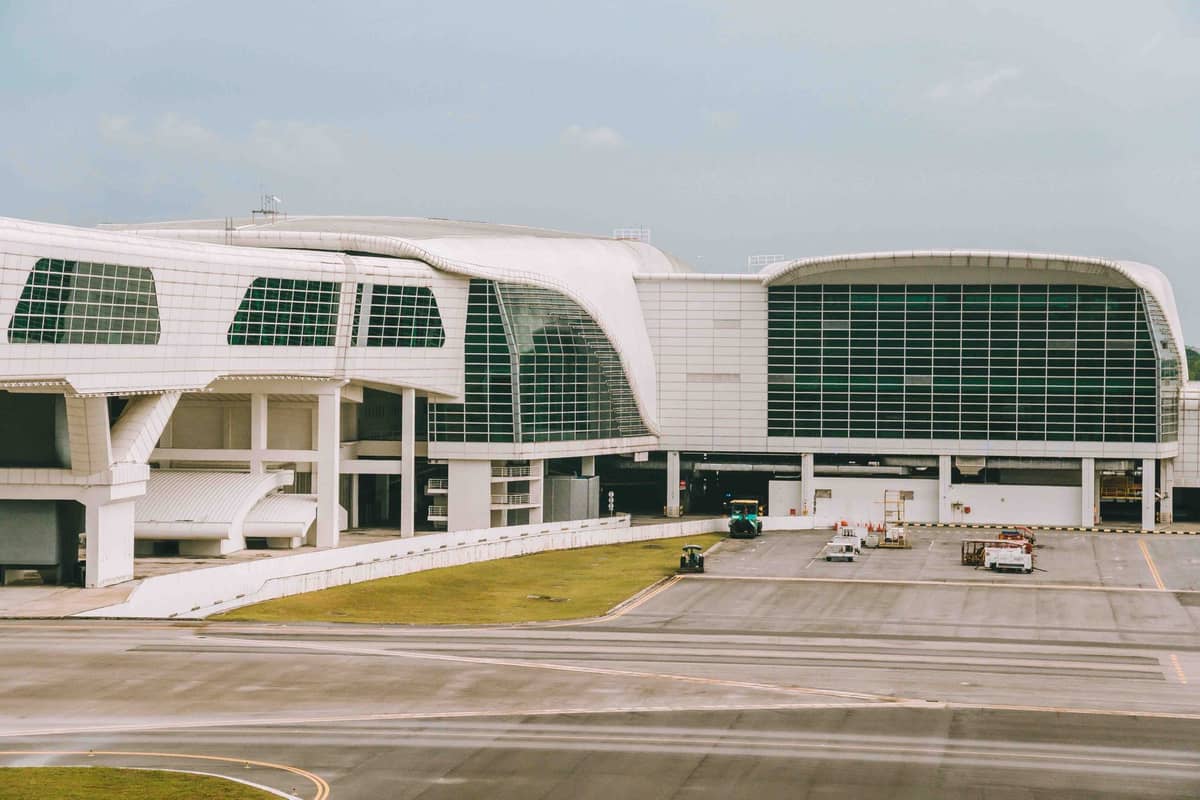
Shenzhen sits in Guangdong Province, bordering Hong Kong to the south. Most international visitors arrive via crossing from Hong Kong or through Shenzhen Bao'an International Airport (SZX) in Bao'an District. The metro connects both entry points to the city core, though travel times vary significantly depending on your hotel district — allow 45 to 75 minutes from the airport to central Futian.
Payment in Shenzhen runs almost entirely on mobile: WeChat Pay and Alipay are accepted at nearly every shop, restaurant, and attraction. Cash in Chinese yuan (CNY/renminbi) is a reliable backup, but foreign credit cards are often limited outside international hotels and larger merchants. Set up a digital wallet before you cross the border. A VPN is equally important if you rely on Google Maps, Instagram, or WhatsApp — none function on the mainland without one.
⚠️ What to skip
Visa rules for Shenzhen are complex and nationality-dependent. There are separate Shenzhen Special Economic Zone visas, China national visas, and transit exemptions — and policies change. Check the official Chinese embassy or consulate website for your nationality well before booking flights.
For where to base yourself, Futian is the most central and well-connected district for a 2-day stay. Nanshan works better if your priorities are the western waterfront and tech campus areas. Luohu is the closest to the Hong Kong border and has the densest concentration of budget accommodation, but it adds metro time to most western sights.
Day 1: Futian, Luohu, and the Urban Core
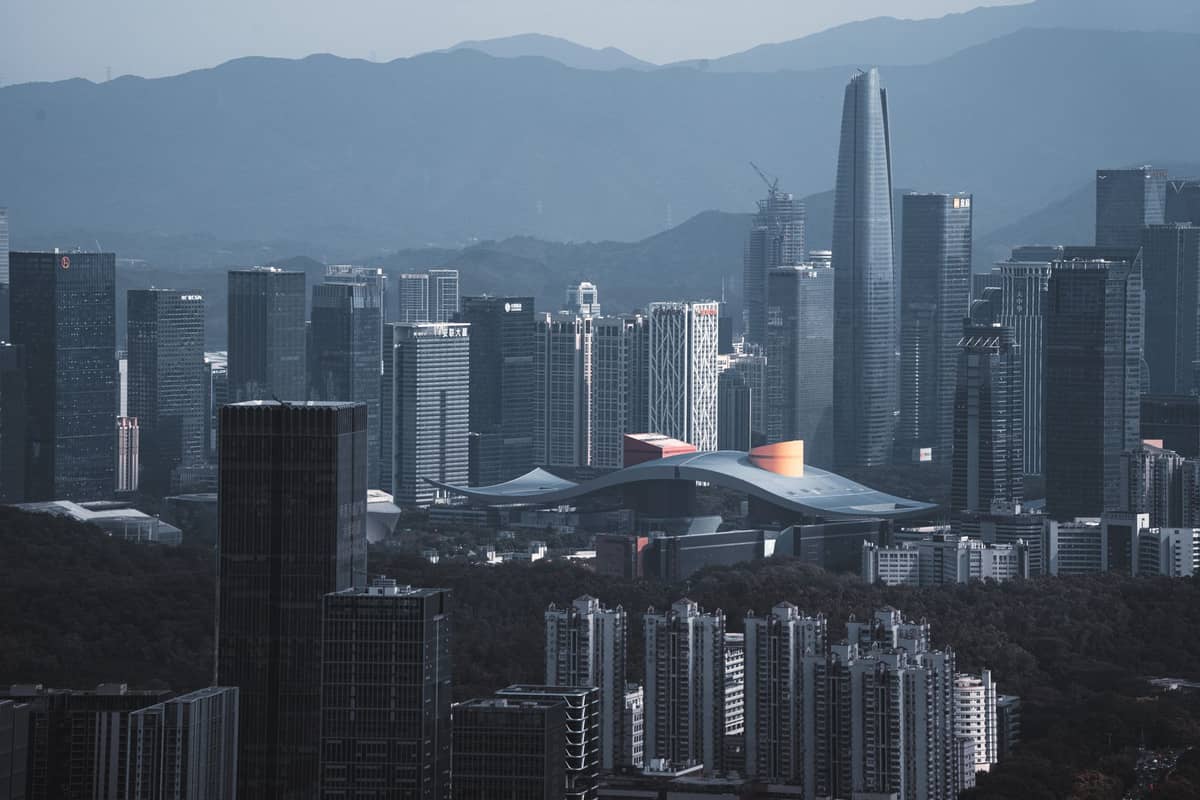
Start the morning at Lianhuashan Park in central Futian. The park sits on an elevated ridge with a clear view of the Shenzhen skyline, and early morning is when locals do tai chi and walk the paths before the heat builds. From the hilltop, the Ping An Finance Centre — the 599-metre Ping An Finance Centre — dominates the northern skyline. Entry to the park is free, and it takes about an hour to walk through properly.
From Futian, take the metro east to Luohu for the afternoon. The Dongmen Pedestrian Street area is Shenzhen's oldest commercial zone and still one of its most densely packed shopping stretches. It's not polished — it's chaotic, local, and genuinely interesting as a window into how the city actually shops. Budget 60 to 90 minutes here. Nearby, Luohu Commercial City directly above the Lo Wu border crossing is famous for tailoring, electronics, and knockoffs — worth a browse, but negotiate everything and manage expectations on quality.
💡 Local tip
For lunch on Day 1, head into the side streets around Dongmen rather than the main strip. You'll find roast goose rice, hand-pulled noodles, and clay pot dishes for under 40 CNY. The main pedestrian street is mostly bubble tea chains and fast fashion.
End Day 1 in the evening at the Shenzhen Civic Center area in Futian. The plaza and surrounding architecture light up at night, and the proximity to Coco Park and the Futian CBD makes it easy to find dinner and a bar without pre-planning. If you want a structured evening, check the Shenzhen nightlife guide for current venue recommendations — the scene changes fast.
Day 2: Nanshan, OCT Loft, and the Western Waterfront
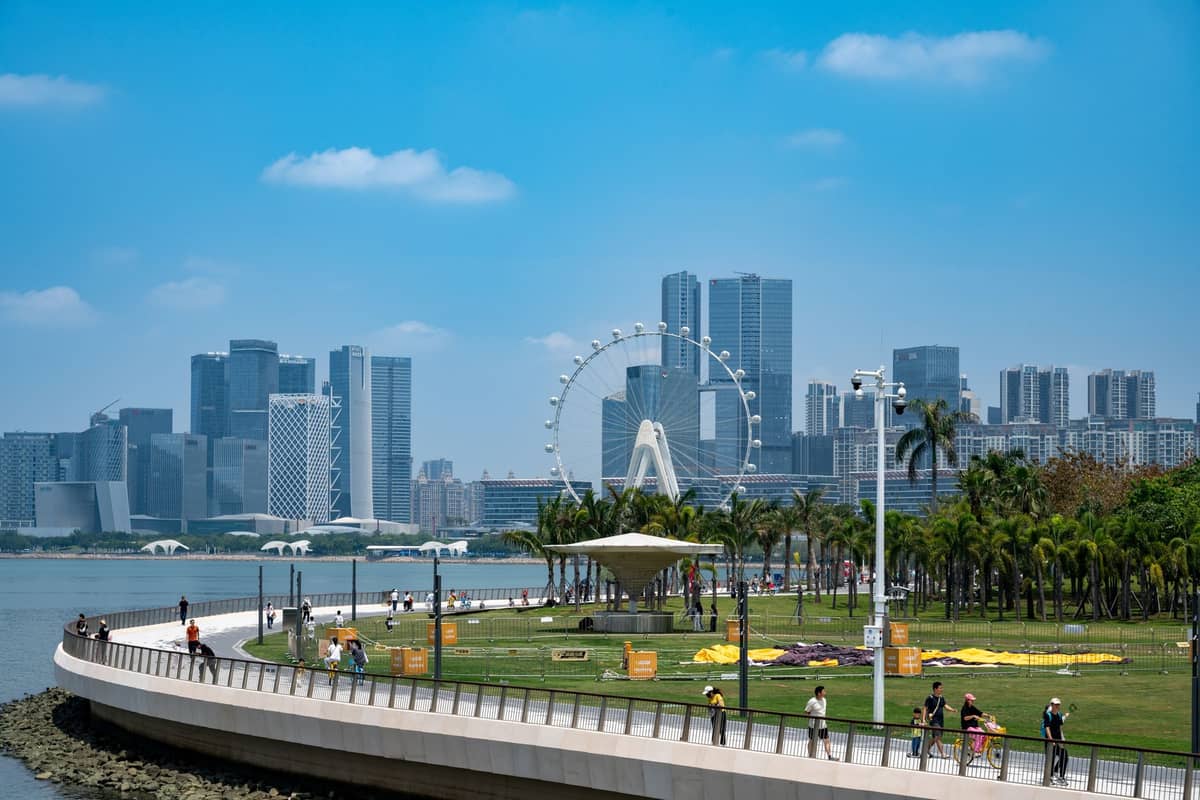
Day 2 shifts west. Start at Shenzhen Bay Park early in the morning. This 15-kilometre coastal park runs along the bay with views across to Hong Kong's New Territories. It's best before 9am when the cycling lanes are clear and the light is soft. Bike rentals are available on-site through shared bike apps. This is one of the few places in Shenzhen where the pace slows down.
From Shenzhen Bay, take the metro north to the OCT district for the afternoon. OCT Loft is a creative cluster built inside a converted industrial site — galleries, independent cafes, design studios, and the occasional pop-up market fill the low-rise blocks. It's Shenzhen's most interesting neighbourhood for contemporary art and independent retail, and the architecture itself is worth the trip. Allow two hours minimum, more if you want to eat and browse properly.
If time allows, add Nantou Ancient City in the afternoon. It's an ancient settlement with more than 1,700 years of history that has been partially absorbed into the surrounding urban fabric, making it a strange and compelling contrast to the towers around it. The renovation has drawn some criticism for being overly curated, but the bones of the old town are genuine. It's about 20 minutes by metro from OCT Loft.
✨ Pro tip
If electronics shopping is on your agenda, swap one afternoon for Huaqiangbei. The SEG Electronics Market and surrounding blocks are the world's largest electronics wholesale district. Go in the morning on a weekday when it's quieter and the dealers are more willing to talk. Read the full Shenzhen electronics shopping guide before you go to avoid paying tourist prices.
Optional Add-Ons for Specific Interests
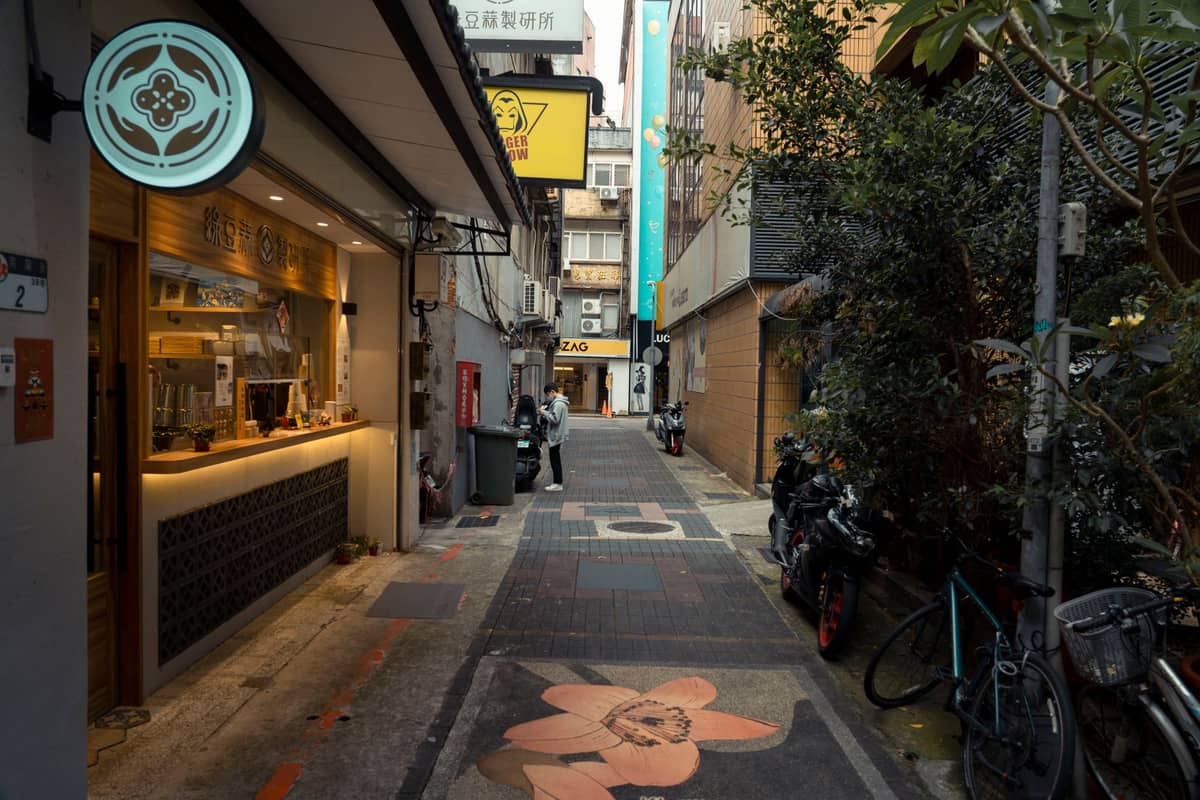
Two days leaves little room for extras, but if your interests lean in a specific direction, these are the best single-stop additions to slot into gaps or extend into a third day.
- Electronics and tech Huaqiangbei Electronics Market in Futian is non-negotiable for anyone interested in hardware, components, or gadgets. Half a day is enough for a meaningful visit; a full day if you're sourcing specific items.
- Art and museums The Shenzhen Contemporary Art Museum and the Shenzhen Natural History Museum (in Longhua) are both serious institutions by any standard. The natural history museum in particular is visually spectacular and suits all ages.
- Hiking and nature Wutong Mountain in the east (Shenzhen's highest peak at 943 metres) and the Xichong-Dongchong coastal trail in Dapeng both require early starts and work best as standalone half-day or full-day trips.
- Day trips Dapeng Fortress and the beaches of Dapeng New District are best saved for a third day or a dedicated trip — the travel time from central Shenzhen makes them impractical as add-ons to a 2-day itinerary.
- Art village Dafen Oil Painting Village in Longgang is China's largest oil painting production base. It divides opinion sharply, but it's unlike anything else and takes about two hours including travel.
Food: What to Eat and Where to Focus
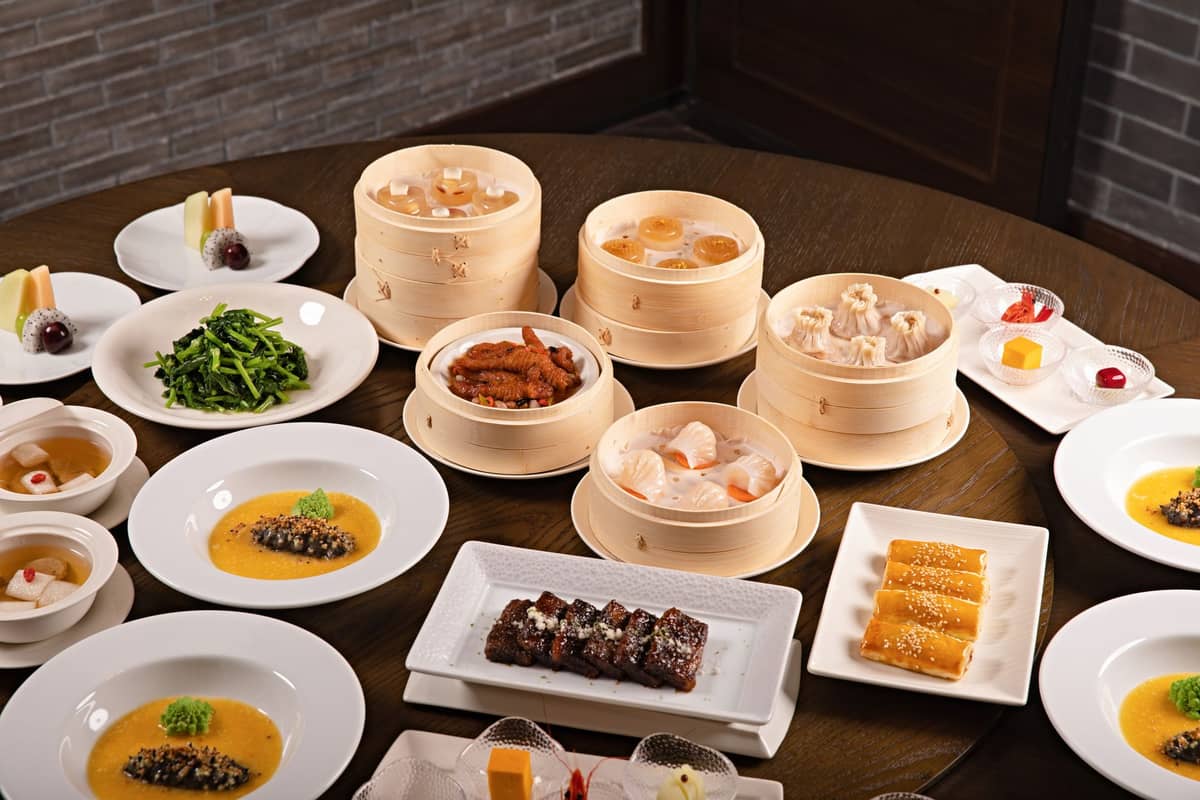
Shenzhen's food scene reflects its migrant character: you'll find credible versions of almost every regional Chinese cuisine within a few metro stops. The Shenzhen food guide covers this in depth, but for a 2-day visit the practical approach is to eat Cantonese at dim sum in the morning (the Futian and Luohu areas have dozens of traditional teahouses), Sichuan or Hunanese for dinner, and street food from Dongmen or the night markets for snacks.
Avoid the tourist-facing restaurants attached to major attractions like Window of the World or Splendid China Folk Village — the food is overpriced and poor quality by local standards. The best eating in Shenzhen happens in the urban villages (城中村, chéngzhōngcūn) scattered through every district: dense, low-rise residential pockets where rents are low and the cooking is aimed at locals. Baishizhou (near OCT), Shawei (in Futian), and Yumin (near Luohu) are all walkable from metro stations.
Practical Tips for Getting the Most from 2 Days
- Buy a Shenzhen Tong transit card at any metro station on arrival — it works on metro and buses, and gives a small per-ride discount over single tickets.
- Start both days before 9am. Shenzhen's parks and streets are pleasant in the early morning; by 10am the heat and crowds build significantly from April through October.
- Google Maps does not function reliably in mainland China. Download Amap (高德地图) or Baidu Maps before arrival, or use Apple Maps which has reasonable China coverage.
- Tap water is not safe to drink without boiling or filtration. Bottled water is cheap and widely available; convenience stores like FamilyMart and 7-Eleven are everywhere.
- Tipping is not customary in mainland China. In restaurants, tea houses, and taxis, no tip is expected or needed.
- Electricity is 220V with Type A, C, and I plug types. North American and European visitors will likely need adapters for some devices.
- Emergency numbers: 110 for police, 120 for ambulance, 119 for fire. Country dialing code is +86.
ℹ️ Good to know
Shenzhen's metro generally runs from around 6:30am to 11pm, with slight variations by line and direction. Check the Shenzhen Metro official app or website for current timetables, especially if you have an early airport departure or late return.
If this 2-day visit leaves you wanting more, Shenzhen has legitimate depth beyond the standard circuit. The Shenzhen hidden gems guide covers the places that don't appear on most itineraries, and the day trips from Shenzhen guide maps out options for extending into the surrounding region, including Guangzhou, Zhuhai, and the Dapeng Peninsula.
FAQ
Is 2 days enough time in Shenzhen?
Two full days is enough to cover the main districts and get a genuine sense of the city without rushing. You'll see Futian, Luohu, Nanshan, and OCT comfortably. A third day is useful if you want to add Dapeng, a hike, or more time in Huaqiangbei, but it's not necessary for a satisfying first visit.
What is the best way to get around Shenzhen in 2 days?
The Shenzhen Metro is the most efficient option for this itinerary. Buy a Shenzhen Tong card at any station for discounted fares. Taxis and Didi (ride-hailing) are useful for shorter gaps between stops or late-night travel when metro service has ended.
Do I need a visa to visit Shenzhen?
Visa requirements depend on your nationality and how you enter. There are standard Chinese visas and various transit exemptions. Rules change periodically and differ significantly by passport. Always verify with the official Chinese embassy or consulate for your country before booking travel.
What is the best time of year for a 2-day Shenzhen trip?
October to December offers the most reliable weather: mild temperatures, lower humidity, and minimal rainfall. March to May (spring) is also a good window before the monsoon builds. Avoid June through September if outdoor activities are a priority — summer brings heavy rain, high humidity, and typhoon risk that can disrupt plans without warning.
Can I use credit cards and English in Shenzhen?
English is limited outside major hotels and some tourist attractions — download a translation app and learn a few Mandarin phrases. For payments, foreign credit cards are largely impractical at shops and restaurants. Set up WeChat Pay or Alipay linked to an international card before arrival, or carry enough CNY cash. ATMs in larger shopping malls and hotels usually accept international cards.