Hong Kong to Shenzhen: The Complete Border Crossing Guide
Getting from Hong Kong to Shenzhen is straightforward once you know which crossing suits your itinerary. This guide covers every route — high-speed rail, MTR foot crossings, and 24-hour options — with realistic queue times, operating hours, and practical advice for first-timers.
Plan and book this trip
Tools from our partner Travelpayouts help you compare flights and hotels. If you book through them, we may earn a commission at no extra cost to you.
Flights
Hotels map
TL;DR
- Five main crossing options exist: Lo Wu, Lok Ma Chau/Futian, Shenzhen Bay, Huanggang, and the West Kowloon high-speed rail.
- The West Kowloon to Futian high-speed rail is the fastest route at around 14 minutes, costing approximately CNY 70–100 / HKD 80–110 depending on class.
- Huanggang is the only land crossing widely cited as operating 24 hours; most others close between 22:00 and midnight.
- Peak queues at Lo Wu on weekend mornings can be lengthy — plan to arrive early or use an alternative crossing.
- Once in Shenzhen, the metro connects all major districts — see getting around Shenzhen for full transport options.
Before You Cross: Visa and Entry Requirements
The border crossing itself does not replace the need for valid China entry permission. Most nationalities require a Chinese visa obtained in advance, though visa-free arrangements and specific transit schemes do exist for certain passport holders. Requirements change periodically, so check with the Chinese Embassy or consulate for your nationality well before travel. Hong Kong residents and holders of certain permit types have different rules again. Do not assume that because you are crossing from Hong Kong — which operates under a separate immigration system — that standard China entry rules do not apply.
⚠️ What to skip
Visa policy is time-sensitive and nationality-specific. Always verify current entry requirements directly with official sources before your trip. The rules that applied six months ago may have changed.
Once inside Shenzhen, you are on mainland China territory. The currency switches from Hong Kong dollars (HKD) to Chinese yuan/renminbi (CNY), mobile payment apps like Alipay and WeChat Pay dominate transactions, and Google, WhatsApp, and many Western apps are blocked without a VPN. Download any necessary apps — including offline maps and a VPN if needed — before you leave Hong Kong.
The Five Main Crossing Options
Each crossing serves a different part of the city and operates on different hours. Choosing the right one saves time on both ends of the journey. Here is a breakdown of the five routes most travelers use.
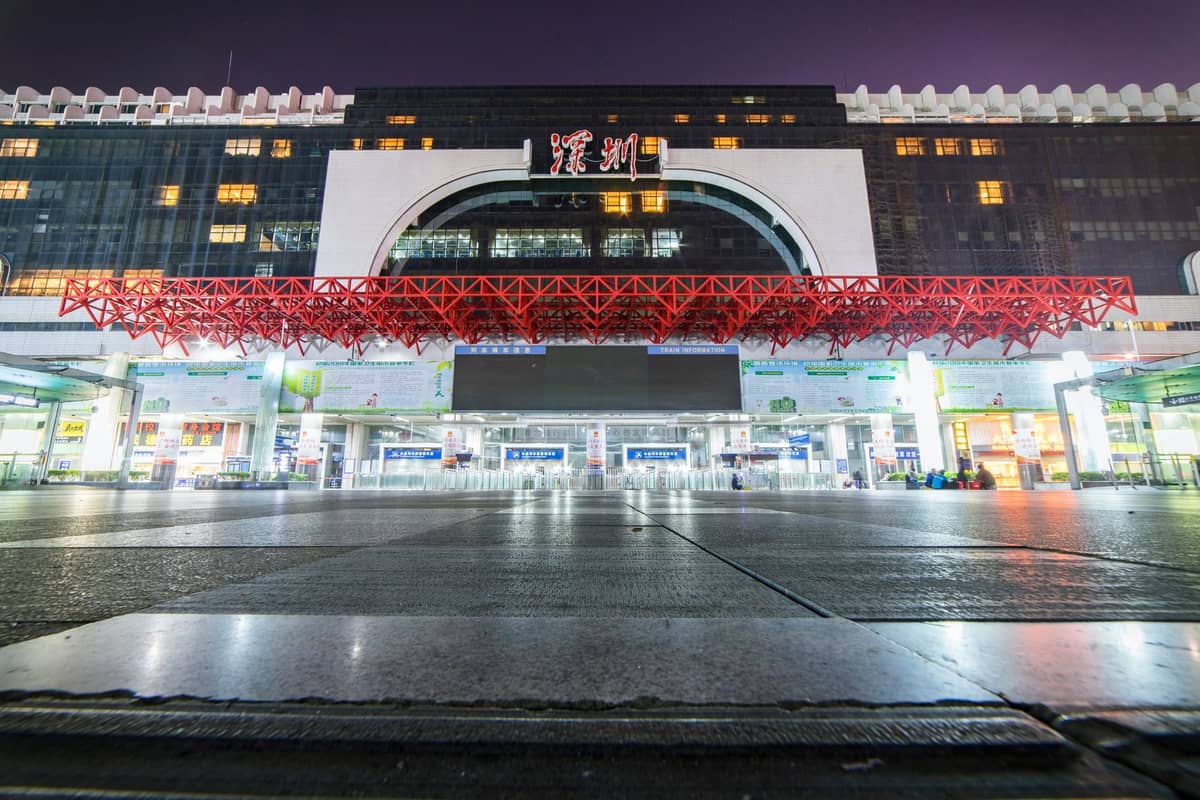
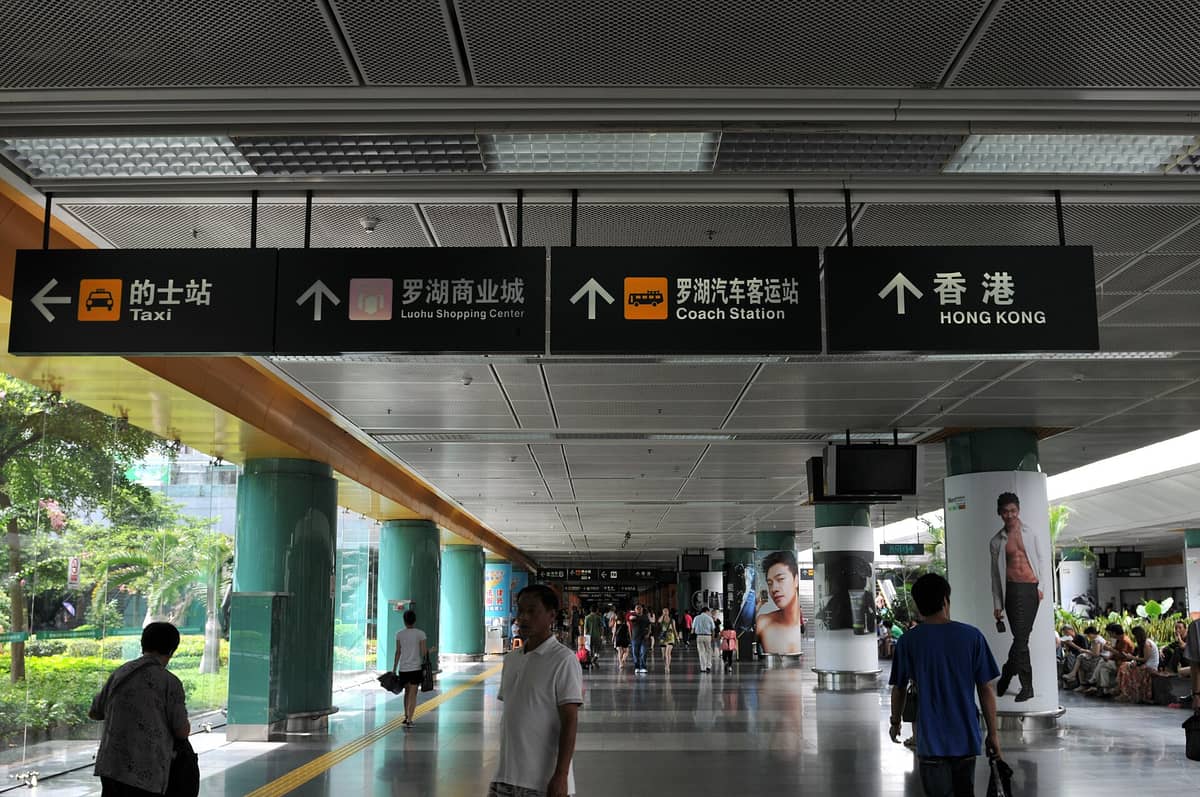
- Lo Wu (Luohu) The most popular foot crossing for independent travelers. Reached via MTR East Rail Line from Hung Hom or Admiralty. Operating hours are approximately 06:30–24:00. On the Shenzhen side, you exit directly into Luohu Commercial City and connect to Luohu metro station. Queue times off-peak run 20-40 minutes; on weekend mornings expect 60-120 minutes.
- Lok Ma Chau / Futian Also on the MTR East Rail Line, one stop before Lo Wu. The Futian crossing connects to Futian metro station in Shenzhen's central business district, making it convenient for travelers heading to Futian or Nanshan. Operating hours are roughly 06:30–22:00, so it closes earlier than Lo Wu.
- Shenzhen Bay (Shenzhen Bay Port) A road and pedestrian crossing that connects to western Shenzhen and is popular for travelers heading to Nanshan, Shekou, or the tech districts. Immigration is processed on the Hong Kong side of the bridge (co-location arrangement). Cross-boundary coaches serve this port from various Hong Kong areas.
- Huanggang The only land crossing commonly cited as operating 24 hours, making it the go-to option for late-night or early-morning crossings. Primarily serves vehicles and coaches but can be reached on foot with connecting transport. Located opposite Futian district on the Shenzhen side.
- West Kowloon High-Speed Rail (XRL) The fastest option. Guangzhou-Shenzhen-Hong Kong Express Rail Link departs from West Kowloon Station and reaches Futian in approximately 14 minutes and Shenzhen North in around 23 minutes. Fares are approximately CNY 70–100 / HKD 80–110 to Futian depending on class. Immigration is handled at West Kowloon Station before boarding.
✨ Pro tip
If you are heading to Futian's CBD or Nanshan's tech district, the high-speed rail from West Kowloon to Futian station is significantly faster than queuing at Lo Wu and then riding the metro. The price premium over the MTR crossing is small relative to the time saved.
Which Crossing Should You Actually Use?
The right crossing depends on three things: where you are staying in Hong Kong, where you are going in Shenzhen, and what time you are traveling. There is no single best option for everyone.
For travelers staying in Kowloon or on the MTR East Rail Line, Lo Wu is the path of least resistance for Luohu and central Shenzhen. For those heading to Nanshan or Shekou, Shenzhen Bay Port often makes more geographic sense, since you arrive on the western side of the city and avoid a long metro ride across town.
For a day trip focused on Futian or the Huaqiangbei electronics market, the high-speed rail to Futian station puts you within metro reach of both destinations in under 30 minutes total from West Kowloon.
Traveling late at night or needing flexibility around an unpredictable schedule? Huanggang's 24-hour operation makes it the only reliable option outside standard hours. Budget extra time for reaching the crossing and connecting to your destination on the Shenzhen side, since it is not the most pedestrian-friendly port.
Queue Times and When to Cross
Queue times at land crossings vary enormously depending on the day and hour. At Lo Wu, the busiest pedestrian crossing, off-peak weekday crossings typically take 20-40 minutes door-to-door through immigration. Weekend mornings — particularly Saturday and Sunday between 09:00 and 13:00 — can push that to 60-120 minutes. Friday evening and Sunday evening return crossings from Shenzhen to Hong Kong are especially congested.
Chinese public holidays and Golden Week periods (early October and late January to February for Spring Festival/Chinese New Year) are the worst times for border queues. During these windows, waits of two hours or more at major crossings are not unusual. If your dates overlap with a mainland Chinese public holiday, either use the high-speed rail or cross very early in the morning.
💡 Local tip
Crossing before 09:00 on weekdays consistently offers the shortest queues at Lo Wu and Lok Ma Chau. If you can start early, you will clear immigration faster and arrive in Shenzhen with most of the day ahead of you.
Getting Around Shenzhen After You Cross
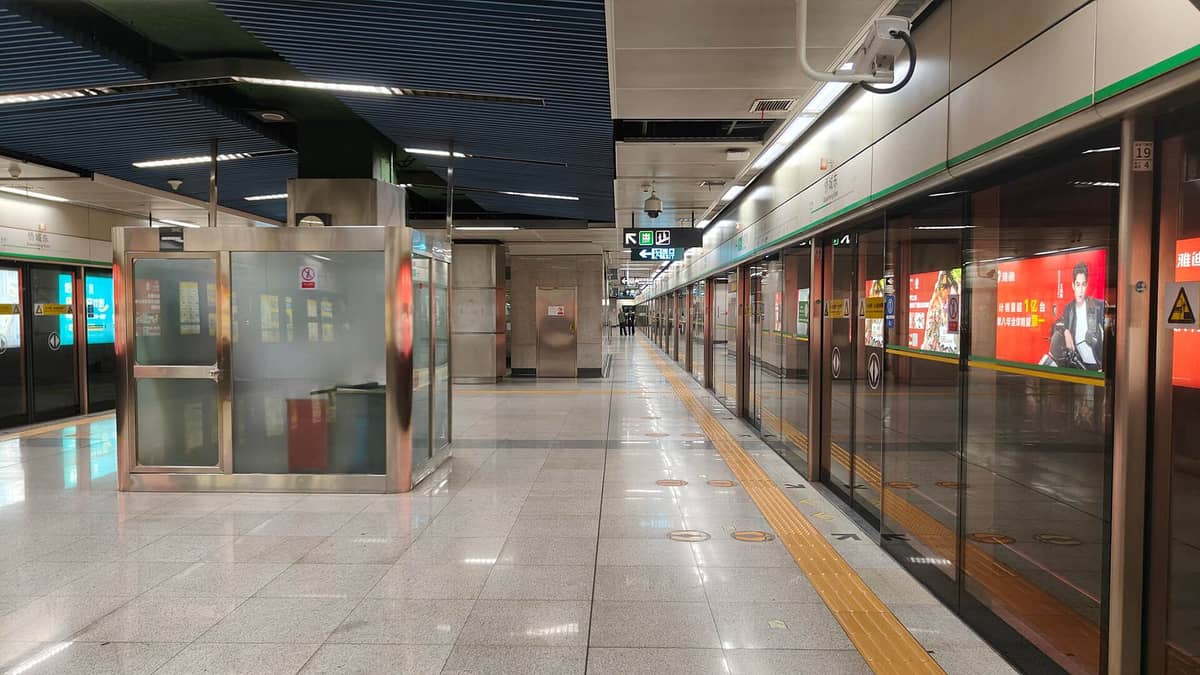
Shenzhen has an extensive metro network that connects all the major districts. From Lo Wu/Luohu, you are already at a metro hub on Line 1, which runs west through Huaqiangbei, Futian, and on toward Nanshan and the bay area. From Futian station (high-speed rail arrival), Lines 2, 3, and 11 fan out across the city. For a full overview of metro lines, buses, and taxis, the getting around Shenzhen guide covers every option with fare ranges and route logic.
Ride-hailing via Didi works in Shenzhen and is often easier than hailing a taxi if you do not speak Mandarin, since you can enter your destination in the app without a conversation. However, you will need a Chinese phone number to register, and payment is typically via WeChat Pay or Alipay. Set these up before crossing if you plan to use ride-hailing frequently.
Cash in CNY is still accepted at most businesses, but mobile payment has become the dominant method in Shenzhen. ATMs accepting international cards are available at border areas and major metro stations. For where to base yourself once across the border, the where to stay in Shenzhen guide breaks down the best districts by budget and travel style.
What to Do Once You Are in Shenzhen
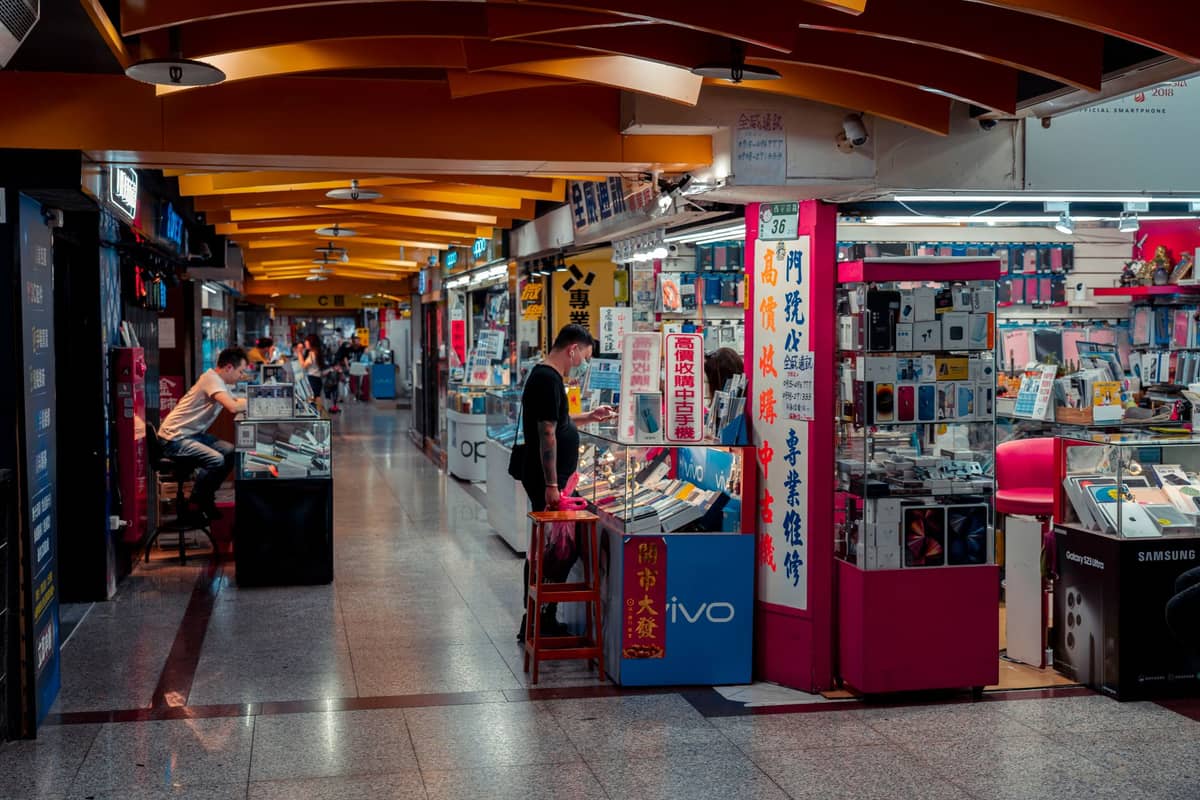
If this is your first time crossing, Shenzhen rewards exploration well beyond the border zone. Luohu itself has the famous Luohu Commercial City for clothing and goods shopping, but the city's range extends much further. The tech shopping at Huaqiangbei in Futian is unlike anything in Hong Kong, and the contemporary arts scene around OCT-LOFT in Nanshan is worth an afternoon.
For a focused one-day itinerary, the 2 days in Shenzhen guide structures the key sights efficiently. Day-trippers from Hong Kong typically have 8-10 usable hours after crossing and returning, which is enough to cover two or three districts if the metro is used well. Those planning to spend more time should also check the things to do in Shenzhen roundup for a broader view of what the city offers.
- Huaqiangbei electronics market: the world's largest electronics wholesale zone, best visited on weekday mornings
- Shenzhen Bay Park: a long waterfront promenade with views across to Hong Kong — free entry, most pleasant in the cooler months
- Dafen Oil Painting Village in Longgang: a working artist colony producing thousands of paintings daily, accessible by metro
- OCT-LOFT creative district: converted factory spaces housing galleries, cafes, and independent design shops
- Dapeng Fortress and the eastern coastline: for travelers with a full day and interest in history combined with beaches
ℹ️ Good to know
Shenzhen operates on China Standard Time (UTC+8), the same as Hong Kong, so there is no time zone adjustment to account for when planning your day.
FAQ
How long does it take to get from Hong Kong to Shenzhen?
The high-speed rail from West Kowloon to Futian takes approximately 14 minutes once you are on the train. Allow 30-45 minutes total including check-in and immigration at West Kowloon Station. Via the MTR East Rail to Lo Wu, travel time is around 40-50 minutes from Hung Hom, plus 20-120 minutes for immigration depending on queues.
Do I need a visa to cross from Hong Kong to Shenzhen?
Most foreign nationals require a valid Chinese visa to enter Shenzhen. Holding a Hong Kong visa or residency does not automatically grant mainland China entry. Some nationalities are eligible for visa-free access or specific transit arrangements, but these change frequently. Always verify the current rules for your passport at the Chinese Embassy or official government sources before traveling.
What is the best border crossing for the Shenzhen to Hong Kong train route?
The West Kowloon high-speed rail via Futian or Shenzhen North station is the fastest and most comfortable option in both directions. For those already in Luohu or central Shenzhen, the Lo Wu/MTR crossing is the most practical foot-crossing route back to Hong Kong.
Which Shenzhen border crossing is open 24 hours?
Huanggang is the crossing most consistently cited as operating 24 hours for passengers and vehicles. Other land crossings including Lo Wu and Lok Ma Chau have fixed operating hours, generally closing between 22:00 and midnight. Always verify current hours before planning a late-night or early-morning crossing.
What currency should I bring for Shenzhen?
Chinese yuan (CNY / renminbi) is the currency in Shenzhen. While some businesses near the border may accept Hong Kong dollars, the exchange rate offered is usually unfavorable. Mobile payment via Alipay or WeChat Pay is dominant across the city, so setting up one of these apps with a linked card before crossing will make daily transactions significantly easier.