Getting Around Shenzhen: Metro, Transport & Practical Map Guide
Shenzhen has one of the most extensive metro systems in China, plus buses, taxis, and ride-hailing to fill the gaps. This guide breaks down every transport option, from airport arrival to cross-city metro trips, so you can move around confidently from day one.
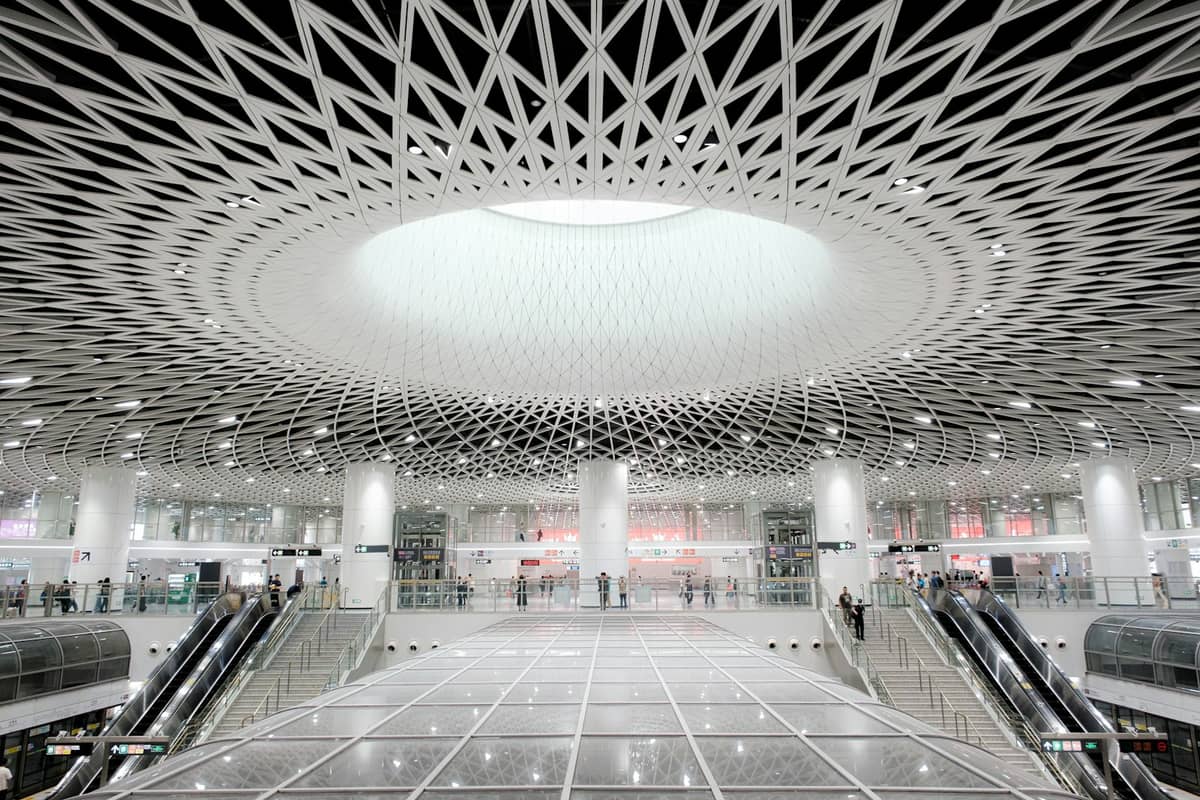
Plan and book this trip
Tools from our partner Travelpayouts help you compare flights and hotels. If you book through them, we may earn a commission at no extra cost to you.
Flights
Hotels map
TL;DR
- The Shenzhen Metro has 17 lines and over 420 stations — it covers almost every major destination a visitor needs, with fares from ¥2 to around ¥15 based on distance.
- Most metro lines run approximately 6:00 AM to 11:00 PM; check the SZMC official site for exact first and last train times on your specific line.
- Shenzhen Bao'an International Airport (SZX) is connected to the metro network — metro is the cheapest airport transfer option, while taxis and Didi cost more but save time depending on your destination district. See our full budget travel guide for fare comparisons.
- Alipay or WeChat Pay are the smoothest ways to pay for metro rides; physical Shenzhen Tong transit cards and single-journey tickets are also available at station machines.
- If you are planning your broader trip, pair this guide with a 2-day Shenzhen itinerary to map your transport needs against your sightseeing priorities.
Understanding Shenzhen's Geography Before You Travel
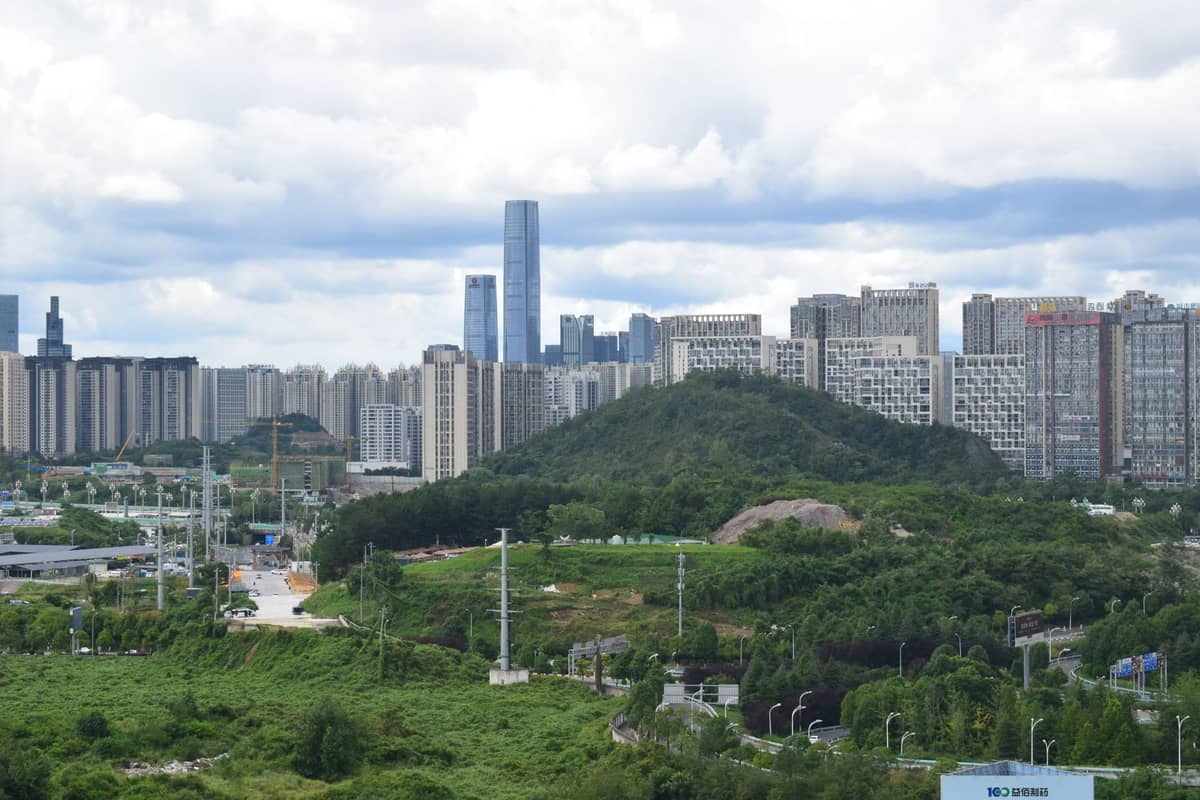
Shenzhen covers roughly 1,997 km² and is divided into ten districts, each with its own character and transport demands. Futian is the central business and administrative core. Luohu, the older district bordering Hong Kong, has major rail connections and a famous commercial market. Nanshan, on the western side, houses the tech industry and most international hotels. Bao'an District in the northwest is where the airport sits. The eastern districts — Longgang, Yantian, Pingshan, and Dapeng New District — are further from the core and require more planning to reach, especially if you're targeting beaches or coastal trails.
Getting your mental map right before arrival saves real time. The city stretches roughly 50 km from west to east, so a cross-city metro ride can take 60–80 minutes. If you're combining, say, a morning at Huaqiangbei Electronics Market in Futian with an afternoon at Xichong Beach in the east, budget at least 90 minutes of transit each way. This is not a compact city — it rewards advance planning.
💡 Local tip
Download an offline Shenzhen metro map before you land. The SZMC official app (available in English) and Moovit both work without a VPN. Google Maps functions unreliably in mainland China — use Baidu Maps or Amap (Gaode) for street-level navigation.
The Shenzhen Metro: Your Core Transport Network
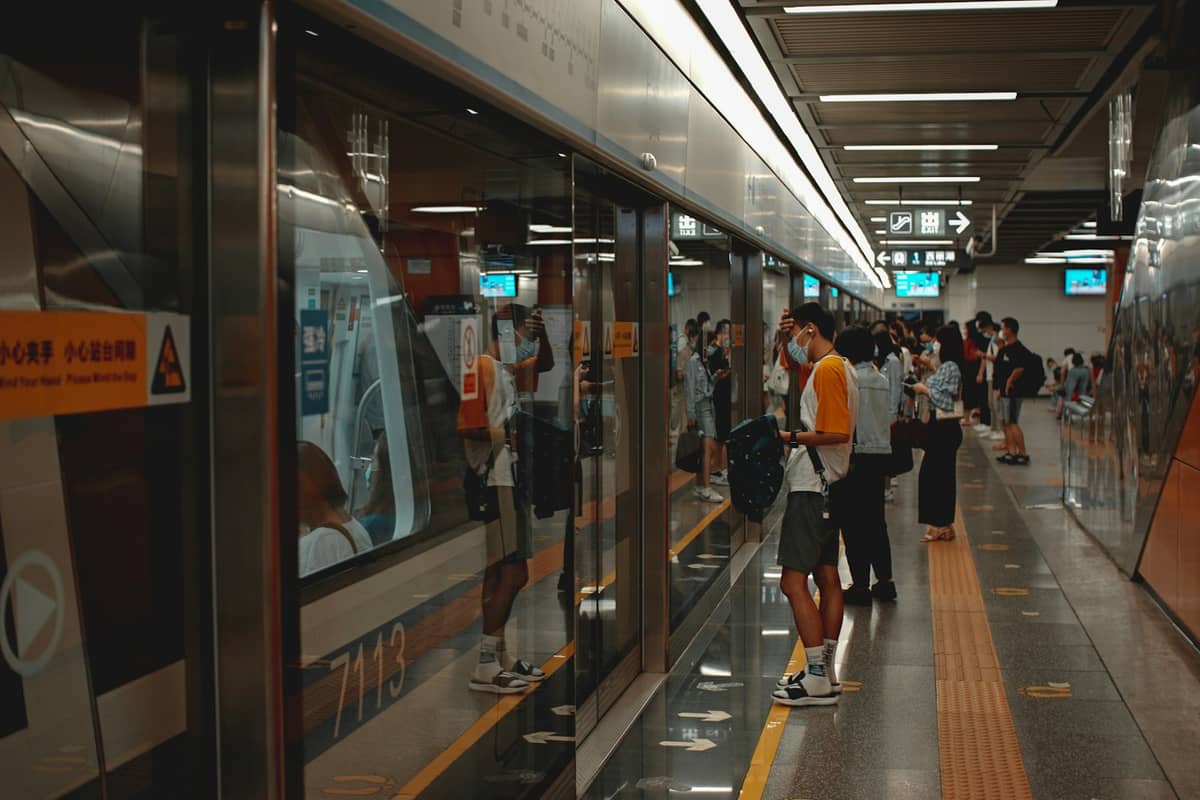
The Shenzhen Metro (operated by Shenzhen Metro Group, SZMC) is the backbone of city transport. With 17 lines and more than 420 stations in service, it reaches every major district in the urban core and connects to key interchange hubs including Shenzhen North, Futian, and Luohu. The system is clean, air-conditioned, and generally reliable — a significant advantage in a city where summer temperatures regularly exceed 32°C.
Fares are distance-based, not flat. Short trips start at ¥2, and most journeys a tourist would make fall in the ¥2–¥10 range. Long cross-city rides can reach ¥15 or more. This is one of the most common misconceptions among first-time visitors — the metro is not a flat ¥2 ride regardless of distance. Check the fare before you tap in at a machine if you're budgeting carefully. Most lines operate from approximately 6:00 AM to 11:00 PM, but first and last train times vary by line and direction, so verify at szmc.net for your specific journey.
- Payment options Alipay or WeChat Pay (scan QR at turnstile), Shenzhen Tong transit card (purchase at any station), or single-journey tokens from ticket machines. Cards and machines have English-language options.
- Key interchange stations Shenzhen North (intercity high-speed rail), Futian (cross-border to Hong Kong via MTR), Luohu (border crossing, buses), Chegongmiao and Huaqianglu (central transfers).
- Airport connection Bao'an International Airport (SZX) is served by the metro — currently via Line 11 (Airport Express) connecting to the city core. Journey time to Futian is roughly 40–55 minutes.
- Crowd patterns Weekday rush hours (7:30–9:30 AM and 5:30–7:30 PM) are genuinely crowded on core lines. Weekend afternoons see heavy leisure traffic, particularly on lines serving shopping districts and parks.
- Holiday periods Chinese national holidays (Golden Week in October, Chinese New Year in January/February) bring significantly heavier loads. Trains run more frequently but still fill quickly — carry your luggage compactly.
⚠️ What to skip
Do not rely on Google Maps for metro navigation inside Shenzhen. It frequently shows outdated routes or fails to load. Use the official SZMC app, Moovit, or Trip.com's Shenzhen metro guide for accurate journey planning.
Getting From Shenzhen Bao'an Airport to the City
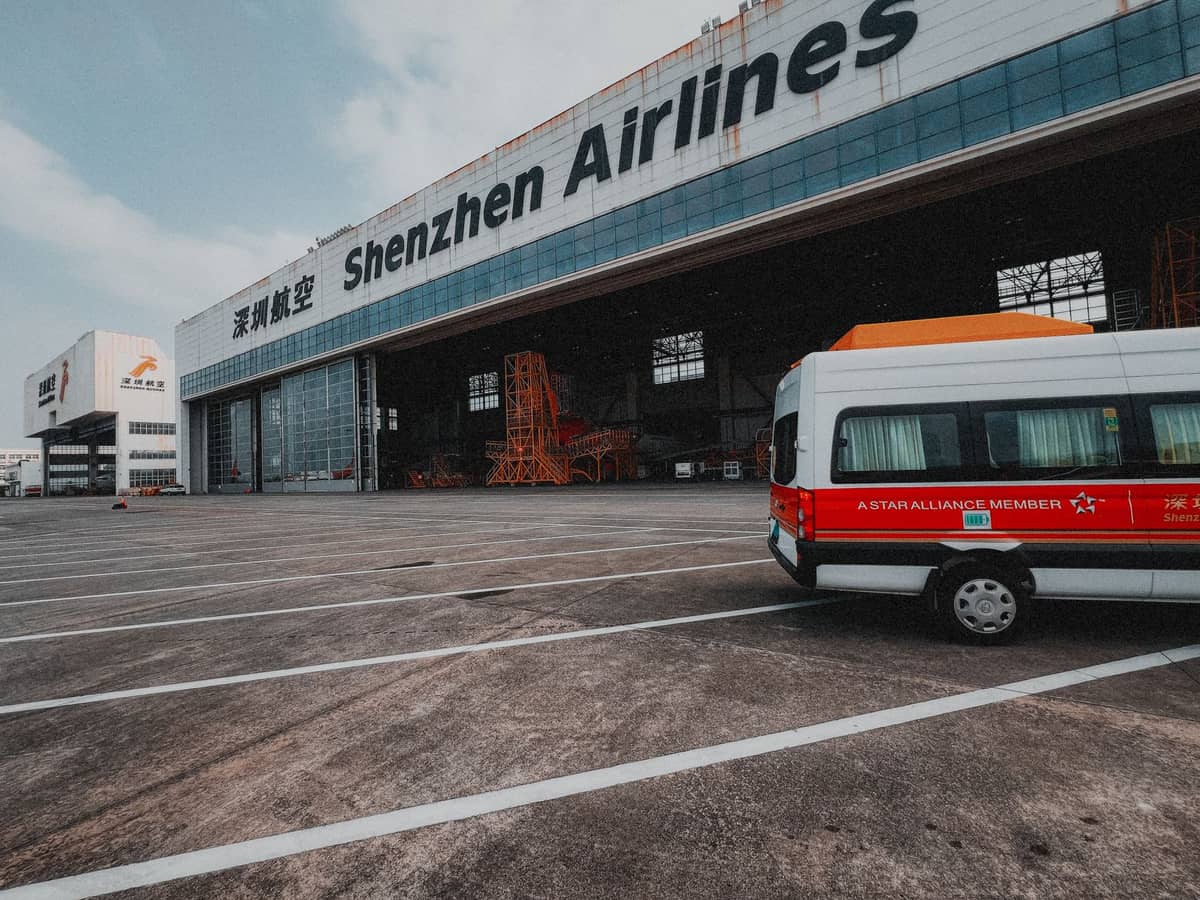
Shenzhen Bao'an International Airport (IATA: SZX) sits in Bao'an District in the city's northwest. It handles both domestic and international flights, including connections from Hong Kong, Southeast Asia, Japan, and some international destinations. Your four main options for reaching the urban core are metro, airport bus, taxi, and ride-hailing via Didi.
- Metro (Line 11 Airport Express) The cheapest option. Runs directly to central stations including Futian and beyond. Fares are distance-based (expect ¥8–¥12 to central Futian). Journey to the core city takes 40–55 minutes. Good choice if you're traveling light.
- Airport Shuttle Bus Multiple routes serve different districts and major hotels. Cheaper than a taxi, but slower due to stops. Useful if your accommodation is near a designated shuttle stop — check the airport's current route list on arrival.
- Taxi Metered taxis are available at the designated rank outside arrivals. Journey to Futian or Nanshan typically costs ¥80–¥150 depending on traffic and exact destination. Nighttime surcharges and tolls may apply. Expect 45–70 minutes in normal traffic, longer during peak hours.
- Didi (Ride-hailing) China's dominant ride-hailing app. Prices are broadly similar to or slightly below taxis for the same route. Set up Didi before you land — it requires a Chinese phone number or international registration, and payment via Alipay or WeChat Pay. The English interface works reasonably well.
✨ Pro tip
If you're arriving from Hong Kong and heading to central Shenzhen, the Futian or Luohu border crossings (served by MTR and Hong Kong trains) can often be faster and cheaper than flying into SZX. The Guangzhou-Shenzhen-Hong Kong Express Rail Link connects Hong Kong West Kowloon to Futian in about 14 minutes (Shenzhen North in around 20–23 minutes).
Buses, Taxis, and Ride-Hailing: Filling the Gaps
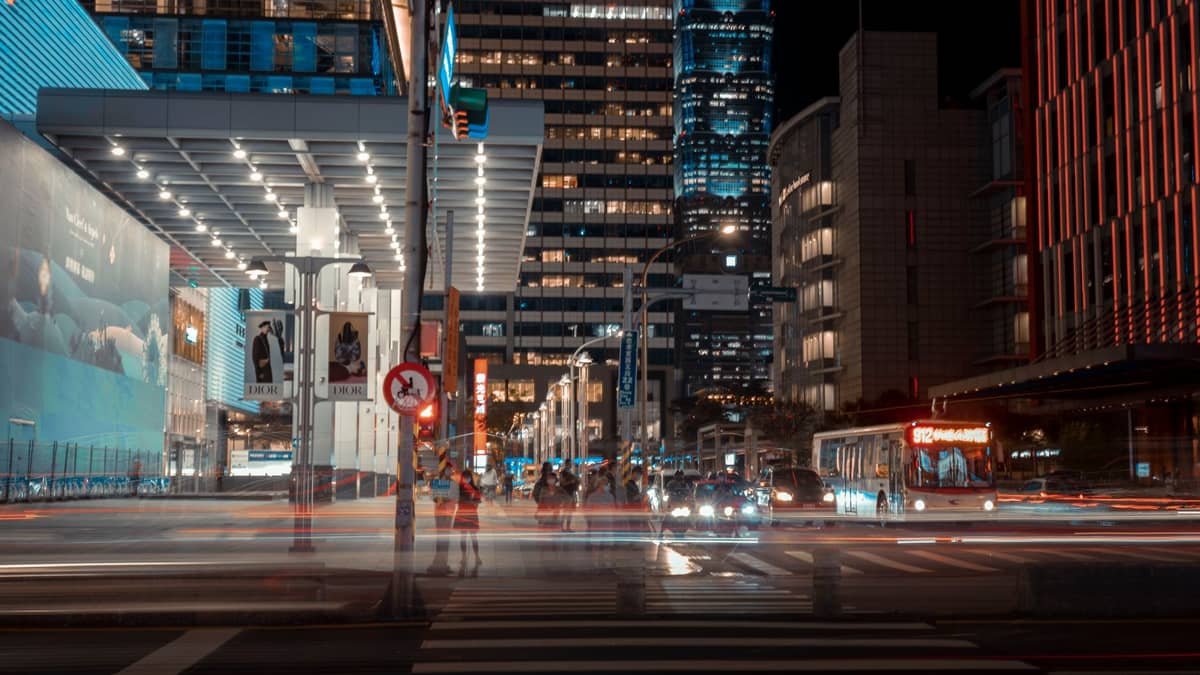
The metro doesn't cover every corner of a nearly 2,000 km² city, and several worthwhile destinations sit outside the current network. Shenzhen's municipal bus system is extensive — hundreds of routes cover areas the metro doesn't reach, including parts of Longgang, outer Dapeng, and village-level attractions. Bus fares are low, and payment is easy with a transit card or mobile pay. The challenge for most visitors: bus route signage and announcements are primarily in Mandarin, and real-time English information is limited. Apps like Amap show bus routes, but navigating them takes patience.
For destinations like Dapeng Fortress or the coastal beaches at Dongchong Beach, a combination of metro to the nearest interchange station followed by a Didi or local bus is the most practical approach. Trying to reach the far east of the city purely by bus from the center takes significantly longer than expected — plan for 2 hours of transit time from Luohu or Futian.
Taxis in Shenzhen use meters and are generally reliable within the urban core. Most drivers speak limited English, so having your destination written in Chinese characters (screenshot from Baidu Maps or Amap works well) avoids confusion. Tipping is not customary in mainland China — round up if you want, but drivers do not expect it. Didi is often the easier option for visitors because you can enter your destination in the app without needing to communicate directly, and the fare is shown upfront.
Getting to Shenzhen from Hong Kong and Beyond
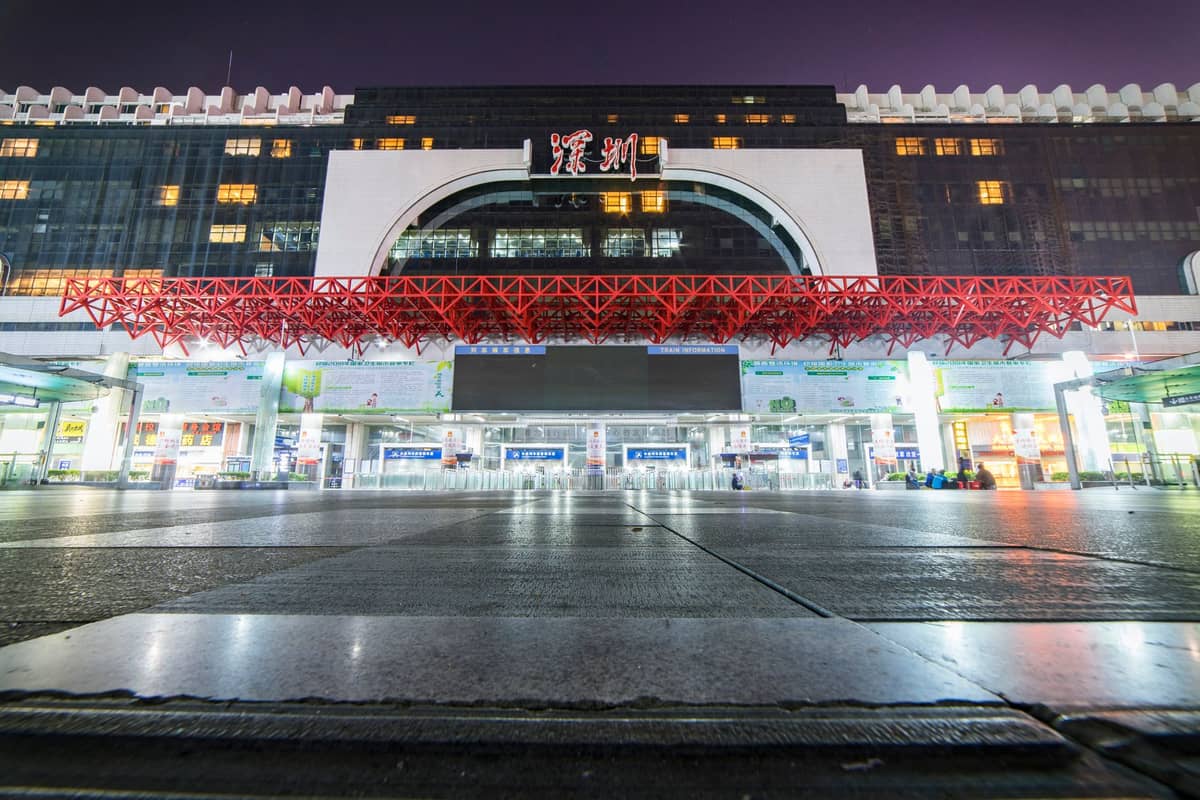
Shenzhen's proximity to Hong Kong makes cross-border travel routine. The city has multiple border crossings, with Luohu and Futian (Lok Ma Chau) being the most visitor-friendly. The MTR East Rail Line connects Hong Kong to the Luohu crossing at Lo Wu, while the Express Rail Link reaches Shenzhen North directly. Our dedicated Hong Kong to Shenzhen transport guide covers every crossing option in detail, including timing, costs, and what to expect at immigration.
For domestic arrivals, Shenzhen North Station is a major stop on the national high-speed rail network, with frequent trains to Guangzhou (around 30–40 minutes), and longer services to Beijing, Shanghai, and beyond. The station connects directly to the metro, making onward city travel straightforward. Shenzhen Station in Luohu is the older terminus serving slower intercity routes.
District-by-District Transport Reality Check
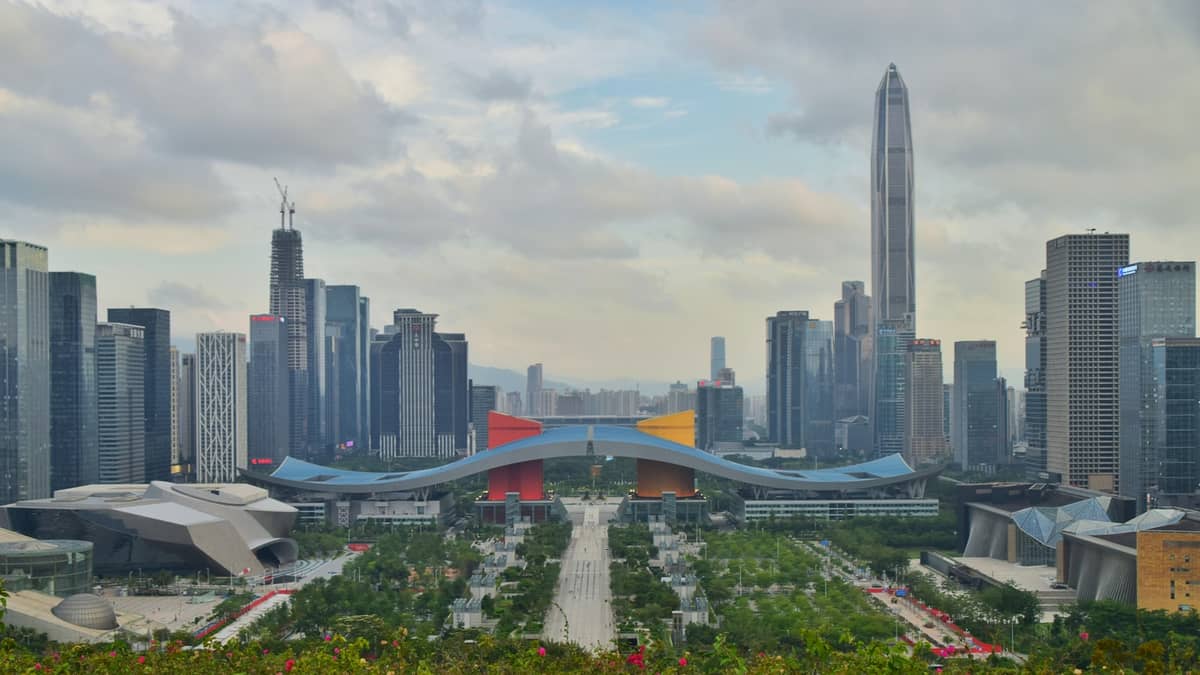
Where you stay significantly affects how easy getting around will be. Futian Futian and Luohu are the best-connected districts — multiple metro lines intersect here, and almost everything in the urban core is within 40 minutes. Nanshan is well served on Line 1 and the new lines, good for the tech and OCT Loft area. Staying in Bao'an near the airport makes sense only if you have early departures — the commute to central Shenzhen adds 45–60 minutes each way.Luohu are the best-connected districts — multiple metro lines intersect here, and almost everything in the urban core is within 40 minutes. Nanshan is well served on Line 1 and the new lines, good for the tech and OCT Loft area. Staying in Bao'an near the airport makes sense only if you have early departures — the commute to central Shenzhen adds 45–60 minutes each way.
The eastern districts are the trickiest. Dapeng New District The eastern districts are the trickiest. Dapeng New District has no direct metro access as of writing — getting there involves metro to a transfer point followed by bus or Didi. Allow at least 90–120 minutes from central Shenzhen. This doesn't make the area not worth visiting (the coastline and fortress are impressive), but it does mean you should dedicate a full day and use our to combine multiple eastern attractions in one trip rather than making repeated journeys. getting there involves metro to a transfer point followed by bus or Didi. Allow at least 90–120 minutes from central Shenzhen. This doesn't make the area not worth visiting (the coastline and fortress are impressive), but it does mean you should dedicate a full day and use our Shenzhen hiking guide to combine multiple eastern attractions in one trip rather than making repeated journeys.
ℹ️ Good to know
Shenzhen operates on China Standard Time (UTC+8) year-round — no daylight saving adjustments. If you're crossing from Hong Kong (also UTC+8), there's no time difference, which makes logistics easier. From most of Europe, you're 7–8 hours behind; from the US East Coast, 12–13 hours behind.
- Store your accommodation address in Chinese characters in your phone before you arrive — essential for taxis and Didi
- Set up Alipay or WeChat Pay before landing: both link to international cards and cover metro, buses, taxis, Didi, and almost all retail
- The Shenzhen Tong transit card (purchased at any metro station) works on metro and most buses — a practical alternative if mobile payment setup is not working
- Verify metro operating hours for your specific line and direction at szmc.net, especially if catching early morning connections or late-night flights
- Chinese national holidays (especially Golden Week and Chinese New Year) add significant crowd and congestion to all transport modes — book intercity trains well in advance
For a fuller picture of everything you can do once you're oriented, the complete Shenzhen things to do guide covers attractions across all major districts, organized so you can plan efficient routes rather than zigzagging across the city.
FAQ
How do I read the Shenzhen metro map?
The Shenzhen metro map is color-coded by line number. Each line has a number (Line 1, Line 2, etc.) and a distinct color. Station names are displayed in both Chinese and pinyin (romanized Chinese) at stations and on official maps. Key interchange stations where multiple lines connect include Futian, Chegongmiao, Huaqianglu, and Shenzhen North.
What is the Shenzhen metro fare and how do I pay?
Fares start at ¥2 for short distances and rise incrementally, with most cross-city trips costing ¥8–¥14. The system is not flat-fare. Payment options include scanning a QR code via Alipay or WeChat Pay at the turnstile, using a Shenzhen Tong transit card (rechargeable, purchased at station machines), or buying a single-journey ticket at the machine. English-language options are available on many ticket machines.
How do I get from Shenzhen Bao'an Airport to the city center?
The most practical option for most visitors is the metro Line 11 Airport Express, which connects the airport to central stations including Futian in roughly 40–55 minutes. Fares are distance-based (around ¥8–¥12 to central areas). Taxis and Didi are faster in light traffic but cost ¥80–¥150 or more depending on the destination. Airport shuttle buses serve specific hotel and district routes at intermediate prices. Confirm current service details before you travel, as routes and fares are updated periodically.
Is Shenzhen easy to navigate without speaking Chinese?
The metro is the most foreigner-friendly transport mode: station names are in pinyin and English, ticket machines have English interfaces, and announcements are bilingual. Taxis are harder — most drivers speak limited English, so save your destination in Chinese characters. Apps like Didi work in English and eliminate the language barrier for ride-hailing. For buses, English support is minimal, making them less practical for first-time visitors unfamiliar with the routes.
Which district should I stay in for the best transport access?
Futian offers the best all-round connectivity — it sits at the intersection of multiple metro lines and is close to the Futian border crossing with Hong Kong. Luohu is similarly well connected and suits visitors crossing from Hong Kong or exploring the older shopping districts. Nanshan works well if your focus is the tech quarter, OCT area, or Shekou. Avoid staying in outer Bao'an or eastern Longgang unless you have a specific reason — the commute to the main attractions adds significant daily travel time.