Shenzhen on a Budget: How to Visit Without Overspending
Shenzhen is one of the most affordable major cities in Asia for travelers who know where to look. This guide breaks down realistic daily costs, the cheapest transport options, free and low-cost attractions, and the neighborhoods that give you the best value without sacrificing convenience.
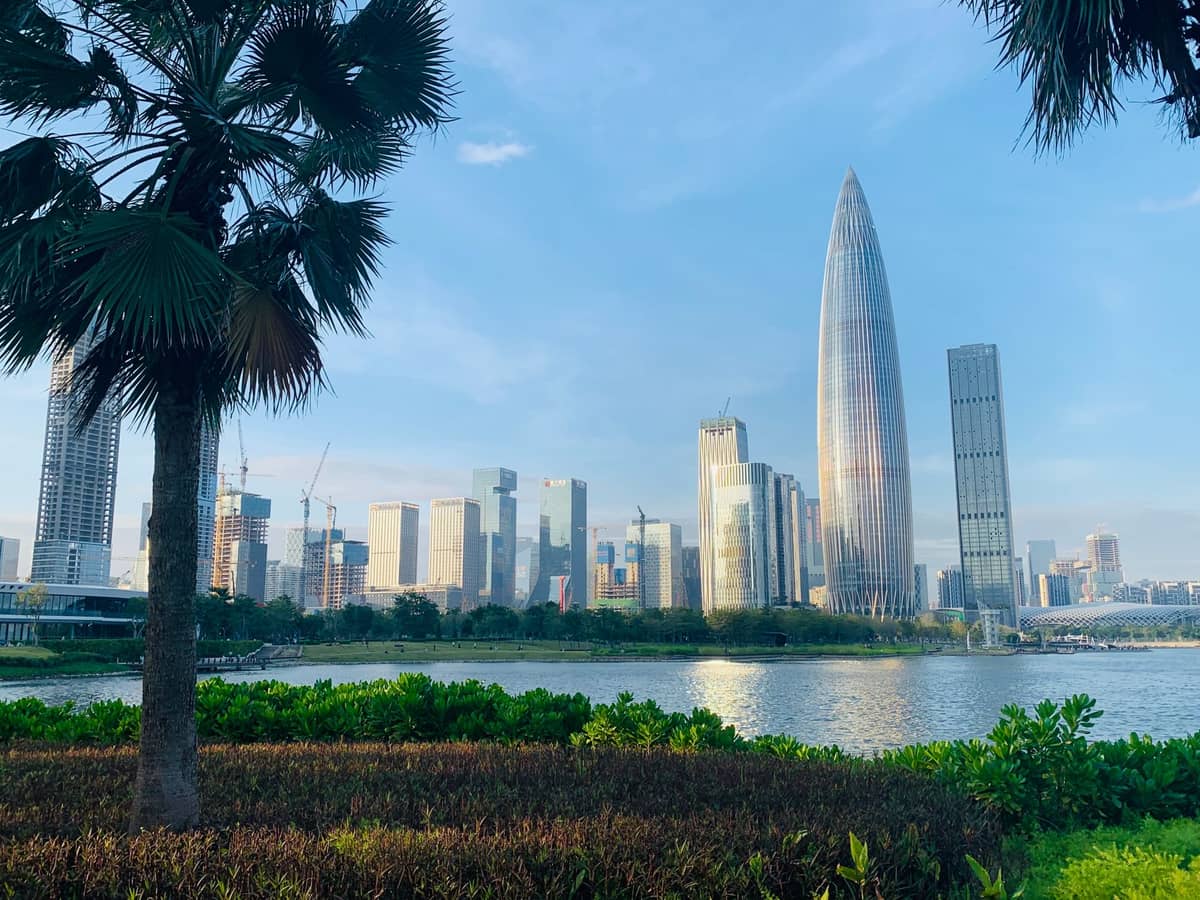
Plan and book this trip
Tools from our partner Travelpayouts help you compare flights and hotels. If you book through them, we may earn a commission at no extra cost to you.
Flights
Hotels map
TL;DR
- A realistic daily budget for Shenzhen travel is around ¥150–200 (roughly $20–28 USD) covering food, transport, and attractions, excluding accommodation.
- The Shenzhen Metro covers almost every major sight and costs ¥2–9 per ride — taxis are rarely necessary.
- Dozens of worthwhile attractions are free or under ¥30, including parks, museums, and the OCT-LOFT creative zone.
- Set up WeChat Pay or Alipay before you arrive — Shenzhen runs almost entirely cashless, and many vendors no longer accept cash at all.
- October to December is the best window for budget Shenzhen travel: mild weather, no typhoon risk, and fewer domestic holiday crowds. See the full best time to visit Shenzhen breakdown for details.
What Does Shenzhen Actually Cost? A Realistic Daily Breakdown
Shenzhen's reputation as an expensive tech hub puts off some budget travelers, but that reputation is largely unearned. The city has a massive working population of around 18 million people, and the infrastructure that serves them — local restaurants, the metro, public parks — is genuinely affordable. A careful traveler can get through a full day on ¥150–200 (approximately $20–28 USD), not counting accommodation.
- Accommodation Budget guesthouses and economy hotels in Luohu or Futian: ¥50–120 per night. Mid-range hotels with metro access typically run ¥200–350.
- Food Three meals at local canteens and noodle shops: ¥40–70 per day. A single sit-down meal at a mid-range restaurant rarely exceeds ¥60–80.
- Transport Metro and shared bike use across a full day of sightseeing: ¥15–30. Even longer cross-city metro journeys cap out around ¥14.
- Attractions Many major parks and museums are free. Paid attractions like Window of the World or Happy Valley are the main variable cost: ¥80–300 per ticket.
- Misc spending Water, snacks, and incidentals: ¥15–25 per day.
ℹ️ Good to know
All prices in this guide are in Chinese yuan (CNY/¥). The renminbi is China's official currency. Prices were accurate as of early 2026 but transport fares and attraction entry fees do change — verify before you travel.
Getting Around Shenzhen Without Burning Your Budget
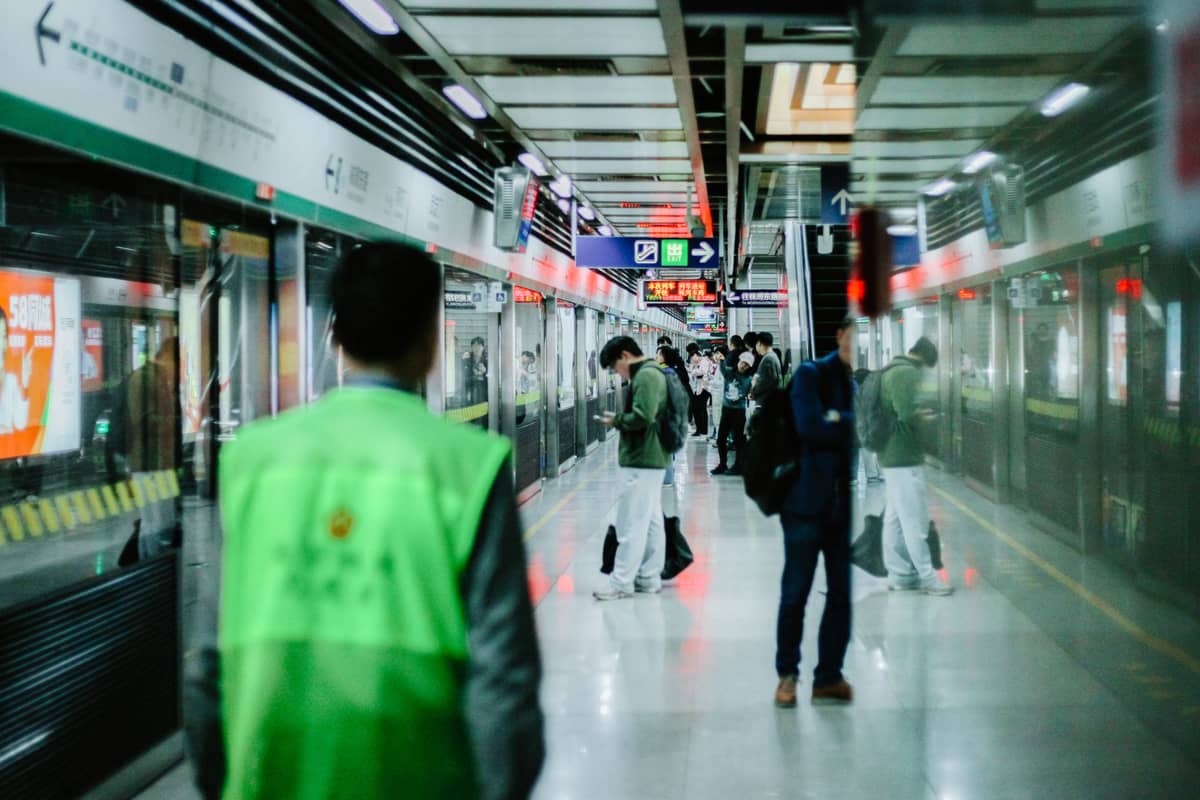
The single best decision a budget traveler can make in Shenzhen is committing to the metro from day one. The Shenzhen Metro network is extensive, reliable, and cheap. Fares run from ¥2 and rise with distance, and a Shenzhen Tong card can give a small discount on each ride. For most visitors staying near the urban core, a day's worth of metro trips will cost under ¥25.
For short trips between metro stations — or when you're exploring a neighbourhood on foot — shared bikes from Meituan or Hellobike are practical and cheap, For short trips between metro stations — or when you're exploring a neighbourhood on foot — shared bikes from Meituan or Hellobike are practical and cheap. You'll need a Chinese mobile payment app to unlock them. Taxis and Didi ride-hailing are available and useful for late-night trips or areas with poor metro coverage, but they're not necessary for standard sightseeing. For a full overview of transport options, the covers routes, apps, and tips in detail. You'll need a Chinese mobile payment app to unlock them. Taxis and Didi ride-hailing are available and useful for late-night trips or areas with poor metro coverage, but they're not necessary for standard sightseeing. For a full overview of transport options, the getting around Shenzhen guide covers routes, apps, and tips in detail.
⚠️ What to skip
Shenzhen is almost entirely cashless. Many food stalls, bike-share kiosks, and even some convenience stores no longer accept cash. Set up WeChat Pay or Alipay before you arrive — both apps now allow international bank cards to be linked directly, which makes this much more manageable for foreign visitors than it used to be.
Free and Low-Cost Things to Do in Shenzhen
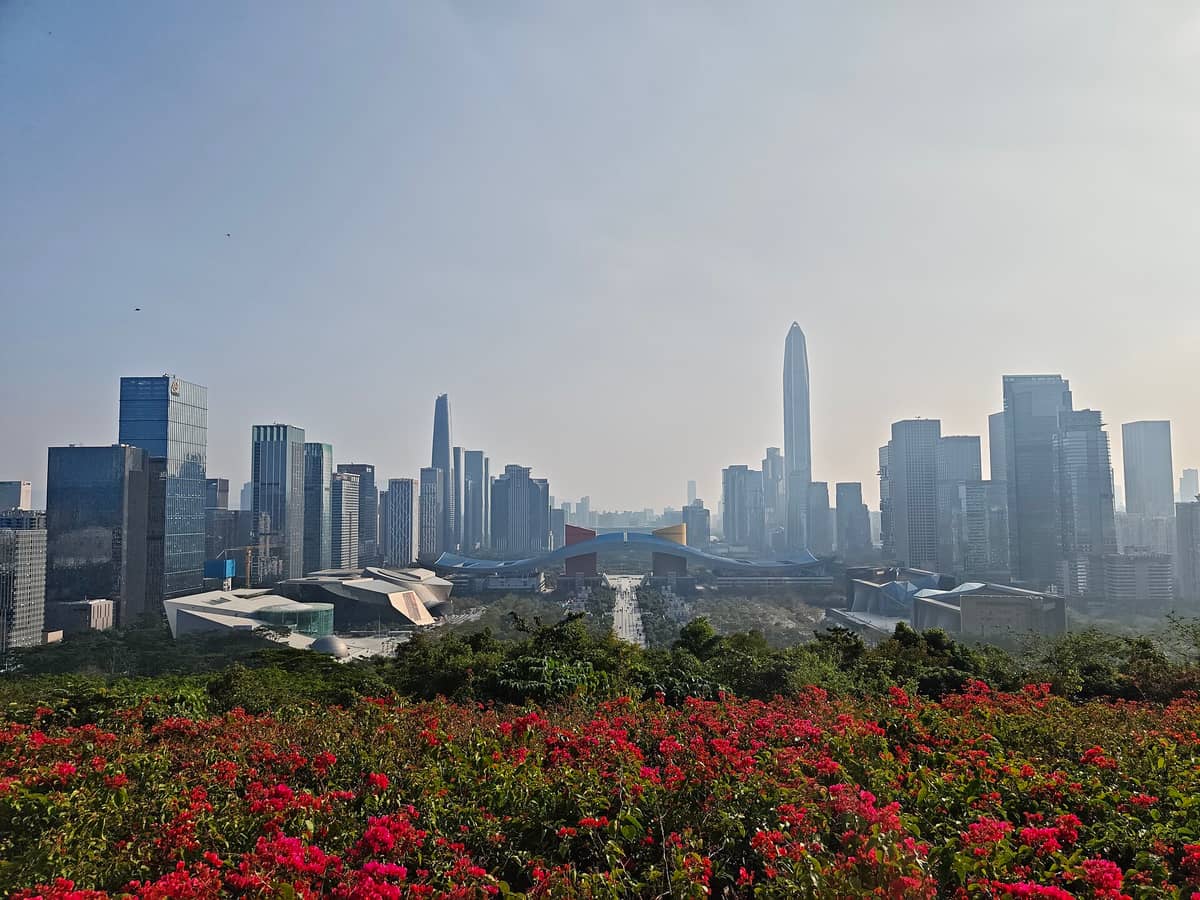
Shenzhen has an underappreciated number of free or nearly free attractions. Lianhuashan Park in Futian is one of the best urban parks in southern China, offering panoramic views of the CBD skyline with no entry charge. Shenzhen Bay Park stretches along the coast for kilometres with walking paths, mangrove boardwalks, and skyline views toward Hong Kong. For a curated list, the guide to free things to do in Shenzhen is the most thorough starting point.
The OCT-LOFT creative district in Nanshan is free to walk around and interesting — repurposed factory buildings now house galleries, independent cafes, and design studios. It's one of the better examples of Shenzhen's rapid reinvention and costs nothing to explore. The Shenzhen Museum and the newer Shenzhen Natural History Museum both have free or low-cost entry and are world-class facilities.
- Lianhuashan Park (free) — rooftop city views, weekend kite flying, Deng Xiaoping statue
- Shenzhen Bay Park (free) — coastal walking path, mangrove reserve, views toward Hong Kong
- OCT-LOFT (free to enter) — independent galleries, street art, design culture
- Dafen Oil Painting Village (free to walk around) — hundreds of studios, atmospheric even if you don't buy anything
- Nantou Ancient City (free) — one of Shenzhen's oldest surviving settlements, now surrounded by urban development
- Shenzhen Museum (free or low cost) — city history, Bronze Age artifacts, well-curated permanent collection
- Dongmen Pedestrian Street (free) — the original commercial heart of the city, best on weekday afternoons
✨ Pro tip
If you want to visit Ping An Finance Centre's observation deck or any rooftop attraction, go on the clearest day of your trip. Shenzhen experiences haze year-round, but it's often worse in summer. Autumn typically offers the best visibility. A poor-visibility day at a paid observation deck can waste a substantial ticket fee.
Where to Eat Well Without Spending Much
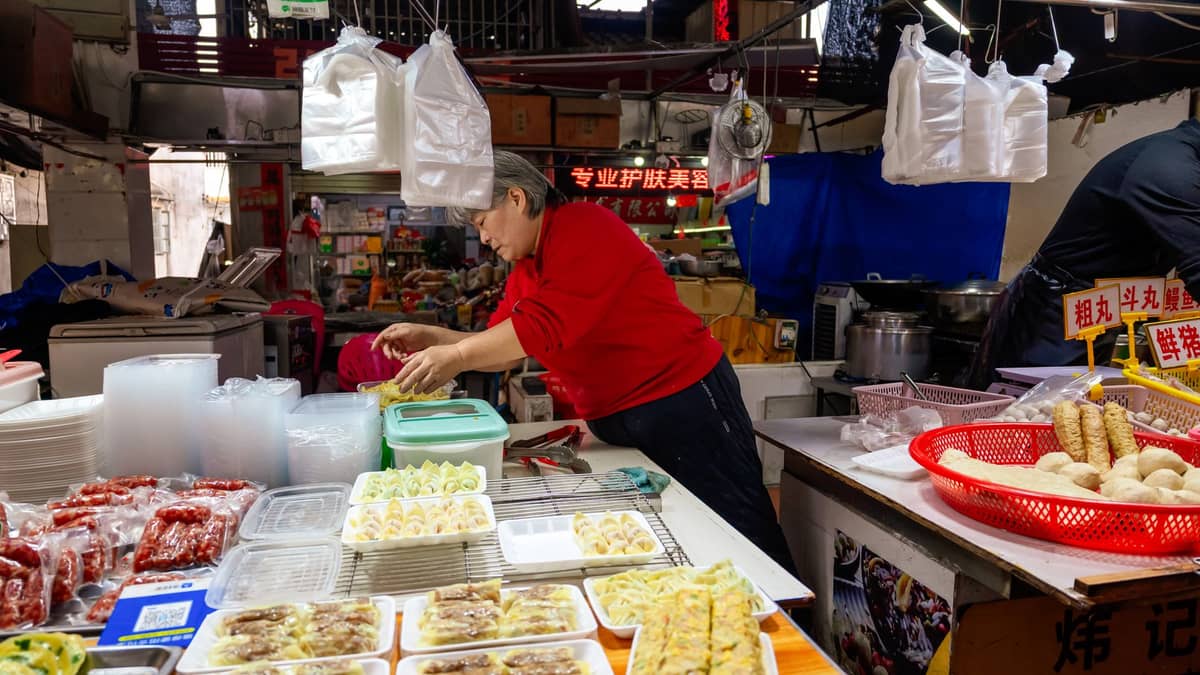
Eating cheaply in Shenzhen is not difficult if you leave the malls and hotel zones. The city has a large migrant population from every province in China, which means the range of regional cuisines available at low prices is exceptional. Canteen-style restaurants near metro stations, Cantonese rice box shops (claypot rice and roast meat), and hand-pulled noodle joints are the three food categories that consistently deliver the best value.
A meal of rice, one meat dish, and vegetables at a local canteen (快餐 kuaican) typically runs ¥15–30. Dim sum at a mid-range teahouse will cost ¥40–70 per person but is worth the occasional splurge. Street food zones around Dongmen Pedestrian Street in Luohu and the food courts inside shopping malls are reliable, budget-friendly options. For a deeper breakdown of what and where to eat, the Shenzhen food guide covers the best dishes, neighbourhoods, and price ranges.
Avoid eating in the immediate vicinity of major tourist attractions — restaurants near Window of the World or Happy Valley charge tourist premiums that rarely reflect the food quality. Walking two or three streets away almost always halves the price.
Budget Accommodation: Which Neighbourhoods Give the Best Value
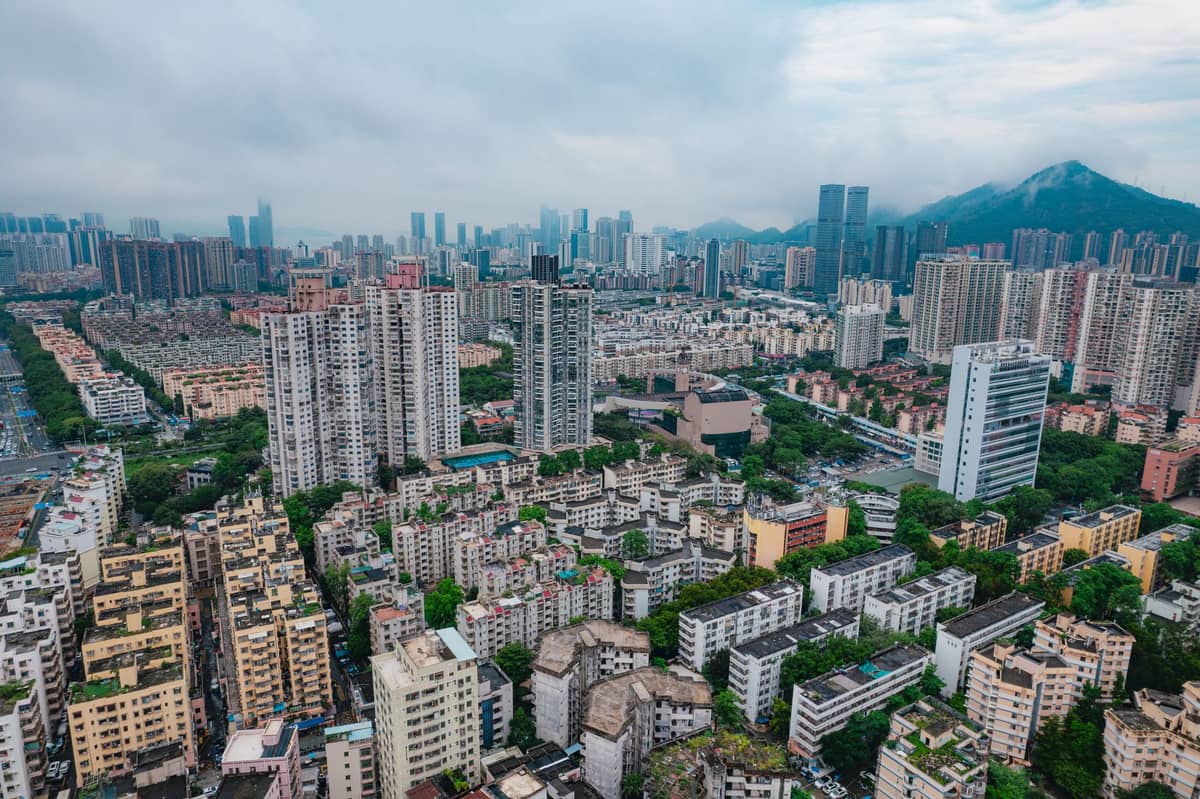
Where you stay significantly affects your total trip cost, partly because of room rates but mainly because of transport. Staying close to a metro interchange station means almost every attraction in the city is accessible without taxis. The three best zones for budget accommodation are Luohu, Futian, and Longhua, each for different reasons.
- Luohu The original urban core, directly connected to the Hong Kong border crossing. Economy hotels from around ¥80–150/night. Best for travelers arriving from Hong Kong or wanting walkable street food and markets. Slightly older infrastructure but excellent metro access.
- Futian The current administrative centre with the best metro connectivity in the city. Budget hotels start around ¥100–130/night. Futian station connects to Hong Kong's high-speed rail, making it convenient for cross-border trips. More modern environment than Luohu.
- Longhua Further from the tourist sights but significantly cheaper — rooms from ¥50–90/night are common. Good for travelers on an extremely tight budget who don't mind a longer metro commute. Strong local restaurant scene without tourist pricing.
Nanshan has excellent upscale and mid-range options near Shekou and Sea World, but budget beds are harder to find here. If architecture, tech culture, and the western coastline are your priorities, it's worth paying slightly more to base yourself in Nanshan. For a full accommodation overview with pricing tiers and specific hotel zones, see the guide on where to stay in Shenzhen.
Paid Attractions: What's Worth the Entry Fee (and What Isn't)
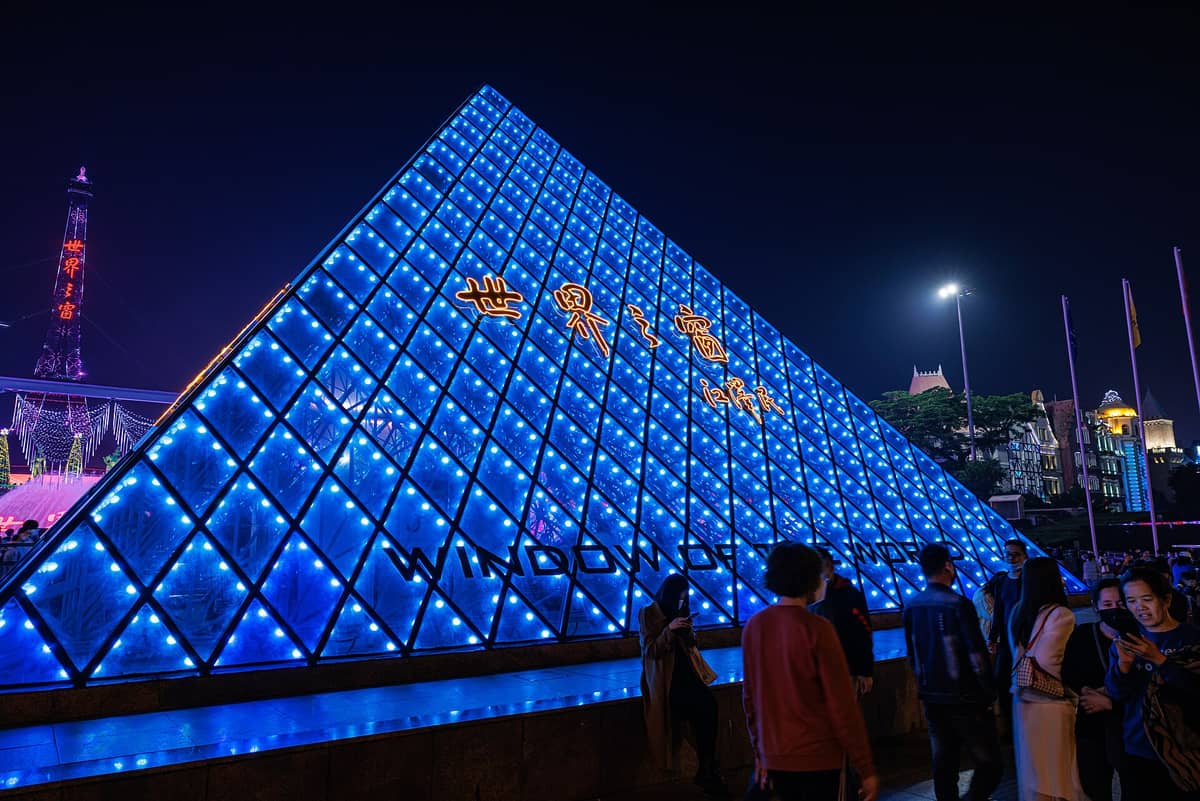
Shenzhen has a cluster of large theme parks and paid attractions that dominate tourist itineraries, but the price-to-experience ratio varies considerably. Being selective here is where budget travel in Shenzhen really matters.
Window of the World and Splendid China Folk Village are the two most well-known paid attractions. Both are large, professionally run, and moderately priced (typically ¥120–220), but neither is essential for a first visit to Shenzhen — they cater primarily to domestic tourists and can feel formulaic. Happy Valley is better value if you're traveling with children or want a theme park day; it's one of China's better amusement parks. For families, the Shenzhen with kids guide provides a more focused breakdown.
The Huaqiangbei Electronics Market in Futian is free to walk through and is one of the unique things Shenzhen offers — a city-block-sized ecosystem of electronics, components, and gadgets that exists nowhere else in the world. Even if you're not buying anything, it's worth an hour of your time. Hiking up Wutong Mountain, Shenzhen's highest peak, costs very little and takes half a day — the views on a clear autumn morning are exceptional.
💡 Local tip
Many Shenzhen museums offer free admission on specific days or to specific groups. Check the venue's official WeChat account before visiting — some museums require advance ticket reservation even for free entry, and slots fill up on weekends.
Practical Tips That Actually Save Money in Shenzhen
A few consistent habits separate budget travelers who stay on track from those who haemorrhage money on convenience costs. The biggest ones: use the metro for everything possible, eat where workers eat rather than where tourists eat, avoid the mall food courts at major attractions in favour of the ones near residential metro stations, and visit high-demand attractions on weekdays. Crowds at popular spots on Saturday and Sunday not only reduce the experience but push prices at surrounding restaurants and convenience shops noticeably higher.
If you're planning day trips, the cost equation changes. Getting to Dapeng New District for the beaches and the historic fortress requires either a bus connection or a longer metro-plus-bus journey — budget an extra ¥20–40 in transport for these outlying areas. The day trips from Shenzhen guide covers the logistics and costs for excursions to Guangzhou, Zhuhai, and further destinations.
On the entry side: check whether your nationality qualifies for China's 240-hour visa-free transit policy before booking. If you're transiting through Shenzhen and entering from Hong Kong or another approved port, this exemption could eliminate the need for a full China visa, which is a meaningful cost and logistics saving. Policies change, so verify the current rules with the official authorities before traveling.
FAQ
How much money do I need per day in Shenzhen?
A realistic daily budget excluding accommodation is ¥150–200 (around $20–28 USD) covering meals, metro transport, and free or low-cost attractions. Add ¥50–120 for a budget guesthouse or economy hotel, or ¥200–350 for a mid-range option. On a very tight budget — hostel dorm, canteen food, only free sights — ¥100–130 per day is achievable.
Is the metro the best way to get around Shenzhen on a budget?
Yes, consistently. The Shenzhen Metro covers virtually every major tourist area and neighbourhood. Fares are distance-based, and most short-to-medium journeys are inexpensive. Taxis and Didi are useful for late nights or areas the metro doesn't reach, but they're not needed for standard sightseeing.
What are the best free things to do in Shenzhen?
Lianhuashan Park, Shenzhen Bay Park, OCT-LOFT creative district, Dafen Oil Painting Village, Nantou Ancient City, and the Shenzhen Museum are all free or very low cost. The Huaqiangbei Electronics Market is also free to walk through and is one of the most distinctive experiences the city offers.
Can I use cash in Shenzhen, or do I need a mobile payment app?
You technically can use cash, but many small restaurants, convenience stores, and bike-share services prefer mobile payment. Setting up WeChat Pay or Alipay is strongly recommended before arrival. Both apps now support international bank cards, making the setup more accessible for foreign travelers than it was a few years ago.
What's the cheapest area to stay in Shenzhen?
Longhua offers the lowest accommodation prices, with basic hotels from around ¥50–90 per night, though it's further from most tourist sights. Luohu is the next most affordable at ¥80–150 and has strong metro connections plus walkable street food. Futian is slightly pricier but offers the best metro network coverage and is the most practical base for a first visit.