Shenzhen Natural History Museum: South China's Boldest New Cultural Institution
Opened in July 2026, the Shenzhen Natural History Museum is the largest natural history museum in South China. Located in Pingshan District and accessible via Metro Line 16, it offers a serious natural science experience in one of the city's most architecturally ambitious new buildings.
Quick Facts
- Location
- Pingshan District, Shenzhen, Guangdong Province, China
- Getting There
- Metro Line 16, Shabo Station (沙壆站), Exit C or D — approx. 700m walk; or Pingshan SkyShuttle Line 1, Natural History Museum West Station (自然博物馆西站)
- Time Needed
- 2–4 hours for a thorough visit; allow extra time on weekends and school holidays
- Cost
- CNY 80 general admission; CNY 60 concession. Verify current pricing via the museum's official WeChat account (深圳自然博物馆) before visiting.
- Best for
- Families with children, science and natural history enthusiasts, architecture admirers, and visitors on a rainy-day itinerary
What Is the Shenzhen Natural History Museum?
The Shenzhen Natural History Museum (深圳自然博物馆) is one of Shenzhen’s major cultural projects. Following a trial opening on 30 June 2026, it officially opened to the public on 28 July 2026 in Pingshan District, on the eastern edge of the city. Described as South China's largest comprehensive natural history museum, it represents a substantial investment in civic science infrastructure for a city that has historically been associated with technology and manufacturing rather than natural heritage.
The museum's arrival changes the map of what to do in Shenzhen beyond electronics markets and theme parks. It positions Pingshan District as a genuine cultural destination worth crossing the city for. That said, the journey from central Shenzhen takes time, and the museum is still in its early days of operation. Go with realistic expectations: some exhibits and facilities may still be settling into place.
ℹ️ Good to know
Ticket reservations are handled through the museum's official WeChat public account (深圳自然博物馆). There is no confirmed standalone website at time of writing. Book in advance on weekends and during school holidays.
Getting There: The Realistic Transit Picture
Pingshan is not a district most tourists pass through casually. It sits on the eastern edge of the city, well beyond the Futian and Luohu cores, and getting there requires a deliberate effort. From central Shenzhen, Metro Line 16 is the most straightforward option. Ride to Shabo Station (沙壆站) and exit at C or D — the museum is roughly a 700-metre walk from those exits.
An alternative route uses the Pingshan SkyShuttle Line 1 to Natural History Museum West Station (自然博物馆西站), Exit B, which deposits you closer to the entrance. If you are already exploring the eastern parts of Shenzhen — perhaps combining this visit with a day in Dapeng New District — the museum makes sense as a standalone half-day stop before heading back into the city.
Taxi and ride-hailing via Didi are reasonable alternatives if you are travelling in a group or with young children who cannot manage the metro walk. The Pingshan location means ride-hailing fares from Futian or Nanshan will be meaningful — factor in the cost both ways before deciding.
💡 Local tip
The museum is closed on Mondays, except during public holidays and school holidays. Always check before visiting — a Monday trip to Pingshan with a closed museum at the end of it is a significant waste of time in a city this size.
The Building: Architecture Worth Noting
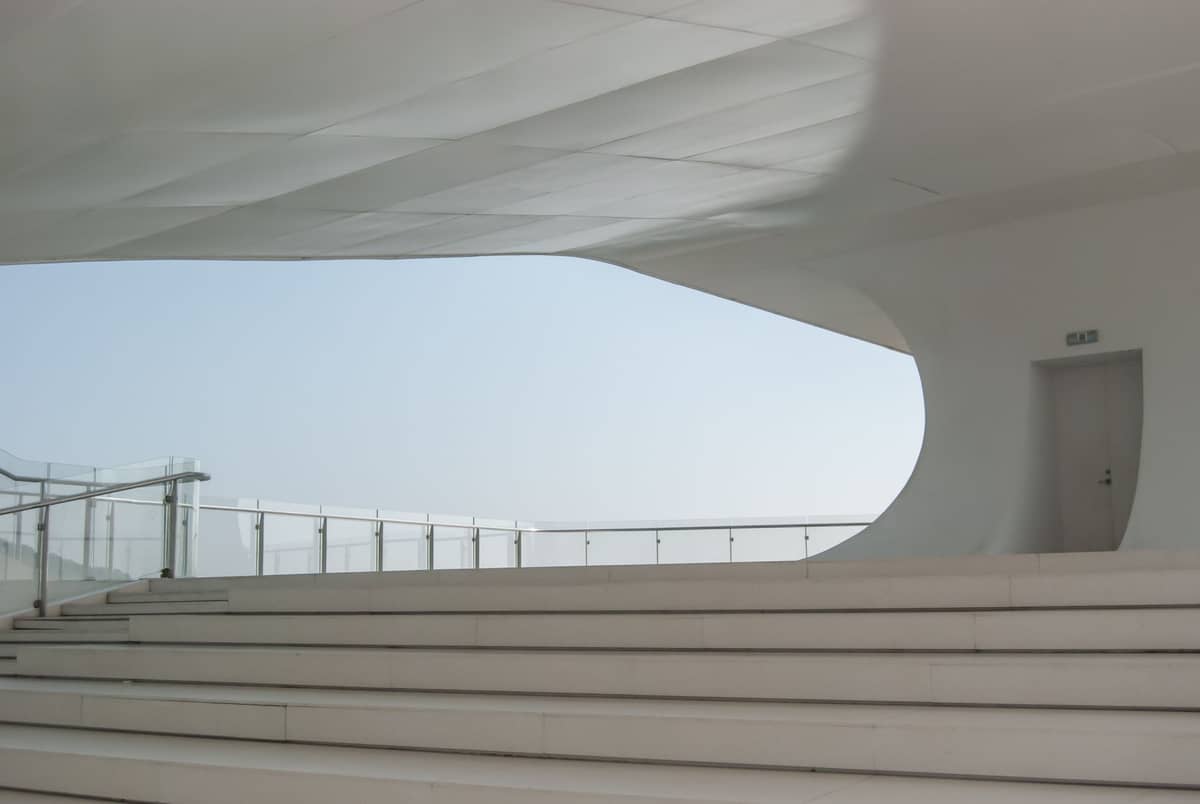
The building itself is part of the attraction. Natural history museums at this scale often arrive with architectural ambition, and Shenzhen's version is no exception. Designed to serve a city of over 17 million people, the structure is built for volume and spectacle. The exterior reads as a major civic landmark in a district that is still growing its urban identity around it.
If you have an interest in Shenzhen's built environment, the museum fits naturally into a broader itinerary. The city has produced some genuinely notable architecture in recent decades, from the Ping An Finance Centre in Futian to the Shenzhen Stock Exchange building by OMA. The Natural History Museum continues that tradition of treating public institutions as architectural statements.
What to Expect Inside
As South China's largest natural history museum, the collection spans geology, palaeontology, biodiversity, and ecological systems relevant to the Pearl River Delta and the broader southern Chinese landmass. Expect significant floor space dedicated to prehistoric life — fossil displays and dinosaur exhibits tend to anchor natural history museums of this scale, and they are typically the most crowd-drawing sections.
The museum's location in Guangdong Province gives it a distinct regional angle. Southern China's biodiversity is remarkable and underrepresented in many natural history collections globally. The museum has the opportunity to contextualize what visitors can actually observe in the surrounding region: the mangroves of the Pearl River estuary, the subtropical forest ecosystems of the Dapeng Peninsula, and the marine life of the South China Sea. Whether the exhibits do justice to that regional story will become clearer as the institution matures.
For visitors who want to connect museum learning with actual nature, Shenzhen offers real outdoor counterparts. The Mangrove Nature Reserve in the west of the city is one of the better examples of the ecosystems the museum likely references. The Shenzhen Fairy Lake Botanical Garden is another site that pairs well with a natural sciences focus.
⚠️ What to skip
The museum only opened in mid-2026. Check the official WeChat account for current exhibition information before visiting.
Best Time to Visit and Crowd Patterns
For a new institution of this profile, expect strong interest from local families, school groups, and curious Shenzhen residents in the early months after opening. Weekdays — Tuesday through Thursday in particular — will give you a much calmer experience than weekend visits, especially during school terms. Chinese public holidays such as National Day Golden Week in October bring heavy crowds to major new attractions across the city.
In terms of Shenzhen's climate, the most comfortable visiting months are October through December, when temperatures drop from the summer heat and rainfall decreases after the monsoon season. Summer visits (June through August) mean heat and humidity both outside and in transit to the museum, so plan around the air-conditioned interior accordingly. For a broader sense of seasonal planning, the best time to visit Shenzhen guide covers this in detail.
Opening hours are reported as daily 9:30 AM to 6:00 PM, with the museum closed on Mondays except during public and school holidays. Arriving close to opening time on a weekday gives you the quietest conditions. Large fossil halls and interactive sections fill up by late morning on weekends.
Practical Details for Your Visit
Admission prices are reported at CNY 80 for general admission and CNY 60 for eligible concession groups. Verify current pricing against the museum's current booking information before you travel, as new institutions frequently adjust pricing in their first year.
Payment in China operates predominantly through mobile platforms — WeChat Pay and Alipay are standard. Cash is accepted in many venues but is increasingly uncommon as a primary method. International visitors should confirm their payment setup before arriving. Physical signage inside large cultural venues in Shenzhen typically includes English, though staff language support may vary.
For photography, natural history museums offer excellent conditions for close-up fossil and specimen photography, though flash restrictions are common near delicate exhibits. Bring a wide-angle lens or a phone with a good ultra-wide mode if you want to capture the scale of the main halls. If the Natural History Museum is part of a longer Shenzhen cultural itinerary, the Shenzhen Contemporary Art Museum and the Shenzhen Museumoffer complementary perspectives on the city's heritage and creative life.
Who Should Think Twice
Visitors spending only one or two days in Shenzhen will find the travel time to Pingshan difficult to justify against the city's more centrally located attractions. The metro journey from Futian to Shabo Station is a real time commitment when you factor in the walk. If your itinerary is tight, the museum is better suited for longer stays.
Similarly, travellers primarily interested in Shenzhen's urban energy, food scene, or technology culture may find a natural history museum a poor fit for their goals. For that kind of itinerary, the Shenzhen tech tour or a morning at the Huaqiangbei Electronics Marketwill be far more representative of what makes the city distinctive.
Insider Tips
- Book tickets through the museum's official WeChat public account (深圳自然博物馆) before arriving. Walk-up availability on busy days is uncertain for a newly opened venue of this scale.
- The Pingshan SkyShuttle Line 1 to Natural History Museum West Station (Exit B) is a direct transit option compared to the longer walk from Shabo Metro Station — use it if the SkyShuttle is operating on your travel day.
- If visiting with children, build in extra time: interactive natural history exhibits at major new museums typically involve queues at peak hours, and children move through sections at unpredictable speeds.
- Combine the trip with an exploration of Pingshan District's newer urban development if you are interested in watching Shenzhen grow into its outer districts — this part of the city looks nothing like the Futian or Nanshan you may already know.
- Arrive by 10:00 AM on weekday mornings to have the major halls largely to yourself before school and tour groups arrive mid-morning.
Who Is Shenzhen Natural History Museum For?
- Families with school-age children looking for a substantive half-day activity in an air-conditioned setting
- Natural science enthusiasts, particularly those interested in South China's palaeontology and subtropical biodiversity
- Architecture admirers who want to experience Shenzhen's newest landmark civic building
- Visitors on longer stays (3+ days) who have already covered the city centre and want to explore Pingshan
- Rainy day itinerary planners — the museum's scale makes it a reliable full indoor option when outdoor plans fall through