Shenzhen Tech Tour: Your Complete Guide to Visiting China's Silicon Valley
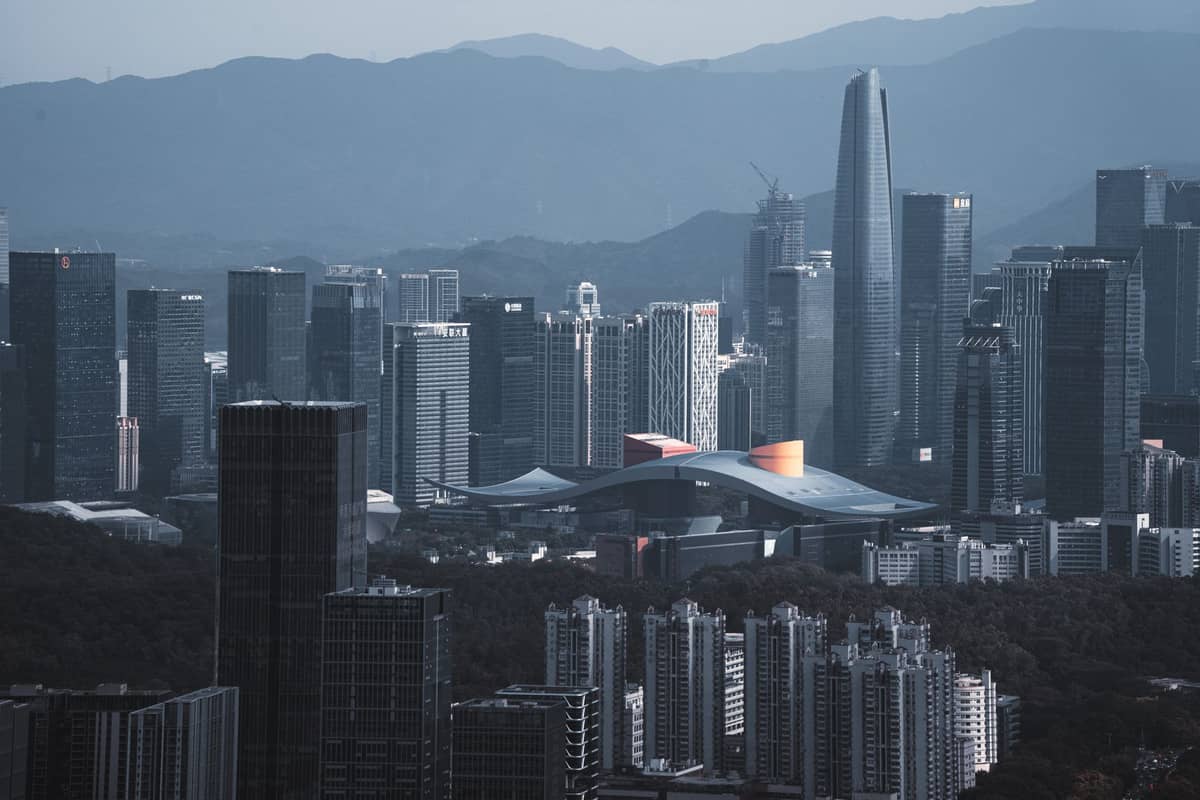
Shenzhen is China's most concentrated hub of consumer tech, hardware manufacturing, and innovation showrooms. This guide covers the best stops, realistic routes, logistics, and practical advice for planning your own tech tour across Nanshan, Futian, and Huaqiangbei.
Plan and book this trip
Tools from our partner Travelpayouts help you compare flights and hotels. If you book through them, we may earn a commission at no extra cost to you.
Flights
Hotels map
TL;DR
- The tech highlights are spread across Nanshan and Futian — plan at least two focused days to cover them properly.
- Key walk-in stops include the DJI Flagship Store, Huawei and Xiaomi experience stores, and NIO's showroom — all free to enter and open to the public.
- The Huaqiangbei electronics market is the world's largest electronics wholesale district — overwhelming in the best way, but not a tech museum.
- Guided tech tours run around $87-174 USD per adult; self-guided visits to flagship stores cost nothing but require a working Chinese payment app for robotaxi or drone-delivery experiences.
- October to December is the best window: mild temperatures, lower rainfall, and no typhoon disruptions.
Why Shenzhen Is China's Tech Capital
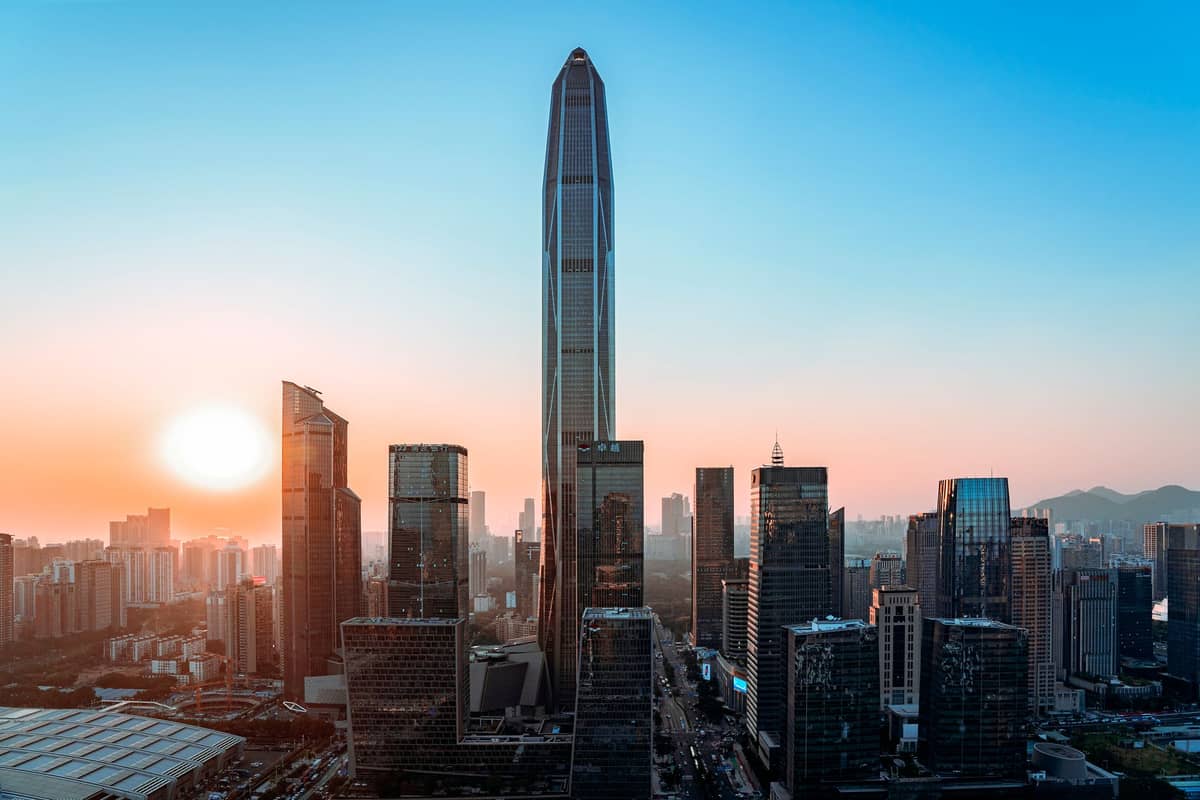
Shenzhen's transformation from a small fishing town into a city of over 17 million people happened in roughly four decades, making it one of the fastest urban expansions in modern history. The engine of that growth was manufacturing first, then innovation. Today the city is home to the headquarters of DJI, Huawei, Tencent, and BYD, alongside thousands of hardware startups and component suppliers that make up the world's most efficient electronics supply chain.
The "China's Silicon Valley" comparison holds up logistically: within about 30 km of each other, you can visit the company behind the world's most popular consumer drones, the smartphone brand that briefly outsold Apple globally, and the Huaqiangbei electronics market where components for most of the world's electronics pass through. That density is what makes a focused tech tour possible in two to three days, and what makes Shenzhen genuinely unlike any other city for this type of travel.
One thing to set expectations on upfront: most of Shenzhen's tech infrastructure is not tourist-facing. The giant campuses of Huawei, Tencent, and BYD are working corporate facilities, not theme parks. What you can access are flagship stores, public demo spaces, showrooms, and the city's live deployments of smart-city tech like autonomous vehicles and drone logistics. That is still an impressive list — but it is different from a factory tour or a campus deep-dive.
The Core Tech Stops and What to Expect at Each
- DJI Sky City Flagship Store (Nanshan) DJI's retail flagship in its home city is the best single tech stop in Shenzhen. The store lets you see and handle the full drone lineup, watch live demo flights, and get hands-on time with stabilizers and cameras. Free to enter, no appointment needed. Located near Shenzhen Bay.
- Huawei Experience Store (Futian / Nanshan) Several large Huawei stores are scattered across the city, with the flagship locations in Futian and Nanshan. These go well beyond phones — smart home systems, tablets, wearables, and their MatePad and PC lineup are all on display. English-speaking staff are not guaranteed but product labels are often bilingual.
- Xiaomi Store Xiaomi's Shenzhen stores double as smart-home showrooms. The product range is remarkable for the price points on display — from electric scooters to robot vacuums to budget phones. Good for anyone interested in the consumer IoT ecosystem.
- NIO House (Futian) NIO positions its showrooms as lifestyle spaces rather than car dealerships. Futian's NIO House has the full EV lineup, a café, and library areas. Drop-in is welcome. Worth visiting even if you have no intention of buying a car — the brand experience is a window into how Chinese EV companies are repositioning luxury.
- Robotaxi Experience Autonomous taxis from operators like Apollo Go (Baidu) run in designated zones in Shenzhen. Booking requires a Chinese account and app access — this is where a local guide or tour operator adds real value. The experience itself is short but novel.
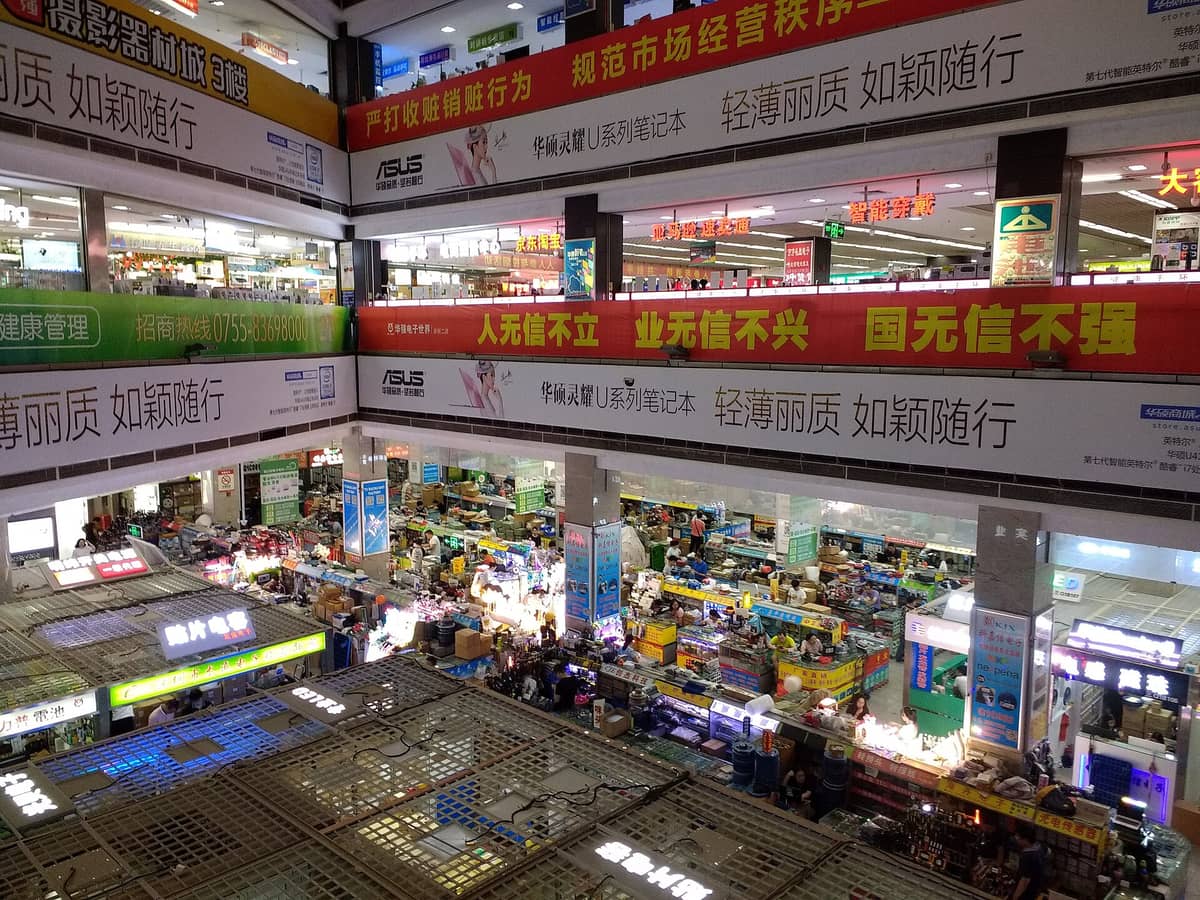
- Huaqiangbei Electronics District The world's largest electronics wholesale market, covering several city blocks in Futian. Multiple malls house thousands of stalls selling everything from IC chips and PCBs to assembled phones and accessories. More relevant for sourcing than tourism, but fascinating to walk through. Prices are not automatically cheap for tourists without bargaining skills and Mandarin.
⚠️ What to skip
Many of Shenzhen's tech campuses (Tencent headquarters, Huawei Ox Horn campus in Dongguan) are not open to casual visitors. Do not travel to these expecting walk-in access. Some permit pre-arranged group tours through official channels, but these require significant lead time and are not standard tourist products.
How to Structure Your Tech Tour Route
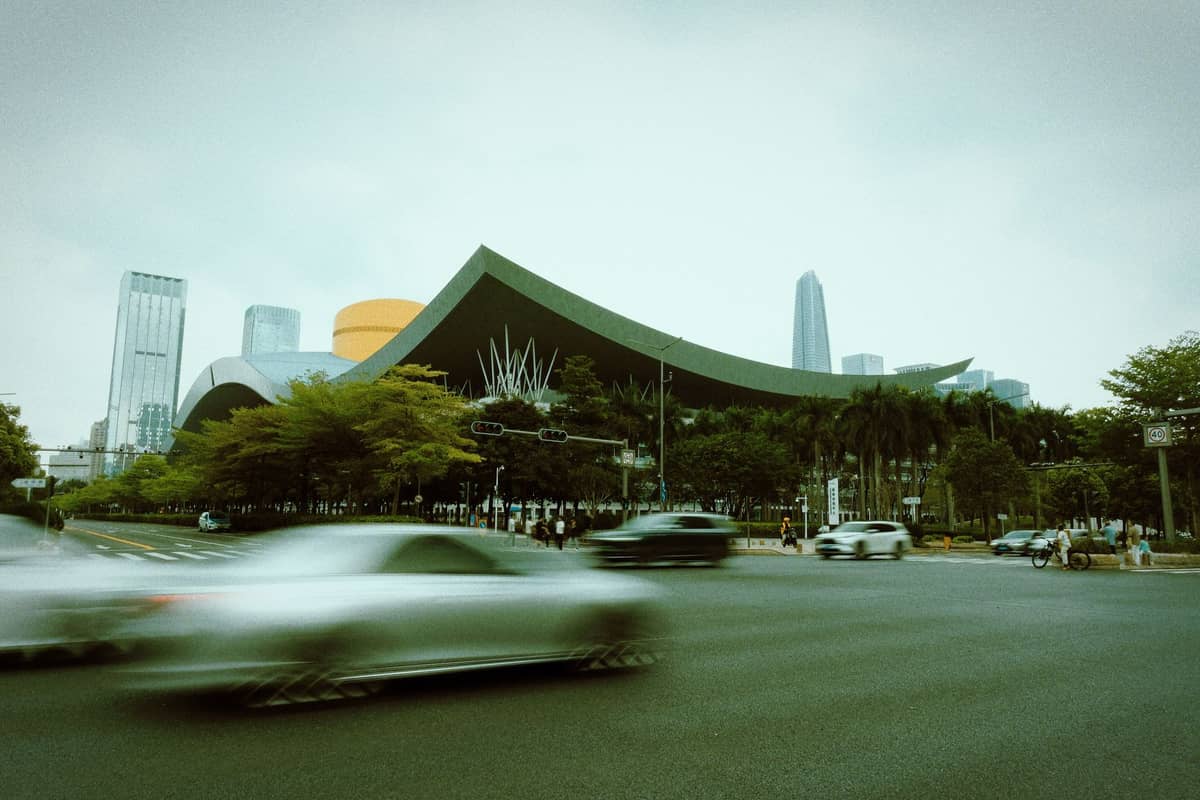
The most efficient approach is to group stops by district. Nanshan holds the DJI flagship and the Tencent Binhai Building exterior (worth seeing architecturally even without internal access). Futian covers Huaqiangbei, NIO House, the Civic Center, and Huawei's retail presence. Plan one day per district rather than bouncing between them.
A logical Day 1 Nanshan route: start at DJI Sky City in the morning when it is quietest, walk or take a short taxi to the Tencent headquarters exterior and Shenzhen Bay for context on the tech district's scale, then end at Shekou's Sea World Plaza for dinner. Day 2 anchored in Futian: Huaqiangbei in the morning (the crowds build fast after 10am), then NIO House, then the Shenzhen Stock Exchange building nearby — one of the most striking pieces of architecture in the city.
✨ Pro tip
The Futian light show on the Civic Center and surrounding buildings starts in the evening. If you time your Futian afternoon to end near the Civic Center, you can catch it for free with no extra travel.
For visitors with only one day, the most efficient single-day circuit is: Huaqiangbei in the morning, DJI flagship in the afternoon, and the Shenzhen Bay waterfront at dusk. You cover both the hardware trading world and the consumer tech showroom world in one logical west-to-east sweep. For a deeper two-day version, see the two days in Shenzhen itinerary which integrates these stops with practical logistics.
Guided Tours vs. Self-Guided: Which Works Better
Self-guided works fine for the flagship stores and Huaqiangbei, but guided tours add real value for two specific experiences: robotaxi rides and drone delivery demos. Both can require Chinese app accounts and verification steps. A guide who has these set up already saves hours of friction.
Organized tech tours in Shenzhen typically run 3 to 6 hours and may cover the DJI store, a robotaxi ride, a drone food delivery demonstration, and sometimes Huaqiangbei as an extension. Prices on major booking platforms range from around $87 to $174 USD per adult, with the variation driven mostly by group size and inclusions. Longer immersive programs (multi-day formats with factory and campus access) exist through specialist operators and are priced accordingly — these are aimed primarily at business delegations rather than individual travelers.
💡 Local tip
Before your trip, set up Alipay or WeChat Pay with an international card — both apps now support foreign cards in China. Having a working digital payment method helps with everyday spending across the city, including many tech demo experiences.
- Self-guided is best for: DJI flagship store, Xiaomi and Huawei retail stores, NIO House, Huaqiangbei browsing, and the Stock Exchange exterior.
- Guided tour is worth the cost for: robotaxi booking and verification, drone delivery demos, factory visits (if available), and navigating Huaqiangbei for wholesale buying rather than browsing.
- Skip if you have limited time: general city sightseeing tours that include tech stops as one item among many cultural attractions — you lose depth for breadth.
Practical Logistics: Getting There and Getting Around
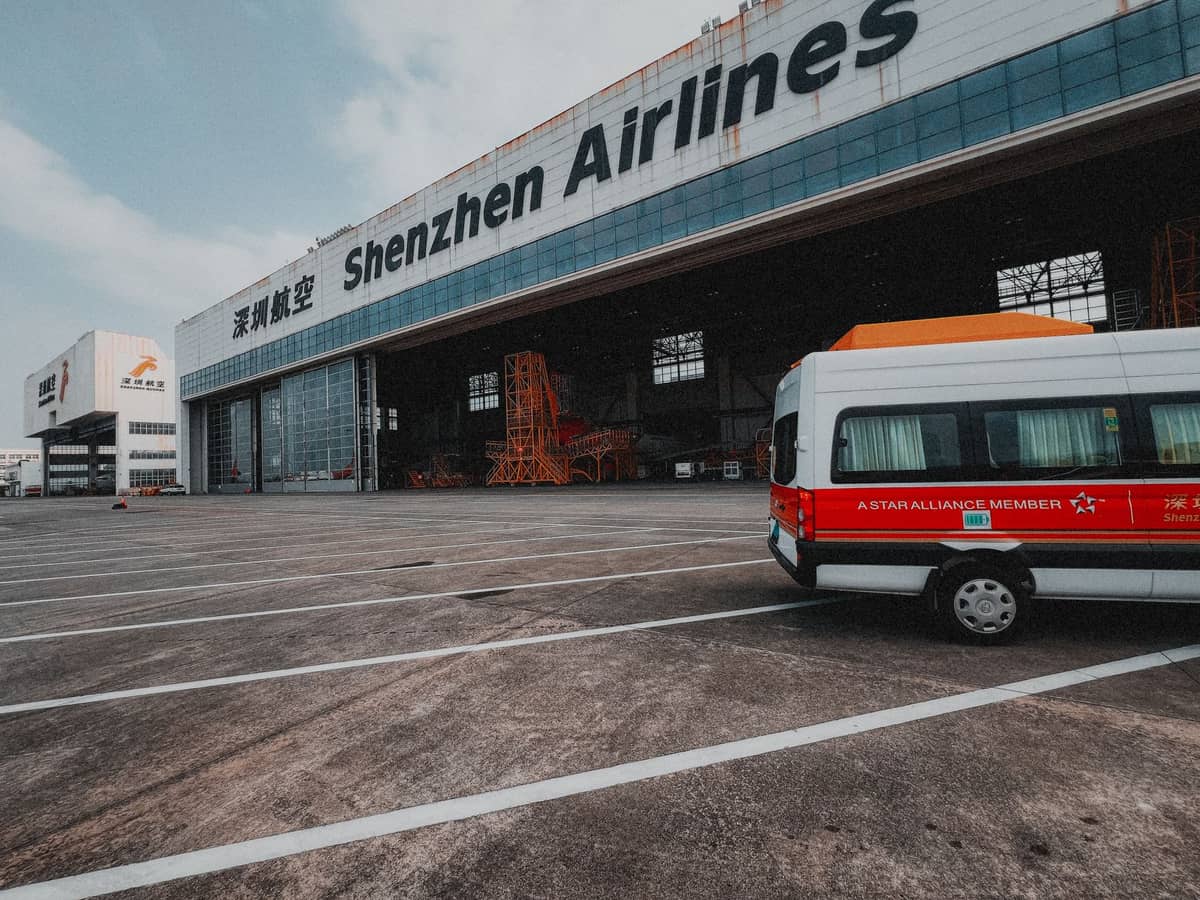
Shenzhen is served by Bao'an International Airport (IATA: SZX) in the western Bao'an District. From the airport, the metro Line 11 connects directly to the city core — it is the fastest and most reliable option for reaching Futian or Luohu, typically 40 to 60 minutes depending on your destination. Taxis and Didi (China's dominant ride-hailing app) are available outside arrivals. If you are coming from Hong Kong, the high-speed rail from West Kowloon to Futian takes around 14 minutes (or about 20–23 minutes to Shenzhen North), making a day trip or overnight from Hong Kong completely feasible. Full details on the crossing are in the Hong Kong to Shenzhen guide.
Within the city, the Shenzhen Metro is the backbone. It is clean, cheap, reliable, and covers all the main tech districts. Line 1 runs through Luohu and Futian; Line 11 and the Guangming Line serve western districts including Nanshan. Metro fares are distance-based and generally low. For the Huaqiangbei area, the dedicated Huaqiangbei Metro Station on Lines 2 and 7 puts you directly in the market. Didi works well for station-to-destination gaps, though Mandarin is helpful when drivers call to confirm pickup. More detail on navigating the city is in the getting around Shenzhen guide.
Timing, Crowds, and When to Visit
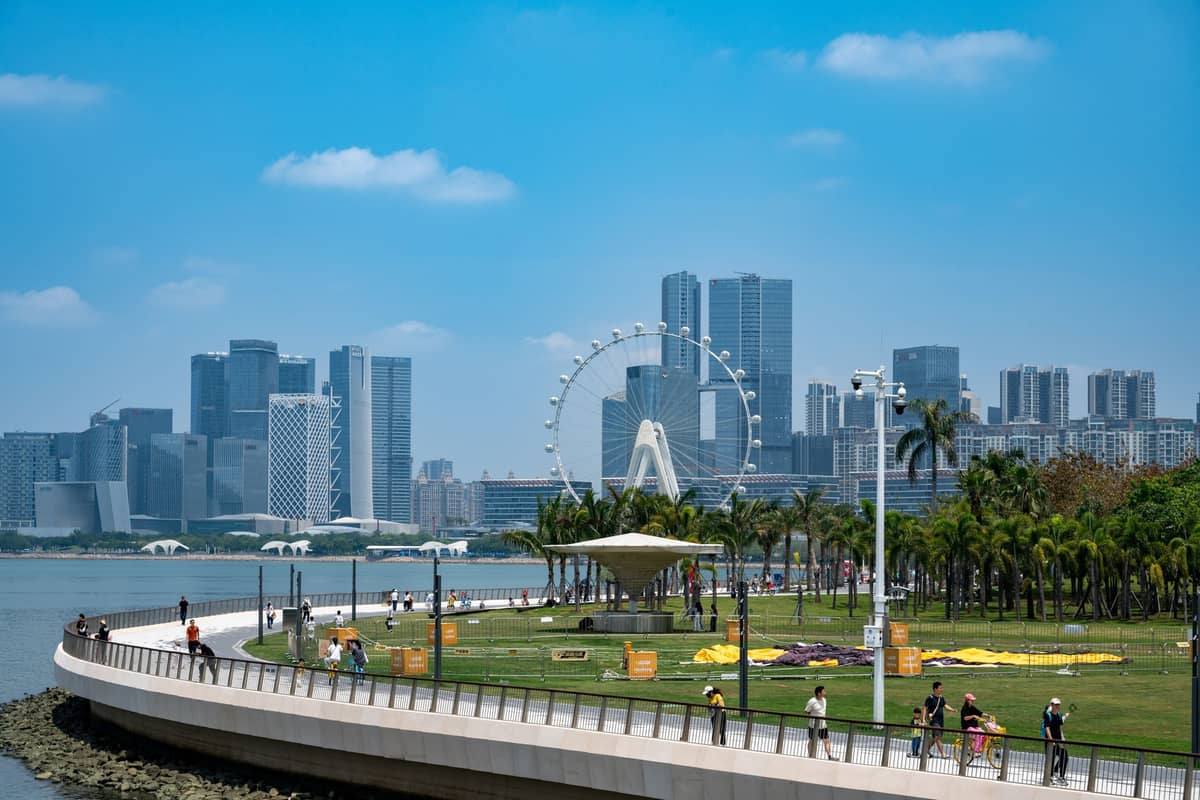
October through December is the most practical window for a Shenzhen tech tour. Temperatures are mild (roughly 18-25°C), humidity drops, and the typhoon season that affects the city from June through September is over. The best time to visit Shenzhen breaks this down in more detail, but for tech-focused itineraries specifically, avoid the summer months: heat and humidity make walking between stops uncomfortable, and afternoon rain is common.
Weekday mornings are consistently the best time to visit flagship stores and Huaqiangbei. By mid-morning on weekends, the DJI store draws significant crowds of both tourists and local enthusiasts, and Huaqiangbei's popular buildings become difficult to navigate at a browsing pace. Chinese national holidays (particularly Golden Week in early October and Chinese New Year in late January or February) bring extreme crowds and reduced availability for guided experiences — book well in advance or avoid these windows entirely.
FAQ
Can you visit DJI headquarters or factory in Shenzhen?
DJI's Sky City campus in Nanshan includes a publicly accessible flagship retail store that anyone can visit without an appointment. The actual headquarters and manufacturing facilities are not open to general visitors.
Is Shenzhen worth visiting just for tech tourism?
Yes, if consumer electronics, hardware manufacturing culture, and smart-city technology interest you. The concentration of accessible flagship stores, the scale of Huaqiangbei, and the live deployment of autonomous vehicles makes Shenzhen unique. If tech is incidental to your interests, the city has plenty else to offer — beaches, hiking, contemporary art, and good food — but the tech angle alone justifies the trip for the right traveler.
Do you need to speak Mandarin to do a Shenzhen tech tour?
For the major flagship stores, no — DJI, Huawei, Xiaomi, and NIO can often be navigated with minimal Chinese, and products are sometimes labeled in both languages. For Huaqiangbei wholesale bargaining, Mandarin helps significantly. For robotaxi booking and drone delivery demos, either a guide or a working Chinese-registered phone number is practically essential.
How does Huaqiangbei compare to electronics markets in other cities?
There is no direct comparison. Huaqiangbei is not a tourist market selling gadgets — it is a wholesale trading district where components, modules, and assembled devices move in bulk. Individual buildings specialize in different product categories: one floor for phone accessories, another for CCTV equipment, another for IC components. Retail prices for tourists are often not competitive with online shopping, but the density and variety are extraordinary and worth seeing regardless of whether you plan to buy.
Can you do a Shenzhen tech tour as a day trip from Hong Kong?
A day trip is feasible but tight for the full circuit. The high-speed rail from Hong Kong's West Kowloon station to Shenzhen North is very fast, and you can usually reach Futian quickly after immigration. Realistically, a day trip covers either Huaqiangbei and the Futian tech stops, or Nanshan's DJI and waterfront area — not both comfortably. An overnight stay unlocks both districts and the evening light show without rushing.