Where to Stay in Shenzhen: Best Areas & Hotels for Every Type of Trip
Shenzhen has 10 districts and no single obvious center, which makes choosing where to stay genuinely confusing. This guide breaks down the best neighborhoods by trip type, with clear price ranges, metro access notes, and practical trade-offs for each area.
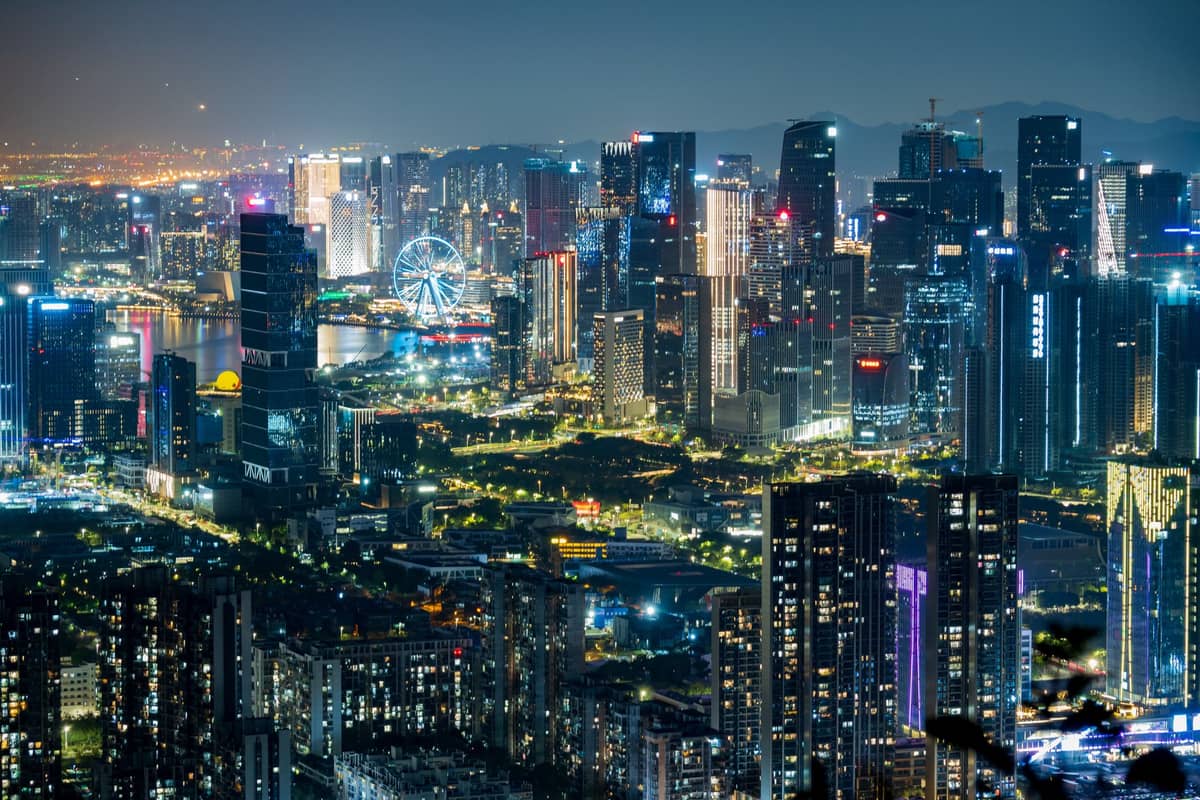
Plan and book this trip
Tools from our partner Travelpayouts help you compare flights and hotels. If you book through them, we may earn a commission at no extra cost to you.
Flights
Hotels map
TL;DR
- Futian is the best all-around base for first-time visitors: central, well-served by metro, and packed with hotels at every price point. See our 2-day Shenzhen itinerary to plan around it.
- Luohu is ideal for shopping, street food, and crossing to Hong Kong — but it feels older and noisier than Futian.
- Nanshan suits tech tourists, theme park visits, and anyone who wants a waterfront base with international dining in Shekou.
- Budget hotels run around CNY 300–600/night; mid-range CNY 600–1,200; luxury from CNY 1,500 upward in central areas.
- The Shenzhen Metro connects all major districts — your hotel's proximity to a metro station matters more than the district name.
How to Think About Staying in Shenzhen
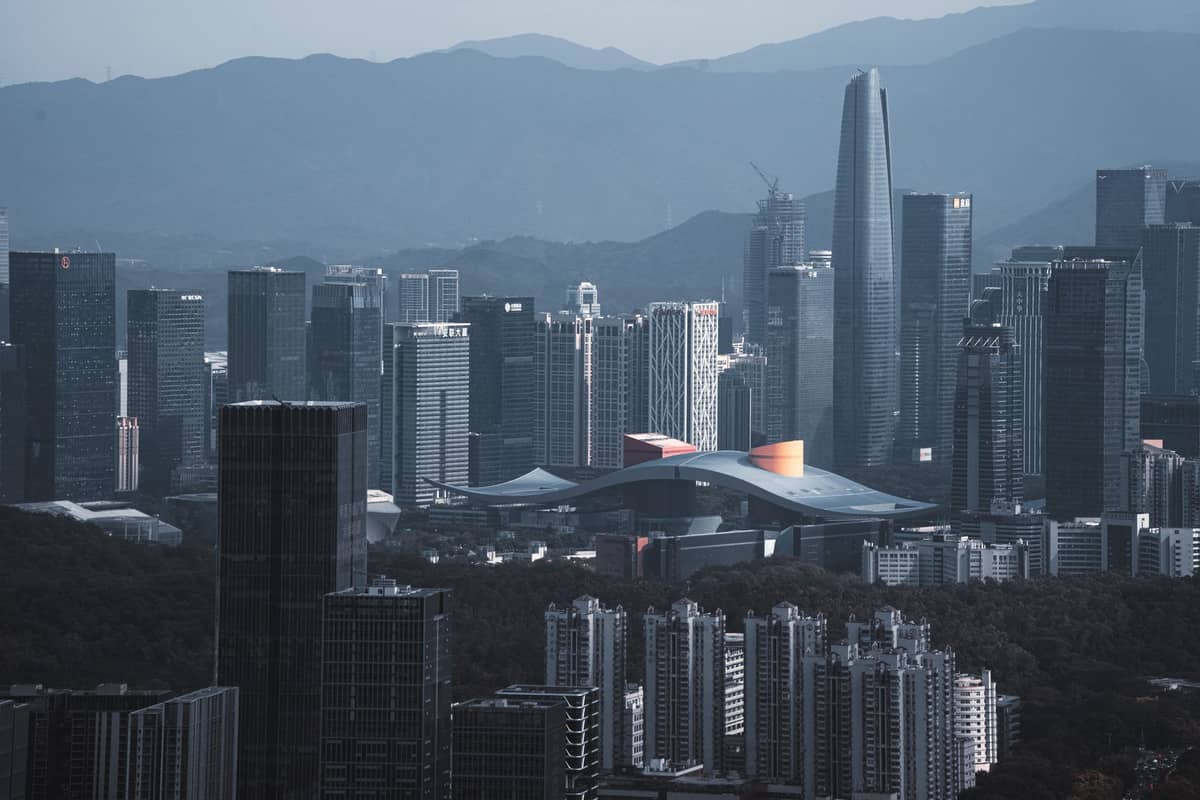
Shenzhen stretches across nearly 2,000 km² and is divided into nine districts plus one new district. Unlike cities with a single historical core, Shenzhen grew as a planned Special Economic Zone from the 1980s onward, so multiple districts function as independent urban centers. There is no single "downtown" that serves all purposes equally well.
The practical question is not which hotel is best, but which area matches your itinerary. A business traveler attending meetings near the Shenzhen Stock Exchange has different needs than someone spending three days at Window of the World and the Nanshan waterfront. Getting this decision right saves a lot of unnecessary metro time.
💡 Local tip
Before booking, check the distance from your chosen hotel to the nearest metro station — not just the district. A hotel 300 meters from a station in Luohu beats one 1.5 km away in Futian for daily usability.
Futian: Best All-Around Base for First-Time Visitors
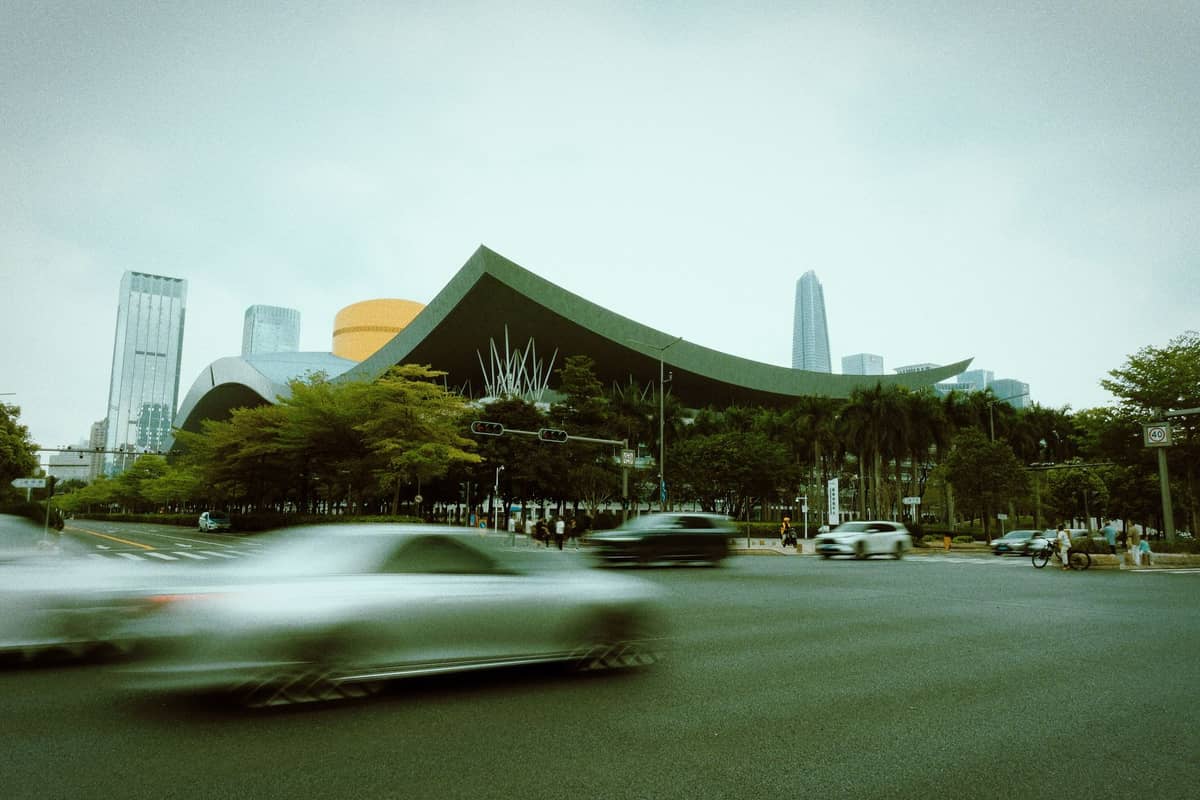
Futian is the municipal seat of Shenzhen and its central business district. The Civic Center, the Shenzhen Stock Exchange, and the main concentration of five-star hotels are all here. For most first-time visitors, Futian offers the best combination of central location, transport links, and hotel variety — from budget options near Huaqiangbei to luxury towers overlooking Lianhuashan Park.
The district is crossed by multiple metro lines, making it easy to reach every other major area in the city without transfers. Lianhuashan Park sits right in the district and provides a genuine green space amid the office towers. The Huaqiangbei electronics district is also within Futian, meaning tech shoppers can be in the thick of it without a long commute.
- Who it suits First-time visitors, business travelers, shoppers, anyone who wants maximum flexibility.
- Price range Mid-range options from around CNY 600–1,000/night; luxury hotels from CNY 1,500 upward.
- Best metro connections Lines 1, 3, 4, 7, and 11 all pass through Futian, giving direct access to Luohu, Nanshan, and the airport.
- Trade-offs More corporate in feel than Luohu or Shekou; lacks a concentrated nightlife strip or waterfront.
Luohu: Shopping, Street Food, and the Hong Kong Border
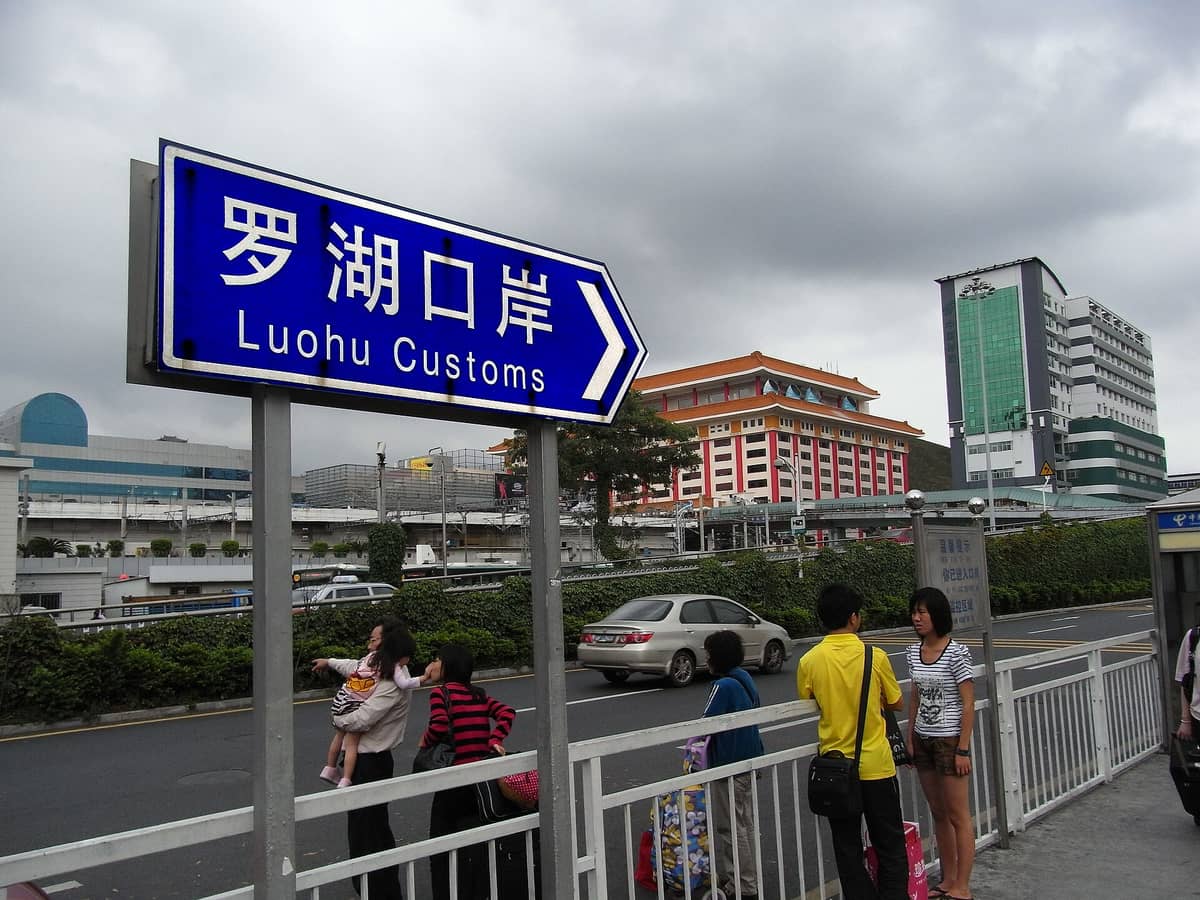
Luohu is Shenzhen's oldest urban core and borders Hong Kong at the Luohu crossing, one of the world's busiest land border checkpoints. If you are arriving from Hong Kong by rail, you will step off directly into this district. Luohu Commercial CityLuohu Commercial City sits literally above the border checkpoint and is a dense market for clothing, accessories, and tailored goods. The surrounding streets are full of Cantonese-style restaurants and noodle shops.
Hotels in Luohu tend to be slightly older and less polished than equivalent-star properties in Futian, but rates often undercut central Futian by 20–30%. The area feels like a lived-in Chinese city rather than a business district, which some visitors prefer. The downside: street noise, particularly near the commercial areas, can be significant at night.
Luohu is also the gateway to Dongmen Pedestrian Street, one of Shenzhen's oldest shopping streets, and connects easily to Dafen Oil Painting Village via metro. For travelers on a tighter budget who want character over polish, Luohu is worth serious consideration.
⚠️ What to skip
Hotels immediately next to the Luohu border checkpoint can be noisy and attract a transient crowd. Budget an extra few minutes of research to find properties on quieter streets one to two blocks back from the commercial zone.
Nanshan and Shekou: Tech Tourists, Theme Parks, and the Waterfront
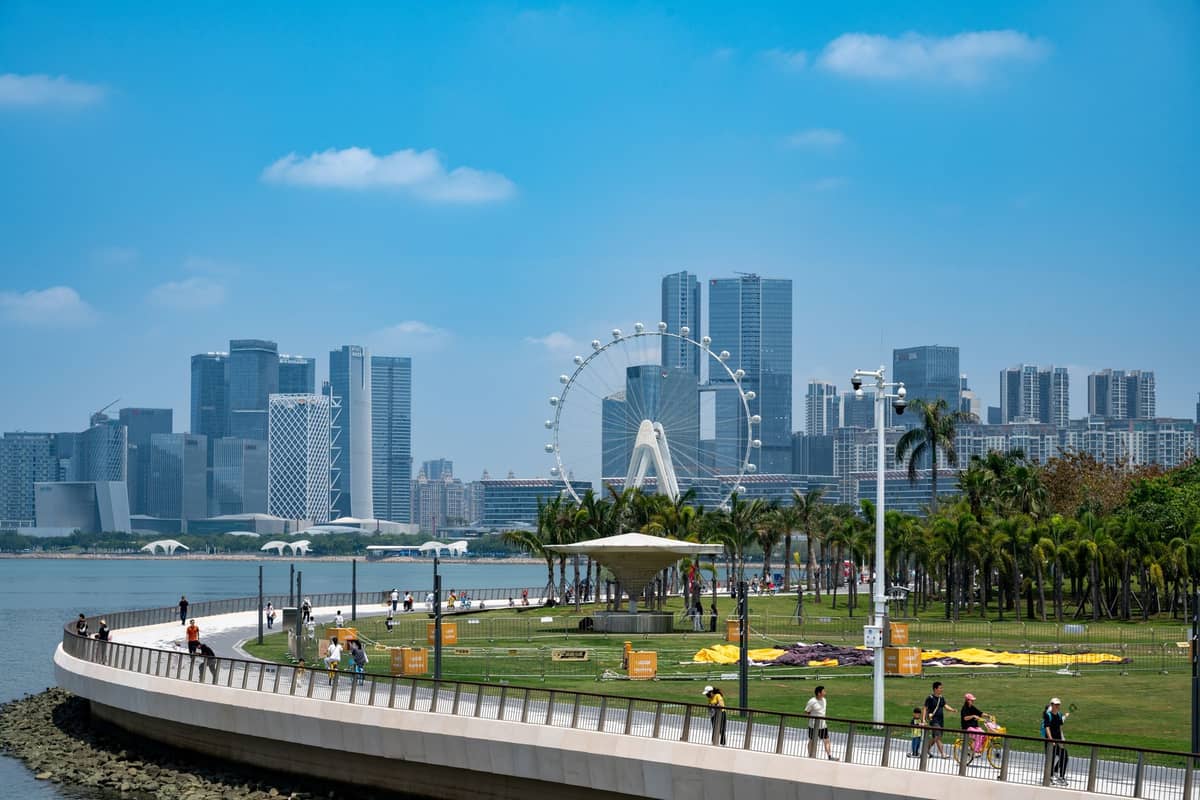
Nanshan sits on the western side of Shenzhen and has grown into one of the city's most significant districts, anchored by the tech industry cluster that includes Tencent's headquarters and numerous major tech campuses. It is also home to the city's main theme park corridor and the Shekou waterfront subdistrict.
Shekou specifically is worth understanding as a base. It developed as an international port zone and still has a distinctly different atmosphere from the rest of Shenzhen: more relaxed, with a higher concentration of international restaurants, craft beer bars, and expat residents. Sea World PlazaSea World in Shekou is the social hub of this area and provides a pleasant place to spend an evening. Ferries connect Shekou to Hong Kong airport and to Zhuhai, which makes it useful as a transit base as well.
For families or anyone planning multiple days at theme parks, staying in Nanshan cuts daily travel time significantly. Window of the World, Splendid China Folk Village, and Happy Valley are all within the district. See our guide on Shenzhen with kids for more detail on planning around these parks.
- Who it suits Families, tech industry visitors, travelers arriving via Shekou ferry from Hong Kong, people wanting an international atmosphere.
- Price range Mid-range hotels from CNY 500–1,000/night; international chain hotels near the waterfront are typically at the upper end.
- Trade-offs Further from Luohu and eastern Shenzhen than Futian; metro Line 11 helps but the district is large and spread out.
Bao'an: For Airport Access and Longer Stays
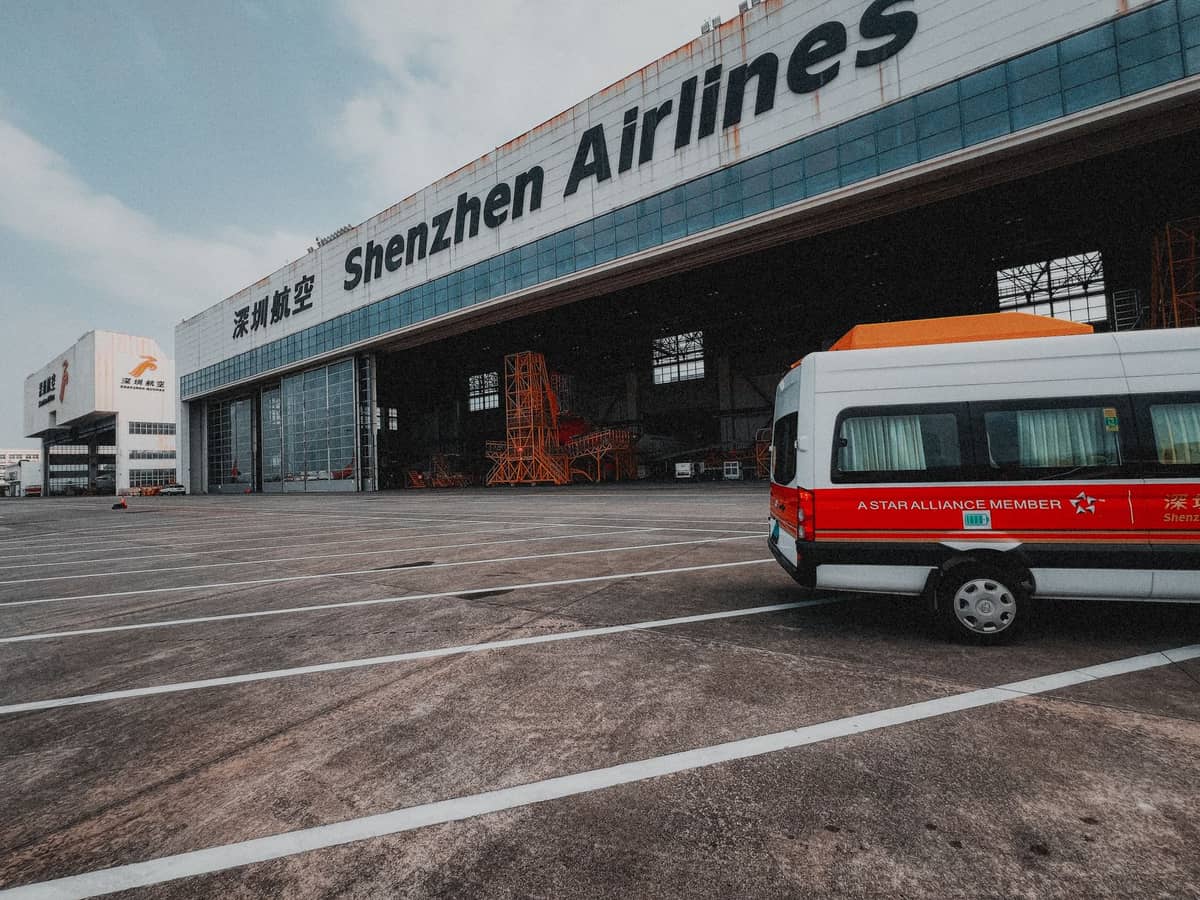
Bao'an District contains Shenzhen Bao'an International Airport (SZX) and is the largest district by area in Shenzhen's western half. For travelers on early-morning or late-night flights, staying in Bao'an the night before or after a flight makes logistical sense. Airport hotels here tend to offer competitive rates compared to the same brands in Futian.
Beyond airport convenience, Bao'an is less compelling as a tourist base. The district is predominantly industrial and residential, with fewer concentrated visitor attractions than Futian, Luohu, or Nanshan. Metro Line 11 connects Bao'an to Futian in roughly 30 minutes, which makes it workable for a day or two, but most visitors on a short trip will be better placed in the central districts.
✨ Pro tip
If you have an early-morning flight from SZX, a single night in a Bao'an airport hotel is worth it. Prices are often 20–40% lower than equivalent properties in Futian, and you avoid a 40-minute metro journey at 5am with luggage.
Practical Details: Prices, Transport, and Booking
Shenzhen has a wide spread of accommodation, from budget guesthouses at CNY 200–350/night in older neighborhoods to five-star towers at CNY 2,000 or more in Futian and Nanshan. The mid-range bracket — roughly CNY 500–1,200/night — covers most well-located business hotels with reliable Wi-Fi, English-speaking staff at reception, and proximity to a metro station.
Getting around once you have checked in is straightforward if you stay near the metro. The Shenzhen Metro has over 300 stations across 17 lines and covers all the main visitor districts. For logistics, fares, and route planning, the complete guide to getting around Shenzhen covers metro, buses, taxis, and Didi in detail. The system uses stored-value cards (Shenzhen Tong) or Alipay and WeChat Pay, so having a functional payment app set up before arrival is useful.
- Book directly through the hotel website or via major OTAs (Trip.com, Ctrip, Booking.com) — all list current availability and have English interfaces.
- Request a high-floor room in Futian for city views; lower floors in some areas face construction noise.
- Check whether your hotel includes breakfast: Chinese buffet breakfasts at mid-range hotels can be large and filling, worth factoring into the daily budget.
- Tap water in Shenzhen is not recommended for drinking without boiling or filtration — most hotels provide hot water dispensers or bottled water.
- Voltage in China is 220V/50Hz with Type A, C, and I plugs; bring an universal adapter if traveling from North America or the UK.
- Tipping is not customary in mainland China, including at hotels — no need to tip housekeeping or bell staff.
October through December is generally the best time to visit Shenzhen from a weather perspective: temperatures drop to a comfortable range and rainfall decreases after the summer monsoon. Hotels fill quickly around Chinese public holidays, particularly Golden Week in early October, so booking two to three weeks in advance for that period is sensible. For a fuller breakdown of seasonal factors, see the best time to visit Shenzhen guide.
ℹ️ Good to know
Visitors crossing from Hong Kong should note that Luohu and Futian are the most convenient base districts for the Luohu and Futian (Lok Ma Chau) border crossings respectively. Check current crossing hours and entry requirements before arrival, as policies can change.
FAQ
Where is the best place to stay in Shenzhen for first-time visitors?
Futian is the most practical choice for first-timers. It is the city's administrative and business center, sits at the intersection of multiple metro lines, and has the widest variety of hotels from budget to luxury. Most major attractions are within 30 minutes by metro from any hotel in Futian.
Is it better to stay in Luohu or Futian?
It depends on your priorities. Luohu is better if you are arriving from Hong Kong by rail, want to shop at Luohu Commercial City, or prefer lower hotel rates with a more traditional street-level atmosphere. Futian is better for central access, modern hotels, and business travel. Most visitors on a short trip will find Futian more convenient overall.
How far is Shenzhen city center from the airport?
Shenzhen Bao'an International Airport (SZX) is in Bao'an District. Metro Line 11 connects the airport to Futian in roughly 35–45 minutes. A taxi or Didi to Futian takes around 30–45 minutes depending on traffic. Verify current fares before travel as they change periodically.
What is the best area to stay in Shenzhen for shopping?
Luohu for traditional markets and tailored goods — Luohu Commercial City and Dongmen Pedestrian Street are both walkable from hotels in the district. For electronics specifically, Futian puts you closest to Huaqiangbei, the world's largest electronics market. See the Shenzhen electronics shopping guide for detail on both.
Is Shenzhen safe for solo travelers staying in budget hotels?
Shenzhen is generally considered a safe city for solo travelers, including those staying in budget accommodation. Standard precautions apply: keep valuables secure, be alert in crowded markets, and use registered taxis or Didi rather than unmarked vehicles. Budget hotels near major metro stations in Futian and Luohu are the most practical for solo visitors on a tight budget.