What to Eat in Shenzhen: Local Dishes, Regional Cuisines & Food Culture
Shenzhen's food scene reflects its identity as a migrant city: no single ancient cuisine, but an extraordinary range of Cantonese, Hakka, Teochew, Hunan, Sichuan, and international cooking all under one roof. This guide covers the dishes worth seeking out, the neighborhoods to find them in, and the practical details that make eating here genuinely easy.
Plan and book this trip
Tools from our partner Travelpayouts help you compare flights and hotels. If you book through them, we may earn a commission at no extra cost to you.
Flights
Hotels map
TL;DR
- Shenzhen food is a blend of Cantonese, Hakka, Teochew (Chaoshan), Hunan, Sichuan, and international cuisines — not one unified "local" style.
- Key dishes to try: Shajing oysters, Gongming roast goose, Hakka salt-baked chicken, Guangming milk pigeon, coconut chicken, dim sum, and cheung fun (rice rolls). See the full Shenzhen travel overview for context.
- Seafood is a genuine strength — Shenzhen's coastal position and proximity to fishing areas means oysters, crab, and fish are fresh and affordable compared to most Chinese cities.
- For budget eating, street food and canteen-style restaurants deliver excellent value; upscale dim sum and seafood restaurants are concentrated in Futian, Nanshan, and Shekou.
- Eating here is easier than most visitors expect — mobile payment via WeChat or Alipay is near-universal, and picture menus are common. Check the Shenzhen on a budget guide for meal cost expectations.
Why Shenzhen Doesn't Have One "Local Cuisine" — And Why That's a Good Thing
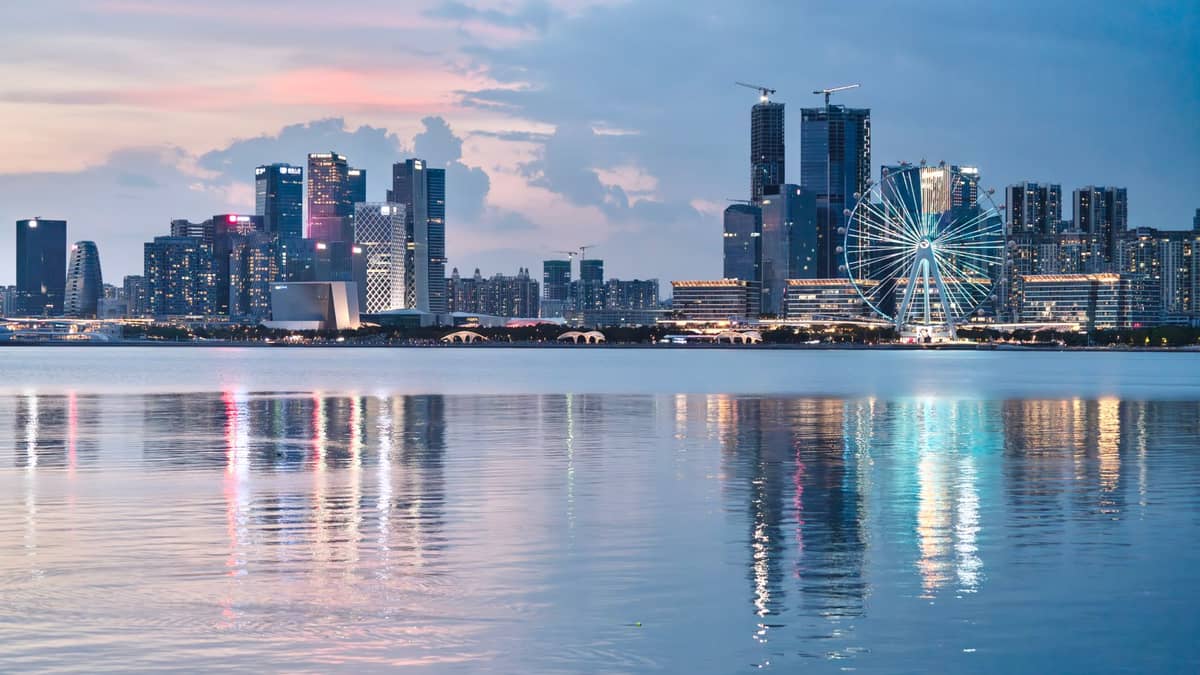
Shenzhen was a small fishing and farming settlement before its designation as China's first Special Economic Zone in 1980. The city that grew from that decision is now home to nearly 18 million people, the vast majority of whom arrived from other provinces. Cantonese speakers came from surrounding Guangdong towns. Hakka communities were already rooted in the eastern villages. Migrants from Hunan, Sichuan, Fujian, and beyond brought their regional cooking with them. The result is a food scene that functions more like a cross-section of China than a place with its own centuries-old culinary identity.
That is not a weakness. In practical terms, it means you can eat exceptional Cantonese dim sum for breakfast, a fiery Hunan lunch, and Teochew seafood congee for dinner, all within a few metro stops. The restaurants are competitive, the ingredients are fresh from Guangdong's farms and coastlines, and the sheer density of options keeps quality high. Visitors who arrive expecting one signature dish often leave surprised by how much ground there is to cover.
ℹ️ Good to know
Cantonese is widely spoken alongside Mandarin in Shenzhen due to its location in Guangdong Province. Many older restaurant menus and staff in traditional Cantonese establishments will operate primarily in Cantonese, so having a translation app handy is worthwhile even if your Mandarin is functional.
The Dishes Most Closely Associated With Shenzhen
A few dishes have become identified with Shenzhen, even if their roots trace back to specific villages or neighboring regions. These are the plates that locals recommend, that food writers single out, and that repeat visitors make a point of returning for.
- Shajing Oysters (沙井蚝) Shajing, in western Bao'an District, has cultivated oysters for several centuries. The oysters are smaller and more intensely flavored than many import varieties, typically served steamed, pan-fried with garlic and glass noodles, or deep-fried in a light batter. Fresh Shajing oysters are most reliably found at seafood restaurants in Bao'an and at dedicated oyster stalls in wet markets. The harvest season peaks in cooler months, roughly November through March.
- Gongming Roast Goose (公明烧鹅) Gongming, now part of Guangming District, is credited with a distinct style of roast goose: crispy lacquered skin, tender meat, and a marinade that leans slightly sweeter than the Hong Kong Cantonese style. Whole birds are typically ordered by weight and served with plum sauce. Restaurants specializing in Gongming goose are concentrated in Guangming and Longhua districts, and the dish has developed enough of a following that some establishments ship it city-wide.
- Hakka Salt-Baked Chicken (客家盐焗鸡) Hakka communities have been in the Longgang area of eastern Shenzhen for generations, and their salt-baked chicken is one of the most distinctive preparations in the city. The bird is rubbed with salt and spices, wrapped in paper, and slow-cooked in hot salt until the meat is almost silky. It is served in pieces at room temperature and is best eaten without sauce. Longgang and Dapeng districts have the highest concentration of authentic Hakka restaurants.
- Guangming Milk Pigeon (光明乳鸽) Young pigeon — squab — raised in Guangming District is considered a local delicacy, typically roasted until the skin crisps and the meat stays pink and juicy. It is a dish that divides visitors but is taken seriously by locals. Order it at Cantonese roast meat restaurants in Guangming or at upscale Cantonese restaurants citywide.
- Coconut Chicken Hot Pot (椰子鸡) One of the more recent additions to Shenzhen's canon, coconut chicken hot pot uses fresh coconut water as the broth base, producing a naturally sweet, clean-tasting soup. Chicken pieces, mushrooms, and vegetables are cooked in the broth at the table. The style spread from Hainan and has become extraordinarily popular across Shenzhen, with dedicated restaurants now found in every major district.
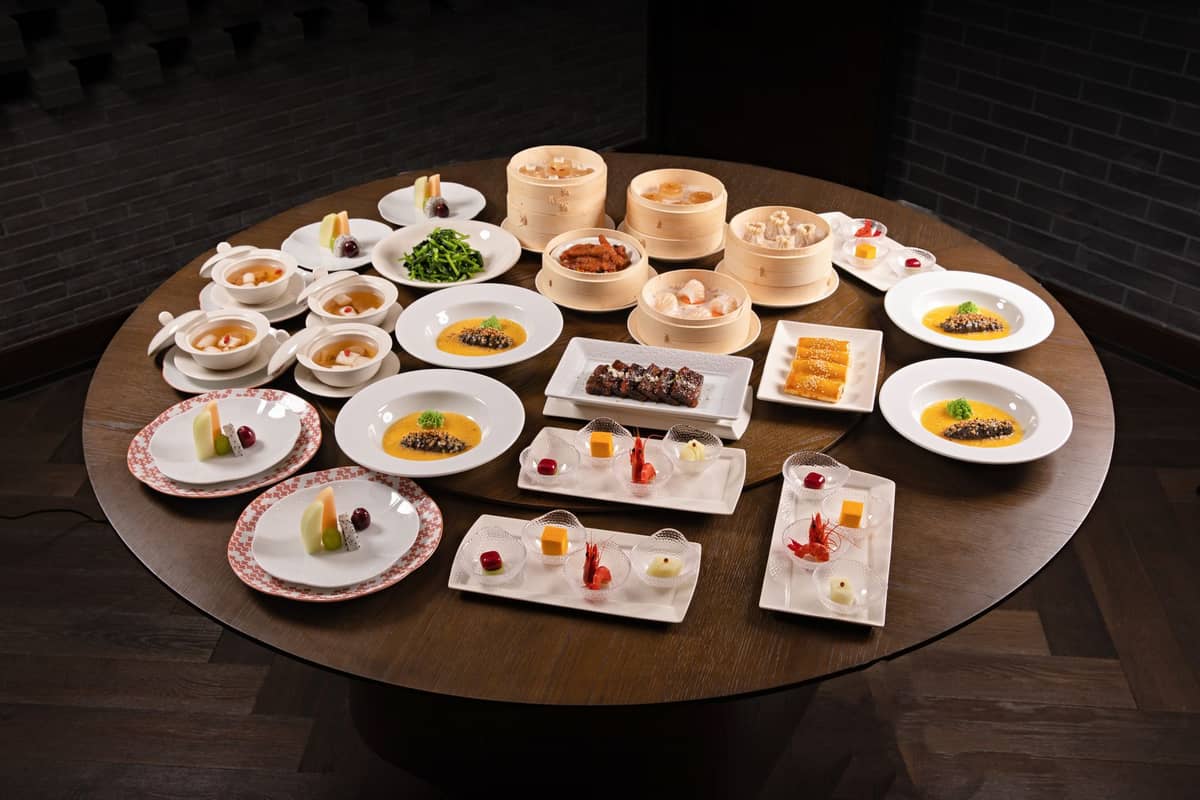
- Dim Sum and Cheung Fun (点心 / 肠粉) As a Cantonese city, Shenzhen takes dim sum seriously. Morning yum cha sessions — often starting as early as 7am — are a social ritual, with restaurants filling with families ordering bamboo steamers of har gow, siu mai, char siu bao, and turnip cake. Cheung fun (rice roll crepes filled with shrimp, beef, or plain) are eaten at dim sum or as standalone street food, drizzled with soy sauce and sesame paste.
💡 Local tip
For dim sum, arrive before 9am on weekends if you want to avoid a wait at popular restaurants. By 10am, many of the best Cantonese teahouses in Futian and Luohu have queues out the door. Weekday mornings are considerably quieter.
Regional Cuisines Worth Seeking Out
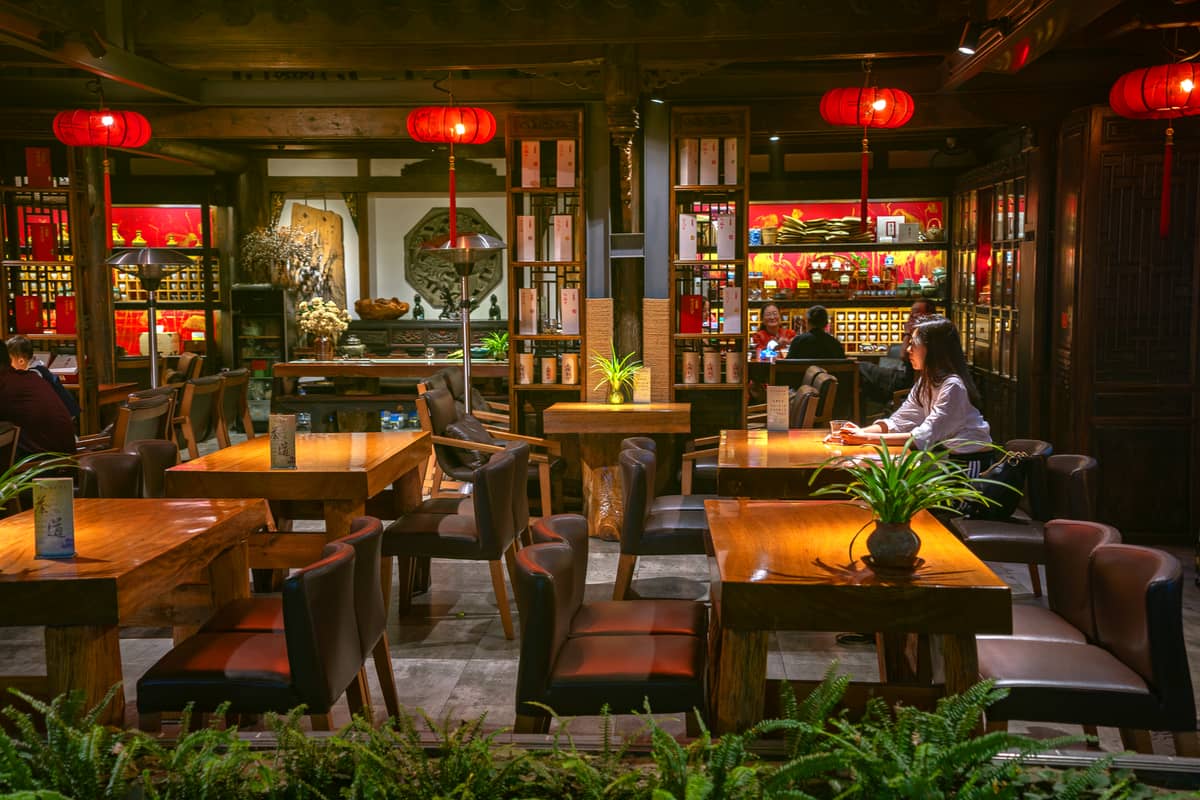
Beyond the Cantonese foundation, Shenzhen's migrant population has seeded the city with serious representations of other Chinese regional cooking. These are not watered-down approximations for homesick workers — the competition among restaurants and the size of each regional community means quality is often on par with what you would find in the source provinces.
Teochew (Chaoshan) cooking is the other major Guangdong tradition with a strong presence. Characterized by delicate braises, cold crab, oyster omelets, and a dedication to preserving natural flavors, Teochew cuisine is well-represented in Luohu and Futian. Chaoshan beef hot pot — using fresh, unaged beef sliced to order and cooked in a plain bone broth — has a cult following and has generated dedicated restaurant chains throughout the city.
Hunan cooking is the dominant spicy cuisine in Shenzhen, more prevalent than Sichuan in the opinion of many long-term residents. Where Sichuan food builds heat through numbing mala (peppercorn and chili) combinations, Hunan food is simply, straightforwardly hot and sour, with heavy use of fresh and fermented chilies. Braised pork belly with preserved vegetables, smoked cured meats, and stir-fried fish heads in chili sauce are Hunan signatures found cheaply and well at the dozens of Hunan restaurants concentrated around office and residential areas citywide.
Sichuan food has its own strong following, particularly in younger, more cosmopolitan neighborhoods like OCT and Shekou. Beyond the famous mala hot pot, look for Dan Dan noodles, mapo tofu, and cold dishes like mouth-watering chicken (口水鸡), which translate surprisingly well even to visitors who usually avoid spice. Sichuan restaurants in Shekou tend to calibrate heat levels down slightly for an international clientele, so if you want the authentic version, head to restaurants in residential areas of Longhua or Longgang.
Where to Eat by Neighborhood
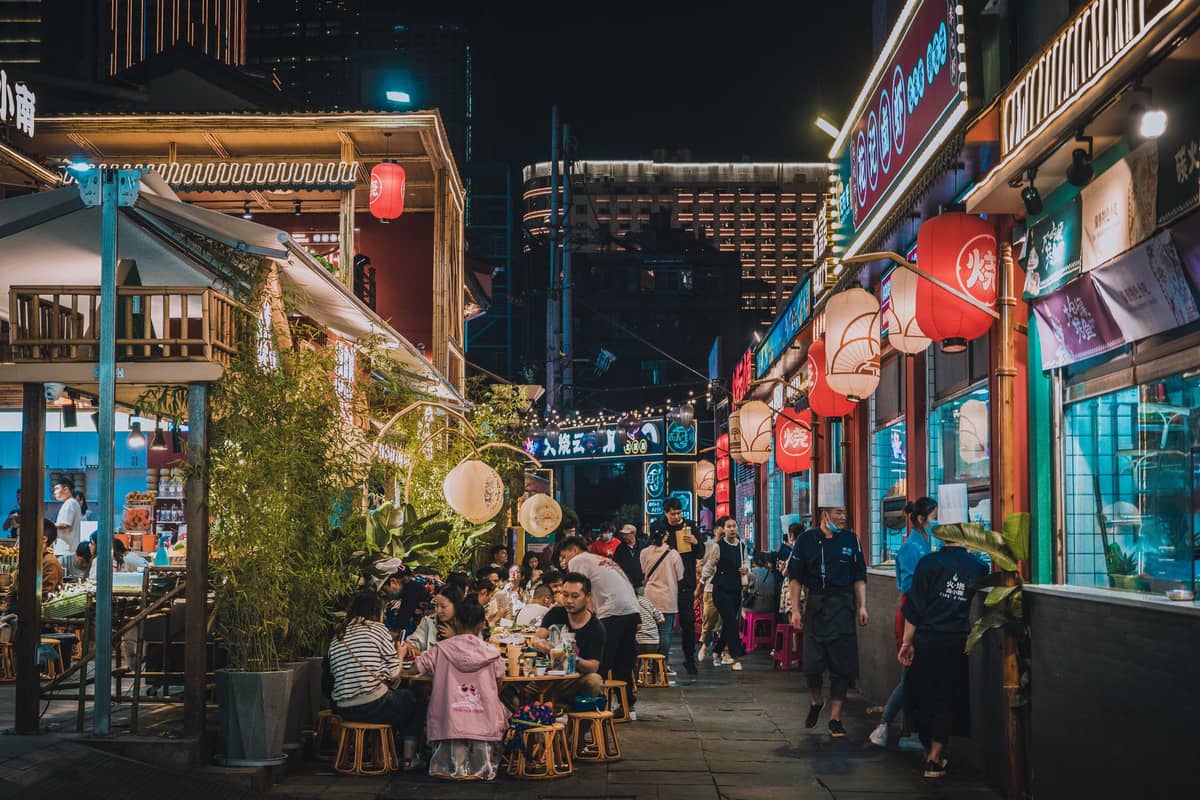
Shenzhen's food landscape is distributed across its districts rather than concentrated in one area, so knowing roughly where you are staying helps narrow the search. Shekou and the Sea World Plaza area in Nanshan are the go-to zones for international restaurants, craft beer bars, and higher-end Western dining. The expat population here is large, and the food options reflect that directly.
Luohu near the Hong Kong border is one of the older commercial districts and has strong traditional Cantonese restaurants, Teochew specialists, and a dense concentration of street-level snack stalls around Dongmen Pedestrian Street. This is where Shenzhen eating feels most lived-in and least curated for visitors.
- Futian (福田) The central business district has the broadest range: upscale Cantonese and Teochew restaurants, competitive Sichuan and Hunan spots, Japanese and Korean options, and large shopping mall food courts that are good. Coco Park and MixC mall house dozens of reliable mid-range restaurants.
- Nanshan / Shekou (南山/蛇口) Best for international cuisine, European-style cafes, and refined Cantonese seafood. The University Town area also has cheap, student-friendly options worth exploring.
- Luohu (罗湖) Traditional Cantonese teahouses, Teochew cold crab, street snacks around Dongmen, and some of the best value late-night eating in the city.
- Longgang / Dapeng (龙岗/大鹏) The place for authentic Hakka food, particularly salt-baked chicken and stuffed tofu. Seafood restaurants near the coast serve freshly caught fish at prices well below city-centre levels.
- Guangming (光明) The source of Gongming roast goose and Guangming milk pigeon. Worth a trip specifically for these dishes if you have more than two days in Shenzhen.
⚠️ What to skip
Restaurant turnover in Shenzhen is high. Specific establishments recommended in older travel blogs may have closed or relocated. Cross-reference any restaurant recommendation with a current Chinese review platform like Dianping (大众点评) before making a special trip. Most locals use Dianping in the same way Western travelers use Google Maps reviews.
Street Food, Markets, and Budget Eating
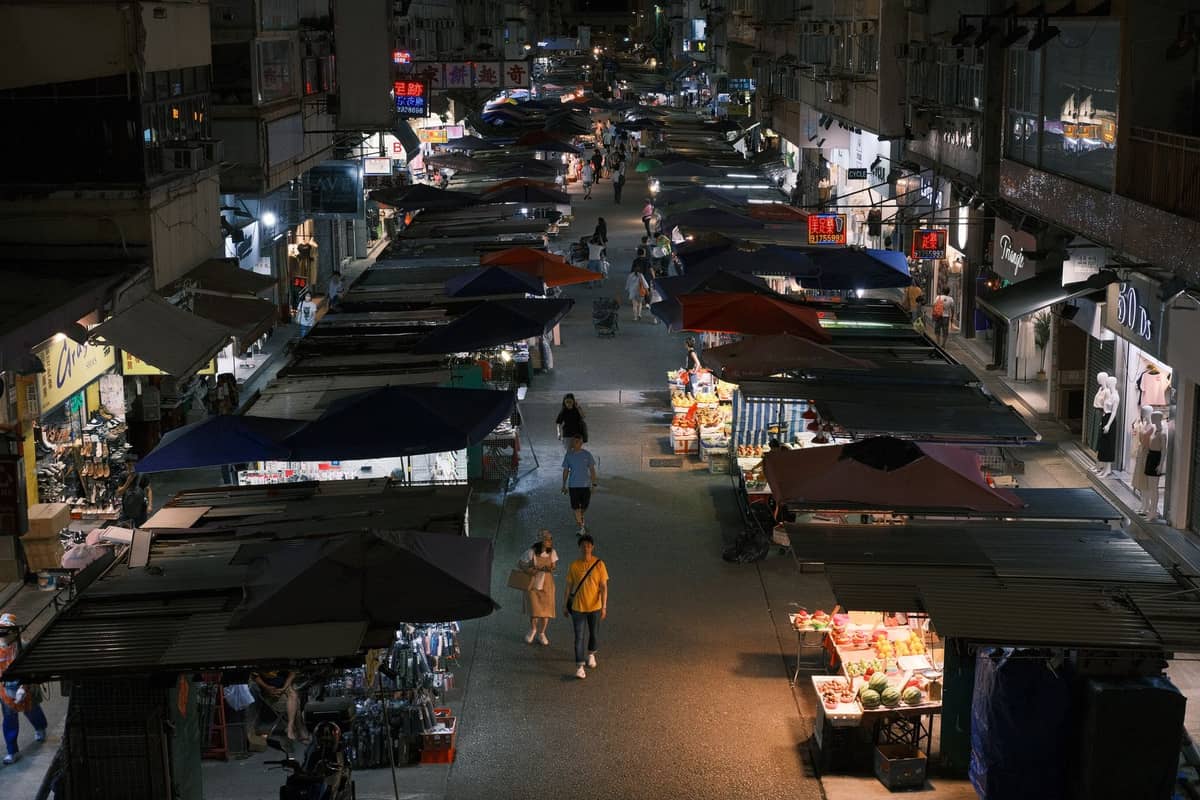
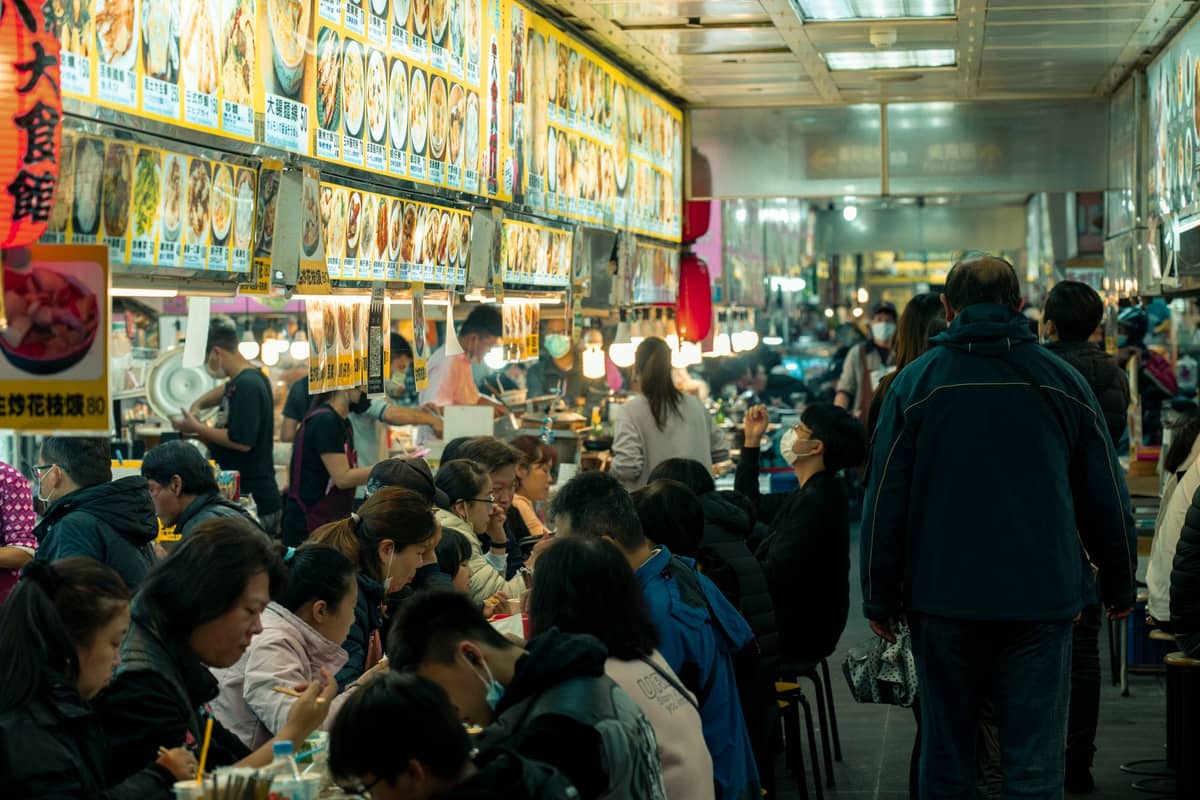
Shenzhen's street food scene is concentrated around wet markets, night markets, and pedestrian shopping areas. Dongmen in Luohu has stalls selling stinky tofu, grilled skewers (chuan chuan), fried squid, and sugar-coated fruit on a stick well into the evening. For a more structured market experience, covered wet markets in residential neighborhoods are excellent for observing how the city actually eats, with fresh produce, live seafood tanks, and prepared food stalls side by side. The free things to do in Shenzhen guide covers some of these market areas as standalone destinations.
Canteen-style fast food restaurants (快餐, kuai can) serve rice plates with multiple stir-fried vegetable and meat toppings for around 20-40 CNY, making them the most practical option for lunch on a tight budget. These are everywhere — look for hand-written or laminated menus in windows, usually with photos. Hot pot at the cheaper end starts around 60-80 CNY per person for a shared pot with standard ingredients. Dim sum at a mid-range Cantonese restaurant typically runs 80-150 CNY per person including tea.
✨ Pro tip
Cash is rarely necessary for food purchases in Shenzhen. WeChat Pay and Alipay are accepted almost universally, from sit-down restaurants to street stalls. International visitors can now add foreign debit or credit cards to both apps to use them without a Chinese bank account, though setup is easiest done before you arrive. Having a backup of small-denomination CNY notes is still sensible for the occasional cash-only stall.
Seasonal and Festive Foods
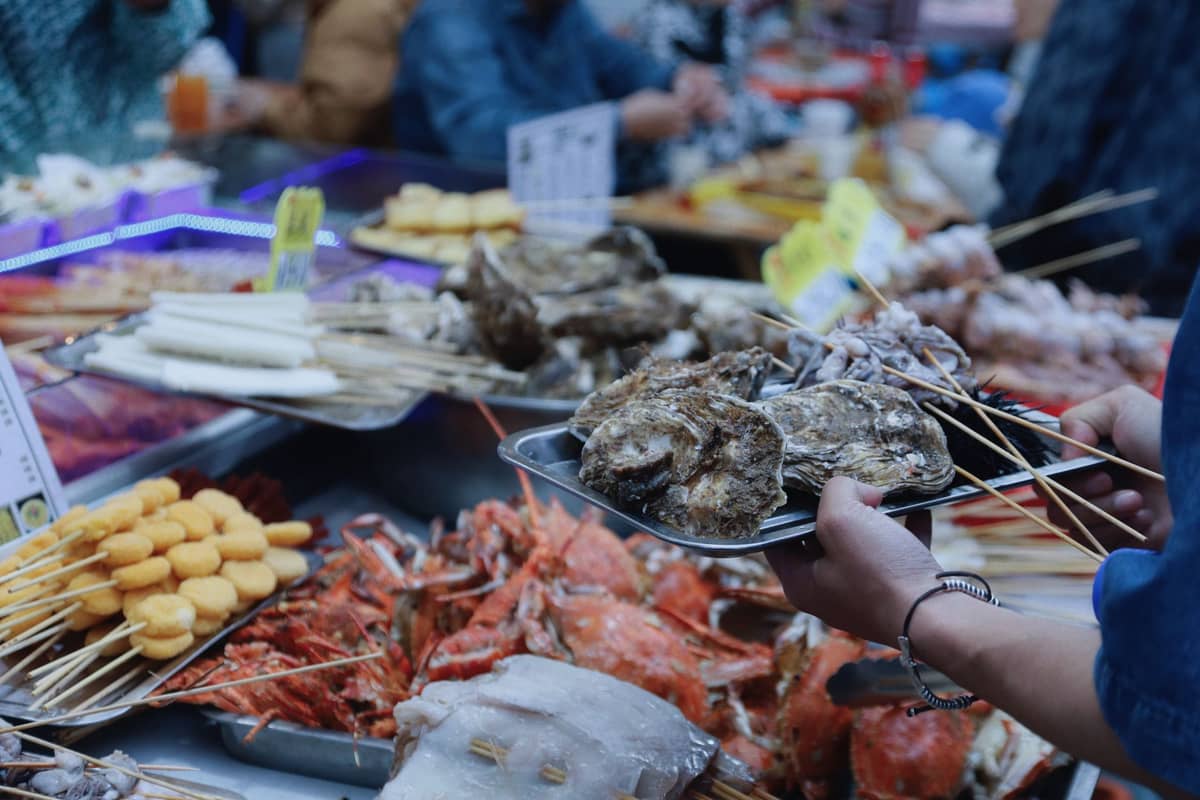
Shenzhen food follows the rhythms of the Cantonese and Chinese calendar more than any single tourist season. Shajing oysters are best from November through March when water temperatures are cooler and oysters are plumper. Seafood generally is worth prioritizing in autumn and winter, when the summer heat does not complicate transport and storage.
During Chinese New Year — which falls between late January and mid-February depending on the lunar calendar — Shenzhen restaurants serve poon choi (盆菜), a ceremonial layered dish of braised meats, seafood, tofu, and vegetables cooked together in a large communal basin. It is traditionally associated with Cantonese village celebrations and is more a festive banquet experience than everyday dining. See the Chinese New Year in Shenzhen guide for context on what the city is like during this period, including restaurant closures.
The summer months, roughly May through September, bring heavy rainfall and high humidity. This is when cold Teochew dishes, chilled tofu, and coconut-based drinks become particularly popular. Many Cantonese restaurants also serve cooling herbal soups and desserts like guilinggao (turtle jelly) and douhua (silken tofu pudding with ginger syrup), which are eaten for both flavor and their perceived health properties.
FAQ
What is the most famous local food in Shenzhen?
Shajing oysters are the most frequently cited Shenzhen specialty, followed by Gongming roast goose and Hakka salt-baked chicken. That said, Shenzhen does not have one single defining dish the way some older Chinese cities do. Its food identity is built on a range of Cantonese, Hakka, and Teochew dishes, plus strong regional representation from across China.
Is Shenzhen food spicy?
Not inherently. Traditional Cantonese and Teochew food are mild, focused on freshness and subtle seasoning. However, Hunan and Sichuan restaurants are widespread and popular, so very spicy food is easy to find if you want it. Most restaurants will adjust heat levels on request, and menus typically indicate spice level where relevant.
Where should I eat in Shenzhen as a first-time visitor?
Start with dim sum at a traditional Cantonese teahouse in Futian or Luohu for breakfast. For lunch, try a Chaoshan beef hot pot or rice plate at a local canteen. Dinner is well-suited to coconut chicken hot pot or a seafood restaurant in Shekou or Nanshan. This covers the range of what Shenzhen does best without requiring you to travel far between meals.
Is it easy to eat vegetarian in Shenzhen?
It is manageable but requires some effort. Buddhist vegetarian restaurants (素食, su shi) exist in most districts and serve dishes that mimic meat textures using tofu, gluten, and mushrooms. Cantonese vegetable stir-fries and tofu dishes are widely available at standard restaurants. Strict vegans will find it harder, as many broths and sauces contain oyster sauce, pork stock, or egg. Having a written card in Chinese explaining your dietary restrictions is helpful.
How much does a typical meal cost in Shenzhen?
A canteen-style rice plate lunch costs around 20-40 CNY. Street food snacks run 5-20 CNY each. A mid-range sit-down restaurant for dinner, including drinks, typically runs 80-150 CNY per person. Upscale Cantonese dim sum or seafood restaurants can reach 200-400 CNY per person. Shenzhen is generally more affordable than Hong Kong for comparable food quality.