Xichong Beach: Shenzhen's Premier Coastal Escape on the Dapeng Peninsula
Xichong Beach sits at the southern tip of the Dapeng Peninsula in Longgang District, offering some of the clearest water accessible from central Shenzhen. With dramatic rocky headlands, open sands, and a connected coastal hiking trail, it rewards the extra travel time it takes to reach it.
Quick Facts
- Location
- Xichong Village, Nan'ao Town, Longgang District, Shenzhen 518031
- Getting There
- No direct metro. Take Metro Line 3 to He'ao, then a bus or taxi toward Nan'ao and Xichong Village. Ride-hailing (Didi) is the most practical option from central Shenzhen.
- Time Needed
- 3–6 hours for the beach alone; full day if combining with the coastal trail to Dongchong
- Cost
- Beach access appears to be free or low-cost; verify on arrival as fees can change seasonally
- Best for
- Swimmers, hikers, photographers, and anyone needing genuine distance from the city
What Xichong Beach Actually Is
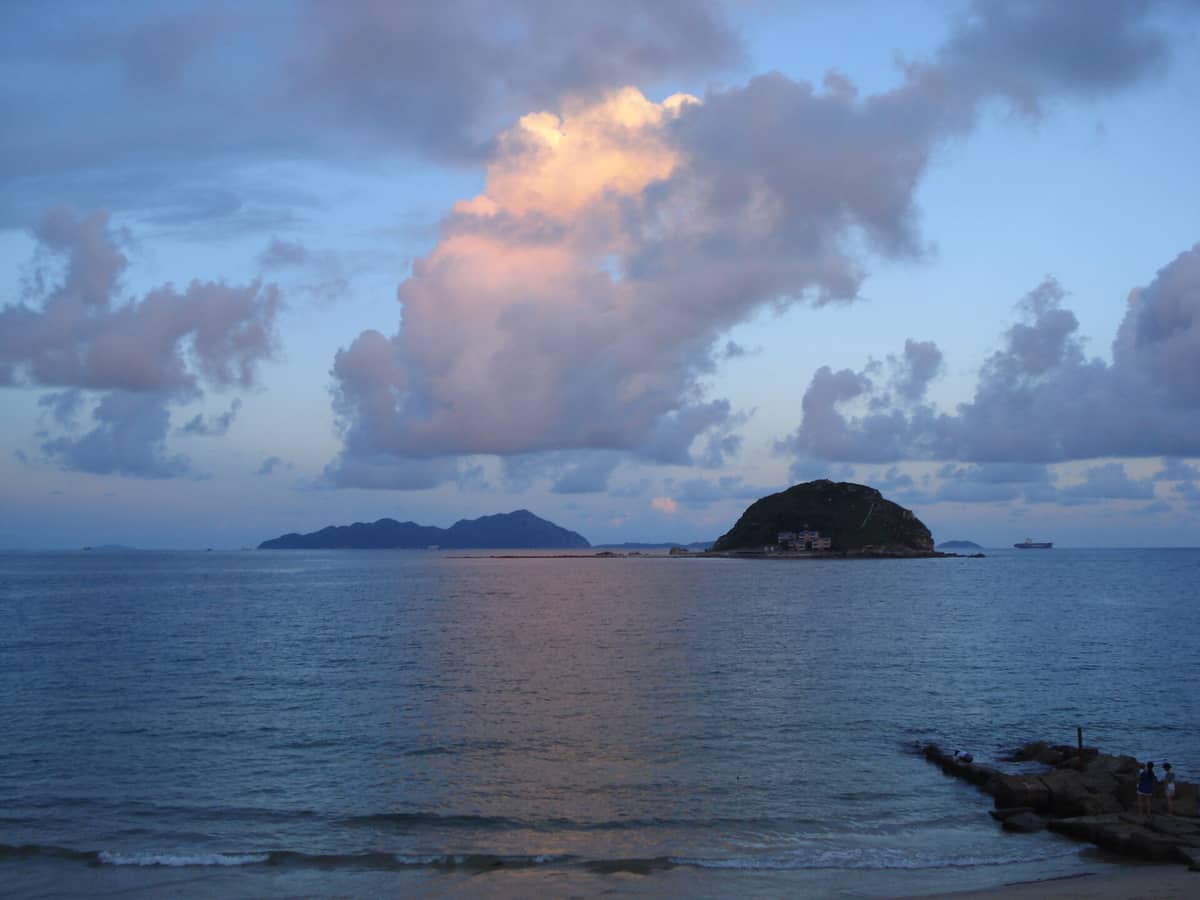
Xichong Beach (西冲海滩, also written 西涌海滩) sits at the southern edge of the Dapeng Peninsula, Xichong Beach (西冲海滩, also written 西涌海滩) sits at the southern edge of the Dapeng Peninsula. It is a wide, open bay flanked by granite headlands, with water quality that is noticeably cleaner than at some closer-in Shenzhen beaches. The surrounding coastline has not been heavily developed, which is the main reason the water stays clearer.
The beach is also connected to the Xichong-Dongchong Coastal Trail, a route that follows the coast northward to Dongchong Beach. That trail is what elevates Xichong from a straightforward beach day into something with more substance, and it is the reason many visitors arrive with both swimming gear and hiking shoes.
⚠️ What to skip
Swimming rules at Xichong can be strict. Arrive with realistic expectations about access.
How the Beach Changes Through the Day
Arrive before 9 AM and the beach has a completely different character from what you encounter at midday. The air is cooler, the light is low and angled across the water, and the headlands to the south catch the early sun in a way that makes the granite glow warm orange. Fishing boats from Xichong Village are sometimes visible offshore in the early morning, adding movement to the scene without any of the noise that comes later.
By late morning, particularly on weekends and Golden Week holidays, the beach fills with families, day-trippers from central Shenzhen, and tour groups. The sand narrows in sections near the facilities area, and the crowd concentration near the swim zones becomes significant. Vendors operate along the beach periphery, and the smell of grilled food and sunscreen becomes part of the ambient experience.
Late afternoon, around 4–5 PM, sees a second quieter window as day-trippers begin leaving. Official hours run until 10 PM, and a small number of visitors stay into the evening when the air temperature drops and the beach is generally peaceful.
The Xichong-Dongchong Coastal Trail: Context and Practicalities
The trail connecting Xichong to Dongchong Beach is the reason serious hikers make the trip to this corner of Shenzhen. The route follows the coastline and includes uneven ground in places, so careful footing is needed. Read more about what to bring and how to plan the route in the dedicated guide to theXichong-Dongchong Coastal Trail.
Starting from Xichong and hiking north to Dongchong is a common direction because it keeps the logistics simple. Carry at least 1.5 liters of water per person. There are no reliable resupply points on the trail itself.
💡 Local tip
If you plan to hike the coastal trail, start no later than 8:30 AM in summer months. The combination of direct sun, high humidity, and exposed clifftop paths makes a midday start genuinely unpleasant and potentially risky. October through December is the most comfortable season for this route.
Getting to Xichong: What to Expect
Xichong is one of the most remote major beaches from central Shenzhen, and the journey is the most cited reason people give for not returning as frequently as they'd like. There is no direct metro connection to the beach. The closest metro reference is Line 3 at He'ao Station, after which you still need a bus or taxi to cover the remaining distance to Xichong Village. Door-to-door from Futian or Luohu by taxi or Didi typically takes 75–100 minutes depending on traffic.
Didi is the most practical option for most international visitors. Budget for a longer ride cost given the distance. Some visitors coordinate a shared taxi or minibus with others at Shayuchong station. Bus options exist but require local knowledge of routes that change periodically, so verify current options before relying on them. For context on navigating Shenzhen's transport system more broadly, thegetting around Shenzhen guidecovers the options clearly.
Coming from Hong Kong, the journey adds another layer. Cross into Shenzhen via Luohu or Futian checkpoints, then continue by metro and ride-hailing. The full journey from central Hong Kong can easily exceed two hours. That said, the beach is a genuine contrast to the urban density of both cities, and for visitors who have already exhausted the more central attractions, the distance is worthwhile.
When to Visit and What the Weather Means for Your Trip
Shenzhen has a humid subtropical climate with a pronounced rainy season from late spring through summer. For Xichong specifically, this matters in two ways: heavy rain makes the coastal trail slippery and potentially dangerous, and typhoon season (roughly June through September) can close beaches with little warning. Thebest time to visit Shenzhenbroadly aligns with Xichong's best beach conditions: October through December offers milder temperatures, lower humidity, and the clearest water of the year.
Summer visits are not impossible, but they require adjustment. The water is warm and inviting, which draws larger crowds. Early morning arrivals avoid both the heat and the worst of the weekend congestion. Weekday visits in any season are noticeably quieter. Golden Week (early October) and Chinese New Year are the two periods of peak domestic travel; Xichong becomes extremely crowded during these windows and the coastal trail can feel less like a nature hike and more like a queue.
What to Bring and Wear
- Sun protection is non-negotiable: reef-safe sunscreen, a hat with a brim, and UV-protective clothing for the trail sections
- Water shoes or sandals with grip: the beach has sections of coarser sand and rock near the headlands
- Cash in CNY for any on-site vendors or entrance fees; mobile payment (WeChat Pay, Alipay) may be accepted by some vendors
- A dry bag or waterproof pouch if you plan to swim and carry your phone
- Hiking shoes if combining the beach with the Dongchong trail; flip-flops are not adequate for the trail terrain
- Bottled water: carry more than you think you need, particularly in summer
ℹ️ Good to know
Drinking water is best bought before leaving the city or at vendors near the beach entrance. Options become limited once you're on the trail.
Photography at Xichong
The geography at Xichong gives photographers more to work with than a flat sandy beach. The granite headlands at both ends of the bay provide elevated vantage points that frame the beach in a single composition. The southern headland in particular offers a view back across the full arc of the bay that is cleanest in morning light. Reaching it requires a short scramble on the rocks at the beach's edge.
The water at Xichong reads turquoise-green in calm conditions and shifts toward deeper blue in choppier weather. Overcast days produce surprisingly good color saturation in the water without the harsh shadows that direct sun creates on sand. Drone operators should be aware that coastal flight restrictions may apply in China, so check current local rules before flying.
Who Should Consider Skipping This
Xichong is not the right choice for everyone with limited time in Shenzhen. If you have only one or two days in the city and have not yet seen the core attractions, urban Shenzhen offers a more concentrated experience. Visitors primarily interested in architecture, technology, or culture will find more to engage with in Nanshan, Futian, or theOCT district. The distance to Xichong is a real cost in a short itinerary.
Travelers with mobility limitations will also find Xichong difficult. The beach access involves uneven terrain, and the coastal trail is not suitable for wheelchairs or anyone with significant mobility restrictions.
If your priority is a beach day with minimal travel, Shenzhen has closer options worth considering. Dongchong Beach to the north is somewhat more accessible via the same peninsula road. For a broader look at how Xichong fits into a day or weekend trip to the Dapeng area, theDapeng Peninsula guidecovers the full picture including the Dapeng Fortress and the coastal villages.
Insider Tips
- Arrive on a weekday if at all possible. Weekend and holiday crowds at Xichong are not just inconvenient for atmosphere — they can create genuine bottlenecks at the beach entrance and on the narrower sections of the coastal trail.
- The southern headland at the beach's edge gives the best overview shot of the entire bay. It is not signposted and requires a short, careful rock scramble, but it is stable granite and manageable for most people wearing shoes with grip.
- If you're combining the beach with the Dongchong trail and want a one-way hike, arrange your Didi pickup from Dongchong Beach before you start rather than hoping for a signal at the far end. Mobile coverage is patchy on parts of the trail.
- October and November are the optimal months for this beach specifically: water temperatures remain warm from summer heating, jellyfish presence drops compared to peak summer, and weekend crowds are lighter than during Golden Week.
- Small restaurants and noodle shops in Xichong Village near the beach entrance serve fresher and far cheaper food than any vendor operating on the beach itself. Walk five minutes into the village rather than eating at the first stall you see.
Who Is Xichong Beach For?
- Hikers who want to combine a coastal trail with a swim at either end
- Photographers looking for a beach with geographic variety: headlands, coves, and open bay in one frame
- Visitors with a full day to spare and a desire for contrast with central Shenzhen's urban density
- Families comfortable with the long journey and looking for cleaner water than closer city beaches offer
- Repeat Shenzhen visitors who have covered the central attractions and want to explore the outer reaches of the city
Nearby Attractions
Other things to see while in Dapeng Peninsula:
- Dapeng Ancient Fortress
Dapeng Fortress (大鹏所城) is the most intact Ming Dynasty military garrison in southeastern China, sitting on Shenzhen's eastern coast with over 600 years of layered history. Free to enter and a world away from the city's glass towers, it rewards anyone willing to make the journey east.
- Dongchong Beach
Dongchong Beach (东冲海滩) sits at the far eastern edge of Shenzhen in Dapeng New District, offering clear water, coarse sand, and a raw coastal atmosphere that the city's more developed beaches simply don't have. It's best reached by public bus and pairs naturally with the famous coastal hiking trail to Xichong.
- Xichong–Dongchong Coastal Hiking Trail
The Dongchong–Xichong Coastal Hiking Route in Dapeng New District traces the wild southeastern edge of Shenzhen, linking two pristine bays across roughly 6 to 10 kilometres of cliff paths and granite headlands. It is free to hike, takes most walkers three to five hours, and delivers the kind of landscape that feels far removed from the city that built it.