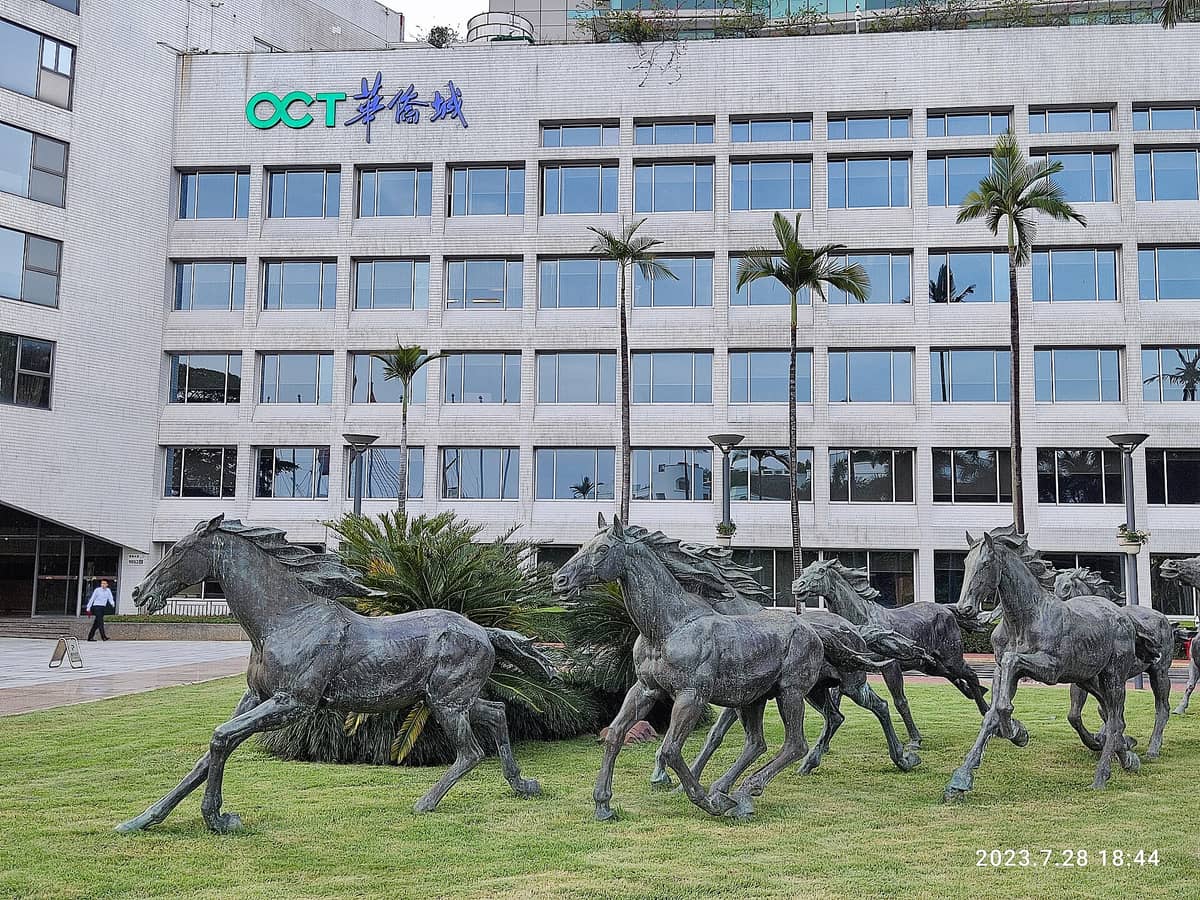
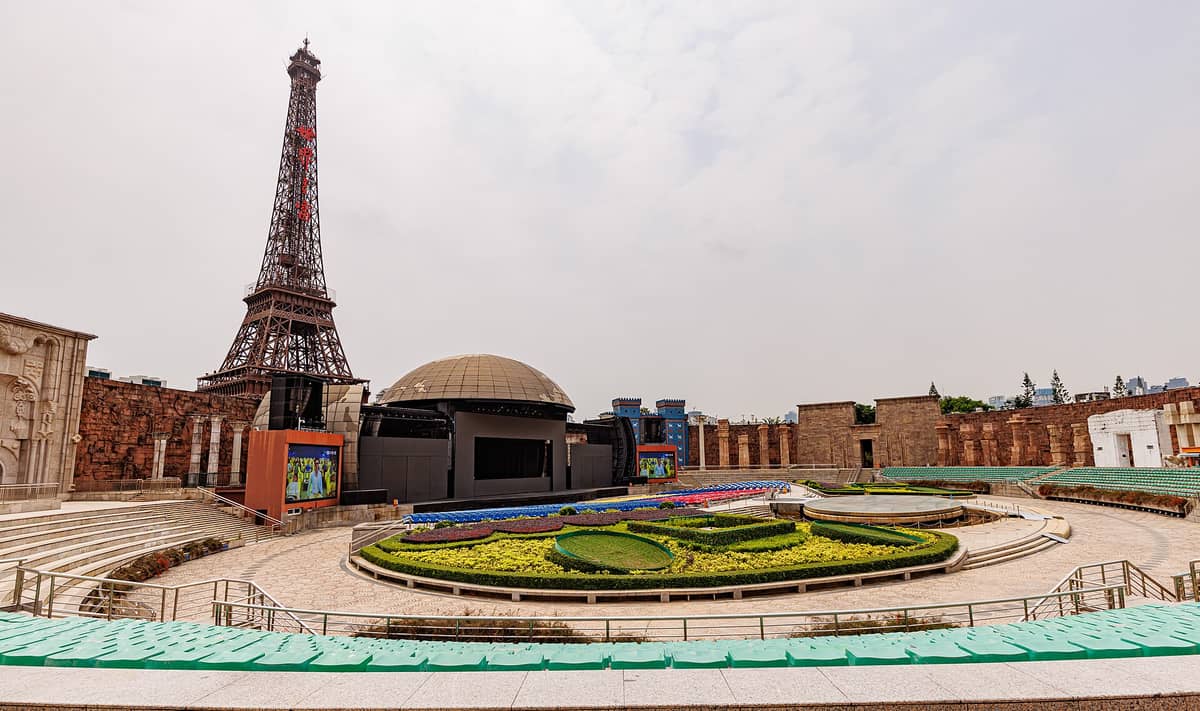
Overseas Chinese Town (OCT) is a leafy area of Nanshan, combining large-scale theme parks with a genuine arts scene, landscaped residential streets, and some of the city's best dining and nightlife. It is served by four metro stations and feels like a different city from the commercial chaos of Futian or Luohu.
OCT (Overseas Chinese Town) is the rare Shenzhen neighborhood that was designed with people in mind rather than productivity. Wide, tree-lined streets, a cluster of world-class theme parks, a converted industrial arts quarter, and canal-side retail make it the city's most coherent and livable district for visitors.
Orientation
OCT sits in the western part of Nanshan District, bounded to the south by Shennan Dadao, one of Shenzhen's great east-west arteries. It stretches north from that boulevard and is not a formally designated administrative zone in the way Futian or Luohu are, but locals and maps treat it as a coherent neighborhood anchored by the OCT Group's original development from the 1980s.
Four metro stations give the area exceptional connectivity. Window of the World Station (Line 1) sits at the southwestern corner near the theme parks. Overseas Chinese Town Station (Line 1) is one stop east and closer to the OCT-LOFT creative district. Qiaocheng East Station (Line 2) serves the eastern residential and commercial parts, while Qiaocheng North Station (Line 2) reaches the northern residential blocks. If you are staying in Nanshan District and want to explore this area, these four stations form a rough rectangle around the whole neighborhood, making it easy to navigate on foot between stops.
OCT is roughly 30 minutes by metro from the central business district of Futian and about 40 minutes from Luohu at the Hong Kong border. Its position in western Shenzhen also makes it a practical base for anyone who wants to explore both sides of Nanshan without backtracking.
Character & Atmosphere
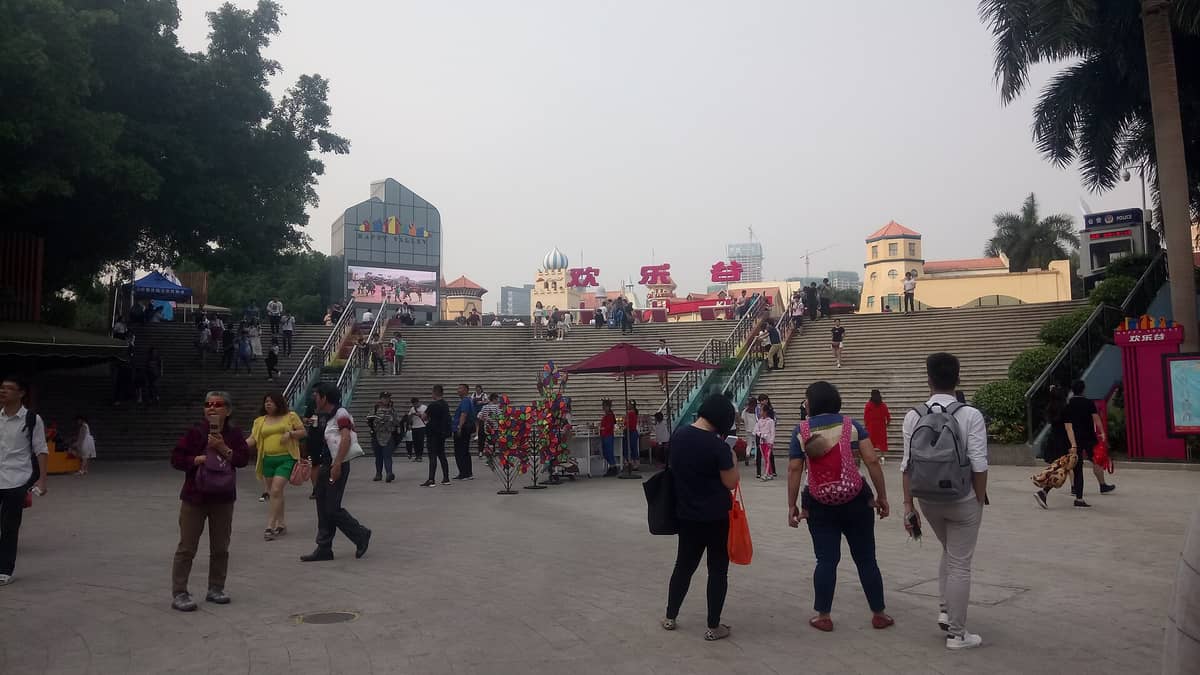
OCT has a split personality that becomes clear once you start walking. Along Shennan Dadao and around the theme park entrances, everything is scaled for crowds: wide pedestrian plazas, tour bus drop-offs, souvenir stalls, and the kind of controlled energy you feel outside any large attraction. But walk two or three blocks north into the residential streets behind the main boulevard, and the temperature drops both literally and figuratively. Mature trees form canopy over quiet lanes, and the pace slows to something close to a mid-sized Chinese city rather than a megacity.
In the morning, OCT shows its residential side first. Retirees practice tai chi in the small parks between apartment blocks. Bakeries and congee shops draw queues from the towers above. The air around the OCT-LOFT district is almost entirely quiet before 10am, with only coffee shop staff setting up tables on the former factory forecourts. This is when the area feels most like a neighborhood rather than a destination.
By mid-afternoon the tourist activity peaks at Window of the World and Splendid China Folk Village. Coaches fill the parking lots along Shennan Dadao, and the approaches to the theme parks become genuinely crowded on weekends. The OCT-LOFT area, by contrast, fills with a younger crowd from late afternoon onward: designers, students from nearby universities, expats, and the kind of Shenzhen residents who define themselves against the city's corporate image.
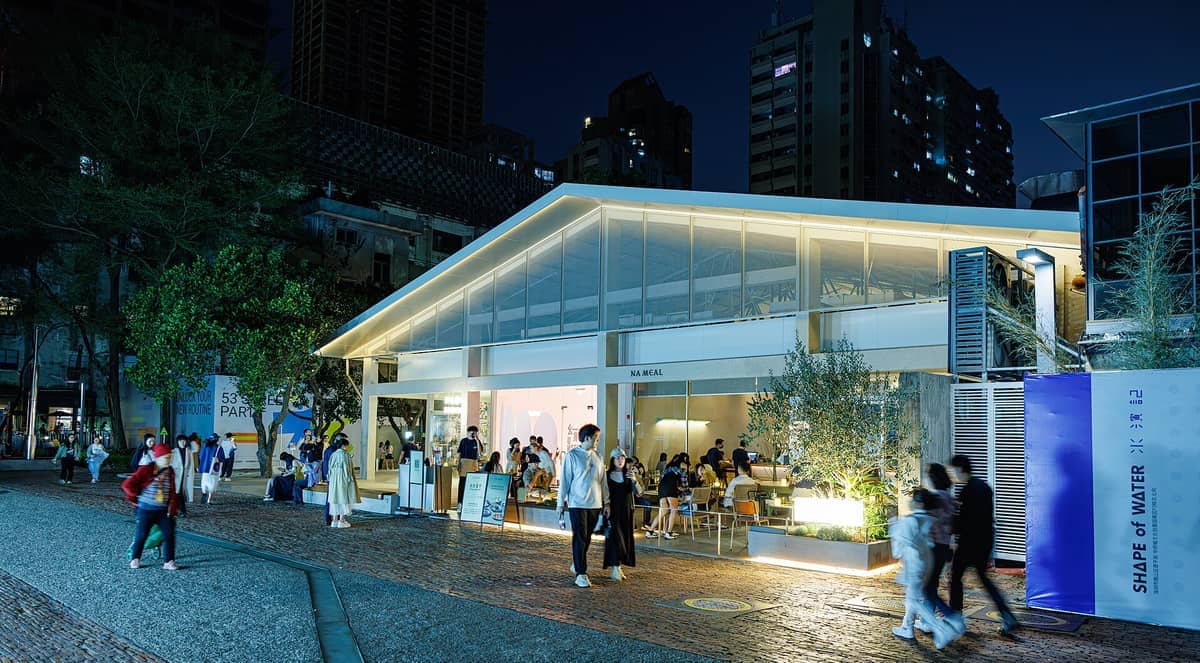
After dark, the character splits again. OCT Harbour, the large retail and canal development in the southwestern part of the neighborhood, lights up with evening crowds strolling along the waterways. The restaurants here stay busy until 10pm or later on weekends. The OCT-LOFT area runs a different kind of night: smaller, louder, with live music venues and bars that stay open late. The streets directly behind the theme parks, once the buses leave, become unexpectedly calm.
💡 Local tip
Visit OCT-LOFT on a weekday afternoon for the best experience: galleries are open, the creative studios are active, and the outdoor spaces aren't crowded. Weekend evenings here attract long queues at popular restaurants and bars.
What to See & Do
The theme parks are the obvious starting point. Window of the World is the more famous of the two, a large park that recreates scaled-down versions of global landmarks from the Eiffel Tower to Niagara Falls. It sounds kitsch, and in parts it is, but the park is enormous, well-maintained, and entertaining for a few hours, particularly if you have children in tow or want an unusual backdrop for photography. Admission prices are reasonable by international standards.
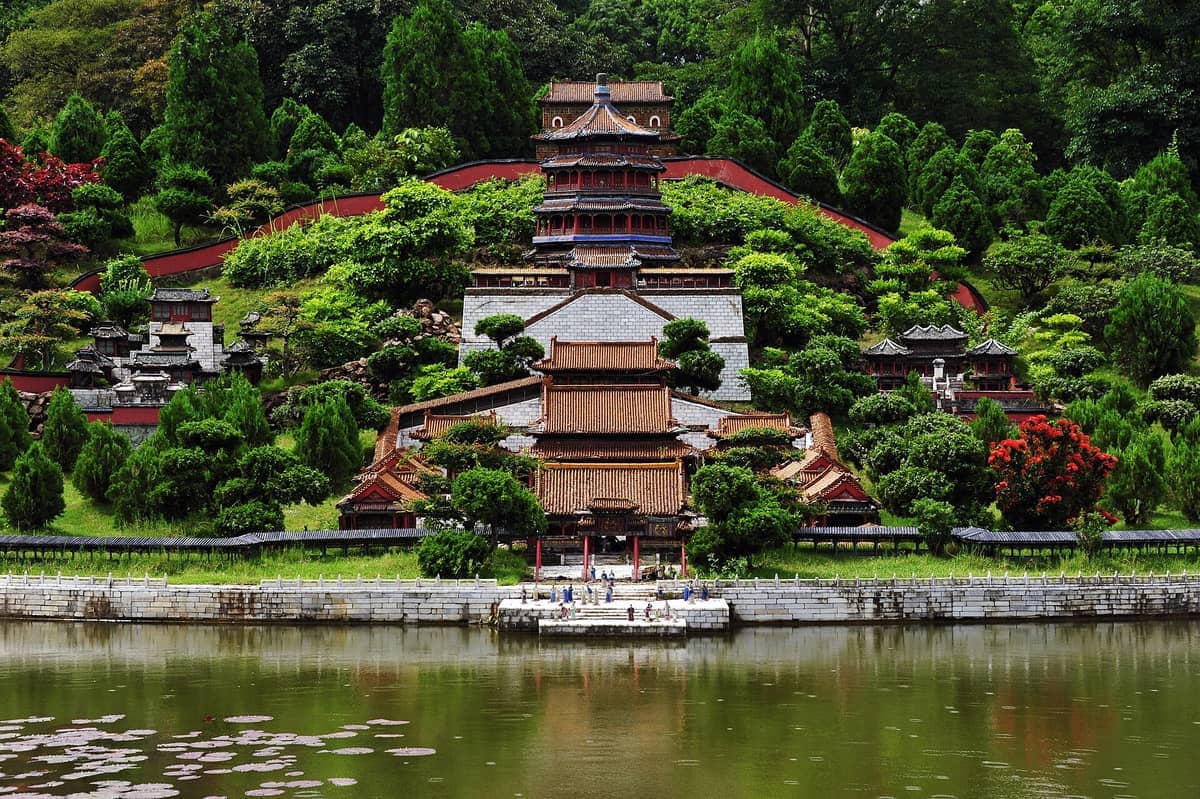
Splendid China Folk Village sits adjacent to Window of the World and offers a different kind of spectacle: miniature reconstructions of Chinese historical sites and themed cultural villages representing different ethnic groups. The park is older and shows its age in parts, but the evening cultural performances are well-regarded and worth timing a visit around.
For visitors who would rather skip the theme parks entirely, OCT-LOFT is the single most interesting destination in the neighborhood. Built in the shell of a former industrial zone on the northern edge of OCT, it has been converted over two decades into a working creative district with independent galleries, architecture studios, design shops, specialty coffee roasters, and a serious live music scene. The warehouses and factory buildings retain their industrial bones, but the interiors range from raw concrete to carefully designed gallery spaces.
OCT-LOFT hosts a regular art book fair and design market that draws visitors from across the Pearl River Delta
Several contemporary art galleries in OCT-LOFT show work by both Shenzhen-based and international artists
The outdoor sculpture installations throughout OCT-LOFT are free to view and change periodically
OCT Harbour's canal-side promenade is a good evening walk with views of the water and surrounding residential towers
The residential streets between Overseas Chinese Town metro station and OCT-LOFT reward slow walking for architectural interest
If your interest in Shenzhen runs toward its architecture and urban planning story, OCT is a key chapter. The neighborhood was developed by the state-owned OCT Group from the 1980s onward as a model of planned urban design, and it shows in the consistency of the streetscape. For context on how this fits into the wider city's development, the Shenzhen architecture guide covers the OCT district alongside other landmark sites across the city.
ℹ️ Good to know
OCT-LOFT is divided into two sections, East and West, connected by a pedestrian bridge. Most galleries are in the West section; the East section has more restaurants and bars. Allow at least two hours to cover both properly.
Eating & Drinking
OCT has one of the more varied food scenes in Shenzhen, spanning everything from canteen-style Cantonese restaurants in the residential blocks to concept dining rooms in converted warehouses. The price range is wider than in many other Shenzhen neighborhoods: you can eat well for under 40 CNY at the noodle and rice shops near the metro stations, or spend 200 CNY per person at the more design-forward restaurants inside OCT-LOFT.
The OCT-LOFT West area has concentrated the most interesting independent food and drink options. Specialty coffee arrived here earlier than in most of Shenzhen, and several roasters and cafes now operate out of the warehouse spaces. These are genuine working cafes used by the designers and creatives who work in the district, not tourist-facing operations, which keeps the quality high and the atmosphere relaxed.
OCT Harbour's retail and canal development has a large concentration of chain restaurants and mid-range dining options that work well for groups or families who want variety and predictability. The promenade-facing restaurants pick up in the evening when the crowds come out for a walk, and you can expect to wait for a table at popular spots on Friday and Saturday nights. The atmosphere here leans casual and social rather than serious dining.
For a broader picture of where to eat across Shenzhen and what regional specialties to look for, the Shenzhen food guide covers the city's full culinary range, including Teochew seafood, Cantonese dim sum, and the Hunan and Sichuan restaurants that have followed migration patterns into the city.
Street-level breakfast: congee, baozi, and fried dough sticks near the residential tower clusters around Overseas Chinese Town metro
OCT-LOFT West: specialty coffee, brunch menus, and creative Cantonese-influenced small plates
OCT Harbour promenade: casual chain dining, bubble tea, and evening snacks
Residential backstreets north of Shennan Dadao: affordable Cantonese and Hunan restaurants used by locals rather than tourists
The bar scene centers on OCT-LOFT, where several small live music venues and craft beer bars operate out of the former factory spaces. These are not the kind of megaclubs found in Futian; the scale is more intimate, the crowd more creative-industry, and the closing time more civilized. On weekends, expect the outdoor seating areas to be full by 9pm.
Getting There & Around
The metro is by far the most practical way to reach OCT. Line 1 is the main axis, with Window of the World Station dropping you at the theme park cluster on Shennan Dadao and Overseas Chinese Town Station placing you closer to the OCT-LOFT district. Line 2 adds Qiaocheng East and Qiaocheng North for the residential and eastern sections. All four stations are clearly signposted and have English labels on the platforms and exits.
From Futian CBD, take Line 1 westbound from Civic Center or Grand Theater stations to Window of the World. From Luohu, the same Line 1 runs the full width of the city. From Shekou, Line 2 connects to Qiaocheng East. Full details on metro routes and fare structures are in the getting around Shenzhen guide.
Within the neighborhood, walking is the most rewarding way to move between the main areas. From Overseas Chinese Town Station to OCT-LOFT takes about 10 minutes on foot. The streets are well-paved and shaded by mature trees, making the walk comfortable except in the peak summer heat of July and August.
Didi (China's ride-hailing platform) works well throughout OCT and is the easiest option for reaching OCT Harbour from the metro stations, as the walk from the nearest station involves crossing several lanes of traffic on Shennan Dadao. Taxis are available but less convenient than Didi, particularly at peak hours. Cycling infrastructure is reasonable on the secondary streets north of the main boulevard.
⚠️ What to skip
Shennan Dadao carries heavy traffic throughout the day and crossing it on foot requires patience. Use the designated pedestrian overpasses rather than trying to cross at ground level. The overpasses near the theme park entrances are well-marked.
Where to Stay
OCT is a reasonable base for visitors who want to combine theme park access with the creative and cultural side of Shenzhen, and who don't need to be in the commercial core of Futian or Luohu every day. The neighborhood has a range of accommodation from international business hotels along Shennan Dadao to smaller boutique options in the OCT-LOFT vicinity. For a full comparison of Shenzhen's neighborhoods as bases, the where to stay in Shenzhen guide breaks down the options by traveler type and budget.
Hotels closest to Window of the World Station suit families with children who are here primarily for the theme parks: the parks are walkable and the metro gives easy access to the rest of the city. Visitors primarily interested in the arts and creative district will find accommodation near Overseas Chinese Town or Qiaocheng East stations more convenient, as these place you within walking distance of OCT-LOFT without requiring you to navigate past the theme park crowds.
The residential character of the northern parts of OCT means that short-term rental apartments are relatively available here compared to more commercial districts, and the streets are quieter at night than the Shennan Dadao frontage. If you are staying more than two or three nights and want the feel of a neighborhood rather than a hotel corridor, this part of OCT is worth prioritizing.
Who OCT Is For
OCT is not Shenzhen's most exciting neighborhood for visitors who want to see the city's raw energy. The planning is too deliberate, the streets too managed, and the main tourist infrastructure too familiar for that. What it offers instead is coherence: a part of Shenzhen where the urban environment has been thought through, where you can walk comfortably between different kinds of experience, and where the gap between tourist-facing attractions and actual local life is smaller than in most comparable districts.
For travelers with children, OCT is arguably the best base in the city: the theme parks are here, the streets are safe and walkable, and the food options are broad. For those interested in contemporary Chinese art and design culture, OCT-LOFT is a serious destination that rewards time and attention. For anyone building a first itinerary of Shenzhen, OCT belongs on the list alongside Futian and the tech corridor of Nanshan. The 2 days in Shenzhen itinerary includes OCT as a half-day stop that pairs well with a Nanshan afternoon.
If the theme parks don't interest you and the arts scene feels like a detour, you may find OCT too spread out for the return on time invested. In that case, Luohu or Futian's commercial core will feel more concentrated. But for a balanced Shenzhen experience that covers both the city's ambition and its quality-of-life investment, OCT makes a strong case for at least a full day.
TL;DR
OCT is Shenzhen's planned cultural district, built around the state-owned OCT Group's development from the 1980s onward in Nanshan District.
Window of the World and Splendid China Folk Village are the main tourist draws; OCT-LOFT is the highlight for visitors interested in contemporary art, architecture, and independent food and drink.
Four metro stations on Lines 1 and 2 make the neighborhood highly accessible from anywhere in the city.
Best suited to: families, design and arts travelers, visitors who want a walkable base with green streets and a range of food options.
Not ideal for: travelers seeking the commercial intensity of central Shenzhen or those who want to be within walking distance of Luohu's cross-border connections and shopping.
Two days in Shenzhen is enough to move through its most distinct neighbourhoods, from the electronics labyrinth of Huaqiangbei to the coastal parks of Nanshan and the art spaces of OCT Loft. This itinerary is built around the metro, keeps mornings efficient, and leaves room for the food and nightlife that most guides gloss over.
Shenzhen's climate is subtropical and unforgiving in summer. This guide breaks down every season clearly, from the ideal October–December window to the typhoon risks of July–September, so you can plan your trip around real conditions rather than brochure weather.
Shenzhen sits at the centre of one of the most connected corners of Asia. Within a few hours, you can reach Hong Kong, Guangzhou, Zhuhai, Macau, and the coastal villages of Dapeng. This guide covers the best day trips from Shenzhen with realistic travel times, transport logistics, and clear assessments of what each destination actually offers.
Shenzhen delivers far more than its reputation as a tech-and-shopping city. From coastal greenways and hilltop parks to art districts and Ming Dynasty fortresses, a remarkable amount of the city costs nothing to explore. This guide covers the best free attractions across every district.
Shenzhen has one of the most extensive metro systems in China, plus buses, taxis, and ride-hailing to fill the gaps. This guide breaks down every transport option, from airport arrival to cross-city metro trips, so you can move around confidently from day one.
Getting from Hong Kong to Shenzhen is straightforward once you know which crossing suits your itinerary. This guide covers every route — high-speed rail, MTR foot crossings, and 24-hour options — with realistic queue times, operating hours, and practical advice for first-timers.
Shenzhen is one of China's most misunderstood cities. It's not just a tech showcase or a shopping stopover from Hong Kong. This guide cuts through the clichés to help you decide if Shenzhen belongs on your itinerary, and what to prioritize if it does.
Shenzhen built more supertall skyscrapers in 40 years than most cities manage in a century. This guide covers the key landmarks, the best districts for architectural exploration, observation decks, design culture, and practical tips for getting around the skyline.
Chinese New Year in Shenzhen is neither a ghost town nor a nonstop party — it's something more interesting than either. This guide covers the real rhythm of the city during Spring Festival: which events are worth your time, how crowds shift, what actually closes, and how to make the most of one of China's most distinctive holiday periods.
Shenzhen has built one of China's most serious contemporary art ecosystems in under four decades. This guide covers the key museums, gallery districts, and creative spaces — from OCAT Shenzhen to Dafen Oil Painting Village — with practical details on getting there, what to expect, and when to visit.
Huaqiangbei is the world's largest electronics market district, but navigating it without a plan is a recipe for overpaying or leaving empty-handed. This guide covers which buildings to visit, realistic price expectations, negotiation strategy, payment methods, and practical advice on what is cheap versus what only looks like a deal.
Shenzhen's food scene reflects its identity as a migrant city: no single ancient cuisine, but an extraordinary range of Cantonese, Hakka, Teochew, Hunan, Sichuan, and international cooking all under one roof. This guide covers the dishes worth seeking out, the neighborhoods to find them in, and the practical details that make eating here genuinely easy.
Shenzhen is far more than tech malls and theme parks. This guide takes you to the ancient fortresses, artist communities, coastal trails, and architectural wonders that most visitors walk straight past.
Shenzhen surprises most visitors with the quality and variety of its hiking. Within the city limits you'll find a 944-meter mountain summit, a 15-kilometer coastal greenway, dramatic clifftop sea trails, and forested urban parks. This guide covers the best of all of them.
Shenzhen at night is more varied than most visitors expect. This guide breaks down the city's top nightlife districts by vibe and budget, covering rooftop bars, live music venues, megaclubs, and late-night food streets — with metro directions, realistic price ranges, and clear notes on what's worth your time.
Shenzhen is one of the most affordable major cities in Asia for travelers who know where to look. This guide breaks down realistic daily costs, the cheapest transport options, free and low-cost attractions, and the neighborhoods that give you the best value without sacrificing convenience.
Shenzhen takes its reputation as a City of Parks seriously. This guide covers the best parks in Shenzhen across every type, from hilltop viewpoints and wetland boardwalks to beach trails and sprawling botanical gardens.
Shenzhen is China's most concentrated hub of consumer tech, hardware manufacturing, and innovation showrooms. This guide covers the best stops, realistic routes, logistics, and practical advice for planning your own tech tour across Nanshan, Futian, and Huaqiangbei.
Shenzhen is far more than a tech hub. It has world-class theme parks, wildlife reserves, natural history museums, and coastal beaches that make it a genuinely rewarding destination for families. This guide covers the best of it, organized by what works for different ages and energy levels.
Shenzhen is one of Asia's great shopping cities, but it rewards those who know where to go. This guide breaks down the best markets, malls, and districts by category, with clear advice on prices, bargaining, and what's worth buying.
Shenzhen rewards visitors who look beyond the shopping malls. This guide covers the city's best experiences across parks, coastlines, heritage districts, and skyline viewpoints — organized by what kind of traveler you are, with practical details on getting there, what to expect, and what to skip.
Shenzhen has 10 districts and no single obvious center, which makes choosing where to stay genuinely confusing. This guide breaks down the best neighborhoods by trip type, with clear price ranges, metro access notes, and practical trade-offs for each area.