Shenzhen Electronics Shopping Guide: Huaqiangbei & Beyond
Huaqiangbei is the world's largest electronics market district, but navigating it without a plan is a recipe for overpaying or leaving empty-handed. This guide covers which buildings to visit, realistic price expectations, negotiation strategy, payment methods, and practical advice on what is cheap versus what only looks like a deal.
Plan and book this trip
Tools from our partner Travelpayouts help you compare flights and hotels. If you book through them, we may earn a commission at no extra cost to you.
Flights
Hotels map
TL;DR
- Huaqiangbei is a district of multiple buildings, not one market. The Huaqiangbei Electronics Market spans several city blocks in Futian and requires at least half a day to cover properly.
- Most buildings open around 9:00–10:00 AM and close by 6:00–8:00 PM. Arrive before midday to beat afternoon crowds and get fresher vendor energy for negotiation.
- Alipay and WeChat Pay are the dominant payment methods. Carry some cash as backup, but do not rely on card terminals.
- Common accessories (cables, cases, screen protectors) are genuinely cheap. Components for makers and engineers can be 30–60% below Western distributor prices. But not everything is a bargain — compare with 1688.com before assuming you are getting a deal.
- For broader context on what to do around Shenzhen, see the complete Shenzhen shopping guide or the things to do in Shenzhen overview.
What Huaqiangbei Actually Is (and Is Not)
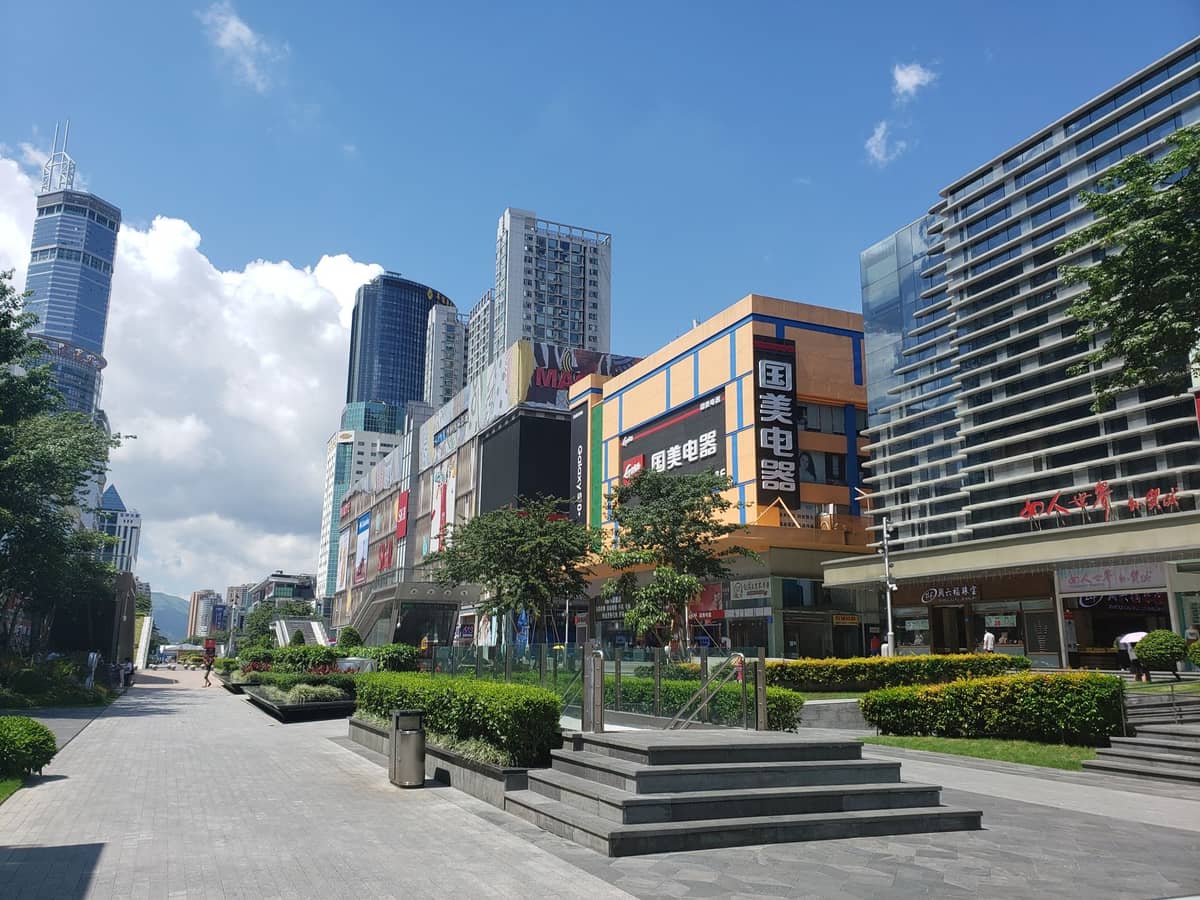
One of the most persistent misconceptions about shopping for electronics in Shenzhen is that Huaqiangbei is a single mall or market. It is not. Huaqiangbei is a commercial district in Futian, Shenzhen's central administrative district, made up of dozens of individual market buildings, each specializing in different product categories. The core area runs roughly along Huaqiang Bei Road and the surrounding streets, and it takes more time to orient yourself than most travel blogs suggest.
The district earned its reputation as the world's electronics wholesale hub during the 2000s and 2010s, when it became the go-to source for manufacturers, resellers, and hardware developers worldwide. Today it sits inside one of Shenzhen's most connected neighborhoods — the Futian district — with direct metro access via Huaqiangbei Station on Lines 2 and 7. That accessibility has made it as popular with curious tourists as it is with trade buyers, which has changed the retail dynamic somewhat. Vendors in high-traffic areas have learned to price for tourists first and negotiate second.
ℹ️ Good to know
Huaqiangbei does not have a single official website or booking platform. There is no entry ticket and no guided tour required. You walk in, explore the buildings that match your interests, and negotiate directly with vendors. The experience rewards preparation over spontaneity.
Key Buildings and What You Will Find in Each
Each building in the Huaqiangbei district has a different specialty and character. Knowing which ones to enter saves significant time, especially if you have a specific item in mind.
- SEG Electronics Market (赛格电子市场) The most iconic building in the district. Multiple floors covering components, modules, semiconductors, tools, and development boards. A core destination for engineers, makers, and anyone sourcing components. Less tourist-oriented than some newer buildings.
- Mingtong Digital City (明通数码城) Strong for smartphones, tablets, and consumer electronics. A mix of new and refurbished devices. Prices on popular flagship phones are not always dramatic savings over retail — do your homework before assuming it is cheaper.
- Yuanwang Digital Mall Phones, accessories, and secondhand devices. Popular with visitors looking for budget Android handsets or accessories. Negotiate firmly here.
- Huaqiang Electronic World Broad selection of consumer electronics, accessories, and peripherals. Good for cables, adapters, audio gear, and charging equipment at accessible prices.
- Zhongdian Information Times Square Larger building with computer components, storage, networking gear, and office electronics. More suited to bulk buyers but accessible to individual shoppers.
💡 Local tip
Arrive between 9:30 AM and 11:00 AM on a weekday. Vendors are more relaxed, stalls are fully stocked, and you avoid the afternoon rush when the narrow aisles of some buildings can become difficult to navigate. Weekends are significantly more crowded with both domestic shoppers and tourists.
Realistic Prices: What Is Actually Cheap Here
Price expectations at Huaqiangbei depend heavily on what you are buying. The sharpest value is at the accessory and component end of the spectrum. Common accessories typically run: phone cases ¥5–15, screen protectors ¥1–5, USB charging cables ¥3–15, basic wireless earphones ¥30–80, and entry-level smartwatches ¥50–200. These are real market prices, not guaranteed quotes, and the final number depends on your negotiation.
For engineers and hardware developers, the value proposition is clearer. Standard electronic components and modules can run 30–60% below prices at Western distributors. As a reference point, a single ESP32 module costs around $2.80–$3.20 in Huaqiangbei versus roughly $6.50 at major Western distributors when buying at 100+ units. Resistors, capacitors, connectors, and development boards follow a similar pattern. The caveat is provenance: not all components are from verified manufacturers, and counterfeit or substandard parts exist in the market.
Storage products are a specific category to approach carefully. SSDs and DDR4 memory have seen notable price swings in Huaqiangbei in recent years, including reported increases during periods of global supply tightness. Do not assume that the price you see quoted in a year-old blog post reflects current market reality. Check 1688.com or LCSC before you visit to have a benchmark.
⚠️ What to skip
Not every item at Huaqiangbei is cheaper than buying online. Consumer electronics like popular-brand headphones, flagship smartphones, and laptops from known brands often carry prices comparable to or higher than domestic Chinese e-commerce platforms. The genuine savings are on accessories, cables, components, modules, and lesser-known-brand devices. Always compare before you buy.
Negotiation, Payment, and Practical Logistics
Negotiation is standard practice at most stalls in Huaqiangbei, particularly in the consumer electronics and accessory sections. Opening prices for tourist-facing items are frequently set well above the realistic selling price. A reasonable starting position is to offer 50–60% of the initial quote and work from there. Vendors who refuse to negotiate at all on small accessory purchases are rare; those selling higher-value items like phones or computers may have less flexibility but will still typically come down from the opening number.
On payment: Alipay and WeChat Pay are the dominant methods across the market, and many stalls have shifted substantially away from cash transactions. Foreign visitors without a Chinese bank account linked to these apps may face friction. Options include setting up Alipay with an international card (Alipay now supports this for tourists in some regions), carrying Chinese yuan in cash as a fallback, or shopping with someone who can pay via a local account. Cash is still accepted at most stalls but may limit your ability to get the best price at some vendors. Credit card terminals are rare in the market environment.
- Download Alipay before you arrive and set up the international tourist payment option if your nationality qualifies.
- Bring ¥200–500 in cash as backup. Smaller notes (¥10–50) are useful for low-value accessory purchases.
- Do not show strong interest in an item before you have checked the price. Walk past, pause, ask casually.
- Be willing to walk away. In most sections of the market, three other vendors sell the same item within 50 metres.
- Check that items power on and function before paying. Returns are at vendor discretion and not guaranteed.
Beyond Huaqiangbei: Other Electronics Districts in Shenzhen
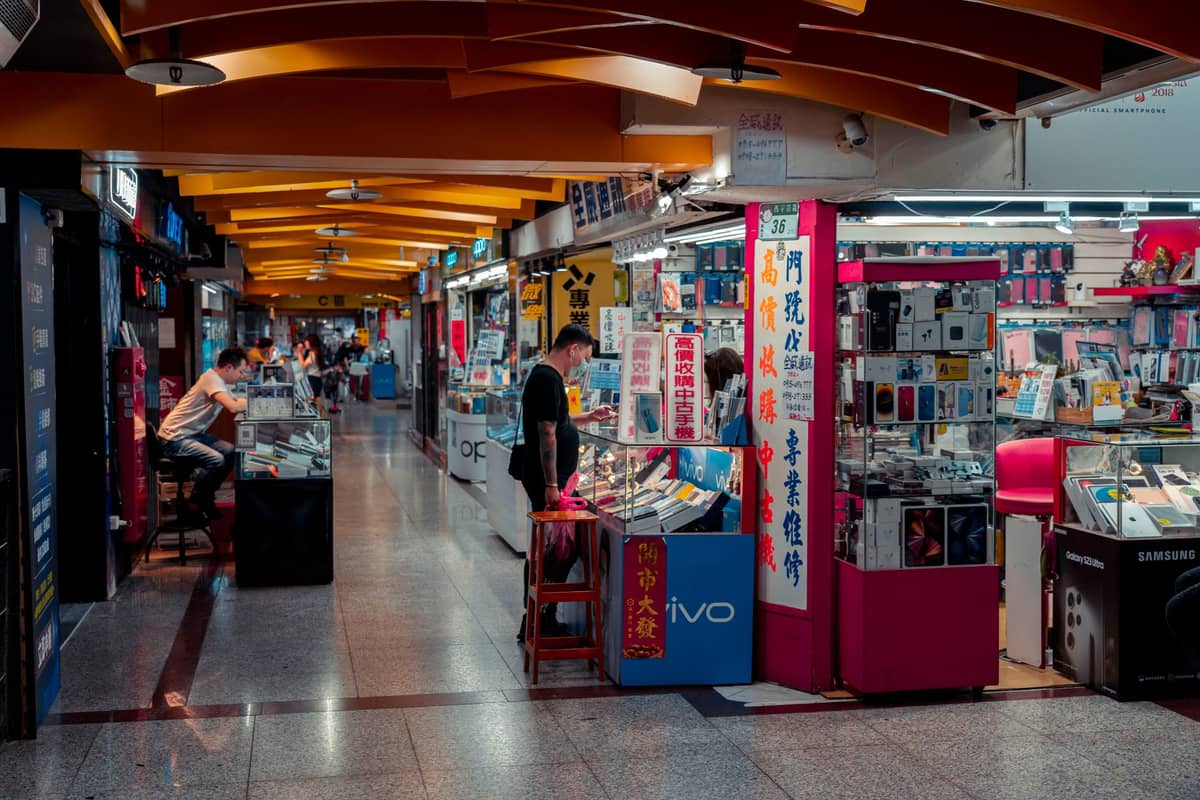
Huaqiangbei gets the most attention, but Shenzhen has other electronics and tech retail concentrations worth knowing about, especially if you are visiting the city for sourcing or manufacturing purposes. The broader Huaqiangbei area includes satellite markets beyond the core buildings that cater more to wholesale and trade buyers, with less focus on walk-in retail.
Shenzhen's tech industry extends well beyond one district. The Nanshan district is home to Tencent, DJI, and dozens of major tech firms, and it has its own cluster of electronics retailers and component suppliers oriented toward the professional market. It is less of a tourist destination than Huaqiangbei but useful for those with specific sourcing needs in the consumer drone, robotics, or software hardware sectors.
If you want to combine electronics shopping with a broader technology-focused itinerary, the Shenzhen tech tour guide covers sites including Tencent headquarters and the Shenzhen Stock Exchange, giving useful context for why this city became the hardware capital it is today.
Planning Your Visit: Timing, Logistics, and What to Combine
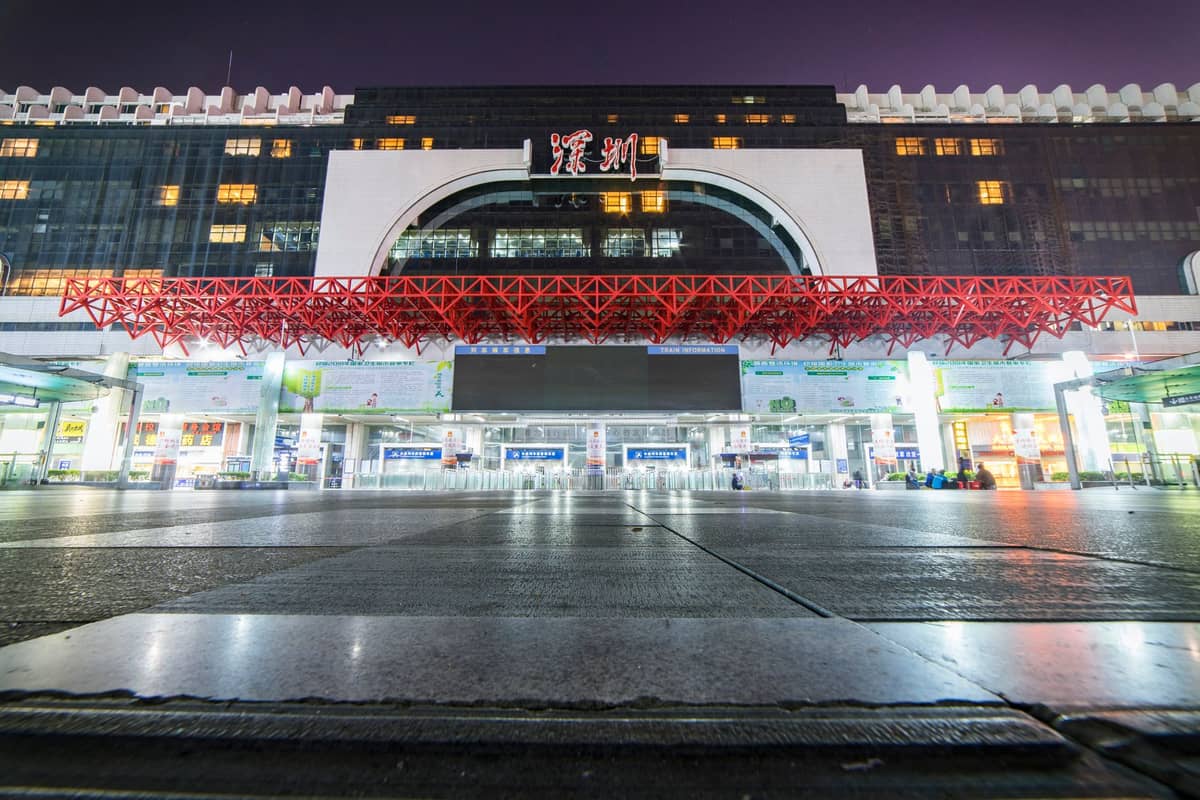
Huaqiangbei Station (Lines 2 and 7 on the Shenzhen Metro) puts you at the centre of the district in minutes from most parts of the city. If you are arriving from Hong Kong, the border crossing at Lo Wu or Lok Ma Chau connects to Luohu and Futian stations respectively, making Huaqiangbei an easy first or last stop on a day trip. The Hong Kong to Shenzhen guide covers border crossing logistics in detail.
Allow at least three to four hours for a serious electronics run in Huaqiangbei. If you plan to visit multiple buildings and compare prices across vendors, a full morning or afternoon is realistic. Budget shoppers and tourists doing a quick pass through one or two buildings can accomplish that in ninety minutes. Combine the trip with a visit to Dongmen Pedestrian Street in nearby Luohu for a contrasting look at Shenzhen's consumer culture, or check the Shenzhen budget travel guide for how to keep costs down across your full trip.
The best months to visit Shenzhen overall are October through December, when the subtropical humidity drops and temperatures become comfortable for walking between markets. Summer visits (June to September) are hot and wet, which makes the enclosed markets more appealing in one sense but the walk between buildings unpleasant. Chinese public holidays, particularly National Golden Week in early October and the Chinese New Year period in January or February, bring significant crowds and some stall closures. Avoid these windows if your primary goal is efficient electronics shopping.
FAQ
Is Huaqiangbei electronics market open every day?
Most buildings in the Huaqiangbei district are open seven days a week, typically from around 9:00–10:00 AM to 6:00–8:00 PM. Hours vary by building and individual vendor. During major Chinese public holidays like Chinese New Year, some stalls close or operate reduced hours. Weekday mornings are the best time for a quieter, more productive visit.
Can I use a foreign credit card at Huaqiangbei?
Rarely. The vast majority of vendors in Huaqiangbei use Alipay and WeChat Pay for transactions. Credit card terminals are uncommon in the market environment. Foreign visitors should either set up Alipay with an international card (Alipay has expanded international payment support for tourists, though availability varies), carry Chinese yuan in cash, or arrange payment through a contact with a local Chinese payment account.
Are electronics at Huaqiangbei genuine or counterfeit?
Both exist in the market. Accessories, cables, and components from lesser-known brands are generally as described. Name-brand items — particularly headphones, smartphones branded as premium models, and software — carry a higher risk of being counterfeit or grey-market. If you are buying components for engineering use, stick to reputable sections like SEG Electronics Market and test parts before leaving. For consumer electronics, check items power on and function before completing any transaction.
How do I get to Huaqiangbei from central Shenzhen?
Take the Shenzhen Metro to Huaqiangbei Station, served by Lines 2 and 7. This puts you directly at the centre of the district. From Luohu (the main border crossing from Hong Kong), it is roughly 10–15 minutes by metro. From Nanshan, take Line 1 east. The district is walkable from the station exit with no need for additional transport.
What should I buy at Huaqiangbei and what should I skip?
The strongest value is in accessories (cables, cases, chargers, screen protectors), electronic components and modules for makers and engineers, and audio gear from unfamiliar brands. Items to approach cautiously include branded smartphones at suspiciously low prices, storage devices (verify capacity and read/write speed before buying), and any item presented as a premium brand at a significant discount. Compare prices on 1688.com or LCSC before visiting if you have specific components in mind.