Shopping in Shenzhen: Malls, Markets & What to Buy
Shenzhen is one of Asia's great shopping cities, but it rewards those who know where to go. This guide breaks down the best markets, malls, and districts by category, with clear advice on prices, bargaining, and what's worth buying.
Plan and book this trip
Tools from our partner Travelpayouts help you compare flights and hotels. If you book through them, we may earn a commission at no extra cost to you.
Flights
Hotels map
TL;DR
- Shenzhen shopping is not just electronics: clothing, accessories, homeware, and souvenirs are all strong across multiple districts, from Huaqiangbei to Dongmen.
- Huaqiangbei is one of the world's largest electronics market districts — the right place for cables, components, accessories, and gadgets at competitive prices.
- Luohu Commercial City and Dongmen cater to budget shoppers after clothing, bags, and everyday goods; bargaining is expected at both.
- Most malls open around 10:00 and close at 22:00; wholesale markets often run 08:00–18:00 on weekdays and may have reduced Sunday hours.
- All transactions are in Chinese yuan (CNY/RMB); mobile payment via WeChat Pay or Alipay is dominant, though cash still works in most places.
Why Shenzhen Is a Serious Shopping Destination
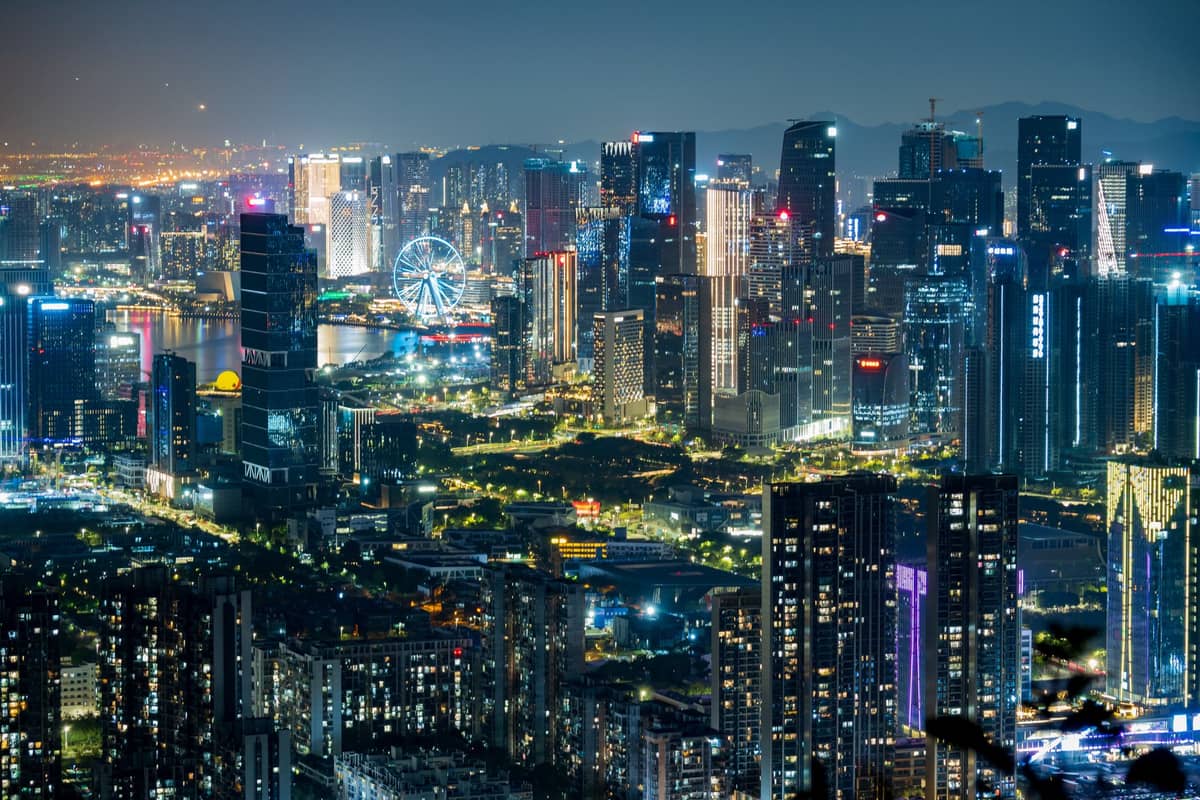
Shenzhen grew from a small fishing town into a city of over 17 million people in roughly four decades, and its commercial infrastructure kept pace with that growth. The city sits in Guangdong Province, directly bordering Hong Kong, and that proximity shaped its retail DNA: proximity to manufacturing hubs, exposure to international consumer tastes, and a culture of competitive pricing. The result is a city where you can buy wholesale-price electronics in the morning, designer-level streetwear in the afternoon, and locally made art in the evening, all without leaving the metro network.
Shopping in Shenzhen is also geographically spread out in an useful way. Each major district has its own commercial identity: Huaqiangbei for electronics, Luohu for border-crossing bargains, Futian for upscale malls, and Nanshan for the lifestyle-and-design crowd. Understanding which district serves which purpose saves time and prevents disappointment.
ℹ️ Good to know
The yuan (CNY/RMB) is the main accepted currency at most Shenzhen shops. WeChat Pay and Alipay are the dominant payment methods — set up one of these before you go if you can. International credit cards are accepted at major malls but rarely at markets or small shops.
Huaqiangbei: The Electronics District Explained
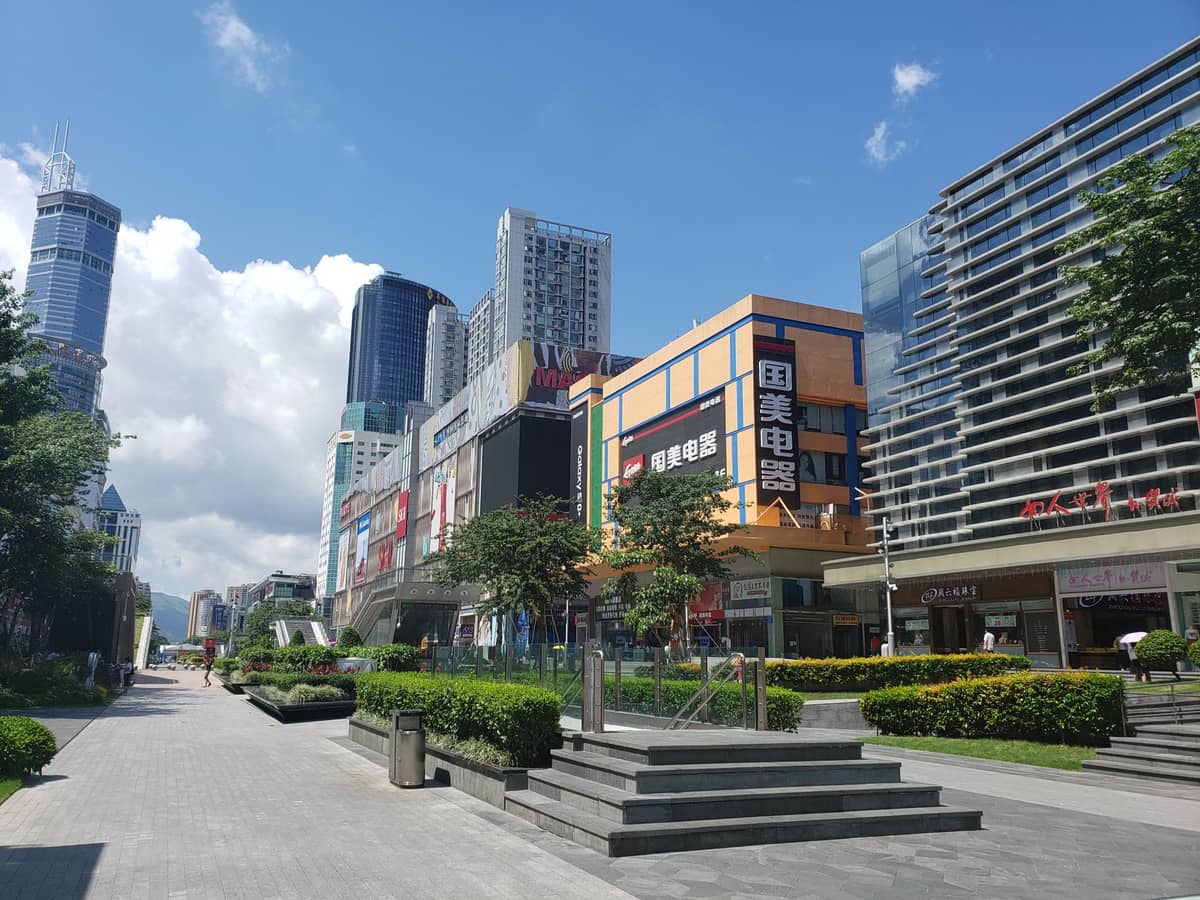
Huaqiangbei is routinely described as the world's largest electronics market area, and the scale is genuinely hard to grasp until you're there. The district contains dozens of large malls and hundreds of smaller arcades, all stacked with vendors selling smartphones, components, cables, LED lighting, camera accessories, replacement screens, power banks, and virtually every category of consumer electronics and spare part you can name. For sourcing, prototyping, or just buying a specific cable you can't find at home, this is unmatched anywhere.
For regular tourists, the most useful section is the consumer-facing retail malls rather than the component wholesale floors, which cater primarily to trade buyers. Accessories, phone cases, adapters, earbuds, and chargers are well-priced and plentiful. Branded goods at suspiciously low prices should be treated with caution: counterfeit electronics are common and quality varies widely. If a deal looks too good compared to a known retail price, it probably is.
Beyond electronics, the official Futian district guidance notes that Huaqiangbei also contains fashion shops, jewelry vendors, and a good range of restaurants. The area has been gradually repositioning itself as a broader commercial destination, especially as online retail has taken share from the electronics stall model. The metro station (Huaqiangbei on Lines 2 and 7) drops you directly into the heart of it.
⚠️ What to skip
Counterfeit goods are openly sold in parts of Huaqiangbei and Luohu. Purchasing counterfeit branded items (fake designer bags, unlicensed electronics) may cause issues at customs when returning home. Know your country's import rules before buying anything that looks like a copy of a major brand.
Dongmen and Luohu: Budget Retail and Markets
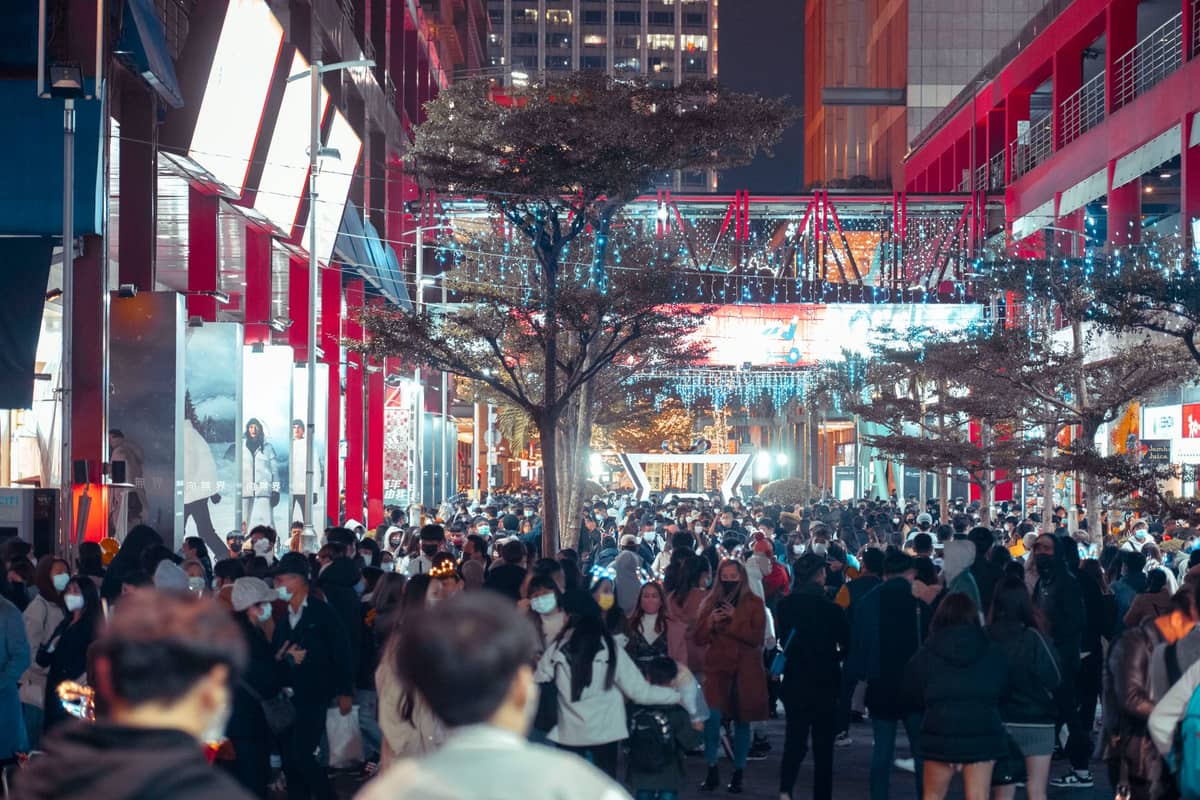
Dongmen is Shenzhen's most established street-market shopping zone, concentrated around Dongmen Pedestrian Street in Luohu district. The focus here is clothing, shoes, bags, and accessories at low prices, with a retail style that leans toward wholesale quantities and rapid turnover of stock. It attracts local shoppers as much as tourists, which keeps prices competitive. Expect crowds on weekends and in the evenings; weekday mornings are quieter.
Luohu Commercial CityLuohu Commercial City sits immediately adjacent to the Lo Wu border crossing with Hong Kong and has been a destination for cross-border shoppers for decades. It's a multi-storey market building with small shops selling handbags, clothing, accessories, tailoring services, and souvenirs. Prices start low and go lower with bargaining. It's legitimate retail, not a hidden corridor — the building is well-known and well-staffed. That said, the counterfeit goods presence is significant, so keep expectations calibrated.
- Best for: clothing and fashion Dongmen Pedestrian Street — wide variety, street-market atmosphere, both retail and wholesale-adjacent pricing.
- Best for: cross-border convenience shopping Luohu Commercial City — ideal if you're entering or exiting via Lo Wu, with everything under one roof.
- Best for: mid-range clothing and apparel wholesale Nanyou shopping area — commonly cited for apparel buildings with multiple floors of mid-range fashion at competitive prices.
- Best for: upscale mall shopping Futian district — MixC and Coco Park are the main addresses for international brands, department stores, and dining.
- Best for: lifestyle and design retail Nanshan and Shekou — higher-end commercial strips and the Sea World area cater to an expat and design-conscious crowd.
What to Actually Buy in Shenzhen
Electronics accessories are the clearest value proposition for most visitors. Cables, chargers, adapters, power banks, phone cases, LED strips, earbuds, and camera accessories all sell at prices well below what you'd pay in Europe, North America, or Australia. The quality range is wide, so if you're buying anything that matters electrically, stick to recognizable brand names or purchase from larger retail floors rather than individual market stalls.
Clothing and textiles are strong, particularly if you're comfortable with the bargaining dynamic at Dongmen or Luohu. Tailored suits and custom clothing are available and can be done quickly at Luohu if you have two or three days. Fabric quality varies significantly: ask to inspect items carefully and don't let high-pressure selling rush you into a purchase.
Art reproductions from Dafen Oil Painting Village in Longgang district are an interesting buy. Dafen produces a significant volume of the world's reproduced oil paintings, and the village has hundreds of studios where you can commission custom work or purchase existing pieces. This is one of the more unusual and legitimate shopping experiences in Shenzhen.
- Electronics accessories: cables, adapters, power banks, earbuds, LED lighting, phone cases
- Clothing and shoes: Dongmen and Luohu for budget, Futian malls for international brands
- Custom tailoring: Luohu Commercial City has tailoring shops that can turn around suits within a few days
- Art reproductions: Dafen Oil Painting Village for oil paintings, including custom commissions
- Food souvenirs: packaged snacks, dried fruit, tea, and mooncakes (seasonal, around Mid-Autumn Festival)
- Jewelry and accessories: available across Huaqiangbei and Dongmen at multiple price points
✨ Pro tip
If you're shopping for electronics in Huaqiangbei, bring a specific list. The sheer volume of options causes decision fatigue fast. Know the model number or spec you want before entering, or you'll spend hours browsing and leave with nothing or something wrong.
Practical Tips: Bargaining, Hours, and Getting Around
Bargaining is standard at Dongmen street stalls, Luohu Commercial City, and parts of Huaqiangbei. Starting at 40–50% of the first asking price is reasonable at most of these markets. In fixed-price malls like those in Futian or Nanshan, prices are not negotiable. Knowing which environment you're in before you start bargaining saves awkward moments.
Opening hours vary significantly by type of venue. Most commercial malls open around 10:00 and close at 22:00. Street markets tend to run from around 09:00 to 21:00. Wholesale markets often operate on shorter weekday hours and may have reduced hours on Sundays. Individual stall hours within markets are not guaranteed, so visiting before mid-afternoon is safer.
Getting between shopping districts is straightforward on the Shenzhen Metro. Huaqiangbei, Dongmen, Luohu, and Futian's main malls are all metro-accessible. For a broader orientation to moving around the city, the Shenzhen transport guide covers metro lines, ticketing, and ride-hailing in detail. Didi (China's dominant ride-hailing platform) is useful for reaching Dafen Oil Painting Village in Longgang, which requires a longer metro journey or a direct taxi.
If you're arriving from Hong Kong, the Lo Wu crossing puts you directly adjacent to Luohu Commercial City, which makes it the natural first stop for many cross-border shoppers. The full route from Hong Kong is covered in the Hong Kong to Shenzhen guide. If you're working with a tighter budget overall, the Shenzhen budget travel guide pairs well with this one.
💡 Local tip
Shenzhen's most crowded shopping days are Saturday afternoons, public holidays, and the weeks around Golden Week (October 1–7) and Chinese New Year. If you want quieter markets and more room to bargain, visit on a Tuesday or Wednesday morning. Prices at Dongmen and Luohu tend to be slightly more negotiable when foot traffic is low.
Shopping Districts Worth Skipping (and Why)
Not every shopping area in Shenzhen lives up to its reputation. Some parts of Huaqiangbei have declined as the electronics trade moved online or became more trade-focused, leaving entire floors of a mall with empty stalls or vendors clearly oriented toward bulk buyers rather than individual tourists. Walking these floors is interesting from a curiosity angle but frustrating if you actually want to buy something. Focus on the more active retail zones at street level and in the consumer-facing mall buildings.
Tourist-facing souvenir shops near major attractions typically charge three to four times what you'd pay for the same items in Dongmen or a local supermarket. Packaged food souvenirs, tea, and small crafts are all significantly cheaper if bought away from the main attraction entrances. For context on what to see alongside shopping, the broader things to do in Shenzhen guide covers the city's major attractions so you can plan both efficiently.
The upscale mall experience in Shenzhen (MixC, Coco Park, and their equivalents) offers international brands at Chinese retail prices, which are often similar to or only marginally below what you'd pay in your home country. These malls are comfortable and well-run, but if your goal is genuine savings on recognizable international labels, the math rarely works out dramatically in your favor. They're worth visiting for the food courts, air conditioning, and atmosphere, but not as a primary shopping strategy.
FAQ
Is bargaining expected at Shenzhen markets?
Yes, at street markets and multi-vendor market buildings like Luohu Commercial City and Dongmen stalls. Opening offers can be 40–50% below the asking price. Fixed-price malls (MixC, Coco Park, etc.) do not negotiate. Knowing which type of venue you're in before you start is important.
What is the best area to buy electronics in Shenzhen?
Huaqiangbei in Futian district is the main destination. The area covers multiple large malls and dozens of smaller arcades. Consumer accessories (cables, cases, adapters, earbuds) are the most practical purchases for tourists. Component and wholesale shopping is geared toward trade buyers and requires more product knowledge.
Can I use a credit card for shopping in Shenzhen?
Major malls in Futian and Nanshan often accept international credit cards. Markets, street stalls, and smaller shops overwhelmingly prefer mobile payment via WeChat Pay or Alipay. Cash in CNY is a reliable fallback but less commonly used than mobile payment for everyday transactions.
What are the best things to buy as souvenirs in Shenzhen?
Electronics accessories are the strongest value buy. Dafen Oil Painting Village reproductions are a distinctive and legitimate local product. Packaged Chinese teas, snacks, and dried fruit are practical food souvenirs available in supermarkets and Dongmen market. Avoid buying counterfeit branded goods — customs issues are real on return.
Is Shenzhen shopping good for clothing?
Yes, particularly for budget to mid-range clothing. Dongmen Pedestrian Street and Luohu Commercial City are the main addresses. Nanyou is commonly cited for apparel at wholesale-adjacent pricing. Custom tailoring at Luohu is a practical option if you have two or more days. International brand shopping at malls is available but prices are closer to standard retail.