Is Shenzhen Worth Visiting? Here's What You Actually Need to Know
Shenzhen is one of China's most misunderstood cities. It's not just a tech showcase or a shopping stopover from Hong Kong. This guide cuts through the clichés to help you decide if Shenzhen belongs on your itinerary, and what to prioritize if it does.
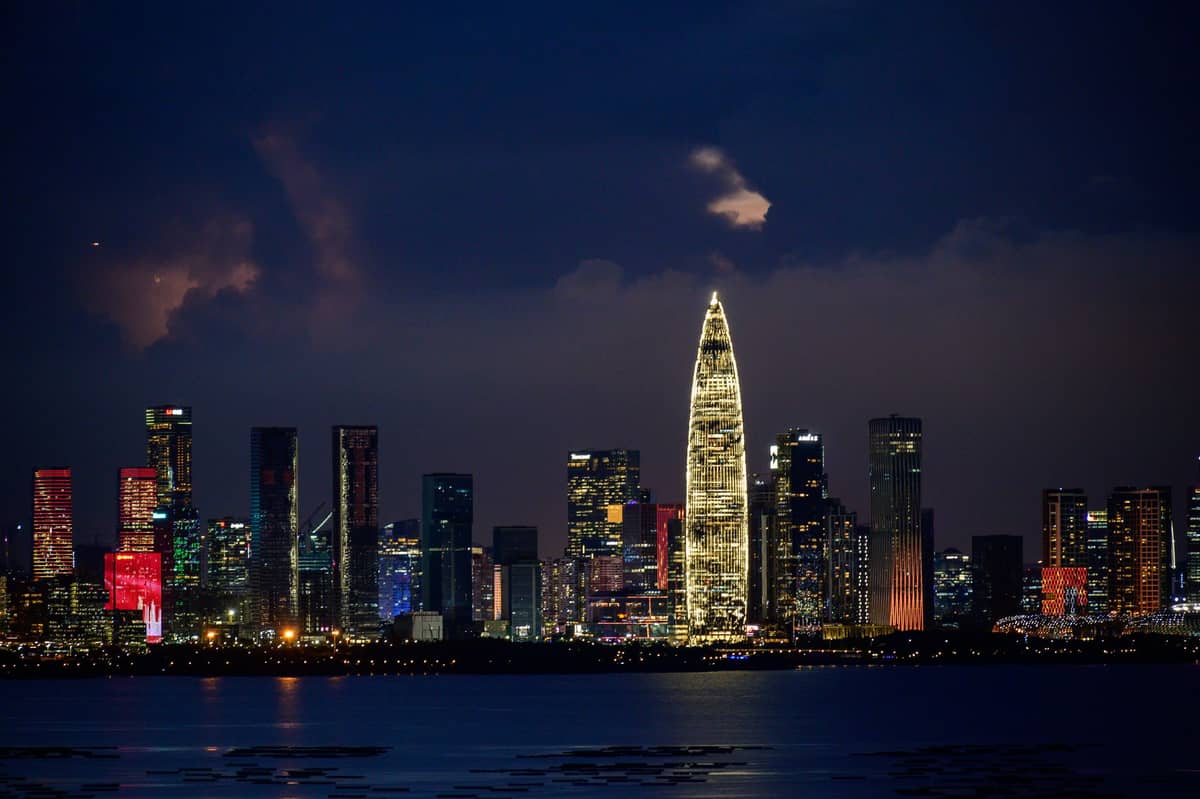
Plan and book this trip
Tools from our partner Travelpayouts help you compare flights and hotels. If you book through them, we may earn a commission at no extra cost to you.
Flights
Hotels map
TL;DR
- Shenzhen is a genuine destination in its own right, not just a day trip from Hong Kong, though it works well as both.
- The city covers around 1,989 km² across nine districts, with wildly different characters: from the tech corridors of Nanshan to the coastal trails of Dapeng.
- October to December is the sweet spot for visiting: cooler temperatures, lower rainfall, and smaller crowds than Chinese national holidays.
- Budget travelers can do Shenzhen cheaply; the budget options are genuinely good. But overspending is easy if you don't plan.
- Shenzhen is not for travelers seeking ancient temples, centuries-old streetscapes, or slow-travel culture. Its appeal is forward-looking, urban, and commercial.
The Case For Visiting Shenzhen
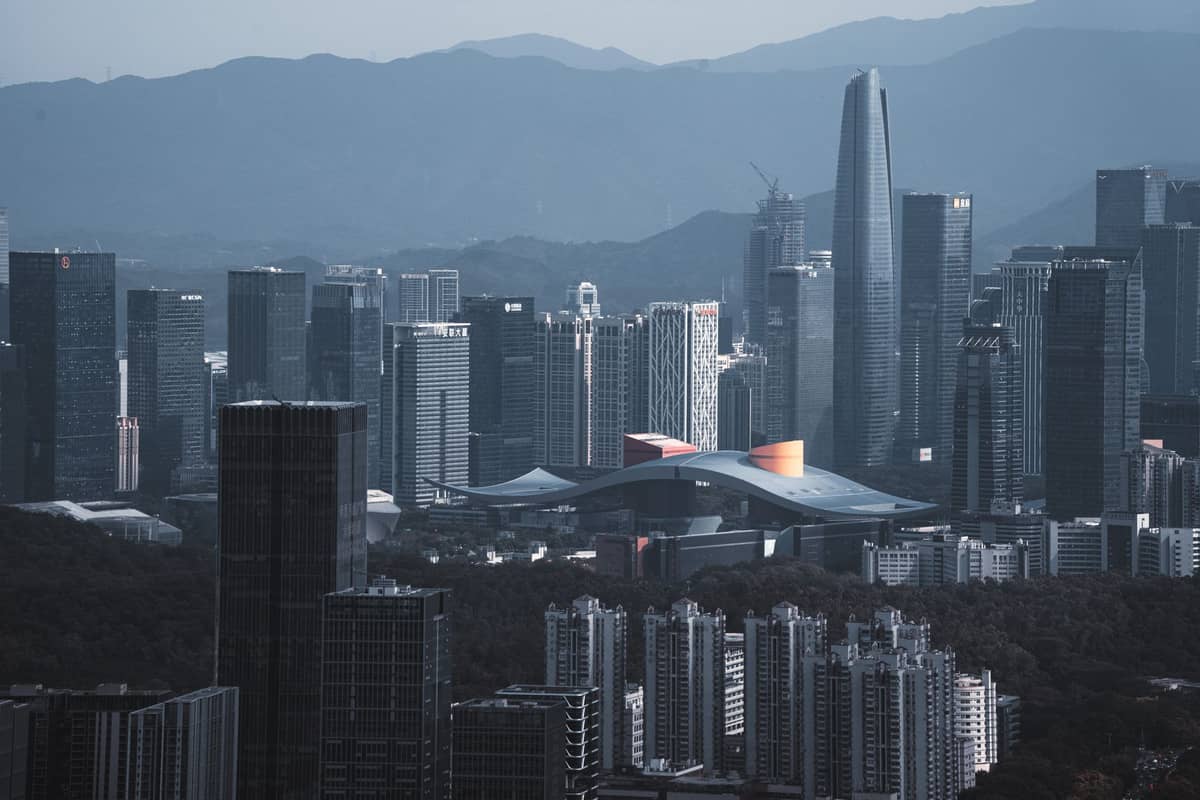
Shenzhen does not have the imperial history of Beijing, the riverside glamour of Shanghai, or the mountain scenery of Guilin. What it has is something harder to categorize: the energy of a city that went from a small fishing settlement to The city is a metropolis of roughly 18 million people. That story is visible in the skyline, the pace, and the infrastructure, and for the right traveler, it is compelling.
The city sits in Guangdong Province on the border with Hong Kong, and its location in the Guangdong-Hong Kong-Macao Greater Bay Area shapes everything about it. It is one of China's most commercially open and internationally connected cities, which translates to practical advantages: easier navigation for non-Mandarin speakers than many inland cities, a functioning metro system with English signage, and a food scene that reflects the full diversity of Chinese regional cooking. For a deeper look at what to see, the complete things to do in Shenzhen guide covers the full range.
The coastline argument is also underrated. Shenzhen has more than 50 islands. Beaches like Xichong and Dongchong in the Dapeng peninsula sit within city limits and are far less crowded than comparable spots in Hainan or Zhuhai. The eastern districts feel different from the urban core, and the contrast between the two within a single city is itself worth experiencing.
💡 Local tip
If you're combining Shenzhen with Hong Kong, plan to spend at least two full days in Shenzhen separately. Rushing it as a half-day side trip means seeing almost nothing of substance beyond the border shopping areas.
The Case Against Visiting Shenzhen
Shenzhen will disappoint travelers who prioritize historical depth, traditional architecture, or the kind of layered cultural texture you find in Xi'an or Chengdu. The city's rapid development from the 1980s onward means that most of what you see was built recently. The few older areas that survived, like Nantou Ancient City in Nanshan, exist as renovated pockets rather than living historical districts.
The summer months (June through September) are a genuine deterrent. Temperatures regularly exceed 33°C with high humidity, and the monsoon season brings frequent heavy rain. Typhoons are a real possibility between July and September. Visiting during this period is manageable, but it requires adjusting your expectations and your itinerary heavily toward indoor activities.
Payment infrastructure can also catch visitors off guard. Mobile payment via WeChat Pay and Alipay dominates daily transactions in Shenzhen. Cash in Chinese yuan (CNY/renminbi) is still accepted in most places, but some smaller vendors, street food stalls, and newer retail concepts operate nearly cashless. Foreign credit cards are not widely accepted outside major hotels and some shopping malls. Setting up a payment method before you arrive is worth doing.
⚠️ What to skip
Entry requirements for Shenzhen depend on your nationality and whether you're crossing from Hong Kong or flying in directly. China visa policies and any special economic zone exemptions change periodically. Always verify current requirements through an official source or your country's embassy before booking.
What Shenzhen Does Better Than Any Other Chinese City
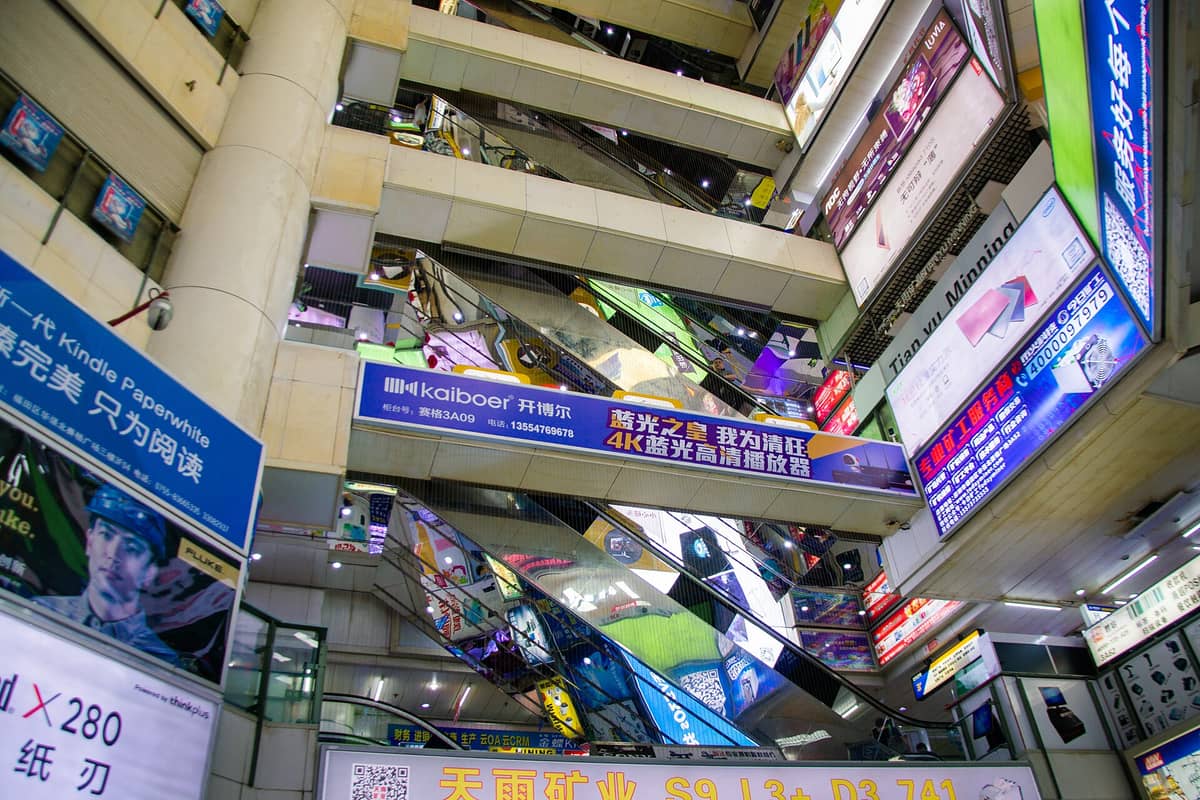
The electronics markets around Huaqiangbei are a genuine spectacle regardless of whether you intend to buy anything. This is the world's largest concentration of consumer electronics trade, occupying multiple tower blocks across several city blocks in the Huaqiangbei district. Walking through it is disorienting in the best way. If you do want to shop, the Shenzhen electronics shopping guide will save you time and money.
Shenzhen's contemporary art and design scene is legitimately impressive. The OCT (Overseas Chinese Town) area in Nanshan contains OCT-LOFT, a converted industrial complex that now houses galleries, studios, and independent restaurants. It does not feel performative the way some 'creative districts' do in other cities. The contemporary art scene in Shenzhen extends well beyond this single complex.
- Urban hiking Shenzhen has an extensive network of urban green corridors. Wutong Mountain (梧桐山) at 943m is the city's highest peak and offers marked trails through subtropical forest. Tanglang Mountain and the Xichong-Dongchong coastal trail are other strong options.
- Themed parks Window of the World and Splendid China Folk Village are unashamedly touristy but have been running for decades and maintain their scale impressively. Window of the World in particular rewards visitors who go in knowing what it is: an enormous collection of scaled-down world landmarks.
- Architecture watching The Ping An Finance Centre (599m) is among the tallest buildings in the world. The Shenzhen Stock Exchange building by Rem Koolhaas and the Tencent headquarters campus in Nanshan are worth visiting as architectural objects in their own right.
- Food diversity Because Shenzhen's population came from across China, the city has exceptional regional Chinese cooking, from Chaozhou seafood in Luohu to Hunanese restaurants in Futian. It is not the place for 'local Shenzhen cuisine' in a traditional sense, but that's actually an advantage.
How to Plan Your Time: Districts and Day Structure
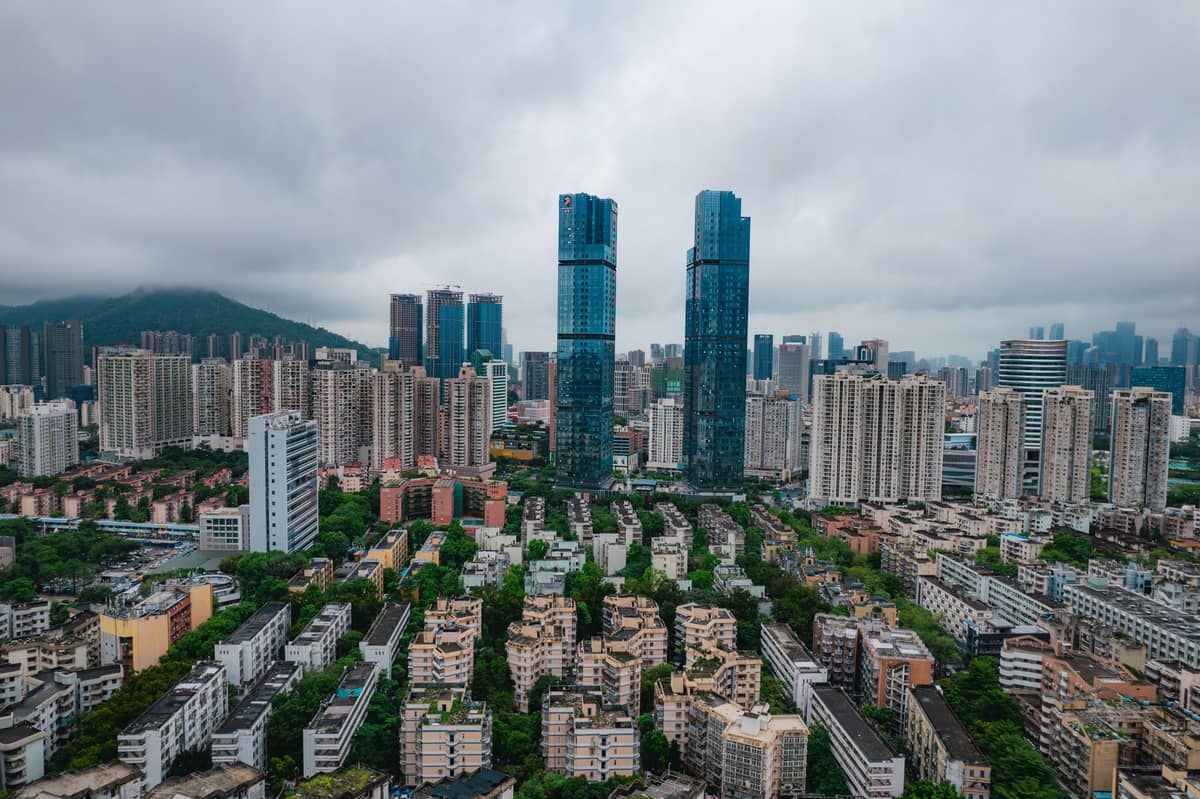
Shenzhen's nine districts cover nearly 2,000 km², so planning by district is essential. Trying to see Dapeng and Huaqiangbei in the same day is possible on paper but exhausting in practice. The Shenzhen Metro connects most central districts efficiently, but eastern areas like Dapeng require either a long bus ride or a private car. The guide to getting around Shenzhen covers transit options in detail.
For a first-time visit, a two-day structure works well: one day in the urban core covering Futian and Huaqiangbei, and one day in either Nanshan (OCT, Shekou, coastal parks) or Dapeng (fortress, beaches, coastal trail). If you have more time, the two-day Shenzhen itinerary is a practical starting point to build from.
✨ Pro tip
Avoid planning anything in Shenzhen during Golden Week (first week of October) and Chinese New Year (dates vary, usually late January or February). The city's population swells significantly during national holidays, parks and attractions get overcrowded, and prices for accommodation rise sharply. October travel works well if you aim for the second half of the month.
Who Should Visit Shenzhen (and Who Probably Shouldn't)
Shenzhen works best for travelers who are interested in urban China rather than classical China. That distinction matters. If your mental image of a great China trip involves ancient walled cities, Buddhist mountain temples, and traditional teahouses, Shenzhen will feel thin. But if you are interested in how a city actually functions at massive scale, how technology shapes daily life, how a food culture develops in a city of migrants, or what coastal China looks like outside of tourist-saturated areas, Shenzhen offers a lot.
- Tech and design travelers: Shenzhen's hardware ecosystem, startup culture, and architecture make it a compelling destination.
- Shoppers: Electronics at Huaqiangbei, fashion at Dongmen Pedestrian Street, and arts at Dafen Oil Painting Village cover a wide range.
- Hong Kong visitors looking for a contrast: The difference between the two cities is striking and educational.
- Hikers and beach travelers: The eastern districts are underexplored and offer good outdoor options.
- Families: Theme parks, the Safari Park, and the Natural History Museum are all solid options for mixed-age groups.
Shenzhen is probably not the right choice if your China time is limited and you haven't yet visited Beijing, Shanghai, or Xi'an. Those cities offer experiences that Shenzhen simply cannot replicate. But as a complement to Hong Kong, as part of a broader Pearl River Delta trip, or as a standalone urban destination, it holds up well. The Hong Kong to Shenzhen crossing guide is useful if you're planning to arrive that way.
Practical Basics Before You Go
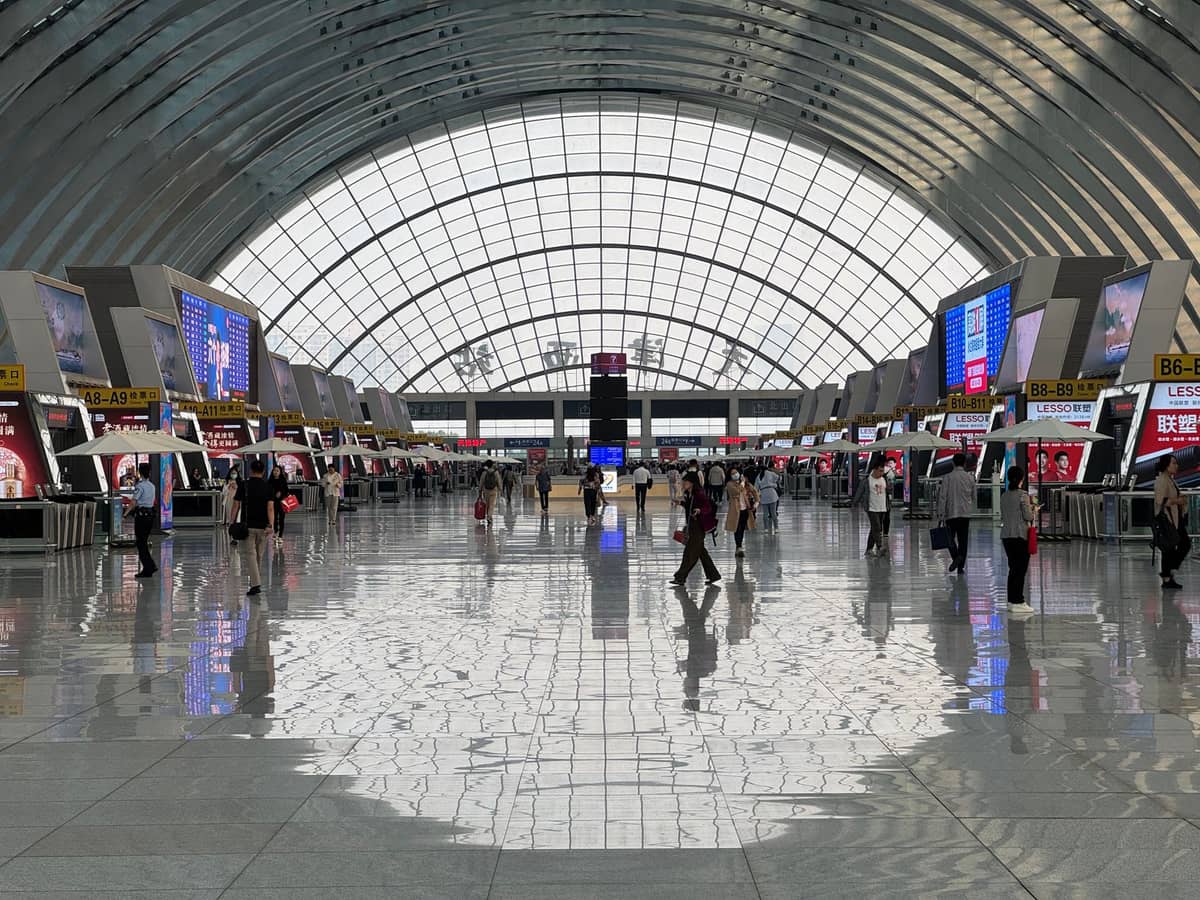
Shenzhen Bao'an International Airport (IATA: SZX) is the main entry point by air. It is located in Bao'an District on the western side of the city. The metro connects the airport to the central districts, and the journey to Futian or Luohu takes roughly 45 to 60 minutes depending on your destination and route. Taxis and ride-hailing via Didi are available but cost more and are subject to traffic. Verify current fares and metro schedules before you travel, as these change.
- Currency: Chinese yuan (CNY/renminbi). Have cash on hand for smaller vendors and markets.
- Language: Mandarin is the official language. Cantonese is also spoken. English is available in major hotels and tourist areas but not reliably elsewhere.
- Electricity: 220V, 50Hz. Plug types A, C, and I are common. Check your adaptor needs before packing.
- Water: Tap water is not recommended for drinking without boiling or filtration. Buy bottled water.
- Tipping: Not customary in mainland China. You will not be expected to tip in restaurants or taxis.
- Emergency numbers: Police 110, Ambulance 120, Fire 119.
Climate timing matters more in Shenzhen than in many Chinese cities because the summer heat and monsoon rainfall are significant. October through December is the most comfortable window for most travelers. For a full breakdown of seasonal conditions, crowd patterns, and public holiday conflicts, the best time to visit Shenzhen guide goes into the detail you need.
FAQ
Is Shenzhen worth visiting for a day trip from Hong Kong?
A day trip is possible and many people do it, but a single day limits you mainly to the Luohu border area and nearby shopping districts. If you want to see anything beyond that, including Nanshan, Dapeng, or OCT-LOFT, plan for at least two full days. The border crossing itself takes time, and Shenzhen is a large city where moving between districts adds up.
Is Shenzhen safe for tourists?
Shenzhen is generally considered safe for tourists. As a major commercial city it has a visible security presence in public spaces. Standard urban precautions apply: watch your belongings in crowded markets and transport hubs, avoid unlicensed taxis, and keep copies of your travel documents. Check your government's current travel advisories before departing.
Do I need a China visa to visit Shenzhen?
In most cases, yes, you need a standard Chinese visa. There are special entry arrangements in place for certain nationalities under specific conditions, including some transit exemptions, but these rules change and are nationality-specific. Verify the current requirements for your passport through your country's embassy or China's official immigration authority before booking.
What is Shenzhen best known for?
Shenzhen is most associated with its rapid economic development, its electronics and manufacturing industries, and its proximity to Hong Kong. Beyond that, it is known for its tech companies (including Tencent and Huawei), its Huaqiangbei electronics markets, its contemporary art scene, and more recently its coastal parks and beaches in the eastern districts.
How many days do you need in Shenzhen?
Two to three days is a practical baseline for a first visit. Two days lets you cover the urban core and one outer district. Three days opens up the coast, the hiking trails, and a more relaxed pace overall. Shenzhen also works well as a longer base for day trips into the surrounding Pearl River Delta region.