Shenzhen Contemporary Art: Museums, Galleries & OCT-LOFT
Shenzhen has built one of China's most serious contemporary art ecosystems in under four decades. This guide covers the key museums, gallery districts, and creative spaces — from OCAT Shenzhen to Dafen Oil Painting Village — with practical details on getting there, what to expect, and when to visit.
Plan and book this trip
Tools from our partner Travelpayouts help you compare flights and hotels. If you book through them, we may earn a commission at no extra cost to you.
Flights
Hotels map
TL;DR
- OCAT Shenzhen in OCT-LOFT is the city's flagship contemporary art institution — free entry, Tuesday to Sunday, 10:00–17:30.
- OCT-LOFT itself is a free public creative district in Nanshan, not a mall — only specific exhibitions and events charge admission (typically 20–50 RMB).
- The art scene is concentrated in two main zones: the OCT cluster in Nanshan District and Dafen Oil Painting Village in Longgang.
- October to November is the best window — cooler temperatures, fewer summer crowds, and gallery programming tends to peak in autumn.
- Combine art with architecture using the Shenzhen architecture guide — several major design landmarks sit within walking distance of OCT-LOFT.
Why Shenzhen Has a Serious Contemporary Art Scene
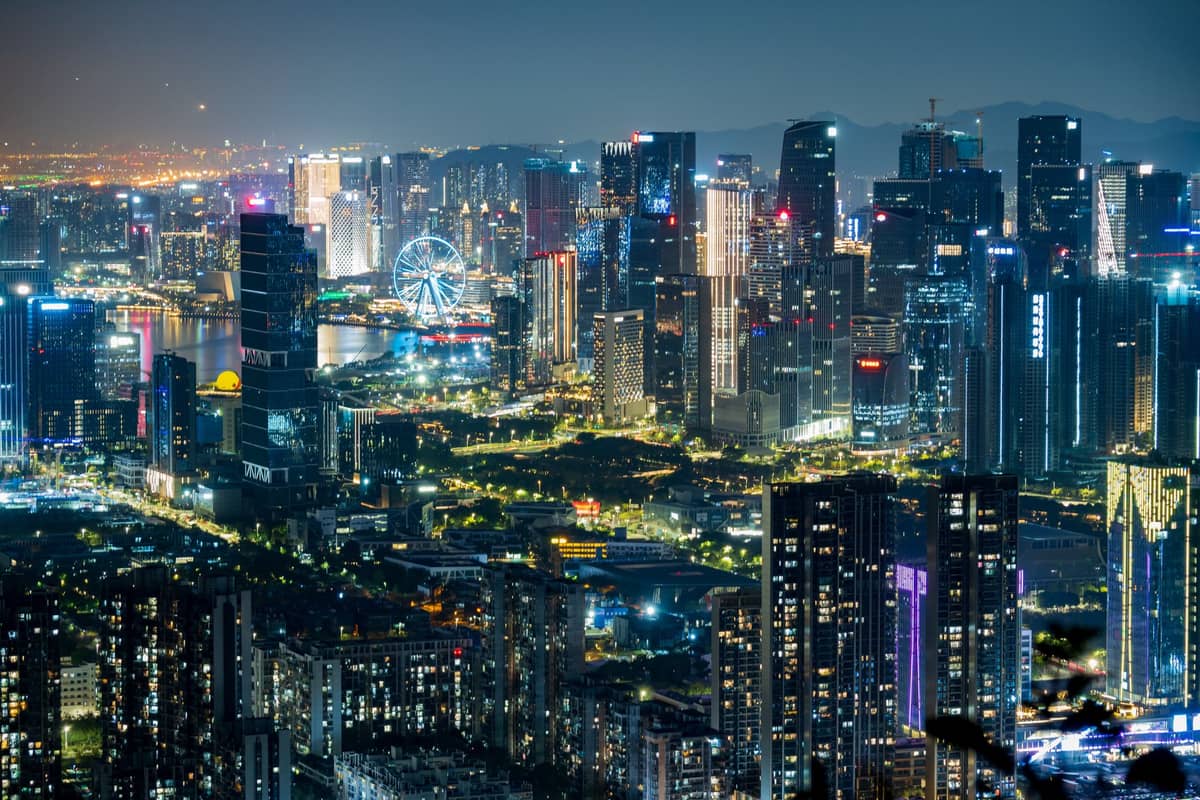
Shenzhen is not the first city that comes to mind when people think about contemporary art in China. Beijing has the 798 Art Zone; Shanghai has the West Bund. But Shenzhen has done something distinctive: it has turned its lack of historical baggage into a creative asset. A city with no pre-modern art establishment and no inherited academic orthodoxy had room to build from scratch, and that is largely what happened, particularly after the government-backed OCT Group developed its land holdings in Nanshan into a cultural district in the early 2000s.
The result is an art ecosystem that skews younger, more design-forward, and more internationally connected than most Chinese cities its size. Shenzhen's proximity to Hong Kong — one of Asia's main art market hubs — has accelerated this. Collectors, curators, and artists move between the two cities regularly, and the Shenzhen art world has absorbed that cross-border energy in ways that show up in the programming at OCAT and across the independent gallery scene in OCT-LOFT.
ℹ️ Good to know
Shenzhen became a Special Economic Zone in 1980, making it one of China's youngest major cities. Its entire contemporary art infrastructure has been built within living memory — which gives it an energy and ambition that older art cities sometimes lack.
OCAT Shenzhen: The Flagship Contemporary Art Institution
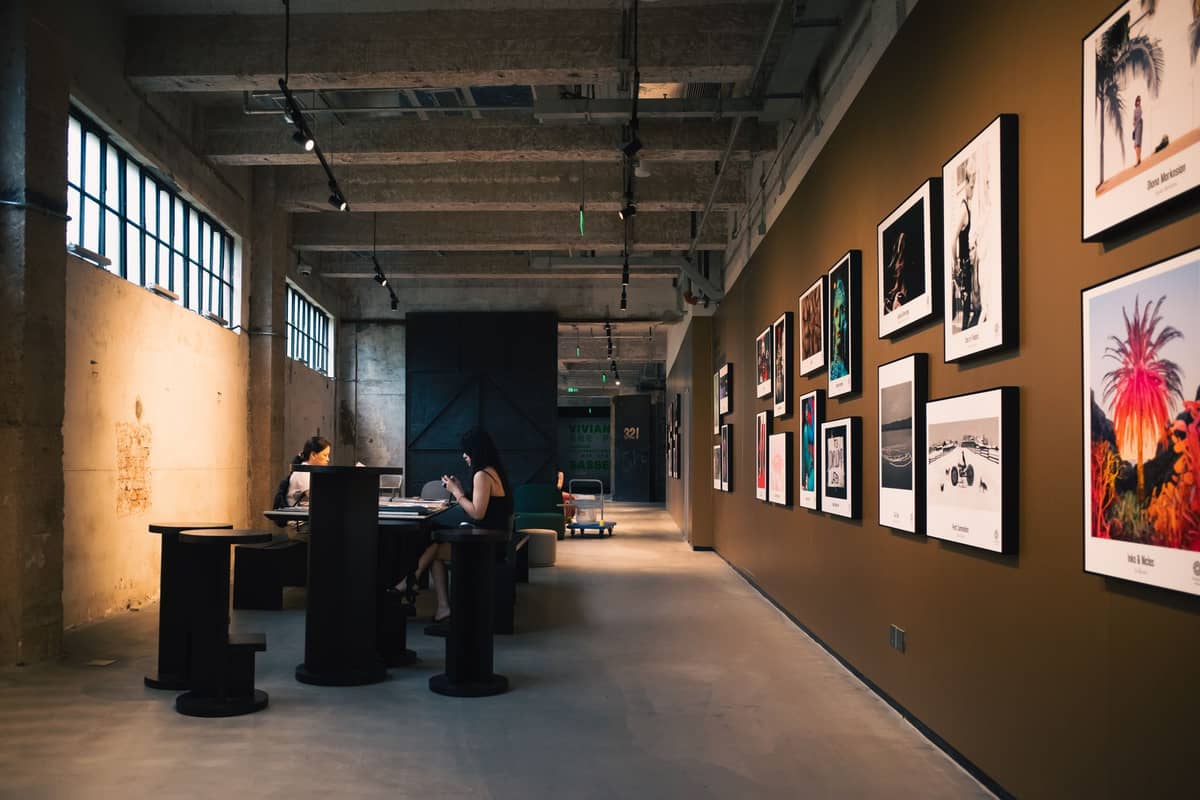
OCAT Shenzhen — officially the OCT Contemporary Art Terminal — is the centerpiece of the city's institutional art scene. Located in Building F2 on Enping Road in Nanshan District, it operates as a non-profit contemporary art museum with a rotating program of exhibitions, artist talks, and research projects. Admission is free, which is unusual for an institution of this caliber, and the programming consistently reaches a level you would expect from a well-funded non-commercial space.
OCAT is part of a larger network of OCAT branches across China, but the Shenzhen location is the original and remains the most significant. The space covers several floors and mixes large-scale installation work with more intimate gallery-format shows. It is worth checking the current exhibition schedule before visiting rather than arriving cold — the gap between a major show and the period between installations can be significant. Hours are Tuesday through Sunday, 10:00 to 17:30, with Mondays closed except on public holidays. Access via OCT Shenzhen is straightforward on the metro: Line 1 to OCT Station or Qiaocheng Station depending on your starting point.
💡 Local tip
OCAT publishes its exhibition calendar on its official site and through EyeShenzhen. Check before you go — some shows are ticketed or require advance registration, even though general entry is free.
OCT-LOFT: The Creative District Around the Galleries
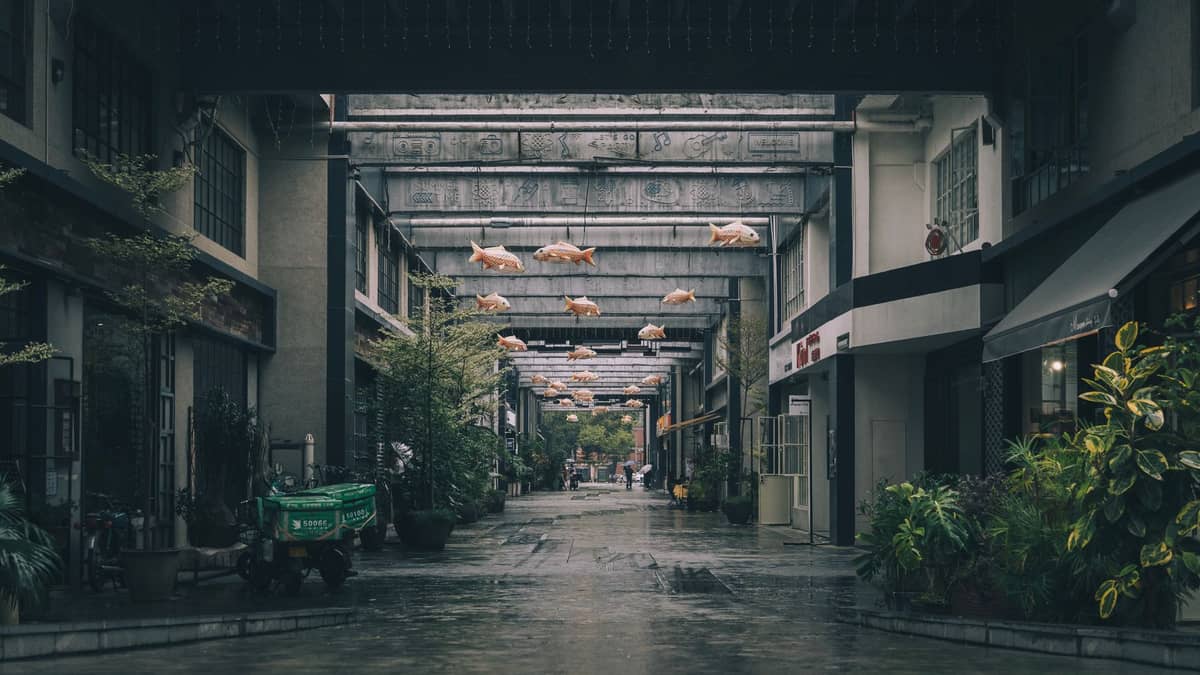
OCT-LOFT is the broader creative district that surrounds OCAT, and it is worth spending at least half a day here even if you have no particular exhibition in mind. The area occupies a cluster of converted industrial buildings along Enping Road in Nanshan and has developed into a mix of independent galleries, design studios, concept stores, cafes, and event spaces. Entry to the district is free — it is a public area, not an attraction with a gate.
The Shenzhen Museum of Contemporary Art and Urban Planning (MOCAPE), located at 184 Fuzhong Road in Futian District, is a separate institution from OCAT and focuses on architecture and contemporary art. It is open Tuesday through Sunday from 10:00 to 18:00 and is accessible via Metro Line 3 or 4 to Children's Palace Station, Exit A2. The two venues complement each other well and can be combined in a single visit without much extra effort.
Thursday through Sunday is noticeably busier than earlier in the week, when the district retains a quieter, more working atmosphere. If you want the galleries to yourself and a better chance of having conversations with staff, Tuesday or Wednesday mornings are ideal. The open-air sections of OCT-LOFT are significantly less pleasant during the summer monsoon months — June through August brings heat, humidity, and frequent afternoon rain. The indoor galleries are unaffected, but the overall experience of wandering the district is far better in the October to November window or in the cooler months between December and February.
⚠️ What to skip
OCT-LOFT is sometimes confused with Window of the World or Happy Valley, which are theme parks nearby in Nanshan. OCT-LOFT is a completely different kind of place — an art and design district for adults. Do not expect rides or tourist spectacles.
- OCAT Shenzhen Non-profit contemporary art museum in Building F2, Enping Road. Free entry. Tue–Sun 10:00–17:30. The best single venue for serious contemporary art in the city.
- OCT Art and Design Gallery Design-focused gallery at 9009-1 Shennan Boulevard. Free entry. Tue–Sun 9:00–18:00. Strong on graphic design, architecture, and applied arts.
- Independent galleries in OCT-LOFT A rotating cast of smaller commercial and non-commercial spaces. Quality varies. Some charge entry of 20–50 RMB for special shows; many are free to browse.
- Event venues within OCT-LOFT Several spaces host live performances, film screenings, and design fairs. Ticket prices vary widely. Check local listings on WeChat or Xiaohongshu for current events.
Beyond OCT: Other Key Art Destinations in Shenzhen
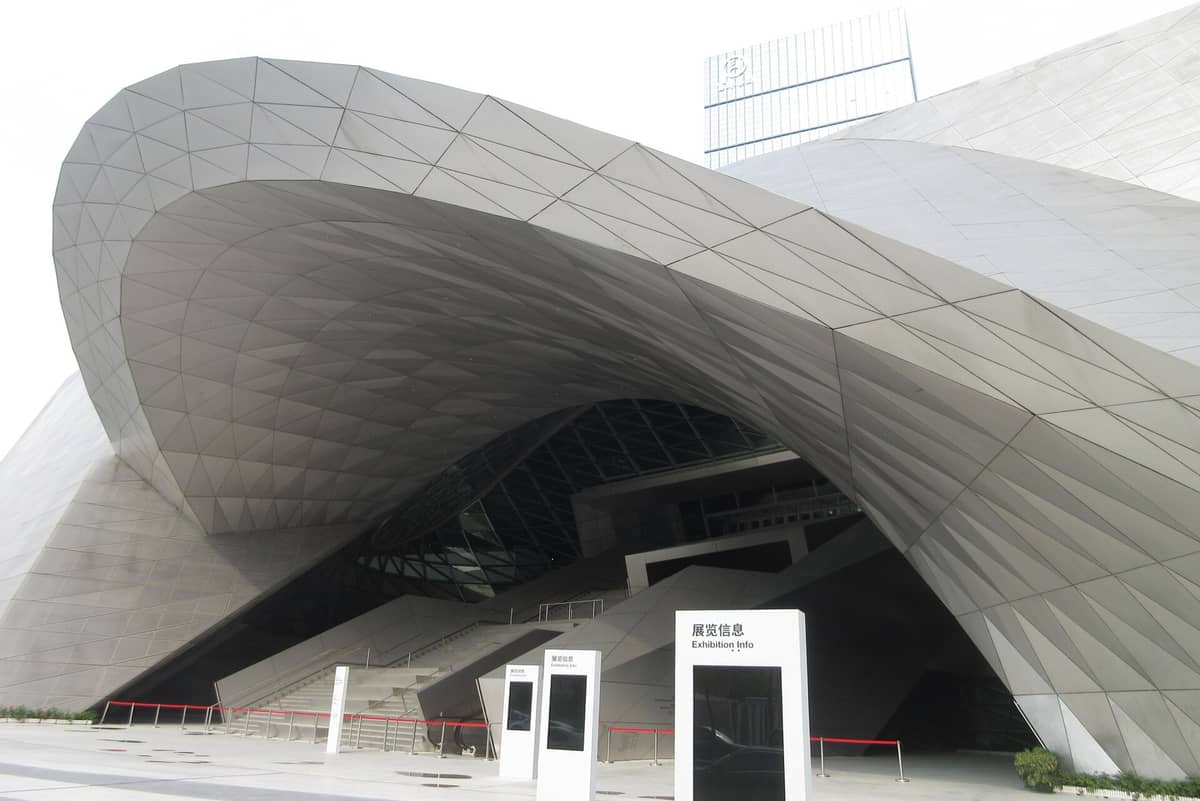
The Shenzhen Contemporary Art Museum (MOCAPE) in Futian District is the other major institutional player. Designed by the Austrian firm Coop Himmelb(l)au, the building alone is worth seeing — it is one of the more architecturally ambitious museum structures in China. The programming mixes international loans with Chinese contemporary work and tends toward larger, more mainstream exhibitions than OCAT's more research-oriented approach. It sits near the Shenzhen Civic Center and can be combined with a visit to Lianhuashan Park for a half-day in central Futian.
In Longgang District, Dafen Oil Painting Village occupies a completely different position in the art ecosystem. It is a working production village where hundreds of studios produce oil paintings at scale — reproductions of Western classics alongside original decorative work. The quality ranges enormously, from assembly-line tourist copies to genuinely skilled artisan work. Dafen is controversial in art circles, but it is a fascinating place to visit on its own terms. Prices for original pieces start around 100–300 RMB; commissions for custom reproductions can run into the thousands depending on size and complexity.
The OCT-LOFT creative district also connects naturally to Shenzhen's design culture — the city hosts the Shenzhen Biennale of Urbanism and Architecture (UABB), which uses sites across the city including OCT-LOFT and often the Nantou Ancient City area. The biennale runs in alternating years and draws significant international attention. If your visit coincides with a biennale year, check whether it is active — it transforms multiple districts simultaneously and is worth structuring your trip around.
Planning Your Art Day: Routes and Practical Logistics
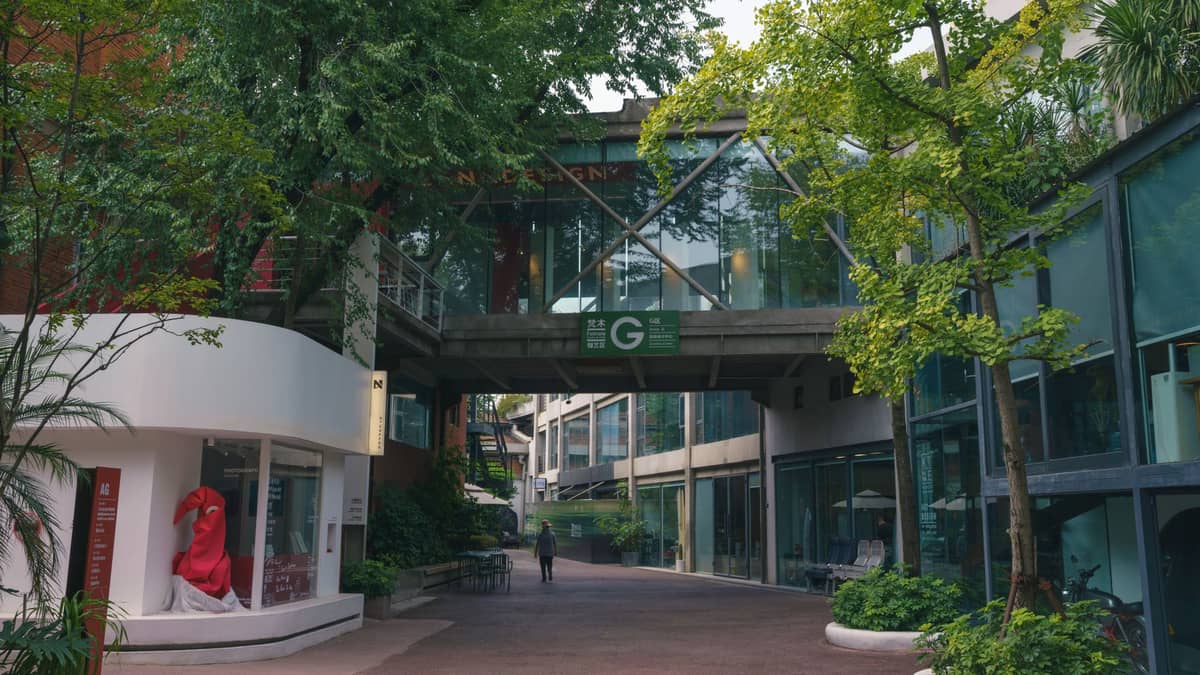
A focused art day in Shenzhen works best if you pick one geographic cluster rather than bouncing between districts. The OCT cluster in Nanshan is the most rewarding for contemporary art: OCAT, the OCT Art and Design Gallery, and the independent spaces in OCT-LOFT can fill a full day comfortably. All are within walking distance of each other once you exit the metro. For getting around the wider city, the Shenzhen metro network is reliable and well-signposted in English.
If you want to combine Dafen with OCT-LOFT in one day, be aware that they are on opposite sides of the city — Dafen is in Longgang (Metro Line 3, Dafen Station), about 45 minutes from OCT by metro. That is manageable but tiring if you also plan to walk around OCT-LOFT properly. A better approach is to treat them as separate half-day trips on different days.
- Morning: Arrive at OCT Station on Line 1 by 10:00 when OCAT opens. Spend two to three hours in the current exhibition.
- Midday: Walk through OCT-LOFT's independent galleries and studios. Lunch at one of the cafes in the converted warehouse buildings — options range from Cantonese to international.
- Afternoon: Cross to the OCT Art and Design Gallery on Shennan Boulevard before it closes at 18:00.
- Evening: OCT-LOFT's bars and restaurants become more active after 18:00. The atmosphere changes considerably once the galleries close.
- Alternative day: Metro Line 3 to Dafen Station for Dafen Oil Painting Village — combine with a visit to the Longgang area if you have extra time.
✨ Pro tip
WeChat mini-programs and Xiaohongshu (RedNote) are far more useful than English-language tourism sites for finding current gallery shows, pop-up exhibitions, and art events in Shenzhen. If you can navigate these platforms, even at a basic level, you will find programming that does not appear in English-language sources at all.
Context: What Makes Shenzhen's Art Scene Different
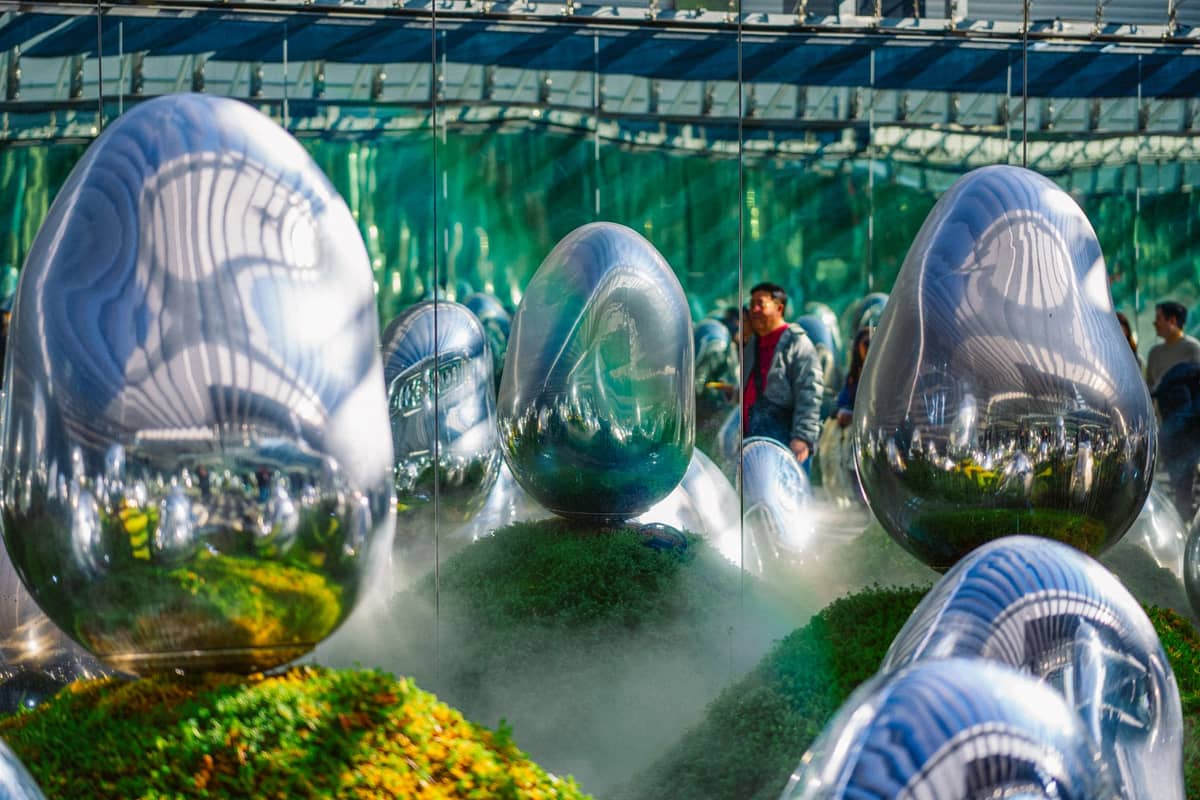
Shenzhen's art world is closely tied to its design and technology industries in a way that distinguishes it from Beijing or Shanghai. Many of the artists and galleries here engage seriously with digital media, interactive installation, and design-led practice. This is not coincidental: the city's creative workforce includes product designers, UX researchers, and engineers who cross over into artistic production. The tech district in Nanshan and the art district in OCT-LOFT are closer together — geographically and culturally — than they might appear on a map.
The commercial gallery scene is smaller and younger than what you find in Beijing or Shanghai, which means less blue-chip work but also less of the art-fair machinery that can make those cities feel transactional. Most of what you encounter in OCT-LOFT is still at an early stage — emerging artists, experimental spaces, galleries that are figuring out their identity. For visitors interested in contemporary art as a living process rather than a finished product, that is interesting. For visitors who want a polished, curatorially resolved experience, OCAT and MOCAPE are the safer bets.
One caveat: Shenzhen's art scene rewards visitors who come prepared. Unlike a major museum city where you can walk in cold and be impressed, the smaller galleries in OCT-LOFT require some context and willingness to engage with work that is often experimental and occasionally unfinished-feeling. If you approach it with curiosity rather than expectation, it delivers. If you are looking for crowd-pleasing blockbuster shows, check what is on at MOCAPE first. For a broader picture of what the city offers culturally, the things to do in Shenzhen guide provides useful wider context.
FAQ
Is OCAT Shenzhen free to enter?
Yes, general admission to OCAT Shenzhen is free. Some special exhibitions or events within the space may charge separate fees, so check the current programming before visiting. Hours are Tuesday to Sunday, 10:00–17:30; closed Mondays except public holidays.
How do I get to OCT-LOFT by metro?
Take Shenzhen Metro Line 1 to OCT Station or Qiaocheng Station — both are close to the OCT-LOFT area. The OCT Art and Design Gallery is accessible from OCT Station, Exit C. From central Futian or Luohu, the journey takes roughly 20–30 minutes.
What is the difference between OCT-LOFT and Window of the World?
They are entirely different. Window of the World is a theme park in Nanshan featuring miniature replicas of global landmarks. OCT-LOFT is a creative district with contemporary art galleries, design studios, independent cafes, and event spaces. They happen to be in the same general area of Nanshan but serve completely different audiences.
When is the best time to visit Shenzhen's art galleries?
October to November is the best window overall: cooler temperatures, lower rainfall, and gallery programming tends to be active after the summer slowdown. Avoid visiting OCT-LOFT's outdoor areas during June to August when heat and monsoon rain make the open district unpleasant. Indoor galleries like OCAT are comfortable year-round. Weekday mornings are noticeably quieter than weekends.
Is Dafen Oil Painting Village worth visiting?
It depends on what you are looking for. Dafen is a working commercial art production village, not a gallery district, and the dominant output is reproductions for the export market. That said, it is an unusual place and some studios produce high-quality original work. If you go expecting a curated art experience, you will be disappointed. If you go as an observer of a specific cultural and economic phenomenon, it is fascinating. Budget two to three hours and bring cash for purchases.