Shenzhen Bay Park: The Coastal Walk That Actually Delivers
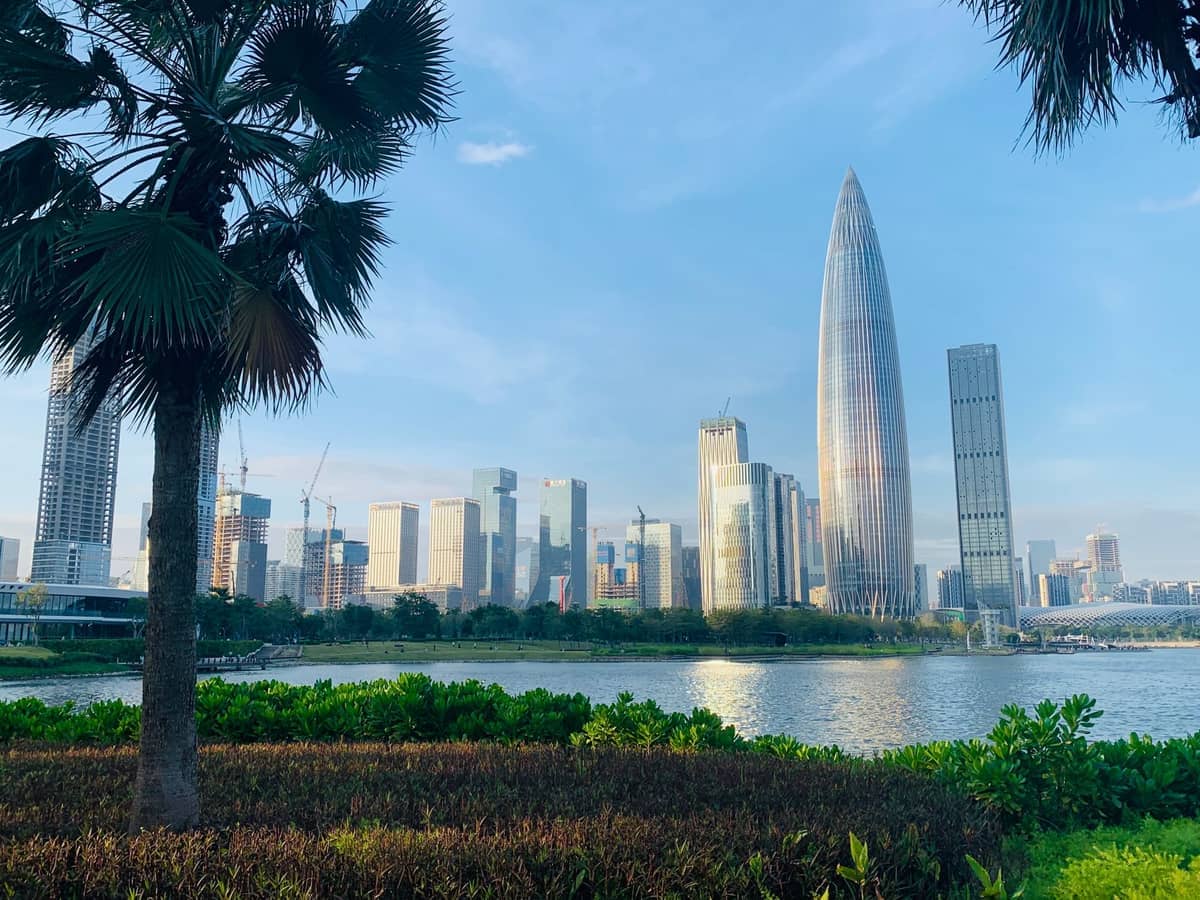
Stretching along the southwestern shoreline of Nanshan District, Shenzhen Bay Park is a free, 13-kilometre coastal park where mangrove wetlands meet bay views toward Hong Kong. It is one of the few places in the city where the pace drops, the air moves, and the skyline stops competing for attention.
Quick Facts
- Location
- Binhai Avenue, Nanshan District, Shenzhen
- Getting There
- Shenzhen Bay Park Station, Line 9, Exit D2
- Time Needed
- 1.5–3 hours (full trail: 3–4 hours)
- Cost
- Free (open daily 06:00–23:00)
- Best for
- Morning walks, birdwatching, cycling, skyline photography
What Shenzhen Bay Park Actually Is
Shenzhen Bay Park (深圳湾公园) is a free linear coastal park running along the northern shore of Shenzhen Bay in Nanshan District. Its two sections were built at different times: the Mangrove Coastal Ecological Park dates to 2000, while the Shenzhen Bay Coastal Leisure Belt was added in 2011. Together they form a 13-kilometre waterfront promenade in southern China, with the bay on one side and a dense urban skyline on the other.
The park is not a themed attraction. There are no ticket booths, no performance schedules, and no entry queues. What you get instead is open water, wide skies, a well-maintained cycling and jogging path, and at the western end, a protected mangrove wetland that supports many bird species. For a city defined by its density and speed, that contrast is the whole point.
ℹ️ Good to know
The park is free and open daily from 06:00 to 23:00. No reservation or ticket is required. Bicycle rentals may be available nearby.
The Mangrove Section: Where the Park Gets Serious
The western portion of the park, closest to the Shenzhen Bay Bridge, is where the ecological value concentrates. The mangrove forest here is part of a coastal wetland ecosystem that has been gradually rehabilitated since the park's first phase opened in 2000. Gnarled aerial roots rise out of the tidal mud at low water, and the smell shifts noticeably from the open promenade: damp earth, salt, and the faint organic scent of decomposing plant matter at the waterline.
TheThe adjacent Hongshulin Nature Reserve sits just across the bay road and is a separate, more regulated site — but the park's own mangrove fringe gives a strong preview without any additional effort.birdwatching at this end of the park can be impressive, particularly between October and March when migratory species move through. Herons, egrets, and black-faced spoonbills have all been recorded here. The adjacentMangrove Nature Reservesits just across the bay road and is a separate, more regulated site — but the park's own mangrove fringe gives a strong preview without any additional effort.
Early mornings between 07:00 and 09:00 are when this section rewards patience most. The light is flat and diffuse before the haze builds, birds are active, and the number of cyclists and joggers is manageable. By 10:00, the path fills quickly on weekends.
The Promenade: Hong Kong on the Horizon
Moving east along the main coastal belt, the character of the park shifts from ecological to recreational. The path widens, the views open out across the bay, and on clear days — most reliably in autumn and winter — you can see the hills of Hong Kong's New Territories across the water. The Shenzhen Bay Bridge (also known as the Hong Kong-Shenzhen Western Corridor) cuts diagonally across the southern view and becomes a prominent landmark against the bay.
The promenade itself is broad enough to accommodate cyclists, joggers, walkers, and the occasional inline skater without conflict. Wooden observation decks jut out over the water at intervals, giving cleaner sightlines than the main path. In the evening, the reflection of city lights on the calm bay surface and the distant glow of the Hong Kong side makes this one of the better sunset spots in Nanshan without requiring any elevation at all.
💡 Local tip
For the clearest Hong Kong views, visit between October and December. Summer haze and humidity can reduce visibility across the bay to near zero, and afternoon thunderstorms are frequent from May through September.
If you are planning a broader day in the district, the park sits within easy reach ofNanshan'smain commercial and cultural areas. The nearbySea World Plazain Shekou is about 15 minutes by bike from the park's western entrance, making a combined half-day straightforward.
How the Park Changes Through the Day
The park runs from 06:00, and the first hour is distinctly its own. Retired residents do tai chi on the grass platforms near the entrances. Serious runners pass in both directions on the inner track. The vendors are not yet set up, the cycling rental points are just opening, and the light on the water is at its most photographable — low-angle, soft, and often accompanied by mist lifting off the bay.
By mid-morning on weekdays, the park settles into a steady but uncrowded rhythm. Families with young children appear around 09:00, and the grass areas near the central section get used as informal picnic spots. On weekends between 10:00 and 14:00, the cycling path becomes genuinely congested around the most photographed stretches, particularly near the observation decks facing the bridge. If you are visiting specifically for photography or a quiet walk, Saturday morning before 09:00 or any weekday afternoon are the better windows.
Evenings bring a different crowd entirely: young couples, post-work joggers, and groups of friends who set up folding chairs on the waterfront decks to watch the sunset. The park stays open until 23:00, and the lit promenade continues to attract walkers well after dark, particularly on warm nights.
Getting There and Getting Around
The most direct public transit option is Shenzhen Metro Line 9 to Shenzhen Bay Park Station, using Exit D2. This drops you at the eastern section of the park near the Coastal Leisure Belt. From there, you can walk west toward the mangroves or rent a bike at one of the rental points near the entrance.
The park is linear rather than circular, which means walking the full length one way takes roughly 2 to 3 hours at a relaxed pace. Most visitors enter from the metro end, walk or cycle to the mangrove section, and return the same way. If you prefer a loop that takes in more of Nanshan, you can exit near the Shenzhen Bay Bridge end and pick up a ride-hailing car back. Check thegetting around Shenzhen guidefor current advice on using Didi and transit apps as a visitor.
Bicycle rental is available at multiple points along the route and represents the most practical way to cover the full length without fatigue. Shared bike docking stations (Meituan and Hello Bike are common) are also located near the main entrances for visitors who have set up the relevant apps. Bring sun protection regardless of the season: the path is largely unshaded, and the reflected glare off the water intensifies the UV exposure significantly.
⚠️ What to skip
The path is exposed along most of its length. Sun protection, a hat, and water are essential from April through October. On summer afternoons, heat and humidity on the open promenade can become uncomfortable within 30 minutes.
Who Will and Won't Enjoy It
Shenzhen Bay Park earns its reputation as one of the city's better free outdoor spaces because it delivers something in short supply here: a long, flat, open stretch of coastline with no commercial pressure and decent ecological interest. It is the kind of place that rewards a slow morning over a rushed visit.
That said, it is not a destination attraction in the way thatLianhuashan ParkorFairy Lake Botanical Gardenare for visitors who want a defined experience. There are no major landmarks within the park itself, no museums, and limited food options beyond convenience kiosks. If you are visiting Shenzhen for a short time and prioritising cultural or architectural sights, the park might not justify a dedicated trip.
Travellers with limited mobility should be aware that while the main promenade is flat and paved, the full length of the park is substantial, and the official sources reviewed do not confirm step-free access at all entry and exit points. It is worth checking current conditions on arrival before committing to the full route.
For visitors with more time in the city, the park pairs well with a broader exploration ofShenzhen's green spaces. It also fits naturally into a half-day itinerary that includes Shekou or the western Nanshan waterfront.
Photography Notes
The classic shot from this park is the Shenzhen Bay Bridge framed against a clear sky with open water in the foreground. The best position for this is from the western observation decks, a comfortable walk from the mangrove end. Early morning gives clean light and minimal haze; late afternoon in autumn and winter can produce warm tones if the sky cooperates.
The mangrove section offers closer, more textural work: root systems, wading birds, tidal mud patterns, and the layered canopy of the wetland vegetation. A longer lens is useful here if you are serious about bird photography, as the birds tend to stay at a cautious distance from the path. The reflections on the calm water in the hour after sunrise can be particularly clean on windless mornings.
Insider Tips
- Weekday mornings between 07:00 and 09:00 give you the park at its quietest and most photogenic. Weekend crowds build quickly after 10:00, particularly on the central promenade and observation decks.
- The mangrove section at the western end is the ecological highlight, but many visitors turn back before reaching it. If you only have time for one direction, head west from the metro exit rather than east.
- October to December is the sweet spot for the full experience: mild temperatures, lower humidity, cleaner air across the bay, and active bird migration through the wetland section.
- Bike rental near the park entrance is the most practical way to cover the full length and return without doubling your walking time. Apps like Meituan Bike and Hello Bike are widely available near the entrances but require a Chinese mobile number or a set-up deposit.
- The observation decks that face south toward Hong Kong are positioned roughly halfway along the route. If the Hong Kong skyline is your main goal, you do not need to walk the full length of the park.
Who Is Shenzhen Bay Park For?
- Joggers and cyclists looking for a long, flat, car-free route with open water on one side
- Birdwatchers, particularly those visiting between October and March during migration season
- Couples and families wanting a low-cost, low-pressure half-day outdoors
- Photographers chasing coastal light and wide bay views without hiking elevation
- Visitors on a tight budget who want genuine outdoor space without any entrance fees
Nearby Attractions
Other things to see while in Nanshan:
- Shenzhen Bay Mangrove Nature Reserve
The Futian Mangrove Nature Reserve sits on the northeast shore of Shenzhen Bay, offering free access to boardwalks, bird observation platforms, and one of China's most unusual ecological spaces: a protected national nature reserve embedded inside a major city. It is quiet, photogenic, and worth a morning.
- Nantou Ancient City
Nantou Ancient City (南头古城) is Shenzhen's oldest surviving urban settlement, with roots stretching back to the Eastern Jin Dynasty in 331 A.D. Today this 70,000-square-meter walled district in Nanshan blends Ming-era gates and ancestral halls with independent cafes, galleries, and street food — offering a rare counterpoint to Shenzhen's reputation as a city with no past.
- Shenzhen Safari Park
Shenzhen Safari Park (深圳野生动物园) is one of the largest wildlife parks in southern China, spreading across roughly 1.2 million square meters in the Xili area of Nanshan District. Open since 1993, it draws families and animal lovers looking for a full-day outing away from the city's tech corridors.
- Tanglang Mountain Park
Tanglang Mountain Country Park (塘朗山郊野公园) is a free, 10-square-kilometer nature reserve in Nanshan District. Shaded trails, sweeping views over Shenzhen's tech corridor, and easy metro access make it the most practical urban hike on the west side of the city.