Shenzhen Safari Park: What to Know Before You Visit
Shenzhen Safari Park (深圳野生动物园) is one of the largest wildlife parks in southern China, spreading across roughly 1.2 million square meters in the Xili area of Nanshan District. Open since 1993, it draws families and animal lovers looking for a full-day outing away from the city's tech corridors.
Quick Facts
- Location
- 4086 Xili Lake Road, Nanshan District, Shenzhen
- Getting There
- Xili Lake Station (Metro Line 7)
- Time Needed
- 3 to 5 hours
- Cost
- Approx. 240 CNY (verify current pricing before visiting)
- Best for
- Families with children, wildlife photography, casual half-day or full-day outing
- Official website
- http://www.szzoo.net
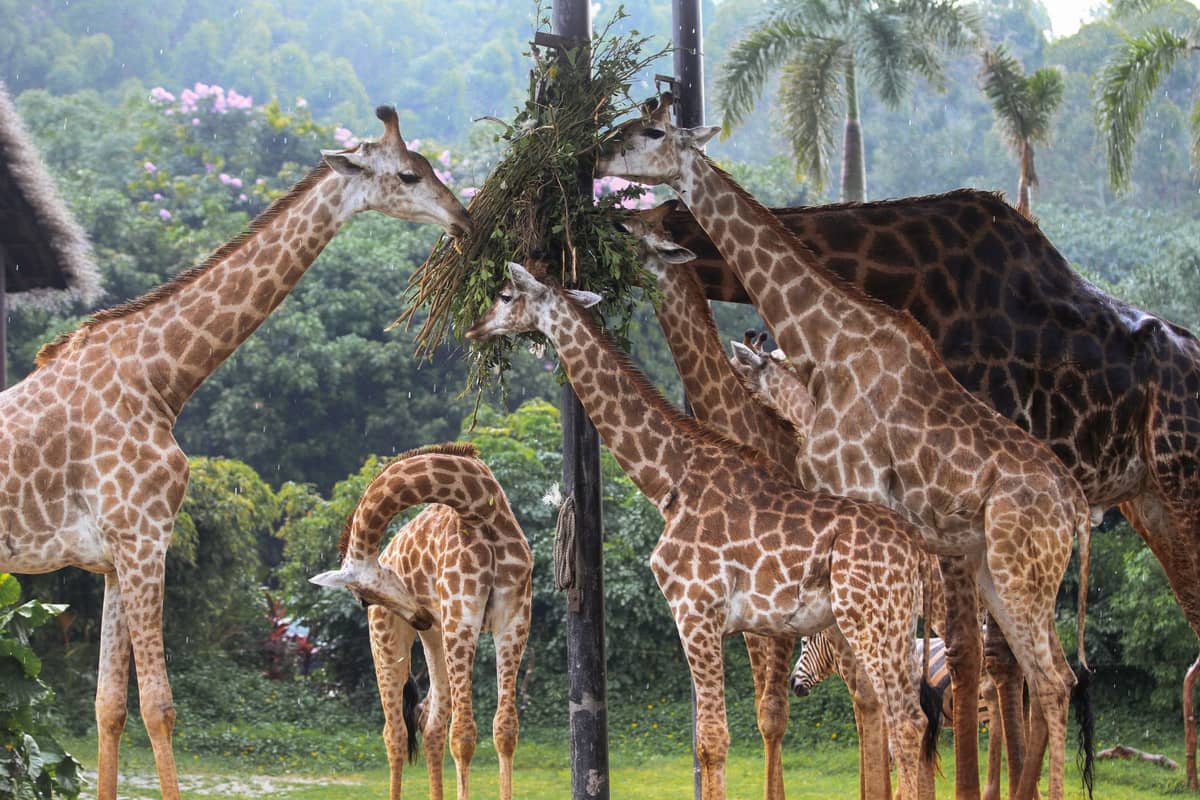
What Shenzhen Safari Park Actually Is
Shenzhen Safari Park, known in Chinese as 深圳野生动物园, opened in 1993 and covers approximately 1.2 million square meters of hilly terrain in the Xili area of Nanshan District. That scale puts it well above a standard urban zoo: the grounds include both walk-through exhibit zones and drive-through safari sections, where animal enclosures give way to open paddocks that vehicles pass directly through.
The park sits at the meeting point between Shenzhen's dense western urban core and the greener, more suburban stretch near Xili Lake. On arrival, the shift in atmosphere is noticeable: the traffic noise recedes, the air carries the smell of grass and soil, and the entrance plaza feels genuinely spacious compared to most of Shenzhen's attractions. This is not a compact attraction you can rush through in 90 minutes.
ℹ️ Good to know
Opening hours are reported as 09:30–18:00 (last entry 17:00), with some sources also noting seasonal evening hours. Confirm directly via the official website (http://www.szzoo.net/) before you travel, as schedules may vary seasonally or during public holidays.
Getting There from Central Shenzhen
The most reliable way to reach the park is Shenzhen Metro Line 7 to Xili Lake Station, Exit B. From the exit, the main park entrance is roughly a 4-minute walk. Line 7 connects well with Line 1 (the east-west spine running through Nanshan, Futian, and Luohu), so visitors staying anywhere along the central corridor can reach the park without a transfer onto a bus. For a broader look at getting around the city by metro, thegetting around Shenzhen guidecovers line maps, fare structures, and ticketing options.
Didi (China's dominant ride-hailing platform) is a practical fallback if you're traveling with young children or heavy bags. The address to input is 4065 Xili Lake Road, Nanshan District. Taxis are available but less predictable during park closing hours when demand spikes at the entrance. Arriving by metro avoids that friction entirely.
The Layout: Walk-Through Zones and Safari Sections
The park divides broadly into pedestrian wildlife zones and motorized safari areas. The walk-through sections follow paved paths through enclosures housing big cats, primates, bears, reptiles, and bird aviaries. Enclosure quality and animal welfare conditions vary across sections, as they do in most large Chinese wildlife parks of this generation. Visitors who prioritize high animal welfare standards should research current conditions independently before visiting.
The safari component, which involves vehicles passing through semi-open paddocks with animals roaming in larger spaces, is a draw for families with children who want something beyond the standard fence-and-path zoo format. Check park schedules and any additional fees for the safari ride on arrival, as vehicle tour availability can depend on the time of day and season.
Animal shows and feeding demonstrations are typically scheduled at set times throughout the day. Arriving before mid-morning allows you to plan around these schedules without missing sessions. The park map available at the entrance (and often downloadable from the official website) lists timed events, which is worth picking up or printing before your visit.
💡 Local tip
Arrive as close to opening as possible. The park's elevated sections and open walkways offer better light for photography in the morning, and the midday heat in Shenzhen's summer months (June through September) can make long walking routes uncomfortable. A hat, sunscreen, and a refillable water bottle are practical necessities from April onwards.
How Time of Day Shapes the Experience
Morning visits, particularly on weekdays, offer noticeably thinner crowds. The animals are generally more active in cooler morning temperatures, which matters for visitors interested in observing natural behaviors rather than watching heat-sedated animals at rest. The light is softer and more useful for photography before noon.
Midday between roughly 11:00 and 14:00 is when family groups with young children tend to cluster at feeding stations and show venues. If you plan to attend a scheduled animal demonstration, this is also when the most popular ones run, so some queuing should be expected. The indoor reptile and small-animal halls offer a useful break from direct sun during these hours.
Late afternoon, from around 15:30 onward, sees a second wave of activity from visitors arriving after lunch. Animal activity picks back up slightly as temperatures drop, and the pre-closing hour is a good window for quieter walks through sections you may have skipped earlier. Budget at least 3 hours minimum; 5 hours is reasonable if you intend to cover the safari route and catch more than one timed show.
Context: Nanshan District and the Surrounding Area
Shenzhen Safari Park sits in Nanshan, the district best known as the home of major technology companies including Tencent. The contrast between the park's green expanse and the corporate campuses a few kilometers to the south is part of what makes it an interesting local excursion. Nanshan is one of Shenzhen's more livable districts, with parks, lakeside areas, and easier access to greenery than the dense commercial cores of Futian or Luohu. TheNanshan neighborhood guidecovers the wider district in more detail, including the Sea World waterfront area and nearby dining options.
For visitors combining the safari park with a broader day in Nanshan, theWindow of the Worldtheme park andSplendid China Folk Villageare both located in the OCT development cluster to the southeast, roughly 20 to 30 minutes by metro. They represent a different kind of attraction, more curated and performance-oriented, but make for a logical pairing if you are planning a family-focused day in western Shenzhen.
Practical Considerations: Weather, Crowds, and Value
Shenzhen's climate is humid subtropical with a pronounced rainy season from late spring through summer. Visiting the safari park during heavy rain significantly reduces the experience: many enclosures are open-air, paths become slippery on the hillside sections, and timed shows may be cancelled. Thebest time to visit Shenzhenis generally October through December, when temperatures are milder and rainfall drops sharply. A park visit in November is substantially more comfortable than one in July.
Admission is reported at approximately 100 CNY, though this figure should be verified against current pricing before your visit. Additional fees may apply for the safari vehicle ride. The overall value proposition is solid for families planning a half-day or full-day outing, particularly given the park's scale. Solo travelers or couples without specific interest in wildlife may find the return less compelling, and the park does not have the concentrated cultural depth of Shenzhen's museum and urban heritage sites.
⚠️ What to skip
Shenzhen Safari Park may not suit travelers with strong concerns about animal welfare in captive settings. As with many large Chinese wildlife parks established in the 1990s, standards vary across enclosures. Review current visitor reports if this is a priority consideration for you.
Photography inside the park is generally permitted. Enclosures with glass barriers can create reflection challenges; polarizing filters help if you shoot with interchangeable-lens cameras. The safari vehicle sections, where animals are in open paddocks, tend to produce the most naturalistic shots. If wildlife and nature photography are a particular interest during your Shenzhen trip, theShenzhen Bay Mangrove Nature Reserveoffers a very different and fully outdoor alternative for birdwatching and coastal landscape photography.
Who Should Think Twice
The park is not designed for visitors who want a high-intensity day or a tightly curated cultural experience. Architecture enthusiasts, food-focused travelers, and those primarily interested in Shenzhen's urban story will find the park peripheral to their interests. The terrain involves moderate walking across hilly ground, so visitors with mobility limitations should note that step-free routes are not explicitly confirmed in available sources; contact the park directly if accessibility is a requirement.
Visitors traveling to Shenzhen on a very tight schedule, say a single day crossing from Hong Kong, should weigh whether a 3 to 5 hour commitment to one attraction in Nanshan is the best use of limited time. There are more compressed, city-defining experiences available closer to the border crossing zones.
Insider Tips
- Weekday mornings, especially Tuesday through Thursday, are significantly quieter than weekends. If your schedule allows, arriving at opening on a mid-week morning gives you the park's hillside paths almost to yourself.
- The elevated sections of the park offer partial views toward Xili Lake and the surrounding green hills of western Nanshan. These viewpoints are easy to miss if you follow only the main crowd flow; pick up a map at the entrance and note the upper trail options.
- Food and drink options inside large Chinese wildlife parks are typically overpriced and limited in quality. Bringing your own snacks and a filled water bottle is practical, particularly if you're visiting with children who may not want to queue at the park's food stalls.
- If you plan to use Didi to leave the park at closing time, request your ride about 15 to 20 minutes before you actually exit. Demand spikes sharply at closing, and pre-booking gives you a shorter wait.
- For the safari vehicle section, positioning yourself on the side of the vehicle facing away from direct sunlight produces noticeably cleaner photographs with less glare on animal subjects.
Who Is Shenzhen Safari Park For?
- Families with children aged 4 to 12 looking for a full-day outing
- Visitors wanting green space and open grounds after several days in Shenzhen's urban core
- Wildlife and nature photographers who want variety beyond Shenzhen's coastal and urban subjects
- Travelers who have already covered Shenzhen's cultural and tech highlights and are seeking something different
- Groups that include a mix of ages and interests, where a large park with varied zones suits everyone
Nearby Attractions
Other things to see while in Nanshan:
- Shenzhen Bay Mangrove Nature Reserve
The Futian Mangrove Nature Reserve sits on the northeast shore of Shenzhen Bay, offering free access to boardwalks, bird observation platforms, and one of China's most unusual ecological spaces: a protected national nature reserve embedded inside a major city. It is quiet, photogenic, and worth a morning.
- Nantou Ancient City
Nantou Ancient City (南头古城) is Shenzhen's oldest surviving urban settlement, with roots stretching back to the Eastern Jin Dynasty in 331 A.D. Today this 70,000-square-meter walled district in Nanshan blends Ming-era gates and ancestral halls with independent cafes, galleries, and street food — offering a rare counterpoint to Shenzhen's reputation as a city with no past.
- Shenzhen Bay Park
Stretching along the southwestern shoreline of Nanshan District, Shenzhen Bay Park is a free, 13-kilometre coastal park where mangrove wetlands meet bay views toward Hong Kong. It is one of the few places in the city where the pace drops, the air moves, and the skyline stops competing for attention.
- Tanglang Mountain Park
Tanglang Mountain Country Park (塘朗山郊野公园) is a free, 10-square-kilometer nature reserve in Nanshan District. Shaded trails, sweeping views over Shenzhen's tech corridor, and easy metro access make it the most practical urban hike on the west side of the city.