Things to Do in Le Havre: The Definitive Guide
Le Havre is more than a port of call. This guide covers the city's UNESCO-listed architecture, world-class Impressionist museum, urban beach, summer festivals, and the best day trips from Normandy's most underrated city.
Tickets & tours
Live prices and dates from our booking partner. If you book, we may earn a commission at no extra cost to you.
TL;DR
- Le Havre's rebuilt city centre is a UNESCO World Heritage Site since 2005, designed by Auguste Perret — explore it on a self-guided walking tour of the Perret grid.
- MuMa (Musée d'Art Moderne André Malraux) holds one of France's finest Impressionist collections — Monet, Renoir, Boudin — in a glass-fronted waterfront building.
- The seafront runs about 2 km and includes beach huts, contemporary art, and seafood restaurants — best visited in summer when the city fully opens up.
- Étretat's chalk cliffs, the D-Day beaches, and Honfleur are all under 90 minutes away — making Le Havre an excellent base for day trips across Normandy.
- Avoid arriving in winter expecting a lively seaside atmosphere — Le Havre is a working city that rewards visitors who engage with its architecture and art, not just its port.
Understanding Le Havre Before You Arrive
Le Havre sits on the right bank of the Seine estuary where the river meets the English Channel, about 200 km west of Paris. With a population of around 170,000, it is the largest city in Normandy and France's largest container port. Those two facts explain a lot about how the city looks and feels: industrial at its edges, unexpectedly cultured at its core.
The city was heavily bombed during World War II and largely rebuilt by architect Auguste Perret from 1945 onward, using a modular concrete system that created an unusually coherent urban grid. That rebuilt centre received UNESCO World Heritage status in 2005 — one of very few post-war cities to earn it. If you want to understand why, start with Perret's architecture in Le Havre before you walk the streets.
ℹ️ Good to know
Le Havre is also a major cruise port, meaning many visitors only see it from a shore excursion. If you have more time, the city rewards a full day or an overnight stay rather than a rushed two-hour bus tour. Check the dedicated Le Havre cruise port guide for ship-day logistics.
The climate is oceanic and maritime. Summers are mild to warm (rarely above 25°C), winters are damp and grey, and the wind off the Channel is a constant presence. Late June through mid-September is when the city comes alive: beach bars open, the summer art festival fills the streets, and the seafront promenade hosts everything from outdoor cinema to sailing events. Come in February and you will have the museums to yourself, but the atmosphere is strictly functional.
Architecture and Urban Heritage
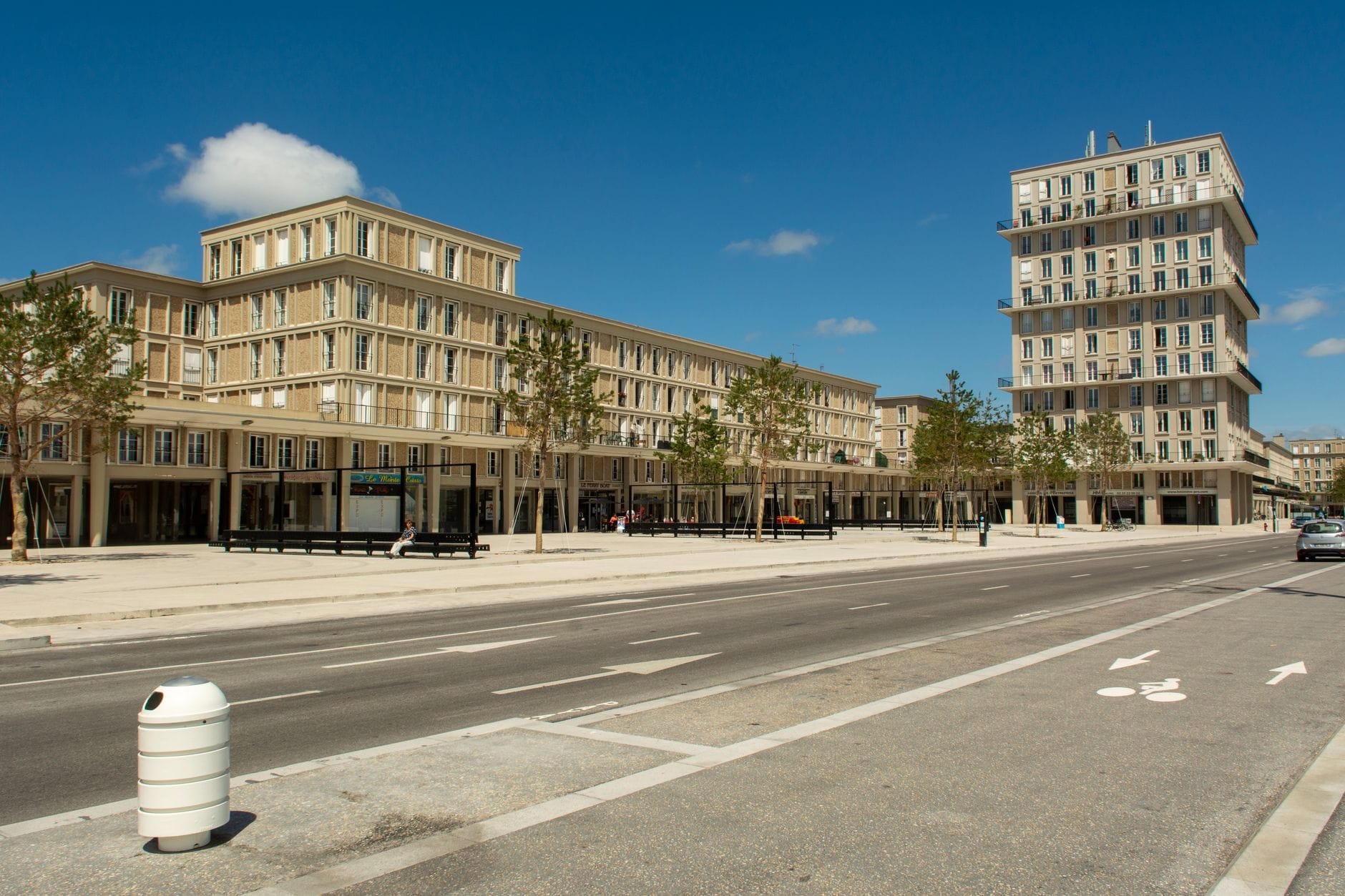
The Perret-designed city centre is the primary reason Le Havre appears on any serious architecture itinerary. The grid covers roughly 133 hectares and is held together by a modular 6.24-metre structural unit that Perret applied to everything from housing blocks to civic buildings. Walking it requires no particular expertise to appreciate — the scale, the light through the wide avenues, and the relationship between buildings and public space are immediately legible. The Église Saint-Joseph is the emotional centrepiece: its 107-metre lantern tower is filled with 12,768 pieces of coloured glass that transform the interior light depending on the time of day.
The Hôtel de Ville anchors the civic heart of the grid, while the Maison du Patrimoine — Perret's former studio — offers the clearest explanation of how the reconstruction system worked, including original drawings and material samples. The nearby Perret show flat recreates a typical furnished apartment from the 1950s reconstruction era and is one of the most specific heritage experiences in the city.
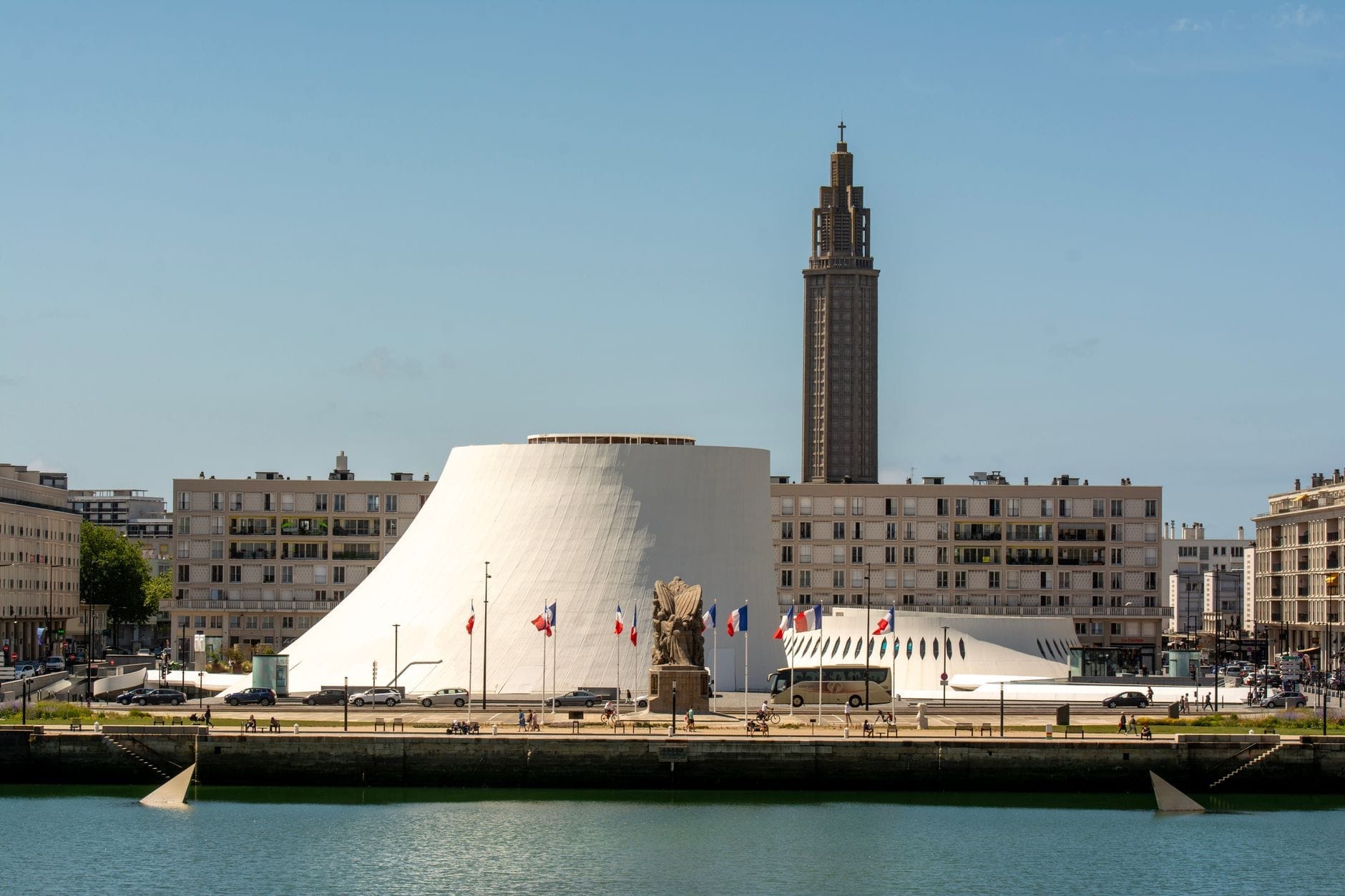
At the edge of the commercial centre, the Oscar Niemeyer-designed cultural complex known as Le Volcan provides a striking counterpoint to Perret's rational grid. Completed in 1982 and renovated in 2015 to house a public library, its volcanic white forms sit in deliberate contrast to the surrounding concrete geometry. Worth a visit even if you only look at the exterior.
✨ Pro tip
The best light for photographing Saint-Joseph's interior falls on sunny mornings when the coloured glass panels are fully illuminated. Visit before 10:30 am to avoid school groups and get clear sightlines down the nave.
Museums and Art
The Musée d'Art Moderne André Malraux, known universally as MuMa, is the cultural anchor of Le Havre's seafront and one of the best art museums in northern France. Its collection of Impressionist and post-Impressionist works is exceptional: major Monet canvases, a substantial holding of Eugène Boudin (who was born in nearby Honfleur and is deeply associated with this coastline), Renoir, Sisley, and Dufy. The building itself — a glass and steel pavilion that opens directly onto the harbour — was designed in 1961 and remains one of the finest examples of museum architecture from that era.
If MuMa is the headline, the supporting cast is worth knowing. The Musée de l'Ancien Havre covers the city's history from its founding in 1517 through to the WWII destruction, with maps, models, and archival photographs that add context to everything else you see. The Muséum d'Histoire Naturelle is an older, eccentric institution housed in a former chapel — the kind of natural history museum that feels like it has been accumulating specimens for two centuries, because it has.
Le Havre's relationship with Impressionism extends beyond the museum walls. The movement's name derives from Monet's 1872 painting 'Impression, soleil levant', depicting the port of Le Havre at dawn. Walking the Le Havre Impressionist art trail connects the specific viewpoints where Boudin, Monet, and others worked along this coastline.
The Seafront, Beach, and Outdoor Spaces
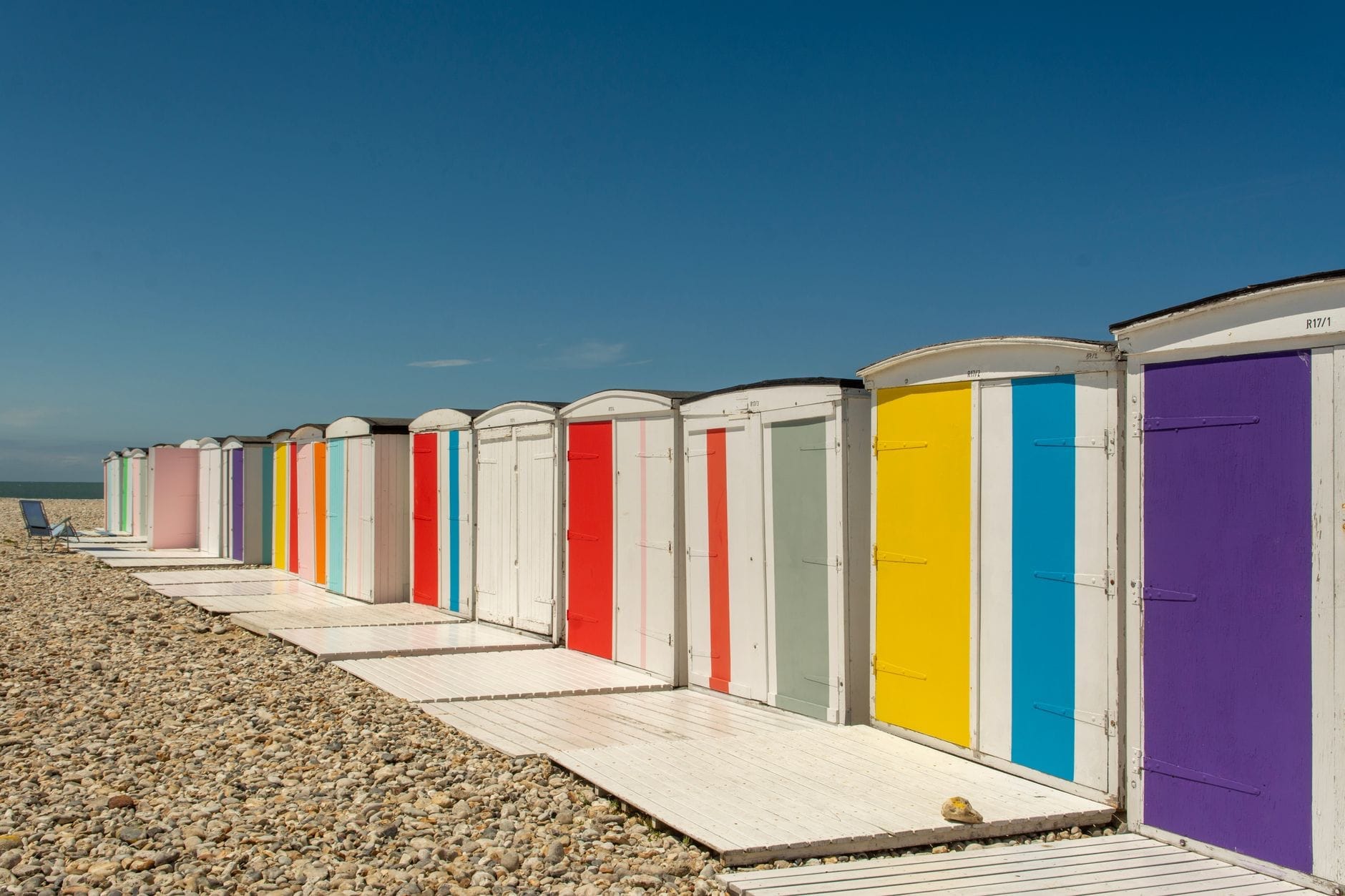
The seafront promenade along Boulevard Albert 1er stretches for about 2 km and forms the western edge of the city. The Plage du Havre is a pebbly urban beach with beach huts, a supervised swimming area in summer, and several seafood restaurants and bars directly behind the seafront. It is not the Côte d'Azur — the water is cold, the weather is unpredictable, and the beach itself is narrow — but on a warm July afternoon it is genuinely lively and local.
The area around the Bassin du Commerce — a rectangular inner harbour in the city centre — is worth an evening stroll. The modernist footbridge and surrounding architecture are particularly striking after dark when the basin reflects the lit facades. Contemporary art installations appear regularly in this zone as part of the city's ongoing public art programme.
For green space, the Jardins Suspendus occupy a former 18th-century fort on the plateau above the city, offering panoramic views over the Seine estuary. The gardens are genuinely varied: formal French garden sections, greenhouses with exotic plants, and woodland walks. Take the road or cycle path up rather than the steep footpath if you have young children or limited mobility. The nearby Forêt de Montgeon covers around 220 hectares and is the main urban forest — accessible by tram and genuinely quiet on weekday mornings.
- Plage du Havre Urban pebble beach with huts and seafood restaurants; supervised swimming in summer. Best from late June to August.
- Jardins Suspendus Former hilltop fort converted into botanical gardens with estuary views. Free entry, open year-round but best in spring and summer.
- Forêt de Montgeon 220-hectare urban forest north of the city centre, accessible by tram. Good for running, cycling, and escaping the grid.
- Sainte-Adresse headland The residential commune just north of Le Havre proper, with clifftop views over the port and sea. Monet painted here repeatedly.
- Bassin du Commerce Inner harbour flanked by Perret-era architecture; evening light is excellent and the area has good café terraces.
Festivals, Events, and Seasonal Highlights
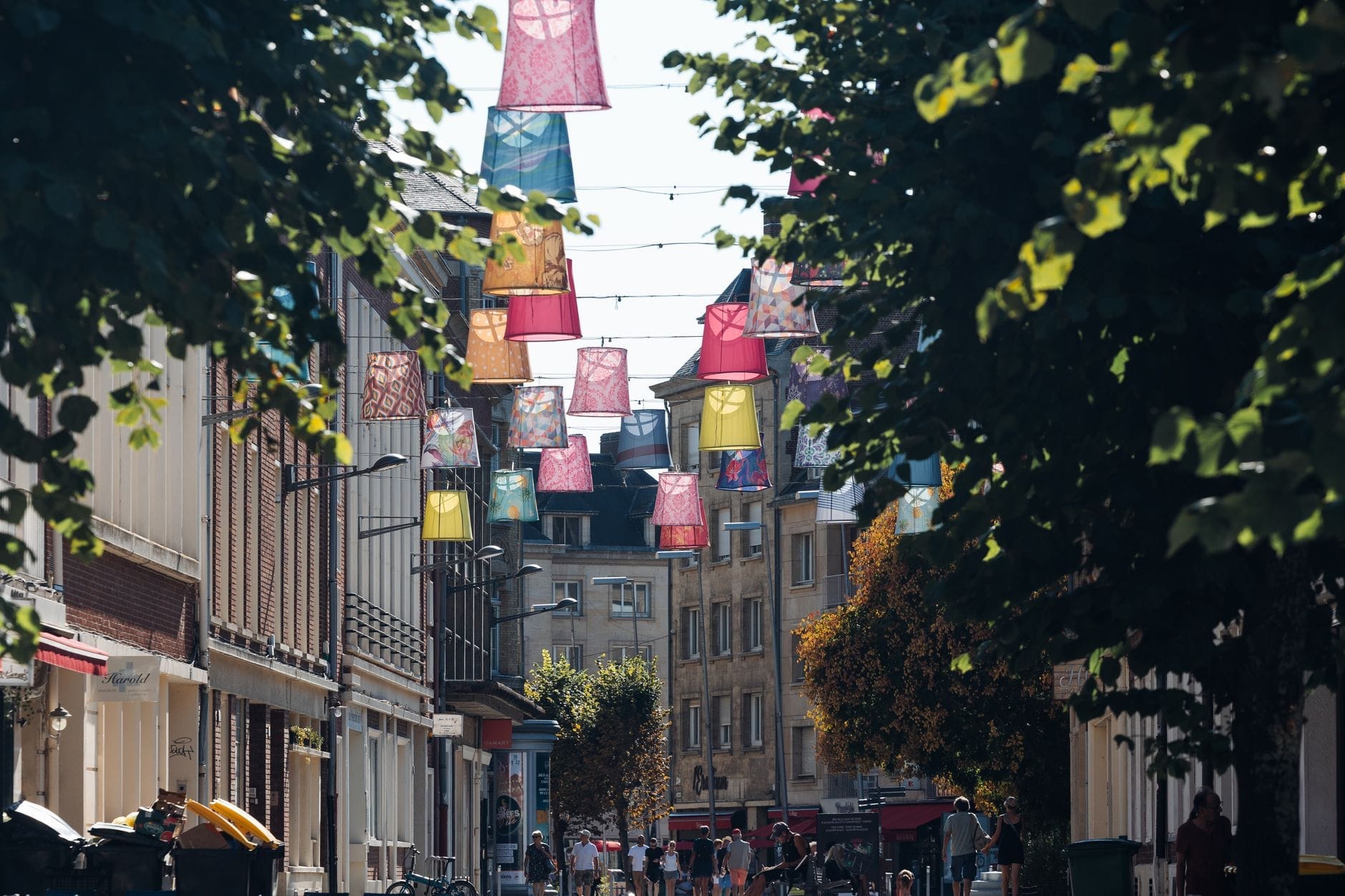
Le Havre's event calendar is stronger than its reputation suggests. The summer months bring the city's most compelling public programming, and planning around one of the major events significantly improves any visit.
Un Été au Havre (A Summer in Le Havre) is an annual contemporary art festival running from late May through September. The format involves commissioning large-scale, site-specific sculptures and installations placed across the city — in squares, on the seafront, in the port zone — transforming familiar spaces into exhibition venues. The programming changes each year and quality varies, but at its best the festival makes Le Havre one of the most interesting cities in France for public art during the summer months. Entry to most installations is free.
The Béton Festival in August combines music events with architectural tours focused on the city's brutalist and modernist heritage. It has a loyal following among architecture enthusiasts and those interested in 20th-century urban design. Ouest Park, held in October, is a modern music festival that draws acts from across Europe and extends the city's cultural season into autumn. The Transat Jacques Vabre, a prestigious double-handed transatlantic sailing race, departs from Le Havre every two years — when it takes place, the port area transforms into a public festival of maritime culture for several days before the start.
💡 Local tip
Festival dates shift year to year. Before booking travel around Un Été au Havre or the Transat Jacques Vabre, confirm the current year's schedule directly with the Le Havre Étretat Tourisme office or the event's official website — programmes are typically announced in early spring.
Markets, Food, and Local Life
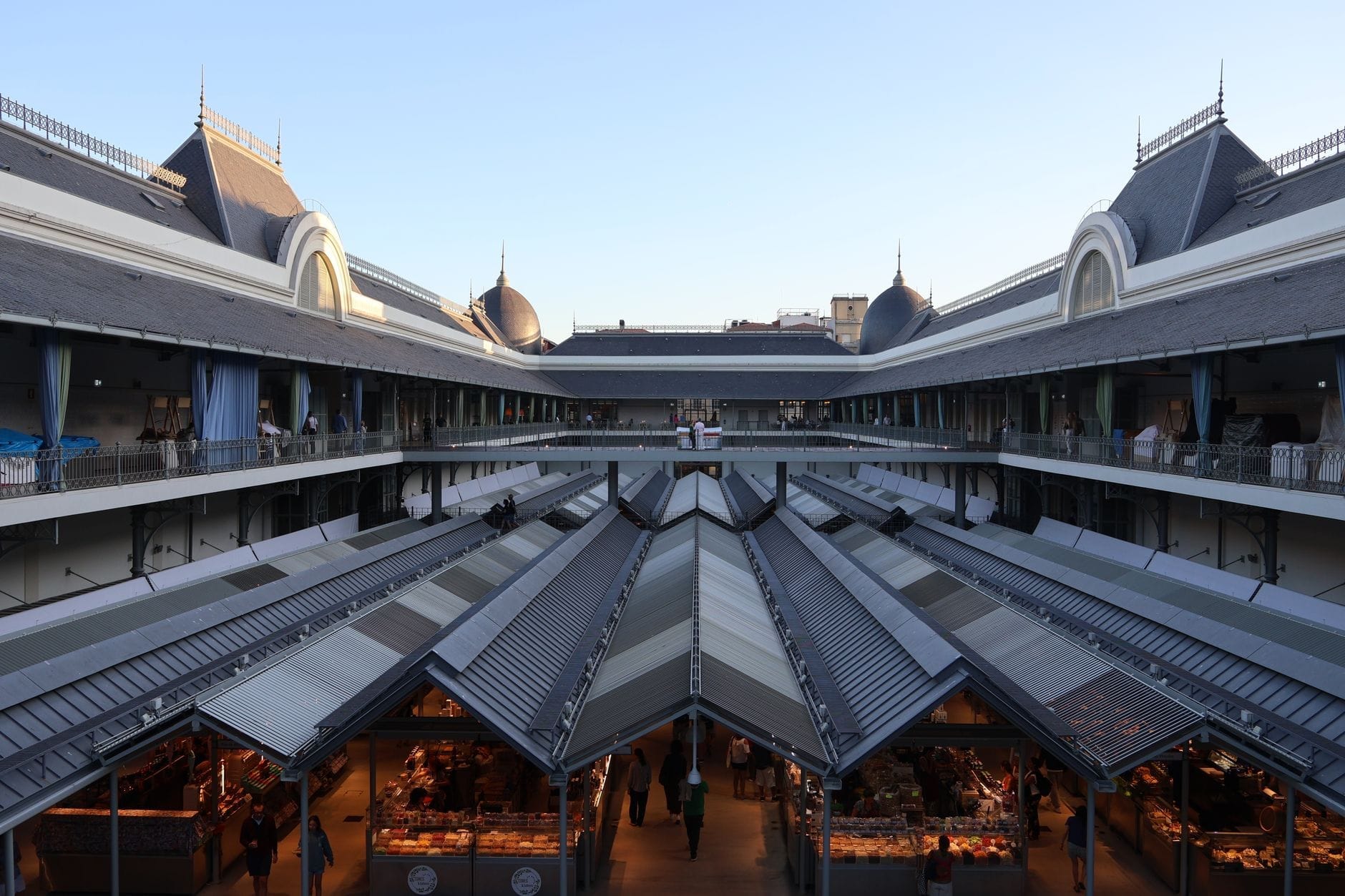
The Halles Centrales market runs on Sunday mornings and is the main food market in the city centre. It covers a wide range of local produce — Norman cheeses, charcuterie, seasonal vegetables, bread — alongside a fish section that reflects the city's working port status. Arrive before 10 am for the best selection; most stalls begin packing down by noon. A morning fish market also operates separately near the port, showcasing the daily catch with a distinctly local atmosphere rather than a tourist-facing one.
The food scene in Le Havre is honest Norman cooking rather than gastronomy: mussels, sole, sea bass, cider from the Pays d'Auge, Calvados, and dairy-heavy sauces. Seafront restaurants along the beach and promenade fill up quickly on summer weekends. For a more local experience, the streets around the Espace Oscar Niemeyer and the Halles Centrales have a better ratio of neighbourhood cafés and bistros to tourist-facing establishments.
Day Trips: Using Le Havre as a Base
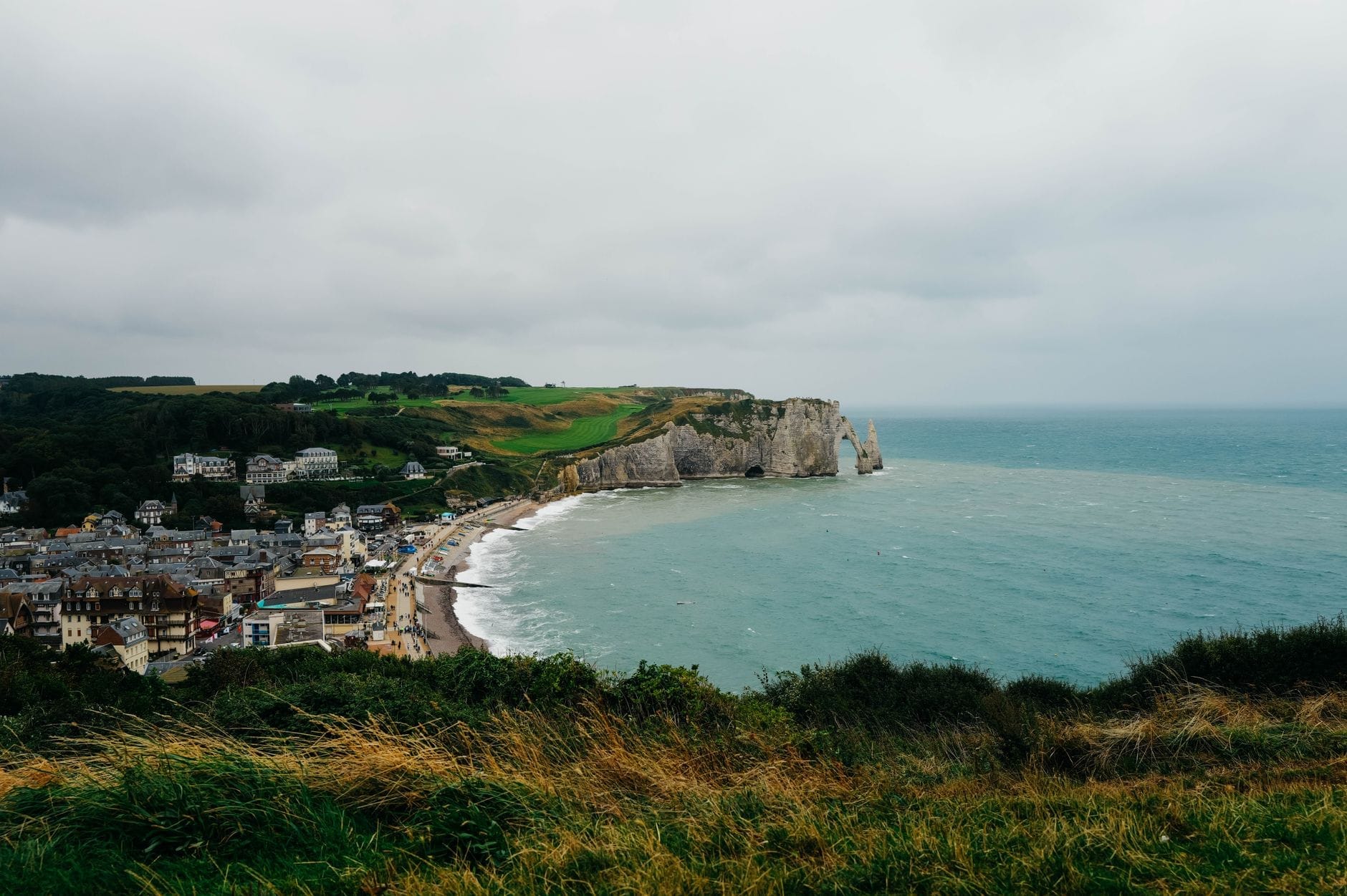
Le Havre's position at the mouth of the Seine makes it an efficient base for exploring a wide arc of Normandy. The most popular excursion is Étretat, about 30 km north along the Alabaster Coast, reachable by regional Nomad bus line 24 in roughly 45–60 minutes. The chalk sea arches there are among the most photographed natural landmarks in France, and the cliffs at Amont and Aval reward early-morning visits before tour groups arrive. For a fuller picture of the options, the guide to day trips from Le Havre covers Étretat, Honfleur, Deauville, and the D-Day beaches in detail.
Honfleur, directly across the Seine estuary via the Pont de Normandie bridge, is about 25 minutes by car or coach (Nomad Car line 111). Its 17th-century harbour and slate-fronted houses make it visually very different from Le Havre, and the contrast is half the point. Deauville and Trouville, known for their casino culture, Belle Époque hotels, and film festival, are under an hour by road. The D-Day landing beaches — Omaha, Utah, Arromanches — are approximately 90 minutes west, best visited with a guided tour that includes context about the 1944 operations.
- Étretat: 30 km north, 45–60 min by Nomad bus line 24. Chalk sea arches and clifftop paths.
- Honfleur: 25 km via Pont de Normandie, 25 min by car or Nomad Car line 111. Historic harbour town.
- Deauville/Trouville: 45 km, under 1 hour by Nomad Car line 122. Seaside resort with film festival in September.
- D-Day beaches (Omaha, Arromanches): approx. 90 min west. Best done with a guided tour including transport.
- Rouen: 90 km east, about 1 hour by train. Gothic cathedral, Joan of Arc memorial, excellent museums.
- Sainte-Adresse: 4 km north, walkable or tram. Clifftop views used by Monet; quieter alternative to the main beach.
⚠️ What to skip
Shore excursion pricing from cruise ships can run significantly higher than booking independently. A guided Honfleur and Deauville tour from the port runs around US$147 per person through major platforms — the same journey by Nomad Car coach costs a fraction of that if you have time and flexibility. The trade-off is that cruise ship shore excursions guarantee return before departure; independent travel does not.
Practical Information for First-Time Visitors
Getting to Le Havre is straightforward from Paris: trains from Paris Saint-Lazare take approximately 2 hours and run regularly throughout the day. From Rouen, the journey is about 45 minutes. Le Havre does not have a functional commercial airport, so international visitors fly into Paris Charles de Gaulle or Orly and continue by train or road. Within the city, the LiA tram and bus network covers the main visitor areas — the Perret city centre, the seafront, Montgeon forest, and the plateau above the city. Tickets are purchased at tram stops or on buses.
Accommodation ranges from budget hotels near the station to design-forward options in the city centre. The where to stay in Le Havre guide breaks down the main options by area and price bracket. Most visitors who treat Le Havre seriously plan at least two nights: one day for the architecture and museums, one for a day trip to Étretat or Honfleur. If you are short on time, the guide to 2 days in Le Havre offers a structured itinerary that covers the essentials without rushing.
France uses the euro (EUR). Tipping is not mandatory — service is typically included in restaurant bills — but rounding up or leaving a euro or two on good service is common. Tap water is safe to drink. Emergency services are reachable on the pan-European number 112, or by the French-specific lines: 15 (medical), 17 (police), 18 (fire). France operates on Central European Time (CET, UTC+1), shifting to CEST (UTC+2) in summer.
FAQ
Is Le Havre worth visiting as a destination rather than just a cruise port?
Yes, though with realistic expectations. Le Havre is not a pretty medieval town — it is a post-war concrete city with a strong architectural identity, an excellent Impressionist museum, and a genuine urban beach. Visitors who engage with its modernist heritage and art scene typically find it far more interesting than expected. Those looking for cobblestone charm should head to Honfleur instead, which is 25 minutes away by road.
What is the best time of year to visit Le Havre?
Late June through mid-September. The weather is warmest, the seafront is at its most lively, and the Un Été au Havre summer art festival fills the city with large-scale contemporary installations. October is worthwhile if you are interested in the Ouest Park music festival. Winter is quiet and atmospheric for architecture walks, but the seafront and outdoor spaces offer little reason to visit.
How do I get from Le Havre to Étretat?
LiA bus line 13 connects Le Havre to Étretat in roughly 50 minutes. The journey is scenic along the Alabaster Coast. By car it is about 30 km and takes around 35 minutes. There is no direct train service — the bus or car are the practical options. Étretat is also commonly included in guided day trips departing from Le Havre or the cruise port.
Is the Le Havre city centre walk-able?
The Perret-designed UNESCO city centre is compact enough to cover on foot in half a day. Key sites — the Hôtel de Ville, Saint-Joseph church, Le Volcan, and the Bassin du Commerce — are all within a roughly 20-minute walk of each other. The seafront and beach add another 15 minutes on foot from the city centre core. The Jardins Suspendus and Forêt de Montgeon are better reached by tram or bus given the uphill approach.
What is the MuMa and why is it worth visiting?
MuMa is the Musée d'Art Moderne André Malraux, located on the seafront next to the beach. It holds one of France's most important Impressionist collections, with major works by Monet, Eugène Boudin, Renoir, and Dufy. The building itself — a glass pavilion opening onto the harbour — is considered a significant work of mid-20th-century museum architecture. Entry prices are modest by French museum standards, and the collection is rarely overcrowded outside summer weekends.
Tickets & tours
Live prices and dates from our booking partner. If you book, we may earn a commission at no extra cost to you.
Planning a trip? Discover personalized activities with the Nomado app.